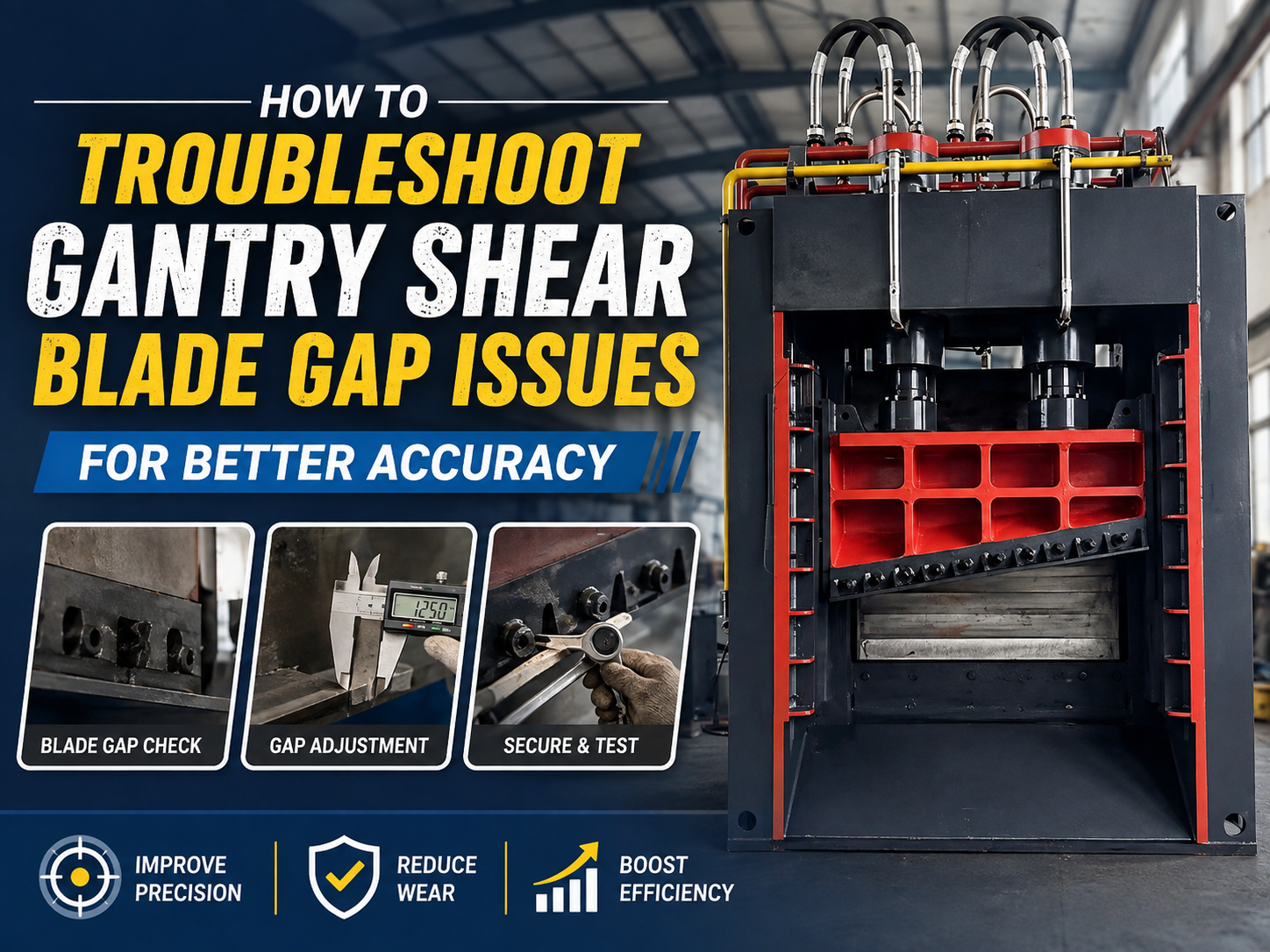
How to Troubleshoot Gantry Shear Blade Gap Issues for Better Accuracy

Introduction to Gantry Shear Precision
In the high-stakes world of metal fabrication, the gantry shear stands as a cornerstone of productivity. Whether you are processing heavy-duty steel plates or precision-cutting thinner sheets, the integrity of your final product relies heavily on the machine’s shearing performance. One of the most critical factors influencing this performance is the blade gap—the precise distance between the upper and lower shearing blades. When this gap is improperly set, the result is not just poor edge quality, but potential damage to the machine structure itself.
At HARSLE, we emphasize that understanding how to troubleshoot gantry shear blade gap issues for better accuracy is a fundamental skill for any operator or maintenance technician. A well-maintained blade gap ensures clean, burr-free cuts, reduces the load on the hydraulic system, and significantly extends the life of your cutting edges. Conversely, ignoring these settings leads to excessive blade wear, material deformation, and costly downtime.
This guide is designed to walk you through the technical nuances of blade gap management. We will explore why the gap matters, how to identify signs of misalignment, and the systematic steps required to restore your HARSLE gantry shear to peak operational efficiency. By mastering these adjustments, you ensure that your fabrication shop maintains the highest standards of quality control and output consistency.
Key Considerations for Blade Gap Management
Before diving into the mechanical adjustments, it is essential to understand the physics behind the shear process. The blade gap is not a static number; it is a dynamic variable that changes based on the thickness and tensile strength of the material being processed. A common mistake in many fabrication shops is using a ‘one-size-fits-all’ gap setting, which inevitably leads to inconsistent results and accelerated blade degradation.
The primary goal of the blade gap is to allow the material to fracture cleanly at the point of shear. If the gap is too wide, the metal will bend or ‘fold’ into the gap rather than shearing, resulting in excessive burrs and potential jamming. If the gap is too narrow, the blades may collide or rub against each other, leading to chipping, cracking, and severe damage to the blade surfaces. Achieving the ‘sweet spot’ is the hallmark of an expert operator.
Environmental factors also play a role. Thermal expansion in a busy workshop can slightly alter the clearance between blades over the course of a long shift. Operators should be trained to perform periodic checks, especially when switching between different material types or thicknesses. Consistency in your maintenance routine is the best defense against the common pitfalls of industrial shearing.
Finally, consider the safety implications. Troubleshooting a gantry shear requires working in close proximity to heavy, sharp components. Always ensure the machine is locked out and tagged out (LOTO) before performing any physical measurements or adjustments. Never attempt to adjust the gap while the machine is under power or in an active cycle, as the risks of injury are significant.
Technical Details: Troubleshooting and Adjustment
When you need to troubleshoot gantry shear blade gap issues for better accuracy, the first step is a visual inspection of the cut edge. A clean, smooth edge indicates a proper gap. If you notice a ‘ragged’ edge or a heavy burr, it is a clear sign that the gap is likely too wide. Conversely, if the machine sounds strained or you see metal shavings (not just dust) on the blades, the gap is likely too narrow.
To begin the adjustment process, you will need a set of precision feeler gauges. Start by bringing the upper blade to its bottom dead center (BDC) position, ensuring the machine is powered down. Measure the gap at several points along the length of the blade—typically at both ends and the center. It is common for older machines to have slight variations due to wear, but these should be kept within the manufacturer’s specified tolerances.
If the gap is inconsistent, you must adjust the blade support system. Most HARSLE gantry shears feature a manual or motorized adjustment mechanism that allows the operator to move the lower blade bed. Carefully loosen the locking bolts and use the adjustment screws to shift the bed incrementally. Always make small adjustments and re-measure; over-correcting can lead to a ‘seesaw’ effect where the gap is correct at one end but incorrect at the other.
Another technical aspect to monitor is the blade condition itself. Even with a perfect gap, a dull blade will produce poor results. If you have adjusted the gap correctly but are still seeing burrs, inspect the blade edges for chips or rounding. A dull blade forces the material into the gap, effectively negating your precise adjustments. In such cases, the blades must be removed and sharpened or replaced entirely.
Selection Advice for Gantry Shears
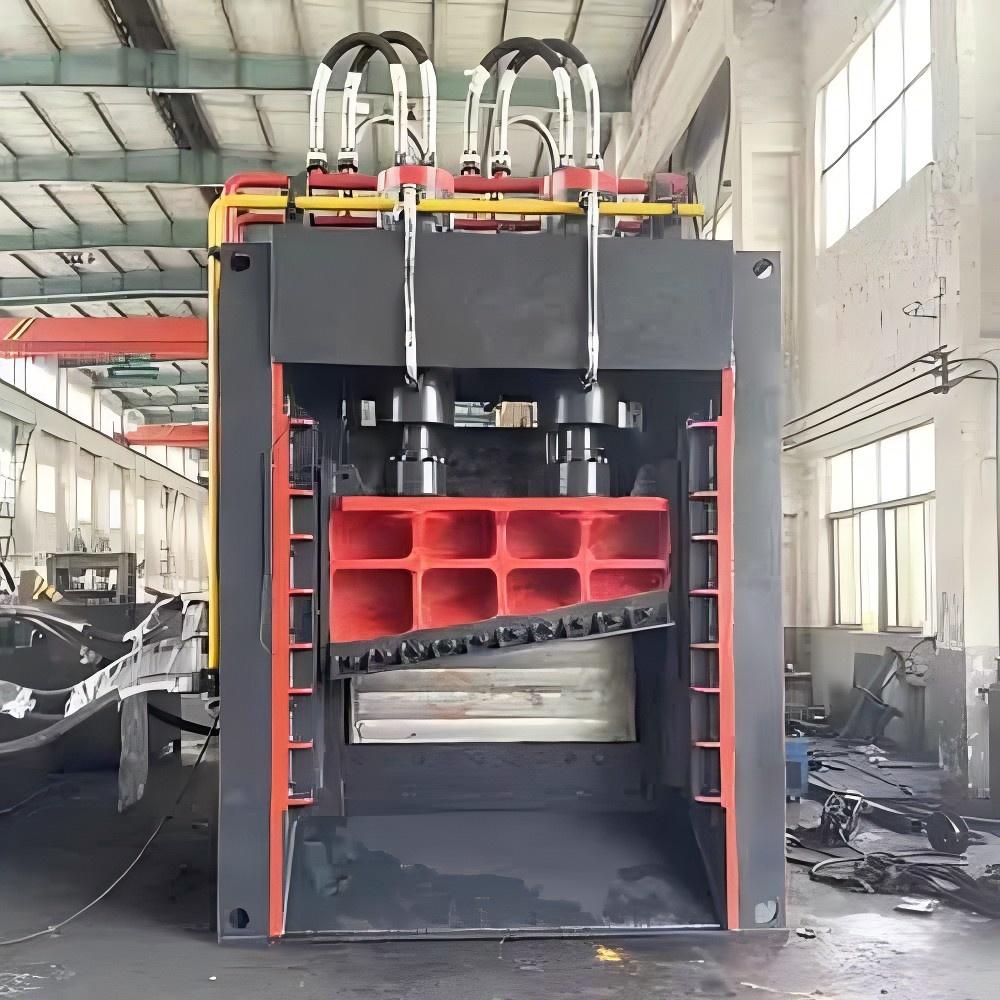
Choosing the right gantry shear for your facility is the first step in avoiding long-term troubleshooting headaches. When selecting a machine, look for models that offer motorized blade gap adjustment. While manual systems are reliable, motorized systems allow for faster, more accurate changes, which is vital for shops that frequently switch between different material gauges.
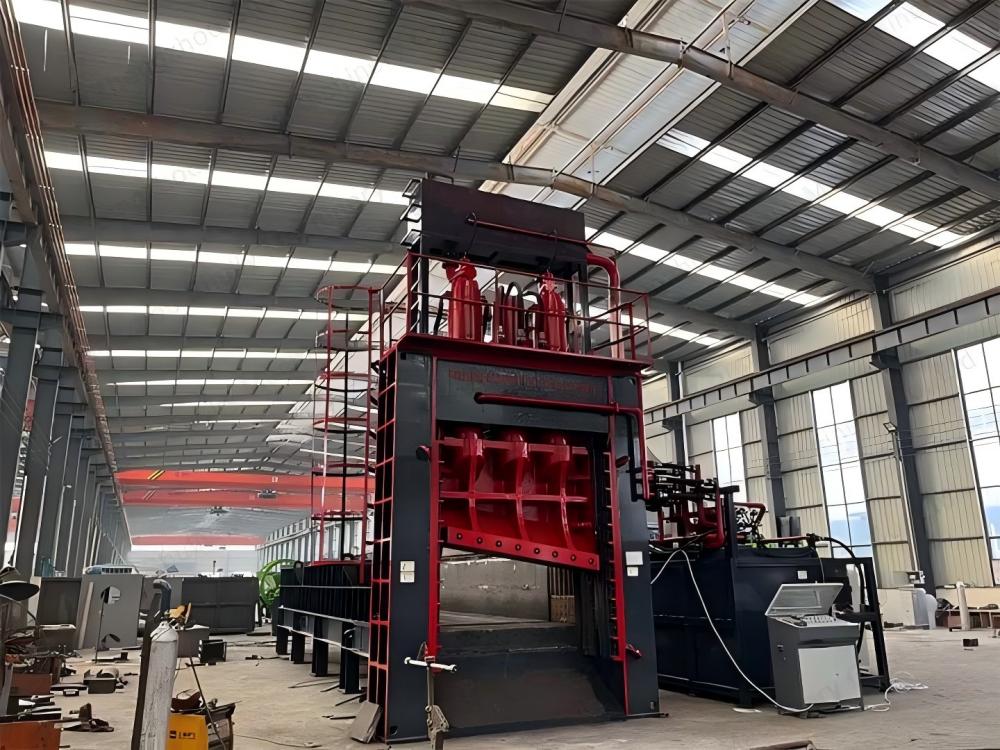
Consider the rigidity of the machine frame. A gantry shear that suffers from frame deflection under load will never hold a consistent blade gap, regardless of how well you calibrate it. HARSLE machines are engineered with heavy-duty, stress-relieved steel frames to ensure that the shearing force is distributed evenly, maintaining the integrity of the blade gap throughout the entire cutting stroke.
Look for integrated digital readouts (DRO) or CNC control systems that assist in gap calculation. Modern controllers can suggest the optimal gap based on the material thickness and type input by the operator. This removes the guesswork and human error from the equation, significantly improving the accuracy of your production line and reducing the time spent on manual troubleshooting.
Finally, evaluate the availability of spare parts and technical support. A gantry shear is a long-term investment. Ensure that the manufacturer provides comprehensive documentation, clear maintenance schedules, and responsive support. Having access to high-quality replacement blades and shims is just as important as the machine itself, as these components are the primary interface between your equipment and your product.
FAQ: Common Questions About Blade Gap
- How often should I check the blade gap? We recommend checking the gap at the start of every shift and whenever you change the material thickness by more than 20%.
- What is the ideal gap for mild steel? Generally, the gap should be set to approximately 5-10% of the material thickness. Always refer to your specific HARSLE manual for exact values.
- Can I use a wider gap to protect the blades? While a wider gap reduces the risk of blade collision, it will result in poor cut quality and increased burrs. It is better to maintain the recommended gap and ensure blades are sharp.
- Why does my shear make a loud ‘bang’ when cutting? This is often a sign that the gap is too narrow, causing the blades to strike each other, or that the material is too thick for the current machine setting. Stop immediately and inspect.
- Does blade gap affect machine longevity? Yes. An improper gap increases the hydraulic pressure required to shear the material, which puts unnecessary strain on the cylinders, seals, and frame.
Conclusion
Troubleshooting gantry shear blade gap issues for better accuracy is not just a maintenance task; it is an investment in the quality of your output and the longevity of your machinery. By understanding the relationship between material thickness, blade sharpness, and gap clearance, you empower your team to produce superior results while minimizing the risk of catastrophic equipment failure.
At HARSLE, we are committed to providing the tools and knowledge necessary for your success in the metal fabrication industry. Whether you are operating a heavy-duty gantry shear or a precision cutting system, the principles of accuracy remain the same. Keep your blades sharp, your measurements precise, and your maintenance schedule consistent. When you prioritize these elements, you ensure that your shop remains competitive, efficient, and capable of handling the most demanding projects with ease.
Remember, the difference between a standard cut and a precision-engineered edge often comes down to a few millimeters of gap adjustment. Take the time to master these settings, and your HARSLE gantry shear will reward you with years of reliable, high-performance service.