What Causes Burrs After Cutting On A Gantry Shear? A Comprehensive Troubleshooting Guide

Introduction
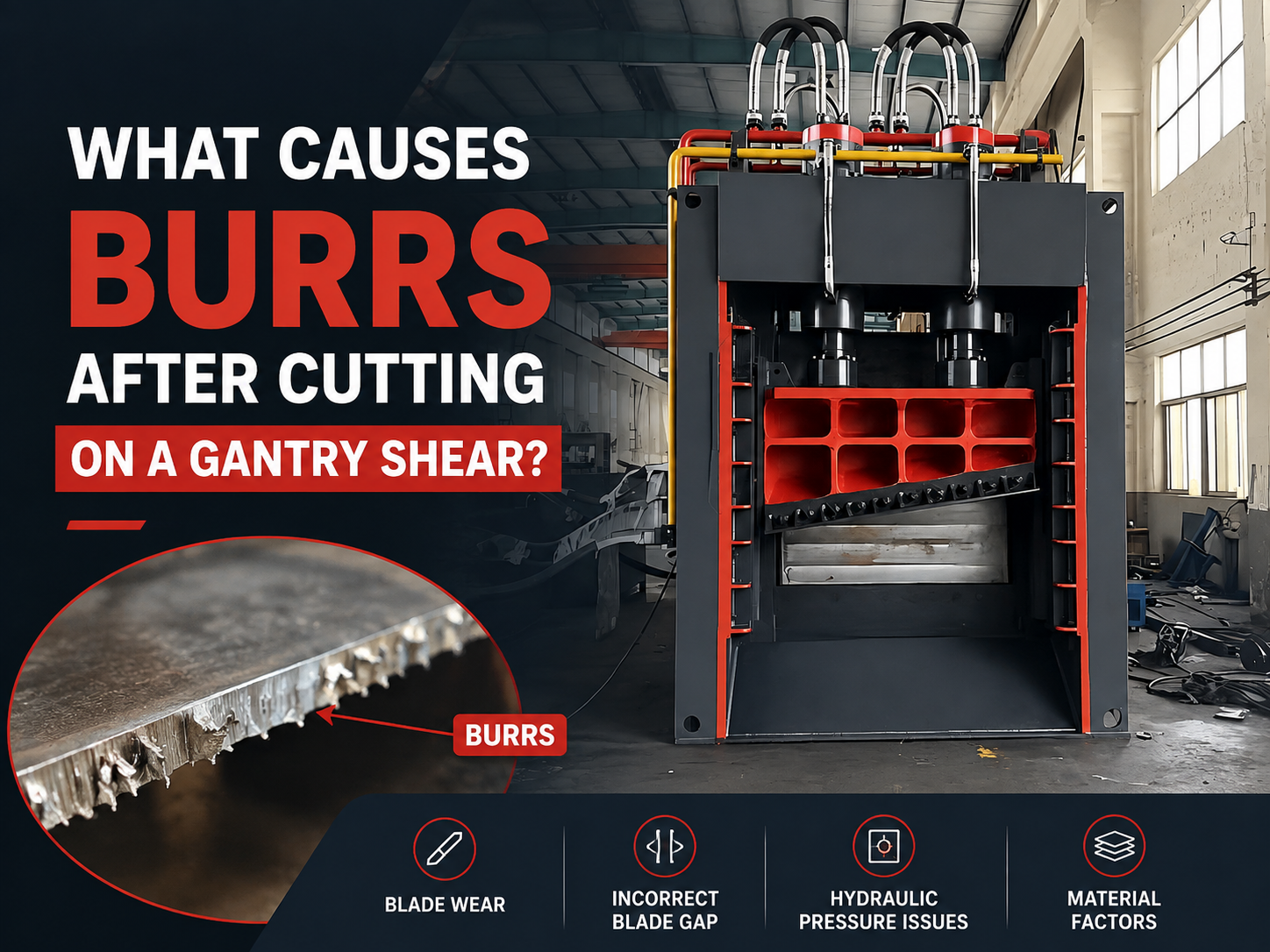
In the world of heavy-duty metal fabrication, the gantry shear stands as a cornerstone of efficiency and power. Designed to process large-scale scrap metal, structural steel, and thick plates, these machines are engineered for high-volume output. However, even the most robust HARSLE gantry shear can occasionally produce cuts with unwanted burrs. Understanding what causes burrs after cutting on a gantry shear is essential for operators and maintenance teams aiming to maintain high-quality production standards and minimize secondary processing costs.
A burr is essentially a thin, raised edge or small piece of material remaining on the workpiece after a shearing operation. While some degree of deformation is inherent in the mechanical shearing process, excessive burring is a clear indicator that something within the machine’s setup or the material handling process is misaligned. Addressing these issues promptly not only improves the aesthetic and functional quality of your metal products but also extends the lifespan of your shearing blades and hydraulic systems.
This guide explores the technical intricacies behind burr formation. By examining the relationship between blade clearance, material properties, and machine maintenance, we provide a roadmap for troubleshooting and preventing these common defects. Whether you are operating a new HARSLE unit or maintaining a long-standing production line, the following insights will help you achieve cleaner, more precise cuts every time.
Key Considerations: The Mechanics of Shearing
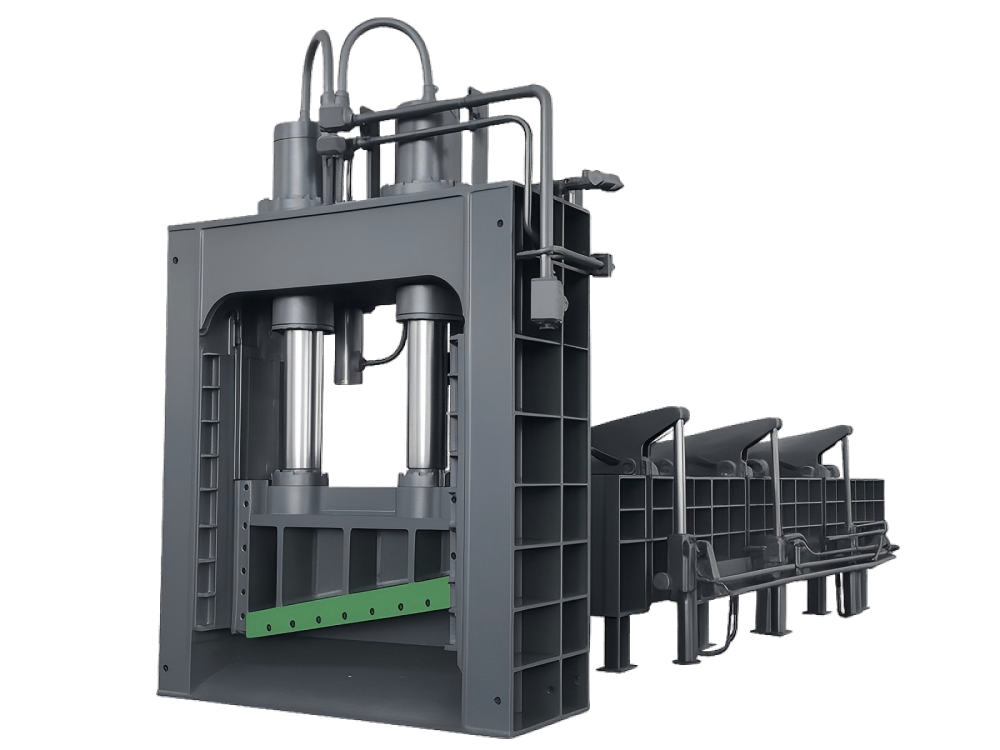
To understand what causes burrs after cutting on a gantry shear, one must first understand the physics of the shearing process. A shear does not “cut” in the traditional sense of a saw; rather, it uses two blades to apply localized compressive force that exceeds the shear strength of the metal. As the upper blade descends, the material is squeezed between the upper and lower blades, causing it to deform plastically before eventually fracturing.
The quality of the cut is determined by the precision of this fracture. If the blades are perfectly aligned and the clearance is optimized for the material thickness, the fracture lines from the top and bottom blades meet cleanly, resulting in a smooth edge. When these variables are off, the material does not fracture cleanly, leading to the formation of a burr—a jagged, unfinished edge that remains attached to the workpiece.
Material properties play a significant role in this equation. Different metals have varying levels of ductility and hardness. A material that is too soft may “smear” rather than fracture, while a material that is too hard may cause excessive blade deflection. Recognizing the specific characteristics of the steel or non-ferrous metal you are processing is the first step in diagnosing why burrs are appearing on your finished parts.
Furthermore, the structural integrity of the gantry itself is paramount. Because gantry shears handle massive forces, any vibration or lack of rigidity in the frame can lead to blade chatter. If the gantry is not properly anchored or if the slide guides are worn, the blades may shift during the cut, preventing the clean meeting of the fracture lines. Regular inspection of the machine’s structural components is therefore a prerequisite for high-quality shearing.
Technical Details: Why Burrs Occur
The most frequent answer to the question “What causes burrs after cutting on a gantry shear?” is improper blade clearance. Blade clearance is the gap between the upper and lower blades. If this gap is too large, the metal is pulled into the space between the blades rather than being sheared, resulting in a heavy burr and potential damage to the blade edges. Conversely, if the clearance is too small, the blades may rub against each other, causing premature wear and creating a secondary burr due to excessive friction.
Blade sharpness is another critical factor. Over time, the cutting edge of a shear blade will inevitably dull. A dull blade loses its ability to initiate a clean fracture, instead pushing the material downward and creating a rounded or “smeared” edge that manifests as a burr. Regular sharpening or replacement of blades is non-negotiable for high-precision fabrication. HARSLE recommends a strict maintenance schedule based on the tonnage processed and the hardness of the materials being cut.
Blade material and geometry also influence the outcome. High-carbon, high-chromium tool steels are typically used for shear blades to ensure longevity. If the wrong blade material is selected for a specific application—such as using a blade designed for mild steel on high-tensile stainless steel—the blade may deform or chip. This damage creates localized areas where the clearance is effectively altered, leading to inconsistent burr formation along the length of the cut.
Finally, consider the hydraulic pressure settings. A gantry shear relies on immense hydraulic force to drive the blade through the material. If the pressure is insufficient, the blade may stall or move too slowly, causing the material to bend rather than shear. If the pressure is too high, it may cause the machine frame to flex, leading to blade misalignment. Balancing these forces is a technical art that requires fine-tuning the hydraulic system to match the specific material thickness and grade.
Selection Advice: Choosing the Right Equipment
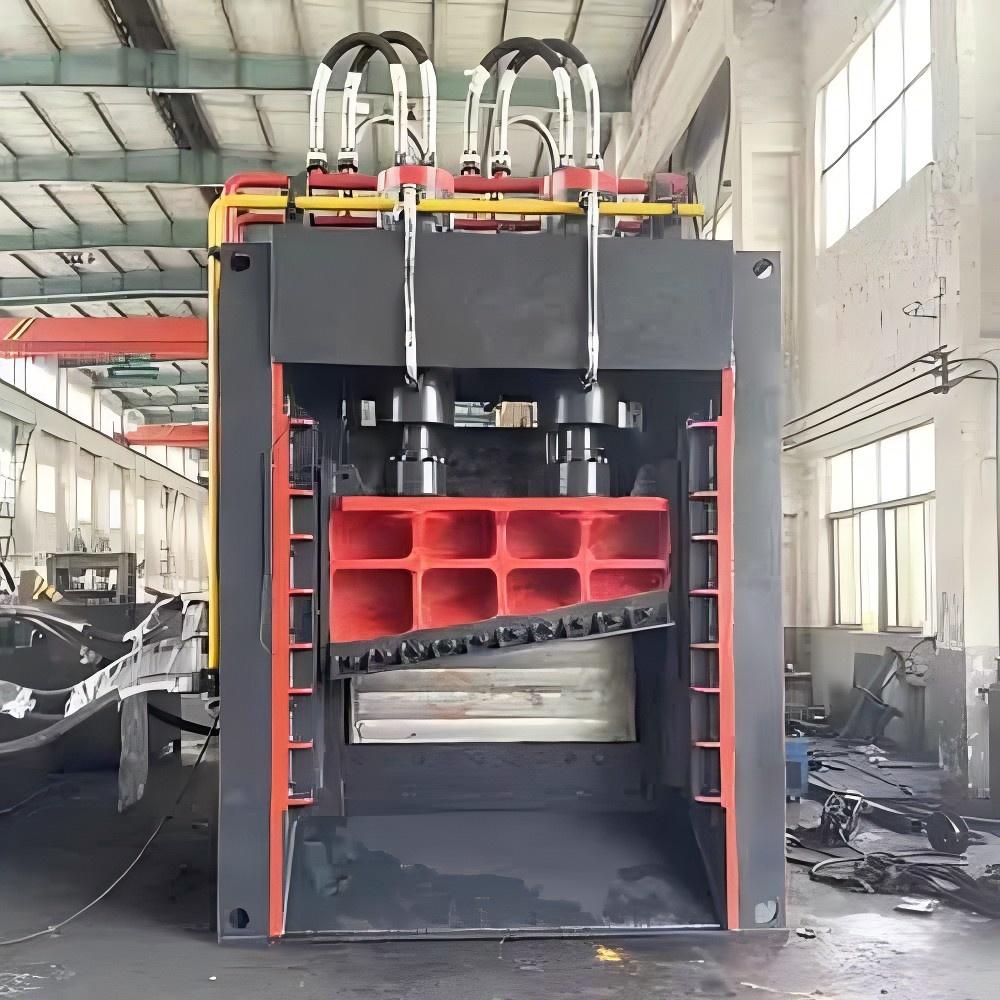
When selecting a gantry shear, it is vital to match the machine’s specifications to your production requirements. A common mistake is purchasing a machine that is underpowered for the thickest material you intend to process. When a machine is consistently pushed to its maximum capacity, it experiences increased mechanical stress, which leads to frame deflection and, consequently, burrs. Always opt for a machine with a safety margin in terms of cutting force.
Look for features that enhance precision, such as automated blade clearance adjustment systems. Modern HARSLE gantry shears often include CNC-controlled gap settings, which allow the operator to input the material thickness and type, and the machine automatically adjusts the clearance to the optimal value. This eliminates human error and ensures that the blades are always positioned for the cleanest possible cut.
Consider the rigidity of the blade housing. A heavy-duty, reinforced housing prevents the blades from bowing under load. When blades bow, the center of the cut may have different clearance than the ends, leading to uneven burr formation. Investing in a machine with a robust, vibration-dampened frame is an investment in the long-term quality of your output.
Lastly, evaluate the availability of support and spare parts. Even the best machines require maintenance. Having access to genuine replacement blades and expert technical support ensures that when you do encounter burrs, you can resolve the issue quickly. HARSLE provides comprehensive documentation and support to ensure that your gantry shear remains in peak operating condition throughout its lifecycle.
FAQ: Troubleshooting Common Issues
- Q: How often should I check my blade clearance?
A: You should check blade clearance whenever you switch to a different material thickness or grade. For high-volume production, a daily check is recommended to ensure no drift has occurred. - Q: Can lubrication reduce burrs?
A: While lubrication is primarily for blade longevity and heat reduction, it can help in some cases by reducing the friction that causes material smearing, which can indirectly improve edge quality. - Q: What is the primary sign that my blades are dull?
A: Aside from increased burring, you may notice that the machine requires more force to complete the cut, or you may hear a “popping” sound as the material tears rather than shears. - Q: Does material temperature affect burr formation?
A: Yes. Extremely cold material can be brittle and prone to cracking, while very hot material may be too ductile, leading to excessive deformation and burrs. - Q: Can a gantry shear be used for precision parts?
A: Yes, provided the machine is well-maintained and the blade clearance is correctly set. However, for extremely tight tolerances, secondary deburring may still be required.
Conclusion
Understanding what causes burrs after cutting on a gantry shear is the first step toward mastering your metal fabrication process. By focusing on the critical triad of blade clearance, blade sharpness, and machine rigidity, you can effectively eliminate most burring issues. Remember that the shearing process is a balance of mechanical forces; when that balance is disrupted, the quality of your cut suffers.
Regular maintenance, operator training, and the use of high-quality, application-specific blades are the hallmarks of a successful fabrication shop. HARSLE is committed to providing the industrial machinery and technical expertise necessary to keep your operations running smoothly. By implementing the strategies outlined in this guide, you can ensure that your gantry shear consistently delivers the clean, precise cuts your customers demand, ultimately saving time and reducing waste in your production cycle.
If you continue to experience persistent burring despite following these guidelines, it may be time for a professional inspection of your machine’s hydraulic system or structural alignment. Do not hesitate to reach out to our technical support team for a detailed assessment of your equipment. With the right care and attention, your HARSLE gantry shear will remain a reliable workhorse for years to come.