How to Fix Material Slippage Problems in a Gantry Shear: A Comprehensive Maintenance Guide

Introduction to Gantry Shear Precision
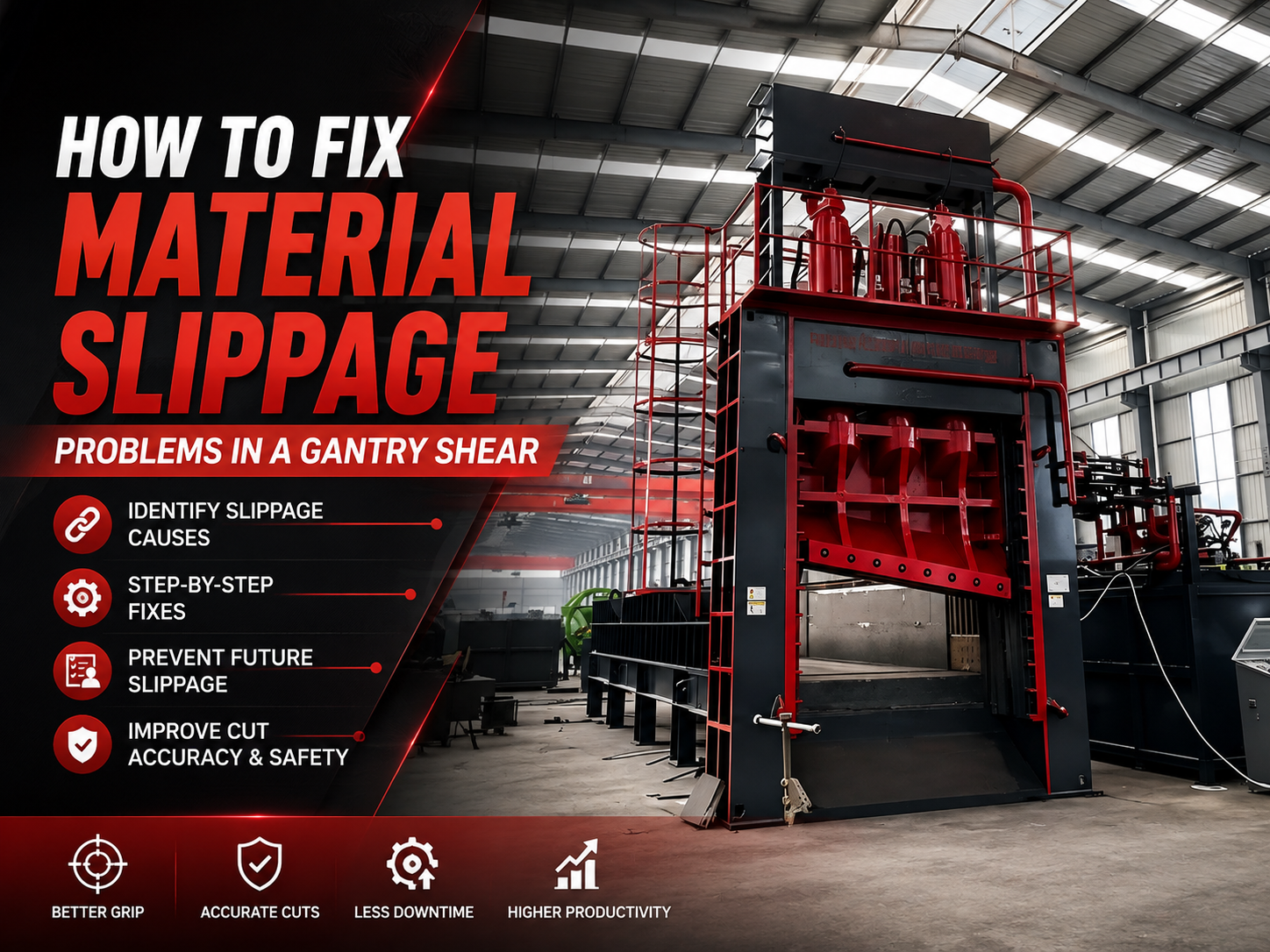
In the high-stakes world of metal fabrication, the gantry shear stands as a cornerstone of productivity. Designed for heavy-duty scrap processing and large-scale plate cutting, these machines must deliver consistent, clean cuts to ensure operational efficiency. However, one of the most persistent challenges operators face is the instability of the workpiece during the shearing cycle. When you need to fix material slippage problems in a gantry shear, you are not just addressing a minor inconvenience; you are optimizing the safety, accuracy, and longevity of your industrial investment.
Material slippage occurs when the workpiece shifts or slides out of position during the downward stroke of the shear blade. This movement can lead to jagged edges, inaccurate dimensions, and, in severe cases, catastrophic damage to the blade or the machine’s hydraulic system. Understanding the root causes of this phenomenon is the first step toward achieving the precision that HARSLE machinery is known for worldwide.
This guide provides a deep dive into the mechanical and hydraulic factors that contribute to slippage. By systematically evaluating your clamping pressure, blade clearance, and material handling procedures, you can restore your machine to peak performance. Whether you are operating a custom-built unit for heavy scrap or a standard plate shear, the principles of stabilization remain constant.
Key Considerations for Material Stability
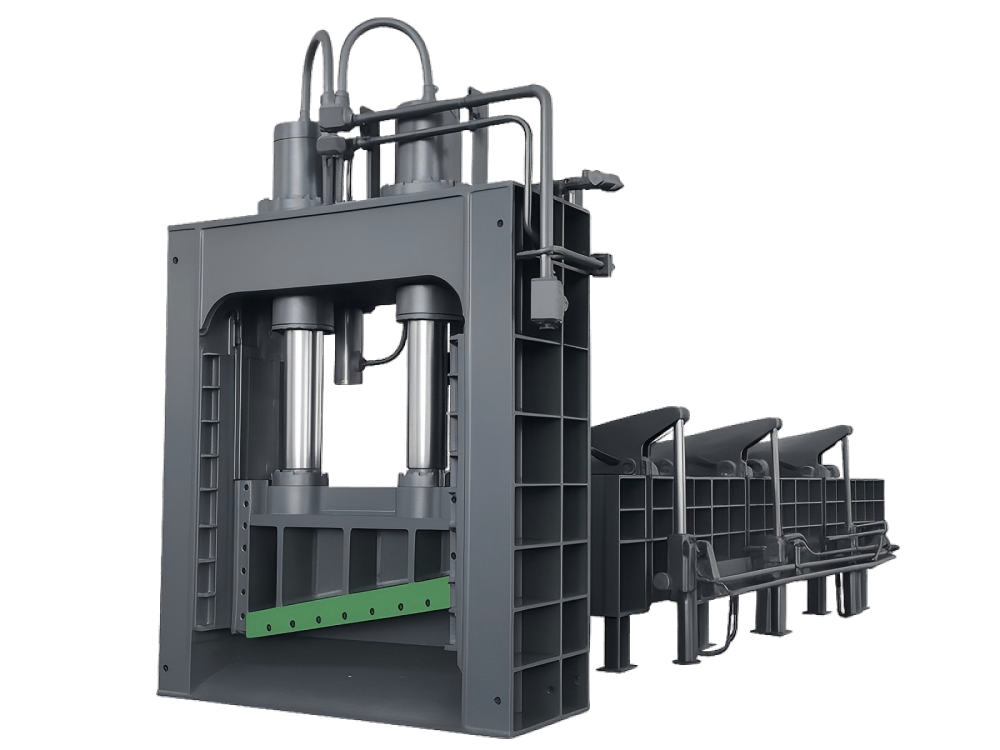
The primary reason for slippage is often an imbalance between the shearing force and the clamping force. A gantry shear relies on a robust hold-down system to pin the material firmly against the bed before the blade makes contact. If this hold-down pressure is insufficient, the lateral forces generated by the shearing action will inevitably push the material away from the intended cut line.
Another critical consideration is the surface condition of the material. Oily, rusted, or uneven plates significantly reduce the coefficient of friction between the hold-down pads and the metal. When the material surface is compromised, standard clamping pressures may no longer be adequate. Operators must adjust their approach based on the specific material grade and surface finish being processed.
Environmental factors also play a role in how a machine performs over time. Temperature fluctuations can affect hydraulic oil viscosity, which in turn impacts the responsiveness of the clamping cylinders. If your facility experiences significant seasonal temperature changes, you may notice that slippage occurs more frequently during colder months, necessitating adjustments to your hydraulic pressure settings.
Finally, the structural integrity of the machine bed must be considered. Over years of operation, the bed surface may develop minor indentations or wear patterns that prevent uniform contact with the workpiece. A stable, flat foundation is essential for the hold-down system to function as intended. Regular inspection of the bed surface is a non-negotiable aspect of preventative maintenance.
Technical Details: Troubleshooting the Hold-Down System
To effectively fix material slippage problems in a gantry shear, you must first inspect the hydraulic hold-down cylinders. These components are responsible for exerting the vertical force required to keep the plate stationary. Check for internal leaks in the seals, which can cause the cylinders to lose pressure mid-cycle. If the pressure gauge on your control panel shows a drop during the cutting phase, a seal replacement is likely required.
The hold-down pads themselves are subject to extreme wear. These pads often feature serrated or textured surfaces designed to bite into the metal. If these serrations have become smooth due to constant friction, they will lose their grip. Replacing worn pads is a cost-effective way to restore stability. Ensure that the replacement pads are compatible with the hardness of the materials you typically process.
Blade clearance is another technical factor that indirectly influences slippage. If the clearance between the upper and lower blades is too wide, the material is forced to bend excessively before it shears. This bending action creates a horizontal force vector that pushes the material away from the gauge. By tightening the blade clearance to the manufacturer’s recommended specifications, you reduce the bending force and minimize the tendency for the material to shift.
Hydraulic flow control valves should also be inspected. If the hold-down cylinders engage too slowly, the blade may strike the material before the clamping force has reached its maximum. Adjusting the timing of the hydraulic sequence ensures that the material is fully secured before the cutting stroke begins. This synchronization is vital for high-speed production environments where cycle times are optimized.
Selection Advice for Optimal Performance
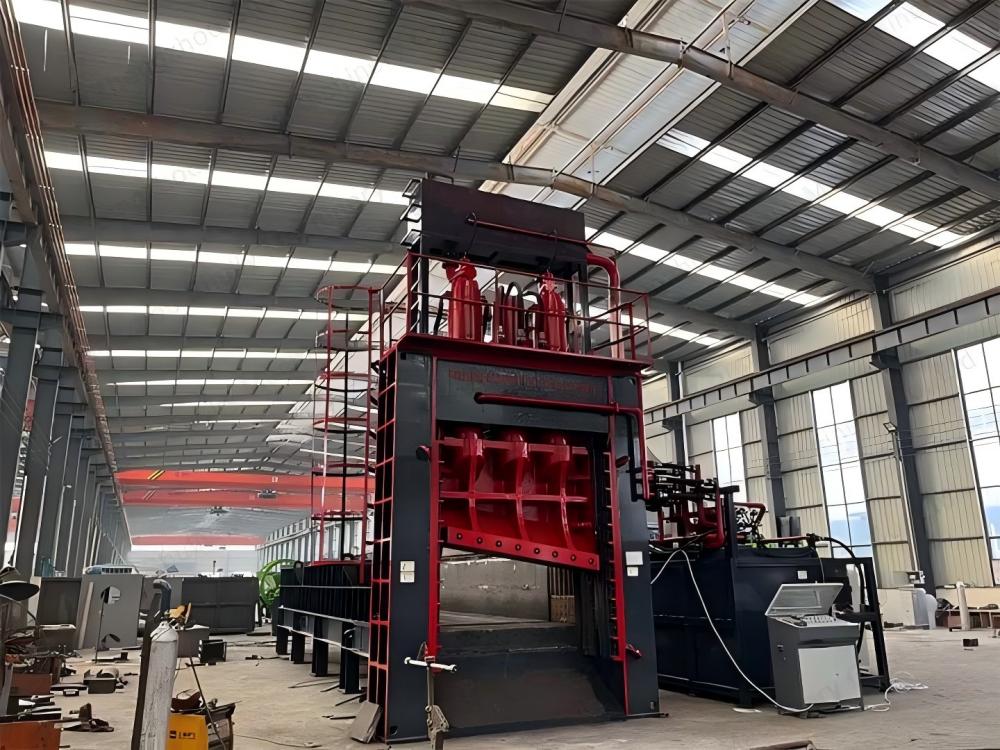
When selecting a gantry shear, or upgrading your current setup, consider the material thickness range you handle most frequently. A machine that is underpowered for your heaviest plates will always struggle with slippage because the clamping system cannot compensate for the massive shearing forces required. Investing in a machine with a higher tonnage capacity than your current needs can provide a safety margin that prevents future slippage issues.
Look for machines that offer adjustable clamping pressure. Not all materials require the same force; thin, delicate sheets may deform under excessive pressure, while thick, hardened steel requires maximum force to prevent movement. A system that allows the operator to dial in specific pressures for different material types is a significant advantage in a versatile fabrication shop.
Consider the integration of automated material handling systems. Conveyors and magnetic feeders can help align the material more accurately before it reaches the shear. By reducing the manual effort required to position heavy plates, you decrease the likelihood of human error and ensure that the material is presented to the shear in a stable, predictable manner.
Finally, prioritize machines with robust diagnostic software. Modern HARSLE shears often include sensors that monitor hydraulic pressure and blade position in real-time. These systems can alert operators to pressure drops or timing issues before they result in a bad cut. Choosing a machine with advanced telemetry is an investment in long-term operational reliability.
Maintenance Checklist for Preventing Slippage
- Daily Inspection: Check hold-down pads for debris or excessive wear. Clean the bed surface of scale and metal chips.
- Weekly Pressure Check: Verify that the hydraulic hold-down pressure matches the specifications for the material thickness currently being cut.
- Monthly Seal Audit: Inspect hydraulic hoses and cylinder seals for signs of weeping or pressure loss.
- Quarterly Blade Alignment: Measure blade clearance across the entire length of the shear to ensure uniform cutting force.
- Annual Calibration: Have a certified technician calibrate the hydraulic valves and pressure sensors to ensure accuracy.
FAQ: Common Questions About Gantry Shear Slippage
Q: Why does my material slip only on the left side of the shear?
A: This usually indicates an uneven clamping force. Check the hold-down cylinders on that side for hydraulic leaks or air trapped in the lines. It could also be caused by a worn-out pad specific to that section of the gantry.
Q: Can I use lubricants to make cutting easier?
A: While lubrication helps the blade penetrate the metal, it can also reduce friction between the hold-down pads and the material. If you use lubricants, ensure your clamping pressure is increased to compensate for the reduced grip.
Q: How often should I replace the hold-down pads?
A: This depends on your usage volume. In high-production environments, inspect them monthly. If the serrations are no longer sharp to the touch, replace them immediately to prevent slippage.
Q: Does the material type affect slippage?
A: Yes. Harder materials like stainless steel or AR plate require significantly more clamping force than mild steel. Always adjust your pressure settings when switching between material grades.
Conclusion
Learning how to fix material slippage problems in a gantry shear is an essential skill for any fabrication professional. By focusing on the health of your hydraulic hold-down system, maintaining the sharpness of your clamping pads, and ensuring proper blade clearance, you can eliminate the frustration of shifting materials. HARSLE remains committed to providing the industrial machinery and technical support necessary to keep your operations running smoothly. Remember that consistent maintenance is the best defense against mechanical failure. By implementing the strategies outlined in this guide, you will not only improve the quality of your cuts but also extend the lifespan of your gantry shear, ensuring it remains a productive asset for years to come.