How to Fix Gantry Shear Foot Pedal and Start Switch Malfunctions: A Comprehensive HARSLE Maintenance Guide

Introduction to Gantry Shear Control Systems
In the demanding environment of heavy-duty metal fabrication, the gantry shear stands as a cornerstone of production efficiency. These machines are engineered to handle massive cutting forces, requiring precise control over every cycle. At the heart of this operation are the foot pedal and the start switch—the primary interfaces between the operator and the machine’s hydraulic or mechanical power. When these components fail, production grinds to a halt, leading to costly downtime and potential safety hazards.
Understanding how to fix gantry shear foot pedal and start switch malfunctions is an essential skill for any maintenance technician or shop floor manager. These components are subjected to constant physical stress, environmental debris, and electrical wear. By mastering the diagnostic and repair procedures for these control interfaces, you can ensure that your HARSLE equipment remains operational, safe, and highly productive throughout its service life.
This guide provides a deep dive into the electrical and mechanical systems governing your shear’s start sequence. We will explore common failure points, diagnostic techniques, and step-by-step repair protocols. Whether you are dealing with an intermittent signal, a completely dead switch, or a mechanical jam, the following sections will equip you with the knowledge needed to restore full functionality to your metal fabrication equipment.
Key Considerations for Control System Maintenance
Before attempting any repair, safety must be the absolute priority. Gantry shears are high-force machines capable of causing severe injury. Always ensure the machine is locked out and tagged out (LOTO) according to industrial standards before opening any electrical enclosures or removing control covers. Never bypass safety interlocks to test a faulty switch, as this can lead to catastrophic accidents.
Environmental factors play a significant role in the degradation of foot pedals and start switches. Metal dust, hydraulic oil mist, and moisture are the primary enemies of electrical contacts. Over time, these contaminants can penetrate the housing of a foot pedal, causing oxidation or short circuits. Regular cleaning schedules and the use of protective shrouds can significantly extend the lifespan of these components.
Another key consideration is the quality of the electrical components themselves. In industrial settings, low-cost replacement switches often fail prematurely due to vibration and high-frequency usage. When performing repairs, always source high-quality, industrial-grade replacements that match the voltage and amperage specifications of your HARSLE machine. Using sub-par parts will only lead to recurring malfunctions and increased long-term maintenance costs.
Finally, consider the ergonomic and mechanical alignment of the foot pedal. A pedal that is misaligned or obstructed by debris will not actuate the internal microswitch correctly. Often, what appears to be an electrical failure is actually a mechanical binding issue. Before diving into wiring diagrams, perform a thorough physical inspection of the pedal assembly to ensure it moves freely and hits its internal limit switch with consistent pressure.
Technical Details: Troubleshooting the Foot Pedal and Start Switch
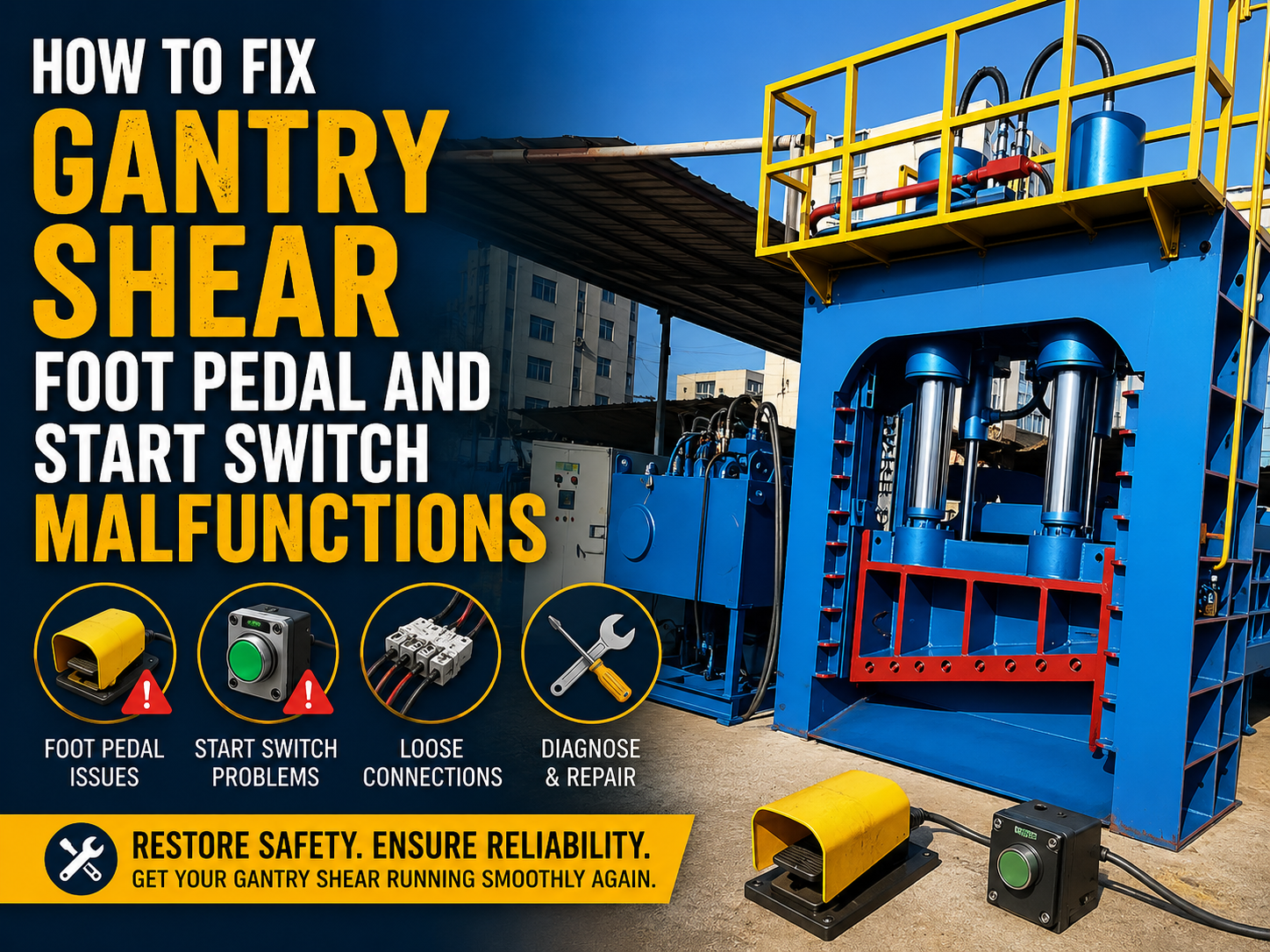
The foot pedal assembly typically functions as a remote trigger for the machine’s PLC or relay logic. Inside the pedal housing, you will find one or more microswitches. When the pedal is depressed, the mechanical linkage actuates the switch, closing the circuit and sending a signal to the control panel. If the machine fails to start, the first step is to verify if the signal is reaching the PLC. Most modern HARSLE controllers feature input status LEDs that illuminate when a signal is received.
If the input LED does not light up when the pedal is pressed, the issue lies in the pedal, the cable, or the connector. Use a multimeter to check for continuity across the switch terminals while the pedal is depressed. If there is no continuity, the microswitch is likely faulty and needs replacement. If there is continuity, the problem is likely a broken wire within the control cable or a loose connection at the terminal block inside the machine’s main electrical cabinet.
Start switches on the main control panel operate on similar principles but are often part of a safety circuit that includes emergency stops and light curtains. If the start switch is unresponsive, check the status of the emergency stop buttons. A single tripped E-stop will prevent the start switch from engaging the main contactors. Ensure that all safety circuits are closed before troubleshooting the start switch itself.
For intermittent issues, look for signs of arcing or carbon buildup on the switch contacts. Over time, the electrical spark generated during contact opening and closing can pit the metal surfaces, leading to high resistance. If you notice discoloration or a burnt smell, the switch must be replaced immediately. Cleaning the contacts with specialized electrical contact cleaner can provide a temporary fix, but it is rarely a permanent solution for high-cycle industrial machinery.
Selection Advice: Choosing Replacement Components
When you need to fix gantry shear foot pedal and start switch malfunctions, selecting the right replacement part is as important as the repair itself. Not all switches are created equal. You must match the IP (Ingress Protection) rating of the original component. For metal fabrication environments, an IP65 or higher rating is recommended to protect against dust and liquid ingress.
Consider the mechanical durability of the foot pedal. Heavy-duty shears require pedals with cast-metal housings rather than plastic. A cast-metal pedal can withstand the accidental impact of heavy steel plates or tools, whereas a plastic pedal will crack, exposing the internal wiring. Additionally, look for pedals with a safety guard or shroud that prevents accidental activation by falling debris or personnel walking past the machine.
When selecting a start switch, consider the tactile feedback and the electrical life cycle. Industrial-grade push-button switches are rated for millions of cycles. Check the manufacturer’s datasheet for the mechanical and electrical life ratings. If your production volume is high, investing in a premium-brand switch will pay for itself by reducing the frequency of maintenance interventions.
Always maintain a small inventory of critical spares. Having a spare foot pedal and a set of contact blocks for your start switches on hand can reduce downtime from days to minutes. When purchasing spares, ensure they are compatible with your specific HARSLE model’s voltage requirements (e.g., 24V DC for control circuits vs. 110V/220V AC). Using the wrong voltage can damage the PLC input cards or cause the switch to fail instantly.
Step-by-Step Repair Protocol
To effectively address these malfunctions, follow this structured approach:
- Step 1: Diagnostic Verification. Use a multimeter to test for voltage at the switch terminals. If voltage is present but the machine does not respond, the switch contacts are likely failed.
- Step 2: Mechanical Inspection. Check the pedal linkage for debris. Remove any metal shavings or oil buildup that might be preventing full travel of the actuator.
- Step 3: Wiring Integrity. Inspect the cable connecting the pedal to the machine. Look for kinks, cuts, or crushed sections caused by heavy machinery or forklift traffic.
- Step 4: Component Replacement. If the switch is faulty, disconnect power, label the wires, and remove the switch. Install the new component, ensuring all connections are tight and the wiring matches the original schematic.
- Step 5: Testing. Before putting the machine back into production, test the switch functionality in a safe, unloaded state. Verify that the machine stops immediately when the pedal is released.
By following these steps, you ensure a methodical repair process that minimizes the risk of secondary failures. Documentation is also key; keep a log of when switches were replaced so you can identify if a specific machine is experiencing premature wear, which might indicate an underlying issue with the machine’s vibration or electrical noise.
FAQ: Common Questions About Shear Control Systems
Q: Why does my gantry shear start intermittently?
A: Intermittent operation is usually caused by loose wiring connections, oxidized switch contacts, or a failing microswitch. Check all terminal blocks for tightness and inspect the switch for signs of internal wear.
Q: Can I bypass the foot pedal to test the machine?
A: Never bypass safety controls. If you need to test the machine, use a jumper wire only if you are a qualified technician and the machine is in a controlled, safe state. Bypassing safety circuits is a leading cause of industrial accidents.
Q: How often should I replace the foot pedal?
A: There is no set time frame, but you should inspect the pedal monthly. If the housing is damaged or the switch feels “mushy” or unresponsive, it should be replaced immediately to prevent safety risks.
Q: What is the most common cause of start switch failure?
A: In metal fabrication, the most common cause is the ingress of conductive metal dust, which leads to short circuits or contact degradation. Keeping the control area clean is the best prevention.
Conclusion
Maintaining the control systems of your HARSLE gantry shear is a critical aspect of operational excellence. By understanding how to fix gantry shear foot pedal and start switch malfunctions, you empower your team to maintain high uptime and ensure a safer working environment. Remember that these components are the interface between your operators and the immense power of your machinery; treat them with the same level of care as the hydraulic system or the shear blades themselves.
Regular inspections, the use of high-quality replacement parts, and a disciplined approach to troubleshooting will keep your metal fabrication equipment running smoothly for years. If you encounter complex electrical issues that go beyond simple switch replacement, always consult the HARSLE technical manual or contact our support team for professional guidance. Investing time in maintenance today prevents the high cost of emergency repairs tomorrow.