Gantry Shear Maintenance Problems That Lead Frequent Breakdowns: A Comprehensive Guide

Introduction
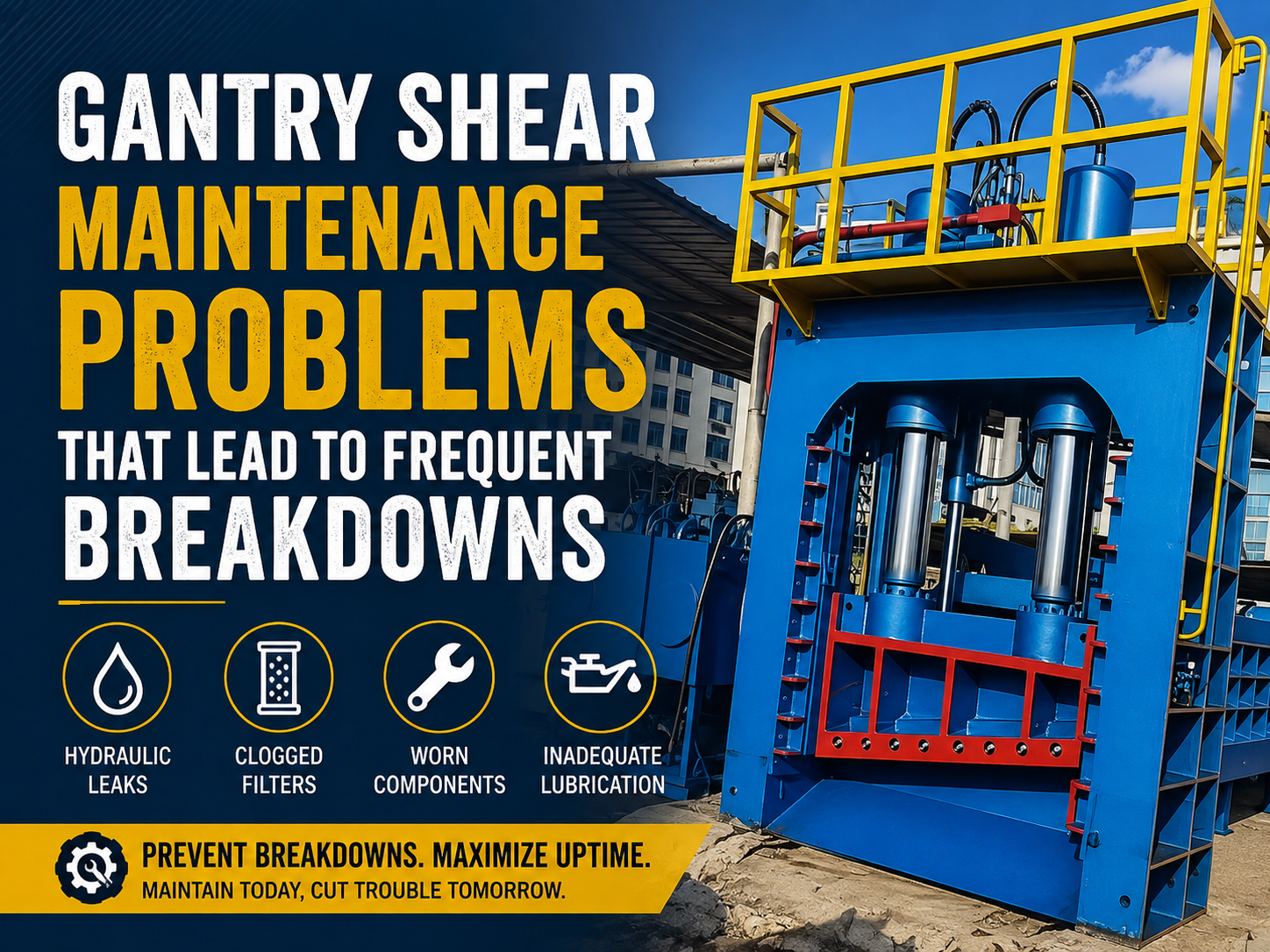
In the demanding world of metal fabrication, the gantry shear stands as a cornerstone of efficiency and productivity. Designed to handle massive volumes of scrap metal and heavy-duty plates, these machines are engineered for endurance. However, even the most robust industrial machinery is susceptible to wear and tear. Understanding the Gantry Shear Maintenance Problems That Lead Frequent Breakdowns is essential for any facility manager or machine operator looking to maximize their return on investment and ensure operational safety.
At HARSLE, we recognize that downtime is the enemy of profitability. When a gantry shear fails, the entire production line often grinds to a halt, leading to missed deadlines and increased operational costs. By identifying the root causes of mechanical failure, maintenance teams can shift from a reactive “fix-it-when-it-breaks” mentality to a proactive, predictive maintenance strategy. This article explores the technical intricacies of gantry shear maintenance and provides actionable insights to keep your equipment running at peak performance.
The complexity of modern gantry shears involves a synergy of hydraulic, electrical, and mechanical systems. Each component must function in harmony to deliver the precise cutting force required for industrial applications. When one element is neglected, it creates a domino effect that can lead to catastrophic failure. This guide serves as a comprehensive resource for identifying, addressing, and preventing the most common maintenance pitfalls associated with these powerful machines.
Whether you are operating a high-capacity scrap processing facility or a specialized metal fabrication plant, the principles of maintenance remain the same. Consistency, documentation, and technical expertise are the pillars of long-term machine health. By following the guidelines outlined in this article, you can significantly reduce the frequency of breakdowns and extend the operational lifespan of your HARSLE gantry shear.
Key Considerations for Gantry Shear Longevity
The first step in preventing breakdowns is understanding the environment in which the gantry shear operates. These machines are often subjected to harsh conditions, including extreme temperatures, dust, metal shavings, and heavy vibration. Neglecting the cleaning and environmental control of the machine area is a primary contributor to premature component failure. Dust and debris can infiltrate sensitive hydraulic seals and electrical cabinets, causing short circuits or fluid contamination.
Operator training is another critical factor. Many Gantry Shear Maintenance Problems That Lead Frequent Breakdowns stem from improper usage. Overloading the shear, attempting to cut materials beyond the machine’s rated capacity, or failing to follow the correct startup and shutdown procedures can place undue stress on the structural frame and the hydraulic pump. A well-trained operator is the first line of defense against mechanical fatigue.
Lubrication management is arguably the most important aspect of routine maintenance. Gantry shears feature numerous moving parts, including guide rails, cylinders, and pivot points, all of which require specific types of lubrication at regular intervals. Using the wrong lubricant or failing to lubricate these points can lead to friction-induced overheating and metal-on-metal wear. A structured lubrication schedule, documented in a maintenance log, is essential for every facility.
Finally, the importance of regular inspections cannot be overstated. Maintenance should not be limited to when a problem arises. Daily, weekly, and monthly inspection checklists help identify minor issues—such as a loose bolt or a weeping hydraulic hose—before they escalate into major failures. By fostering a culture of accountability and attention to detail, you can ensure that your equipment remains in optimal condition for years to come.
Technical Details: Troubleshooting Common Failure Points
Hydraulic system failure is the most frequent cause of downtime in gantry shears. The hydraulic fluid acts as the lifeblood of the machine, transmitting power to the cutting blades. Contamination of this fluid is a silent killer. When particulate matter enters the hydraulic lines, it can score the interior of cylinders, damage valves, and lead to pressure drops. Regularly checking fluid levels, monitoring fluid temperature, and replacing filters according to the manufacturer’s specifications are non-negotiable tasks.
Blade clearance and sharpness are critical for both the quality of the cut and the longevity of the machine. If the gap between the upper and lower blades is not set correctly, the machine will experience excessive stress, leading to potential structural damage or blade chipping. Furthermore, dull blades require more force to penetrate the material, which puts additional strain on the hydraulic system and the motor. Periodic blade sharpening and precise gap adjustment are essential maintenance procedures.
Electrical system integrity is often overlooked until a failure occurs. Gantry shears rely on complex PLC (Programmable Logic Controller) systems to manage the cutting cycle. Loose connections, corroded terminals, or faulty sensors can cause erratic machine behavior or complete system lockouts. Keeping electrical cabinets clean, dry, and free of dust is vital. Additionally, ensuring that all safety interlocks are functioning correctly is not only a maintenance requirement but a legal and safety necessity.
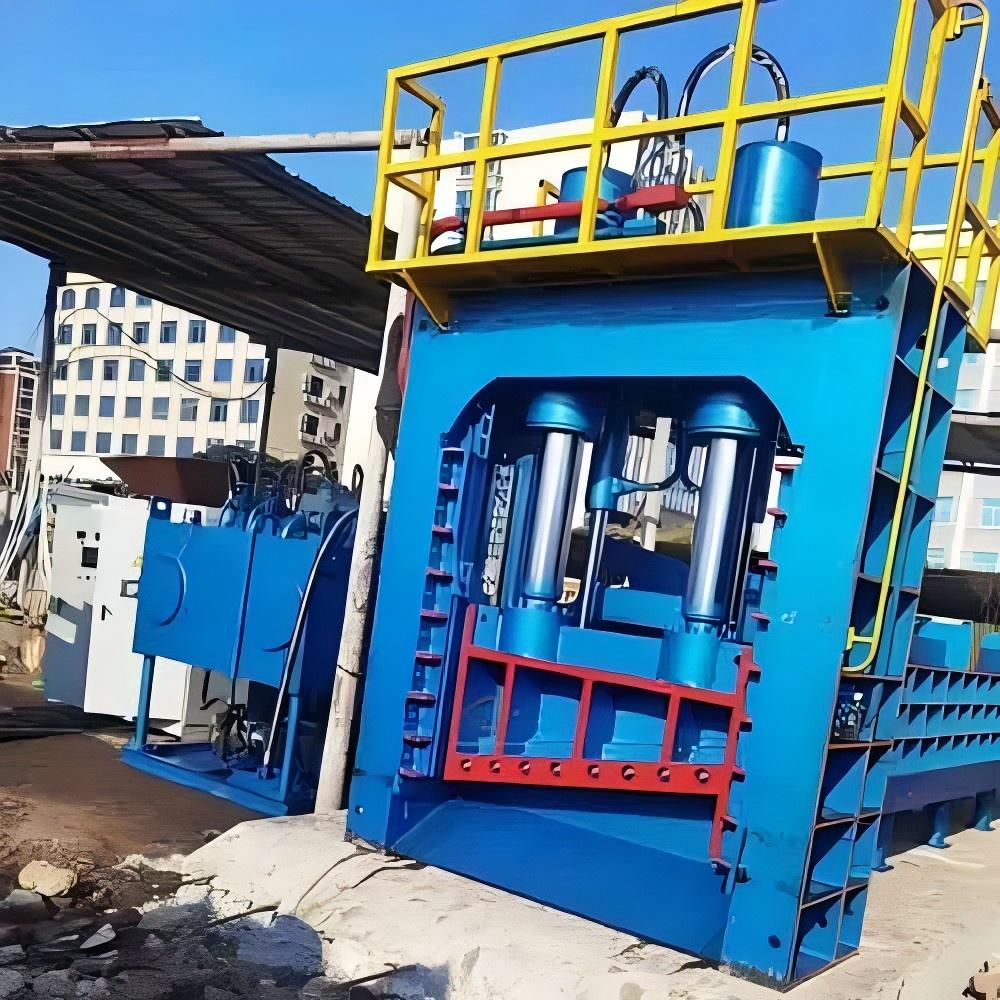
Structural fatigue is a long-term concern for heavy-duty shears. Over time, the constant impact of the cutting action can cause micro-fractures in the frame or mounting points. Regularly inspecting the structural integrity of the gantry and the base frame is crucial. If you notice unusual vibrations or alignment issues, it is imperative to conduct a thorough structural analysis. Addressing these issues early can prevent catastrophic structural failure that could render the machine irreparable.
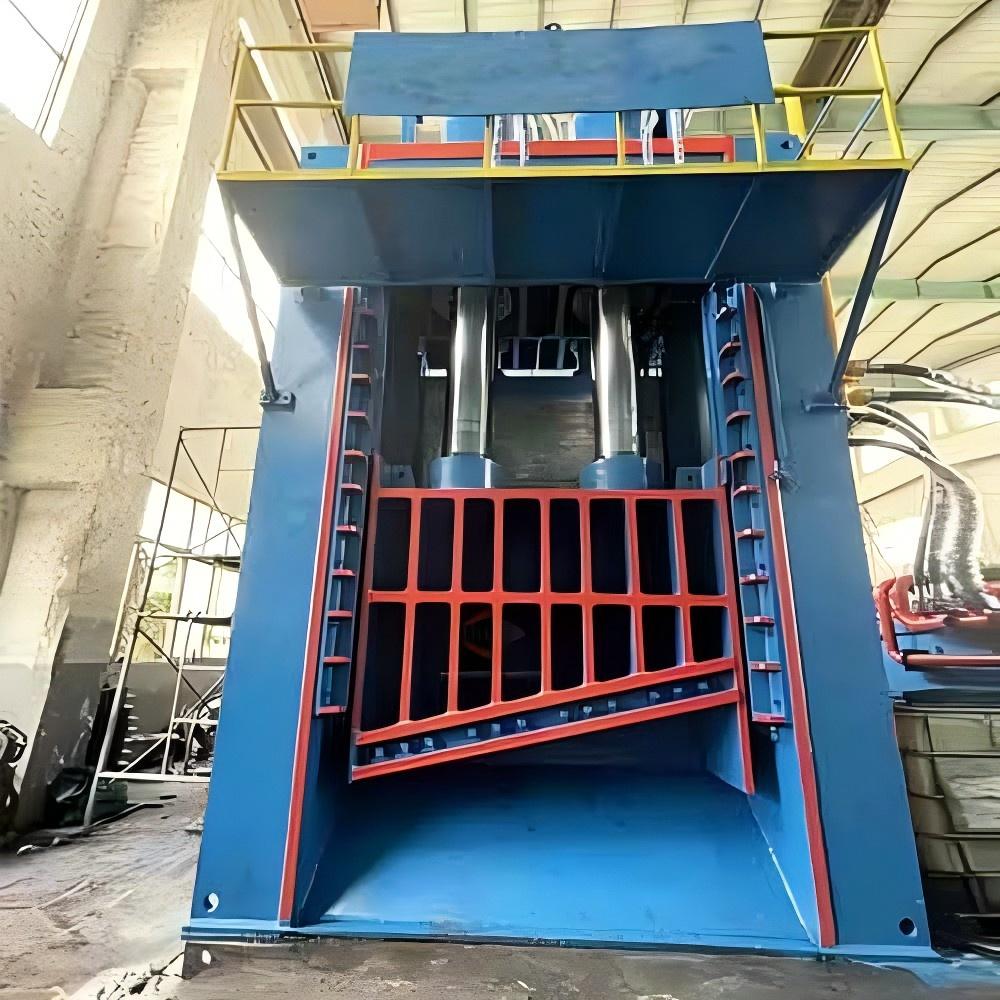
Selection Advice: Choosing the Right Equipment
When selecting a gantry shear, it is vital to match the machine’s specifications to your specific production requirements. Purchasing a machine that is underpowered for your typical material thickness will lead to constant overloading, which is a primary driver of Gantry Shear Maintenance Problems That Lead Frequent Breakdowns. Always consult with HARSLE engineers to determine the appropriate tonnage and cutting capacity for your application.
Consider the build quality and the reputation of the manufacturer. Industrial machinery is a long-term investment, and the quality of the steel, the precision of the machining, and the reliability of the hydraulic components vary significantly between brands. Look for machines that feature high-grade components from reputable suppliers, as this makes sourcing replacement parts easier and ensures better overall performance.
Ease of maintenance should be a key selection criterion. A machine that is designed with accessible maintenance points, clear labeling, and modular components will be much easier to service than one that requires extensive disassembly for routine tasks. Ask about the availability of technical support, spare parts, and training programs when evaluating potential suppliers. A manufacturer that provides comprehensive after-sales support is an invaluable partner in your operational success.
Finally, consider the future growth of your facility. While it might be tempting to purchase a machine that meets your current needs exactly, it is often wiser to invest in a machine with a slightly higher capacity than you currently require. This provides a buffer for increased production demands and reduces the likelihood of running the machine at its absolute limit, which is where most mechanical wear occurs.
FAQ: Addressing Common Maintenance Queries
How often should I change the hydraulic oil in my gantry shear?
Hydraulic oil should typically be changed every 2,000 to 4,000 operating hours, depending on the intensity of use and the environment. However, you should perform regular oil analysis to check for contamination and degradation, which may necessitate more frequent changes.
What are the signs that my shear blades need sharpening?
Signs include burrs on the cut edges of the material, increased noise during the cutting cycle, and the machine struggling to complete a cut that it previously handled with ease. If you notice these symptoms, inspect the blades immediately.
Why does my gantry shear vibrate excessively during operation?
Excessive vibration can be caused by loose mounting bolts, uneven floor leveling, or internal hydraulic issues. Check the machine’s foundation and ensure all structural bolts are tightened to the specified torque. If the vibration persists, consult a technician.
Can I use generic hydraulic fluid in my HARSLE machine?
It is highly recommended to use the hydraulic fluid grade specified in your HARSLE operation manual. Using the wrong viscosity or type of fluid can lead to pump failure, seal degradation, and poor system performance.
How do I prevent electrical failures in my shear?
Keep the electrical cabinet closed and sealed to prevent dust ingress. Use a vacuum to clean the cabinet periodically, and ensure that all connections are tight. If you notice any signs of overheating or burning smells, shut down the machine and contact a qualified electrician.
Conclusion
Maintaining a gantry shear is a continuous process that requires diligence, knowledge, and a commitment to excellence. By understanding the Gantry Shear Maintenance Problems That Lead Frequent Breakdowns, you are better equipped to protect your investment and ensure the long-term productivity of your metal fabrication facility. From proper lubrication and hydraulic system care to operator training and structural inspections, every aspect of maintenance plays a vital role in the machine’s overall health.
At HARSLE, we are dedicated to providing not only the highest quality metal fabrication equipment but also the knowledge and support necessary to keep your operations running smoothly. We encourage you to implement the strategies discussed in this guide and to maintain a rigorous maintenance schedule. Remember, a well-maintained machine is a profitable machine, and proactive care is the most effective way to avoid the costly downtime associated with unexpected breakdowns.
If you have specific questions about your HARSLE gantry shear or need assistance with a maintenance issue, our team of experts is always ready to help. By working together, we can ensure that your equipment continues to deliver the precision, power, and reliability that your business depends on. Invest in your maintenance program today, and enjoy the peace of mind that comes with a reliable, high-performance production line.