Troubleshooting Gantry Shear Clamping Failures for Stable Cutting: A Comprehensive HARSLE Guide

Introduction to Gantry Shear Clamping Precision
In the demanding world of heavy-duty metal fabrication, the gantry shear stands as a cornerstone of production efficiency. Whether you are processing structural steel, thick plates, or complex profiles, the integrity of your cut depends entirely on the stability of the workpiece during the shearing cycle. Troubleshooting Gantry Shear Clamping Failures for Stable Cutting is not merely a maintenance task; it is a critical operational requirement to ensure safety, precision, and the longevity of your HARSLE machinery.
When a clamping system fails to hold a workpiece securely, the resulting vibration, material slippage, or uneven edge quality can lead to costly scrap and potential damage to the shear blades. Understanding the mechanics behind these failures allows operators and maintenance teams to intervene before minor issues escalate into catastrophic downtime. This guide explores the root causes of clamping instability and provides actionable solutions for maintaining peak performance.
At HARSLE, we emphasize that stable cutting is the result of a harmonious relationship between hydraulic pressure, mechanical alignment, and sensor feedback. When one of these elements falters, the entire shearing process is compromised. By systematically addressing clamping failures, facilities can maintain high throughput and meet the rigorous tolerances required by modern industrial standards.
This article serves as a technical roadmap for identifying, diagnosing, and resolving clamping issues. From hydraulic circuit analysis to mechanical wear inspection, we provide the insights necessary to keep your production line moving. Whether you are a plant manager or a lead technician, mastering these troubleshooting steps is essential for optimizing your metal fabrication equipment.
Key Considerations for Clamping System Integrity
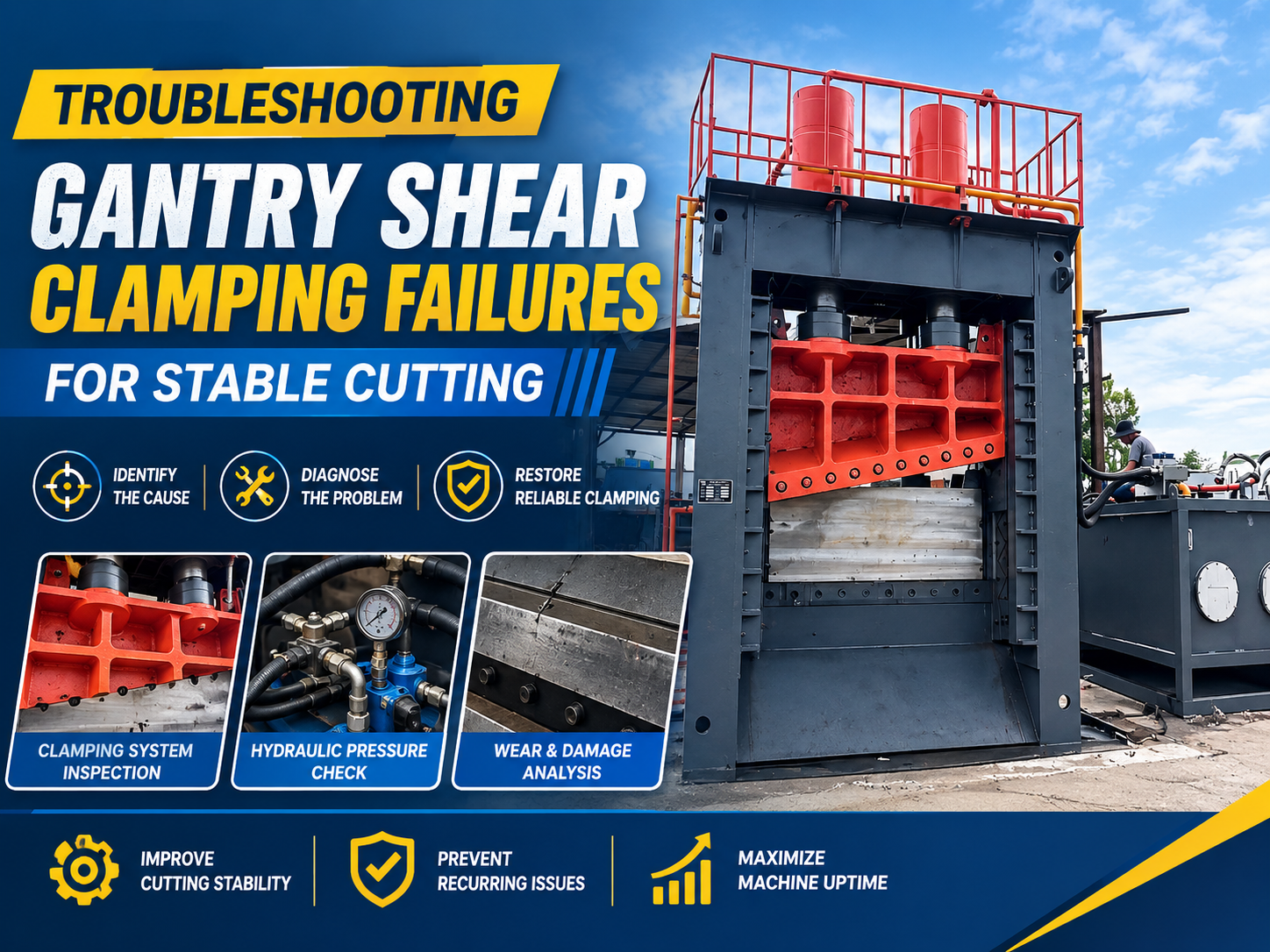
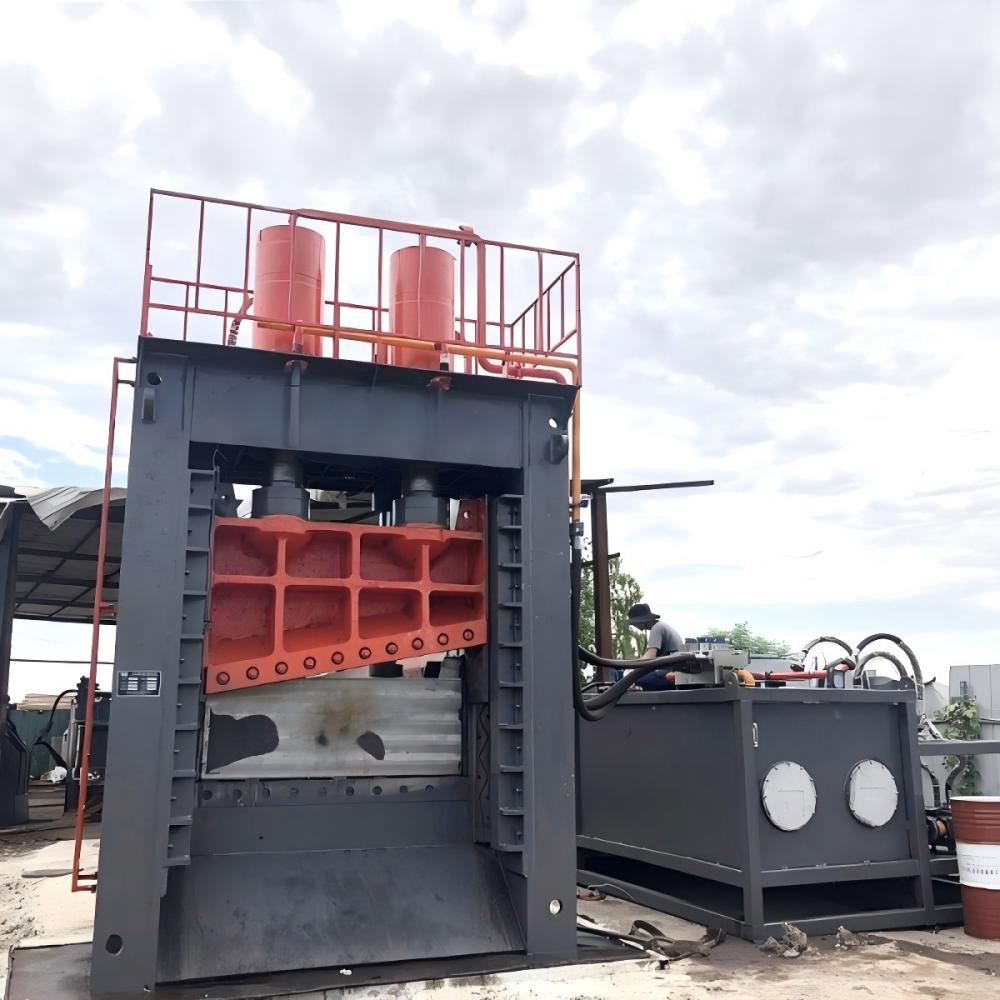
The clamping system on a gantry shear is designed to exert uniform pressure across the width of the material, preventing movement during the high-force shearing stroke. The primary consideration for any operator is the consistency of this pressure. If the clamping force is uneven, the material may shift, leading to angular cuts or blade chipping. Monitoring the hydraulic manifold and the individual clamping cylinders is the first step in ensuring stability.
Environmental factors also play a significant role in clamping performance. Metal dust, scale, and debris are common in fabrication environments. If these contaminants enter the clamping cylinders or the guide rails, they can cause sticking or uneven travel. Maintaining a clean work area and ensuring that the clamping pads are free from buildup is a fundamental maintenance practice that should never be overlooked.
Another critical consideration is the material thickness and type. HARSLE gantry shears are engineered to handle a wide range of materials, but the clamping pressure must be adjusted accordingly. Attempting to shear thin, delicate sheets with pressure settings intended for heavy structural steel can lead to material deformation, while insufficient pressure for thick plates will inevitably result in slippage. Operators must be trained to calibrate clamping force based on the specific material profile.
Finally, the synchronization of the clamping sequence with the shearing stroke is paramount. The clamps must engage fully and securely before the blade makes contact with the material. If the timing is off—even by a fraction of a second—the material can “walk” or jump, causing the shear to stall or the blade to suffer impact damage. Checking the PLC timing parameters and the responsiveness of the hydraulic valves is essential for troubleshooting gantry shear clamping failures for stable cutting.
Technical Details: Diagnosing Hydraulic and Mechanical Failures
When troubleshooting, the first point of failure is often the hydraulic circuit. A drop in pressure can be caused by internal leaks in the clamping cylinders, worn seals, or a failing hydraulic pump. To diagnose this, technicians should utilize pressure gauges at the manifold to verify that the system is reaching the manufacturer-specified PSI. If the pressure fluctuates during the clamping cycle, it indicates a potential air pocket or a failing check valve.
Mechanical wear on the clamping pads themselves is another common culprit. Over time, the gripping surfaces can become smooth or rounded, losing their ability to bite into the metal. Inspecting these pads for wear and replacing them as part of a scheduled maintenance program is vital. Furthermore, the guide pins and bushings that support the clamping beam must be checked for excessive play. Any lateral movement in the clamping beam will translate directly into instability during the cut.
The electrical control system, specifically the proximity sensors and limit switches, plays a vital role in confirming that the clamps have reached the desired position. If a sensor is misaligned or faulty, the machine may receive a ‘ready’ signal before the clamps are fully engaged. This creates a dangerous scenario where the shear operates without adequate clamping force. Regularly testing these sensors and ensuring they are free from debris is a standard troubleshooting procedure.
Hydraulic fluid quality should not be ignored. Contaminated oil can cause the spool valves to stick, leading to sluggish clamping response times. Implementing a regular oil analysis program and ensuring that filters are replaced according to the HARSLE maintenance schedule will prevent many of the hydraulic-related clamping failures that plague older or poorly maintained machinery.
Selection Advice: Choosing the Right Clamping Configuration
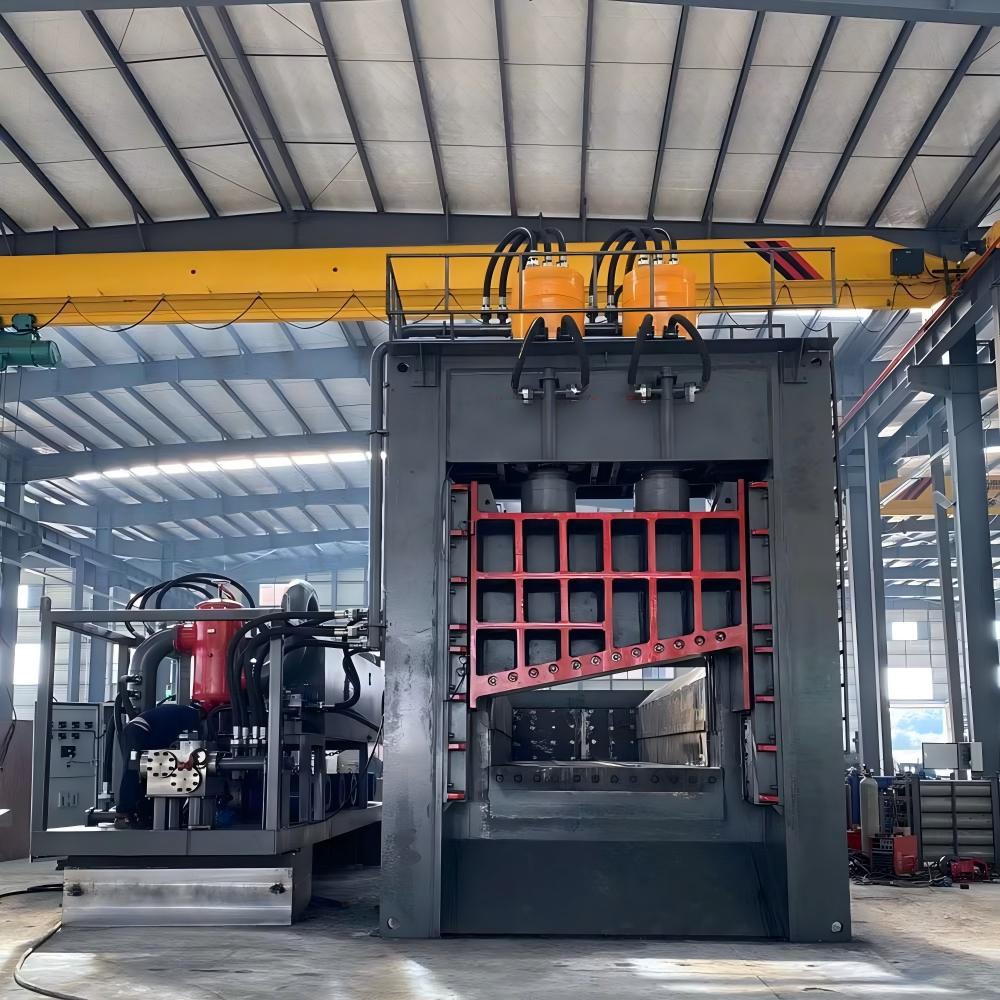
When selecting a gantry shear or upgrading an existing one, the clamping configuration should be matched to your specific production needs. For facilities that handle a diverse range of materials, an independent hydraulic clamping system is highly recommended. This allows for individual control over each clamping cylinder, ensuring that even irregular shapes are held firmly across the entire cutting line.
Consider the clamping force capacity relative to the maximum shearing thickness of the machine. A common mistake is selecting a machine where the clamping force is barely sufficient for the maximum material thickness. Always opt for a system with a safety margin, as this ensures that the clamps can handle variations in material hardness and surface finish without losing their grip.
The material of the clamping pads is also a factor. For stainless steel or polished surfaces, specialized non-marring pads may be necessary to prevent surface damage. Conversely, for heavy structural steel, hardened steel pads with aggressive serrations provide the best grip. Discussing these options with your HARSLE representative during the procurement phase ensures that the machine is configured for your specific application from day one.
Finally, look for machines that feature integrated pressure monitoring systems. Modern HARSLE gantry shears often include digital readouts or HMI alerts that notify the operator if the clamping pressure falls below a safe threshold. Investing in these diagnostic features significantly reduces the time spent on troubleshooting gantry shear clamping failures for stable cutting, as the machine effectively monitors its own health in real-time.
FAQ: Frequently Asked Questions
Why does my material slip during the shearing process?
Material slippage is usually caused by insufficient hydraulic pressure, worn clamping pads, or a delay in the clamping sequence. Check your hydraulic pressure settings and inspect the pads for wear.
How often should I inspect the clamping cylinders?
We recommend a visual inspection of the clamping cylinders and hydraulic lines during every shift change. A full performance test and seal inspection should be conducted every 500 operating hours.
Can I adjust the clamping pressure for different materials?
Yes, most HARSLE gantry shears allow for variable clamping pressure. Consult your operator manual for the recommended pressure settings based on material thickness and tensile strength.
What should I do if the clamping beam moves unevenly?
Uneven movement often indicates a mechanical obstruction in the guide rails or a synchronization issue in the hydraulic flow. Clean the rails thoroughly and check the flow control valves for debris.
Is it necessary to use specific hydraulic oil for my HARSLE shear?
Yes, using the manufacturer-recommended hydraulic fluid is critical for the longevity of the valves and seals. Using the wrong viscosity can lead to sluggish clamping and increased wear.
Conclusion: Ensuring Long-Term Stability
Troubleshooting gantry shear clamping failures for stable cutting is an essential skill for any fabrication professional. By focusing on the synergy between hydraulic pressure, mechanical integrity, and sensor accuracy, you can prevent the most common causes of cutting instability. Remember that a proactive approach—regular cleaning, scheduled maintenance, and operator training—is far more cost-effective than reactive repairs.
HARSLE is committed to providing the highest quality metal fabrication equipment, but the performance of that equipment ultimately rests on the care it receives. By following the guidelines outlined in this article, you ensure that your gantry shear remains a reliable, precise, and safe asset in your workshop. If you encounter persistent issues that cannot be resolved through standard troubleshooting, do not hesitate to contact our technical support team for expert guidance.
Ultimately, the goal is to achieve a seamless production flow where every cut is as precise as the first. Stable clamping is the foundation of this goal. Keep your systems clean, your pressures calibrated, and your maintenance logs updated, and your HARSLE gantry shear will continue to deliver exceptional results for years to come.