Comprehensive Guide: How to Diagnose Sensor Failures in a Recycling Baler

Introduction to Sensor Systems in Modern Recycling Balers
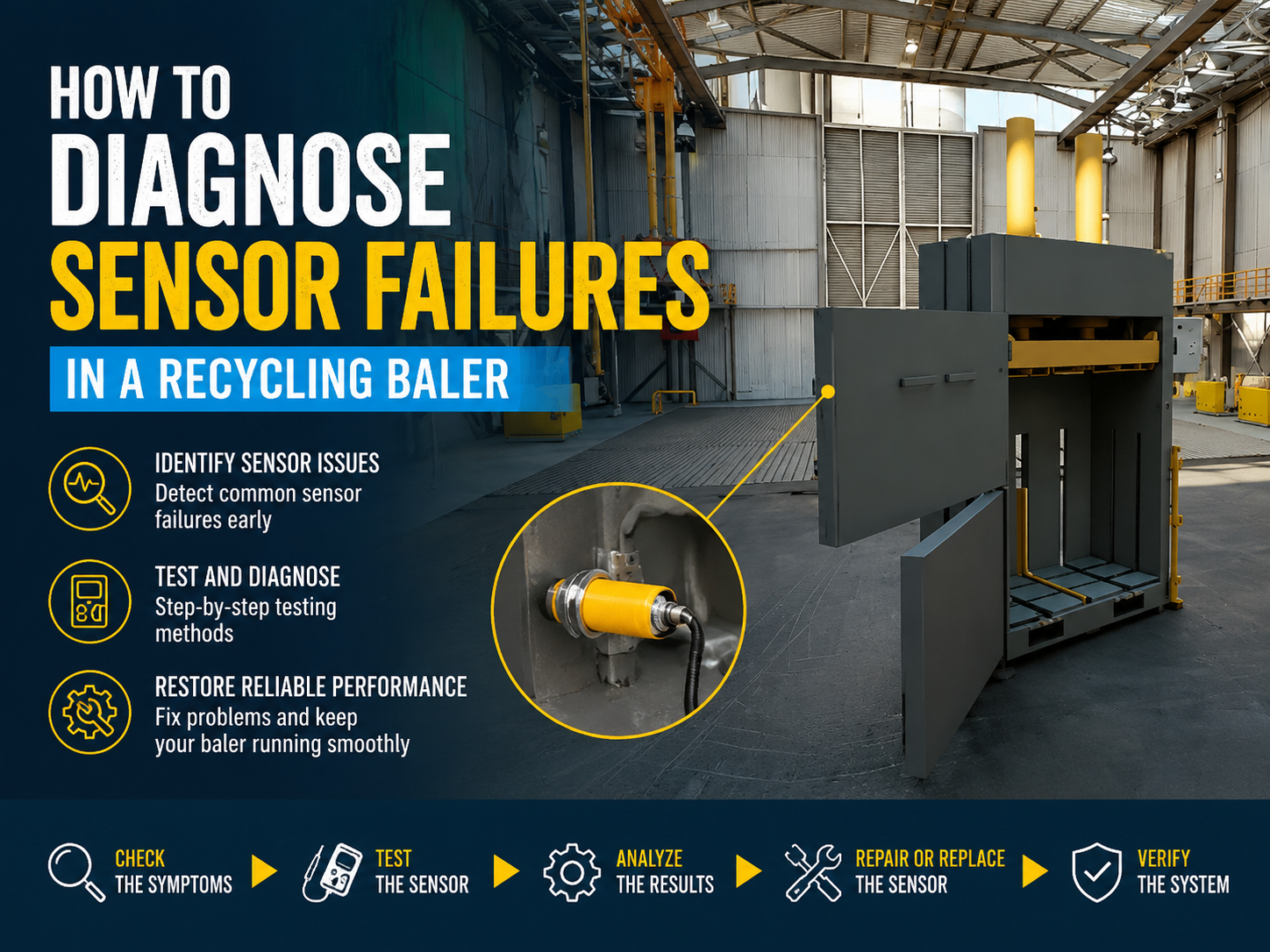
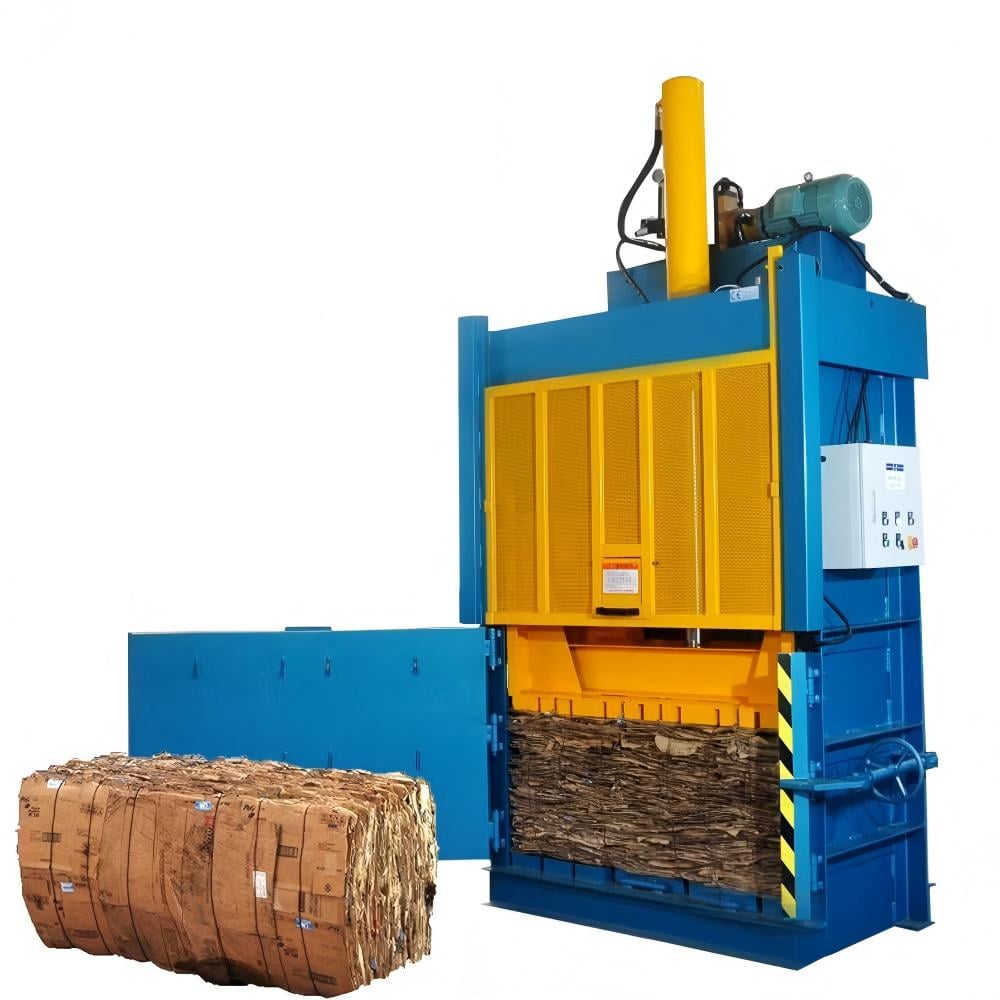
In the demanding world of waste management and metal fabrication, the recycling baler stands as a cornerstone of efficiency. These machines, designed to compress voluminous materials into manageable, high-density bales, rely heavily on a sophisticated network of sensors to function safely and effectively. When you need to diagnose sensor failures in a recycling baler, you are essentially performing a check-up on the machine’s nervous system. Without accurate feedback from these components, the Programmable Logic Controller (PLC) cannot determine the position of the ram, the pressure of the hydraulic fluid, or the status of the safety gates.
HARSLE has long been at the forefront of manufacturing robust recycling machinery, and we understand that downtime is the enemy of productivity. A single faulty sensor can halt an entire production line, leading to backlogs and lost revenue. Diagnosing these issues requires a blend of mechanical intuition and electrical knowledge. This guide is designed to provide maintenance managers and technicians with a deep dive into the methodologies required to identify, test, and resolve sensor-related malfunctions in industrial baling equipment.
Modern balers utilize various sensor technologies, including inductive proximity switches, capacitive sensors, pressure transducers, and photoelectric eyes. Each plays a specific role: some ensure the bale chamber is closed, while others measure the exact moment the ram reaches its maximum extension. Understanding the interplay between these components is the first step in effective troubleshooting. By following a systematic approach, you can minimize diagnostic time and ensure your HARSLE equipment returns to peak performance quickly.
Key Considerations Before Beginning Diagnostics
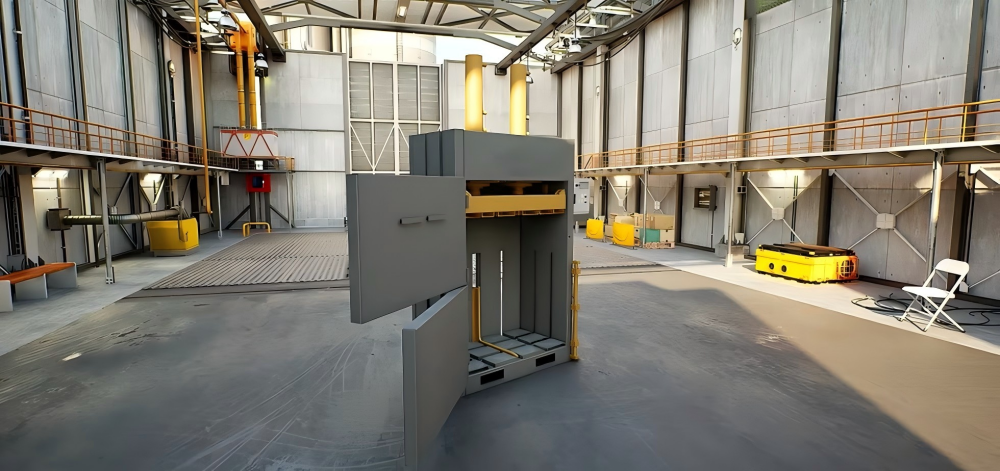
Before diving into the electrical cabinet, it is crucial to consider the environment in which the recycling baler operates. Recycling facilities are notoriously harsh environments. Dust, moisture, extreme temperature fluctuations, and heavy vibrations are constant factors. When you attempt to diagnose sensor failures in a recycling baler, you must first account for these external stressors. Often, what appears to be a total sensor failure is actually a build-up of debris or a loose mounting bracket caused by the machine’s intense operating cycles.
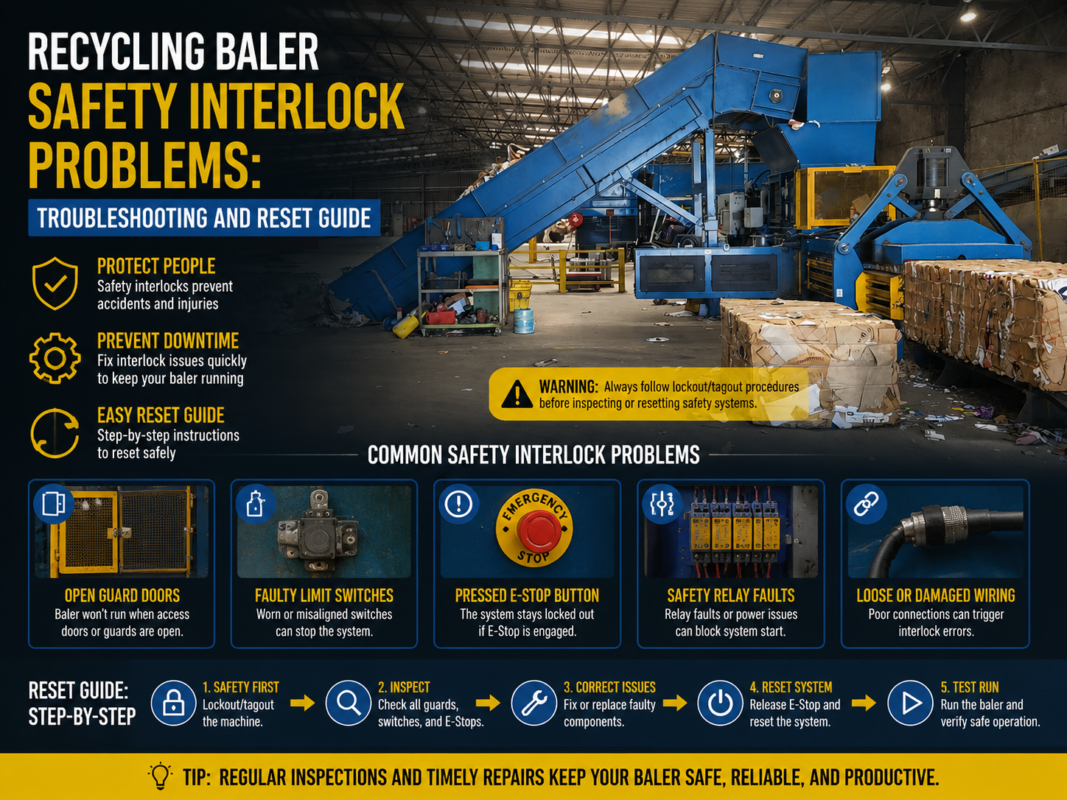
Safety must always be the primary consideration. Before inspecting any sensors, ensure the machine is properly locked out and tagged out (LOTO). Hydraulic systems can retain immense pressure even when the power is off. Ensure the ram is in a neutral or mechanically locked position. Furthermore, familiarize yourself with the machine’s electrical schematics. Knowing whether a sensor is NPN or PNP, or whether it operates on a 24V DC or 110V AC circuit, is vital to prevent accidental damage to the PLC or the sensor itself during testing.
Another key consideration is the type of material being processed. For instance, if you are baling metallic scrap, inductive proximity sensors are highly effective but can be confused by stray metal shavings. If you are baling plastics or paper, capacitive sensors might be used, which are sensitive to moisture content. Recognizing how the material interacts with the sensor technology is a critical part of the diagnostic process. Sometimes, the sensor isn’t “broken”—it is simply being used in an application for which it wasn’t perfectly calibrated.
Finally, consider the age of the equipment. Over years of service, cable insulation can become brittle and crack, leading to intermittent short circuits that are difficult to track. Vibration can also cause “cold” solder joints within the sensor housing to fail. When diagnosing, always look at the entire circuit—from the sensor head to the junction box, and finally to the PLC input module. A holistic view often reveals that the sensor is fine, but the communication path is compromised.
Technical Details: Step-by-Step Diagnostic Procedures
1. Visual Inspection and Physical Alignment
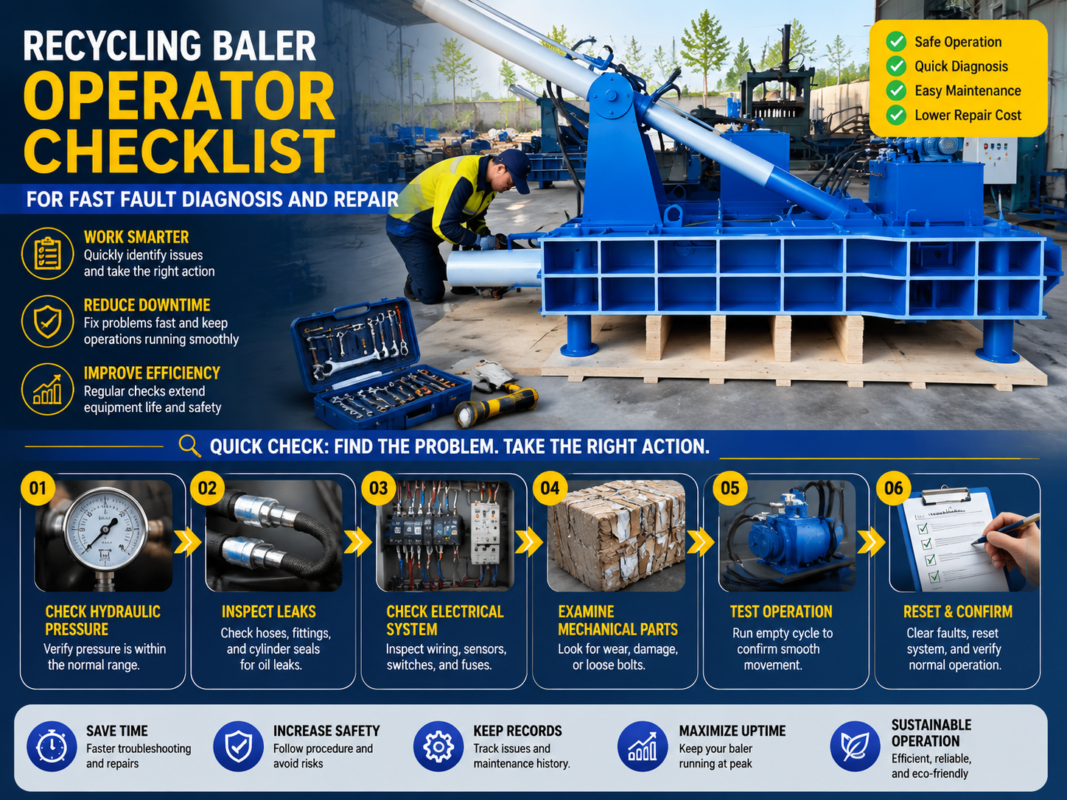
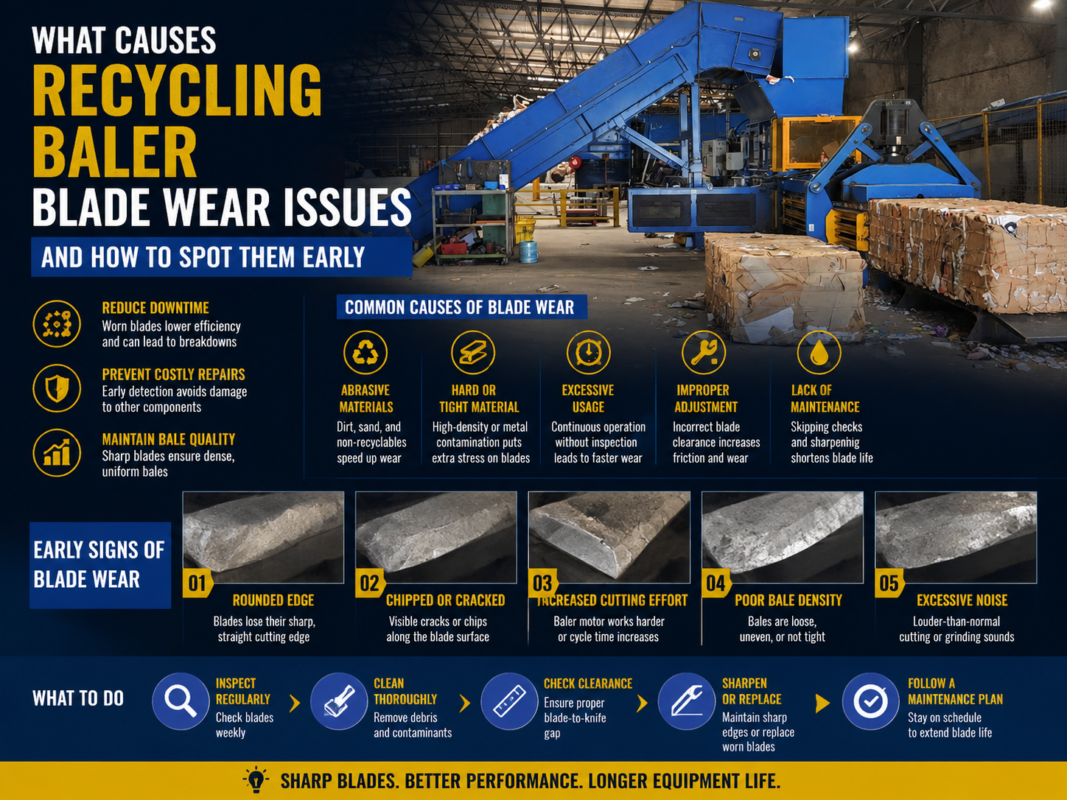
The first step to diagnose sensor failures in a recycling baler is a thorough visual inspection. Check for physical damage to the sensor face. In a baler, the ram moves with significant force; if a guide rail is slightly worn, the ram might strike a proximity switch, shattering its plastic housing. Ensure that the “sensing distance” (the gap between the sensor and its target) is within the manufacturer’s specifications. For most industrial proximity switches, this is between 2mm and 10mm.
Check the mounting brackets. If a bracket has bent due to vibration, the sensor may no longer “see” its target, causing the PLC to wait indefinitely for a signal that never comes. Clean the sensor face with a non-abrasive cloth. In cardboard recycling, fine paper dust can coat photoelectric sensors, blocking the light beam and triggering a false “full chamber” signal.
2. Utilizing PLC Diagnostics
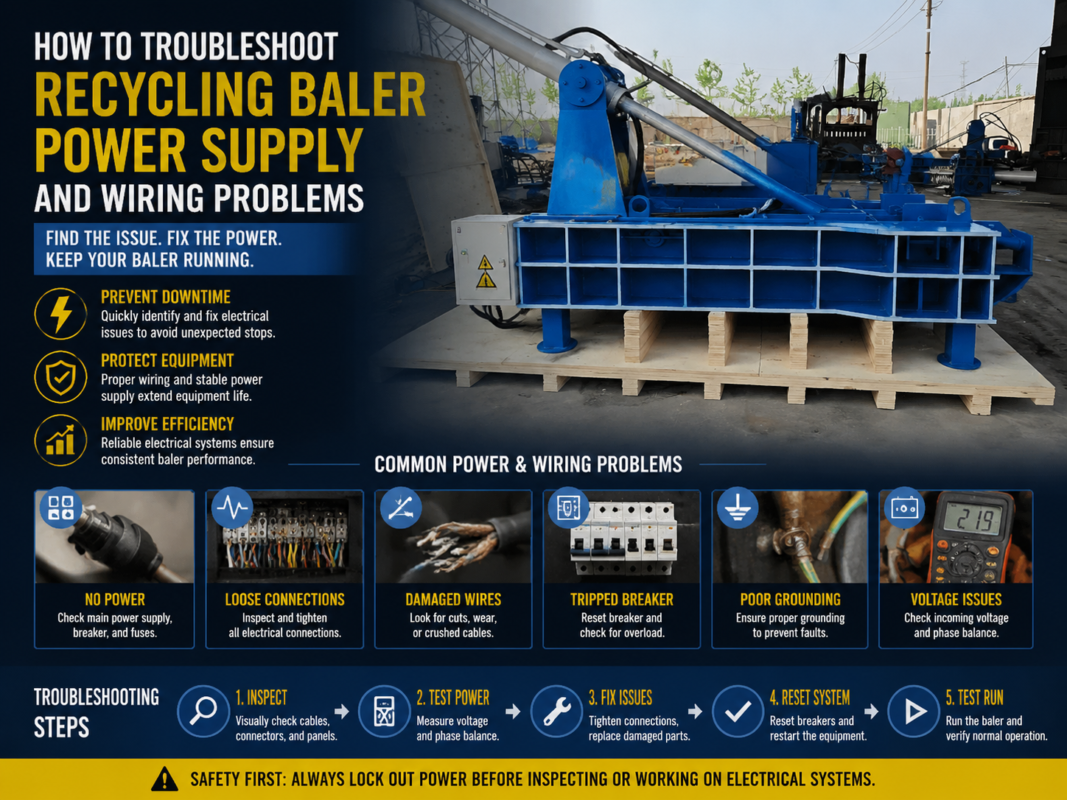
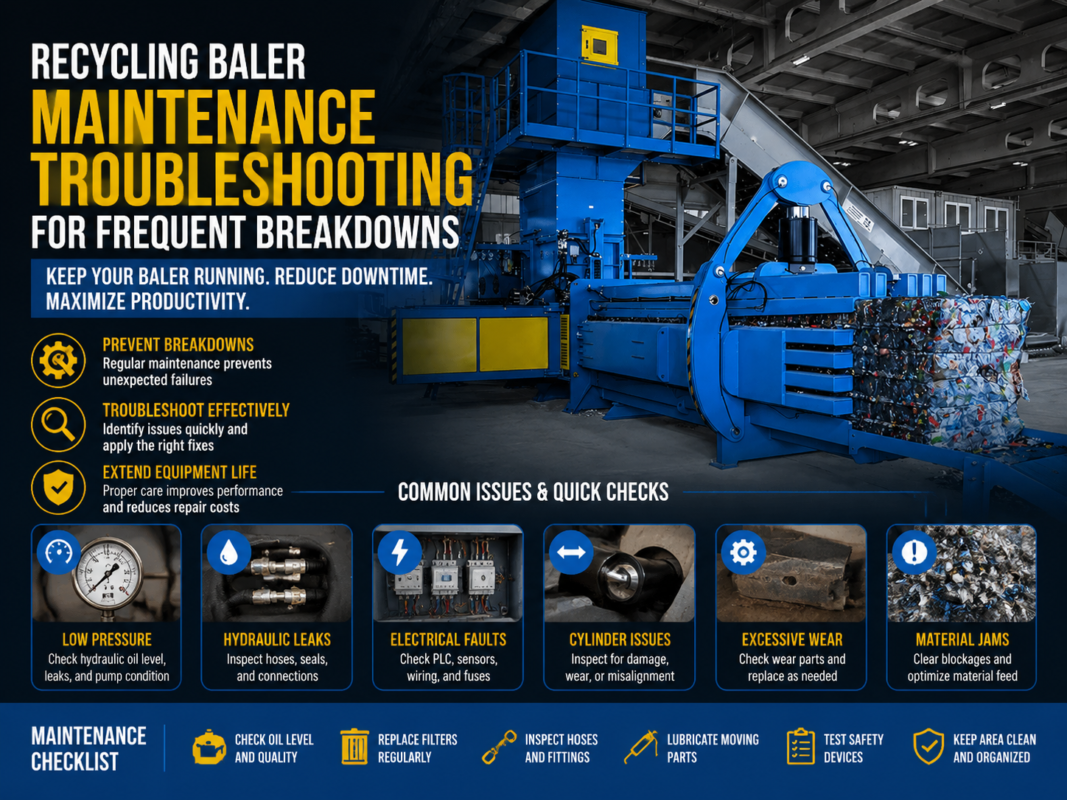
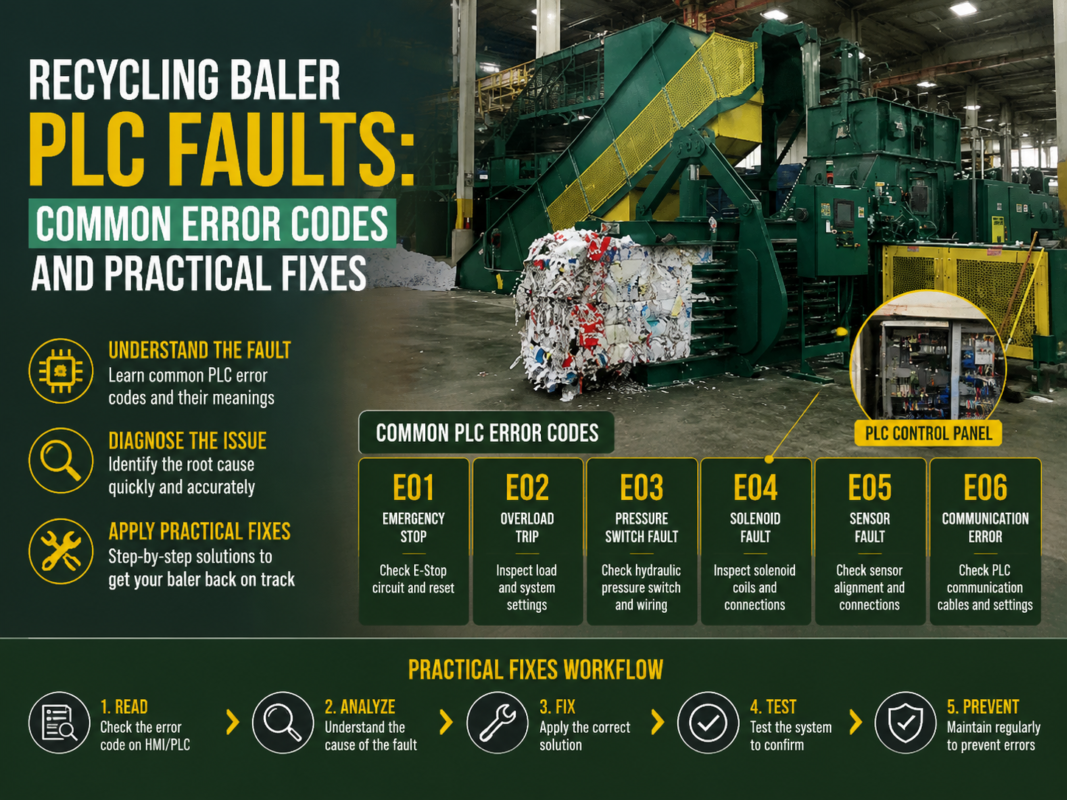
Most modern HARSLE recycling balers are equipped with a touchscreen HMI (Human Machine Interface) that communicates with the PLC. This is your most powerful diagnostic tool. Navigate to the “I/O Status” or “Diagnostics” screen. Here, you can see a real-time map of every input. Manually trigger the sensor (if safe to do so) and watch the corresponding bit on the screen. If the LED on the sensor itself lights up, but the PLC input does not change state, the problem lies in the wiring or the PLC input card, not the sensor.
3. Electrical Testing with a Multimeter
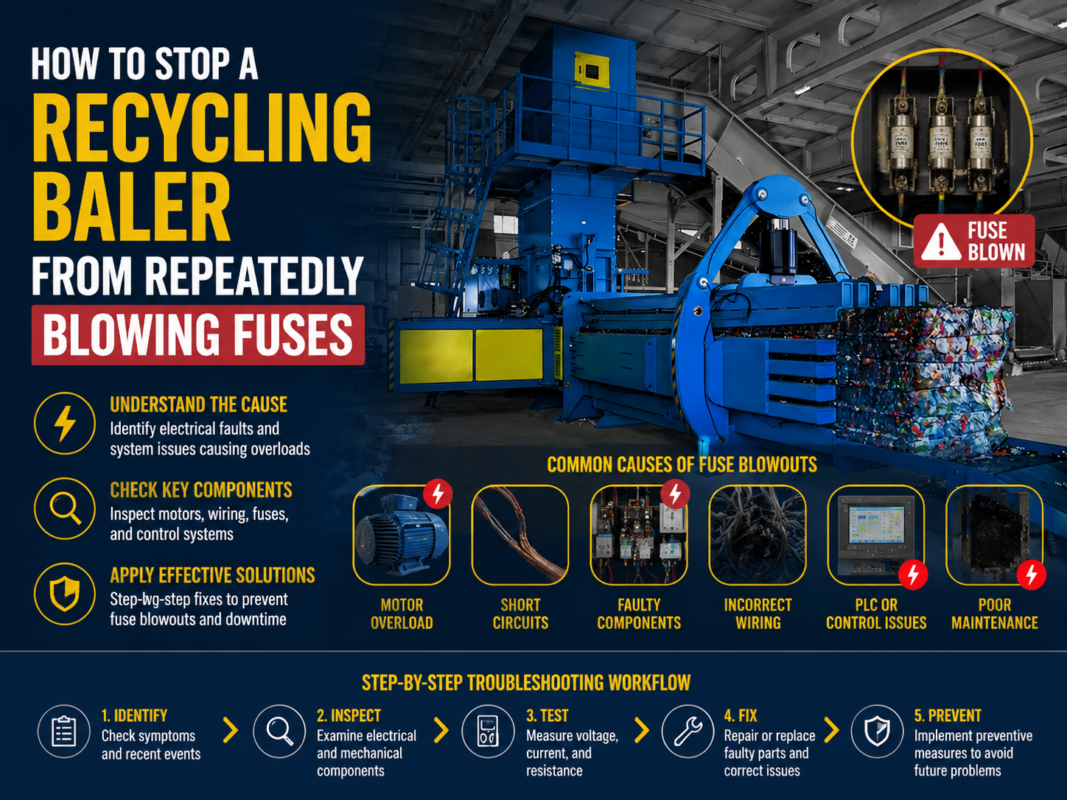
If the visual and PLC checks are inconclusive, it is time to use a digital multimeter. To diagnose sensor failures in a recycling baler, you must verify the power supply. Set your meter to DC voltage and check the brown (positive) and blue (negative) wires. You should see a steady 24V DC. Next, check the signal wire (usually black or white). For a PNP sensor, the signal wire should show 24V when the sensor is triggered. For an NPN sensor, it should pull the signal to 0V. If you have power but no signal change, the internal circuitry of the sensor has likely failed.
| Sensor Type | Common Failure Symptom | Diagnostic Action |
|---|---|---|
| Proximity Switch | Ram doesn’t stop at end-of-stroke | Check sensing distance and LED status |
| Pressure Transducer | Inconsistent bale density | Check 4-20mA analog signal output |
| Photoelectric Eye | False “Chamber Full” errors | Clean lens and check alignment |
| Limit Switch | Safety gate error | Check mechanical lever and continuity |
4. Testing Pressure Transducers
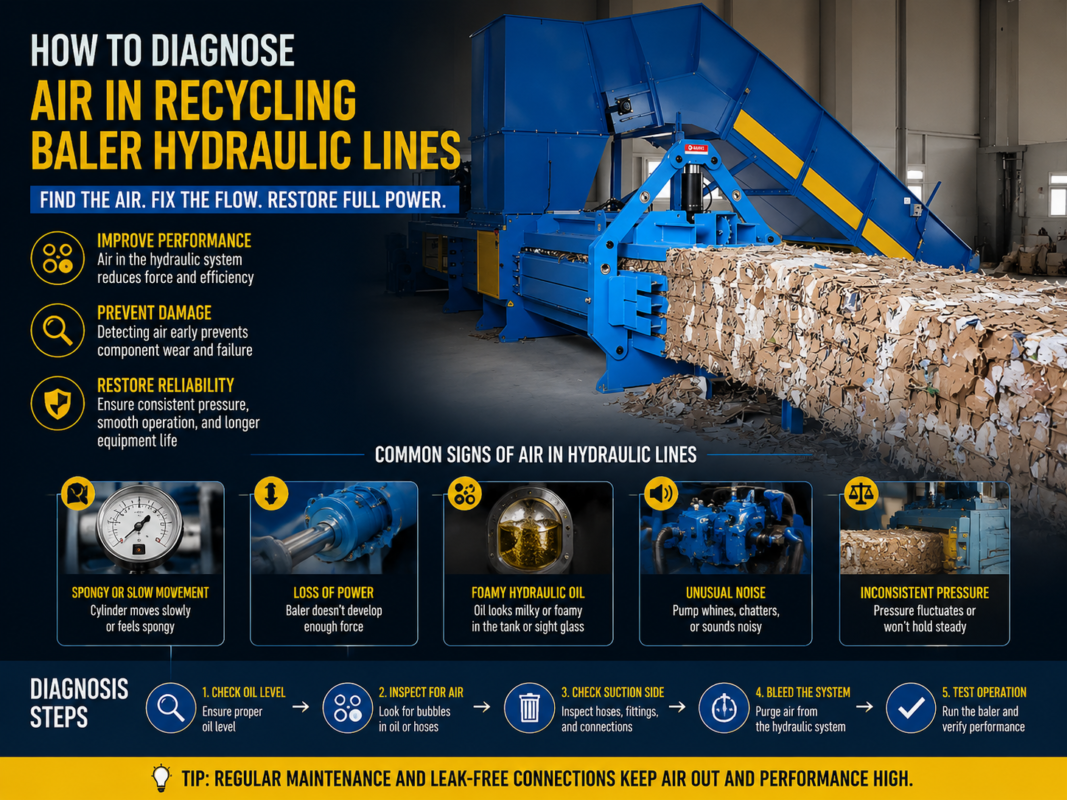
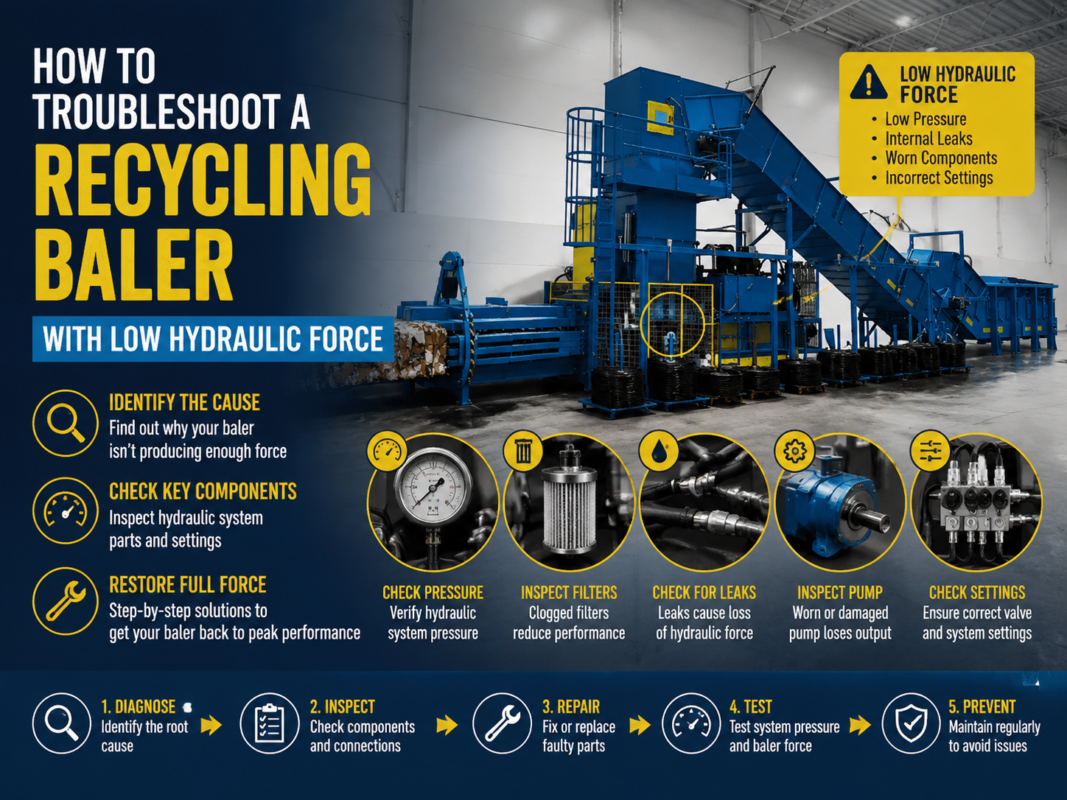
Pressure sensors are different from simple on/off switches. They provide an analog signal (usually 0-10V or 4-20mA) proportional to the hydraulic pressure. If the baler is failing to reach the correct density, or if the motor stalls without the ram moving, the pressure transducer might be sending an incorrect signal. Use your multimeter in the “mA” setting (in series) to verify the output. A reading of 4mA usually indicates zero pressure, while 20mA indicates maximum rated pressure. If the reading is stuck at 0mA, there is a break in the loop.
Selection Advice for Replacement Sensors
When you have successfully managed to diagnose sensor failures in a recycling baler and determined that a replacement is necessary, choosing the right component is vital for long-term reliability. Not all sensors are created equal. For recycling applications, HARSLE recommends sensors with an IP67 or IP69K rating. These ratings ensure the sensor is completely sealed against dust and can withstand high-pressure washdowns or exposure to hydraulic oil leaks.
Consider the housing material. Stainless steel housings are far superior to plastic ones in metal recycling environments where flying debris is common. Furthermore, look for sensors with “extended sensing ranges.” If a machine has slight mechanical play, a sensor with a 12mm range is much more forgiving than one with a 4mm range, reducing the likelihood of future “nuisance trips.”
Compatibility is another major factor. While many sensors are standardized, some high-end balers use proprietary communication protocols like IO-Link. IO-Link sensors provide more than just an on/off signal; they can report their internal temperature and signal strength, allowing for predictive maintenance. If your HARSLE baler supports IO-Link, always replace like-for-like to maintain these advanced diagnostic capabilities. If you are switching brands, ensure the switching frequency and output type (Normally Open vs. Normally Closed) match the original specifications exactly to avoid PLC logic errors.
Finally, don’t overlook the cable. In a recycling baler, the cable is often the weakest link. Choose cables with PUR (Polyurethane) jackets rather than standard PVC. PUR is much more resistant to abrasion and chemical degradation from hydraulic fluids. Using shielded cables is also recommended to prevent electromagnetic interference (EMI) from the large electric motors and variable frequency drives (VFDs) found in modern baling systems.
Frequently Asked Questions (FAQ)
How often should I inspect the sensors on my recycling baler?
For high-volume operations, a weekly visual inspection is recommended. Check for debris build-up and ensure mounting bolts are tight. A deeper electrical check should be part of your quarterly preventative maintenance schedule. Regular cleaning of photoelectric eyes can prevent 90% of common “false full” errors.
Can I bypass a faulty sensor to keep production running?
Bypassing a sensor, especially a safety or limit sensor, is extremely dangerous and is never recommended by HARSLE. Bypassing a ram-position sensor can cause the hydraulic cylinder to bottom out, leading to catastrophic structural damage or seal failure. Always replace the sensor before resuming operation.
Why does my sensor work intermittently?
Intermittent failures are usually caused by one of three things: a loose wire in a terminal block, a damaged cable that makes contact only when the machine vibrates, or a sensor that is right on the edge of its sensing distance. Heat can also cause intermittent failure; as the sensor warms up, internal components expand and may lose contact.
What is the difference between an inductive and a capacitive sensor?
Inductive sensors only detect metallic objects through electromagnetic fields. They are very robust and ideal for detecting the steel ram. Capacitive sensors can detect almost any material (liquid, plastic, wood) by measuring changes in capacitance. They are often used to detect the level of waste material inside the hopper.
How do I know if the problem is the sensor or the PLC?
The easiest way is to swap the suspect sensor with a known working one from another part of the machine. If the problem stays with the location, it’s a wiring or PLC issue. If the problem follows the sensor, the sensor is faulty. You can also use a “sensor tester” tool that provides a portable power source and LED indicator to test the sensor independently of the machine’s wiring.
Conclusion: Maintaining Peak Performance
The ability to diagnose sensor failures in a recycling baler is an essential skill for any industrial maintenance team. These small components carry the heavy responsibility of ensuring the machine operates within its designed parameters, protecting both the equipment and the operators. By moving from a reactive “fix it when it breaks” mindset to a proactive diagnostic approach, you can significantly extend the lifespan of your HARSLE recycling baler.
Remember that successful diagnostics start with cleanliness and order. A clean machine is easier to inspect, and a well-organized control cabinet makes electrical testing much faster. Always document your findings; if a specific sensor fails repeatedly, it may indicate a deeper mechanical issue, such as a worn bushing allowing too much movement, or an electrical issue like a voltage spike in the 24V circuit.
At HARSLE, we are committed to providing not just world-class metal fabrication and recycling machinery, but also the knowledge required to keep that machinery running at maximum efficiency. By following the technical steps outlined in this guide—from visual inspection to PLC analysis and proper component selection—you ensure that your recycling operations remain profitable, safe, and reliable for years to come. Investing time in understanding your sensors today prevents the costly headaches of unexpected downtime tomorrow.