Why Your Recycling Baler Produces Loose Bales and How to Improve Compaction

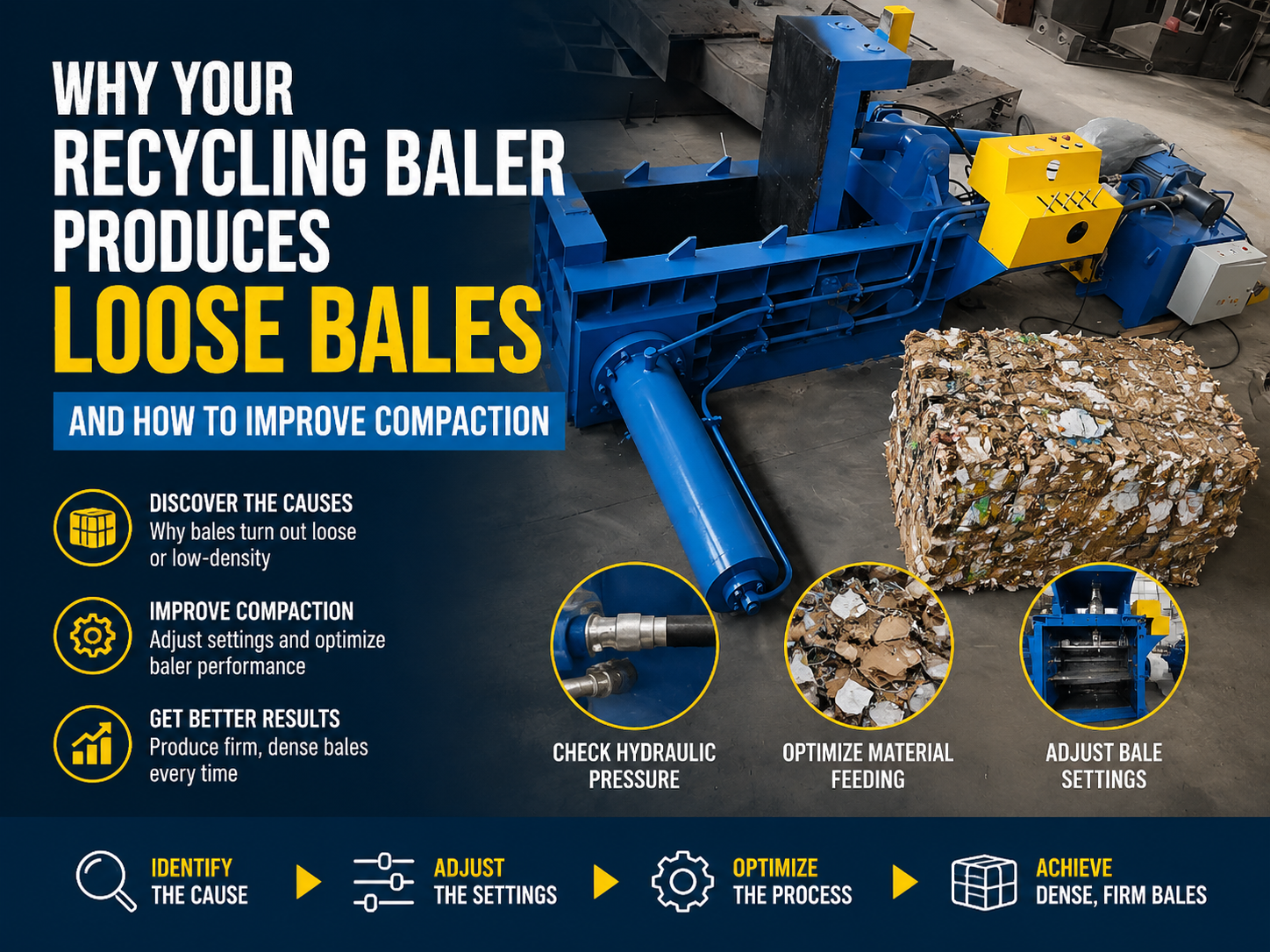
Introduction to the Problem of Loose Bales in Recycling
In the world of waste management and metal recycling, efficiency is measured by density. When a recycling baler produces loose bales, it isn’t just a minor inconvenience; it is a direct hit to the profitability of the operation. Loose bales take up more space in storage, increase the number of trips required for transport, and can even lead to safety hazards if they fall apart during handling. For facilities using high-end equipment like HARSLE hydraulic balers, achieving maximum compaction is the primary goal to ensure that every cubic inch of transport space is utilized effectively.
The phenomenon of ‘spring-back’ or poor compaction density can stem from a variety of factors ranging from mechanical failure to operator error. Understanding the physics of compaction is essential for any facility manager. A baler works by applying massive hydraulic force to a volume of loose material, compressing it past its elastic limit so that it retains its shape once the pressure is released. If the material is not compressed sufficiently, or if the machine’s settings are not optimized for the specific material type, the resulting bale will be ‘spongy’ and prone to expansion. This guide explores the technical reasons why your recycling baler produces loose bales and provides actionable steps to improve compaction.
Key Considerations for Bale Density and Quality
Before diving into the mechanical components, it is vital to consider the external factors that influence how well a material compacts. Not all materials are created equal. For instance, corrugated cardboard has a high degree of ‘memory,’ meaning it wants to return to its original shape. Conversely, soft metals like aluminum cans or thin copper wiring have different structural resistances. If you are switching between materials without adjusting your baler’s settings, you will likely encounter issues with bale integrity.
Moisture content is another critical consideration. In the paper and cardboard recycling industry, moisture can act as a lubricant, sometimes helping fibers slide together, but more often, excessive moisture adds weight without adding structural integrity, leading to bales that fall apart as they dry. In metal recycling, moisture or oil on scrap can affect the friction within the baling chamber. If the chamber walls are too slick, the material may not stay compressed during the tying cycle, leading to a loss of density. Consistency in the feed rate also plays a role; ‘slugging’ the machine with too much material at once can prevent the hydraulic ram from reaching its full stroke, resulting in an unevenly compacted bale.
The Role of Material Memory and Spring-Back
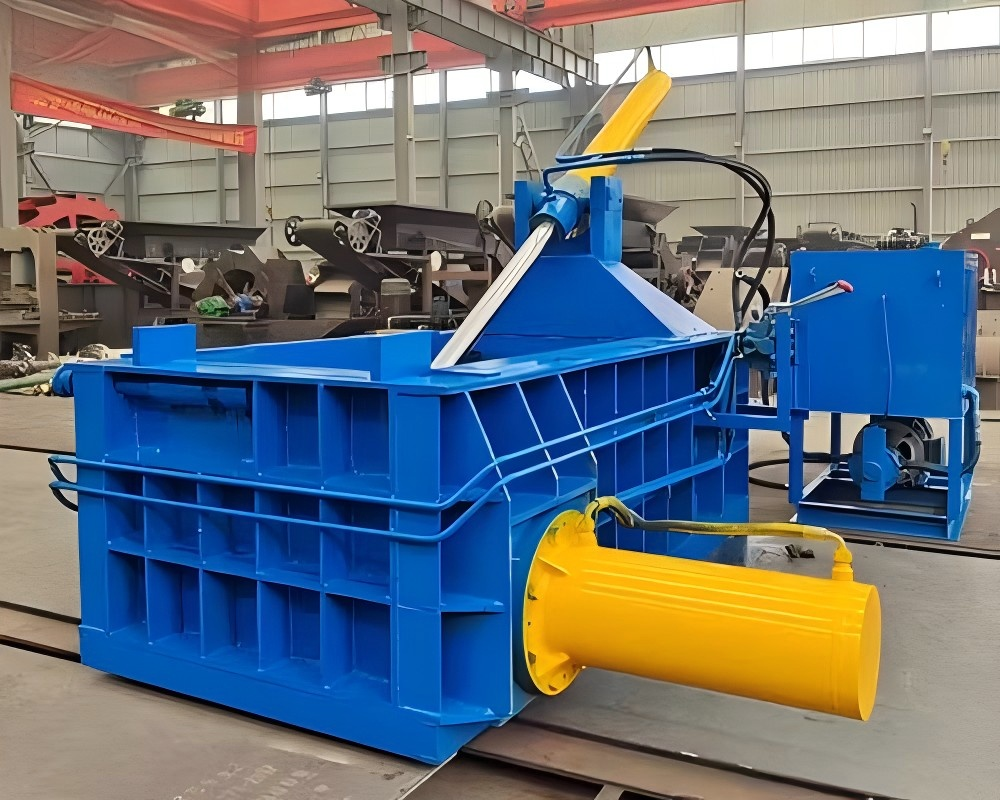
Material memory refers to the tendency of a compressed substance to expand once the compression force is removed. To combat this, industrial balers use ‘retainer dogs’ or ‘cleats’ inside the chamber. These are metal teeth that hold the material in place while the ram retracts to take another ‘bite’ of material. If these dogs are worn down or jammed with debris, they cannot hold the material back, allowing it to spring forward and occupy the space intended for the next load. This results in a bale that is less dense than the machine is capable of producing.
Feed Consistency and Pre-Conditioning
How you load your recycling baler is just as important as the machine’s power. For horizontal balers, an even distribution of material ensures that the pressure is applied uniformly across the face of the bale. If one side of the chamber is packed tighter than the other, the bale will be lopsided and structurally weak. Pre-conditioning material—such as shredding large pieces of cardboard or flattening bulky metal containers—can significantly improve the final density. Smaller pieces interlock more effectively under pressure, reducing the air gaps that cause loose bales.
Technical Details: Why Compaction Fails
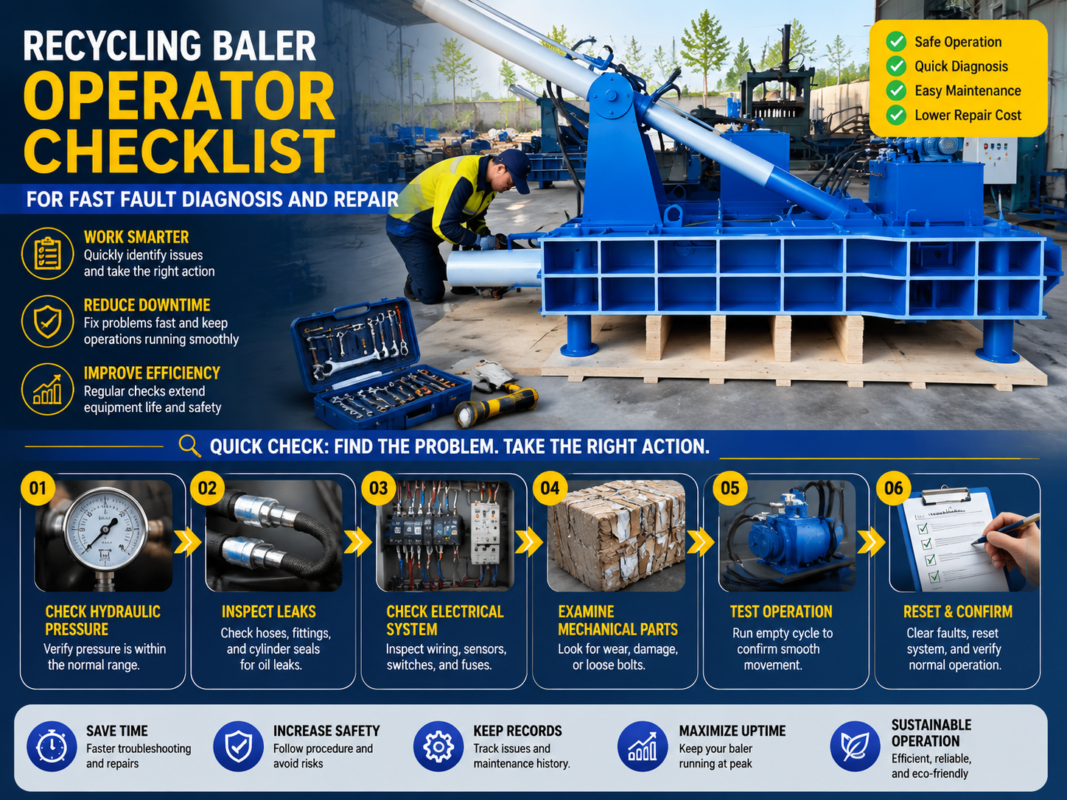
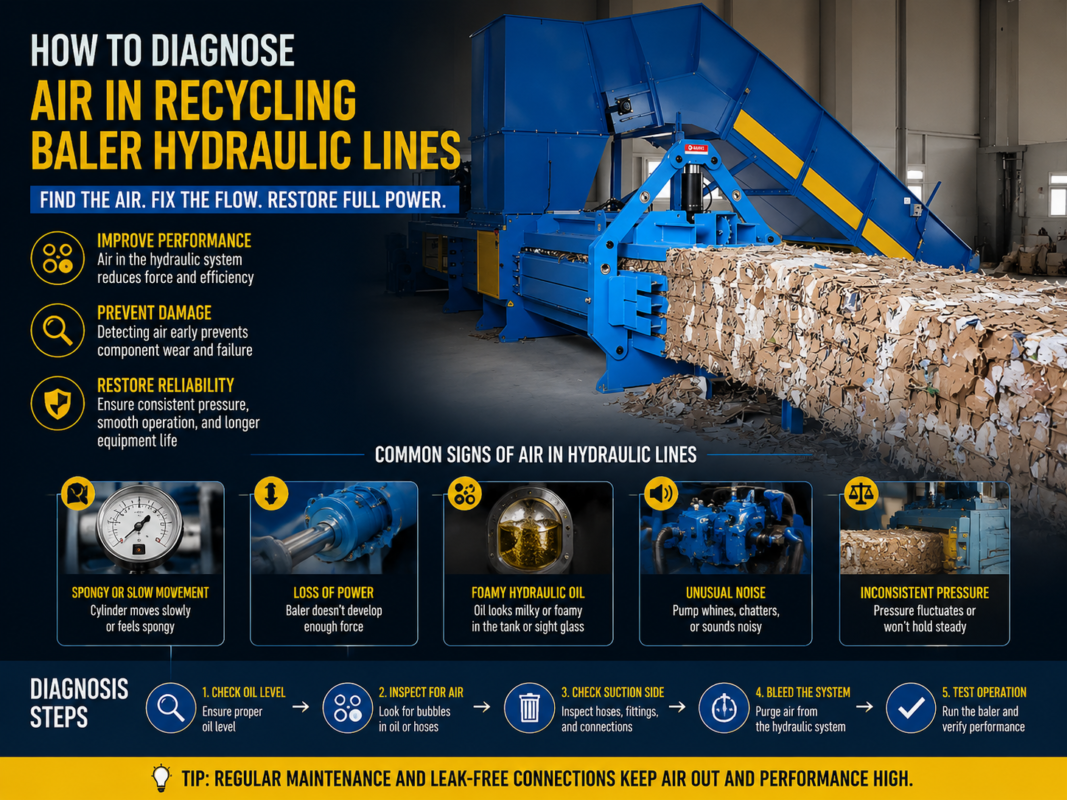
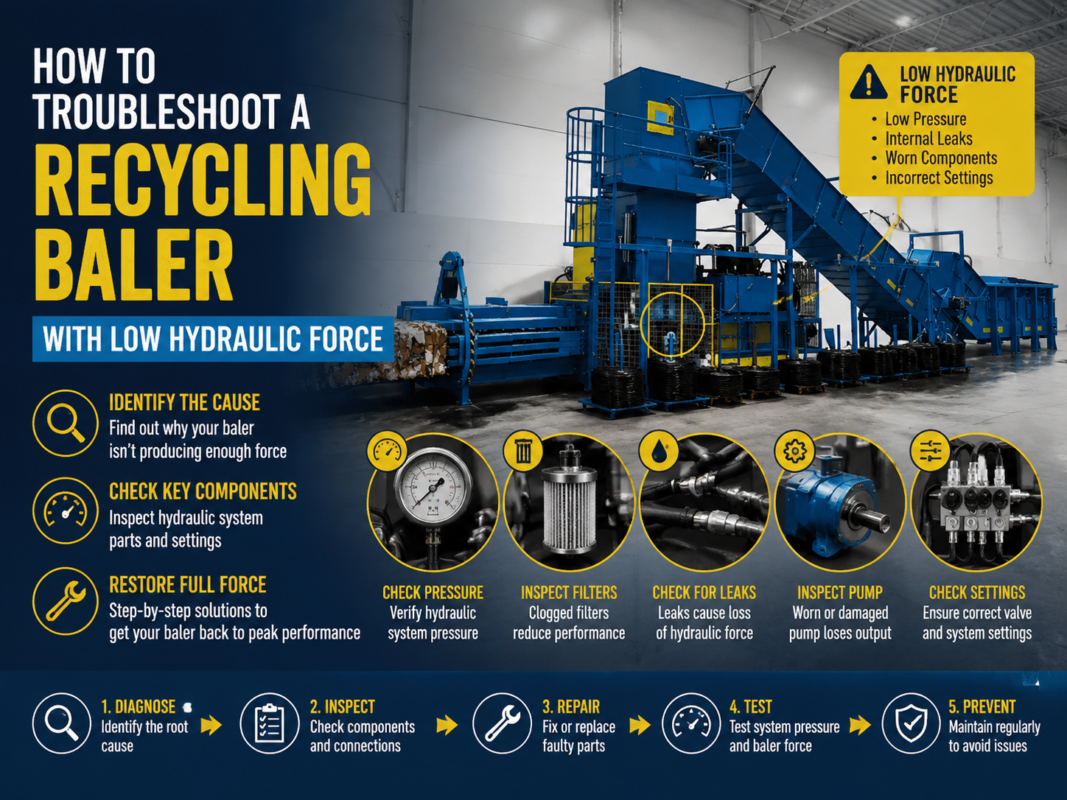
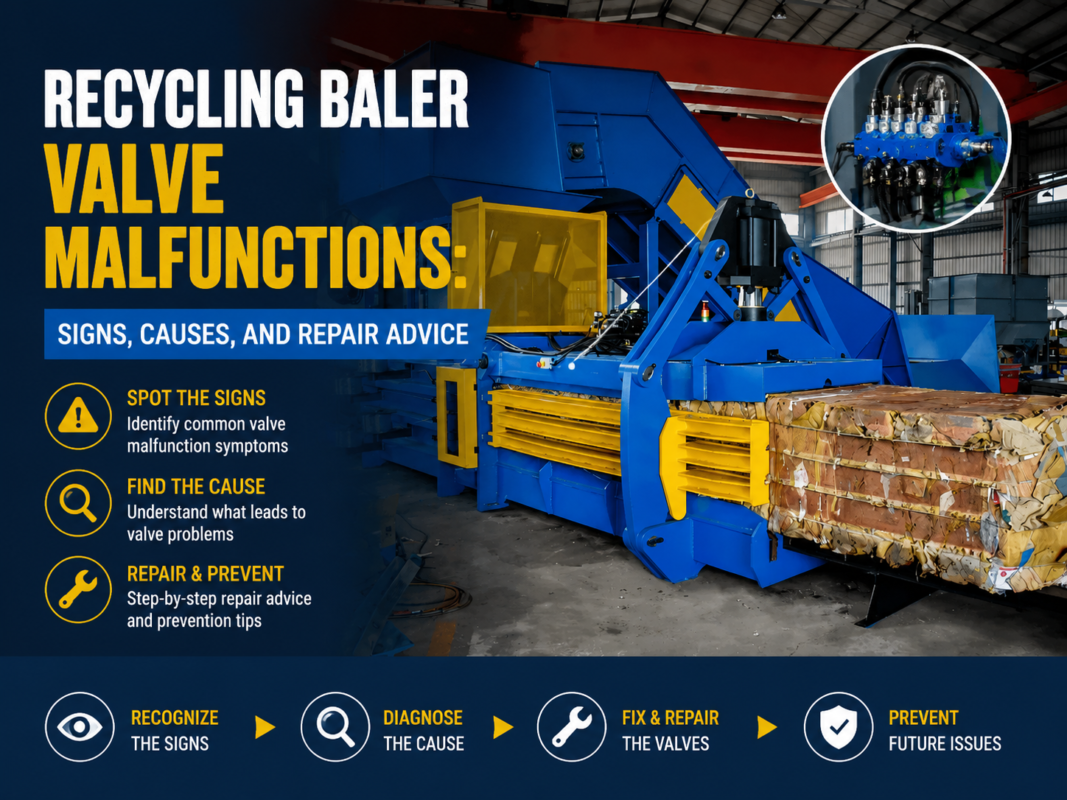
When the material and feeding process are optimized but the recycling baler still produces loose bales, the issue is likely technical. The heart of any baler is its hydraulic system. If the system cannot reach or maintain its maximum rated pressure, compaction will suffer. This could be due to a failing hydraulic pump, a leaking cylinder seal, or a misconfigured relief valve. The relief valve is designed to protect the machine by venting pressure once a certain threshold is reached; if this valve is set too low, the ram will stop short of the force required for a dense bale.
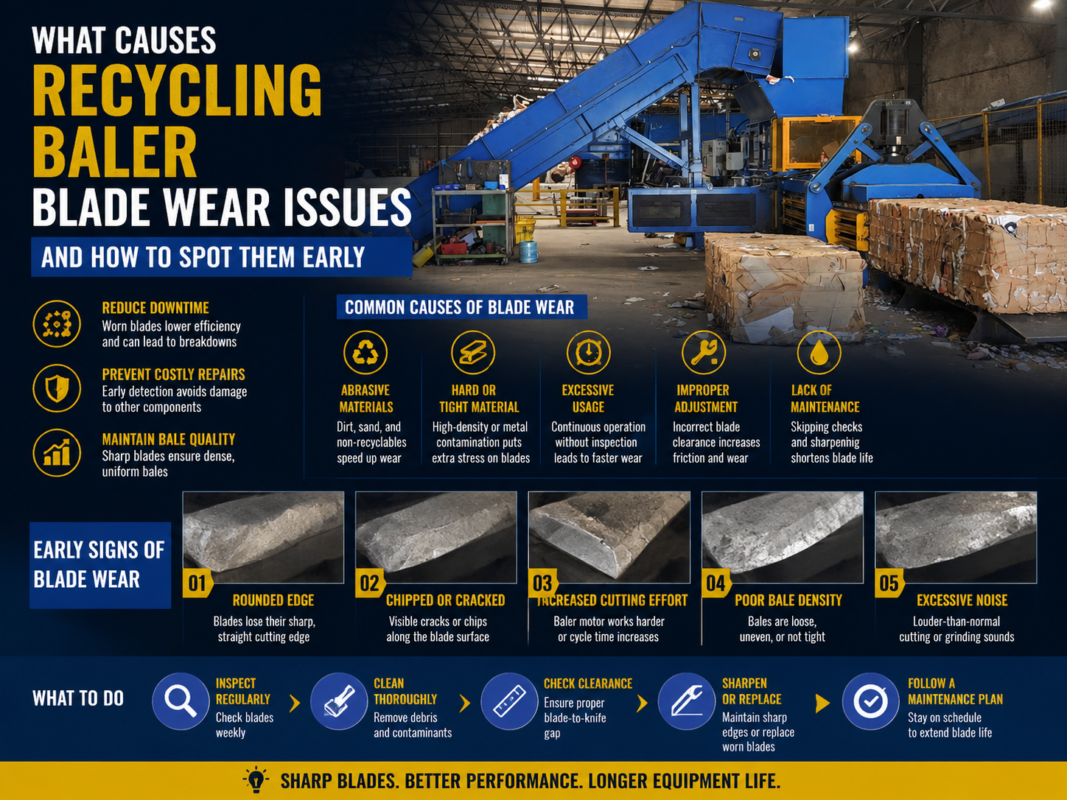
Another technical factor is the condition of the shear blades. In horizontal balers, the shear blade cuts off excess material as the ram moves forward. If these blades are dull, they will drag material down into the gap between the ram and the chamber floor. This ‘wedging’ effect creates immense friction, consuming the hydraulic power that should be used for compaction. Furthermore, it can cause the ram to misalign, leading to uneven pressure distribution and, ultimately, a loose, poorly formed bale.
Hydraulic System Efficiency and Oil Temperature
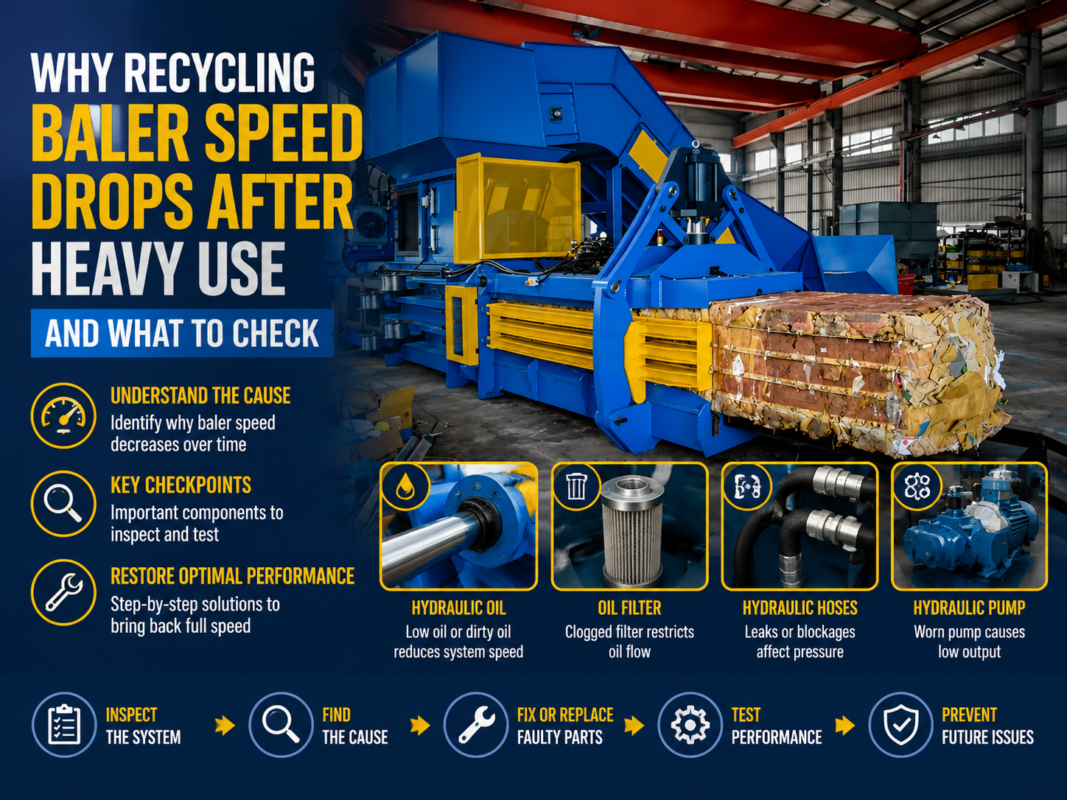
Hydraulic fluid is the lifeblood of the baler. As oil heats up during heavy use, its viscosity drops. If the oil becomes too thin, the pump may struggle to generate the necessary PSI (pounds per square inch), and internal leakage within the valves can occur. Most modern HARSLE balers include oil cooling systems to maintain optimal operating temperatures. If your baler starts the day producing tight bales but ends the day with loose ones, overheating hydraulic oil is a likely culprit. Checking the oil filters and ensuring the cooling fans are operational is a standard troubleshooting step.
PLC Settings and Pressure Transducers
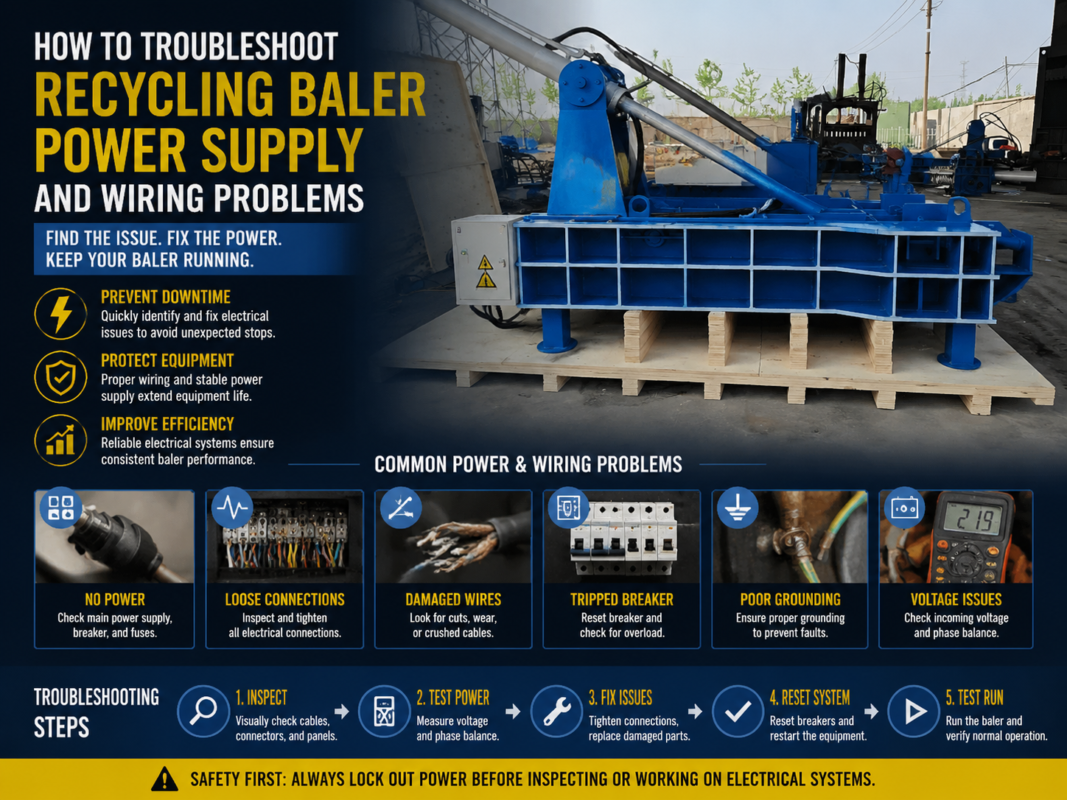
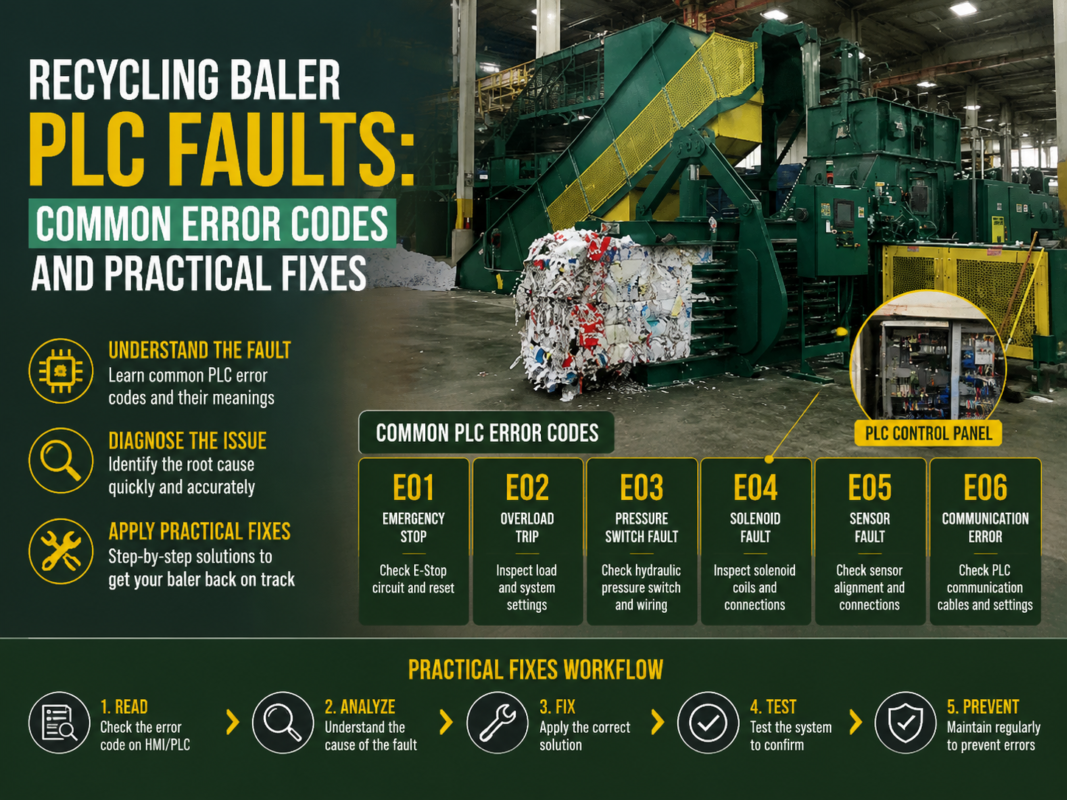
Modern industrial balers rely on Programmable Logic Controllers (PLCs) and pressure transducers to determine when a bale is ‘finished.’ The transducer sends a signal to the PLC when the hydraulic pressure reaches a specific set point. If this sensor is out of calibration, it may tell the machine to stop compressing before the bale has reached its target density. Technicians should regularly verify that the digital pressure readings match the physical gauges on the machine to ensure the PLC is receiving accurate data.
Selection Advice: Choosing the Right Baler for Maximum Compaction
If your current machine consistently fails to meet your density requirements, it may be a sign that the equipment is undersized for your application. When selecting a recycling baler, you must look beyond the ‘bale size’ and focus on the ‘press force’ and ‘system pressure.’ For example, a 50-ton vertical baler will produce a much looser bale of scrap metal than a 100-ton horizontal baler, even if the final bale dimensions are similar. The specific force (PSI on the material face) is the true metric of compaction capability.
For high-volume operations, a horizontal auto-tie baler is often the best choice. These machines feature long extrusion chambers where the friction of the material against the walls provides the resistance needed for compaction. However, for very difficult materials like plastic film or high-rebound tires, a closed-end baler might be necessary. In a closed-end design, the ram pushes the material against a solid steel door, allowing for much higher compaction forces before the bale is ejected. HARSLE offers a variety of configurations to match the specific resistance profiles of different waste streams.
Vertical vs. Horizontal Balers
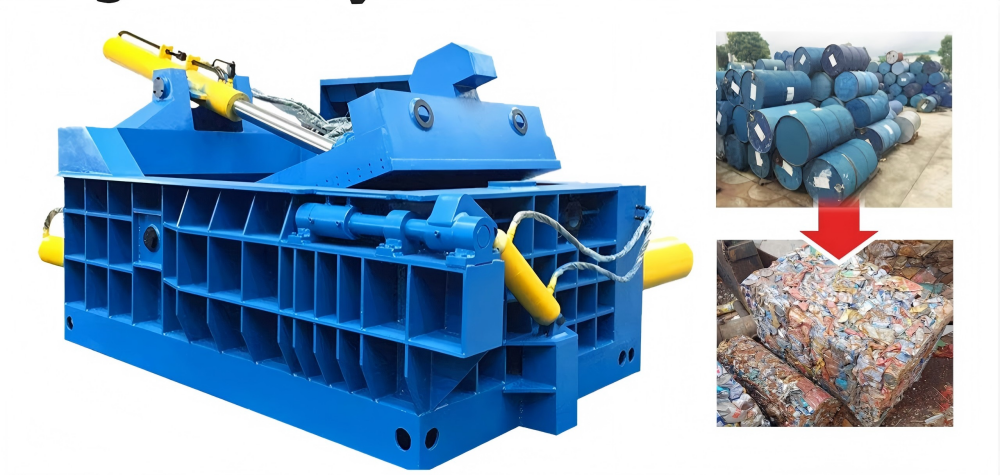
Vertical balers are excellent for smaller facilities with limited space. They are generally manual-tie and rely on the operator to know when the bale is tight enough. Horizontal balers, while requiring more floor space, offer continuous processing and automated tensioning systems. If your goal is consistent, high-density bales at scale, the horizontal format is superior because it removes much of the operator variability from the equation. The automated ‘tensioning’ cylinders on a horizontal baler’s discharge chute can adjust in real-time to maintain constant pressure on the bale string.
The Importance of Cylinder Stroke and Bore
When reviewing technical specifications, pay attention to the cylinder bore and stroke. A larger bore diameter allows the machine to generate more force at lower hydraulic pressures, which reduces wear and tear on the pump and seals. A longer stroke ensures that the ram can push the material deep into the chamber, maximizing the volume of each ‘charge.’ If you are processing bulky scrap metal, a baler with a high-penetration ram is essential to break the structural integrity of the scrap and force it into a dense block.
Maintenance Tips to Improve Compaction
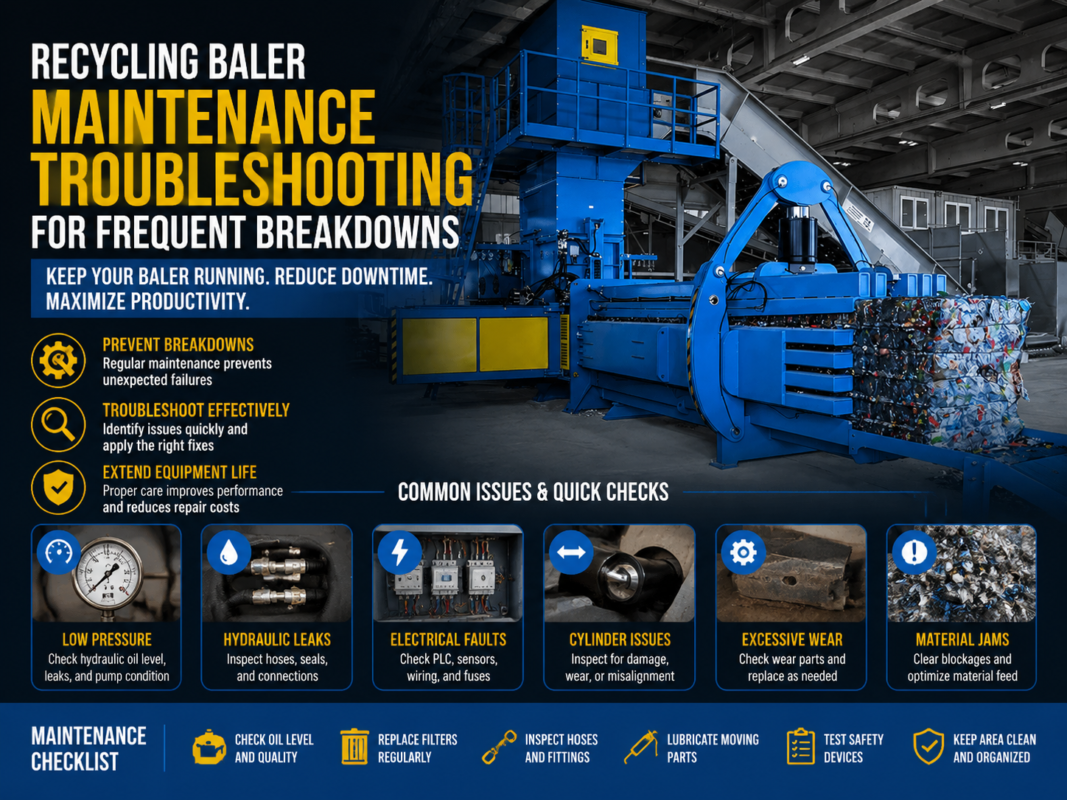
Regular maintenance is the most effective way to prevent the ‘loose bale’ syndrome. A well-maintained machine operates at peak efficiency, ensuring that every pound of force generated by the motor is transferred to the material. Key maintenance tasks include sharpening shear blades, cleaning out the ‘behind-the-ram’ area to prevent debris buildup, and inspecting the hydraulic hoses for any signs of swelling or leaks that could indicate pressure loss.
- Check the Tensioning System: On horizontal balers, the tensioning cylinders at the exit end must move freely. If they are seized, the machine cannot apply the necessary side-pressure to create resistance.
- Monitor Wire/Strap Tension: Even a perfectly compacted bale will become ‘loose’ if the ties are not tight. Ensure your auto-tier or manual tying process pulls the wire taut before the ram pressure is released.
- Inspect Wear Liners: The floor and sides of the baling chamber are lined with replaceable wear plates. If these become excessively worn or grooved, material can get caught, creating friction that mimics compaction pressure and tricks the sensors into stopping early.
- Oil Analysis: Periodically test your hydraulic oil for contaminants. Particles in the oil can score the inside of the cylinders, leading to internal bypass where fluid leaks past the piston, significantly reducing the ram’s pushing power.
Frequently Asked Questions (FAQ)
1. Why is my baler reaching full pressure but the bale is still loose?
This usually happens because of ‘material memory’ or a lack of resistance in the chamber. If the material is not being held back by retainer dogs, it springs back as soon as the ram retracts. It can also occur if the bale ties are applied too loosely, allowing the bale to expand once it exits the machine.
2. How often should I sharpen the shear blades?
For high-volume operations, shear blades should be inspected monthly and sharpened or rotated every 6 to 12 months. Dull blades increase the load on the hydraulic system and can cause material to jam, which reduces the effective compaction force.
3. Can the type of hydraulic oil affect bale density?
Yes. If the oil viscosity is too low (too thin), the pump cannot maintain high pressure efficiently. Always use the oil grade recommended by the manufacturer (e.g., ISO 46 or 68) and ensure the oil temperature stays within the recommended operating range.
4. What is the ideal pressure setting for a metal baler?
This depends on the machine’s design, but most industrial hydraulic balers operate between 2,500 and 3,200 PSI. You should refer to your HARSLE manual for the specific factory settings. Increasing the pressure beyond the design limit can cause catastrophic failure of the cylinders or frame.
5. Why do my bales fall apart after they are ejected?
This is often a tying issue. If the wires are too thin for the bale weight, they may stretch or break. Alternatively, if the material was not distributed evenly in the chamber, the bale may have ‘soft spots’ that cause it to collapse under its own weight.
6. Does the size of the material being fed matter?
Absolutely. Large, rigid items create ‘bridging,’ where they support each other and create large air gaps. Shredding or pre-flattening material allows for a much tighter ‘interlock,’ resulting in a significantly denser bale.
Conclusion: Optimizing Your Baling Operation
Achieving high-density bales is a combination of using the right equipment, maintaining it properly, and understanding the characteristics of the material you are processing. When a recycling baler produces loose bales, it is a signal that something in this chain is broken. By systematically checking hydraulic pressures, inspecting mechanical components like shear blades and retainer dogs, and ensuring proper operator technique, you can restore your machine’s performance and maximize your ROI.
Investing in high-quality machinery from manufacturers like HARSLE provides a foundation of reliability. However, even the best machine requires a keen eye for detail and a proactive maintenance schedule. Dense bales lead to lower shipping costs, better pricing from mills, and a safer, cleaner workspace. If you have addressed the common issues and are still struggling with compaction, it may be time to consult with a technical expert to evaluate your system’s calibration or consider an equipment upgrade that better matches your facility’s current throughput and material types.