Recycling Baler Hydraulic Pressure Problems: Symptoms, Causes, and Solutions

Introduction to Recycling Baler Hydraulics
In the modern waste management and metal fabrication industries, the recycling baler stands as an indispensable piece of machinery. These robust machines are designed to compress large volumes of recyclable materials—such as scrap metal, cardboard, plastics, and paper—into dense, manageable bales. The heart of this operation is the hydraulic system. Without consistent and precise hydraulic pressure, a recycling baler loses its efficiency, safety, and structural integrity. Understanding Recycling Baler Hydraulic Pressure Problems: Symptoms, Causes, Solutions is critical for any facility manager or operator looking to maintain peak productivity.
Hydraulic systems operate on the principle of Pascal’s Law, which states that pressure applied to a confined fluid is transmitted undiminished in every direction. In a recycling baler, this pressure is harnessed to drive heavy-duty rams that crush materials with forces often exceeding hundreds of tons. However, because these systems operate under extreme stress and in often harsh, dusty environments, they are susceptible to a variety of pressure-related issues. When the pressure drops or fluctuates, the entire recycling process can grind to a halt, leading to costly downtime and potential safety hazards.
This comprehensive guide aims to provide a deep dive into the technicalities of hydraulic pressure within recycling balers. We will explore how to identify the early warning signs of failure, the underlying mechanical and chemical causes of these issues, and the professional solutions required to restore your equipment to optimal working condition. Whether you are operating a small vertical baler or a massive horizontal automatic baling system, the principles of hydraulic health remain the same.
Key Considerations for Hydraulic System Health
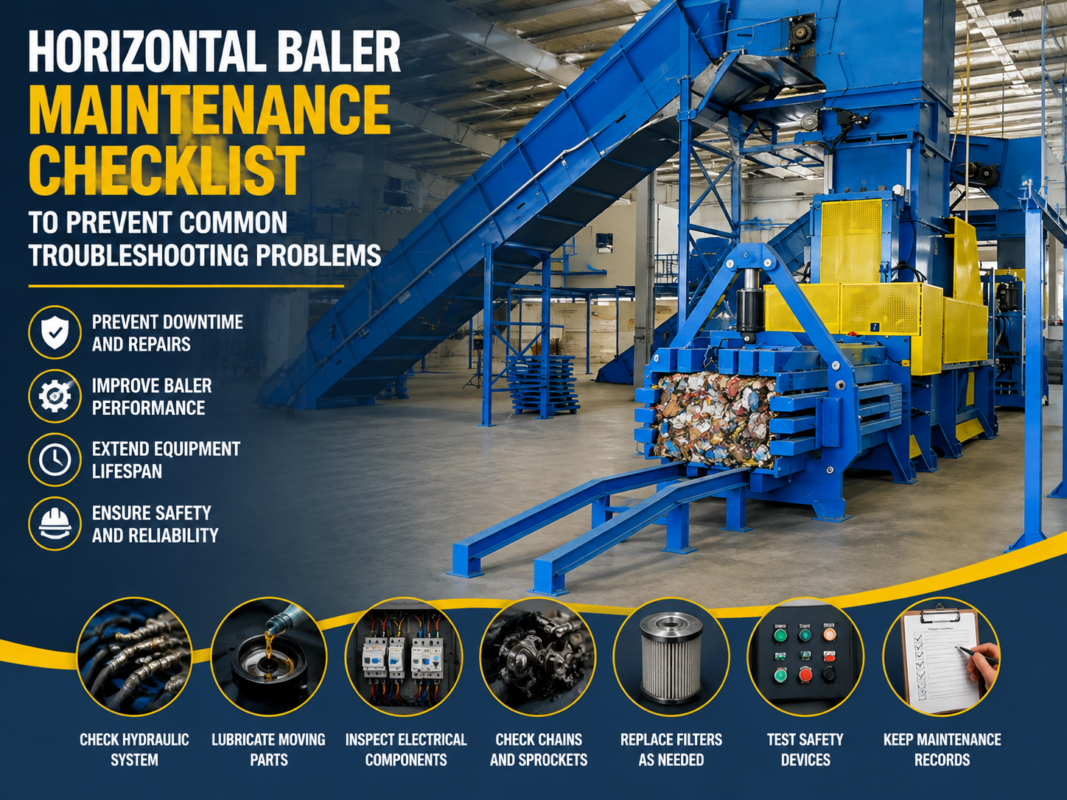
Before diving into specific troubleshooting steps, it is essential to understand the key factors that influence the health of a recycling baler’s hydraulic system. Maintenance is not merely a reactive task; it is a proactive strategy. The environment in which a baler operates is often the first consideration. Recycling facilities are frequently filled with airborne particulates, moisture, and varying temperatures, all of which can infiltrate the hydraulic system and degrade the oil or damage sensitive components like valves and seals.
Another critical consideration is the quality of the hydraulic fluid itself. Oil is not just a medium for transmitting power; it also serves as a lubricant and a coolant. Over time, hydraulic oil can oxidize or become contaminated with water and microscopic metal shavings. This degradation directly impacts the system’s ability to maintain pressure. Regular oil analysis and adherence to the manufacturer’s filtration standards are non-negotiable for long-term reliability. Furthermore, the mechanical alignment of the ram and the condition of the hydraulic cylinders play a significant role in how pressure is distributed and utilized.
Safety must always be the primary consideration when dealing with high-pressure hydraulics. A pinhole leak in a hydraulic line can release fluid at velocities high enough to penetrate human skin, a condition known as fluid injection injury. Therefore, any investigation into pressure problems must be conducted by trained personnel using appropriate personal protective equipment (PPE) and following strict lockout/tagout procedures. Understanding the circuit diagram of your specific HARSLE baler or similar machinery is also vital for identifying which valves or pumps are responsible for specific pressure stages.
Technical Details: Identifying Symptoms of Pressure Issues
1. Slow Cycle Times and Reduced Throughput
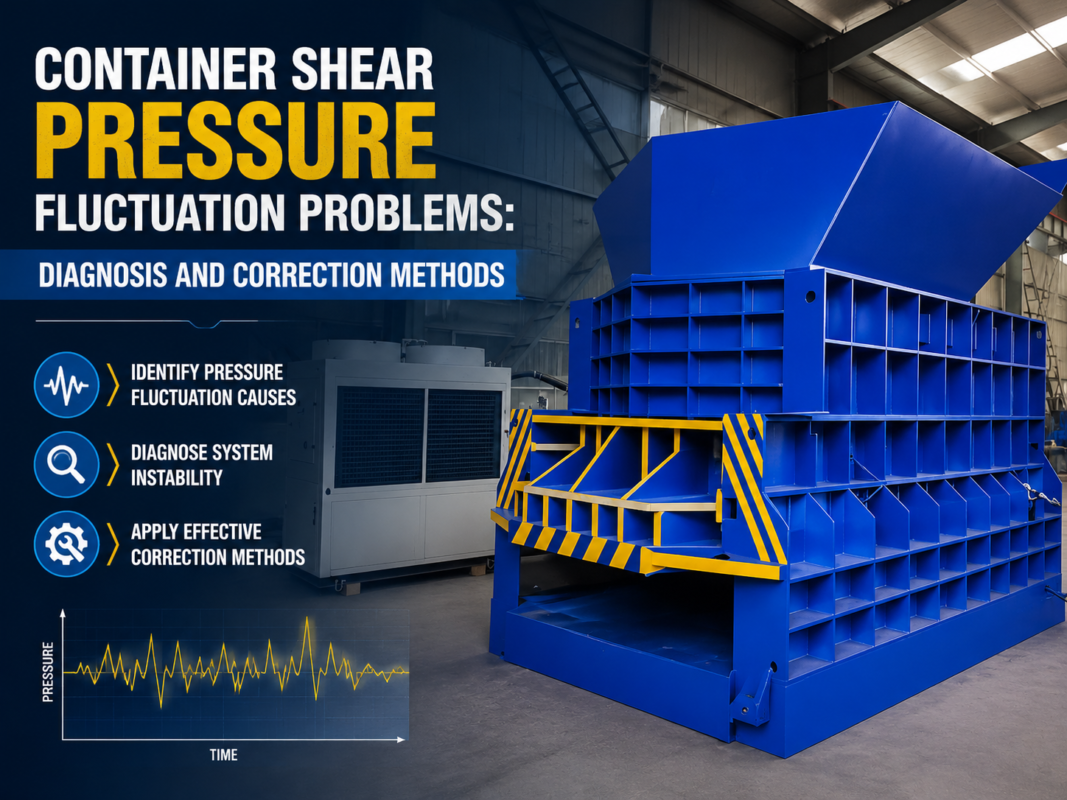
One of the most common symptoms of Recycling Baler Hydraulic Pressure Problems: Symptoms, Causes, Solutions is a noticeable increase in cycle time. If the ram takes longer than usual to extend or retract, it is a clear indication that the system is not delivering the required flow at the necessary pressure. While flow (gallons per minute) determines speed, pressure (PSI) determines the force. However, in many hydraulic circuits, a drop in pressure can lead to a compensatory drop in flow if the pump is struggling or if internal leakage is occurring.
Slow operation often points toward a worn-out hydraulic pump or a malfunctioning relief valve that is bypassing fluid back to the reservoir prematurely. It can also be caused by high oil viscosity in cold environments, where the fluid is too thick to move efficiently through the valves. Monitoring the cycle time daily can help operators catch these issues before they result in a total system failure.
2. Unusual Noises: Cavitation and Aeration
A healthy hydraulic system should operate with a consistent, rhythmic hum. If you begin to hear high-pitched whining, banging, or growling noises, the system is signaling a pressure problem. Cavitation occurs when the pump cannot get enough oil, creating vacuum bubbles that implode with violent force when they reach the pressurized side of the pump. This not only causes noise but also pits the internal surfaces of the pump, leading to rapid failure.
Aeration, on the other hand, is the presence of air bubbles in the oil. This makes the hydraulic fluid “spongy” and compressible, which is the opposite of what is required for high-pressure applications. Aeration often results in jerky ram movements and a “knocking” sound. Both cavitation and aeration are symptoms of suction line issues or low oil levels that directly impact the system’s pressure-generating capabilities.
3. Excessive Heat Generation
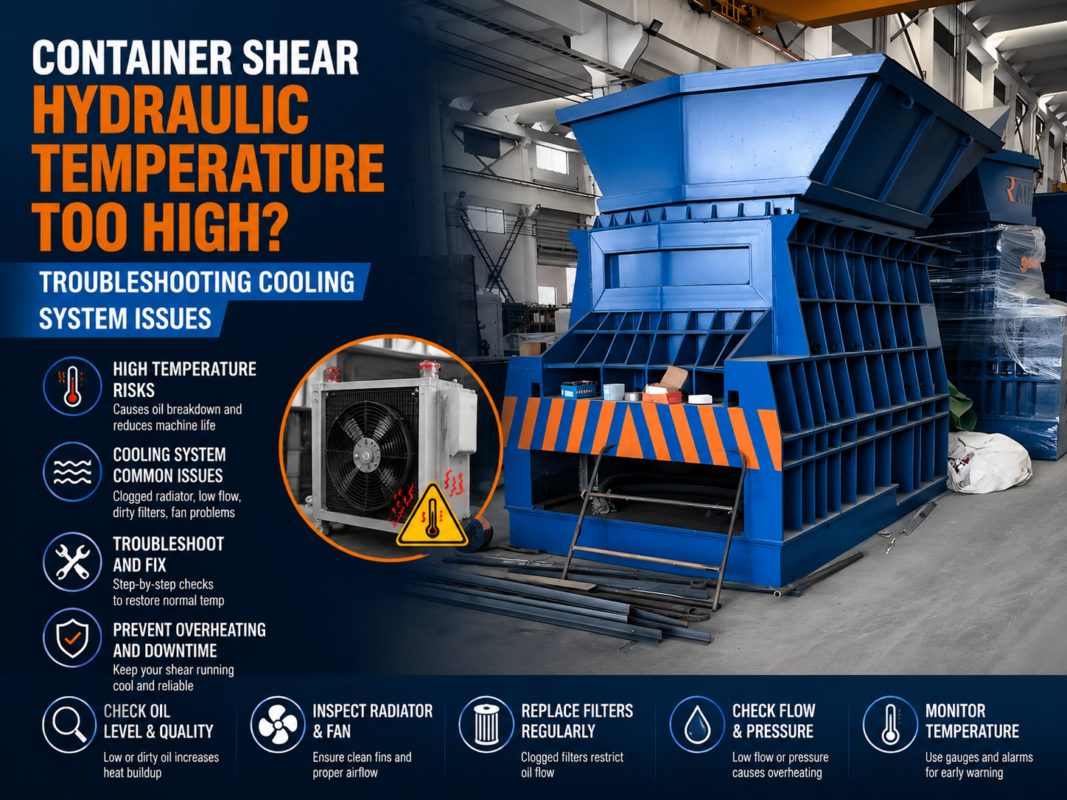
Hydraulic systems naturally generate some heat, but excessive heat is a symptom of inefficiency. When pressure is lost through internal leaks—such as oil slipping past a worn piston seal or a scarred valve spool—the energy that should have been used for mechanical work is instead converted into heat. If the hydraulic reservoir feels excessively hot to the touch or if the temperature gauge exceeds 140°F (60°C), the system is likely suffering from a pressure-related bypass issue.
Overheating thins the oil, further reducing its ability to maintain pressure and provide lubrication. This creates a destructive feedback loop where heat causes more leakage, and more leakage causes more heat. Identifying the source of heat generation is a key step in solving pressure fluctuations.
Root Causes of Pressure Loss and Fluctuations
Pump Wear and Internal Damage
The hydraulic pump is the heart of the baler. Over years of service, the internal tolerances of the pump (whether it is a vane, gear, or piston pump) begin to widen due to friction and particulate wear. As these tolerances increase, the pump can no longer effectively trap and move fluid against high resistance. This results in a gradual loss of maximum pressure. In many cases, the pump may still produce enough pressure to move the ram when it is empty, but it fails as soon as it encounters the resistance of the material being baled.
Relief Valve Malfunction
The relief valve is the primary safety and regulation component in the hydraulic circuit. It is designed to open and divert oil back to the tank when the system reaches its maximum safe operating pressure. If the spring inside the relief valve weakens, or if a piece of debris becomes lodged in the valve seat, the valve may stay partially open. This “cracking” allows pressure to bleed off constantly, preventing the baler from reaching the force required to create a dense bale. Conversely, a relief valve that is stuck shut can lead to dangerous over-pressure situations that can burst hoses or damage the structure of the baler.
Cylinder Seal Failure
The hydraulic cylinder is where the fluid pressure is converted into linear force. Inside the cylinder, piston seals prevent high-pressure oil from leaking to the low-pressure side. If these seals are brittle, worn, or torn, the oil will simply bypass the piston, and the ram will lose its pushing power. This is often referred to as “drifting,” where the ram may slowly retract or extend on its own when the controls are in neutral. Internal cylinder leaks are a major cause of inconsistent pressure readings.
Contamination and Clogged Filters
Contamination is the leading cause of hydraulic component failure. Microscopic particles can act like sandpaper, wearing down valves and pump components. Furthermore, if the return-line or suction filters are clogged, the pump may be starved of oil (leading to cavitation) or the backpressure in the system may increase, causing erratic behavior. Contamination can also cause directional control valves to stick, preventing the pressure from being directed to the correct side of the cylinder.
Practical Solutions and Troubleshooting Steps
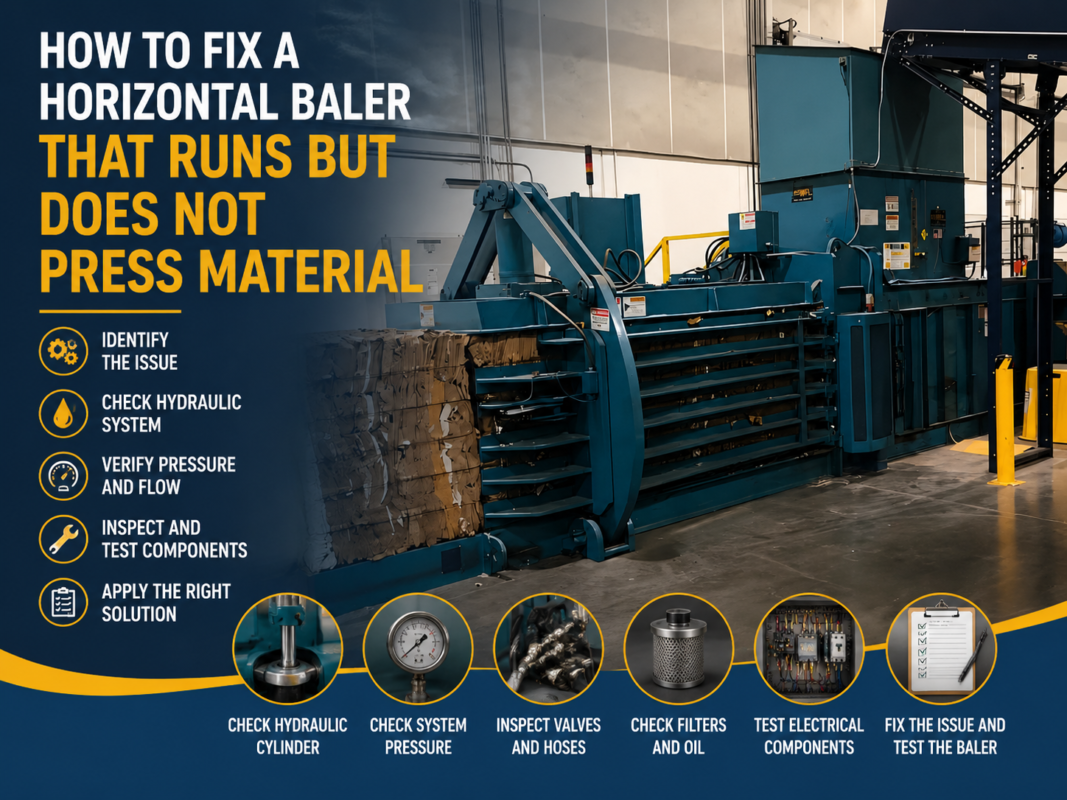
When faced with Recycling Baler Hydraulic Pressure Problems: Symptoms, Causes, Solutions, a systematic approach is required. Use the following table as a quick reference for common issues and their fixes:
| Symptom | Probable Cause | Recommended Solution |
|---|---|---|
| Low Pressure at Ram | Worn Pump or Relief Valve | Test pump flow; adjust or replace relief valve. |
| Jerky Ram Movement | Air in System (Aeration) | Check suction lines for leaks; bleed air from cylinders. |
| Overheating Oil | Internal Leakage / Bypass | Inspect cylinder seals and valve spools; check oil cooler. |
| High-Pitched Whining | Pump Cavitation | Clean suction strainer; check for blocked intake. |
| Ram Drifts Under Load | Leaking Piston Seals | Repack or replace the hydraulic cylinder seals. |
| No Pressure at All | Coupling Failure / No Oil | Check motor-to-pump coupling; verify oil level. |
Step-by-Step Troubleshooting
- Check the Basics: Start by verifying the oil level and the condition of the filters. Ensure the motor is rotating in the correct direction. A pump spinning backward will not generate pressure.
- Pressure Testing: Install a calibrated pressure gauge at various points in the system. Check the pressure at the pump outlet, before the control valve, and at the cylinder ports. This helps isolate whether the problem is in the power unit or the actuator.
- Adjust the Relief Valve: If the pressure is consistently low, try a small adjustment to the relief valve. If the pressure does not increase when the valve is tightened, the valve is likely faulty or the pump is too worn to reach the setting.
- Inspect for External Leaks: While internal leaks are more common causes of pressure loss, external leaks at fittings and hoses are easier to spot and should be repaired immediately to prevent environmental contamination and fluid loss.
- Oil Analysis: If the system is consistently underperforming, send an oil sample to a lab. They can detect the presence of metals (indicating component wear) or water (indicating seal failure or cooling issues).
Selection Advice for High-Performance Recycling Balers
When purchasing a new recycling baler, or upgrading an existing one, the design of the hydraulic system should be a primary factor in your decision. Not all hydraulic systems are created equal. For high-volume operations, look for balers that utilize regenerative hydraulic circuits. These systems redirect oil from one side of the cylinder to the other during the initial stroke, allowing for faster cycle times without requiring a larger, more energy-consuming pump.
Furthermore, consider the quality of the components. Brands like HARSLE prioritize the use of world-class hydraulic valves (such as Rexroth or Vickers) and high-efficiency motors. A well-designed manifold block reduces the number of hoses and fittings, which in turn reduces the potential for leaks and pressure drops. Additionally, ensure the baler is equipped with a robust cooling system, especially if it will be operating in warm climates or running multiple shifts. An integrated oil cooler can significantly extend the life of the hydraulic fluid and the internal components.
Finally, look for machines with user-friendly diagnostic interfaces. Modern balers often feature PLC (Programmable Logic Controller) systems with touchscreens that display real-time pressure readings and error codes. This technology takes the guesswork out of troubleshooting, allowing operators to identify a pressure problem the moment it arises. Investing in a machine with superior hydraulic engineering may have a higher upfront cost, but the savings in maintenance and downtime over the machine’s lifespan are substantial.
Frequently Asked Questions (FAQ)
Q1: How often should I change the hydraulic oil in my recycling baler?
A: Generally, hydraulic oil should be changed every 2,000 to 4,000 operating hours, or at least once a year. However, this depends heavily on the operating environment and the results of regular oil analysis. If the oil appears cloudy (water contamination) or smells burnt (overheating), it should be changed immediately regardless of the hour count.
Q2: Why is my baler making a loud banging noise when the ram reverses?
A: This is often caused by “hydraulic shock.” When a valve closes too quickly, the moving fluid’s kinetic energy is suddenly converted into a pressure spike. This can be solved by adjusting the valve shifting speed or by installing accumulators to absorb the shock. It could also indicate loose mechanical mountings for the cylinder.
Q3: Can I use any type of hydraulic oil in my HARSLE baler?
A: No. You must use the oil viscosity grade recommended by the manufacturer (usually ISO 32, 46, or 68). Using the wrong viscosity can lead to poor pressure regulation, increased wear, and overheating. Always check the manual for the specific anti-wear (AW) additives required.
Q4: What is the most common cause of a sudden loss of pressure?
A: A sudden loss of pressure is most frequently caused by a blown seal, a broken pump-to-motor coupling, or a piece of debris suddenly jamming the main relief valve in the open position. Check the coupling first, as it is a common mechanical failure point.
Q5: How do I know if my hydraulic pump is failing?
A: Signs of a failing pump include a gradual increase in cycle times, increased noise (whining), and the inability to reach maximum pressure even when the relief valve is adjusted. A flow meter test is the most accurate way to confirm pump health.
Conclusion
Mastering the complexities of Recycling Baler Hydraulic Pressure Problems: Symptoms, Causes, Solutions is essential for maintaining a productive and safe recycling operation. By recognizing the early symptoms of pressure loss—such as slow cycle times, unusual noises, and overheating—operators can intervene before minor issues escalate into catastrophic failures. The root causes, ranging from simple contamination to complex pump wear, require a diligent maintenance schedule and a systematic approach to troubleshooting.
Investing in high-quality machinery from reputable manufacturers like HARSLE ensures that you start with a robust hydraulic foundation. However, even the best machines require care. Regular oil changes, filter replacements, and pressure checks are the keys to longevity. By following the guidelines outlined in this article, you can ensure that your recycling baler continues to deliver the high-pressure performance needed to turn waste into value for years to come. Remember, in the world of industrial baling, pressure is power—keep it consistent, keep it clean, and keep it safe.