How to Prevent Overheating in a Recycling Baler During Continuous Operation

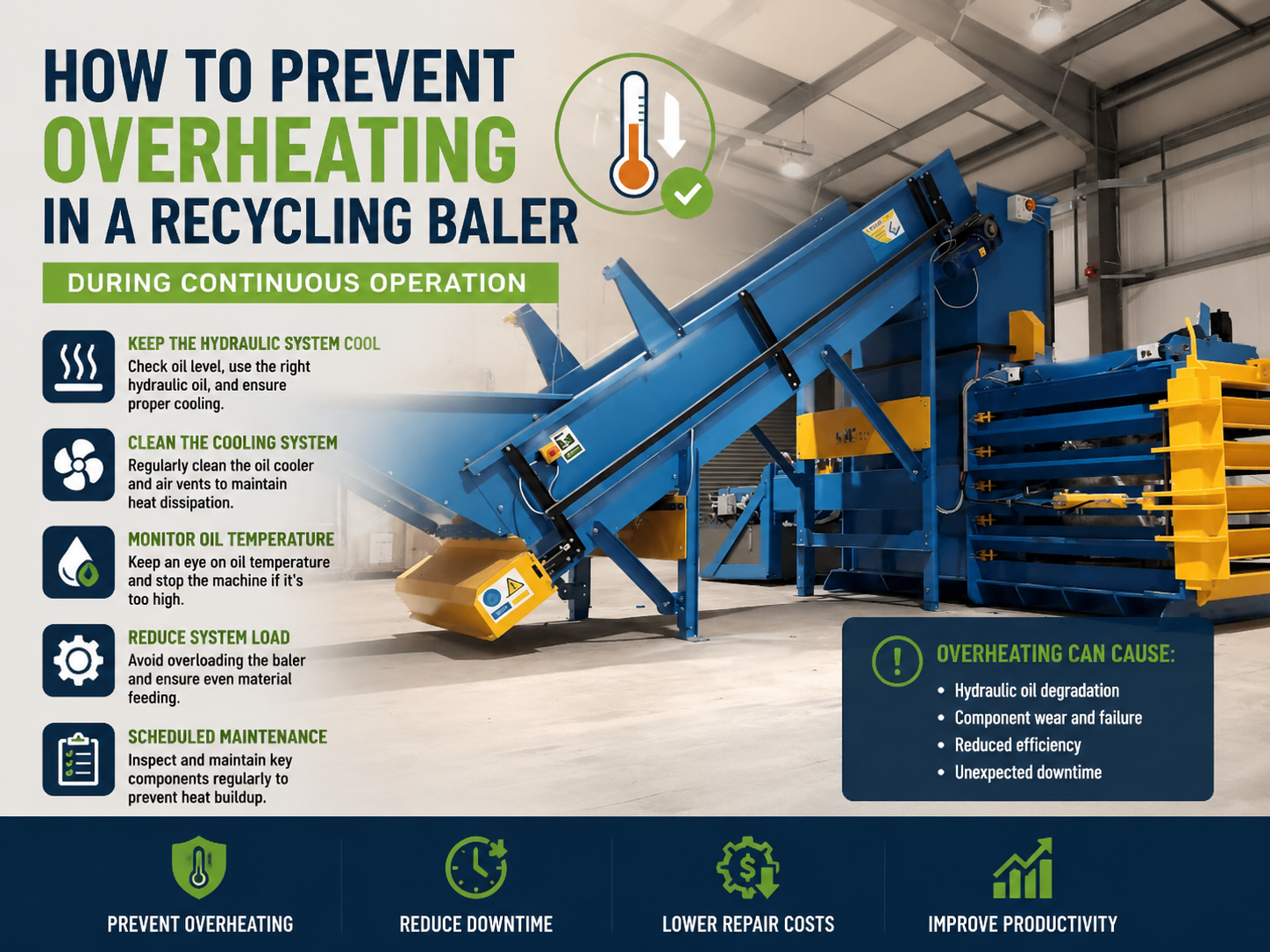
The Critical Challenge of Heat Management in Recycling Balers
In the high-demand world of waste management and scrap processing, the recycling baler stands as a cornerstone of efficiency. However, as facilities push for higher throughput, these machines are often subjected to continuous, 24/7 operation. This relentless pace introduces a significant technical challenge: thermal management. To prevent overheating in a recycling baler during continuous operation, operators and maintenance managers must understand the complex interplay between hydraulic pressure, mechanical friction, and electrical load.
Overheating is not merely a minor inconvenience; it is a precursor to catastrophic component failure. When a baler exceeds its optimal operating temperature, hydraulic seals begin to harden and crack, oil viscosity drops—leading to poor lubrication—and electrical components face accelerated aging. For a professional recycling facility, an overheated baler means unplanned downtime, expensive oil replacements, and potential safety hazards. This guide provides a deep dive into the strategies required to keep your HARSLE recycling baler running cool, even under the most demanding schedules.
Effective heat management begins with the realization that heat is a byproduct of energy inefficiency. Every bit of energy that isn’t used to compress material is converted into heat. By optimizing the machine’s performance and ensuring that cooling systems are functioning at peak capacity, you can significantly extend the lifespan of your equipment and maintain consistent bale density throughout the work shift.
The Importance of Proactive Maintenance
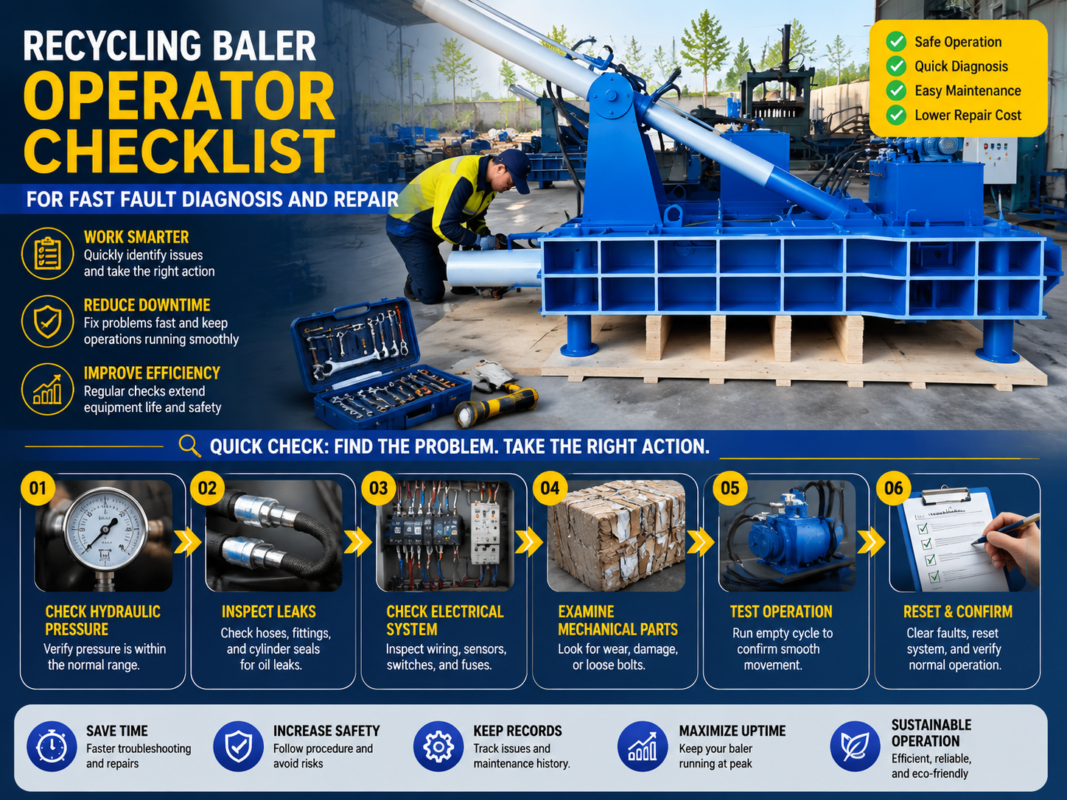
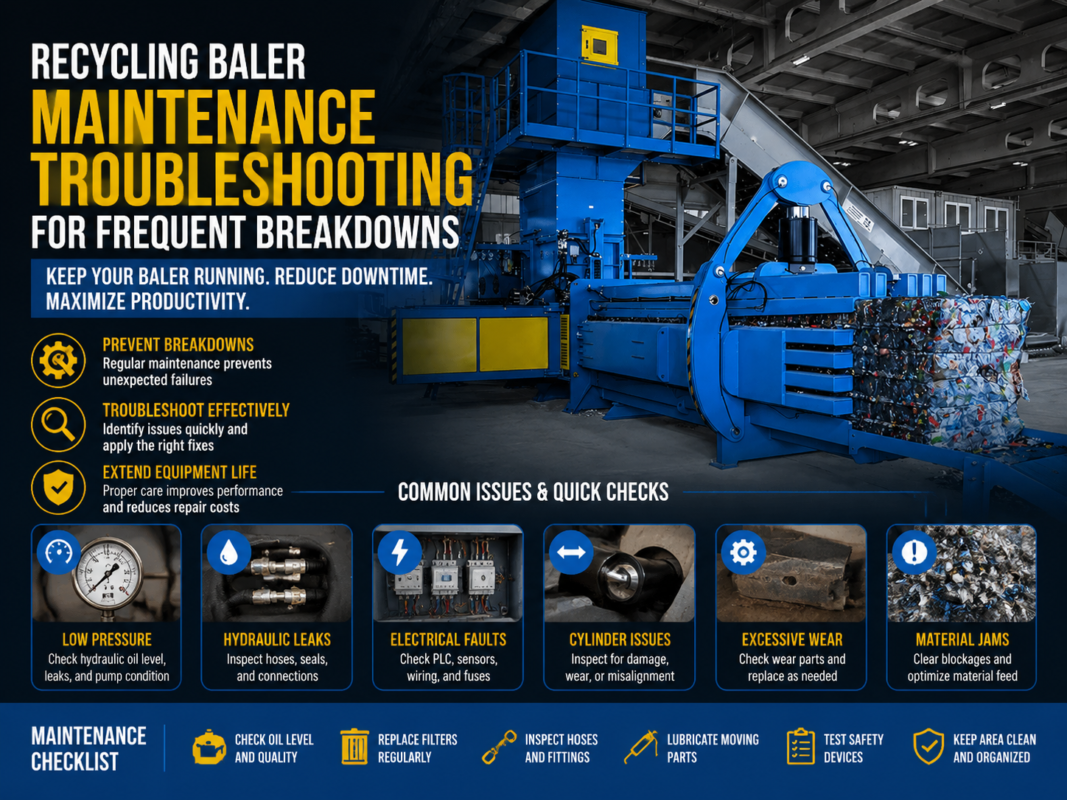
Proactive maintenance is the first line of defense against thermal runaway. In a continuous operation environment, waiting for a warning light to flash is a reactive strategy that often comes too late. A proactive approach involves monitoring the ‘health’ of the machine’s cooling capacity and addressing minor inefficiencies before they compound into a total system overheat. This is particularly vital for horizontal balers that process high volumes of plastics, paper, or non-ferrous metals, where the cycle times are rapid and the hydraulic system rarely has time to rest.
Maintaining a recycling baler involves more than just fixing what is broken; it is about preserving the chemical and physical properties of the hydraulic fluid. High temperatures cause hydraulic oil to oxidize, forming sludge and varnish that can clog sensitive valves. This creates a vicious cycle: clogged valves increase resistance, which generates more heat, which further degrades the oil. By following a strict maintenance protocol, you break this cycle and ensure the machine operates within its designed thermal envelope.
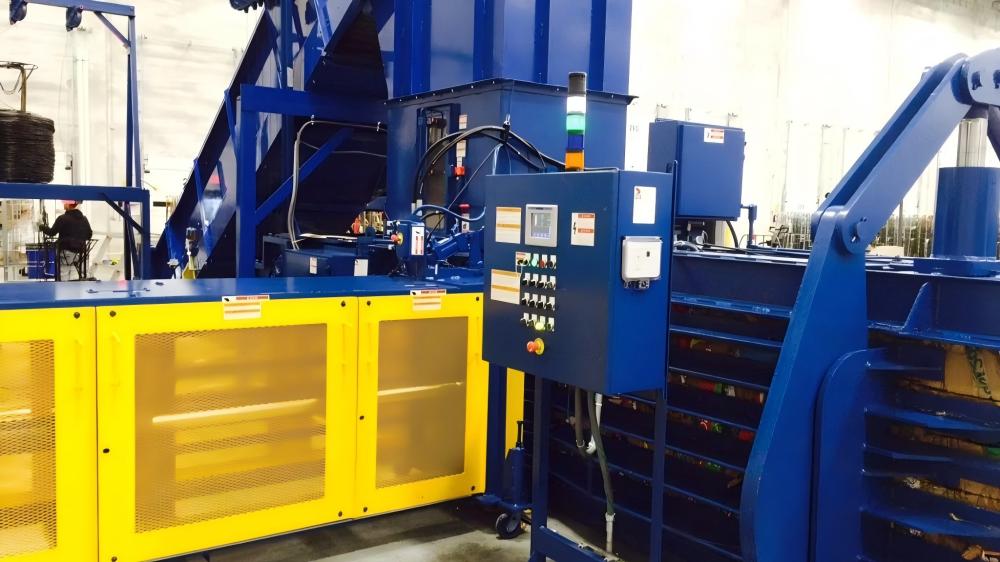
Daily Inspection Routines for Thermal Control
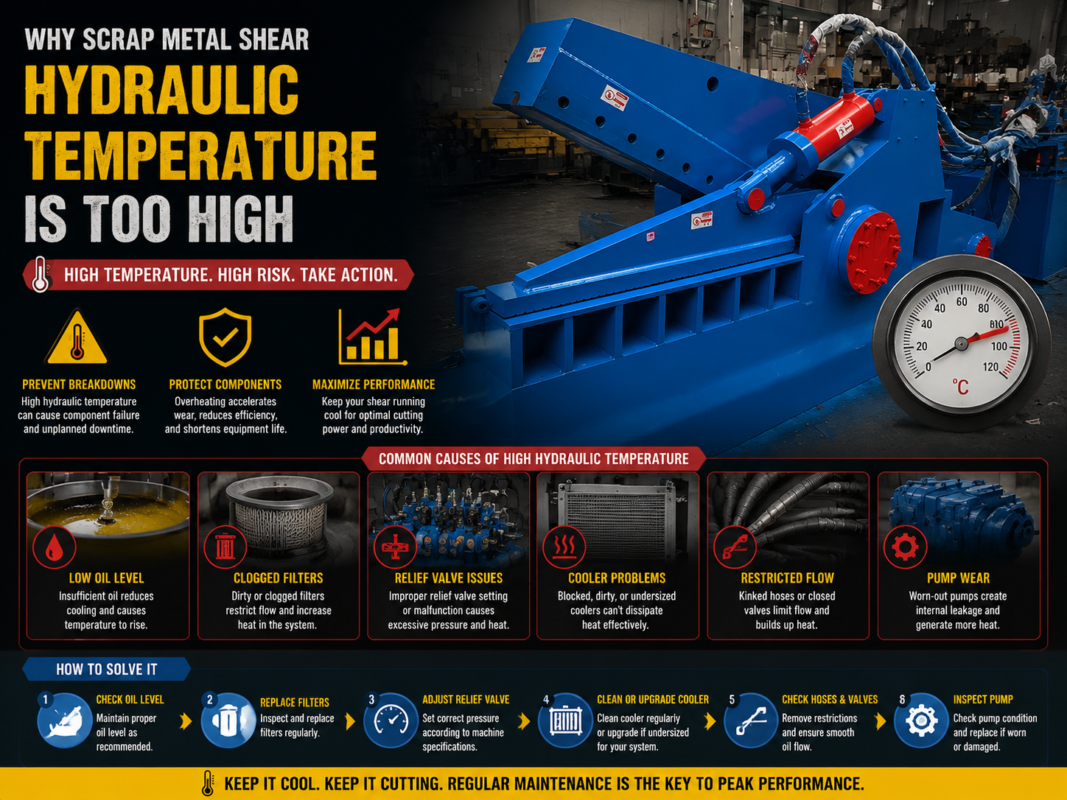
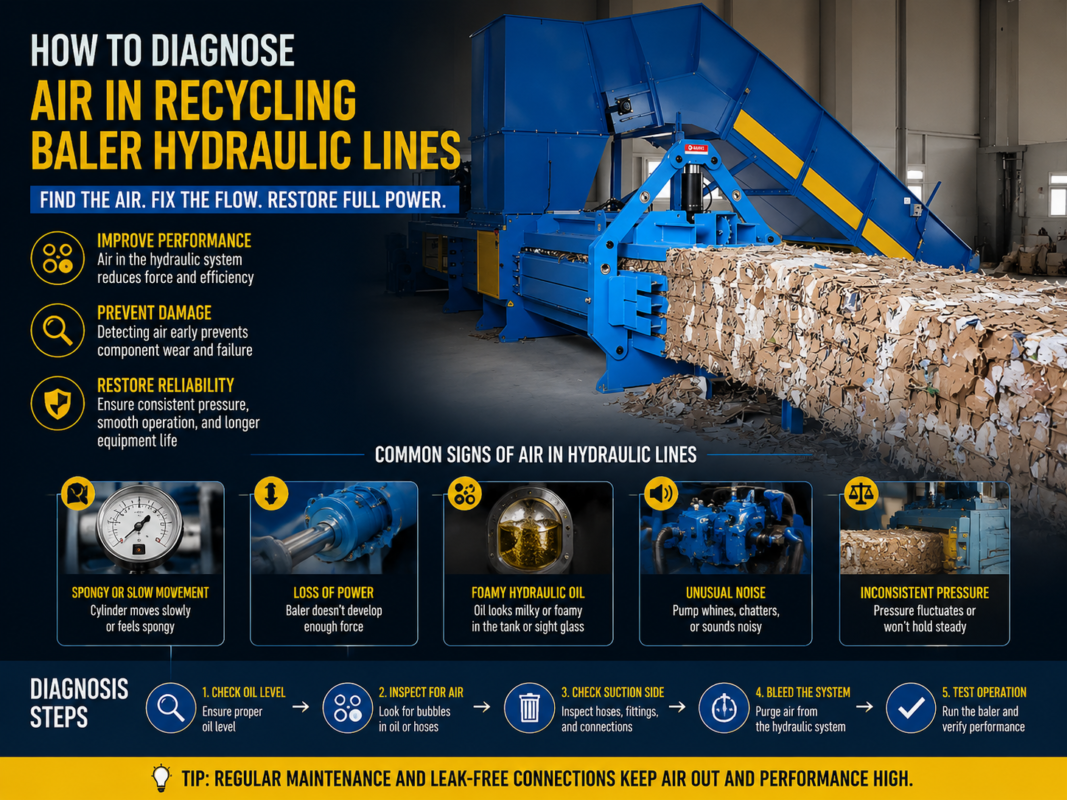
To prevent overheating in a recycling baler during continuous operation, the daily inspection must be rigorous. Before the shift begins, operators should check the hydraulic oil level. Low oil levels are a primary cause of overheating because there is less fluid to absorb and dissipate the heat generated by the pump. Furthermore, low levels can lead to aeration, where air bubbles in the oil compress and generate localized ‘hot spots’ that can reach incredible temperatures.
During operation, the oil temperature gauge should be monitored hourly. Most industrial balers are designed to operate between 40°C and 60°C (104°F to 140°F). If the temperature consistently climbs toward 70°C, the machine is struggling. Operators should also inspect the cooling fans and heat exchangers for dust and debris. In recycling environments, airborne fibers and dust are prevalent; these particles can quickly coat a radiator, acting as an insulator and preventing heat from escaping into the atmosphere.
Hydraulic System Checks: The Core of Cooling
The hydraulic system is the heart of the recycling baler and the primary source of heat. To manage this, one must first look at the hydraulic fluid itself. Using the correct viscosity grade is paramount. If the oil is too thick, it creates internal friction; if it is too thin, it allows internal leakage within the pump and valves, both of which generate excessive heat. Always refer to the HARSLE technical manual to ensure the oil matches the ambient temperature of your facility.
The heat exchanger (or oil cooler) must be the focus of weekly technical audits. Whether your baler uses an air-cooled or water-cooled system, its efficiency is non-negotiable. For air-cooled systems, ensure the fan blades are clean and the motor is spinning at the correct RPM. For water-cooled systems, check for scale buildup inside the pipes, which can significantly reduce heat transfer efficiency. If your facility is located in a particularly hot climate, you may need to consider upgrading to a larger high-capacity cooler to compensate for the high ambient air temperature.
Another critical hydraulic factor is the relief valve setting. If the relief valve is set too low or is leaking, oil will constantly bypass the cylinders and return to the tank at high pressure. This process converts pressure directly into heat without doing any useful work. Regularly testing and calibrating the system pressure ensures that the energy is going into the bale, not into heating the oil reservoir.
Electrical and Mechanical Considerations
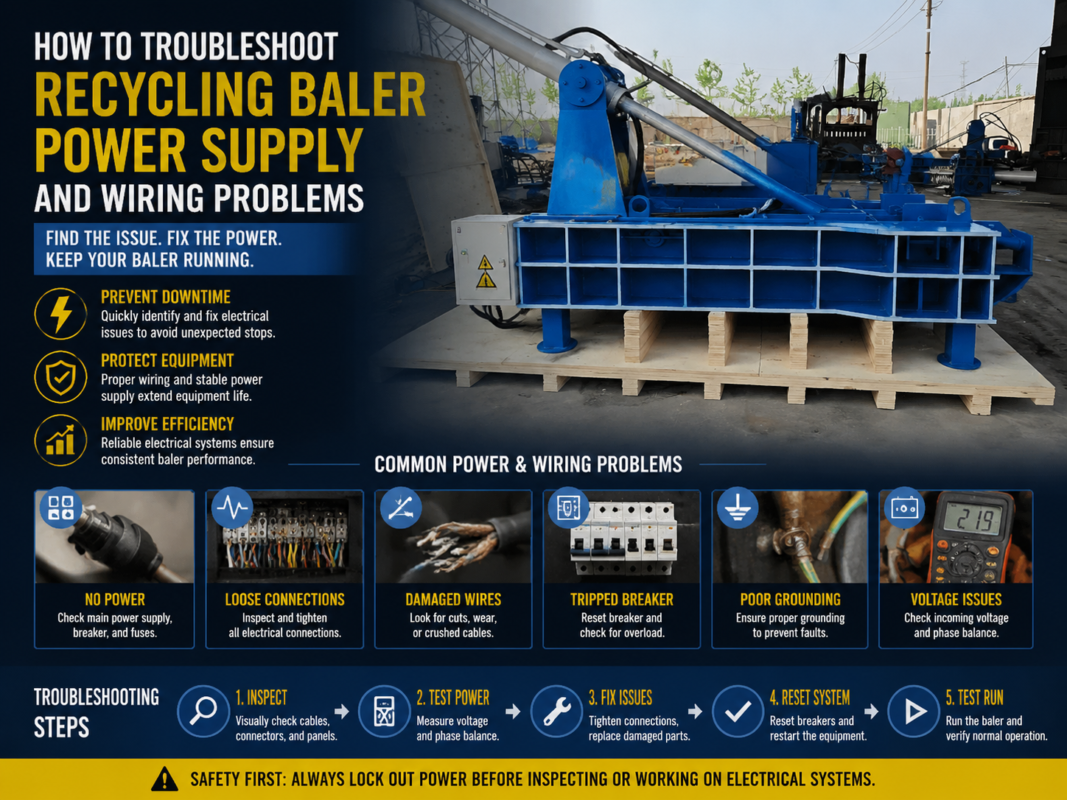
While hydraulics are the main heat source, the electrical motor and mechanical friction points contribute significantly to the total thermal load. The main drive motor of a recycling baler is designed to dissipate heat through its external fins. If these fins are covered in hydraulic oil mist and dust, the motor will run hot, leading to insulation breakdown and eventual motor failure. Ensure that the motor’s cooling fan is intact and that there is sufficient clearance around the motor for airflow.
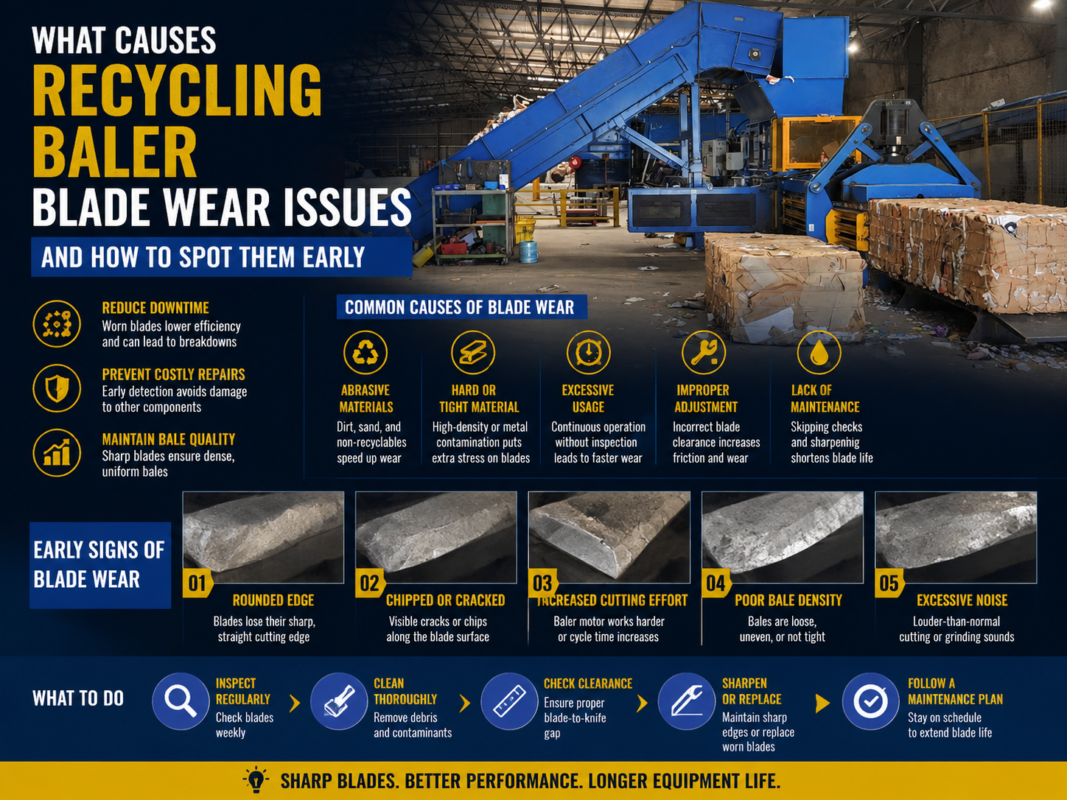
Mechanical friction is often overlooked in overheating discussions. The ram of the baler moves on wear liners or rollers. If these components are worn or improperly adjusted, the friction between the ram and the baler floor increases. This not only puts more load on the hydraulic system (generating more heat) but also creates localized heat on the metal surfaces. Ensuring the ram is properly aligned and the wear plates are in good condition is a fundamental step to prevent overheating in a recycling baler during continuous operation.
The Lubrication Plan: Reducing Internal Friction
A robust lubrication plan is essential for minimizing the friction that leads to heat. All pivot points, cylinder pins, and ram guides must be lubricated according to a strict schedule. In continuous operation, manual greasing might not be sufficient. Many high-end HARSLE balers can be equipped with automated lubrication systems that deliver precise amounts of grease at set intervals. This ensures that the machine is never running ‘dry,’ which is a common cause of mechanical overheating.
The choice of lubricant is also vital. In high-temperature environments, standard grease may liquefy and run out of the joints. Using high-temperature, extreme-pressure (EP) grease ensures that the lubricant stays in place and continues to provide a protective film between moving metal parts. This reduces the work the hydraulic system has to do, thereby indirectly keeping the oil temperature lower.
Troubleshooting Signals: Identifying Heat Issues Early
Experienced operators can often ‘sense’ when a baler is starting to overheat before the sensors trigger an alarm. One of the first signs is a change in the sound of the hydraulic pump. A high-pitched whine or a ‘marbles in a blender’ sound (cavitation) often indicates that the oil has become too thin due to heat or that air is entering the system. Another signal is a noticeable increase in cycle time. As oil heats up and loses viscosity, the volumetric efficiency of the pump drops, making the ram move slower.
Smell is another powerful diagnostic tool. Overheated hydraulic oil has a distinct, burnt odor. If you detect this smell near the reservoir, the oil has likely already begun to thermally degrade and should be sampled for laboratory analysis. Finally, look for ‘sweating’ on hydraulic hoses. While hoses don’t actually sweat, high temperatures can cause the outer rubber to soften, and any micro-leaks become more apparent as the hot, thin oil escapes more easily.
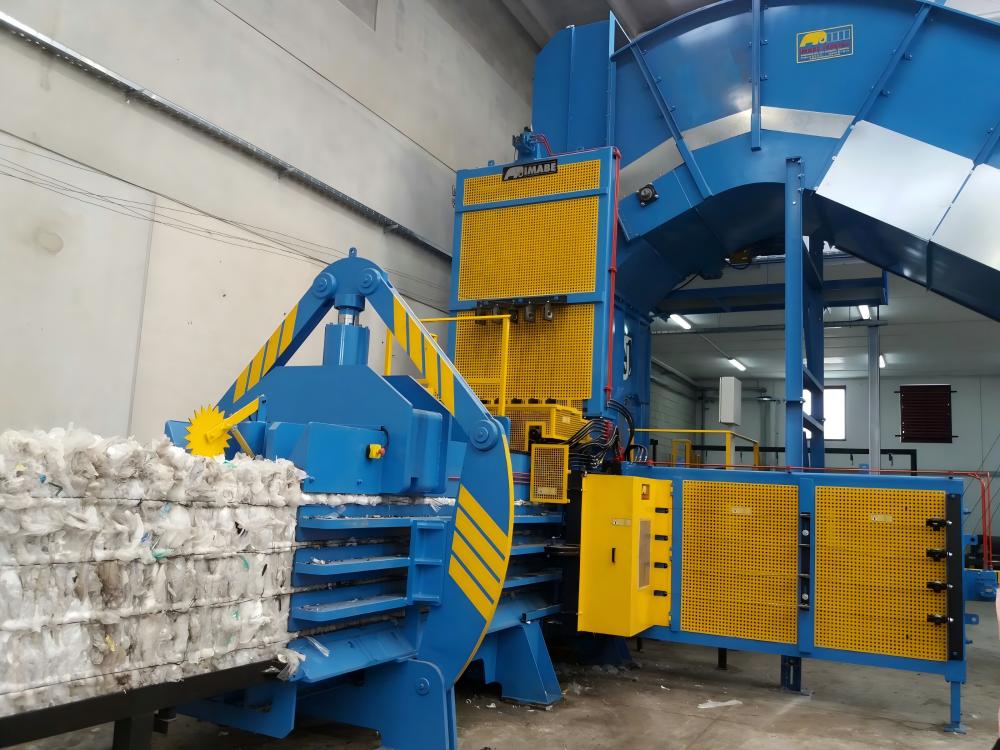
Comprehensive Maintenance Schedule Table
To maintain peak performance and prevent overheating in a recycling baler during continuous operation, follow this structured maintenance schedule:
| Frequency | Component | Action Required | Objective |
|---|---|---|---|
| Daily | Oil Level & Temp | Check gauge levels and record temperature. | Ensure sufficient volume for cooling. |
| Daily | Cooler/Radiator | Blow out dust and debris with compressed air. | Maintain airflow and heat exchange. |
| Weekly | Hydraulic Hoses | Inspect for leaks, soft spots, or heat damage. | Prevent fluid loss and pressure drops. |
| Weekly | Filters | Check bypass indicators on suction/return filters. | Ensure clean oil flow and reduce friction. |
| Monthly | Oil Analysis | Take a sample for viscosity and oxidation testing. | Monitor oil health and additive levels. |
| Monthly | Ram Alignment | Check clearance between ram and wear plates. | Reduce mechanical friction and drag. |
| Quarterly | Heat Exchanger | Deep clean fins or flush internal water lines. | Restore maximum cooling efficiency. |
| Annually | Hydraulic Pump | Perform a flow test to check for internal wear. | Ensure efficiency and reduce heat generation. |
Advanced Strategies for High-Volume Facilities
For facilities operating in extreme environments, standard maintenance might need to be supplemented with advanced cooling strategies. One such strategy is the installation of a variable frequency drive (VFD) on the main motor. A VFD allows the motor to slow down during idle periods or during the low-pressure parts of the cycle, significantly reducing the total heat energy introduced into the system. This is far more efficient than running the motor at full speed and dumping excess oil over a relief valve.
Additionally, consider the ambient environment of the baler. If the machine is located in a small, poorly ventilated room, the heat rejected by the oil cooler will simply linger around the machine, raising the ambient temperature and making the cooler less effective. Installing industrial extraction fans or ducting the hot air from the oil cooler directly out of the building can make a 10-15 degree difference in operating temperatures.
Frequently Asked Questions (FAQ)
1. What is the maximum safe operating temperature for a recycling baler?
Most industrial recycling balers are designed to operate safely up to 60°C (140°F). While some high-quality oils can handle up to 70°C, operating at these temperatures for extended periods will significantly shorten the life of seals and the oil itself. If your baler exceeds 65°C, it is time to investigate the cooling system.
2. Why does my baler overheat more in the afternoon?
This is usually due to the rise in ambient factory temperature. As the air used to cool the hydraulic oil becomes warmer, the temperature differential between the oil and the air decreases, making the heat exchanger less efficient. Improving building ventilation can help mitigate this afternoon heat spike.
3. Can I use a higher viscosity oil to stop overheating?
No, this is a common misconception. While thicker oil might seem like it would ‘hold up’ better to heat, it actually generates more internal friction and can make the overheating problem worse. Always stick to the manufacturer’s recommended ISO grade for your specific operating environment.
4. How often should I clean the oil cooler?
In a typical recycling environment with high dust levels, the exterior of the oil cooler should be blown out with compressed air daily. A more thorough cleaning with a vacuum or soft brush should be performed weekly to ensure no debris is lodged deep within the cooling fins.
5. Does the type of material being baled affect the temperature?
Yes. Materials that require higher compaction pressures or have faster cycle times (like plastic bottles) will cause the hydraulic system to work harder and generate more heat compared to easily compressed materials like loose cardboard. Adjust your cooling checks based on the material being processed.
Conclusion: Ensuring Long-Term Reliability
To prevent overheating in a recycling baler during continuous operation, a holistic approach is required. It is not enough to simply have a large cooler; the oil must be clean, the mechanical parts must be aligned, and the electrical systems must be ventilated. By implementing the daily checks, weekly inspections, and the comprehensive maintenance schedule outlined in this guide, you can ensure that your HARSLE recycling baler remains a productive and reliable asset for years to come.
Remember, heat is the silent killer of industrial machinery. By staying vigilant and proactive, you protect your investment, ensure the safety of your operators, and maintain the high throughput necessary for a successful recycling operation. Regular training for operators on how to spot the early signs of thermal stress is the final, and perhaps most important, piece of the puzzle in maintaining a cool-running, efficient baling system.