Signs Your Recycling Baler Needs Immediate Maintenance Service: A Comprehensive Guide for Industrial Efficiency

The Critical Importance of Recycling Baler Maintenance
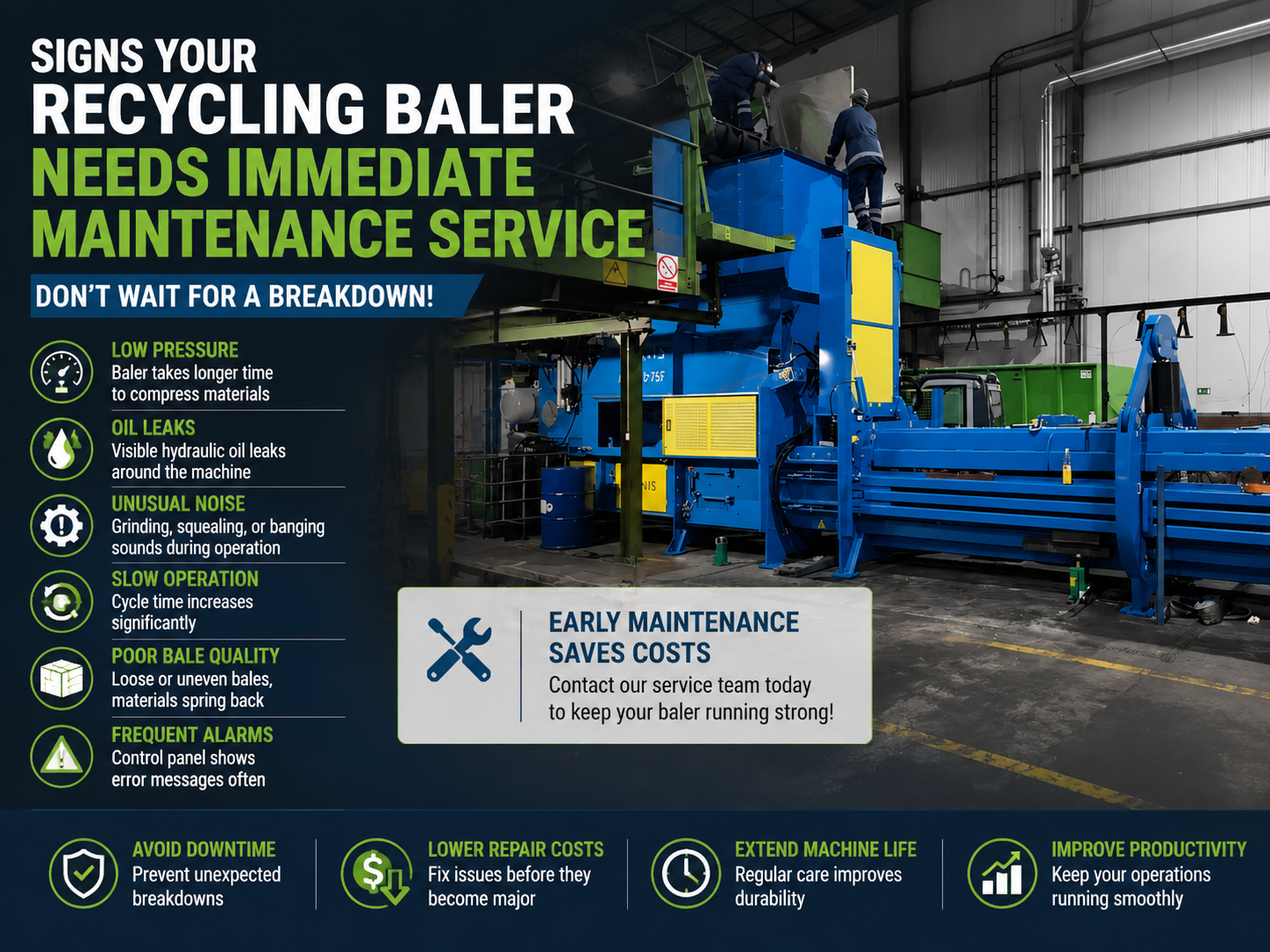
In the high-demand world of waste management and metal fabrication, the recycling baler stands as a cornerstone of operational efficiency. Whether you are processing cardboard, plastics, or scrap metal, the reliability of your baler directly impacts your bottom line. However, like any heavy-duty industrial machinery, these units are subject to intense mechanical stress, high hydraulic pressures, and environmental wear. Recognizing the signs your recycling baler needs immediate maintenance service is not just about avoiding a breakdown; it is about protecting your investment, ensuring operator safety, and maintaining a consistent workflow.
Neglecting routine maintenance often leads to a domino effect of component failures. What begins as a minor hydraulic leak can quickly escalate into a pump failure, resulting in thousands of dollars in repair costs and days of lost productivity. Furthermore, a poorly maintained baler poses significant safety risks. Structural fatigue or failing safety interlocks can lead to catastrophic accidents in the workplace. By staying vigilant and identifying early warning signals, facility managers can transition from reactive repairs to a proactive maintenance strategy, significantly extending the lifespan of their HARSLE equipment.
Modern recycling balers are complex systems integrating hydraulics, electronics, and heavy-duty mechanics. Understanding how these systems interact is key to diagnosing issues. When a machine begins to underperform, it is often communicating a specific need. This guide will detail the various indicators—from subtle auditory changes to obvious physical leaks—that suggest your equipment requires professional intervention. By the end of this article, you will have a comprehensive framework for inspecting and maintaining your recycling baler to ensure peak performance year-round.
At HARSLE, we emphasize that a well-maintained machine is a profitable machine. The cost of a scheduled maintenance visit is a fraction of the cost of emergency repairs and unplanned downtime. In the following sections, we will break down the specific areas of concern, providing you with a checklist of symptoms that demand immediate attention from your maintenance team or a certified technician.
Daily Inspection: The First Line of Defense
The most effective way to catch issues before they escalate is through a rigorous daily inspection routine. This process should be performed at the start of every shift and documented in a maintenance log. A daily walk-around allows operators to familiarize themselves with the ‘normal’ state of the machine, making it much easier to spot anomalies when they arise. The first thing to look for is the accumulation of debris. In recycling environments, dust, wire scraps, and small pieces of material can migrate into the internal workings of the baler, causing friction and overheating.
During the daily inspection, pay close attention to the safety features. Test the emergency stop buttons and ensure that all safety gates and interlocks are functioning correctly. If a gate opens and the machine continues to cycle, this is a critical sign your recycling baler needs immediate maintenance service. Never bypass safety sensors, as this is a leading cause of industrial accidents. Additionally, check the floor around the machine for any signs of fluid. Even a small puddle of hydraulic oil can indicate a loose fitting or a weeping seal that will eventually lead to a loss of system pressure.
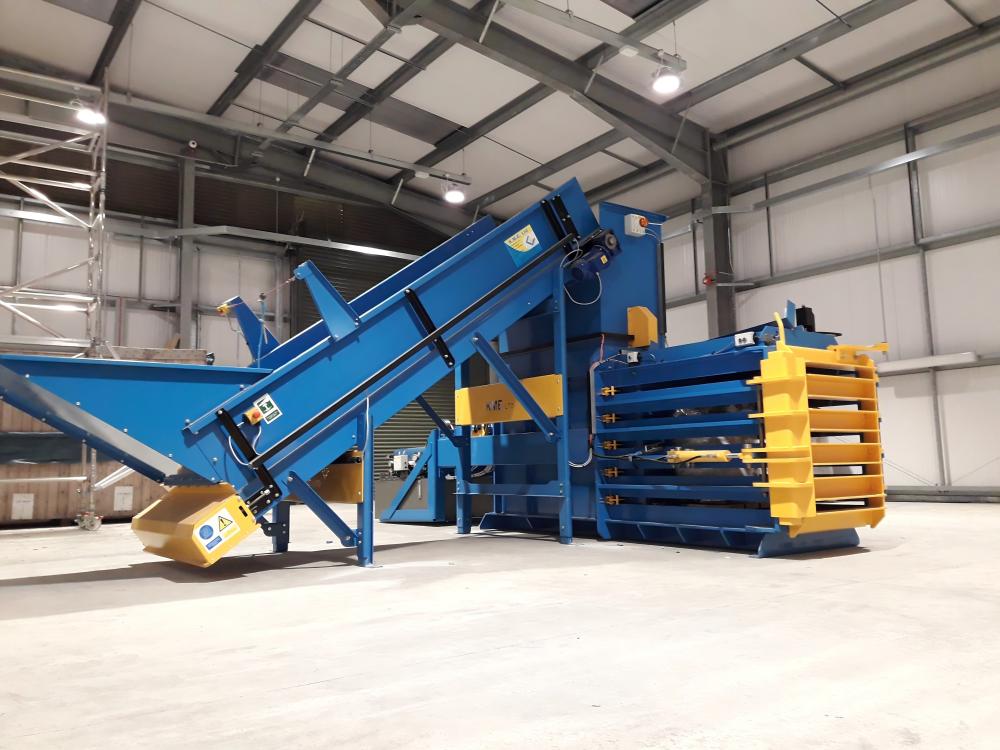
Another vital part of the daily check is inspecting the bale chamber and the ram. Look for any signs of scoring on the chamber walls or the ram face. Scoring often indicates that foreign objects are trapped or that the wear pads have thinned out, allowing metal-on-metal contact. If you notice unusual wear patterns, it is time to investigate further. Operators should also check the tension of any drive belts or chains and ensure that the wire-tying mechanism (if applicable) is clear of obstructions and properly lubricated.
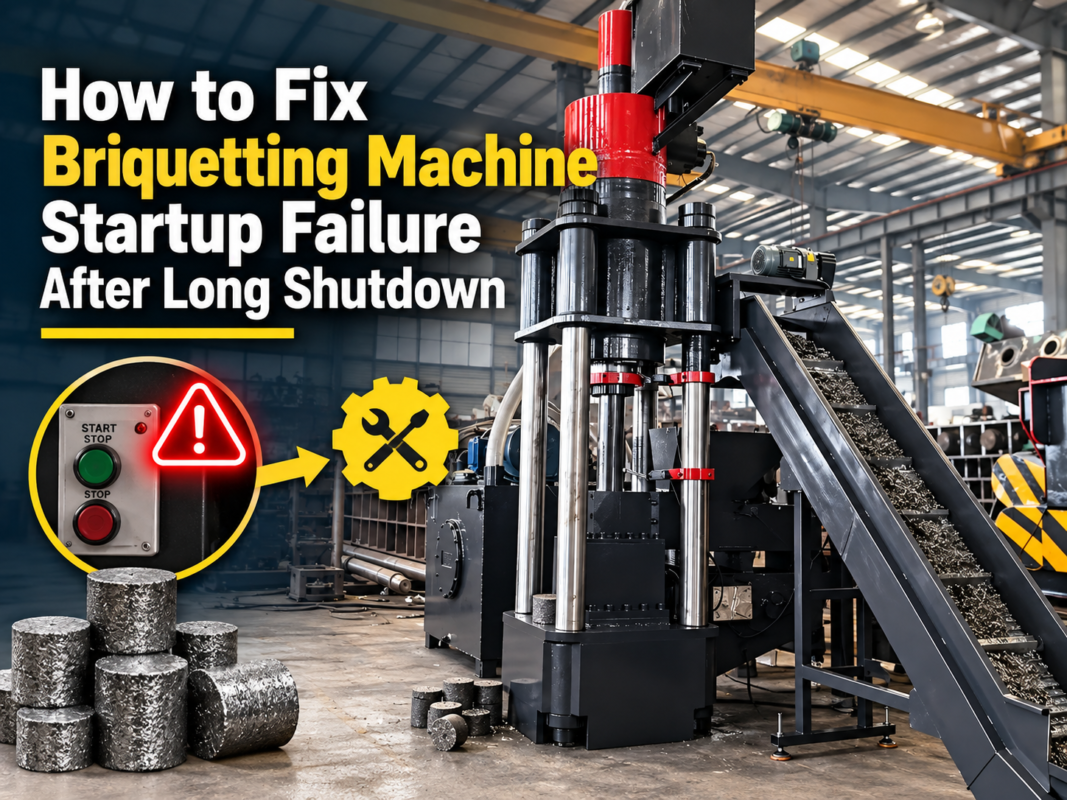
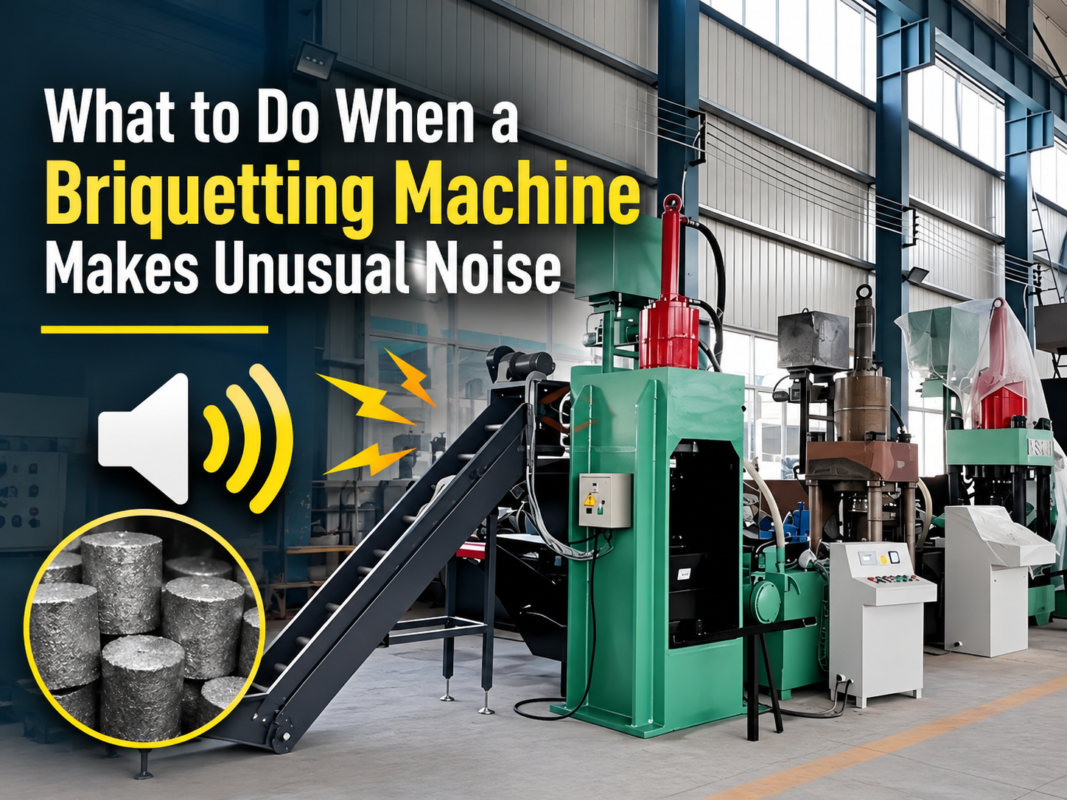
Finally, listen to the machine as it starts up. A healthy baler should have a consistent, rhythmic sound. Any grinding, clicking, or high-pitched whining during the initial startup phase is an immediate red flag. These sounds often point to issues with the motor bearings or the hydraulic pump’s suction line. Documenting these observations daily creates a historical record that can be invaluable for technicians when troubleshooting more complex issues later on.
Hydraulic System Checks: Monitoring the Lifeblood
The hydraulic system is the heart of the recycling baler, providing the immense force required to compress materials into dense bales. Because it operates under high pressure, the hydraulic system is often the first area to show signs of distress. One of the most common signs your recycling baler needs immediate maintenance service is erratic ram movement. If the ram stutters, moves slower than usual, or fails to reach full extension, there is likely an issue with the hydraulic fluid, the pump, or the control valves.
Check the hydraulic oil level and quality frequently. The oil should be clear and amber-colored. If the oil appears milky, it indicates water contamination, which can lead to rust and component failure. If the oil is dark and smells burnt, it has been subjected to excessive heat, losing its lubricating properties. Overheated oil is a major concern; it suggests that the cooling system is failing or that the pump is working harder than it should due to internal leakage. Installing a temperature gauge can help monitor this, but any noticeable increase in operating temperature warrants a service call.
- Leaking Seals and Hoses: Inspect all hydraulic hoses for cracks, bulges, or wet spots. A hose burst under pressure is extremely dangerous.
- Cylinder Drift: If the ram moves slightly when the controls are in neutral, the internal seals of the cylinder may be bypassing.
- Pump Noise: A loud, metallic knocking sound from the pump (cavitation) indicates that air is entering the system or the suction filter is clogged.
- Pressure Fluctuations: If the pressure gauge bounces or fails to reach the specified PSI, the relief valve may need adjustment or replacement.
Hydraulic filters are another critical component. Most modern balers have suction and return line filters. If these become clogged, the system will starve for oil, leading to pump damage. Many systems feature a ‘clogged filter’ indicator; never ignore this signal. Replacing a filter is a simple, low-cost task, whereas replacing a hydraulic pump is a major expense. Regular oil analysis is also recommended for large-scale operations to detect microscopic metal particles that signal internal component wear.
Electrical and Control System Integrity
While the mechanical and hydraulic systems do the heavy lifting, the electrical system provides the intelligence. Modern HARSLE balers utilize Programmable Logic Controllers (PLCs) and various sensors to automate the baling process. Electrical issues can be intermittent and frustrating, but they often provide subtle warnings. For instance, if the machine requires multiple attempts to start, or if the control panel displays frequent, non-specific error codes, the electrical system is struggling. This could be due to loose wiring, failing relays, or a fluctuating power supply.
Heat is the enemy of electrical components. Open the control cabinet (following all lockout/tagout procedures) and check for a burnt smell or discolored wires. Dust accumulation inside the electrical cabinet can cause short circuits or prevent components from cooling properly. Ensure that all cooling fans on the motor and inside the cabinet are operational. If the motor is running hotter than usual, it may be drawing excessive current, which could indicate a mechanical bind in the baler or a failing motor winding.
Sensors play a vital role in the cycle of a recycling baler. Proximity switches and limit switches tell the PLC where the ram is located. If these sensors are misaligned or coated in grime, the machine may stop mid-cycle or fail to initiate the next step. This is one of the clear signs your recycling baler needs immediate maintenance service. Regularly cleaning and checking the alignment of these sensors can prevent many common ‘ghost’ faults that halt production without an obvious mechanical cause.
Mechanical Components and Structural Health
The mechanical structure of a baler must withstand millions of pounds of force over its lifetime. Over time, the constant stress can lead to structural fatigue. Inspect the frame and the bale chamber for any signs of cracking, especially near weld joints. If you notice the frame flexing excessively during a compression cycle, it is a sign of structural weakness that needs immediate professional assessment. A structural failure during operation can be catastrophic.
Wear plates and liners are designed to be sacrificial components. They protect the main frame of the baler from the abrasive action of the material being compressed. As these plates wear down, the gap between the ram and the chamber walls increases. This can lead to material ‘wedging’ behind the ram, which increases friction and can eventually stall the machine. If you see significant gaps or if the ram appears to be tilting during its stroke, the wear pads likely need replacement. This is a standard maintenance task that, if ignored, leads to expensive damage to the ram and chamber.
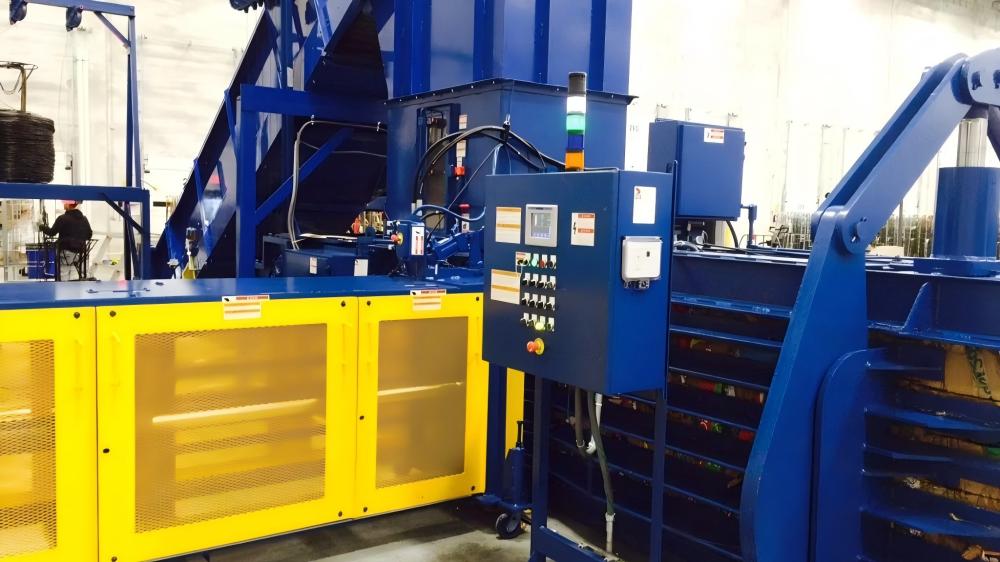
Shear blades are another critical mechanical element in many horizontal balers. These blades cut off excess material as the ram moves forward. If the blades become dull or the gap between them becomes too wide, the baler will struggle to shear the material, leading to ‘tails’ on the bales and increased strain on the hydraulic system. Dull blades also result in messy, poorly formed bales that are difficult to transport. Regularly sharpening or rotating the shear blades is essential for maintaining bale quality and machine efficiency.
Developing a Robust Lubrication Plan
Lubrication is perhaps the most overlooked aspect of industrial machinery maintenance, yet it is the most cost-effective way to prevent wear. A recycling baler has numerous moving parts—pivot pins, hinges, ram guides, and bearings—that require regular lubrication. Without a proper film of grease, these parts will experience rapid wear due to friction. One of the signs your recycling baler needs immediate maintenance service is a persistent squeaking or grinding noise, which usually indicates a ‘dry’ joint.
A lubrication plan should specify the type of lubricant to be used, the location of all grease points, and the frequency of application. Not all greases are created equal; high-pressure environments require specialized lubricants that won’t squeeze out under load. If your baler has an automatic lubrication system, ensure the reservoir is kept full and check the lines for blockages. It is common for a single line in an automatic system to become clogged, leaving one critical bearing without grease while the rest of the machine appears fine.
In addition to the internal components, don’t forget the external moving parts. The door hinges and locking mechanisms should be lubricated to ensure they operate smoothly. A door that is difficult to close or lock puts unnecessary strain on the hydraulic locking cylinders and can lead to sensor errors. By maintaining a strict lubrication schedule, you reduce the heat generated by friction, lower your energy consumption, and prevent the premature failure of expensive pins and bushings.
Troubleshooting Signals: When to Call the Pros
Sometimes, despite your best efforts, the machine will exhibit symptoms that require expert diagnostic tools. Recognizing these troubleshooting signals early can save your facility from a total shutdown. One major signal is inconsistent bale density. If your bales are suddenly lighter or less compact than usual, and you haven’t changed the material type, the baler is losing its compression force. This could be a hydraulic bypass issue or a problem with the tensioning system.
Another signal is an increase in cycle time. If a standard cycle that used to take 45 seconds now takes 60 seconds, the machine is losing efficiency. This ‘slowdown’ is often so gradual that operators don’t notice it until it becomes a major problem. Use a stopwatch periodically to time the cycles and compare them to the manufacturer’s specifications. A slow machine is often a sign of a failing pump or an internal leak in the directional control valves.
Unusual odors are also a significant warning sign. The smell of burning rubber could indicate a slipping belt, while a sharp, acrid smell often points to electrical overheating. The smell of hot oil is a precursor to hydraulic failure. If any of these odors are detected, the machine should be shut down immediately for inspection. Continuing to operate a machine that smells ‘burnt’ is a recipe for a fire or a major mechanical breakdown.
Comprehensive Maintenance Schedule Table
To help you manage your maintenance tasks, refer to the following table. Note that these are general guidelines; always consult your HARSLE manual for specific intervals related to your model.
| Frequency | Component | Action Required |
|---|---|---|
| Daily | Safety Systems | Test E-stops, gates, and interlocks. |
| Daily | Hydraulic System | Check oil levels and look for leaks. |
| Daily | Bale Chamber | Clear debris and inspect for obstructions. |
| Weekly | Lubrication | Grease all manual points and check auto-lube levels. |
| Weekly | Filters | Inspect hydraulic and air filters; clean or replace if needed. |
| Monthly | Mechanical Fasteners | Check and tighten all bolts, especially on the ram and frame. |
| Monthly | Shear Blades | Inspect for sharpness and proper clearance. |
| Quarterly | Electrical System | Inspect cabinet for dust, heat, and loose connections. |
| Bi-Annually | Hydraulic Oil | Perform oil analysis and check for contamination. |
| Annually | Structural Integrity | Professional inspection of welds and frame alignment. |
Frequently Asked Questions (FAQ)
1. How often should I change the hydraulic oil in my recycling baler?
Generally, hydraulic oil should be changed every 2,000 to 4,000 operating hours, or at least once a year. However, this depends heavily on the operating environment. If the baler operates in a dusty or hot area, more frequent changes may be necessary. Always perform an oil analysis before a full change to determine if it’s truly needed.
2. Why is my baler making a high-pitched squealing noise?
A high-pitched squeal is usually related to the hydraulic system. It often indicates ‘aeration’ (air in the oil) or ‘cavitation’ (the pump is starved for oil). Check for leaks in the suction line or a clogged suction filter. It could also be a sign that the relief valve is bypassing at a high frequency.
3. What causes the ram to move slowly?
Slow ram movement is typically caused by a decrease in hydraulic flow. This can result from a failing pump, a clogged filter, or an internal leak in a cylinder or valve. It can also be caused by cold hydraulic oil that hasn’t reached its optimal operating temperature.
4. Can I sharpen the shear blades myself?
While some facility maintenance teams can sharpen blades, it requires precision to maintain the correct angle and clearance. If the blades are significantly nicked or worn, it is often better to have them professionally ground or replaced to ensure the baler operates efficiently and doesn’t experience unnecessary stress.
5. What should I do if the control panel shows an ‘Overload’ error?
An overload error usually means the motor is drawing too much current. This can be caused by a mechanical jam in the chamber, a failing motor, or an issue with the power supply. Check for jammed material first. If the chamber is clear and the error persists, consult an electrician or a HARSLE technician.
6. How do I know if the wear pads need replacing?
You can tell the wear pads are worn if there is excessive ‘play’ or movement of the ram within the chamber. If the ram is tilting or if you see metal shavings near the guide tracks, the pads have likely worn through. Measuring the gap between the ram and the chamber wall and comparing it to the manual’s specs is the best way to confirm.
7. Is it normal for the hydraulic oil to get hot?
It is normal for the oil to warm up during operation, but it should generally stay below 140°F (60°C). If the oil becomes too hot to touch the reservoir comfortably, or if the temperature gauge exceeds the recommended range, the cooling system is failing or there is excessive internal friction/leakage.
Conclusion
Maintaining a recycling baler is a continuous process that requires attention to detail and a proactive mindset. By recognizing the signs your recycling baler needs immediate maintenance service—such as unusual noises, slow cycle times, or hydraulic leaks—you can prevent minor issues from becoming major financial burdens. Regular inspections, a solid lubrication plan, and adherence to a strict maintenance schedule are the keys to ensuring your HARSLE machinery remains a reliable asset for years to come. Remember, safety and efficiency go hand-in-hand; a well-maintained machine is not only more productive but also significantly safer for your team.