Recycling Baler Safety Maintenance Practices Every Operator Should Know

The Critical Importance of Recycling Baler Safety Maintenance Practices
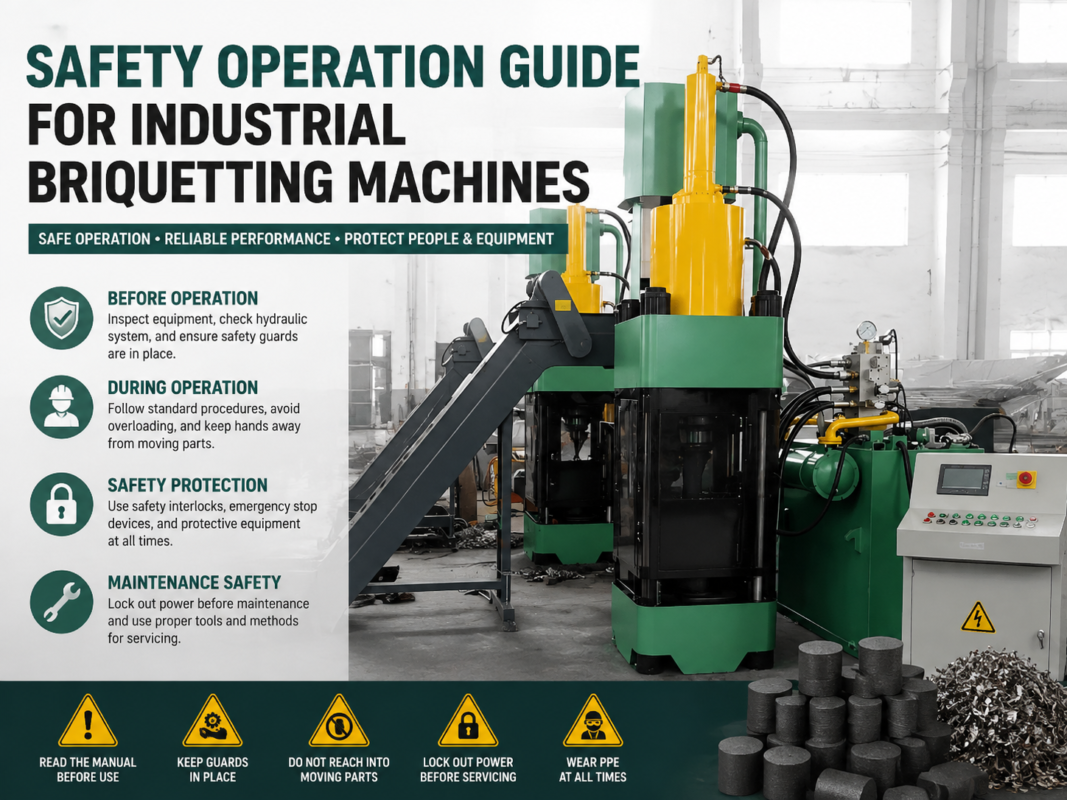
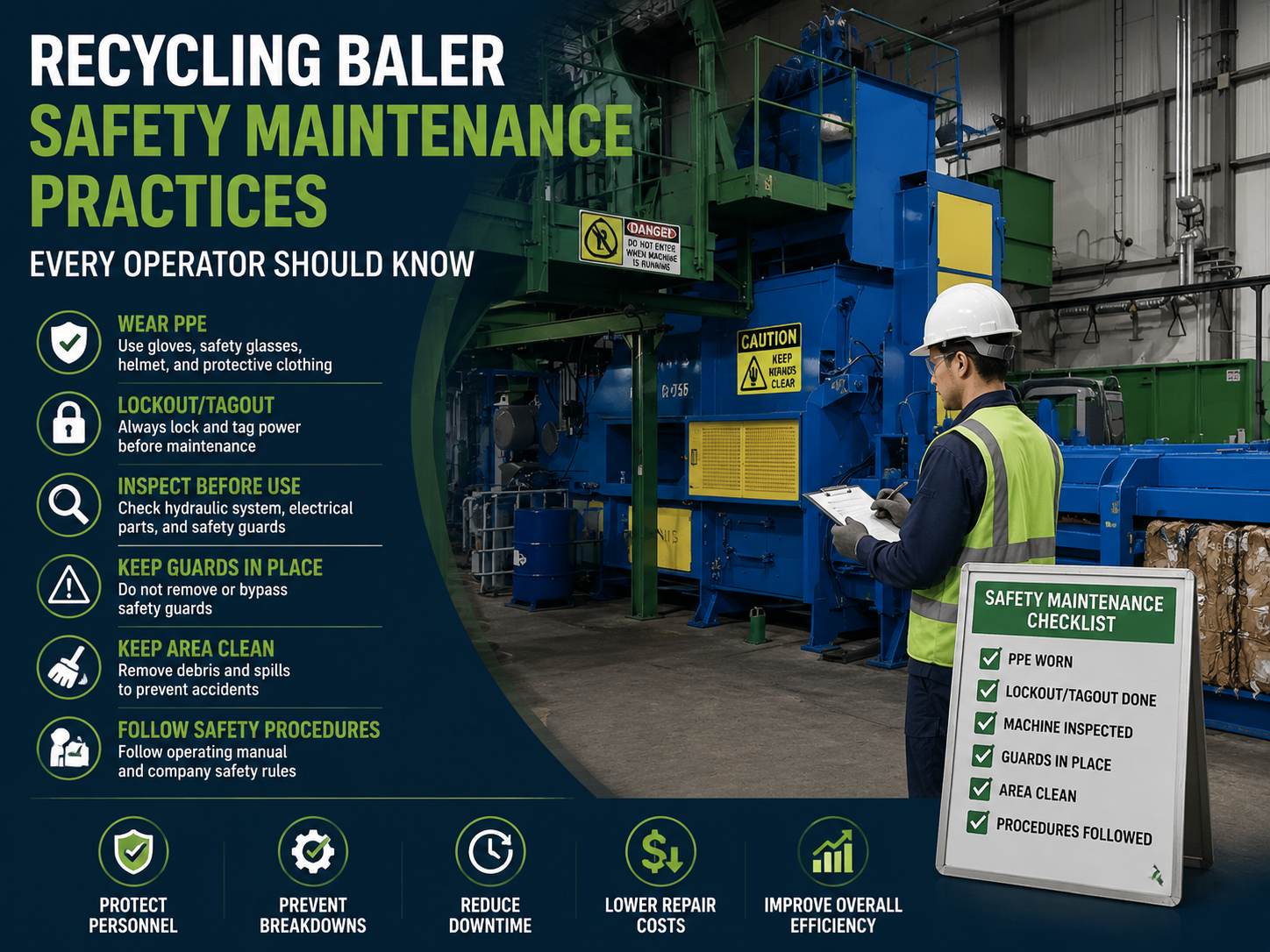
In the modern industrial landscape, recycling balers are the workhorses of waste management and material recovery facilities. These powerful machines, designed to compress massive volumes of paper, plastic, and metal into manageable bales, operate under extreme hydraulic pressure. Because of the sheer force involved, implementing rigorous Recycling Baler Safety Maintenance Practices Every Operator Should Know is not merely a recommendation—it is a fundamental requirement for workplace safety and operational efficiency.
Neglecting maintenance on a recycling baler leads to a cascade of negative outcomes. Beyond the obvious risk of catastrophic mechanical failure, poorly maintained machines consume more energy, produce inconsistent bale weights, and pose significant injury risks to operators. At HARSLE, we emphasize that a well-maintained machine is a safe machine. When operators are trained to recognize the early signs of wear and tear, they become the first line of defense against downtime and workplace accidents.
Furthermore, the financial implications of a robust maintenance strategy cannot be overstated. Industrial machinery represents a significant capital investment. By adhering to a strict maintenance schedule, facilities can extend the service life of their balers by years, if not decades. This guide provides a comprehensive deep dive into the essential practices that ensure your recycling baler remains a safe, productive asset in your facility.
Daily Pre-Operation Inspection: The Operator’s First Task
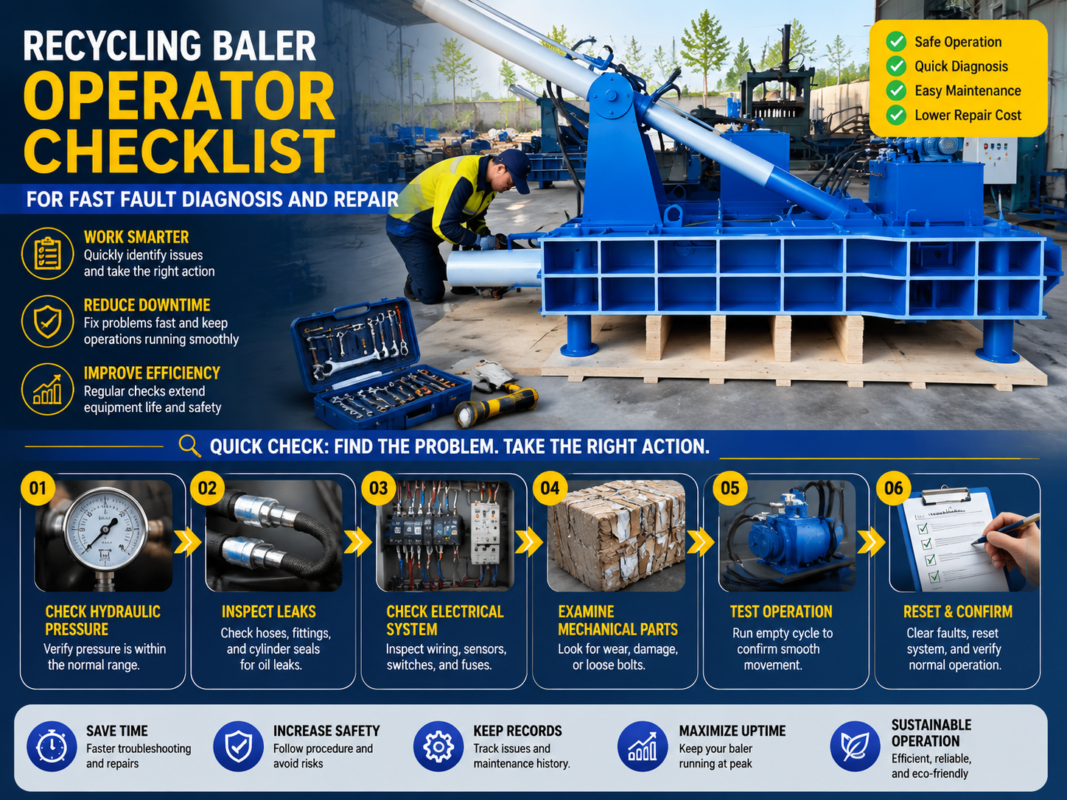
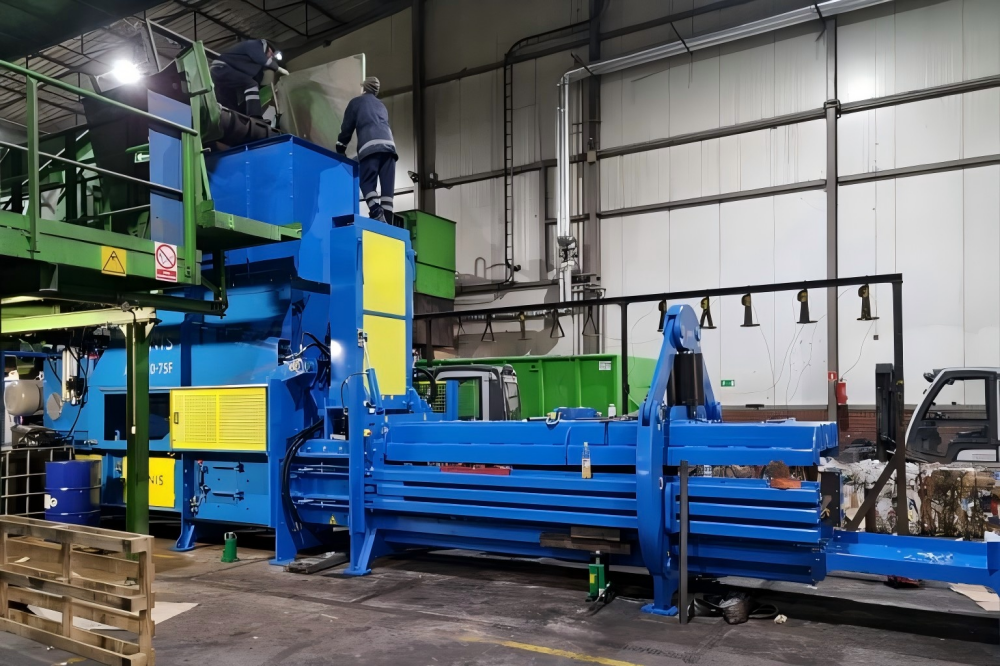
Every shift should begin with a systematic visual and physical inspection of the baler. This routine ensures that no components have shifted or failed during previous operations or while the machine was idle. Operators should start by checking the surrounding area for any obstructions or slip hazards, such as leaked hydraulic fluid or loose debris that could interfere with the machine’s moving parts.
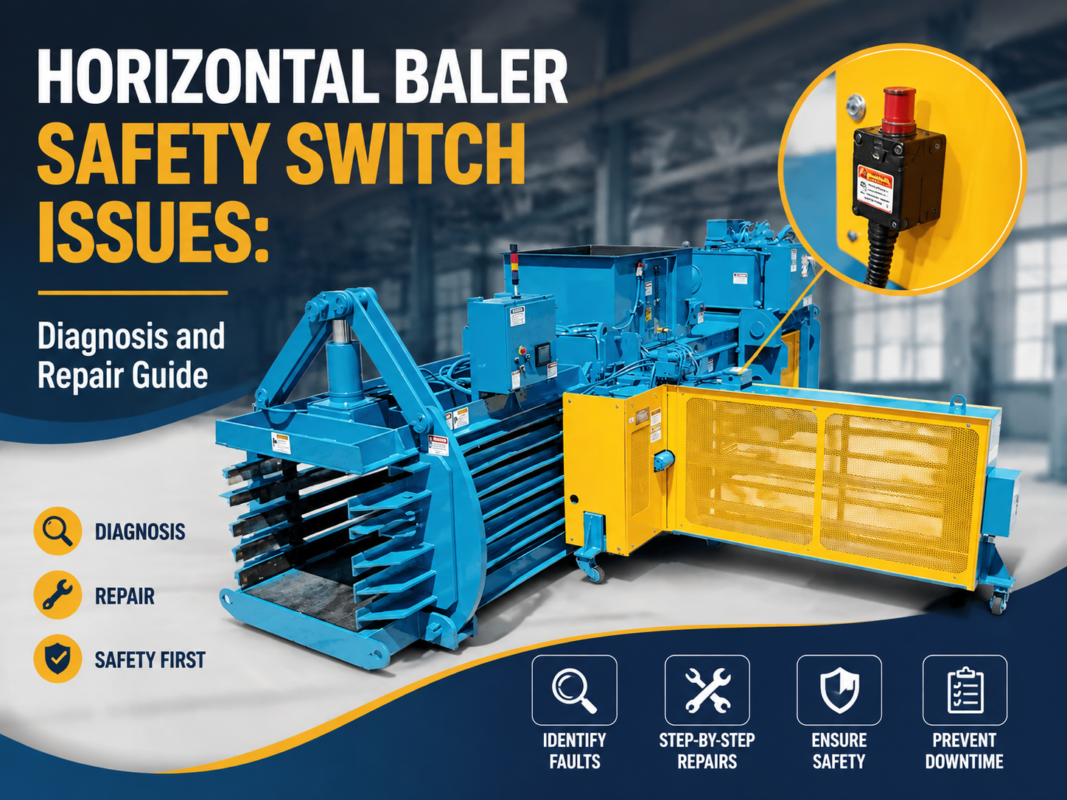
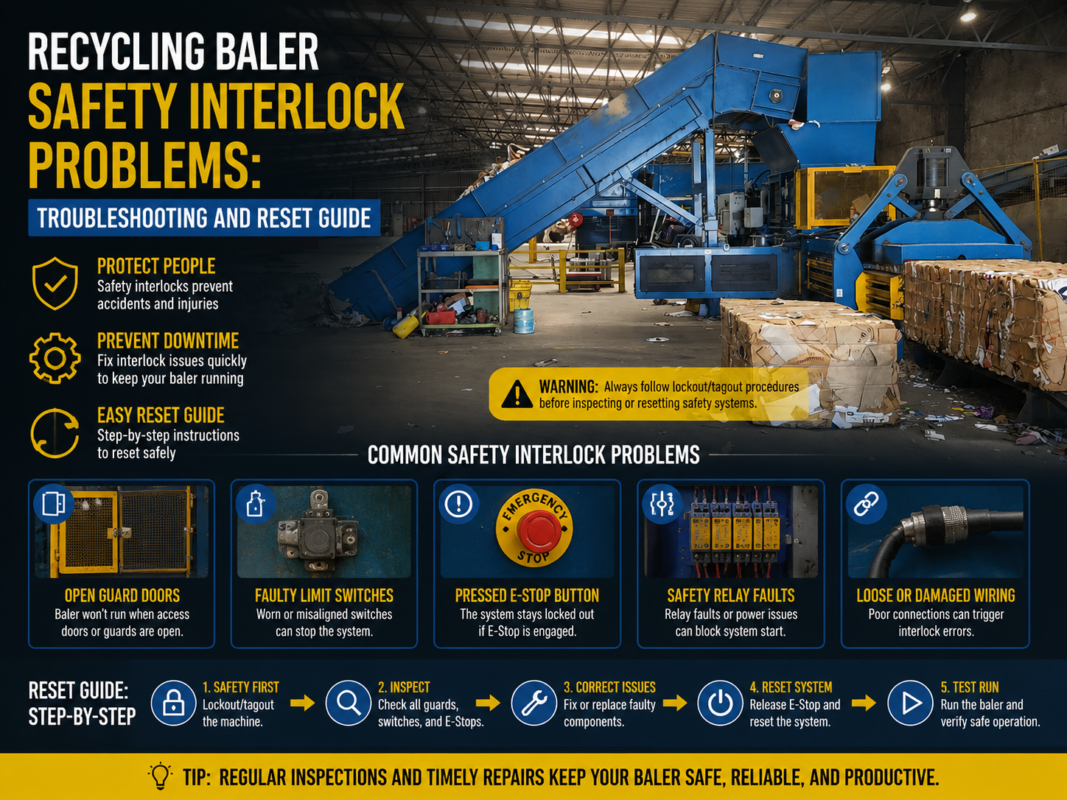
The primary focus of the daily inspection is the safety interlock system. Recycling balers are equipped with sensors and switches that prevent the ram from moving if the loading door is open. Operators must verify that these interlocks are functioning perfectly. If a machine operates with a door open, it must be locked out and tagged out immediately. There is zero tolerance for bypassed safety features in a professional industrial environment.
Additionally, operators should inspect the bale chamber for any foreign objects that shouldn’t be there. Tools left behind from a previous shift or oversized rigid materials can cause the ram to jam or the shear blades to chip. Checking the emergency stop buttons is also vital; these should be tested at the start of every shift to ensure they cut power to the motor instantly when depressed. A few minutes spent on these checks can prevent hours of emergency repairs later in the day.
Hydraulic System Maintenance: The Heart of the Baler
The hydraulic system is the core of any recycling baler, providing the force necessary to crush dense materials. Maintaining this system requires attention to fluid quality, pressure levels, and seal integrity. One of the most common causes of hydraulic failure is contamination. Dust, moisture, and metal shavings can degrade the hydraulic oil, leading to internal scoring of the cylinders and premature pump failure.
Operators and maintenance personnel must regularly check the hydraulic fluid levels using the sight glass. If the oil appears milky, it indicates water contamination; if it looks dark or smells burnt, it has likely overheated and lost its lubricating properties. Regular oil analysis is recommended for large-scale horizontal balers to monitor for microscopic contaminants that aren’t visible to the naked eye.
Hose integrity is another critical aspect of Recycling Baler Safety Maintenance Practices Every Operator Should Know. Hydraulic hoses are subject to constant pulsing and vibration. Over time, they can develop cracks, abrasions, or “weeping” at the fittings. A high-pressure pinhole leak in a hydraulic line is extremely dangerous, as it can cause fluid injection injuries. Any hose showing signs of outer jacket wear or bulging must be replaced immediately, regardless of whether it is currently leaking.
Electrical and Control System Integrity
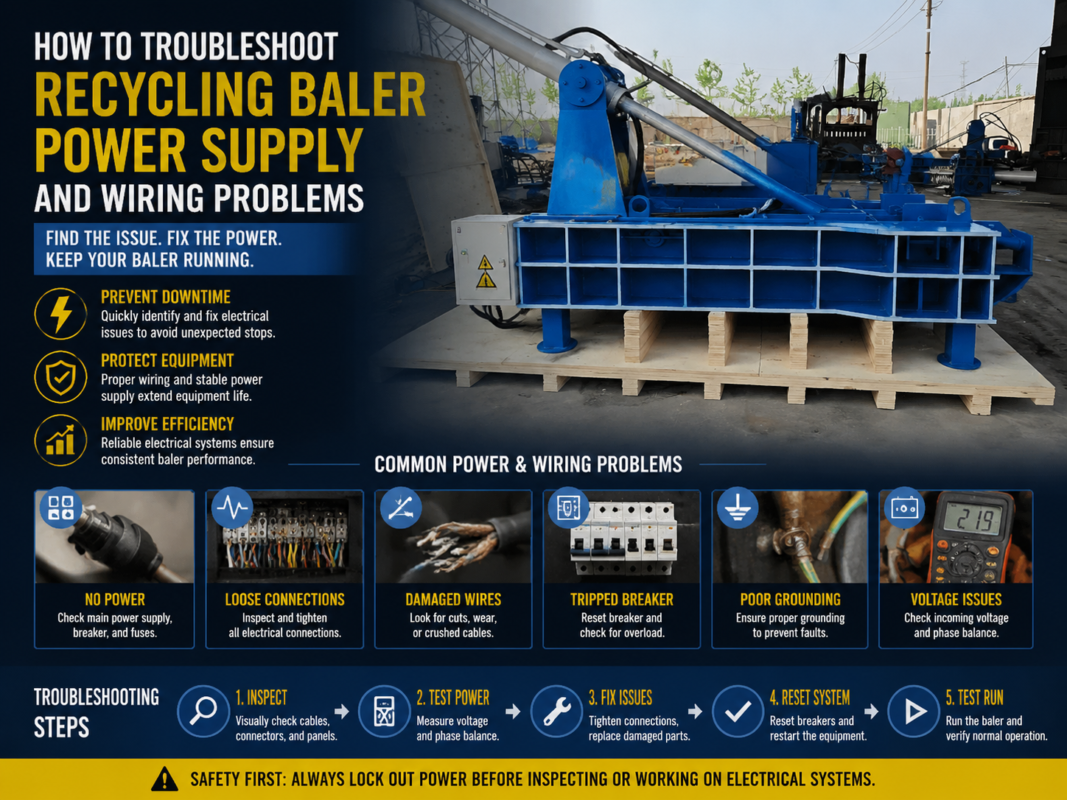
Modern recycling balers rely on complex electrical systems and Programmable Logic Controllers (PLCs) to manage the baling cycles. The electrical cabinet should be kept clean and free of dust, which can act as an insulator and cause components to overheat. Operators should look for signs of frayed wiring, loose connections, or scorched components within the control panel during scheduled maintenance intervals.
The sensors that detect the position of the ram and the bale size are sensitive instruments. If these sensors become misaligned or coated in grime, the baler may fail to complete a cycle or, worse, attempt to move the ram beyond its intended stroke. Regular cleaning of these sensors with appropriate electronic cleaners ensures that the machine’s “brain” receives accurate data.
Grounding is another safety factor often overlooked. Industrial machinery must be properly grounded to prevent electrical shocks and to protect sensitive electronic components from power surges. During a deep-dive maintenance check, an electrician should verify the continuity of the grounding system and ensure that all terminal blocks are tightened to the manufacturer’s specifications.
Mechanical Components and Structural Wear
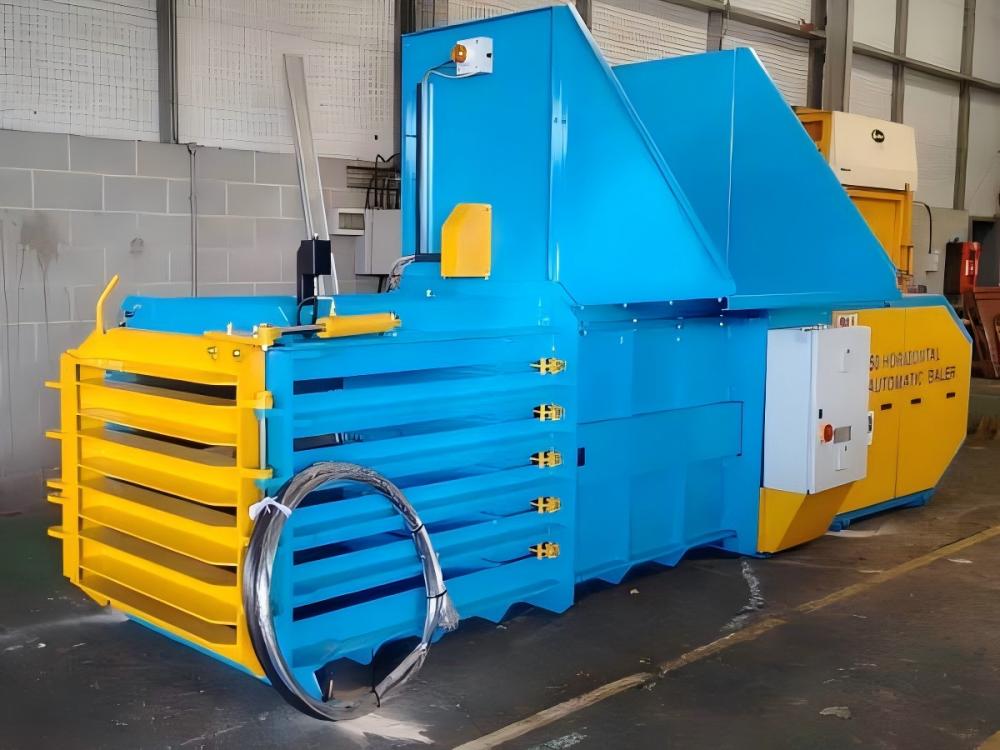
The mechanical structure of a baler undergoes immense stress during every cycle. The ram, which is the heavy plate that pushes the material, must remain perfectly aligned within the chamber. If the ram guides or wear pads become excessively worn, the ram may tilt, causing uneven pressure on the hydraulic cylinder and potentially damaging the chamber walls.
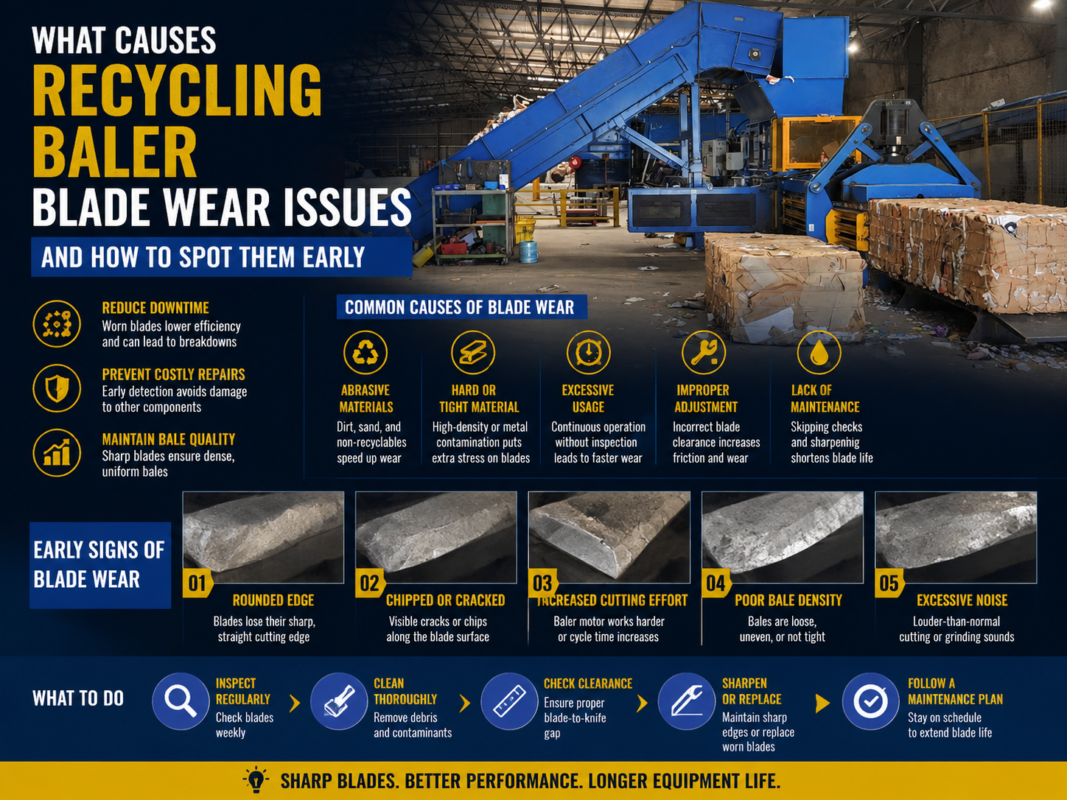
Shear blades are another critical mechanical component, especially in horizontal balers used for paper and plastic. These blades cut off excess material as the ram moves forward. If the blades become dull or the gap between them becomes too wide, the machine will struggle to shear the material, leading to “jams” and increased strain on the motor. Regularly checking the blade gap and sharpening or rotating the blades is essential for maintaining a clean cut and efficient operation.
Structural welds should also be inspected periodically. While HARSLE machines are built for durability, the repetitive stress of thousands of cycles can eventually lead to fatigue cracks in the frame or the bale door hinges. Early detection of these cracks allows for simple weld repairs before they compromise the structural integrity of the entire machine.
Developing a Robust Lubrication Plan
Lubrication is the simplest yet most effective way to prevent mechanical wear. A recycling baler has numerous pivot points, hinges, and sliding surfaces that require regular greasing. Without proper lubrication, metal-on-metal contact leads to rapid friction-induced heat and material loss.
A comprehensive lubrication plan should identify every grease fitting on the machine. Key areas include the main door hinges, the bale ejector linkage, and the ram guide tracks. Using the correct type of grease is just as important as the frequency of application. Most industrial balers require a high-pressure lithium-based grease that can withstand the heavy loads without being squeezed out of the bearing surfaces.
Operators should be trained to apply grease until a small amount of clean grease is visible exiting the seal. This ensures that old, contaminated grease is flushed out. However, care must be taken not to over-grease electrical motors, as excess lubricant can find its way into the windings and cause a short circuit. A clear, color-coded lubrication chart posted near the machine can help operators stay on track with this vital task.
Recognizing Troubleshooting Signals
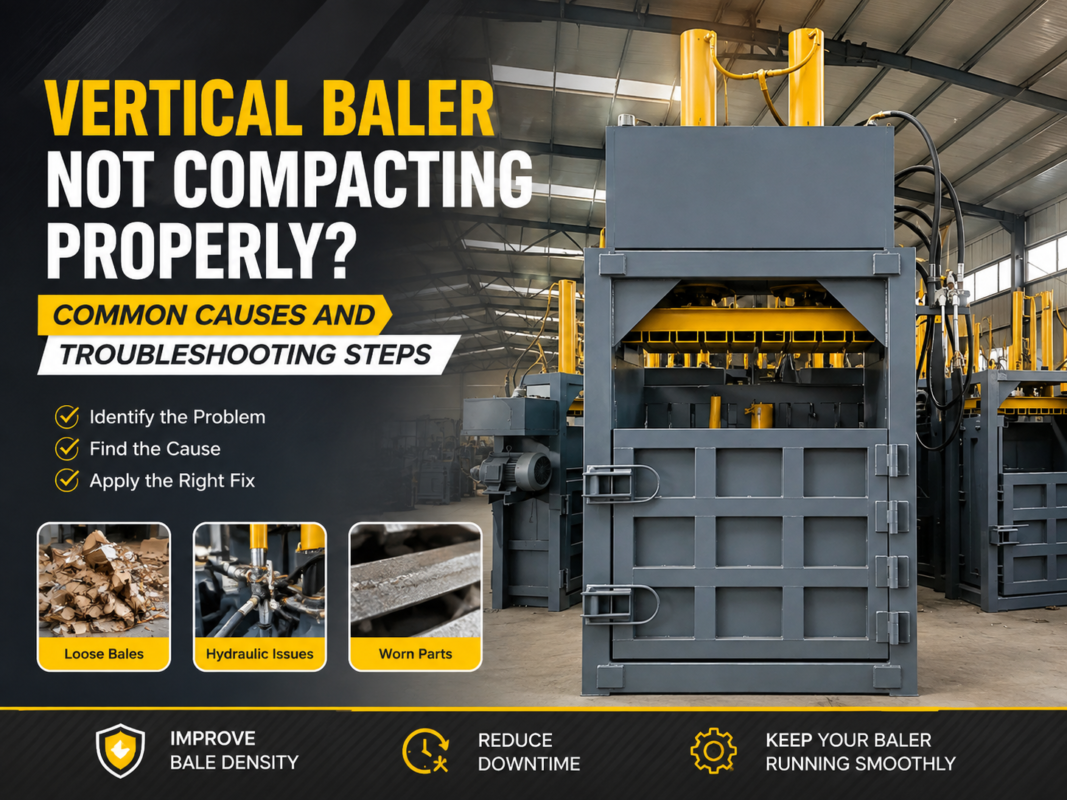
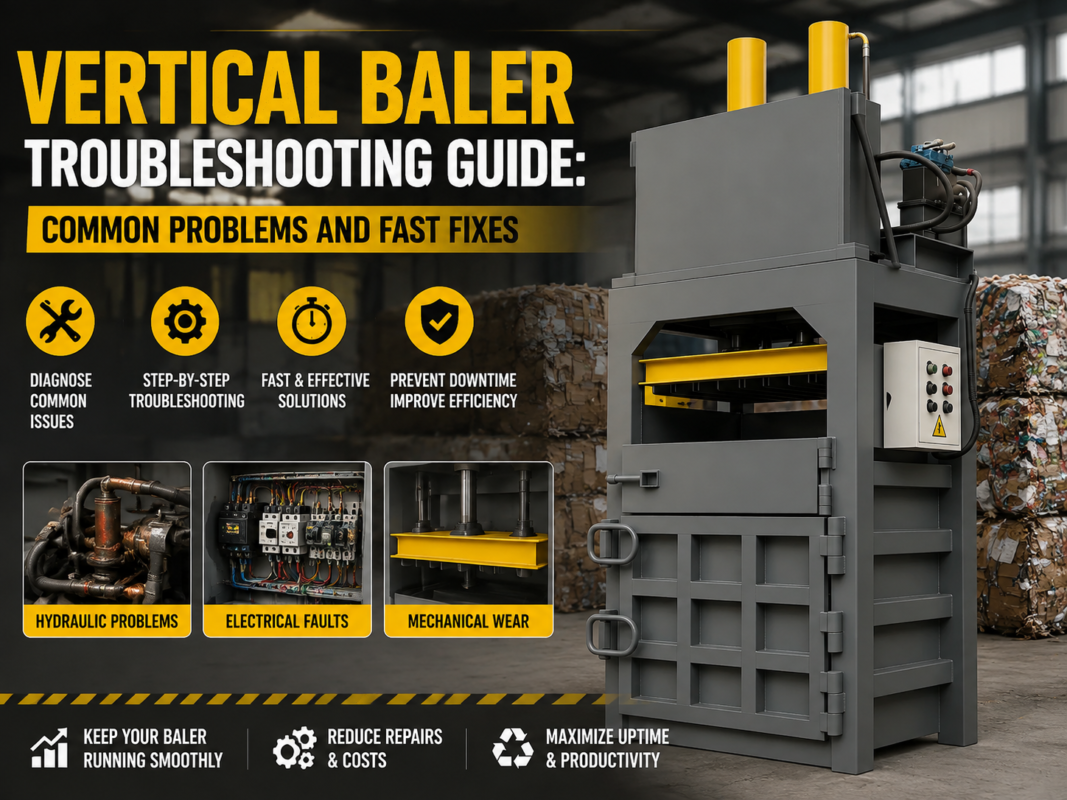
Experienced operators often develop a “sixth sense” for their machinery, but everyone should be trained to recognize the specific signals that indicate a baler needs attention. These signals usually fall into three categories: sound, temperature, and performance.
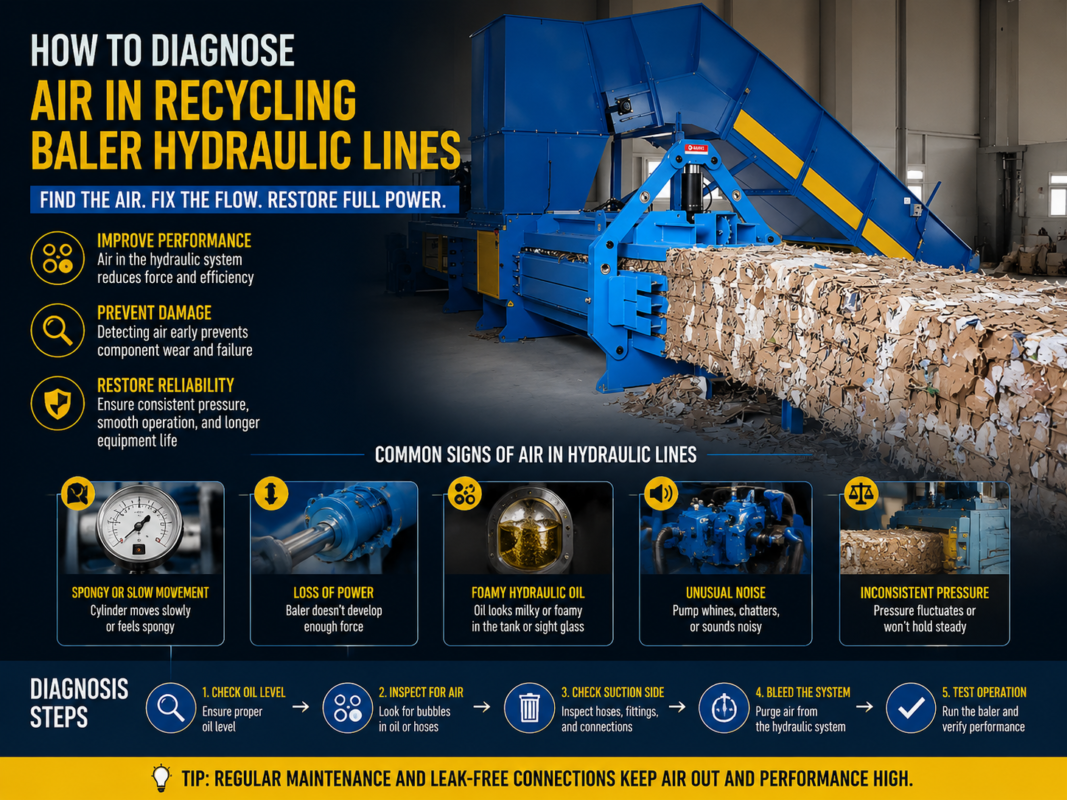
- Unusual Noises: Squealing often indicates a dry bearing or a slipping belt. A high-pitched whining from the pump usually suggests cavitation (air in the hydraulic lines) or a clogged suction filter. Clunking sounds during the ram stroke may point to loose mechanical components or worn guide pads.
- Excessive Heat: If the hydraulic tank feels hot to the touch (above 140°F or 60°C), the cooling system may be failing, or the oil may be bypassing a valve internally. Overheating thins the oil, reducing its lubricating ability and damaging seals.
- Performance Lag: If the cycle time begins to slow down or the baler struggles to reach its full pressure, it is a sign of internal hydraulic leakage, a failing pump, or a clogged filter. Ignoring these signs will eventually lead to a total machine shutdown.
Comprehensive Maintenance Schedule Table
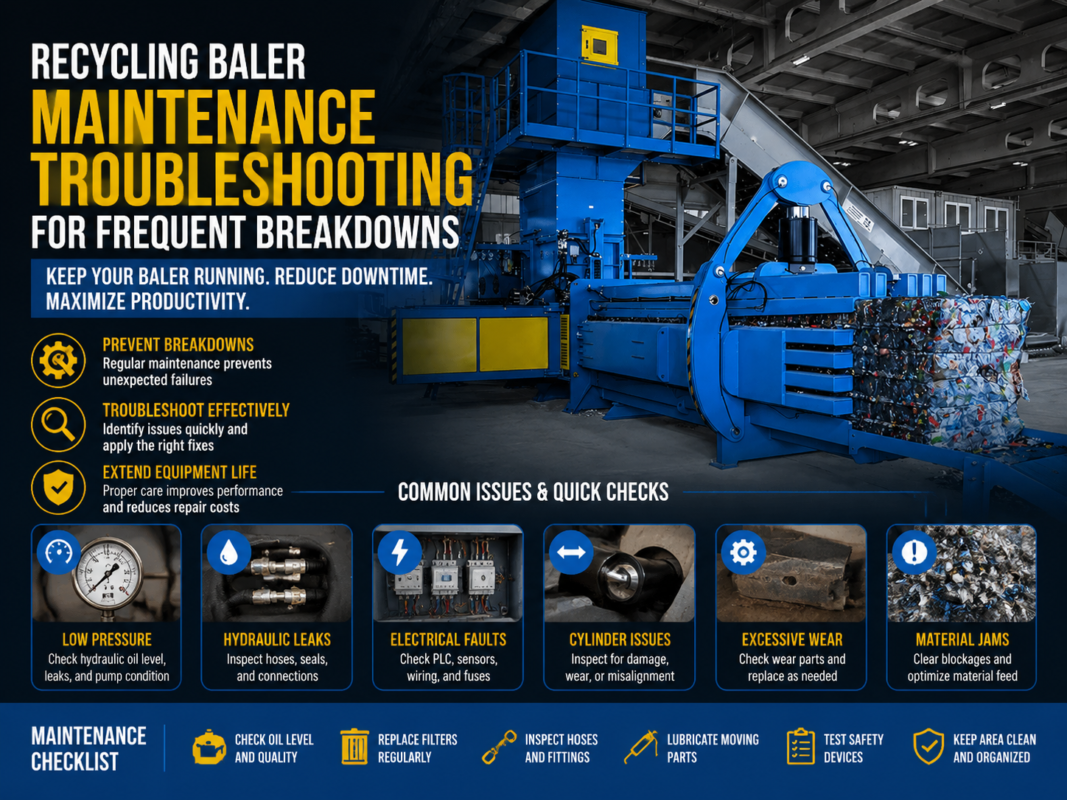
To ensure no task is missed, follow this structured maintenance schedule. Note that high-volume facilities may need to increase the frequency of these checks.
| Frequency | Component | Action Required |
|---|---|---|
| Daily | Safety Interlocks | Test all door sensors and E-stops for immediate response. |
| Daily | Hydraulic Fluid | Check level and color; inspect for visible leaks. |
| Daily | Bale Chamber | Clear debris from behind the ram and around sensors. |
| Weekly | Lubrication | Grease all primary pivot points and ram guides. |
| Weekly | Hoses & Fittings | Inspect for abrasions, leaks, or loose connections. |
| Monthly | Shear Blades | Check blade gap and sharpness; tighten mounting bolts. |
| Monthly | Electrical Cabinet | Vacuum dust and check for loose wire terminals. |
| Quarterly | Hydraulic Filters | Replace return-line and suction filters. |
| Quarterly | Wear Pads | Measure thickness and replace if below manufacturer specs. |
| Annually | Full Oil Change | Drain, flush, and refill hydraulic system with fresh oil. |
| Annually | Structural Inspection | Professional NDT (Non-Destructive Testing) for frame cracks. |
Frequently Asked Questions
How often should I change the hydraulic oil in my recycling baler?
Generally, hydraulic oil should be changed every 2,000 operating hours or once a year, whichever comes first. However, if the baler operates in a very dusty or hot environment, more frequent changes or regular oil analysis may be necessary to ensure the fluid maintains its protective properties.
What is the most common cause of baler failure?
The most common cause is a lack of basic cleanliness and lubrication. Debris buildup behind the ram can cause it to jam or misalign, while a lack of grease leads to expensive bearing and pin failures. Most major repairs can be avoided with simple daily cleaning and weekly greasing.
Can I use any type of hydraulic oil?
No. You must use the oil viscosity grade recommended by the manufacturer (usually ISO 32, 46, or 68). Using the wrong oil can cause the pump to work too hard in cold weather or fail to provide enough pressure in hot weather. Always check your HARSLE manual for specific fluid requirements.
Why is my baler making a loud banging noise when the ram retracts?
This is often caused by “decompression shock.” If the hydraulic system releases pressure too quickly, it can cause a loud bang. This might indicate a faulty decompression valve or an issue with the PLC timing. It should be inspected by a technician to prevent structural damage.
Is it safe to weld on the baler frame myself?
Structural welding on a baler should only be performed by a certified welder. Because the frame is under immense tension, a poor weld can fail catastrophically. Always disconnect the power and the PLC before welding to prevent electrical damage to the machine’s control system.
Conclusion: A Culture of Safety and Maintenance
Implementing Recycling Baler Safety Maintenance Practices Every Operator Should Know is about more than just following a checklist; it is about fostering a culture of safety and responsibility. When operators take pride in the condition of their machinery, the entire facility benefits from higher productivity, lower repair costs, and, most importantly, a safer working environment.
At HARSLE, we are dedicated to providing not only high-quality metal fabrication and recycling equipment but also the knowledge required to keep that equipment running at peak performance. By following the guidelines outlined in this guide, you can ensure that your recycling baler remains a reliable pillar of your operations for many years to come. Remember, maintenance is an investment in your company’s future and your employees’ safety.