Comprehensive Guide: How to Extend the Service Life of a Recycling Baler

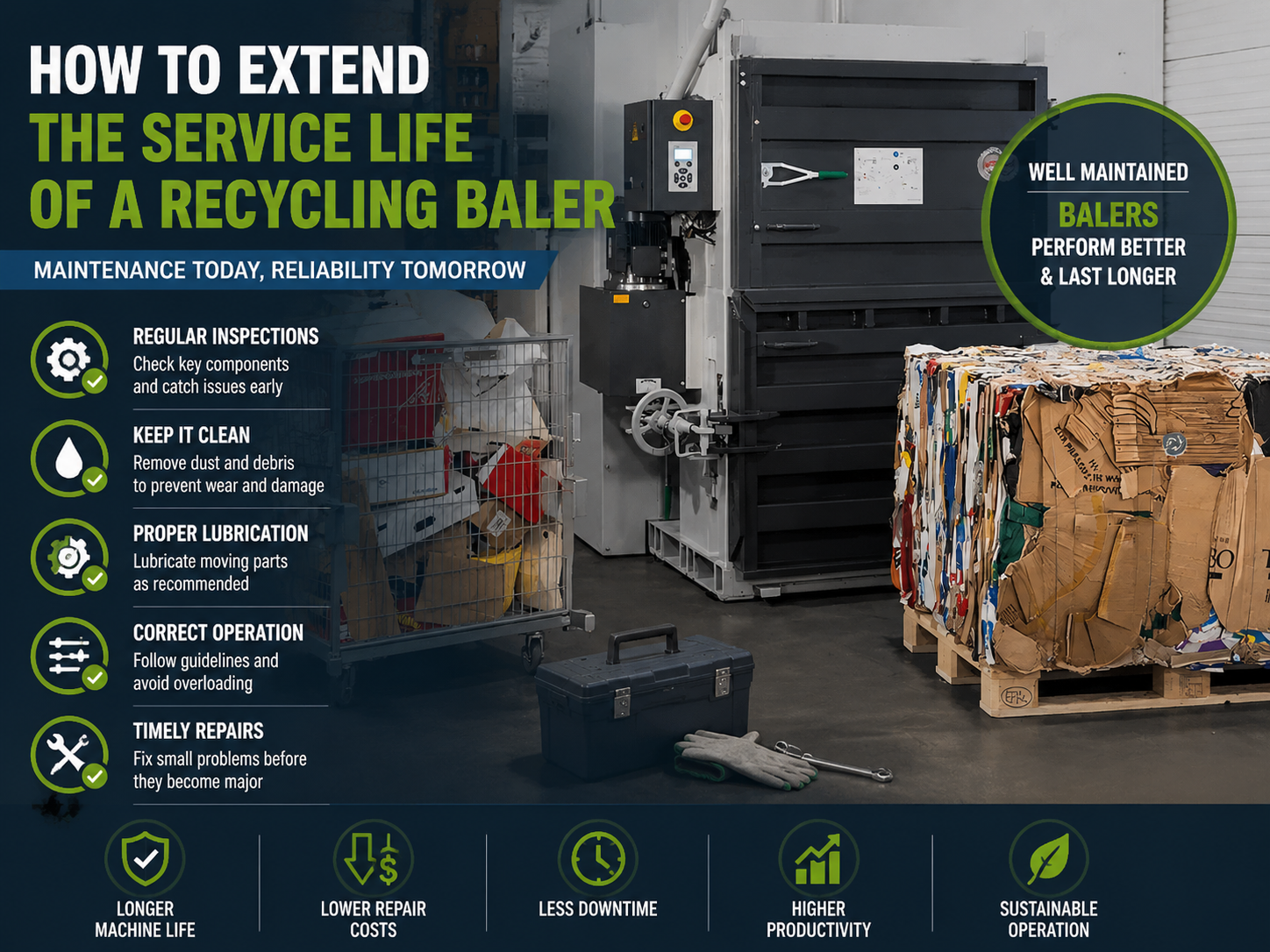
The Critical Importance of Recycling Baler Maintenance
In the modern waste management and metal fabrication industries, a recycling baler is more than just a piece of equipment; it is a cornerstone of operational efficiency and profitability. Whether you are processing cardboard, plastics, or scrap metal, the durability of your machine directly impacts your bottom line. To extend the service life of a recycling baler, one must move beyond reactive repairs and embrace a philosophy of proactive, preventative maintenance. A well-maintained baler can operate reliably for decades, whereas a neglected one may face catastrophic failure within a few years of heavy use.
The primary reason for prioritizing maintenance is the reduction of Total Cost of Ownership (TCO). While daily checks and periodic oil changes require an investment of time and resources, they are significantly less expensive than emergency repairs, replacement parts, and the high cost of facility downtime. When a baler goes offline, the entire production chain often halts, leading to a backlog of uncompressed waste that consumes valuable floor space and creates safety hazards. Furthermore, a machine that is kept in peak condition retains a much higher resale value, providing a better return on investment if your facility decides to upgrade in the future.
Safety is another paramount concern that underscores the importance of maintenance. Recycling balers exert immense hydraulic pressure—often hundreds of tons—to compress materials. Any structural weakness, hydraulic leak, or electrical malfunction can lead to severe industrial accidents. By following a rigorous maintenance schedule, you ensure that safety interlocks, emergency stops, and structural components are functioning as intended, protecting your workforce from harm. In this guide, we will explore the technical nuances of maintaining these powerful machines to ensure they serve your business for the long haul.
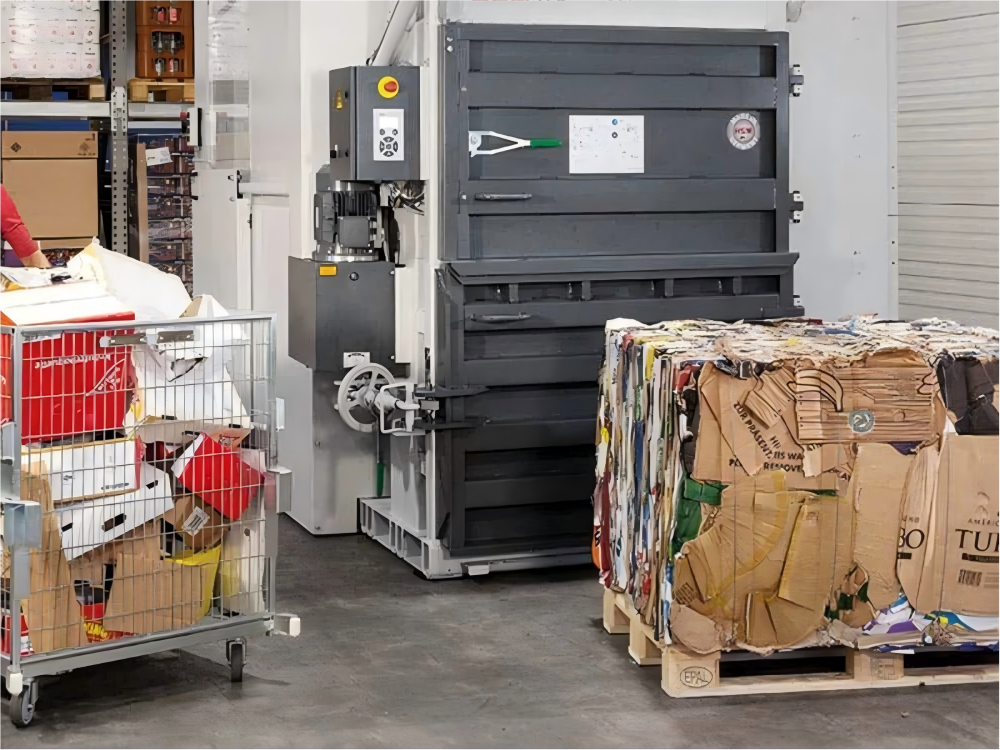
Daily Inspection Protocols for Peak Performance
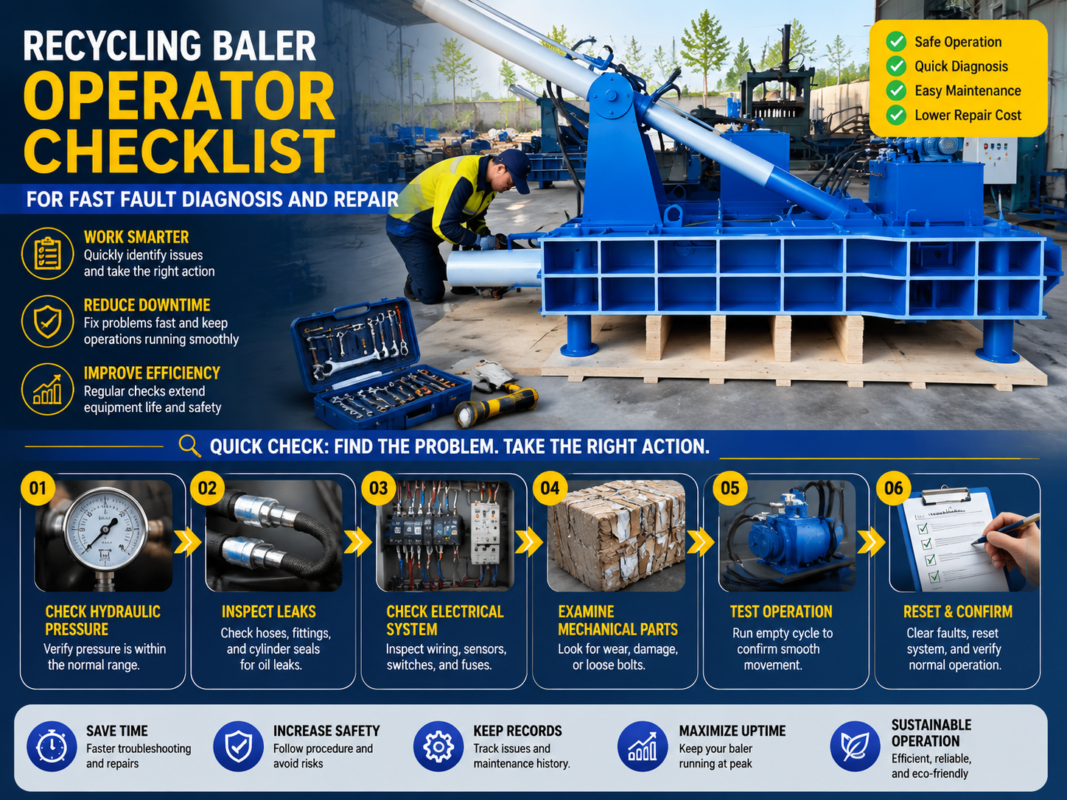
The foundation of any longevity strategy is the daily inspection. This routine should be performed at the start of every shift before the machine is powered on. Operators should be trained to perform a ‘walk-around’ inspection, looking for obvious signs of wear or damage. This includes checking for loose bolts, debris accumulation in the ram path, and any signs of hydraulic fluid weeping from cylinders or hoses. A clean machine is easier to inspect; therefore, removing dust and debris from the bale chamber and the motor housing should be a daily priority.
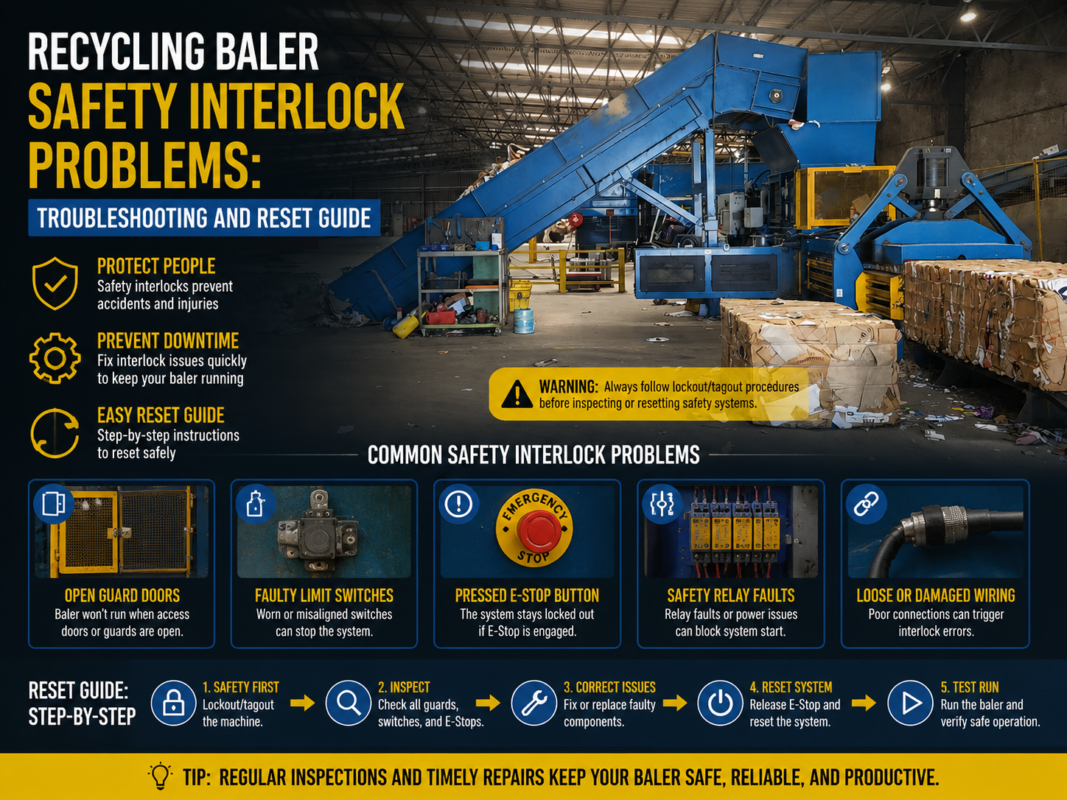
During the daily check, pay close attention to the safety gates and sensors. Recycling balers are equipped with limit switches that prevent the ram from moving if the door is open. If these switches are bypassed or malfunctioning, it poses a lethal risk and indicates that the machine is being operated under duress. Testing the emergency stop button daily ensures that the machine can be halted instantly in case of an obstruction or operator error. These small checks take less than ten minutes but are the most effective way to catch minor issues before they escalate into major mechanical failures.
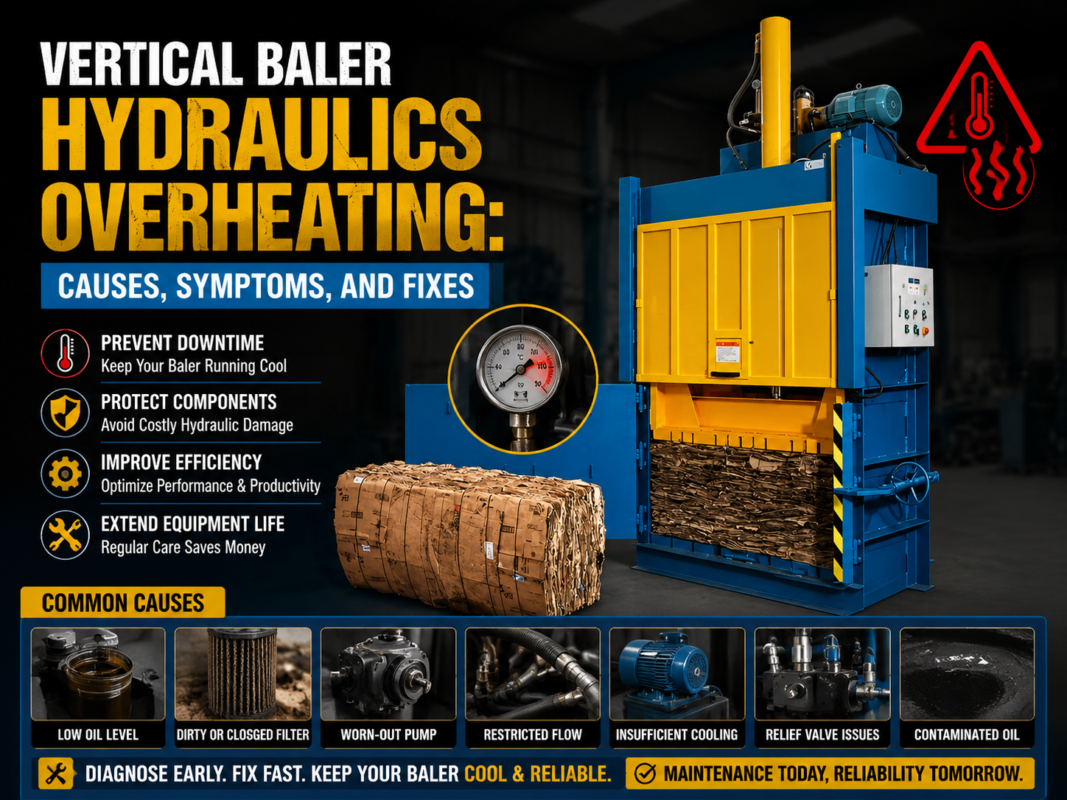
Another critical daily task is monitoring the hydraulic oil level and temperature. Most modern balers, like those manufactured by HARSLE, include sight glasses and temperature gauges. If the oil level is low, it suggests a leak that needs immediate attention. If the oil temperature is consistently high (above 60°C), it indicates that the cooling system is failing or the pump is working too hard due to internal friction. Operating a baler with overheated oil will rapidly degrade the seals and reduce the lubricating properties of the fluid, significantly shortening the machine’s lifespan.
Deep Dive into Hydraulic System Care
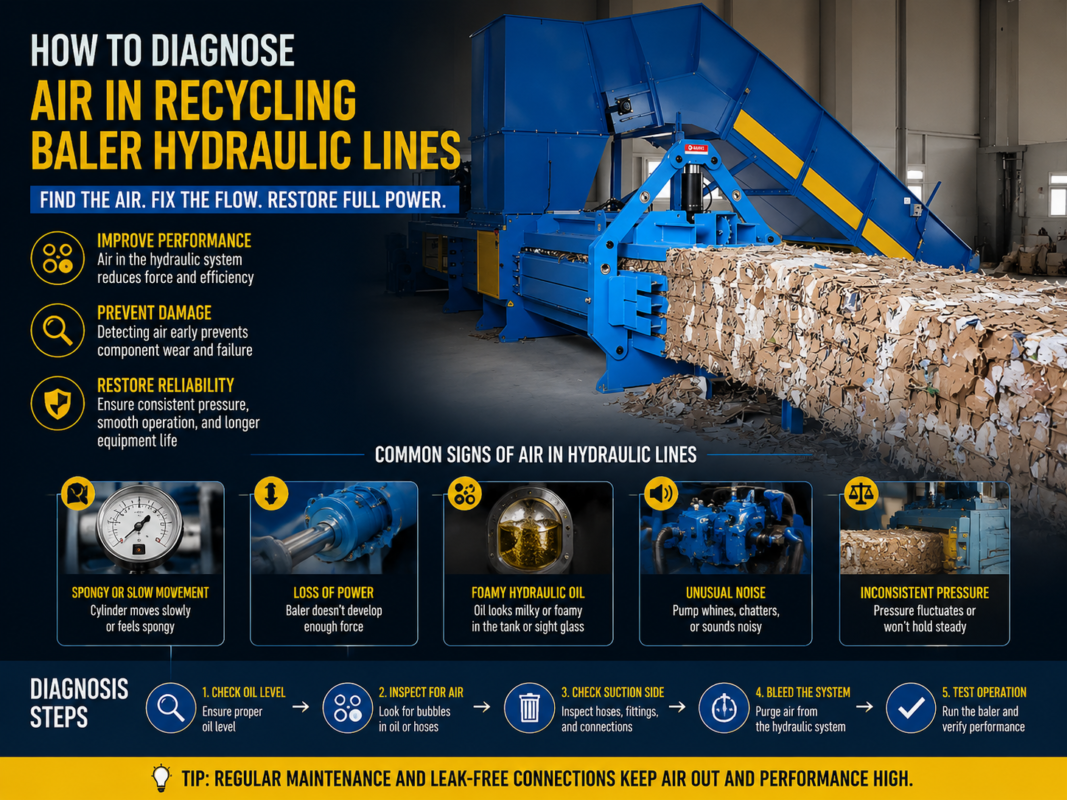
The hydraulic system is the heart of the recycling baler. It transforms electrical energy into the massive mechanical force required for compaction. To extend the service life of a recycling baler, you must treat the hydraulic fluid as the machine’s lifeblood. Contamination is the number one killer of hydraulic systems. Microscopic particles of metal, dust, or moisture can score cylinder walls, clog valves, and cause the pump to cavitate. Implementing a strict oil analysis program every six months can help identify these contaminants before they cause visible damage.
Filters play a vital role in maintaining oil purity. Most balers feature suction filters and return-line filters. These should be replaced according to the manufacturer’s intervals, or sooner if the machine operates in a particularly dusty environment. When changing filters, always inspect the old filter for metal shavings; finding large amounts of metallic debris is a warning sign that a pump or cylinder is beginning to fail internally. Additionally, ensure that the air breather on the hydraulic reservoir is clean, as a clogged breather can create a vacuum that starves the pump of oil.
Hose management is another often-overlooked aspect of hydraulic maintenance. Hydraulic hoses have a finite lifespan and are subject to ‘cycling fatigue’ from constant pressure fluctuations. Inspect hoses for cracks, abrasions, or ‘weeping’ at the fittings. A burst hose not only causes an environmental mess but can also lead to a sudden loss of pressure that damages the ram or the structural frame. It is a best practice to replace hydraulic hoses every 3 to 5 years, regardless of their outward appearance, to prevent unexpected failures during peak production hours.
Electrical System Integrity and Control Logic
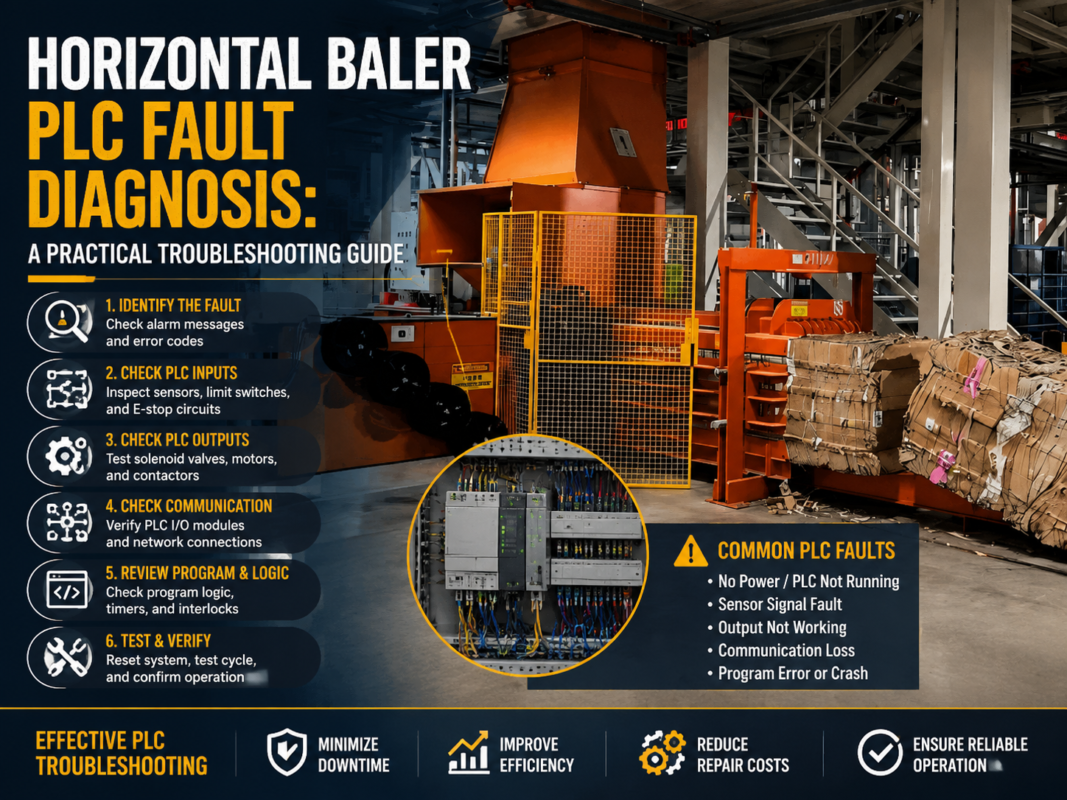
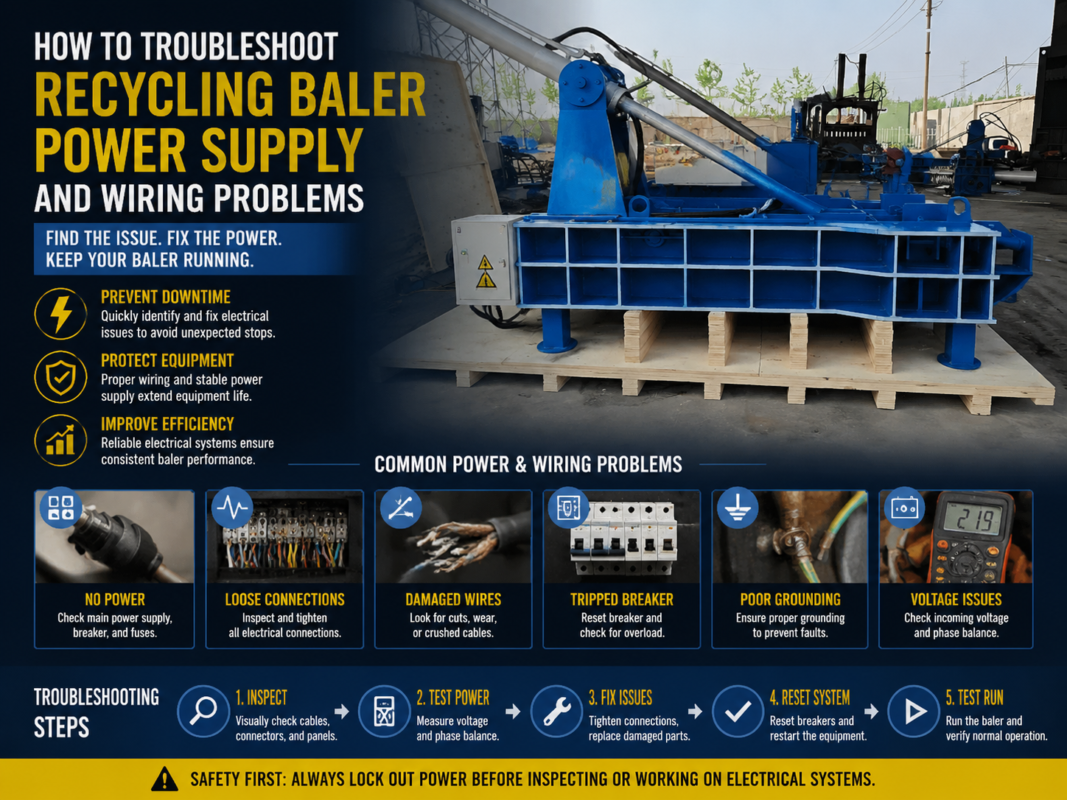
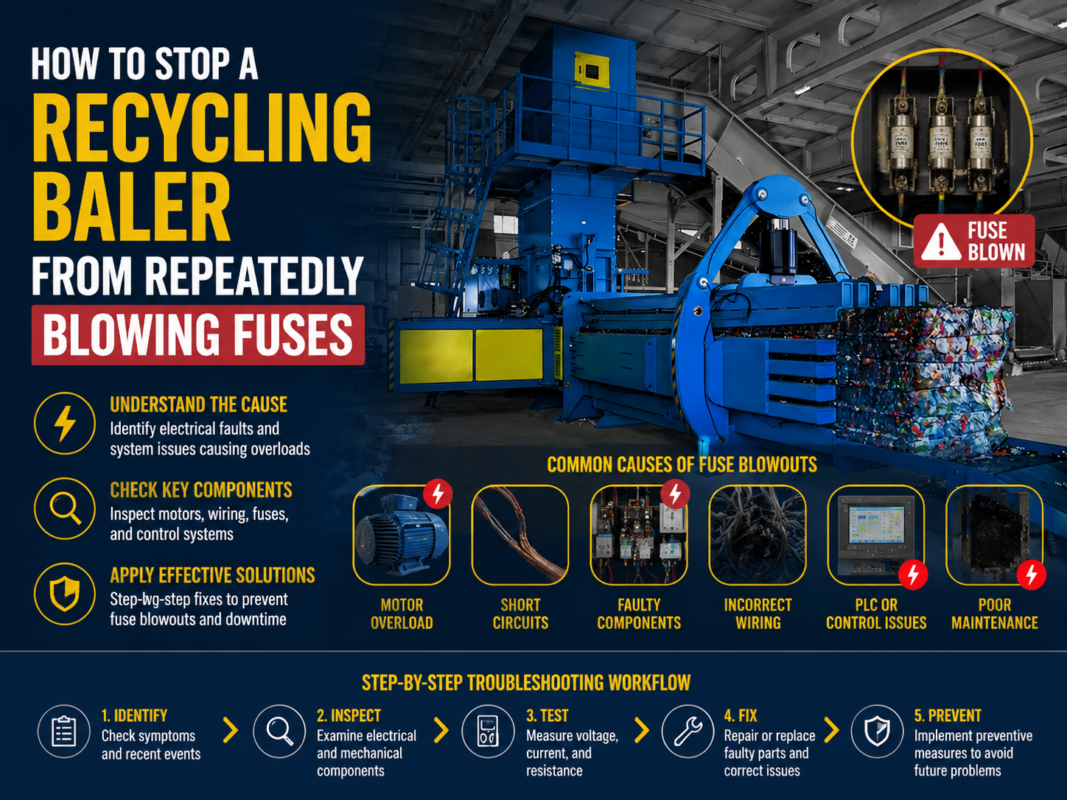
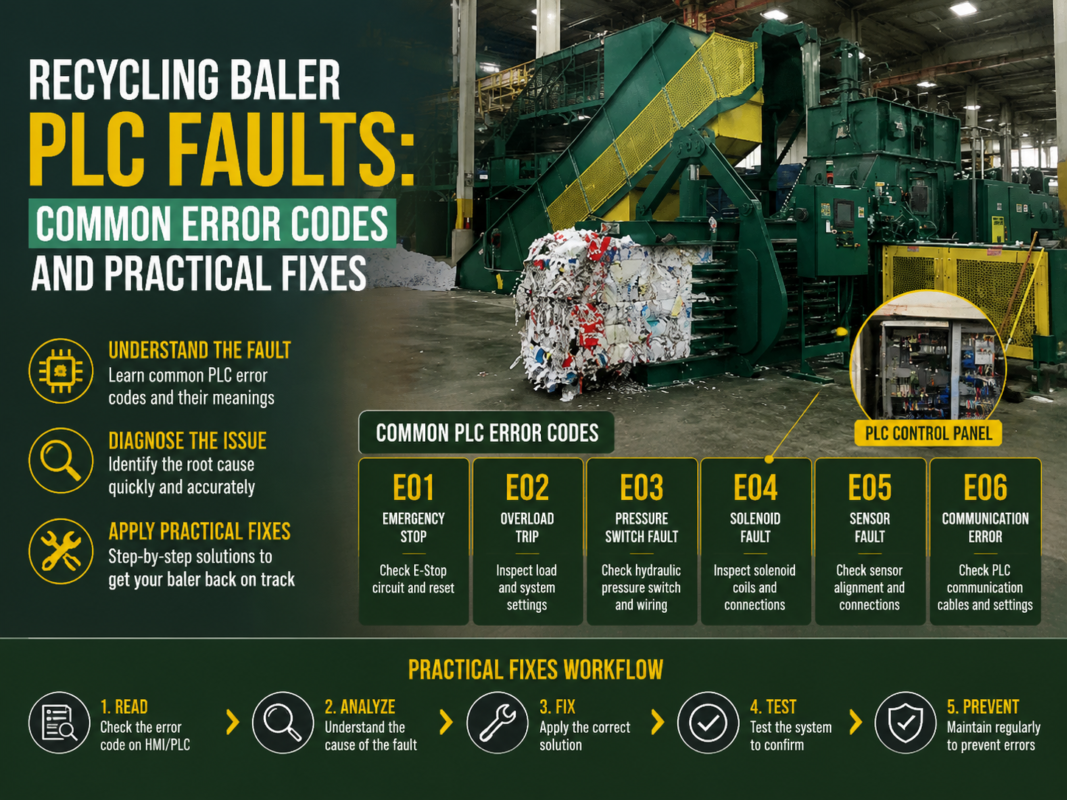
Modern recycling balers rely on sophisticated electrical systems, including Programmable Logic Controllers (PLCs), sensors, and high-voltage motors. The primary enemy of electrical components in a recycling environment is vibration and dust. Over time, the constant vibration of the compaction cycle can loosen terminal screws in the control panel. A loose connection creates resistance, which generates heat and can eventually lead to a fire or the failure of a PLC module. Monthly inspections should include tightening these connections and using compressed air to blow out dust from the electrical cabinet.
Sensors and limit switches are the ‘eyes’ of the baler. In a recycling facility, these components are often exposed to harsh conditions. If a proximity sensor becomes misaligned or covered in grime, the baler may fail to complete its cycle or, worse, attempt to compact material when the ram is not properly positioned. Regularly cleaning these sensors and ensuring they are securely mounted prevents ‘ghost’ errors that cause unnecessary downtime. If your baler uses a touch-screen interface (HMI), ensure it is kept clean and protected from impact, as these units are expensive to replace.
The electric motor is the workhorse that drives the hydraulic pump. To ensure its longevity, check the motor’s cooling fans for obstructions. If the motor cannot dissipate heat, the internal windings will eventually melt, leading to a total motor burnout. Listen for unusual sounds coming from the motor bearings; a high-pitched whine or grinding noise usually indicates that the bearings need lubrication or replacement. Ensuring that the incoming power supply is stable and within the manufacturer’s specified voltage range will also prevent electrical stress on the motor and control components.
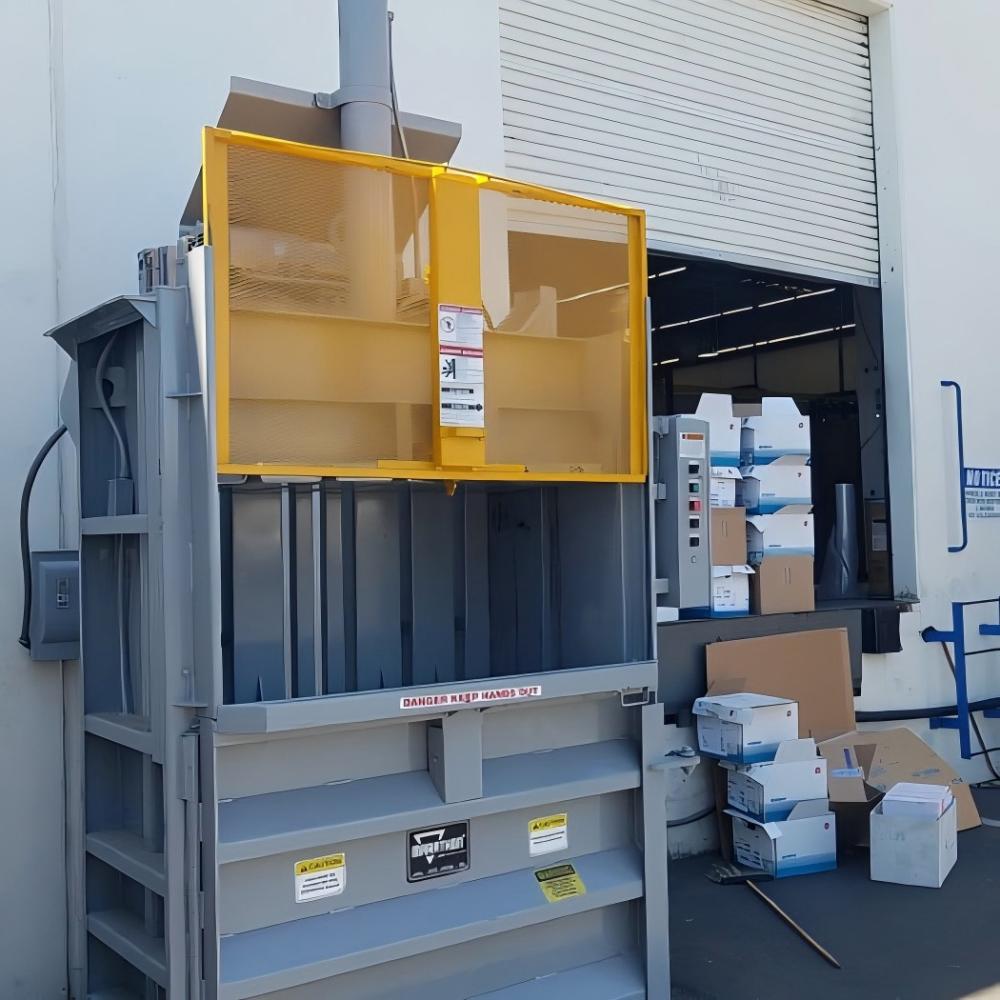
Mechanical Structural Integrity and Wear Parts
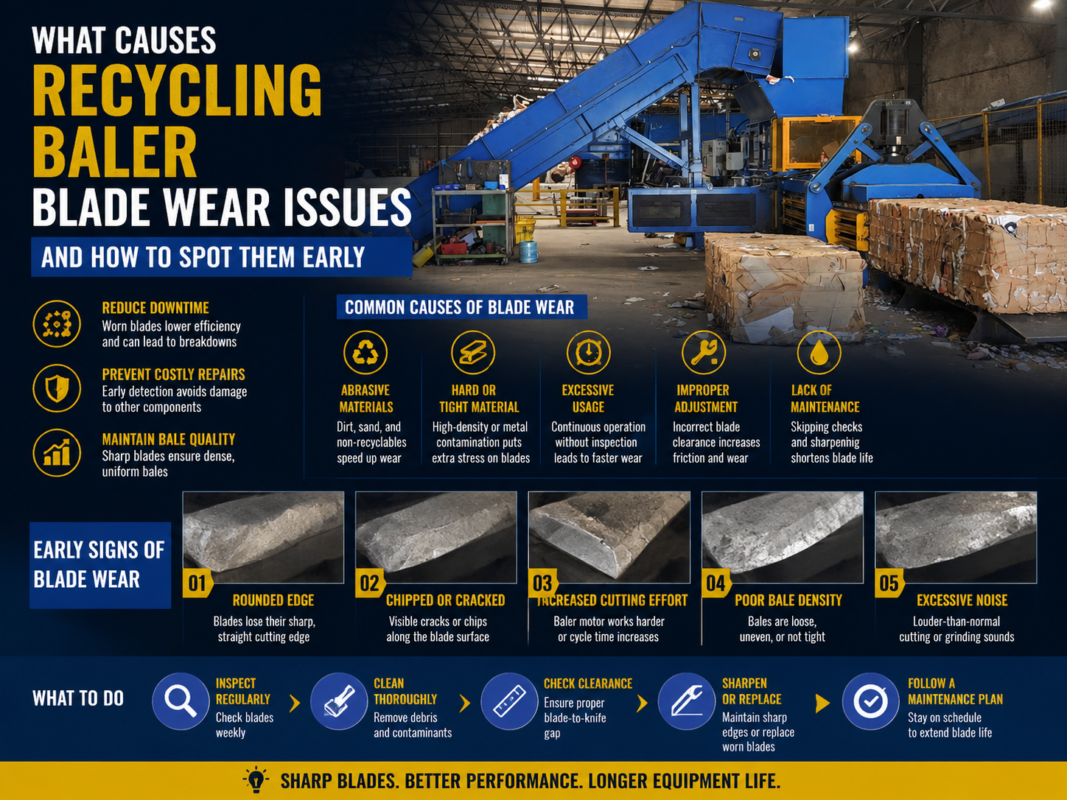
The mechanical frame of a recycling baler is designed to withstand immense stress, but it is not indestructible. The bale chamber and the ram are subject to constant friction and abrasion, especially when processing abrasive materials like scrap metal or glass-contaminated plastics. One of the most critical mechanical components to monitor is the shear blade (in horizontal balers) or the ram guides. If the gap between the shear blades becomes too wide, the machine will struggle to cut through material, putting excessive strain on the hydraulic system and the frame.
Inspect the wear plates inside the bale chamber regularly. These plates are designed to be sacrificial; they wear down so that the main structural frame does not. If you allow the wear plates to thin out completely, the ram will begin to rub against the main structure, causing irreparable damage. Replacing wear plates is a standard maintenance task that, if done timely, can add decades to the machine’s life. Similarly, check the floor of the baler for thinning or warping, which can occur if heavy, dense materials are frequently processed.
The ram itself must remain perfectly aligned. If the ram guides are worn or improperly lubricated, the ram may tilt during the compression stroke. This ‘cocking’ effect puts uneven pressure on the hydraulic cylinder rod, leading to seal failure and potential bending of the rod. Regularly checking the alignment and tightening the guide gibs will ensure the ram travels smoothly. Finally, inspect all welded joints for stress cracks. While rare in high-quality machines like HARSLE balers, early detection of a stress crack allows for a simple weld repair before the entire frame becomes compromised.
Developing a Robust Lubrication Plan
Lubrication is the simplest yet most effective way to extend the service life of a recycling baler. Without proper lubrication, metal-on-metal contact creates friction, heat, and rapid wear. A comprehensive lubrication plan should identify every grease point on the machine, including door hinges, ram guides, cylinder trunnions, and motor bearings. Using the correct type of lubricant is just as important as the frequency of application; for example, high-pressure grease is required for the ram guides, while a lighter oil might be used for pivot points.
Consistency is key. Many facilities find success by implementing a color-coded lubrication system, where grease fittings are marked with colors representing daily, weekly, or monthly intervals. This makes it easy for operators to see what needs attention. For high-volume operations, an automatic lubrication system can be installed. These systems deliver precise amounts of grease to critical points at set intervals, eliminating human error and ensuring the machine is always protected, even during 24/7 operations.
Don’t forget the ‘hidden’ lubrication points. The linkage for the bale ejector system and the locking mechanisms for the chamber doors often go neglected because they are not part of the main compaction cycle. However, if these parts seize up, they can cause significant delays and safety issues. A well-lubricated machine runs quieter, cooler, and with less energy consumption, directly contributing to a longer operational life and lower utility costs.
Recognizing Early Troubleshooting Signals
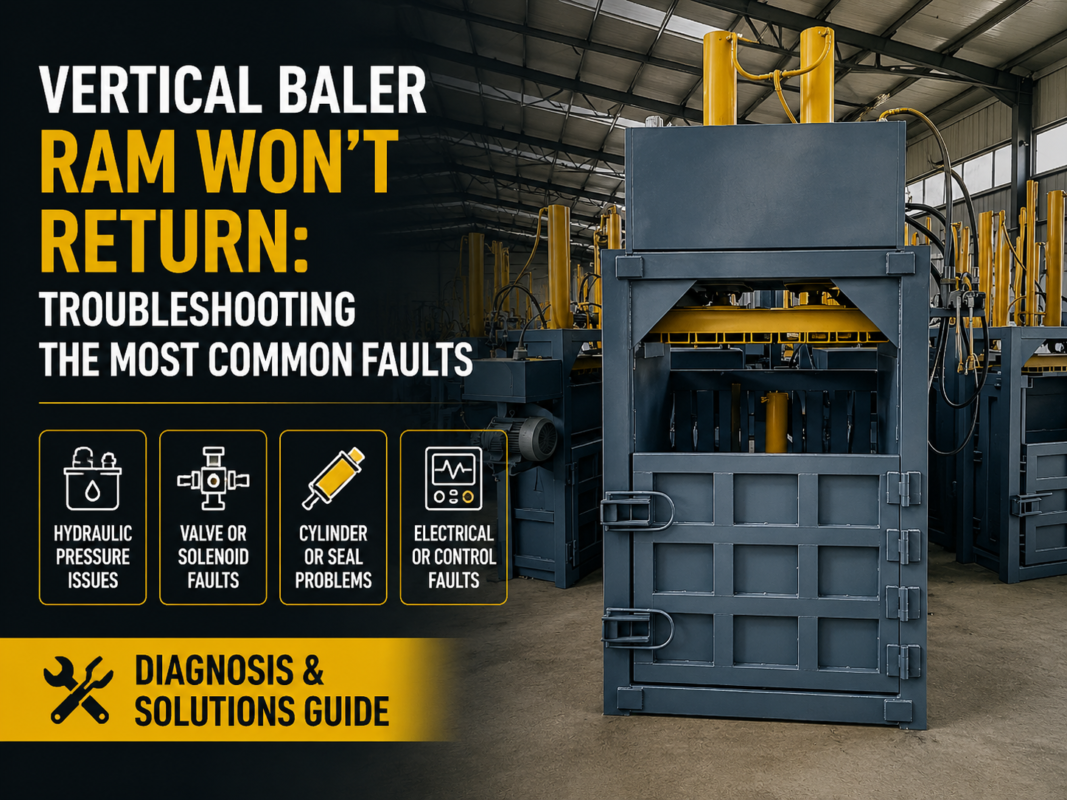
Experienced operators often ‘sense’ when a baler is beginning to fail. Being attuned to the machine’s normal operating sounds and rhythms is a vital part of maintenance. For instance, a change in the pitch of the hydraulic pump often signals air ingestion or cavitation. A ‘chattering’ sound during the ram’s movement usually indicates that the guides are dry or misaligned. If the cycle time—the time it takes for the ram to extend and retract—begins to increase, it is a clear sign of internal hydraulic leakage or a failing pump.
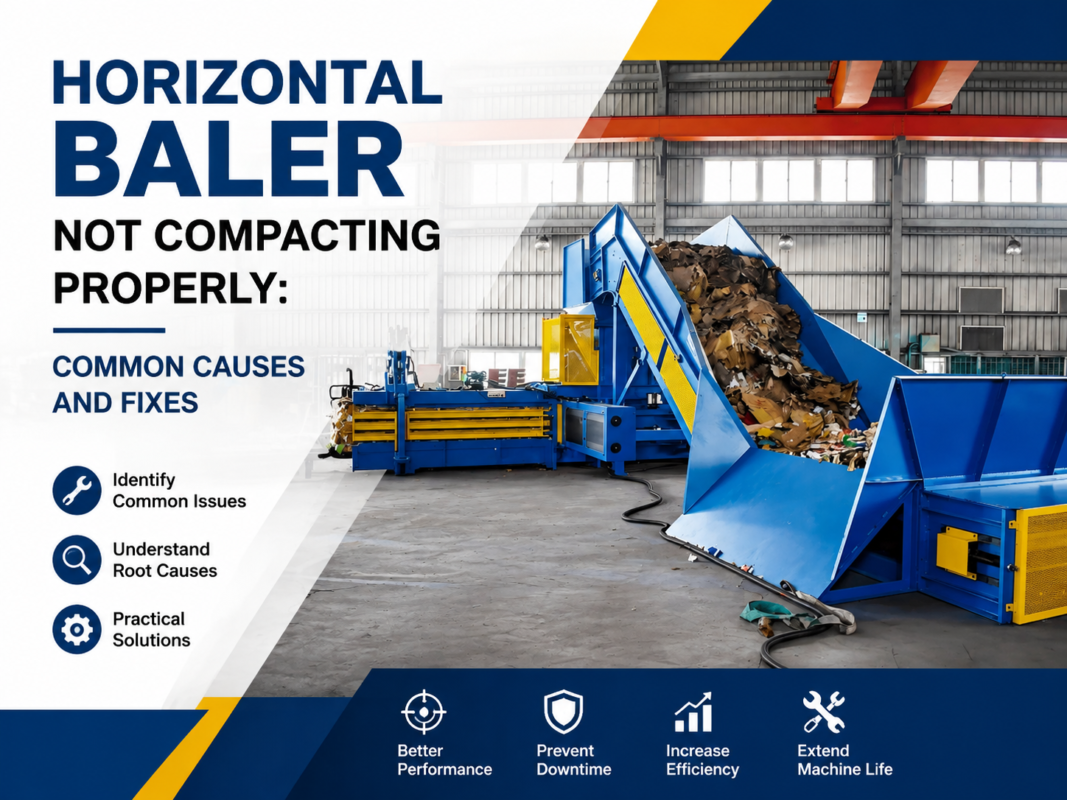
Heat is another major indicator of trouble. If the hydraulic tank feels excessively hot to the touch, or if you smell burnt oil, the system is overheating. This could be due to a clogged oil cooler or a relief valve that is stuck open, constantly bypassing oil at high pressure. Addressing heat issues immediately is crucial, as high temperatures rapidly destroy seals and O-rings throughout the entire system. Similarly, if you notice the bale weights are becoming inconsistent, it may indicate that the pressure settings have drifted or that the hydraulic cylinders are bypassing internally.
Visual cues should never be ignored. Puddles of oil on the floor, frayed electrical wires, or metal shavings in the bale chamber are all ‘cries for help’ from the machinery. Encouraging a culture where operators feel empowered to report these minor anomalies without fear of being blamed for downtime is essential. Early intervention is the difference between a $500 seal replacement and a $15,000 cylinder overhaul. By training your team to recognize these troubleshooting signals, you create a first line of defense that significantly extends the machine’s service life.
Comprehensive Maintenance Schedule Table
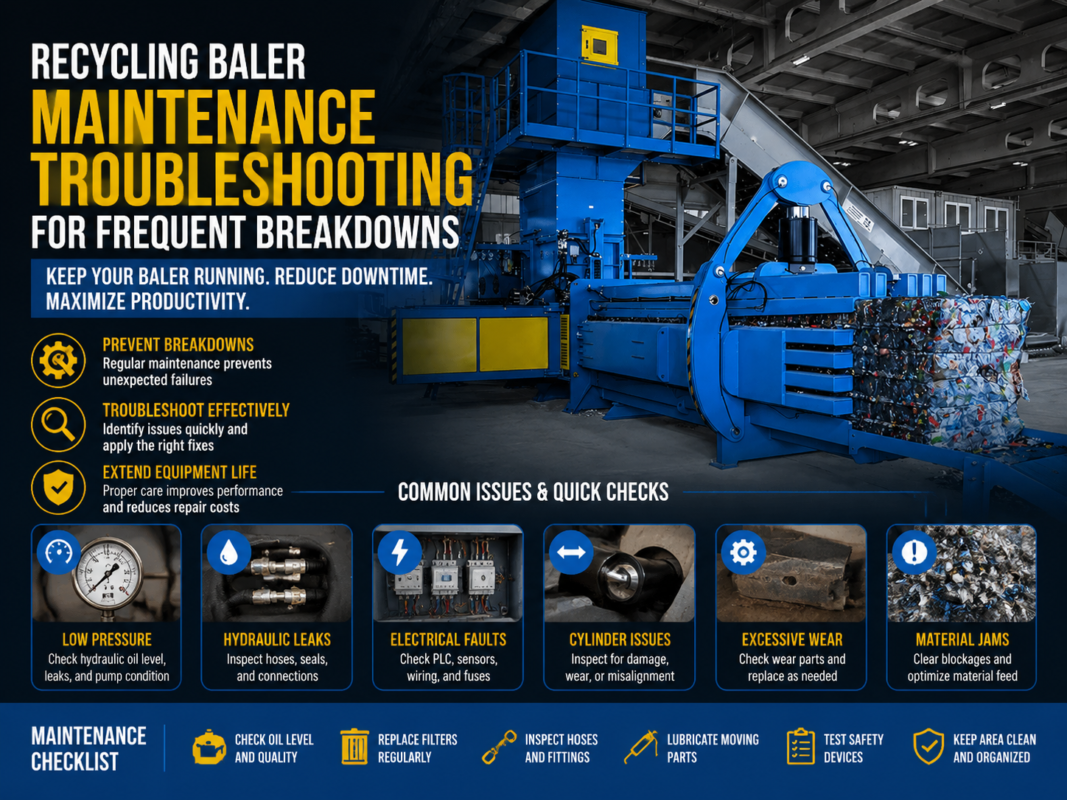
To help you organize your maintenance efforts, use the following table as a baseline for your recycling baler care program. Note that high-volume or multi-shift operations may need to perform these tasks more frequently.
| Frequency | Component | Action Required |
|---|---|---|
| Daily | Safety Systems | Test E-stops, door interlocks, and light curtains. |
| Daily | Hydraulic Oil | Check level and temperature; inspect for leaks. |
| Daily | Bale Chamber | Clean out debris and dust from the ram path. |
| Weekly | Ram Guides | Inspect for wear and apply high-pressure grease. |
| Weekly | Hydraulic Hoses | Check for abrasions, kinks, or weeping fittings. |
| Monthly | Electrical Panel | Vacuum dust and check for loose wire connections. |
| Monthly | Shear Blades | Check gap and sharpness (if applicable). |
| Quarterly | Hydraulic Filters | Replace suction and return-line filter elements. |
| Bi-Annually | Hydraulic Oil | Perform oil analysis for contamination and acidity. |
| Annually | Structural Frame | Inspect all welds for stress cracks or deformation. |
| Annually | Motor/Pump | Check alignment and lubricate motor bearings. |
Frequently Asked Questions (FAQ)
1. How often should I change the hydraulic oil in my recycling baler?
While many manufacturers suggest changing the oil every 2,000 to 4,000 operating hours, the best practice is to rely on oil analysis. If the oil is clean, free of moisture, and retains its chemical properties, it can last longer. However, if the baler operates in a hot or dusty environment, you may need to change it annually to protect the pump and valves.
2. Why is my baler moving slower than usual?
Slow cycle times are usually caused by a loss of hydraulic flow or pressure. Common culprits include a clogged suction filter, a worn hydraulic pump, or internal leaking in the main cylinder. It can also be caused by the oil being too thick (if the machine is cold) or too thin (if the machine is overheating).
3. Can I use any type of hydraulic oil?
No. You must use the oil viscosity and type recommended by the manufacturer (usually ISO 32, 46, or 68). Using the wrong oil can lead to poor lubrication, overheating, and damage to the pump seals. Always ensure the oil has anti-wear (AW) additives suitable for high-pressure systems.
4. What happens if I don’t grease the ram guides?
Failure to grease the ram guides will lead to excessive friction, which can score the wear plates and cause the ram to move unevenly. This increases the load on the motor and can eventually lead to the ram seizing or damaging the structural frame of the baler.
5. How do I know if the shear blades need sharpening?
In horizontal balers, dull shear blades will result in ‘ragged’ cuts, and you may notice the machine struggling or ‘groaning’ as it attempts to shear through material. You might also see material getting wedged between the ram and the chamber wall, which can cause the machine to jam frequently.
6. Is it worth repairing an old recycling baler?
If the main structural frame is sound and free of major cracks, most other components (pumps, cylinders, PLCs) can be replaced or rebuilt. However, if the frame is warped or severely cracked, the cost of repair may exceed the value of the machine, and a new HARSLE baler would be a more cost-effective long-term investment.