Improving Storage Efficiency with Hydraulic Briquetting Machine Applications: A Comprehensive Guide

Introduction to Improving Storage Efficiency with Hydraulic Briquetting Machine Applications
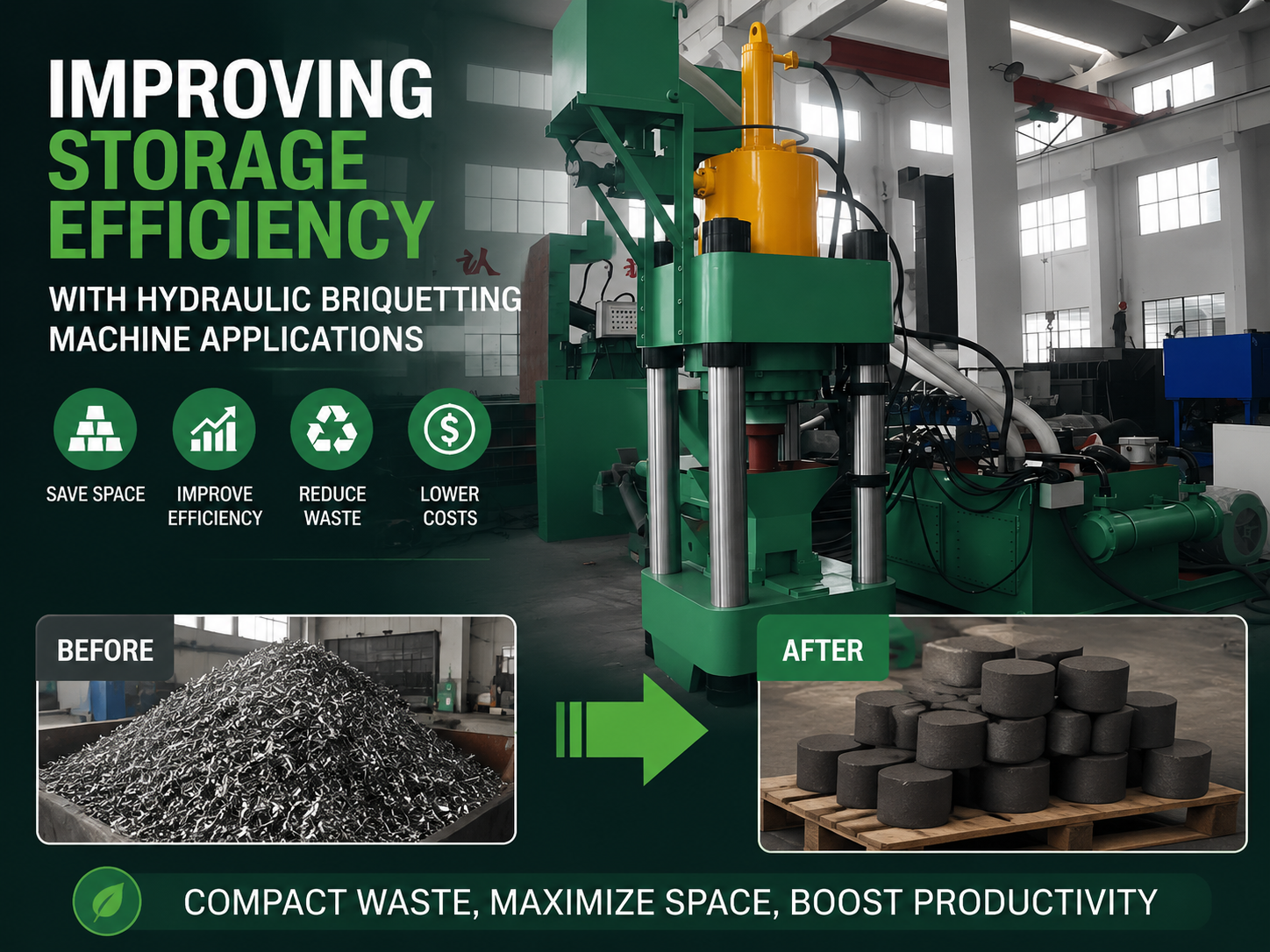
In the modern industrial landscape, the management of metal waste is no longer just a matter of housekeeping; it is a critical component of operational efficiency and financial sustainability. Metal fabrication processes, such as milling, turning, and grinding, generate vast quantities of loose chips, swarf, and turnings. These materials are notoriously difficult to manage due to their low bulk density and high volume. This is where the concept of improving storage efficiency with hydraulic briquetting machine applications becomes a game-changer for manufacturers. By compressing loose scrap into dense, manageable blocks, companies can reclaim up to 90% of their floor space previously occupied by waste.
HARSLE, a leader in metal fabrication machinery, understands that every square foot of a factory floor represents potential revenue. When loose metal shavings are allowed to accumulate in bins or piles, they create logistical bottlenecks, safety hazards, and environmental concerns. A hydraulic briquetting machine addresses these issues head-on by applying immense pressure to transform loose waste into high-density briquettes. This process not only optimizes storage but also simplifies transportation and enhances the value of the scrap material when sold to recyclers.
The application of this technology extends across various sectors, from automotive manufacturing to aerospace and general machining. Whether dealing with aluminum, steel, cast iron, or copper, the fundamental goal remains the same: to minimize the footprint of waste and maximize the utility of the production environment. In this guide, we will explore the technical nuances, strategic advantages, and selection criteria for implementing hydraulic briquetting solutions in your facility.
Key Considerations for Improving Storage Efficiency
Volume Reduction and Space Optimization
The primary driver for improving storage efficiency with hydraulic briquetting machine applications is the dramatic reduction in volume. Loose metal turnings can have a bulk density as low as 100-200 kg/m³, whereas a compressed briquette can reach densities exceeding 5,000 kg/m³, depending on the material. This means that ten bins of loose scrap can often be condensed into a single pallet of briquettes. For facilities with limited indoor storage, this allows for more production machinery or raw material inventory to be housed in the same area.
Furthermore, the uniformity of briquettes allows for vertical stacking. Unlike loose piles that are unstable and require large containment areas, briquettes can be neatly palletized and stored in high-density racking systems. This verticality is essential for urban manufacturing centers where expansion is physically impossible or prohibitively expensive.
Coolant Recovery and Environmental Impact
Metal chips are rarely dry; they are typically coated in expensive cutting oils or coolants. When stored loosely, these fluids leak onto the factory floor, creating slip hazards and requiring constant cleaning. A hydraulic briquetting machine acts as a secondary extraction system. As the metal is compressed, the fluids are squeezed out and collected in a dedicated tray. This recovered coolant can then be filtered and reused in the production line, leading to significant cost savings on consumables.
From an environmental perspective, briquetting prevents hazardous fluids from leaching into the ground or drainage systems. It also reduces the carbon footprint associated with scrap transport. Because the material is denser, fewer truck trips are required to move the same weight of metal, directly lowering logistics-related emissions. This aligns with modern ESG (Environmental, Social, and Governance) goals that many Tier-1 manufacturers are now required to meet.
Safety and Workplace Hazards
Loose metal scrap is inherently dangerous. Sharp edges can cause lacerations, and fine dust or oily shavings can become fire hazards. In some cases, certain metals like magnesium or fine aluminum can even pose a risk of dust explosions if not handled correctly. By converting these materials into solid briquettes, the surface area exposed to oxygen is drastically reduced, which significantly lowers the risk of spontaneous combustion or rapid oxidation. Additionally, the elimination of messy scrap bins leads to a cleaner, more organized workspace, which is proven to improve employee morale and productivity.
Technical Details of Hydraulic Briquetting Machines
The Compression Cycle and Hydraulic System
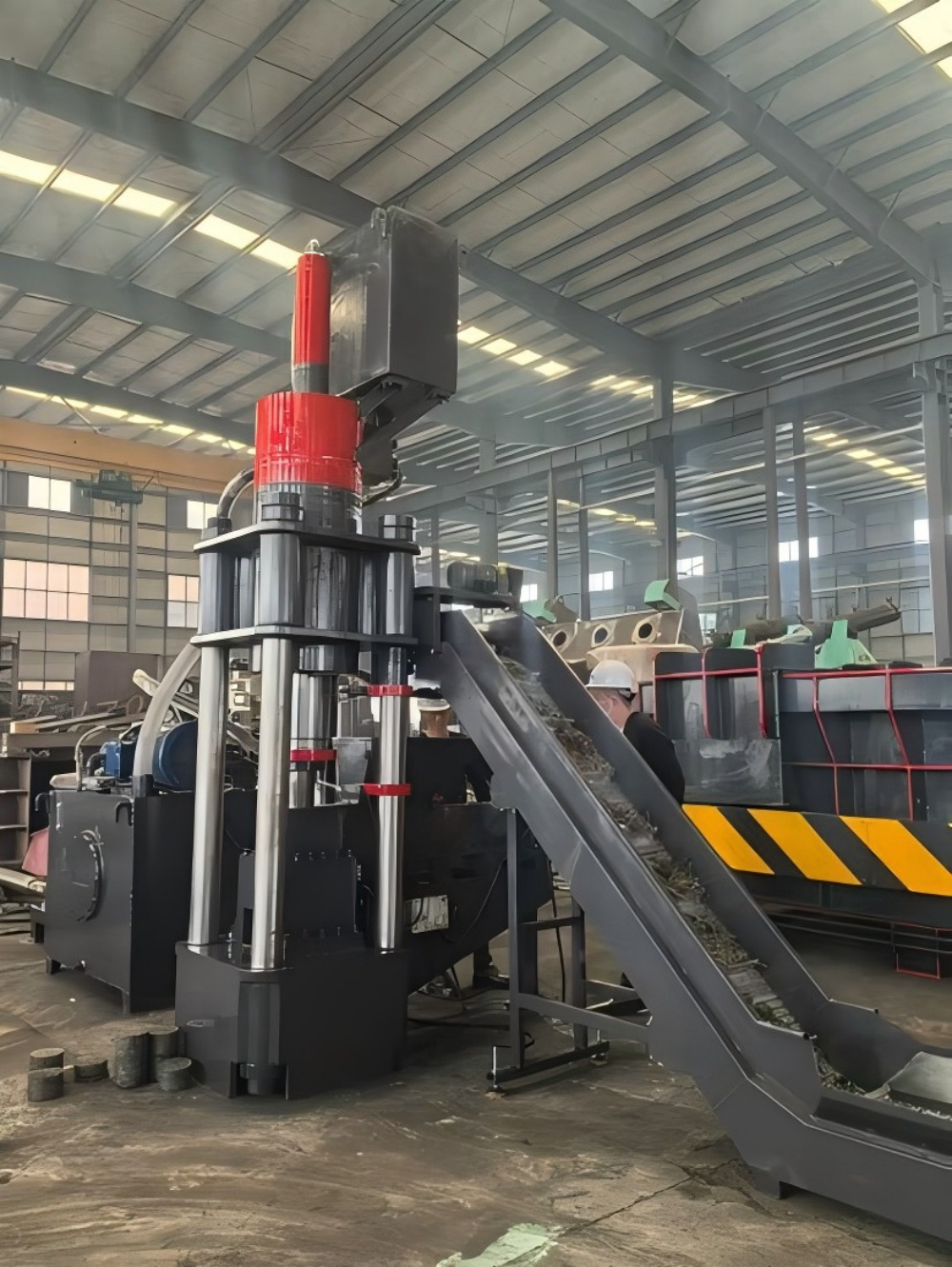
The heart of the machine is its hydraulic system, which must deliver consistent, high-tonnage pressure to achieve the desired density. The process typically begins with a screw conveyor or gravity feed that moves the scrap into a pre-compression chamber. Once the chamber is full, a primary cylinder pushes the material into the main die. A secondary, high-pressure cylinder then performs the final compression. HARSLE machines utilize advanced manifold blocks and high-efficiency pumps to ensure that this cycle is both fast and energy-efficient.
The pressure settings are critical. If the pressure is too low, the briquette will crumble during handling; if it is too high, it may cause unnecessary wear on the dies or even damage the material structure. Modern machines feature adjustable pressure controls via a PLC (Programmable Logic Controller) interface, allowing operators to fine-tune the settings for different alloys and chip sizes.
Material Compatibility and Die Design
Not all scrap is created equal. Aluminum requires different compression ratios than cast iron or steel. The design of the die and the punch is tailored to the specific flow characteristics of the metal. For example, cast iron tends to be brittle and forms briquettes easily under moderate pressure, while ductile materials like copper may require specialized die geometries to prevent sticking. HARSLE offers interchangeable die sets to accommodate various production needs, ensuring that the machine remains a versatile asset as the factory’s output changes.
| Material Type | Loose Density (kg/m³) | Briquette Density (kg/m³) | Volume Reduction Ratio |
|---|---|---|---|
| Aluminum Chips | 150 – 250 | 2,200 – 2,500 | ~10:1 |
| Steel Turnings | 400 – 600 | 5,000 – 6,500 | ~12:1 |
| Cast Iron Borings | 1,200 – 1,500 | 5,500 – 6,000 | ~4:1 |
| Copper/Brass | 300 – 500 | 6,000 – 7,500 | ~15:1 |
Automation and Integration
To truly maximize the benefits of improving storage efficiency with hydraulic briquetting machine applications, the machine should be integrated into the existing production workflow. HARSLE machines can be equipped with automatic sensors that detect when a hopper is full, triggering the compression cycle without human intervention. Integration with conveyor systems allows for a “lights-out” operation where scrap is moved directly from the CNC machine to the briquetter and then to a storage container. This reduces labor costs and ensures that scrap never accumulates on the floor.
Selection Advice for Industrial Buyers
Assessing Your Scrap Volume
The first step in selecting a machine is calculating your daily scrap output. If your facility generates 500kg of scrap per day, a compact, entry-level briquetter will suffice. However, large-scale operations producing several tons per shift will require heavy-duty machines with high-speed hydraulic circuits and larger hoppers. It is always advisable to choose a machine with a capacity slightly higher than your current needs to allow for future production growth.
Evaluating ROI (Return on Investment)
A hydraulic briquetting machine is a significant investment, but the ROI is often realized within 12 to 24 months. When calculating the potential return, consider the following factors:
- Increased Scrap Value: Recyclers pay a premium for briquettes because they are easier to melt and result in less “burn-off” loss compared to loose chips.
- Coolant Savings: Calculate the monthly cost of cutting fluids and estimate a 15-25% recovery rate through briquetting.
- Logistics Savings: Reduction in the number of scrap pickups and the labor required to manage bins.
- Floor Space Value: The cost per square foot of your facility and how much space will be reclaimed.
Maintenance and Durability
Industrial environments are harsh. Look for machines with robust frames, high-quality hydraulic components (such as Rexroth or Vickers valves), and easy access for maintenance. The wear parts, specifically the dies and punches, should be made from hardened tool steel to withstand the abrasive nature of metal chips. HARSLE provides comprehensive maintenance guides and readily available spare parts to ensure minimal downtime. Regular oil changes and filter replacements are the keys to a long machine lifespan.
Frequently Asked Questions (FAQ)
1. Can one machine handle different types of metal?
Yes, most HARSLE hydraulic briquetting machines can handle various metals. However, the settings (pressure and cycle time) may need to be adjusted via the PLC. If you are switching between vastly different materials, such as aluminum and steel, it is important to clean the hopper to prevent cross-contamination, which can lower the scrap value.
2. What is the moisture limit for the scrap?
While the machine can handle very wet scrap and will actually help remove the moisture, extremely high liquid content can lead to splashing or messy operation if the machine isn’t equipped with proper drainage trays. Ideally, scrap should be allowed to drain naturally for a short period before being fed into the briquetter for maximum efficiency.
3. How much space does the machine itself take up?
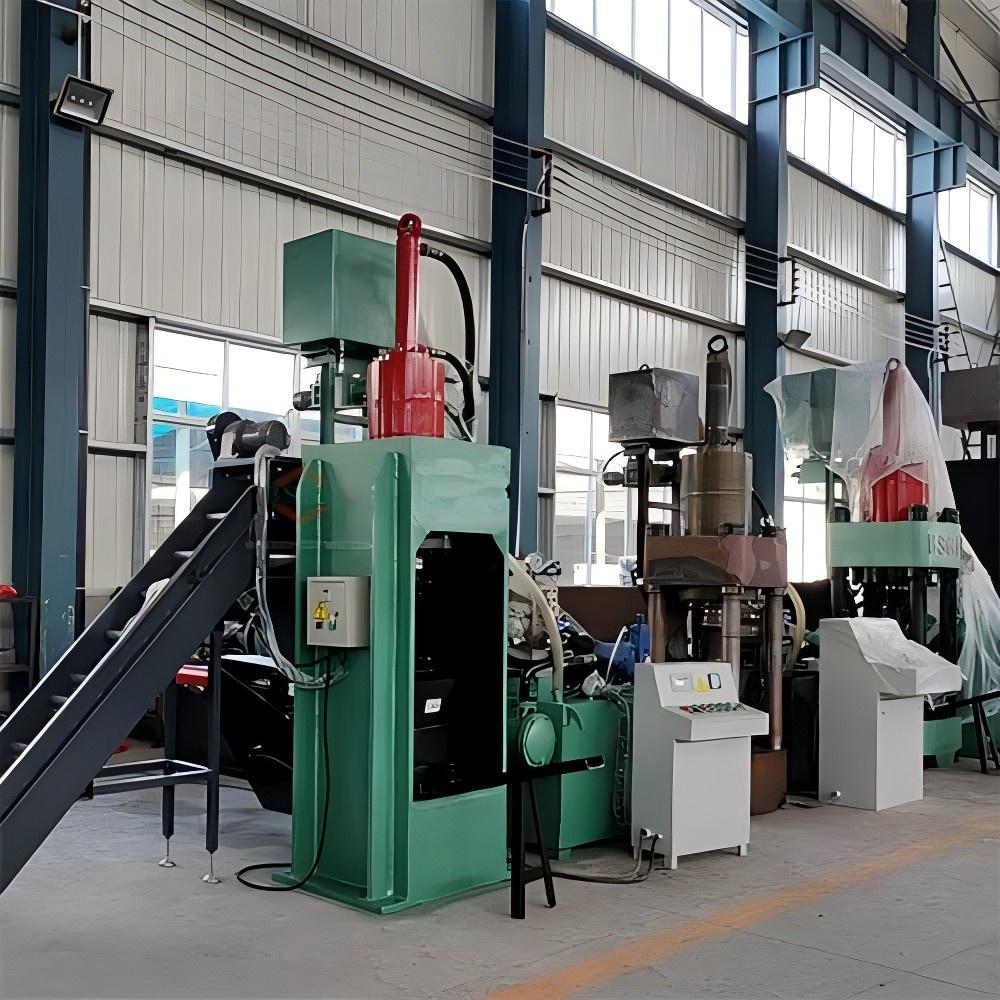
HARSLE offers a range of sizes. Compact models can fit in a 2m x 2m area, while large industrial systems with integrated conveyors may require 5m x 5m or more. Despite the machine’s footprint, the net gain in storage space from the compressed scrap far outweighs the area occupied by the equipment.
4. Do I need a specialized operator for the machine?
No. Modern hydraulic briquetting machines are designed for ease of use. Once the initial parameters are set by a technician, the machine typically operates automatically. Daily tasks involve simply monitoring the hopper levels and removing the finished briquettes.
5. Does briquetting affect the quality of the metal for smelting?
Actually, it improves it. Loose chips have a high surface-to-volume ratio, which leads to significant oxidation during the melting process in a furnace. Briquettes have a much lower surface area, which reduces oxidation and results in a higher yield of usable metal during recycling.
Conclusion: The Future of Scrap Management
Improving storage efficiency with hydraulic briquetting machine applications is no longer an optional luxury for competitive metal fabrication shops; it is a strategic necessity. The ability to transform a bulky, messy, and hazardous byproduct into a clean, dense, and valuable commodity provides a multi-faceted advantage. From reclaiming valuable floor space and reducing logistics costs to recovering expensive coolants and enhancing safety, the benefits are clear.
HARSLE remains committed to providing high-quality, durable, and efficient hydraulic briquetting solutions that empower manufacturers to optimize their operations. By investing in the right technology today, businesses can ensure a cleaner, more profitable, and more sustainable production environment for the future. As the industry moves toward more automated and “green” manufacturing processes, the role of the hydraulic briquetting machine will only continue to grow in importance.