Comprehensive Guide to Hydraulic Briquetting Machine Applications for Copper and Brass Waste

Introduction to Hydraulic Briquetting in the Non-Ferrous Metal Industry
In the modern landscape of metal fabrication and recycling, the management of scrap material has evolved from a logistical burden into a significant profit center. Among the various technologies driving this transformation, the hydraulic briquetting machine stands out as a critical tool for processing non-ferrous metals like copper and brass. These materials are highly valued for their conductivity, corrosion resistance, and aesthetic appeal, but their machining processes—such as milling, turning, and drilling—generate vast quantities of loose chips, swarf, and turnings. Without proper processing, these waste products are difficult to transport, prone to oxidation, and inefficient to melt.
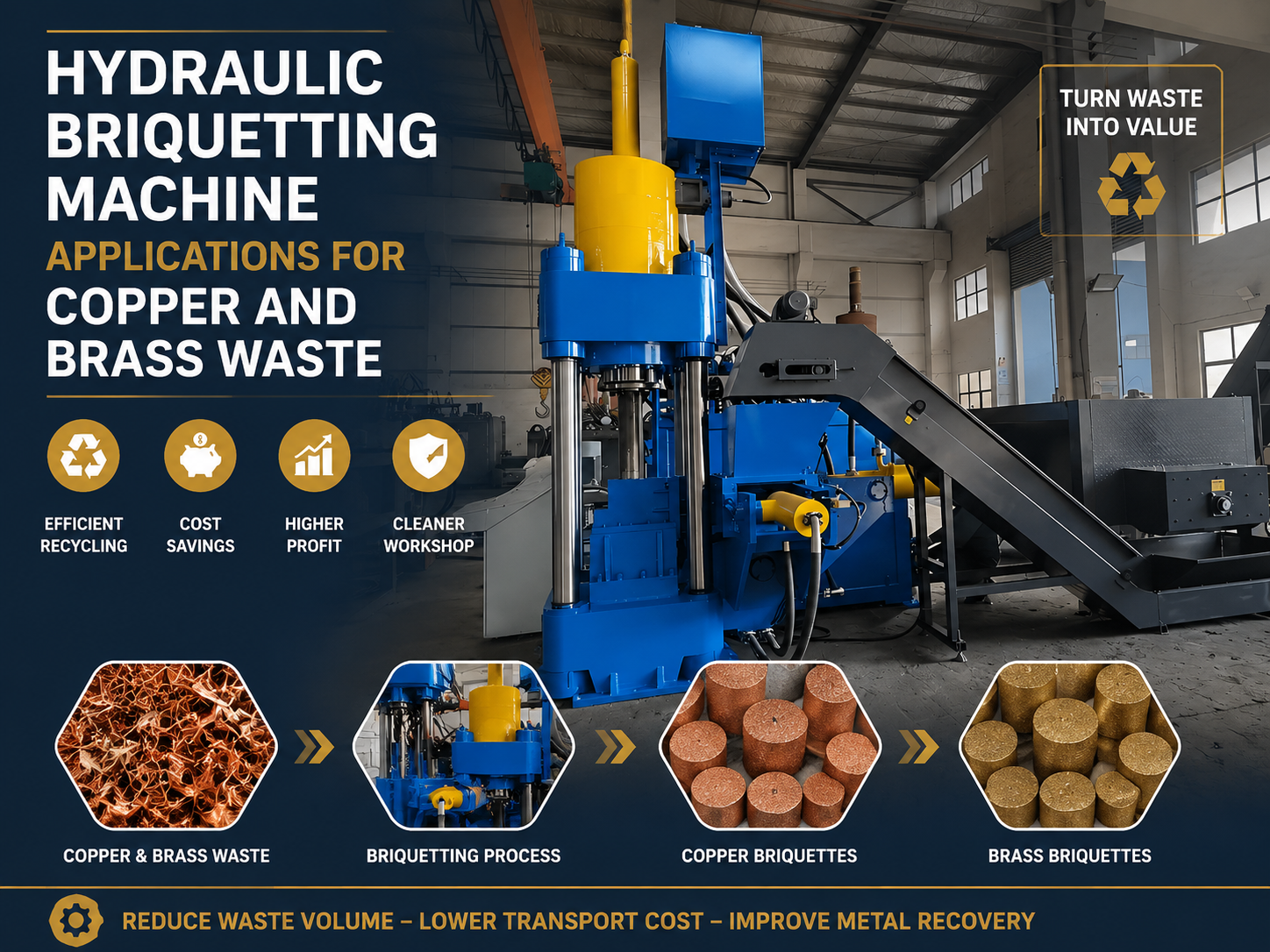
Hydraulic briquetting machine applications for copper and brass waste address these challenges by compressing loose scrap into high-density, solid blocks or ‘briquettes.’ This process is achieved through extreme hydraulic pressure, often without the need for additional binding agents. By transforming voluminous, oil-soaked chips into compact units, manufacturers can drastically reduce storage requirements, recover expensive cutting fluids, and significantly improve the yield during the remelting process. For companies operating in the automotive, electronics, and plumbing sectors, where copper and brass are staples, integrating a briquetting system is no longer an option but a necessity for operational efficiency.
HARSLE, a leader in metal fabrication machinery, provides advanced hydraulic briquetting solutions designed to handle the unique physical properties of copper and brass. Unlike ferrous metals, copper and brass are relatively soft and ductile, which allows for excellent compaction density but also requires precise pressure control to prevent machine wear and ensure briquette integrity. This guide explores the technical nuances, economic benefits, and selection criteria for implementing hydraulic briquetting technology in your facility.
The environmental impact of this technology cannot be overstated. As global industries move toward a circular economy, the ability to recycle 100% of production scrap on-site or in a highly efficient manner reduces the carbon footprint associated with mining and primary metal production. By utilizing hydraulic briquetting machine applications for copper and brass waste, businesses contribute to a sustainable supply chain while simultaneously bolstering their bottom line through reduced material loss and lower logistics costs.
Key Considerations for Processing Copper and Brass Waste
When evaluating hydraulic briquetting machine applications for copper and brass waste, several factors must be considered to ensure the system meets the specific needs of the material. Copper and brass chips are often contaminated with cutting oils or emulsions used during the machining process. These fluids not only add weight but also pose environmental hazards if left to leak in storage areas. A high-quality briquetting machine is designed to squeeze out these fluids during the compression cycle, allowing for the collection and filtration of the oil for reuse in the production line.
Material purity is another vital consideration. In the recycling market, the value of copper and brass is heavily dependent on the absence of cross-contamination. Mixing different alloys or introducing ferrous contaminants can significantly devalue the scrap. Therefore, the briquetting process should be part of a clean, segregated waste management stream. The density of the resulting briquette is also paramount; a higher density means less surface area is exposed to air, which minimizes oxidation during storage and prevents the briquettes from floating on top of the molten bath in a furnace, which would otherwise lead to high burn-off losses.
The physical form of the waste—whether it is fine powder, short chips, or long, stringy turnings—dictates the feeding mechanism required for the machine. Long turnings often require a pre-shredding stage to ensure they can be fed consistently into the compression chamber. Furthermore, the moisture content of the scrap can affect the compaction process. While the hydraulic press is effective at removing liquids, excessively wet material may require a specialized drainage system within the machine’s frame to prevent corrosion and maintain a clean workspace.
Finally, the volume of waste generated determines the scale of the required machinery. Small-scale workshops may benefit from a compact, manual-load unit, while large manufacturing plants require fully automated systems integrated with conveyors and hoppers. Understanding the throughput requirements (measured in kilograms or tons per hour) is essential for selecting a machine that provides the best return on investment without being underutilized or becoming a bottleneck in the production process.
Technical Details of Hydraulic Briquetting Systems
The core of a hydraulic briquetting machine lies in its ability to exert massive force through a controlled hydraulic circuit. For copper and brass, the pressure typically ranges from 200 to 600 MPa, depending on the desired density and the specific alloy. The machine consists of a hopper, a feeding cylinder, a main compression cylinder, and a mold. The process begins when the material is fed into the chamber; the feeding cylinder pushes the scrap into the mold, and the main cylinder then applies the final compaction force to form the briquette.
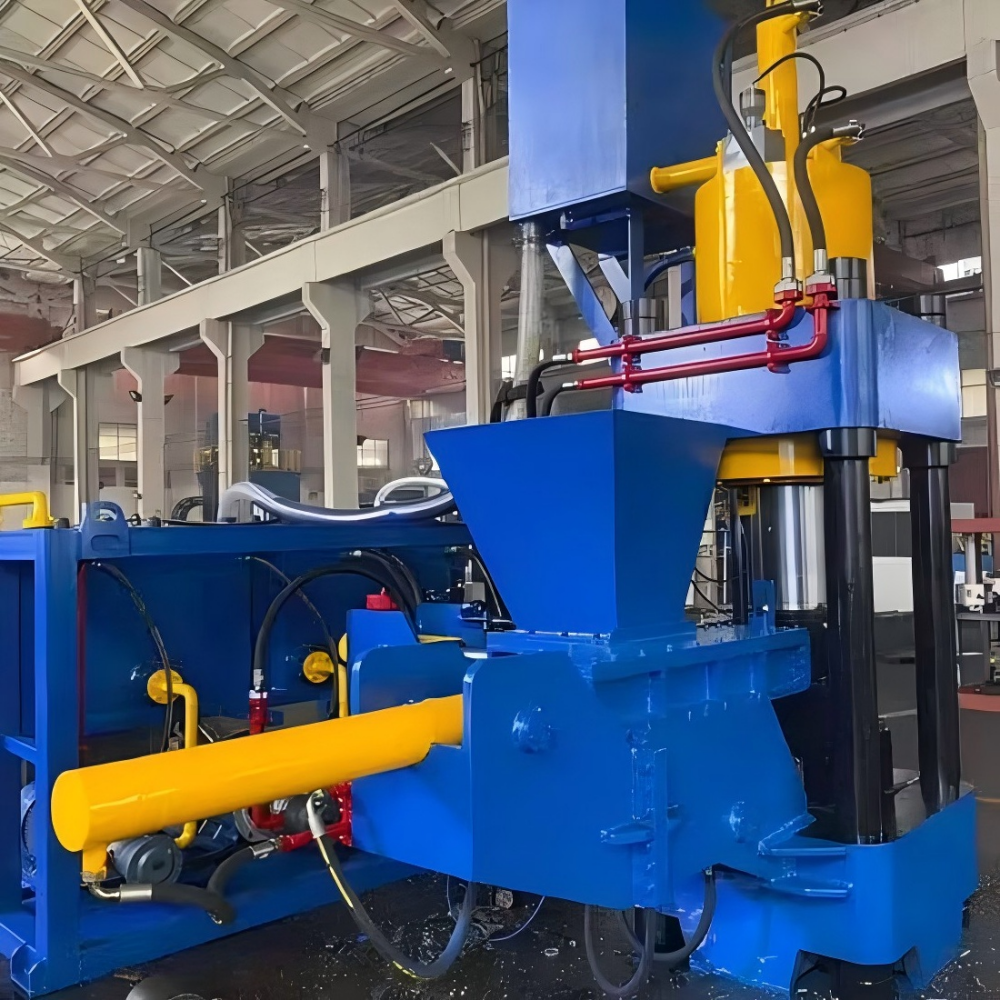
Modern machines utilize PLC (Programmable Logic Controller) systems to manage the cycle times and pressure settings. This automation allows for consistent briquette quality even when the material consistency varies. Sensors monitor the oil temperature, pressure levels, and the position of the cylinders to prevent mechanical failure. For copper and brass, which can be abrasive, the molds and punches are usually made from high-strength, heat-treated alloy steel to extend their service life and reduce maintenance downtime.
One of the most significant technical advantages of hydraulic briquetting is the recovery of cutting fluids. As the metal is compressed, the liquid is forced out through specialized gaps in the mold or drainage channels in the machine bed. This fluid is then collected in a reservoir. In many industrial settings, the value of the recovered oil alone can pay for the machine’s operating costs over time. Additionally, the briquettes produced are typically 80% to 95% of the density of the solid metal, making them ideal for direct charging into induction furnaces.
Cooling systems are also a critical technical component. Continuous operation of a hydraulic system generates heat, which can degrade the hydraulic oil and damage seals. HARSLE machines often incorporate air or water cooling systems to maintain the oil at an optimal temperature, ensuring the machine can run 24/7 in demanding industrial environments. The integration of energy-efficient motors and variable frequency drives (VFD) further enhances the technical profile of these machines by reducing electricity consumption during idle periods of the cycle.
Selection Advice for Industrial Buyers
Choosing the right equipment for hydraulic briquetting machine applications for copper and brass waste requires a strategic approach. The first step is to analyze the material characteristics. If your facility produces a mix of copper and brass, you must decide whether to invest in multiple smaller machines to keep the materials segregated or a larger machine with a thorough cleaning protocol between batches. For most high-value applications, segregation is preferred to maintain the premium price of the recycled metal.
Capacity planning is the next hurdle. Buyers should not only look at current waste production but also forecast future growth. A machine that is constantly running at 100% capacity will experience more wear and tear than one sized to handle 70-80% of the daily load. It is also important to consider the footprint of the machine. Industrial floor space is expensive, and HARSLE offers various configurations—including vertical and horizontal designs—to fit different layout constraints.
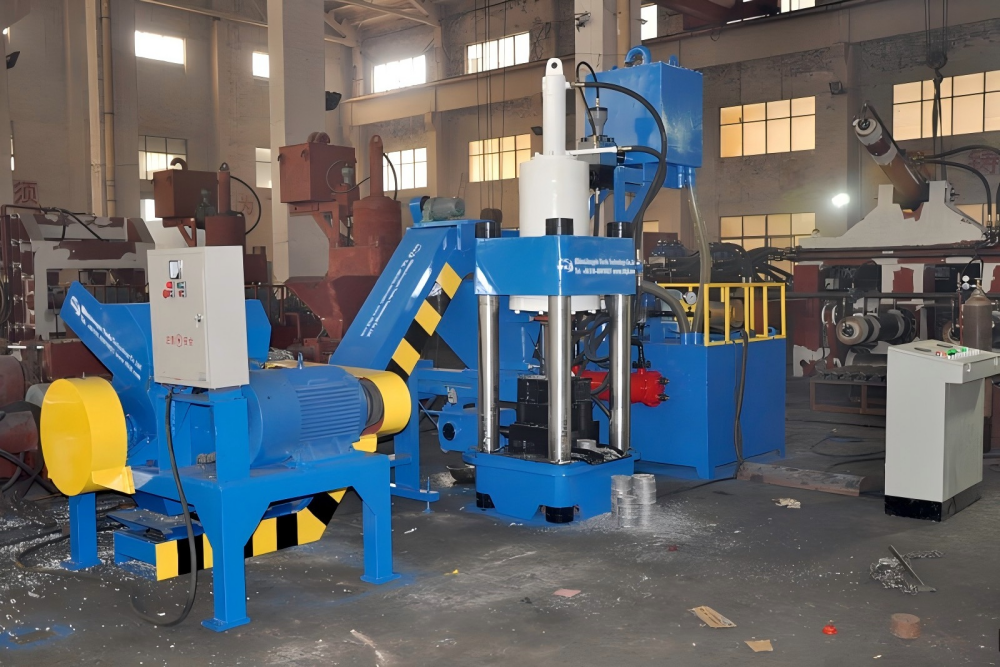
Automation levels should match your labor availability. Fully automatic machines require minimal operator intervention, featuring auto-start sensors that trigger the compaction cycle when the hopper is full. Manual or semi-automatic machines may be suitable for lower volumes but increase labor costs. Furthermore, check the availability of spare parts and the manufacturer’s reputation for after-sales support. Since briquetting machines operate under high pressure, components like seals and wear plates will eventually need replacement; having a reliable partner like HARSLE ensures that downtime is kept to a minimum.
Finally, consider the Return on Investment (ROI). Calculate the difference between the price of loose scrap and briquetted scrap in your local market. Factor in the savings from recovered cutting fluids, reduced transport costs (fewer truck trips), and the internal value of improved furnace efficiency if you melt your own scrap. In many cases, a hydraulic briquetting machine for copper and brass pays for itself within 12 to 24 months, making it one of the most financially sound investments in a metal fabrication facility.
Maintenance and Longevity of Briquetting Equipment
To maximize the lifespan of a hydraulic briquetting machine, a rigorous maintenance schedule is essential. The high-pressure environment naturally puts stress on the hydraulic pumps, valves, and cylinders. Regularly checking the hydraulic oil for contamination is the most important task. Metal fines can sometimes bypass seals and enter the hydraulic circuit, leading to internal scoring of the cylinders. Using high-quality filters and changing them according to the manufacturer’s recommendations is non-negotiable.
The mechanical wear parts, specifically the mold and the pressing ram, should be inspected weekly. Copper and brass, while softer than steel, can still cause erosion over thousands of cycles. If the briquettes start to show irregular shapes or if the machine requires more pressure to achieve the same density, it is likely time to rotate or replace the wear liners. Lubrication of moving parts, such as the feeder mechanism and guide rails, prevents friction-related heat and premature failure.
Electrical systems also require attention. Dust and metal particles common in fabrication shops can settle on circuit boards and in control cabinets, leading to short circuits. Ensuring that the PLC cabinet is properly sealed and that cooling fans are functional will prevent unexpected electronic failures. HARSLE machines are built with industrial-grade components to withstand these conditions, but routine cleaning and tightening of electrical connections remain best practices for long-term reliability.
Frequently Asked Questions (FAQ)
1. Can one machine handle both copper and brass waste?
Yes, a single hydraulic briquetting machine can process both copper and brass. However, to maintain the value of the scrap, it is crucial to clean the hopper and compression chamber thoroughly between material changes to prevent cross-contamination. Many operators schedule specific days for each material to minimize changeover time.
2. What is the typical density of a copper briquette?
A high-quality hydraulic briquetting machine can produce copper briquettes with a density reaching up to 90-95% of the solid metal’s density. This high density is achieved through pressures exceeding 300 MPa, which effectively eliminates the air pockets between the chips.
3. How much cutting fluid can be recovered?
Depending on the initial moisture content of the swarf, a briquetting machine can recover up to 95% of the free-standing liquids. This not only provides clean, dry briquettes for melting but also allows for the recycling of expensive lubricants, significantly reducing procurement costs.
4. Do I need to add a binder to make the briquettes stay together?
No, for copper and brass waste, the high pressure of the hydraulic system is sufficient to create a solid block through mechanical interlocking and cold welding of the particles. Binders are generally avoided as they can introduce impurities into the metal during the remelting process.
5. What is the expected ROI for a HARSLE briquetting machine?
Most industrial users report an ROI within 1 to 2 years. This is calculated based on the increased market value of briquetted scrap (often 10-20% higher than loose scrap), the recovery of cutting oils, and the reduction in storage and transportation costs by up to 80%.
Conclusion: The Future of Metal Waste Management
The implementation of hydraulic briquetting machine applications for copper and brass waste represents a significant step forward for any metal fabrication or recycling operation. By converting difficult-to-handle scrap into high-value, high-density briquettes, companies can unlock hidden revenue streams while improving their operational efficiency. The technical superiority of HARSLE equipment ensures that this process is not only effective but also reliable and easy to integrate into existing production lines.
As environmental regulations tighten and the cost of raw materials continues to rise, the ability to efficiently recycle non-ferrous metals will become a defining characteristic of successful industrial enterprises. Investing in a hydraulic briquetting system is an investment in sustainability, safety, and profitability. Whether you are looking to reduce your facility’s footprint, recover expensive fluids, or simply get a better price for your scrap, HARSLE provides the expertise and machinery to help you achieve your goals in the competitive world of metal fabrication.