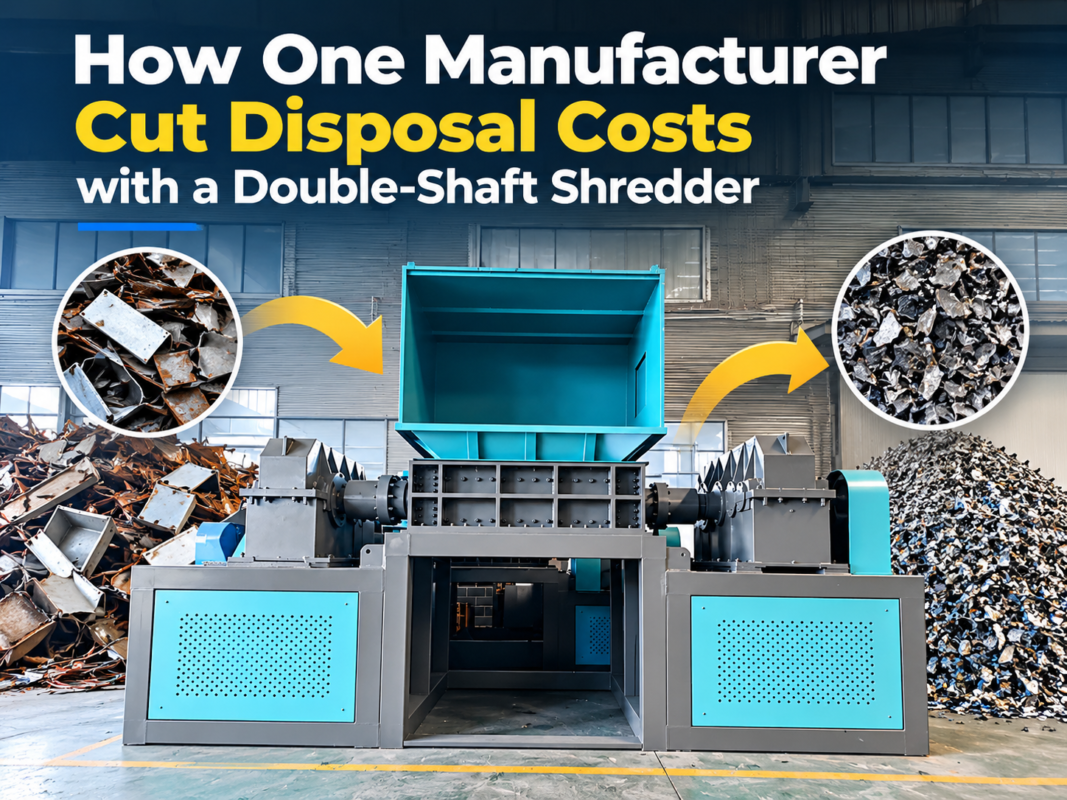
How Hydraulic Briquetting Machines Improve Scrap Metal Handling: A Comprehensive Guide

Introduction to Modern Scrap Metal Management
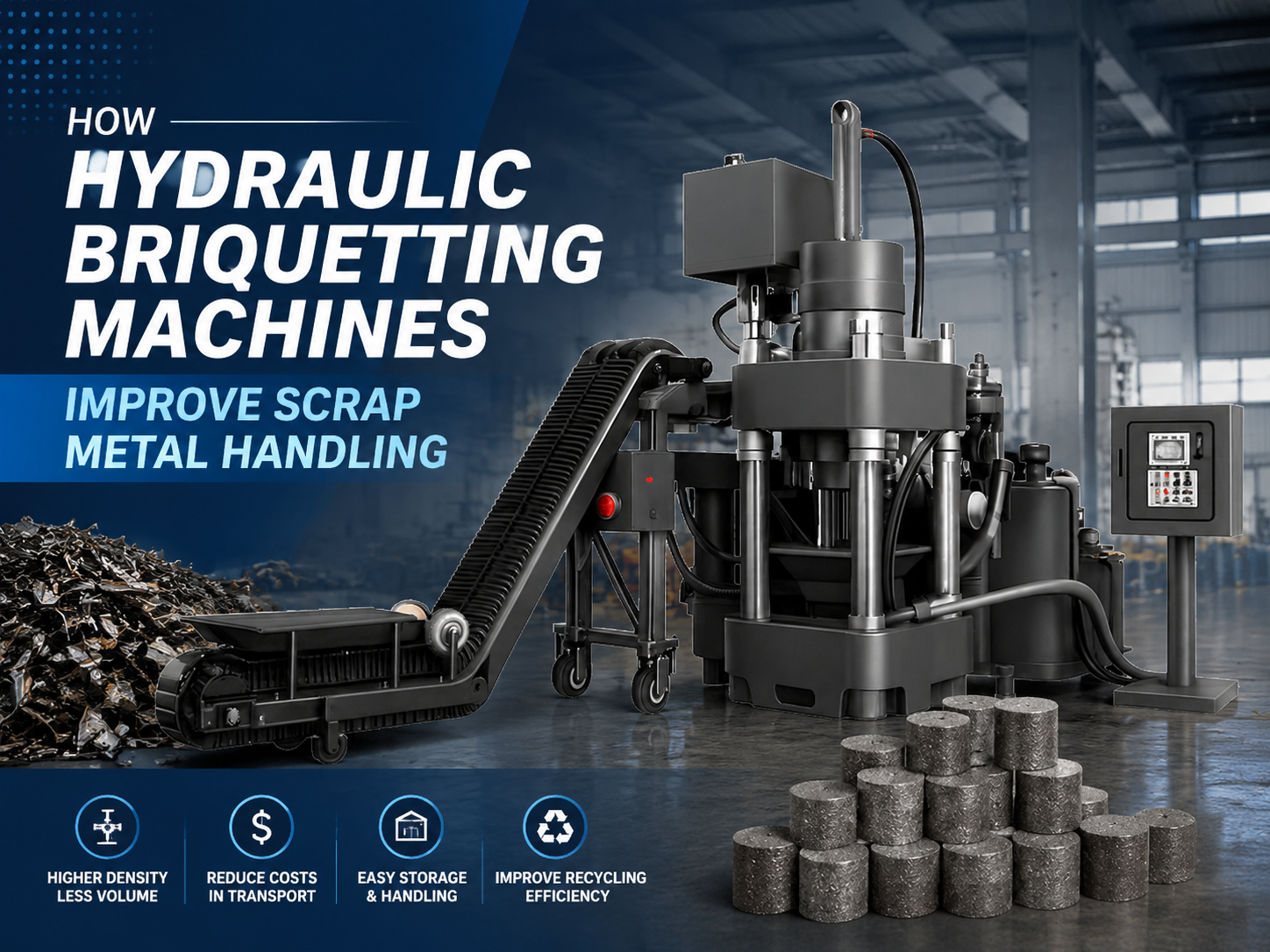
In the high-stakes world of metal fabrication and industrial manufacturing, the management of waste materials is often as critical as the production process itself. As factories scale their operations, the accumulation of metal chips, turnings, and filings—collectively known as swarf—presents a significant logistical challenge. This is where the question of how hydraulic briquetting machines improve scrap metal handling becomes central to operational efficiency. These machines are designed to transform loose, voluminous metal waste into dense, manageable blocks known as briquettes.
For decades, manufacturers struggled with the sheer volume of scrap produced by CNC machining, milling, and grinding operations. Loose scrap is difficult to transport, expensive to store, and often contaminated with expensive cutting fluids. HARSLE, a leader in metal fabrication machinery, has pioneered hydraulic solutions that address these pain points directly. By applying immense pressure to metal waste, these machines not only reduce the physical footprint of the scrap but also unlock hidden value within the waste stream.
The transition from traditional scrap handling to a briquetting-based system represents a shift toward a circular economy. It is not merely about tidying up the shop floor; it is about optimizing the entire lifecycle of the metal. In this guide, we will explore the technical nuances, economic benefits, and strategic advantages of integrating hydraulic briquetting technology into your production line, demonstrating exactly how these machines revolutionize the way industry views its ‘waste’.
Key Considerations: Why Briquetting is Essential
Significant Volume Reduction
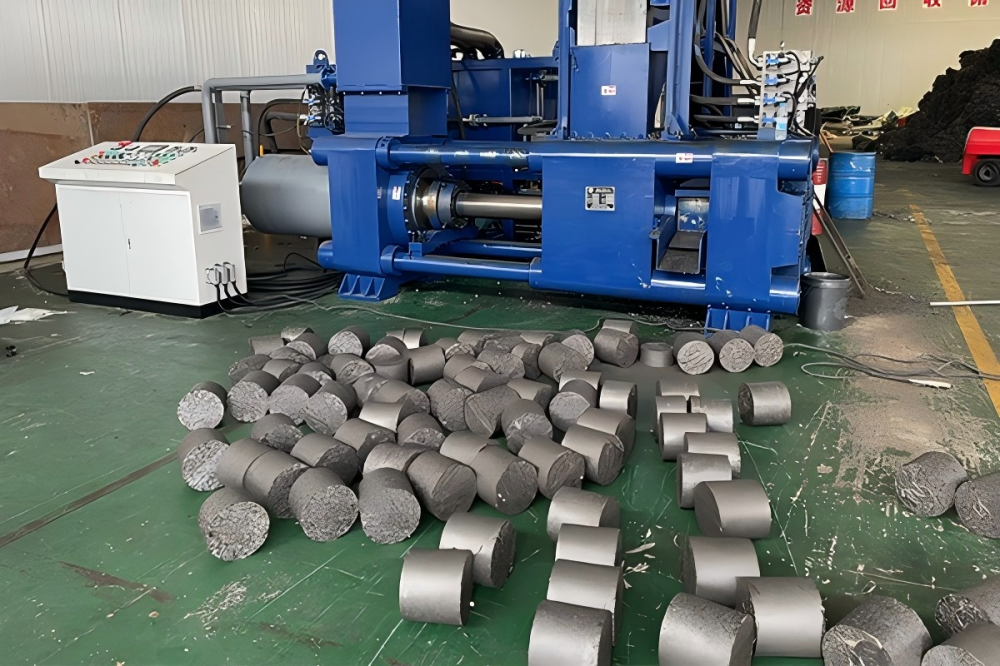
The most immediate answer to how hydraulic briquetting machines improve scrap metal handling is through drastic volume reduction. Loose metal turnings and chips can take up to 20 times more space than the equivalent weight in briquette form. This reduction is achieved through high-pressure hydraulic cylinders that compress the material beyond its elastic limit, creating a solid, high-density block. For a facility producing tons of scrap monthly, this means reclaiming valuable floor space that was previously dedicated to overflowing bins and messy scrap piles.
Furthermore, this volume reduction translates directly into lower logistics costs. When scrap is transported to a recycler or a foundry, the cost is often determined by the number of trips or the volume of the container. By densifying the scrap, a single truck can carry significantly more weight, reducing the frequency of pickups and the carbon footprint associated with waste transport. This efficiency is a cornerstone of modern industrial sustainability goals.
Coolant and Lubricant Recovery
One of the often-overlooked benefits of the briquetting process is the recovery of expensive cutting oils and coolants. During the compression phase, the hydraulic press squeezes out the fluids trapped within the metal chips. Most modern hydraulic briquetting machines, such as those offered by HARSLE, feature integrated collection trays and filtration systems to capture these liquids. This allows the manufacturer to reuse the fluids in their machining processes, leading to substantial savings on raw material costs.
Beyond the financial gain, removing these fluids makes the scrap ‘cleaner’ and safer to handle. Loose, oil-soaked chips are a fire hazard and an environmental liability, as they can leak into the factory floor or soil during transport. Briquettes are relatively dry and stable, making them much easier to manage according to environmental regulations and workplace safety standards.
Enhanced Melting Efficiency and Yield
For foundries and steel mills, briquettes are far superior to loose scrap. When loose chips are thrown into a furnace, their high surface-area-to-volume ratio causes them to burn up or oxidize before they can melt, leading to significant material loss (burn-off). In contrast, a dense briquette sinks through the slag layer and melts within the molten bath, ensuring a much higher yield. This makes briquettes more valuable to buyers, allowing manufacturers to command a premium price for their scrap compared to loose turnings.
Technical Details of Hydraulic Briquetting Systems
The Hydraulic Power Unit (HPU)
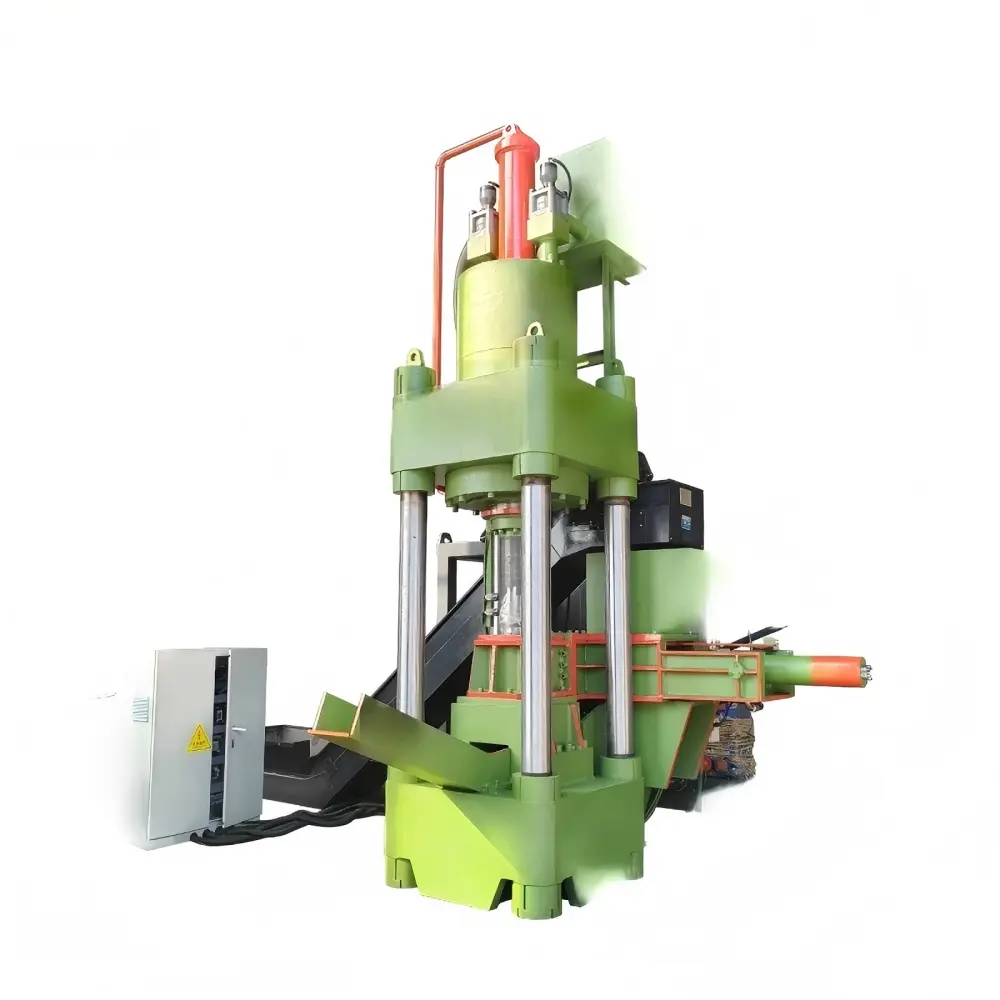
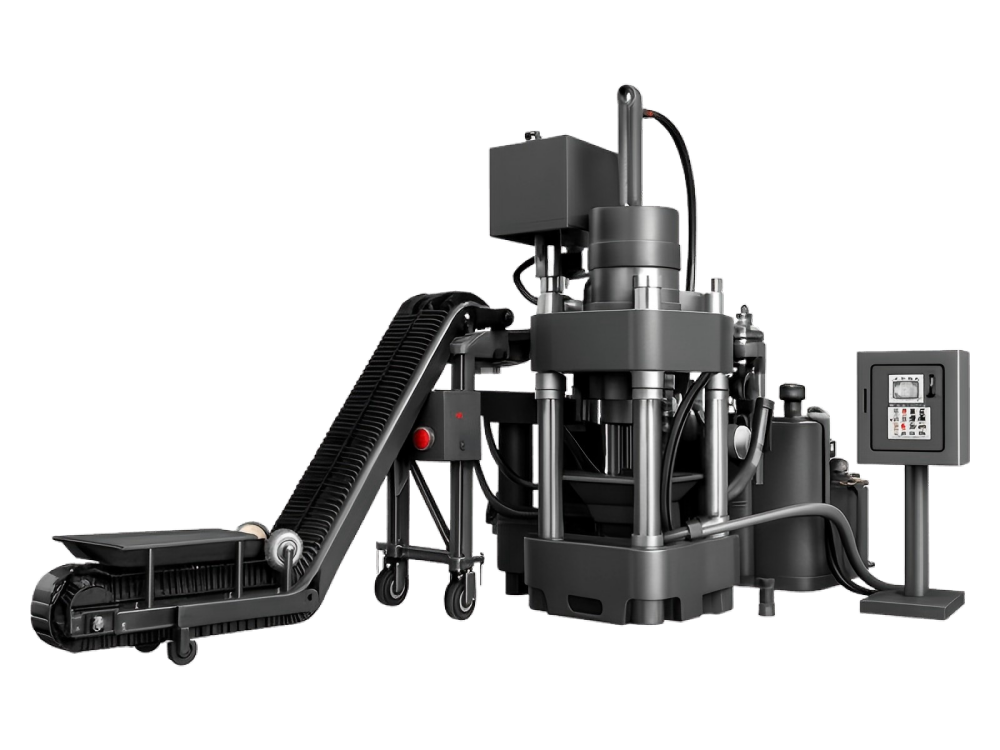
At the heart of every briquetting machine is the hydraulic power unit. This system must be capable of generating consistent, high-tonnage pressure to ensure the briquettes reach the required density. HARSLE machines utilize advanced hydraulic circuits that balance speed and power. The use of high-quality pumps and valves ensures that the machine can operate continuously in harsh industrial environments without overheating or losing pressure. The integration of oil cooling systems is also vital, as it maintains the viscosity of the hydraulic fluid, extending the life of the seals and components.
PLC Control and Automation
Modern scrap handling requires precision and ease of use. How hydraulic briquetting machines improve scrap metal handling is often tied to their level of automation. Integrated PLC (Programmable Logic Controller) systems, often from reputable brands like Siemens or Schneider, allow for fully automatic operation. Sensors detect when the hopper is full, trigger the compression cycle, and eject the finished briquette. This reduces the need for constant manual supervision, allowing operators to focus on other high-value tasks within the facility.
Material Compatibility and Die Design
Not all metals behave the same under pressure. Aluminum, for instance, is highly ductile and briquettes easily, whereas cast iron chips are brittle and require specific pressure profiles to form a stable block without crumbling. The design of the mold or ‘die’ is critical. High-strength, wear-resistant alloys are used for the compression chamber to withstand the abrasive nature of metal scrap. HARSLE provides customizable die sets to produce round, square, or octagonal briquettes depending on the end-user’s requirements or the specific melting furnace dimensions.
Frame Construction and Durability
The structural integrity of the machine is paramount. A briquetting machine undergoes millions of cycles of high-stress compression. HARSLE utilizes heavy-duty cast steel or thick-plate welded frames that are stress-relieved to prevent warping over time. A rigid frame ensures that the hydraulic cylinders remain perfectly aligned, which is essential for preventing uneven wear on the pistons and maintaining the quality of the briquettes over the machine’s multi-decade lifespan.
Selection Advice: Choosing the Right Machine
Assessing Your Scrap Volume
The first step in selecting a machine is determining your daily or monthly scrap output. Briquetting machines are rated by their hourly capacity (e.g., 500kg/h to 5000kg/h). It is generally advisable to choose a machine that can handle your peak production volume within a single shift. Overloading a small machine leads to premature wear, while an oversized machine may result in unnecessary energy consumption. HARSLE’s Y83 series offers a wide range of tonnages to match various industrial scales.
Material Type and Density Requirements
Different materials require different compression forces. For example, steel and copper require higher tonnage than aluminum to achieve a density that prevents the briquette from falling apart during transport. If you process multiple types of metal, you may need a machine with adjustable pressure settings or specialized feeding systems to prevent cross-contamination. Understanding the ‘bulk density’ of your loose scrap versus the ‘target density’ of the briquette is key to calculating the ROI of the machine.
Integration with Existing Workflows
Consider how the scrap will get to the machine. Will it be manually dumped into a hopper, or do you need a conveyor system? Many HARSLE machines can be equipped with screw feeders or belt conveyors to create a seamless link between the CNC machines and the briquetting press. Additionally, consider the discharge of the briquettes—do they need to be elevated into a bin or palletized? Planning the layout of the scrap handling area is as important as the machine itself.
Maintenance and After-Sales Support
Like any heavy industrial equipment, a hydraulic briquetting machine requires regular maintenance. Look for machines that offer easy access to wear parts like liners and seals. Choosing a manufacturer like HARSLE ensures that you have access to technical support and spare parts. A machine that is down for weeks due to a lack of parts quickly erodes the financial benefits of the briquetting process. Always check the warranty terms and the availability of local or remote technical assistance.
Frequently Asked Questions (FAQ)
1. How much can I expect to save by using a briquetting machine?
Savings come from three main areas: reduced transport costs (up to 80%), recovered coolants (up to 90% of trapped fluid), and higher scrap resale value (often 10-25% more than loose chips). Most high-volume facilities see a return on investment (ROI) within 12 to 24 months.
2. Can one machine handle different types of metal?
Yes, but it is important to clean the hopper and compression chamber between different materials to avoid contamination, especially if the scrap is being sold to foundries with strict alloy specifications. Some machines feature ‘quick-clean’ designs to facilitate this.
3. What is the typical lifespan of a HARSLE briquetting machine?
With proper maintenance, including regular oil changes and timely replacement of wear liners, these machines are built to last 15-20 years or more in a heavy industrial environment. The robust hydraulic components are designed for millions of cycles.
4. Do I need a special foundation for the machine?
While smaller models can often sit on a standard reinforced factory floor, larger, high-tonnage machines may require a dedicated concrete foundation to absorb vibrations and support the concentrated weight of the hydraulic press and the scrap hopper.
5. Is the briquetting process environmentally friendly?
Absolutely. It promotes recycling, reduces the carbon emissions associated with transporting bulky waste, and prevents hazardous cutting fluids from leaching into the environment. It is a key component of ‘Green Manufacturing’ initiatives.
Conclusion: The Future of Scrap Metal Handling
Understanding how hydraulic briquetting machines improve scrap metal handling is essential for any modern manufacturing facility looking to optimize its operations. These machines represent the perfect intersection of environmental responsibility and economic profitability. By transforming a messy, low-value byproduct into a clean, high-density raw material, manufacturers can significantly reduce their overheads while contributing to a more sustainable industrial ecosystem.
As global metal prices fluctuate and environmental regulations become more stringent, the ability to process scrap in-house becomes a strategic advantage. HARSLE continues to innovate in this space, offering hydraulic solutions that are more efficient, more automated, and more durable than ever before. Whether you are a small machine shop or a large-scale automotive manufacturer, the integration of a hydraulic briquetting machine is a proven way to turn your waste into wealth. Investing in this technology is not just an equipment purchase; it is a commitment to operational excellence and long-term sustainability in the competitive world of metal fabrication.