
Comprehensive Guide to Industrial Shredder Applications for Sheet Metal Scrap Collection

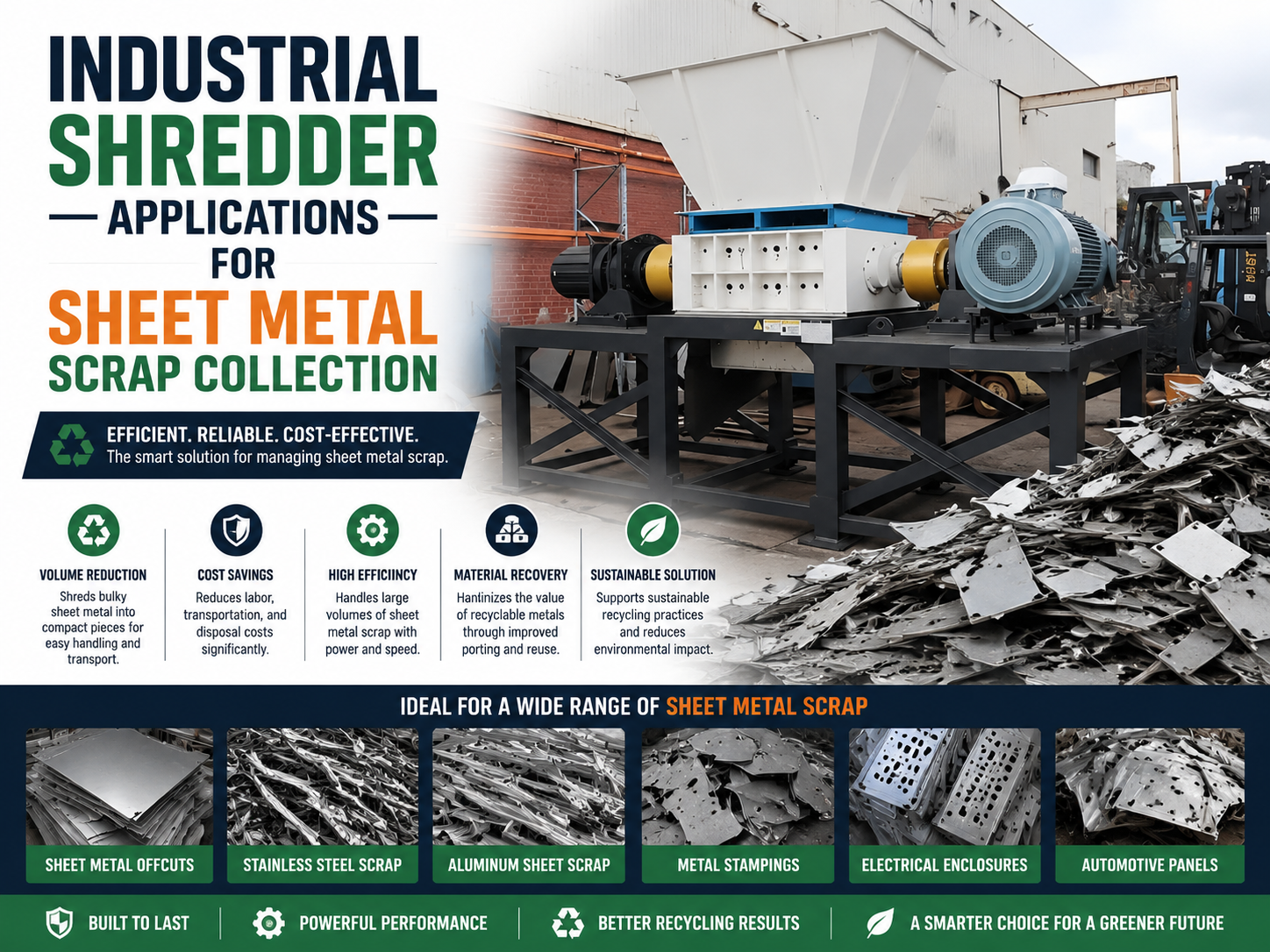
Introduction to Industrial Shredder Applications for Sheet Metal Scrap Collection
In the modern landscape of metal fabrication, the management of waste material is no longer a secondary concern; it is a critical component of operational efficiency and environmental stewardship. Industrial shredder applications for sheet metal scrap collection have evolved from simple volume reduction tools into sophisticated systems that drive profitability. As manufacturers strive for leaner operations, the ability to process sheet metal skeletons, offcuts, and stamping waste on-site has become a competitive advantage. HARSLE, a leader in metal processing machinery, provides the robust technology required to transform bulky, hazardous scrap into manageable, high-value raw material.
The primary challenge in sheet metal fabrication is the sheer volume of waste generated during processes like laser cutting, punching, and shearing. These ‘skeletons’ are often sharp, difficult to handle, and expensive to transport due to their low density. By implementing industrial shredder applications for sheet metal scrap collection, facilities can reduce the volume of their waste by up to 80%, significantly lowering logistics costs and improving safety for floor workers. This article explores the technical nuances, application scenarios, and strategic benefits of integrating high-performance shredders into the metal fabrication workflow.
Application Scenarios in Modern Manufacturing
Industrial shredder applications for sheet metal scrap collection are found across a diverse range of sectors. In the automotive industry, where high-speed stamping presses produce thousands of tons of steel and aluminum scrap daily, shredders are integrated directly into the production line. These machines handle the continuous flow of offcuts, ensuring that the production area remains clear of debris. The shredded material is then easily conveyed to silos or transport containers, facilitating a seamless transition from waste to recyclable asset.
Another significant scenario is in the HVAC and ductwork manufacturing sector. Here, large sheets of galvanized steel are cut into complex shapes, leaving behind irregular skeletons. Manually handling these pieces is labor-intensive and poses a high risk of injury. Industrial shredders designed for sheet metal can take these large, thin-gauge sheets and reduce them to uniform chips. This not only cleans up the shop floor but also allows the manufacturer to sell the scrap at a higher price point, as shredded metal is often preferred by smelters for its ease of melting and consistent density.
In general job shops and contract manufacturing, the versatility of industrial shredder applications for sheet metal scrap collection is paramount. These facilities often work with a variety of materials, including stainless steel, copper, and brass. A high-torque, low-speed shredder can handle these varying hardness levels without frequent blade changes. By centralizing scrap collection, these shops can optimize their floor space, turning areas previously used for scrap storage into productive manufacturing zones.
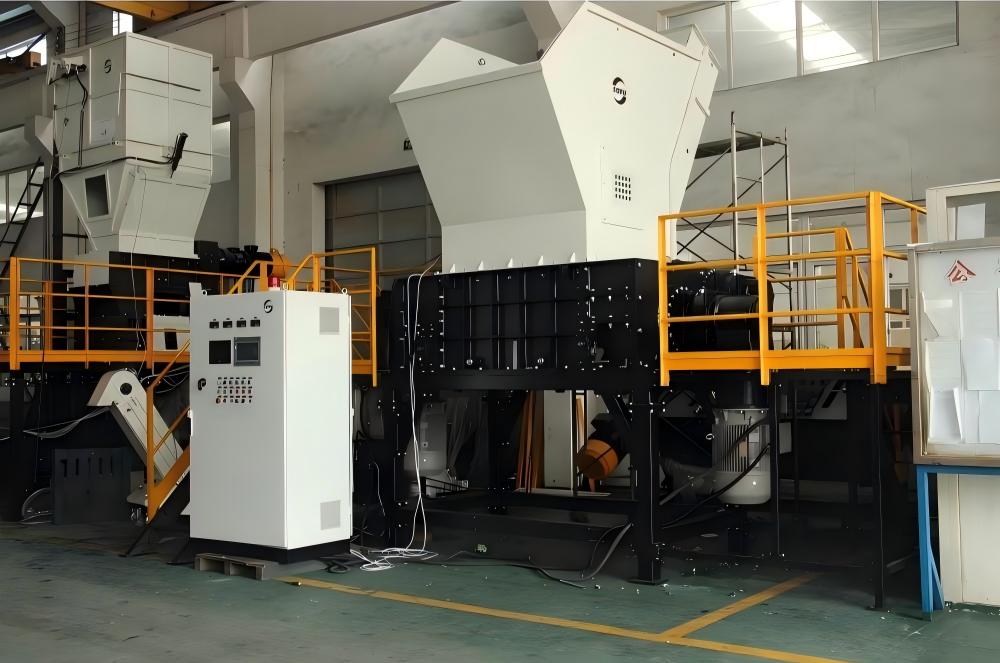
Material and Process Requirements
When considering industrial shredder applications for sheet metal scrap collection, understanding the material properties is essential. Sheet metal varies significantly in tensile strength and thickness. For instance, shredding 0.5mm aluminum requires a different approach than processing 3mm high-strength stainless steel. The shredder must be equipped with blades that can maintain a sharp edge against abrasive materials while possessing the toughness to resist chipping under high-impact loads.
The process requirements also dictate the type of shredder needed. If the goal is simply volume reduction for easier transport, a twin-shaft shredder is often sufficient. However, if the scrap must meet specific size requirements for a secondary process or a particular recycler’s standards, a four-shaft shredder or a shredder with an integrated screen might be necessary. The output size directly affects the bulk density of the scrap; smaller, more uniform pieces pack more tightly, maximizing the weight capacity of transport vehicles.
Contamination is another factor to consider. Sheet metal scrap often carries residual oils from stamping or protective plastic films from laser cutting. Industrial shredder applications for sheet metal scrap collection must account for these contaminants. The machine’s seals and bearings must be protected from fine metal dust and fluids, and the cutting chamber should be designed to prevent material buildup that could lead to overheating or mechanical failure. HARSLE machines are engineered with these challenges in mind, utilizing specialized alloys and sealing technologies to ensure longevity.
Recommended Machine Configuration
For effective industrial shredder applications for sheet metal scrap collection, the machine configuration must be tailored to the specific demands of the facility. HARSLE recommends a twin-shaft design for most sheet metal applications due to its high torque and ability to ‘grab’ large, flat sheets. The blades are typically made from high-alloy tool steel, such as D2 or SKD-11, which undergoes rigorous heat treatment to achieve the ideal balance of hardness and impact resistance.
The drive system is the heart of the shredder. For heavy-duty sheet metal processing, a hydraulic drive or a high-torque electric motor with a heavy-duty planetary gearbox is preferred. These systems provide the necessary force to shear through multiple layers of metal skeletons that might be fed into the hopper simultaneously. Furthermore, the inclusion of an intelligent PLC (Programmable Logic Controller) is vital. The PLC monitors the motor load and can automatically trigger a reverse cycle if a jam is detected, preventing damage to the blades and motor.
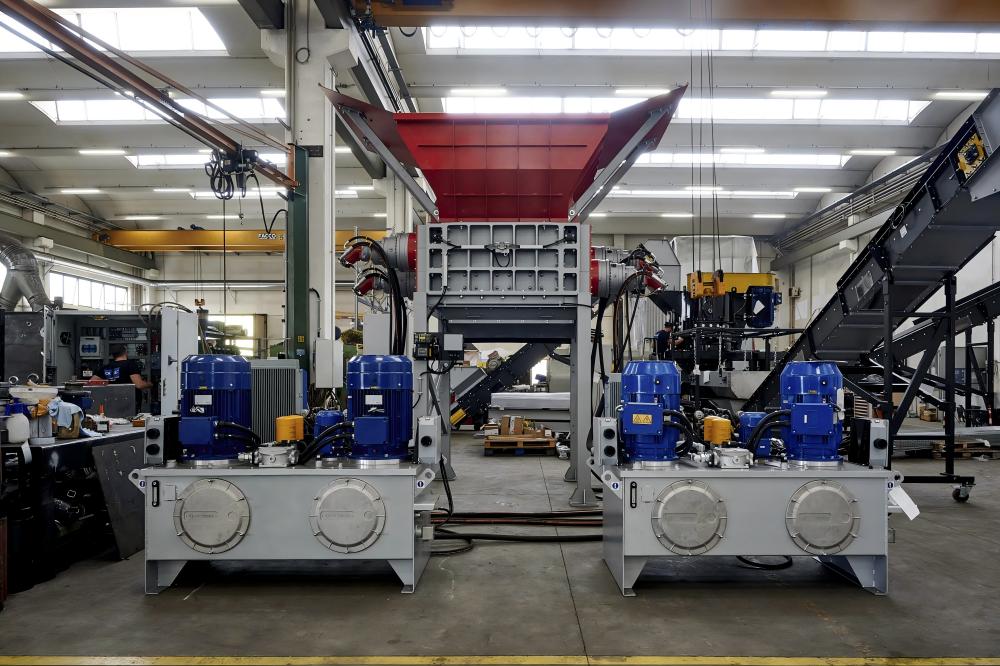
Hopper design is another critical configuration element. For sheet metal scrap, a wide-mouth hopper with a hydraulic pusher or ‘ram’ is often beneficial. This ensures that light, bulky skeletons are forced into the cutting blades rather than ‘bridging’ or floating on top of the shafts. Additionally, the discharge system—whether it be a belt conveyor, screw conveyor, or pneumatic suction—must be matched to the shredder’s throughput to prevent bottlenecks in the workflow.
Optimized Workflow for Scrap Collection
The integration of industrial shredder applications for sheet metal scrap collection into a factory’s workflow requires careful planning. The process typically begins at the point of generation. In a highly automated plant, scrap from the laser or punch press falls onto a sub-floor conveyor that leads directly to the shredder’s hopper. This ‘closed-loop’ approach eliminates the need for manual handling and keeps the production area pristine.
Once the material enters the shredder, the shearing action of the counter-rotating shafts reduces the metal to smaller fragments. For facilities that process mixed metals, the workflow may include a post-shredding separation phase. Magnetic separators can be installed over the discharge conveyor to pull out ferrous metals, while eddy current separators can be used to isolate non-ferrous materials like aluminum and copper. This automated sorting adds significant value to the collected scrap.
The final stage of the workflow is the collection and storage of the shredded material. Because the material is now uniform and dense, it can be stored in smaller bins or even briquetted for even higher density. This streamlined workflow not only reduces the labor required for waste management but also provides real-time data on scrap generation rates, which can be used to optimize material nesting and reduce overall raw material consumption.
Productivity and Economic Benefits
The economic justification for industrial shredder applications for sheet metal scrap collection is compelling. The most immediate benefit is the reduction in transportation costs. By increasing the bulk density of the scrap, a company can fit significantly more weight into a single truckload. In many cases, this reduces the number of required scrap pickups by 60% to 80%, leading to direct savings in logistics fees and a reduction in the facility’s carbon footprint.
Furthermore, shredded scrap commands a premium price in the recycling market. Recyclers and smelters prefer shredded material because it is easier to handle, samples more accurately for metallurgical content, and melts more efficiently in furnaces. By performing the shredding in-house, the manufacturer captures the value-add that would otherwise go to a scrap yard. The ROI (Return on Investment) for a HARSLE industrial shredder is often realized within 12 to 24 months, depending on the volume of scrap processed.
Beyond the direct financial gains, there are significant productivity benefits. A cleaner workspace is a safer and more efficient workspace. Removing bulky skeletons from the floor reduces trip hazards and the risk of cuts from sharp edges. It also frees up valuable floor space that can be used for additional production machinery or inventory storage. In an era where industrial space is at a premium, the ability to minimize the footprint of waste management is a major operational advantage.
Case Example: Automotive Component Manufacturer
Consider a mid-sized automotive component manufacturer that produces thousands of galvanized steel brackets daily. Before implementing industrial shredder applications for sheet metal scrap collection, the facility struggled with large, tangled piles of skeleton scrap. These piles required two full-time employees to manage, manually cutting the skeletons into smaller pieces so they could fit into standard scrap bins. The bins were emptied three times a day, leading to high traffic of forklifts and external trucks.
After installing a HARSLE twin-shaft shredder integrated with an under-floor conveyor system, the manufacturer saw an immediate transformation. The scrap was automatically conveyed from the presses to the shredder, where it was reduced to 2-inch chips. These chips were then blown into an outdoor silo. The need for manual labor was eliminated, and the scrap truck now only needs to visit the site once every four days. The manufacturer reported a 30% increase in the value of their scrap and a significant improvement in overall plant safety and morale.
Frequently Asked Questions (FAQ)
What is the typical lifespan of shredder blades in sheet metal applications?
The lifespan of blades depends heavily on the material being shredded and the maintenance schedule. For standard mild steel, blades can last several thousand hours before requiring sharpening or replacement. Harder materials like stainless steel will shorten this interval. HARSLE uses high-grade tool steels to maximize blade life and offers easy-access designs for quick blade rotation or replacement.
Can one shredder handle different types of metal?
Yes, industrial shredder applications for sheet metal scrap collection are designed to be versatile. However, it is important to adjust the speed and torque settings for different materials. Processing very thin aluminum and thick stainless steel on the same machine is possible, but the blade gap and hook profile should be optimized for the most common material in your waste stream.
How much noise does an industrial shredder produce?
Low-speed, high-torque shredders are significantly quieter than high-speed hammer mills. While there is still noise from the metal shearing process, HARSLE shredders are designed with vibration-dampening mounts and can be equipped with sound-attenuating enclosures to meet strict factory noise regulations.
What maintenance is required for a sheet metal shredder?
Regular maintenance includes lubricating bearings, checking gearbox oil levels, and inspecting blade wear. It is also crucial to ensure that the ‘cleaning fingers’ or scrapers are properly adjusted to prevent material from wrapping around the shafts. Most HARSLE machines feature automated lubrication systems to simplify this process.
Is it better to have a centralized shredder or multiple small units?
This depends on your plant layout. Centralized shredding is often more cost-effective for maintenance and power consumption, but it requires a robust conveyor system. Multiple smaller units at the point of generation eliminate the need for long conveyors but increase the number of machines to maintain. HARSLE can help analyze your workflow to determine the best configuration.
Conclusion and Call to Action
Industrial shredder applications for sheet metal scrap collection represent a vital investment for any forward-thinking metal fabrication facility. By turning a waste product into a streamlined resource, companies can reduce costs, improve safety, and enhance their environmental profile. HARSLE’s range of industrial shredders is engineered to meet the rigorous demands of the metal industry, providing the durability and performance needed to handle the toughest scrap challenges.
Ready to optimize your scrap management process? Contact HARSLE today to speak with our technical experts. We can provide a detailed analysis of your material stream and recommend a custom shredding solution that fits your specific needs and budget. Transform your waste into profit with HARSLE’s industry-leading shredding technology.












