Comprehensive Guide to Scrap Metal Shear Applications for Reducing Transport Volume of Scrap

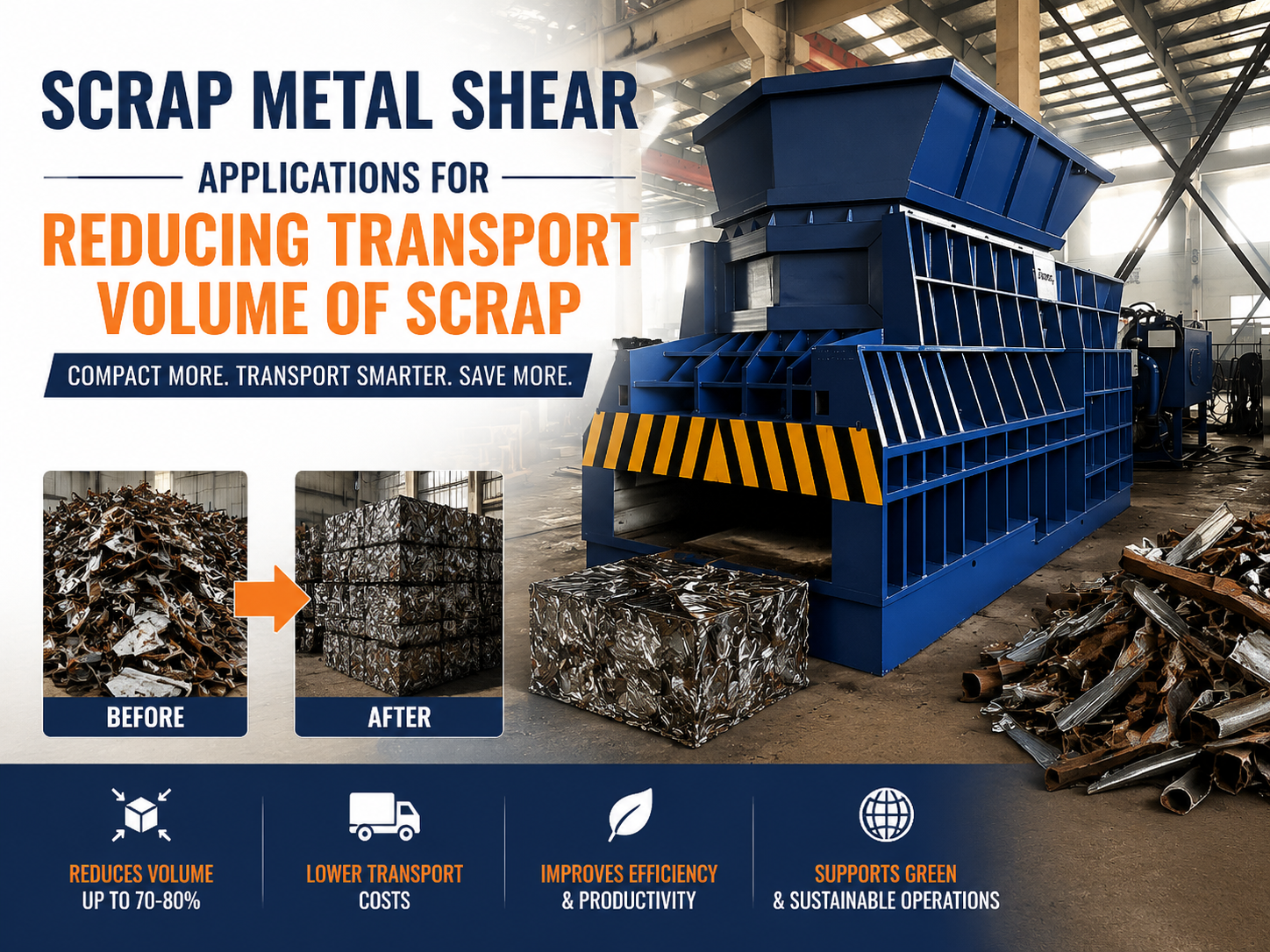
Introduction to Scrap Metal Shear Applications for Reducing Transport Volume of Scrap
In the modern industrial landscape, the efficiency of the recycling supply chain is heavily dependent on logistics. One of the most significant challenges faced by scrap yards, demolition contractors, and metal fabrication facilities is the sheer bulk of unprocessed metal waste. Unprocessed scrap, such as structural steel beams, automotive frames, and decommissioned industrial machinery, occupies a vast amount of space while offering relatively low density. This leads to the inefficient ‘transportation of air,’ where trucks and shipping containers reach their volume capacity long before they reach their weight limit. This is where scrap metal shear applications for reducing transport volume of scrap become indispensable.
By utilizing high-force hydraulic shearing technology, industrial facilities can transform oversized, irregular metal pieces into uniform, high-density segments. This process not only facilitates easier handling but also maximizes the payload of every transport vehicle. HARSLE, a leader in metal fabrication machinery, provides advanced shearing solutions designed to meet the rigorous demands of the global recycling industry. In this guide, we will explore the various applications, technical requirements, and productivity benefits of integrating scrap metal shears into your waste management workflow.
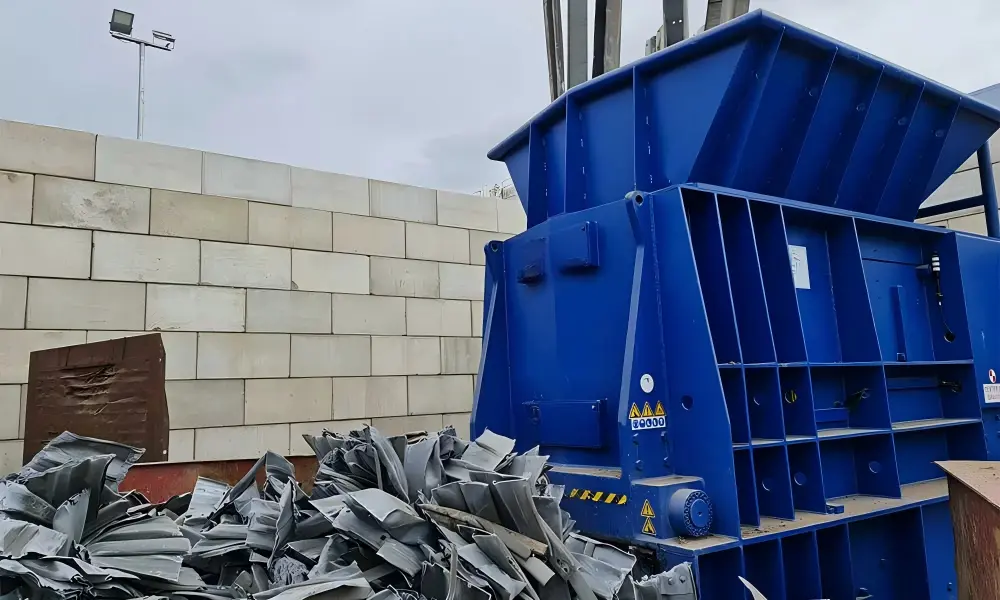
Application Scenarios for Scrap Metal Shears
1. Large-Scale Demolition Sites
Demolition projects generate massive quantities of structural steel, rebar, and piping. Transporting these materials in their original state is logistically a nightmare and economically unfeasible. Scrap metal shear applications for reducing transport volume of scrap allow demolition crews to process materials on-site. Mobile or stationary shears can quickly cut long I-beams and heavy pipes into manageable lengths that fit perfectly into standard dump trucks or roll-off containers. This on-site processing significantly reduces the number of trips required to clear a site, lowering fuel costs and carbon emissions.
2. Automotive Dismantling and Recycling
The automotive recycling industry deals with complex shapes and high-strength alloys. Once a vehicle has been stripped of its valuable components and fluids, the remaining chassis is a bulky skeleton. Using a scrap metal shear, recyclers can flatten and cut these frames into dense blocks. This application is critical for maximizing the efficiency of transport to secondary shredders or smelting facilities. By reducing the volume of the chassis, a single flatbed can carry three to four times more material than it could with unprocessed frames.
3. Shipbreaking and Marine Salvage
Shipbreaking involves the dismantling of massive vessels, which are essentially giant floating structures of steel and non-ferrous metals. The scale of the material is often beyond the capacity of standard manual cutting tools. Heavy-duty gantry shears and container shears are employed to slice through thick hull plates and internal structural ribs. The primary goal here is to convert the ship’s massive components into ‘foundry-ready’ scrap, which is much easier to transport via rail or sea freight to steel mills.
4. Industrial Manufacturing Waste Management
Factories involved in heavy machinery manufacturing, aerospace, or construction equipment production often generate significant ‘off-cuts’ and skeletal waste from CNC cutting processes. While this scrap is high-quality, its irregular shape makes it difficult to store and transport. Implementing a scrap metal shear within the factory’s waste management zone allows for immediate volume reduction. This ensures that the scrap collection bins are filled with solid metal rather than empty space, optimizing the collection schedule and increasing the rebate value from scrap dealers.
Material and Process Requirements
To successfully implement scrap metal shear applications for reducing transport volume of scrap, it is essential to understand the material characteristics and the technical requirements of the shearing process. Not all scrap is created equal, and the machinery must be matched to the specific demands of the material.
- Material Type and Hardness: Shears are designed to handle a variety of metals, including carbon steel, stainless steel, aluminum, and copper. However, the tensile strength of the material dictates the required shearing force. For example, HMS 1 and HMS 2 (Heavy Melting Scrap) require significantly more pressure than light gauge aluminum siding.
- Thickness and Geometry: The ‘throat’ opening of the shear and the blade length must accommodate the largest pieces of scrap. For structural beams, the shear must have enough force to penetrate the thickest part of the flange.
- Density Targets: The ultimate goal of volume reduction is to reach a specific bulk density (measured in kg/m³ or lb/ft³). For international shipping, scrap often needs to be processed to meet ‘container-ready’ specifications, ensuring the container hits its 25-28 ton weight limit.
- Blade Maintenance: The process requires high-quality, hardened tool steel blades. Regular rotation and sharpening are necessary to maintain clean cuts and prevent the machine from overworking due to dull edges.
| Material Category | Typical Thickness | Required Shear Force (Tons) | Volume Reduction Ratio |
|---|---|---|---|
| Light Mixed Scrap | 1-4 mm | 200 – 400 | 5:1 |
| Structural Steel (I-Beams) | 10-25 mm | 600 – 1000 | 3:1 |
| Heavy Plate / Ship Scrap | 25-50 mm+ | 1250 – 2000 | 2:1 |
| Rebar Bundles | Variable | 500 – 800 | 4:1 |
Recommended Machine Configuration
Choosing the right machine is the most critical step in optimizing scrap metal shear applications for reducing transport volume of scrap. HARSLE offers several configurations tailored to different operational scales.
Container Shears (The Modern Standard)
Container shears are increasingly popular because they are self-contained and often semi-mobile. They feature a large feeding hopper where scrap is loaded. A hydraulic ‘pre-compression’ lid or side ram squeezes the scrap into a dense log before the horizontal shear blade cuts it to the desired length. This configuration is ideal for high-volume yards that need to process a mix of light and heavy scrap quickly.
Gantry Shears (Heavy Duty)
For the most demanding applications, such as processing heavy HMS or large castings, gantry shears are the gold standard. These are massive, stationary machines with vertical shearing actions. They offer the highest shearing forces (often exceeding 1000 tons) and are designed for 24/7 operation in large-scale recycling hubs. They usually include a long charging box and a sophisticated hydraulic system to handle the shock loads of heavy cutting.
Alligator Shears (Manual/Small Scale)
While not suitable for massive volume reduction of structural steel, alligator shears are perfect for ‘cleaning’ scrap or processing smaller, long items like pipes and cables. They are often used as a secondary tool in a larger facility to prepare specific materials for the main shear or to remove non-metallic attachments from metal parts.
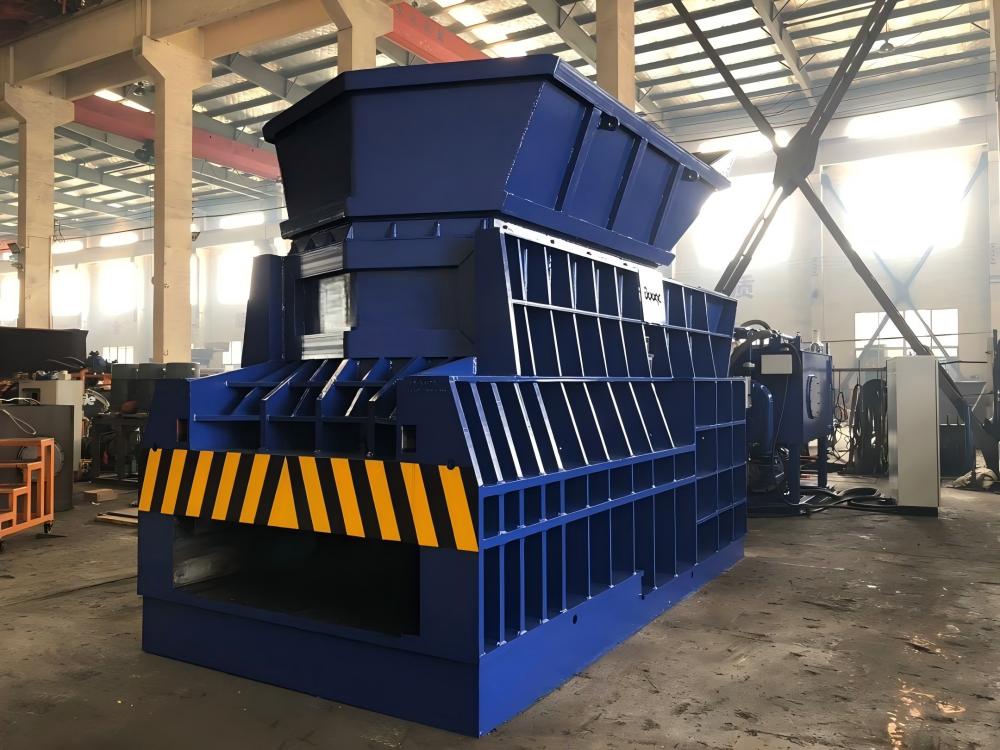
Workflow: From Bulky Waste to Dense Payload
The efficiency of scrap metal shear applications for reducing transport volume of scrap depends on a streamlined workflow. A well-organized process ensures the machine is always running at peak capacity.
- Collection and Sorting: Scrap is gathered and sorted by material type. Removing non-metallic contaminants at this stage prevents damage to the shear blades and increases the value of the final product.
- Loading: Using a grapple crane or a magnet, the operator loads the scrap into the shear’s charging box. It is vital to distribute the load evenly to ensure the compression rams can work effectively.
- Compression: The machine engages its hydraulic wings or lids. This ‘pre-compression’ stage is where the initial volume reduction happens. The bulky scrap is crushed into a dense ‘log’ or ‘bale’ shape.
- Shearing: The compressed material is pushed forward by a pusher ram toward the shearing head. The blade descends (or moves horizontally), cutting the log into uniform lengths (e.g., 40cm to 60cm).
- Discharge and Loading: The cut scrap falls onto a conveyor or into a collection pit. From here, it is loaded directly into transport containers or trucks. Because the pieces are uniform and dense, they settle into the container with minimal voids.
Productivity and Economic Benefits
The primary driver for investing in scrap metal shear applications for reducing transport volume of scrap is the significant return on investment (ROI) through logistics savings and material value enhancement.
- Reduced Freight Costs: By increasing the density of the scrap, you can fit more weight into fewer trucks. If you can double the density of your loads, you effectively halve your transport costs. In the scrap industry, where margins are tight, this can be the difference between profit and loss.
- Higher Material Grade: Steel mills prefer ‘short’ scrap because it is easier to handle in their furnaces and melts more efficiently. Processed scrap often commands a higher price per ton (e.g., HMS 1 vs. Unprepared Scrap) because the mill doesn’t have to do the processing themselves.
- Labor Efficiency: Automated container shears require minimal personnel. One crane operator can manage the entire feeding and shearing process, replacing a team of workers using manual oxy-fuel torches, which are slow, dangerous, and expensive in terms of gas consumption.
- Environmental Impact: Fewer truck trips mean a lower carbon footprint. Additionally, shearing is a ‘cold’ process, unlike torch cutting, which releases fumes and consumes fossil fuels. This makes shearing a much greener alternative for modern industrial standards.
Case Example: Maximizing Logistics for a Regional Recycler
A regional recycling center in Eastern Europe was struggling with the high cost of transporting structural steel scrap to a port 300 kilometers away. They were using standard flatbed trucks, and due to the awkward shapes of the beams, they could only load about 12 tons per truck, despite the trucks having a 25-ton capacity.
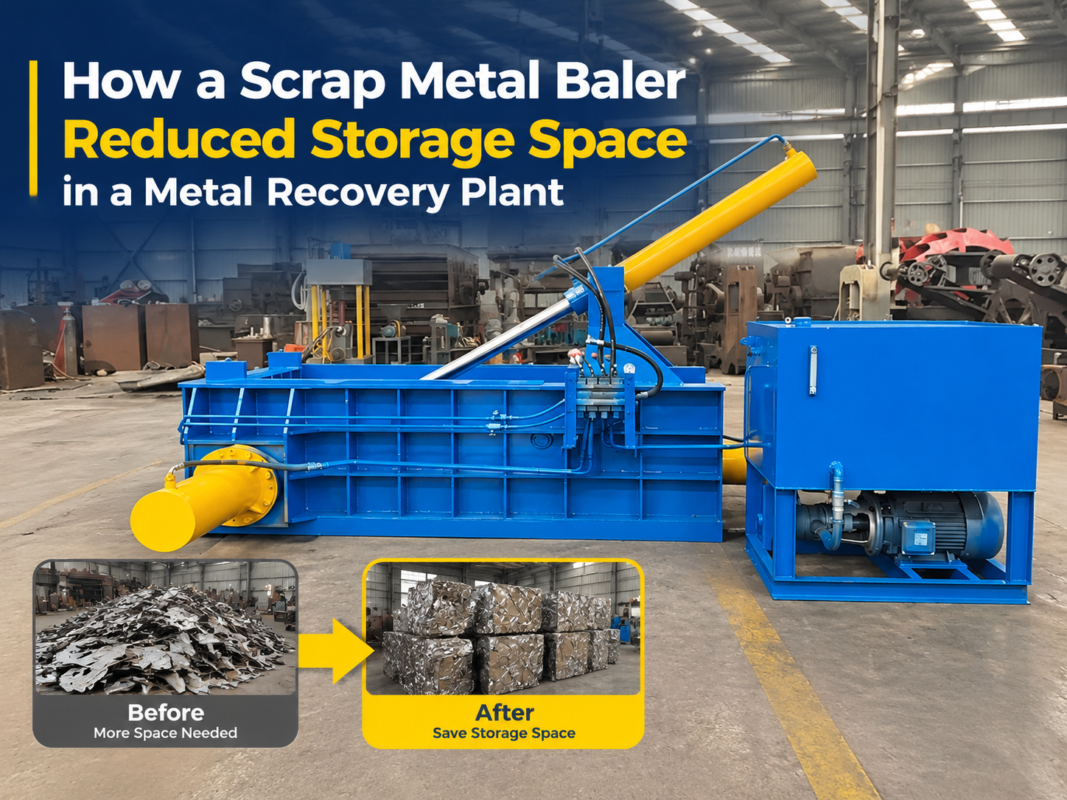
After implementing a HARSLE 600-ton container shear, the facility began processing all structural steel into 50cm lengths. The density of the scrap increased from approximately 250 kg/m³ to over 800 kg/m³. This allowed them to load the full 25-ton capacity on every truck. Within six months, the company reported a 45% reduction in transport costs and a 15% increase in the sale price of their scrap due to the improved grade. The machine effectively paid for itself within the first year of operation.
Frequently Asked Questions (FAQ)
What is the average lifespan of shear blades?
The lifespan of blades depends heavily on the material being cut. For standard carbon steel, a set of high-quality blades can last between 2,000 and 5,000 tons before needing to be rotated or reground. Most HARSLE shears feature four-sided blades, allowing you to rotate them three times before a full replacement is needed.
Can a scrap shear handle stainless steel?
Yes, but stainless steel is significantly harder and more abrasive than mild steel. When processing stainless steel, it is recommended to use a shear with a higher force rating and specialized heavy-duty blades to prevent premature wear and ensure clean cuts.
How much space is required for a container shear installation?
A typical container shear requires a reinforced concrete pad of approximately 15 x 10 meters, including space for the loading crane and the discharge pile. Because they are self-contained, they do not require the extensive foundation work that older gantry shears often needed.
Is it better to use a mobile or stationary shear?
Stationary shears generally offer higher force and better durability for high-volume, 24/7 operations. Mobile shears (mounted on excavators) offer flexibility for moving around a large site or between different job sites but typically have lower throughput and higher maintenance costs per ton of material processed.
Conclusion: Optimize Your Scrap Logistics with HARSLE
In an era where operational efficiency and sustainability are paramount, scrap metal shear applications for reducing transport volume of scrap offer a clear path to increased profitability. By transforming bulky, low-value waste into dense, high-value raw materials, businesses can drastically reduce their logistics overhead and improve their standing in the global recycling market.
HARSLE is committed to providing the recycling industry with robust, high-performance shearing solutions. Our machines are engineered for durability, ease of maintenance, and maximum shearing force. Whether you are a small yard looking to optimize your local transport or a large-scale industrial recycler aiming for international export, HARSLE has the expertise and the equipment to help you succeed. Contact us today to discuss your specific material requirements and find the perfect shear for your operation.