Scrap Metal Shear Applications in End-of-Life Equipment Recycling: A Comprehensive Guide

Introduction to End-of-Life Equipment Recycling
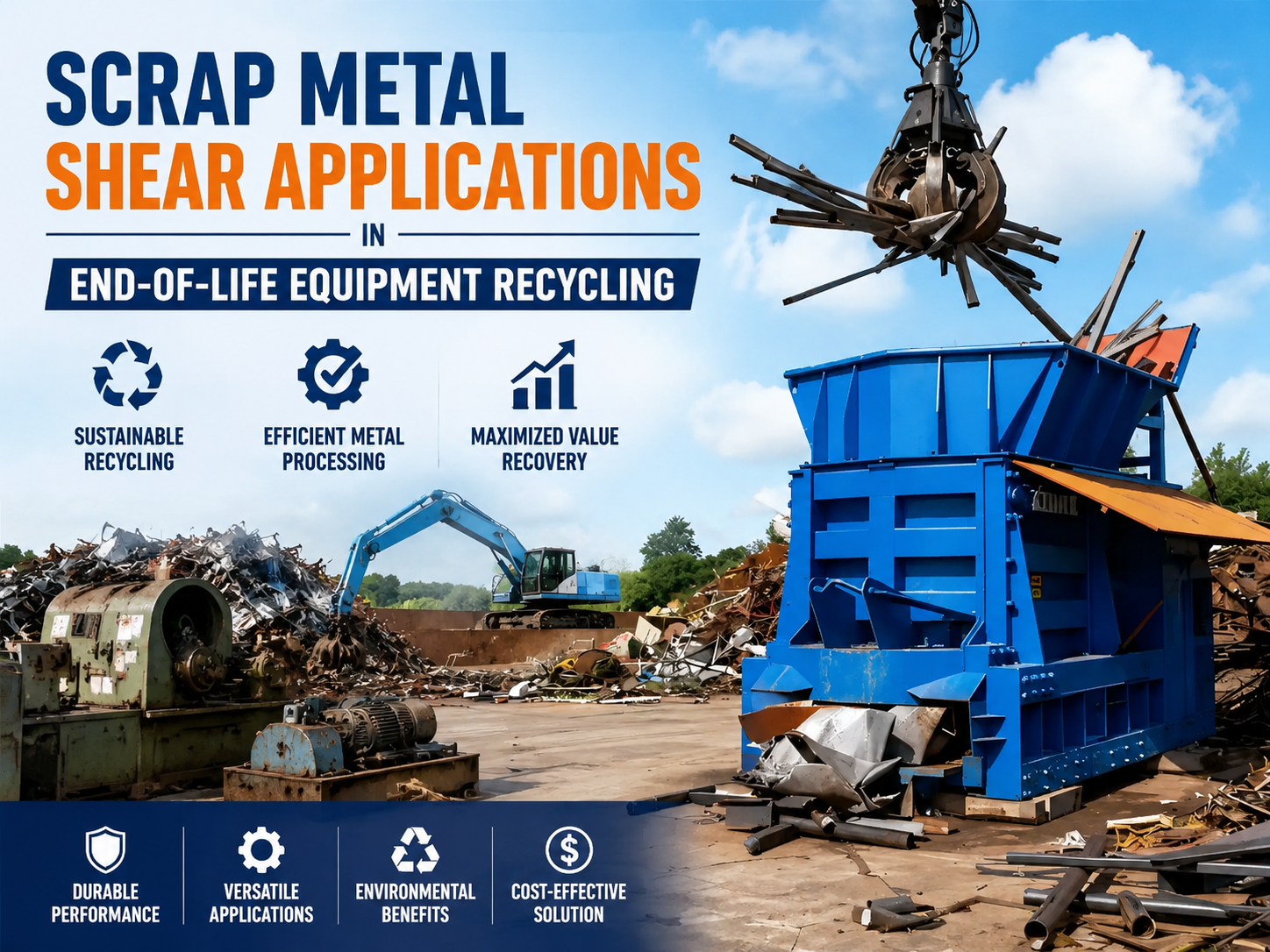
In the modern industrial landscape, the concept of the circular economy has transitioned from a theoretical ideal to a practical necessity. End-of-life (EOL) equipment—ranging from decommissioned factory machinery and obsolete automotive fleets to structural steel from demolished buildings—represents a massive reservoir of valuable raw materials. However, the challenge lies in the efficient recovery and processing of these materials. This is where Scrap Metal Shear Applications In End-Of-Life Equipment Recycling become indispensable. Without high-performance shearing technology, the cost of transporting and smelting oversized, irregular metal structures would be prohibitively high.
HARSLE, a leader in metal fabrication machinery, provides the robust hydraulic solutions required to transform bulky industrial waste into furnace-ready scrap. The process of recycling EOL equipment is not merely about disposal; it is about precision size reduction and material separation. By utilizing advanced scrap metal shears, recycling facilities can significantly increase their throughput, reduce labor costs, and ensure that the final product meets the strict quality standards of modern foundries and steel mills.
Application Scenarios for Scrap Metal Shears
1. Automotive and Transportation Decommissioning
The automotive industry is one of the largest contributors to the scrap metal market. When vehicles reach the end of their service life, they are stripped of fluids and hazardous materials, leaving behind a complex assembly of steel, aluminum, and alloys. Scrap metal shears are used to cut chassis frames, engine blocks, and body panels into manageable sizes. Heavy-duty gantry shears are particularly effective here, as they can process multiple vehicle frames simultaneously, ensuring a continuous flow of material for secondary sorting.
2. Industrial Machinery and Factory Dismantling
Old manufacturing plants often house massive equipment such as lathes, presses, boilers, and conveyor systems. These machines are typically made of thick-gauge carbon steel or cast iron. Scrap metal shears are employed on-site or at recycling centers to break down these oversized components. The ability to shear through heavy I-beams and thick plates is essential for clearing factory floors and preparing the metal for the melting process. This application requires shears with high cutting forces, often exceeding 500 to 1000 tons.
3. Structural Steel and Demolition Waste
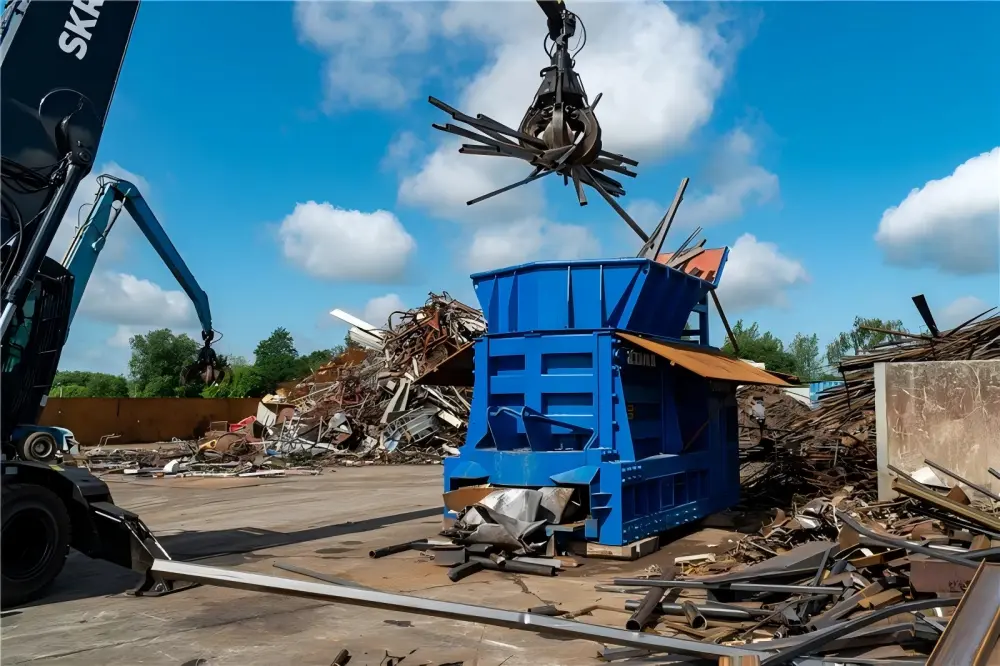
Demolition projects generate vast amounts of structural steel, including rebar, girders, and trusses. These materials are often awkward to transport due to their length and shape. Scrap metal shears, especially mobile or containerized units, allow demolition contractors to process the steel directly at the site. By cutting the steel into standard lengths (typically 2 feet or 3 feet), the density of the load is increased, which optimizes logistics and reduces the carbon footprint associated with transportation.
4. Shipbreaking and Marine Salvage
The maritime industry produces some of the most challenging scrap metal. Ship hulls and internal structures are designed for extreme durability, often featuring reinforced steel plates. Scrap metal shears used in shipbreaking must be capable of handling high-tensile materials and thick sections. Gantry-style shears are the preferred choice in these scenarios due to their massive throat capacity and the ability to handle the sheer volume of metal recovered from a single vessel.
Material and Process Requirements
Material Diversity and Hardness
End-of-life equipment is rarely composed of a single metal type. A typical recycling stream may include mild steel, stainless steel, aluminum, copper, and various alloys. Each material has different shear strengths and ductility. For instance, stainless steel is significantly harder to cut than mild steel and can cause faster wear on the shear blades. Therefore, the scrap metal shear must be equipped with high-quality, hardened tool steel blades that can maintain an edge under diverse loading conditions.
Size and Density Specifications
The primary goal of shearing in EOL recycling is to achieve a specific “charge size” for the furnace. Steel mills have strict requirements for the dimensions of the scrap they purchase. If the scrap is too large, it won’t fit in the charging bucket; if it is too light or “fluffy,” it reduces the efficiency of the melt. Scrap metal shears must be adjustable to produce consistent lengths, ensuring the final product is high-density and high-value.
Contamination and Pre-Processing
Before shearing, EOL equipment often requires pre-processing to remove non-metallic contaminants such as rubber, plastic, and glass. While the shear itself is robust, excessive non-metallic debris can interfere with the hydraulic system or contaminate the metal grade. The process requires a balance between speed and purity, where the shear acts as the final mechanical step before the metal is categorized by grade (e.g., HMS 1 or HMS 2).
Recommended Machine Configuration
Choosing the right machine configuration is critical for maximizing the ROI in EOL equipment recycling. HARSLE offers several configurations tailored to different operational scales.
Gantry Scrap Shears (Q91 Series)
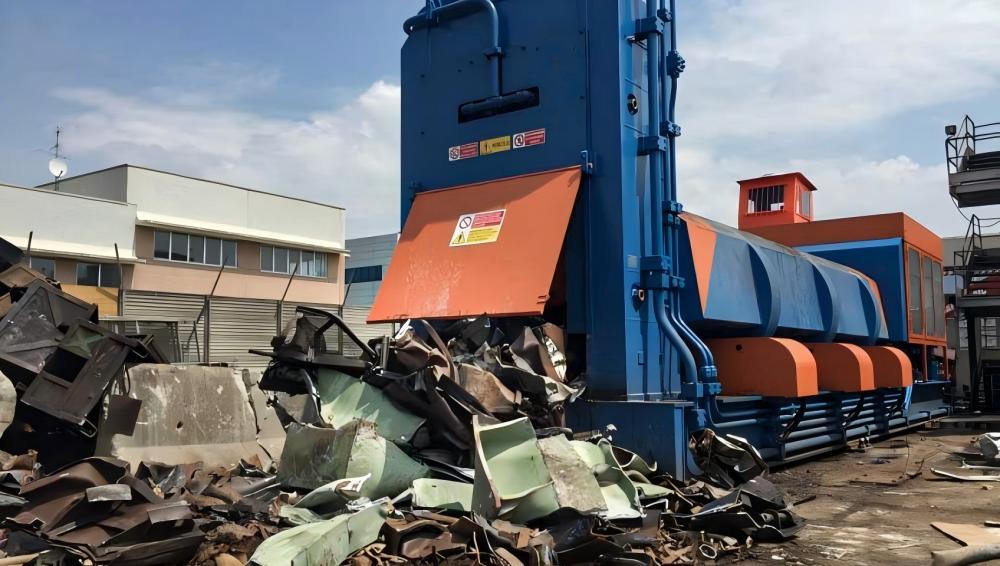
For high-volume recycling centers, the Gantry Shear is the gold standard. These machines feature a vertical cutting action and a large hopper that can be loaded by a crane or grapple. They are designed for continuous operation and can handle the heaviest sections of EOL equipment. Key features include automatic lubrication systems, PLC control for automated cycles, and heavy-duty hydraulic cylinders that provide consistent pressure throughout the stroke.
Alligator Shears (Q43 Series)
Alligator shears are ideal for smaller-scale operations or for secondary cleaning of scrap. They are named for their jaw-like motion and are perfect for cutting pipes, profiles, and smaller machinery parts. While they lack the massive throughput of gantry shears, their versatility and lower footprint make them essential for sorting and refining different metal types within a recycling facility.
Container Shears
Container shears are a modern solution for mobile recycling. These units are built into a frame that fits the dimensions of a standard shipping container, making them easy to transport between job sites. They are particularly useful for EOL equipment recycling at remote locations or temporary demolition sites, providing gantry-like power in a portable format.
Workflow of EOL Equipment Recycling
- Collection and Inspection: EOL equipment is collected and inspected for hazardous materials (e.g., oils, batteries, asbestos).
- Dismantling and Sorting: Large assemblies are partially dismantled. Non-metallic components are removed, and metals are sorted into ferrous and non-ferrous categories.
- Feeding the Shear: The sorted metal is loaded into the shear’s feeding bed or hopper. In automated systems, a vibrating feeder or a hydraulic pusher moves the material toward the blades.
- The Shearing Process: The hydraulic press hold-down secures the material to prevent shifting, and the shear blade descends to cut the metal into the programmed lengths.
- Discharge and Transport: The processed scrap is discharged via a conveyor belt or chute into a collection bin, ready for transport to the foundry.
Productivity Benefits of Advanced Shearing
1. Significant Reduction in Labor Costs
Manual cutting using torches is slow, dangerous, and requires highly skilled labor. Automated scrap metal shears can do the work of a dozen workers in a fraction of the time. By automating the Scrap Metal Shear Applications In End-Of-Life Equipment Recycling, companies can reallocate their workforce to higher-value tasks like material grading and logistics management.
2. Enhanced Material Value
Sheared scrap is worth more than unprocessed “light iron” or oversized machinery. By reducing the size and increasing the density of the scrap, recyclers can command higher prices from steel mills. Furthermore, the clean, mechanical cut of a shear is often preferred over torch-cut scrap, which may have slag or oxidation on the edges.
3. Operational Safety
Safety is a paramount concern in metal recycling. Modern hydraulic shears are equipped with safety cages, emergency stop buttons, and remote control capabilities. This removes the operator from the immediate vicinity of the cutting action, drastically reducing the risk of accidents compared to manual dismantling methods.
4. Environmental Impact
Recycling steel requires 75% less energy than producing it from iron ore. By making the recycling of EOL equipment more efficient, scrap metal shears play a direct role in reducing global CO2 emissions. Efficient shearing also ensures that more metal is recovered and less ends up in landfills.
Case Example: Factory Decommissioning Project
A large automotive parts manufacturer in Europe recently decommissioned a 30-year-old production line. The project involved over 2,000 tons of heavy steel structures, hydraulic presses, and conveyor systems. Initially, the contractor considered using oxygen-fuel torches for dismantling, but the projected timeline was six months.
By implementing a HARSLE Q91 Series Gantry Shear on-site, the contractor was able to process the material in just eight weeks. The shear handled I-beams up to 500mm and steel plates 40mm thick with ease. The processed scrap was loaded directly into containers and sold as premium HMS 1 grade scrap. The project not only finished ahead of schedule but also generated 20% more revenue from scrap sales than originally estimated, covering the cost of the machinery within the first few months of operation.
Frequently Asked Questions (FAQ)
What is the typical lifespan of scrap metal shear blades?
The lifespan of blades depends heavily on the material being cut. For standard mild steel, blades can last for several hundred hours of operation before needing to be rotated or reground. Most HARSLE shears feature four-sided blades, allowing the operator to flip the blade to a new edge three times before a full replacement is necessary.
Can scrap metal shears handle non-ferrous metals like aluminum?
Yes, scrap metal shears are excellent for non-ferrous metals. In fact, because aluminum and copper are softer than steel, the shear can often process these materials at higher speeds with less wear on the hydraulic system. This is vital for EOL equipment like heat exchangers and electrical transformers.
How do I choose between a gantry shear and an alligator shear?
The choice depends on your volume and the size of the material. If you are processing more than 5 tons of scrap per hour or dealing with very large structures, a gantry shear is necessary. For smaller volumes, or if you need to precisely clean and sort different types of scrap, an alligator shear is more cost-effective.
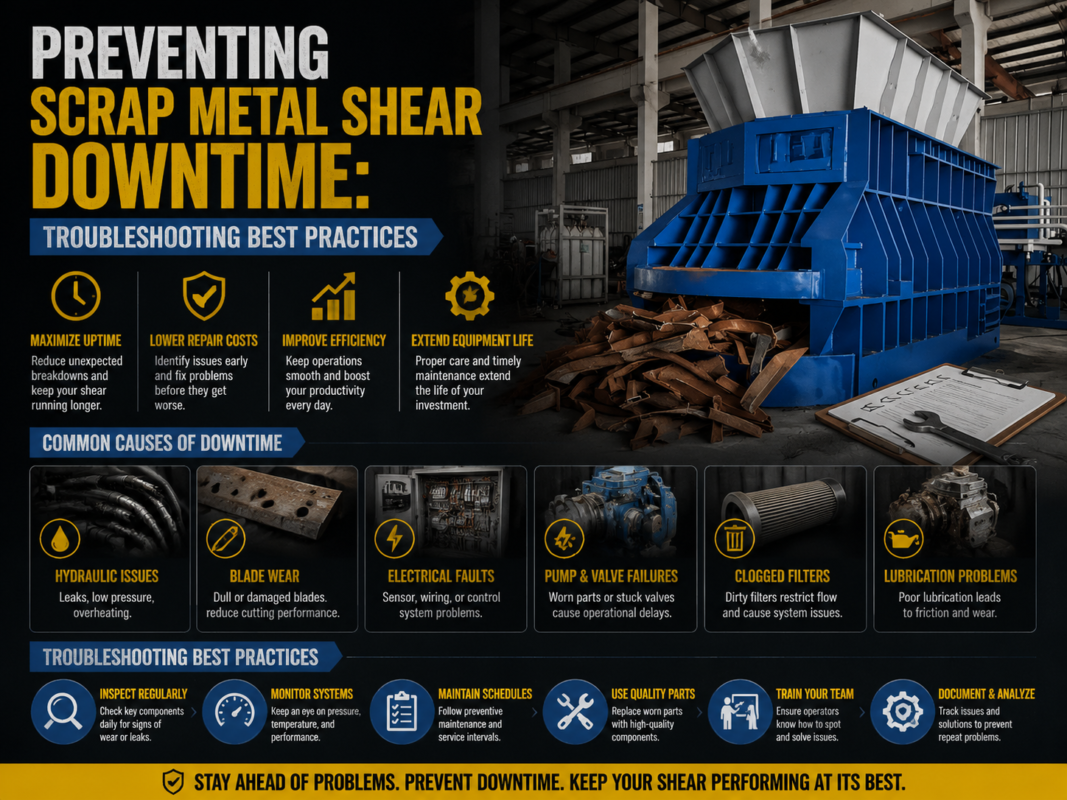
What maintenance is required for a hydraulic scrap shear?
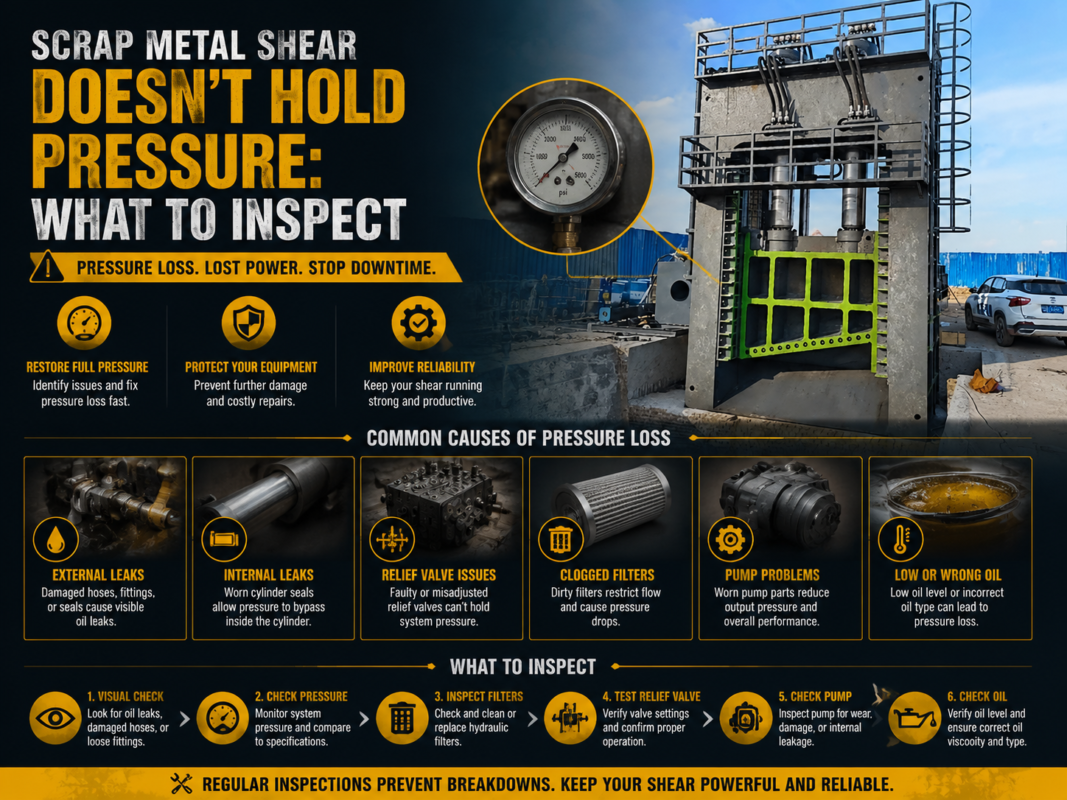
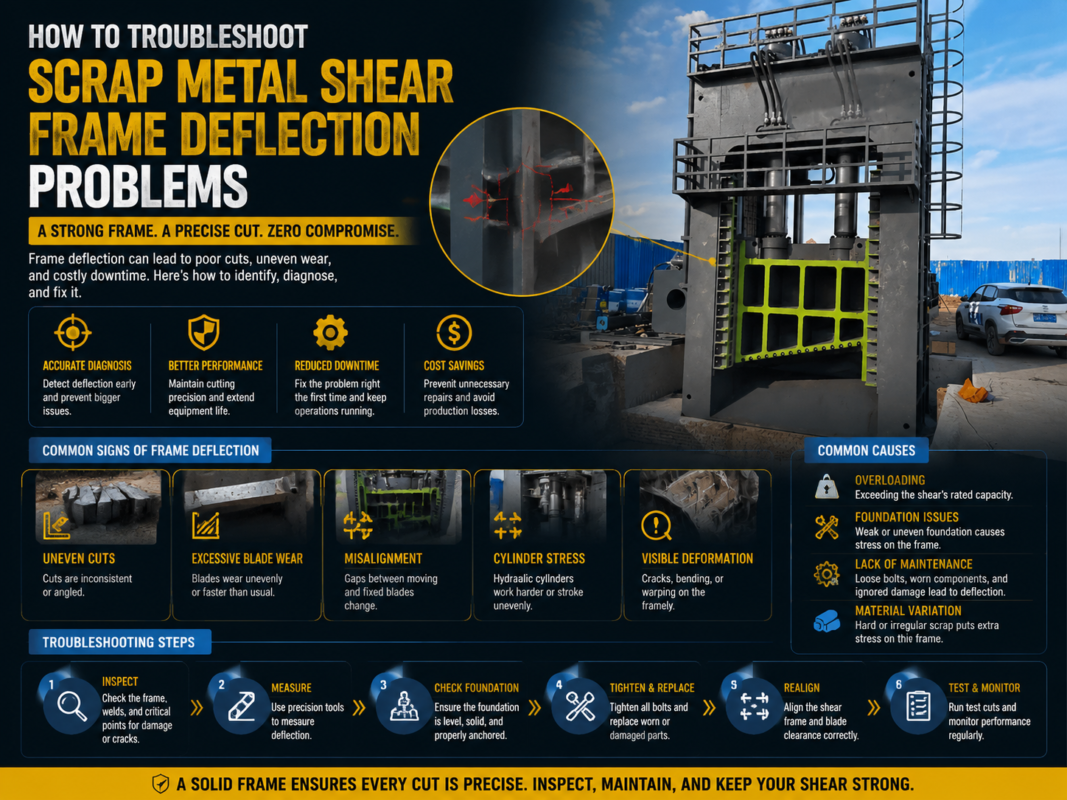
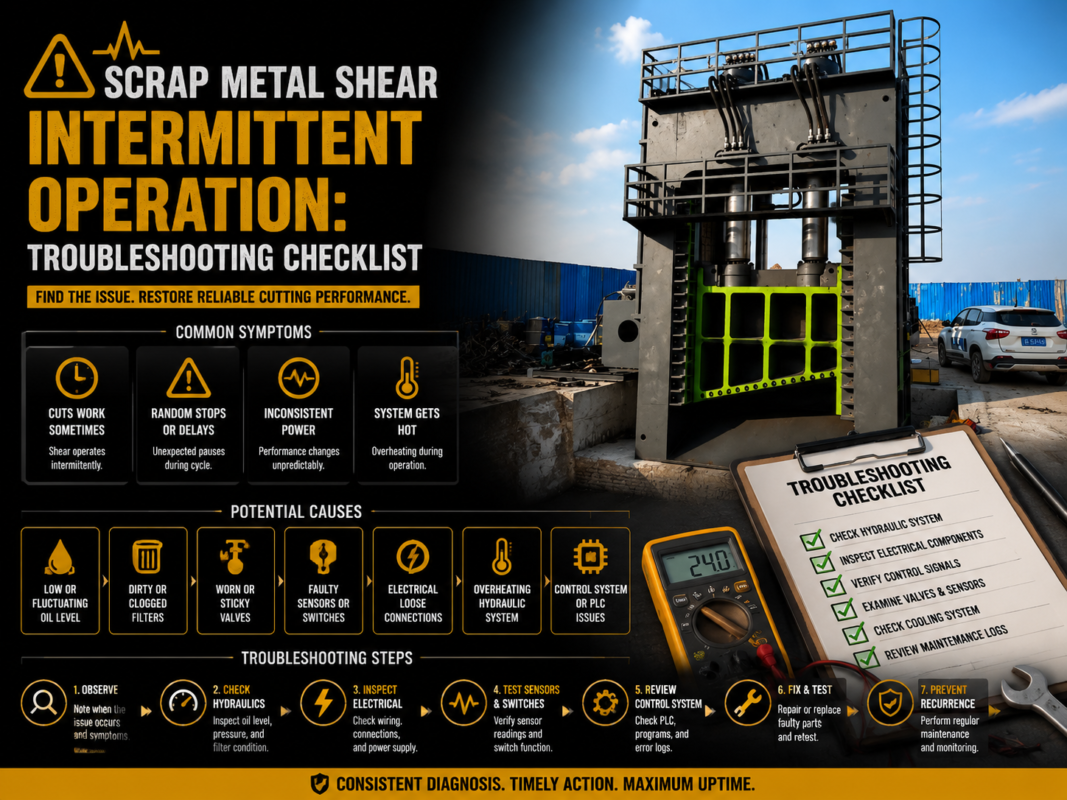
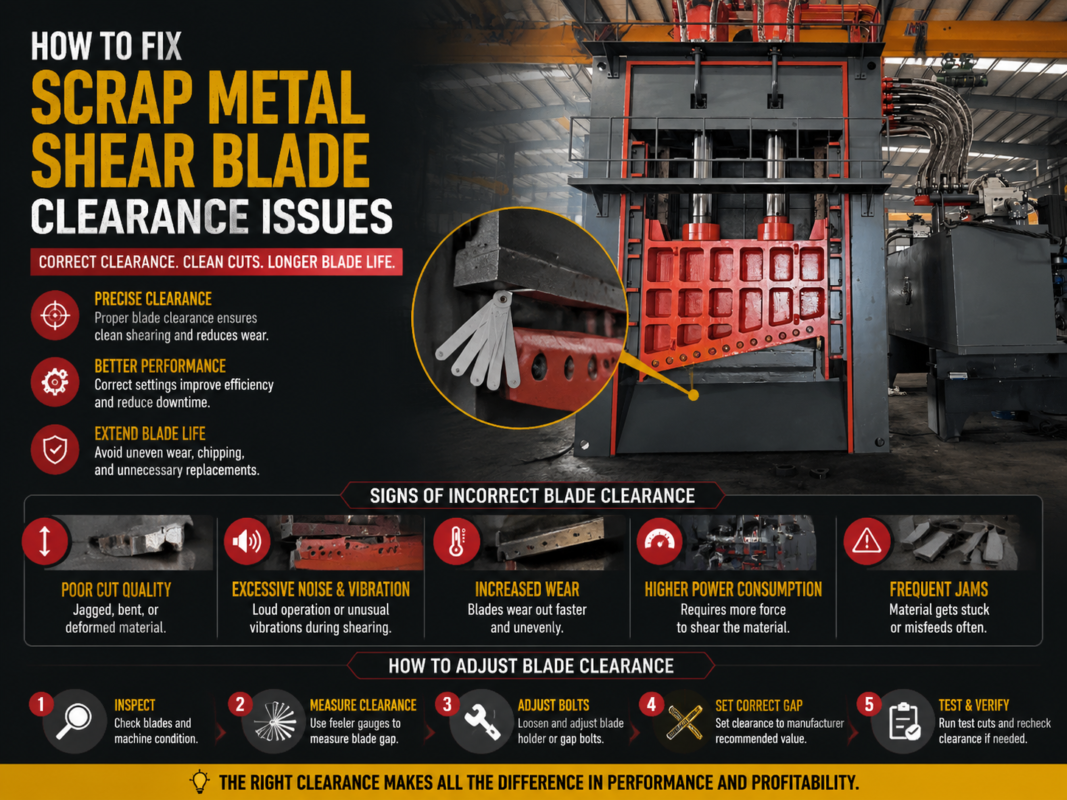
Regular maintenance includes checking hydraulic oil levels and filters, lubricating moving parts, inspecting blade clearance, and ensuring all bolts are tightened. HARSLE machines are designed with accessible maintenance points to minimize downtime.
Conclusion and Call to Action
The role of Scrap Metal Shear Applications In End-Of-Life Equipment Recycling cannot be overstated. As the world moves toward more sustainable industrial practices, the ability to efficiently recover and reuse metal becomes a competitive advantage. HARSLE provides the technology and expertise to help recycling businesses thrive in this evolving market. Whether you are dismantling a single factory or operating a high-capacity recycling yard, our range of hydraulic shears offers the power, precision, and reliability you need.
Ready to upgrade your recycling capabilities? Contact HARSLE today to speak with our technical experts about the best scrap metal shear configuration for your specific needs. Let us help you turn your end-of-life equipment into a high-value resource.