How to Use a Scrap Metal Shear in High-Throughput Recycling Plants

Introduction to High-Throughput Scrap Processing
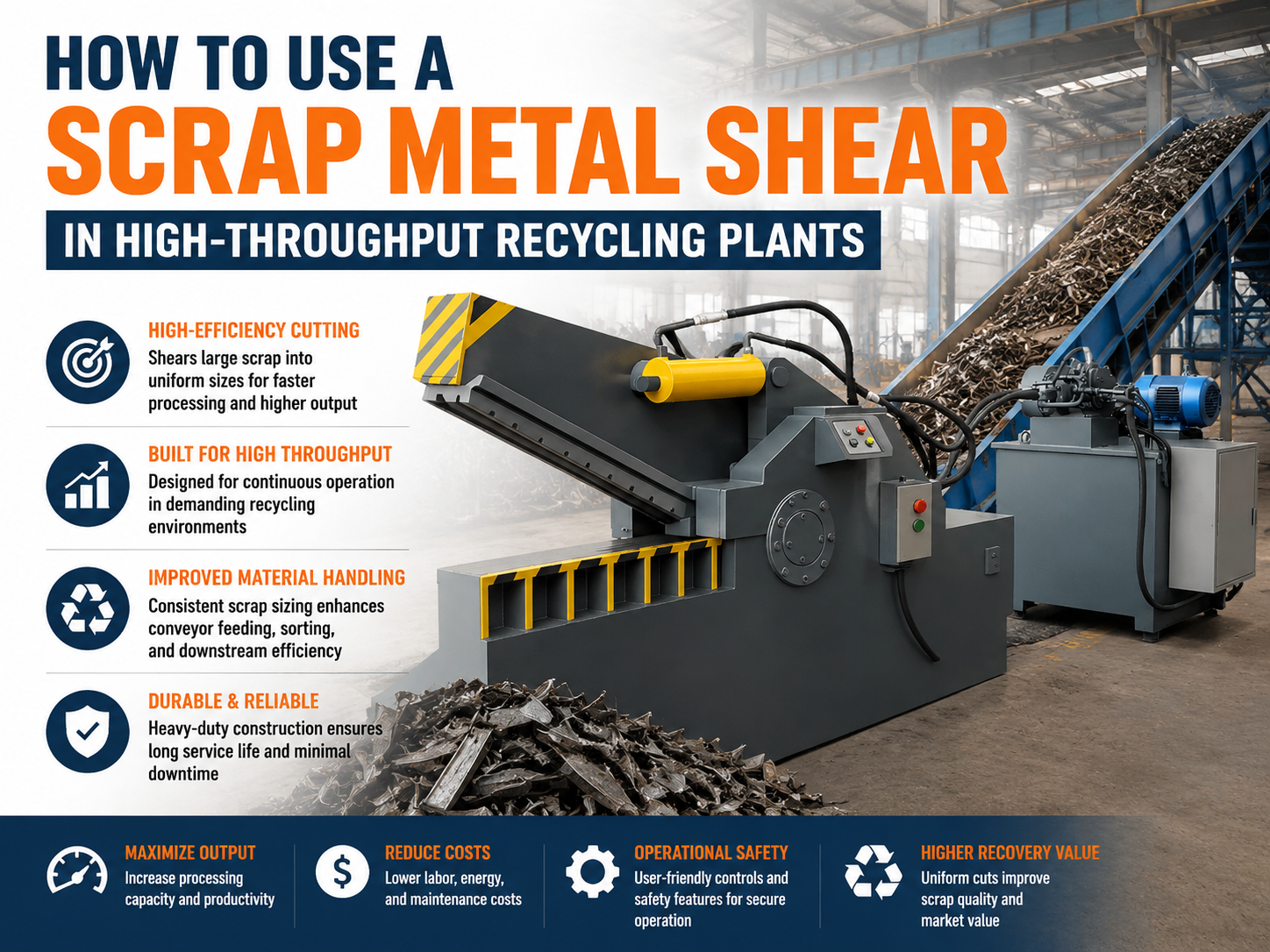
In the modern industrial landscape, the efficiency of a recycling facility is often measured by its ability to process vast quantities of material with minimal downtime. As global demand for recycled steel and non-ferrous metals continues to rise, the role of specialized machinery becomes paramount. Learning how to use a scrap metal shear in high-throughput recycling plants is not just about operating a machine; it is about integrating a powerful tool into a complex logistical ecosystem. High-throughput plants require a seamless flow of material, from the moment scrap enters the yard to the point where it is processed into furnace-ready dimensions.
HARSLE has long been at the forefront of providing robust solutions for these demanding environments. A scrap metal shear serves as the heart of the processing line, responsible for reducing oversized structural steel, pipes, and mixed scrap into manageable sizes. This reduction is critical for optimizing transportation costs and meeting the strict specifications of smelting facilities. In this guide, we will explore the technical nuances, operational strategies, and maintenance protocols necessary to maximize the utility of scrap shears in a high-volume setting.
Application Scenarios for Scrap Metal Shears
High-throughput recycling plants typically deal with a diverse range of materials sourced from demolition sites, automotive recycling centers, and industrial manufacturing waste. The application of a scrap metal shear in these scenarios is multifaceted. For instance, in a demolition recovery plant, the shear must handle heavy I-beams and reinforced rebar. Without a high-capacity shear, these materials would require labor-intensive manual torch cutting, which is slow, hazardous, and environmentally unfriendly due to the fumes produced.
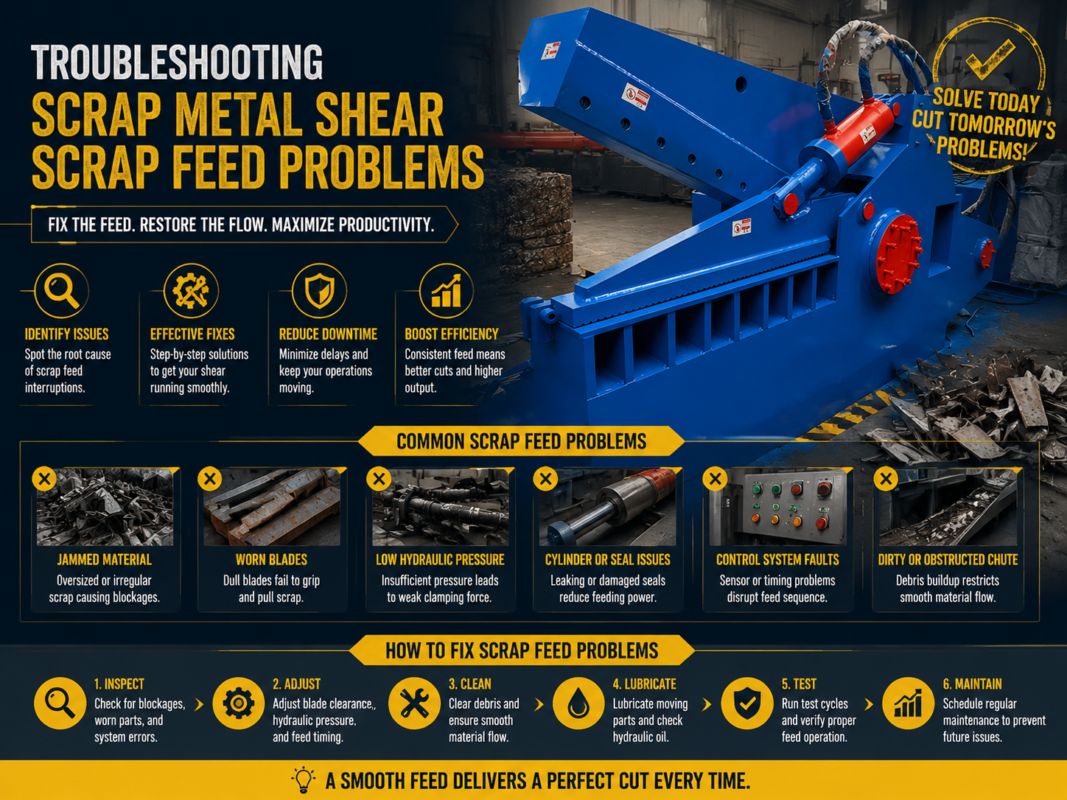
Another common scenario is the processing of end-of-life vehicles (ELVs). While shredders are often used for the body of the car, the heavier structural components and axles require the concentrated force of a hydraulic shear. In high-throughput plants, these shears are often positioned at the beginning of the line to pre-process bulky items, ensuring that downstream equipment like conveyors and secondary shredders do not become jammed or damaged by oversized pieces.
Furthermore, scrap metal shears are indispensable in shipbreaking yards and large-scale infrastructure projects. When a bridge is decommissioned or a ship is dismantled, the sheer volume of heavy-gauge steel is staggering. A high-throughput plant equipped with a gantry shear can process hundreds of tons of this material daily, turning a logistical nightmare into a profitable stream of high-quality scrap. The ability to use a scrap metal shear in high-throughput recycling plants effectively determines the facility’s overall profitability and market competitiveness.
Material and Process Requirements
To successfully use a scrap metal shear in high-throughput recycling plants, operators must understand the physical properties of the materials they are processing. Not all scrap is created equal, and the shear’s performance is directly linked to the material’s tensile strength, thickness, and shape. Ferrous metals, such as carbon steel, require significantly more shearing force than non-ferrous metals like aluminum or copper. High-throughput operations must categorize incoming scrap to ensure the machine is not overloaded beyond its rated capacity.
Process requirements also dictate the need for “furnace-ready” scrap. Steel mills typically require scrap to be cut into specific lengths, often between 2 to 5 feet, to fit into electric arc furnaces (EAF). If the shear produces pieces that are too long, the material may be rejected or require re-processing, which kills throughput efficiency. Therefore, the shear must be equipped with adjustable stroke lengths or automated feeding systems that ensure consistent output dimensions.
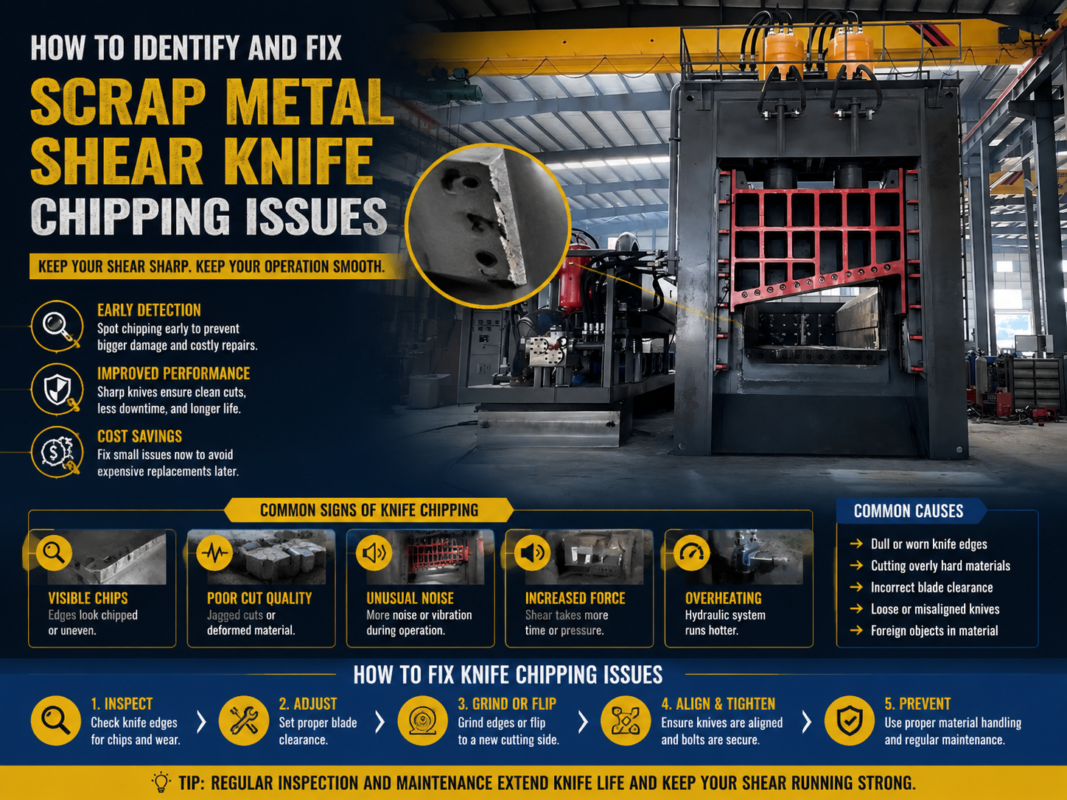
Density is another critical factor. In high-throughput environments, the goal is often to increase the bulk density of the scrap. By shearing long, hollow pipes or structural channels into smaller pieces, the material packs more tightly in transport containers. This reduces the number of truckloads or railcars needed, directly impacting the bottom line. Operators must also be vigilant about “un-shearables”—items like hardened tool steel or massive solid shafts that can chip or break the shear blades. A robust pre-sorting process is essential to protect the machinery.
Recommended Machine Configuration for High-Throughput
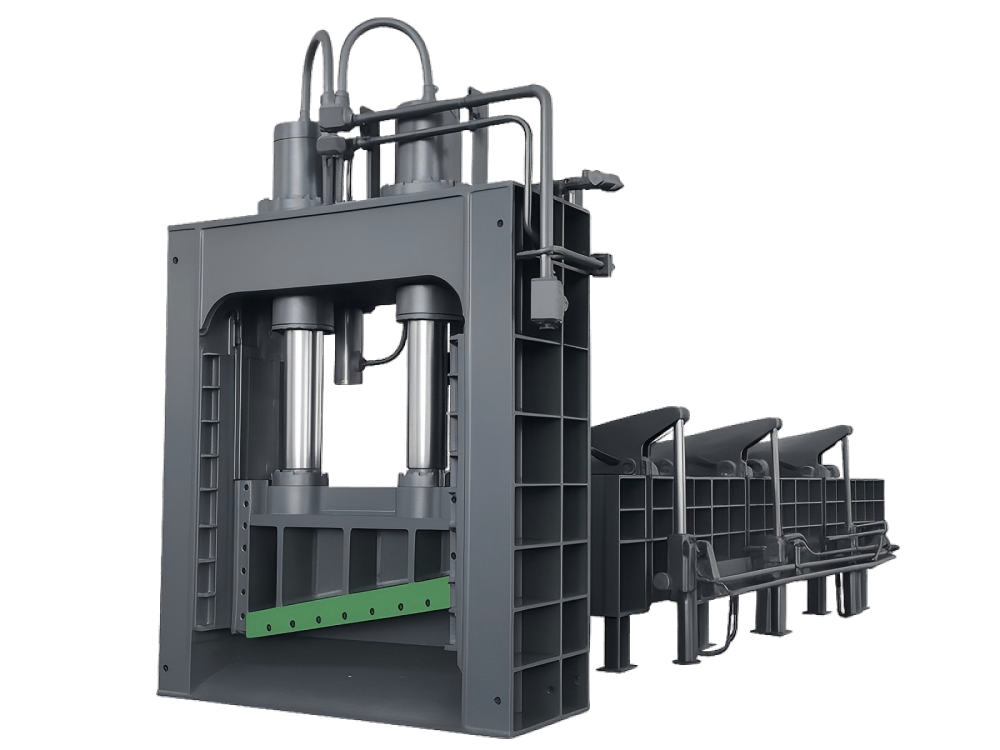
When selecting a machine for a high-volume environment, the configuration must prioritize durability and speed. There are two primary types of shears used: the alligator shear and the gantry shear. For high-throughput plants, the gantry shear is usually the preferred choice due to its automated feeding and massive cutting force.
Gantry Shears: The Workhorse of the Industry
A gantry shear features a large hopper where scrap is loaded by a crane or grapple. A hydraulic pusher then forces the material into the shearing throat. This configuration allows for continuous operation, as the operator can load the hopper while the machine is cutting. For high-throughput, look for shears with a “side-squeeze” or “pre-compression” wing. These wings crush the scrap into a dense log before it reaches the blade, making the actual shearing process much more efficient and reducing wear on the blades.
Alligator Shears: For Specialized Sorting
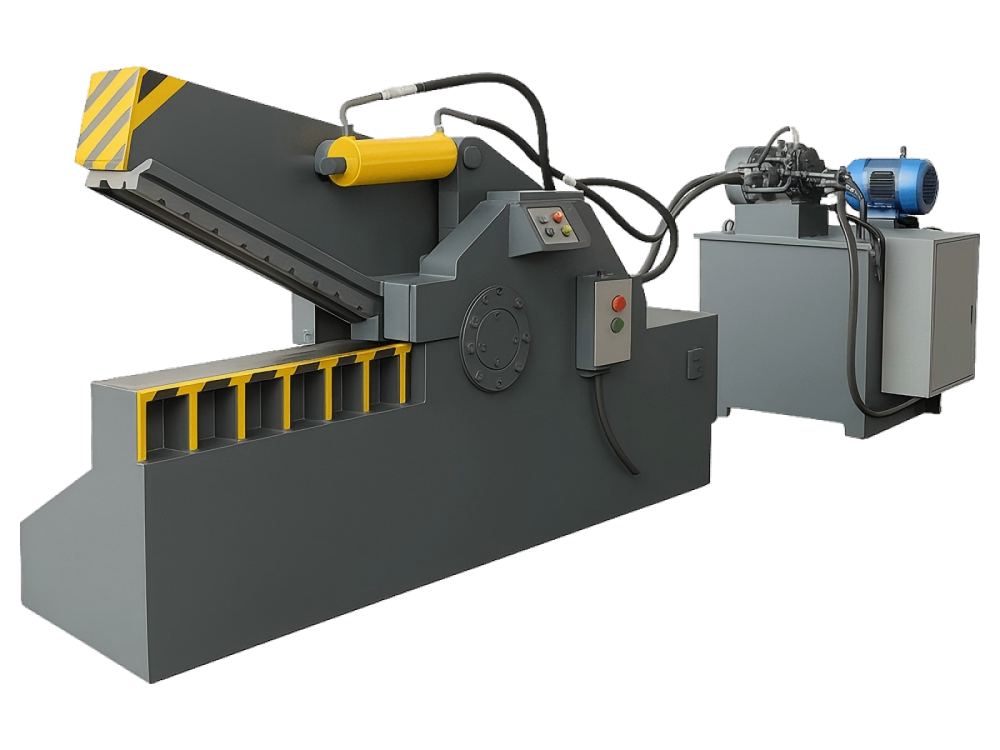
While gantry shears handle the bulk, alligator shears are excellent for secondary processing or cleaning non-ferrous materials. For example, an alligator shear can be used to quickly snip off the ends of copper-contaminated steel or to clean aluminum extrusions. In a high-throughput plant, these are often used in specialized stations to add value to specific scrap streams.
Technical Specifications to Consider
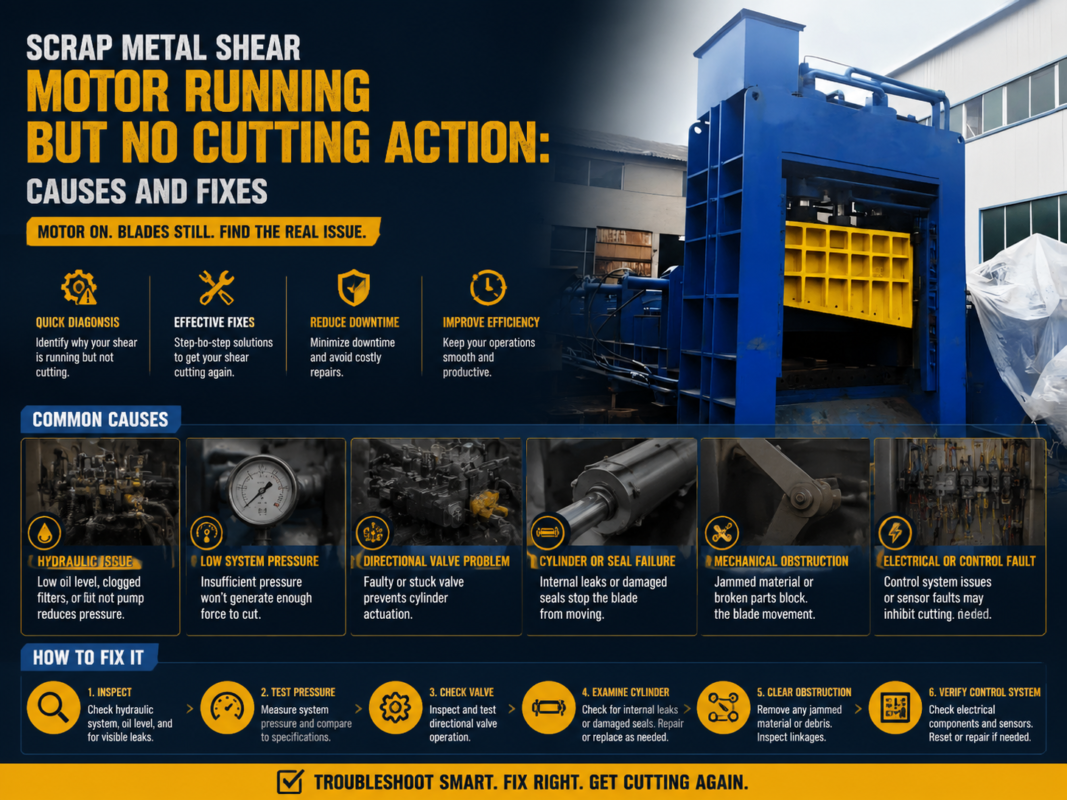
For high-throughput, the hydraulic system is the most critical component. A dual-pump system or a variable displacement pump allows for fast approach speeds and high-pressure cutting cycles. Furthermore, the cooling system must be oversized to handle 24/7 operation, especially in warmer climates. PLC (Programmable Logic Controller) integration is also vital, allowing the machine to automatically adjust its cycle based on the resistance it encounters, thereby optimizing energy consumption and cycle times.
Workflow Optimization in the Recycling Plant
The efficiency of using a scrap metal shear in high-throughput recycling plants depends heavily on the surrounding workflow. A bottleneck at the shear can stall the entire yard. The workflow should follow a logical progression: Sorting -> Loading -> Shearing -> Discharge -> Transport.
- Initial Sorting: Use magnets and grapples to separate heavy melt scrap (HMS) from lighter materials. This ensures the shear is always working on material suited to its capacity.
- Continuous Loading: In a high-throughput setup, the shear should never be “waiting” for material. A dedicated crane operator should keep the hopper full. Using a vibration feeder can also help in evening out the flow of smaller scrap pieces.
- The Shearing Cycle: The operator (or the PLC) must manage the compression and cutting strokes. For lighter scrap, the stroke can be shorter and faster. For heavy beams, the machine needs to utilize its full hydraulic pressure.
- Automated Discharge: Processed scrap should fall onto a heavy-duty conveyor or into a designated pit. If using a conveyor, it should be equipped with a magnetic separator to remove any remaining contaminants or to separate ferrous from non-ferrous if the shear was processing mixed loads.
By synchronizing these steps, a plant can achieve a “rhythm” that maximizes tons-per-hour. Monitoring software can track the number of cuts per hour and the average weight per cut, providing data-driven insights into where the workflow can be further improved.
Productivity Benefits and ROI
Investing in a high-quality scrap metal shear and learning how to use it effectively yields significant productivity benefits. The most immediate benefit is the reduction in labor costs. A single gantry shear can replace a dozen workers using manual cutting torches. This not only saves on wages but also significantly reduces the cost of industrial gases and safety equipment.
Another major benefit is the increase in material value. Sheared scrap, often referred to as “prepared scrap,” commands a higher price per ton than “unprepared” or “oversized” scrap. Steel mills are willing to pay a premium for material that is ready to be charged into the furnace because it saves them time and energy. In a high-throughput plant, this price difference can amount to thousands of dollars in additional revenue every day.
Furthermore, the volume reduction achieved through shearing leads to massive savings in logistics. A truck loaded with sheared scrap can carry significantly more weight than one loaded with bulky, un-sheared beams. This maximizes the utility of the transport fleet and reduces the carbon footprint of the operation. Over time, these savings in labor, transport, and increased material value provide a rapid return on investment (ROI) for the machinery.
Case Example: High-Volume Yard Transformation
Consider a mid-sized recycling yard that previously relied on manual sorting and small-scale alligator shears. Their throughput was limited to approximately 20 tons per day, and they struggled with a massive backlog of structural steel. After upgrading to a HARSLE heavy-duty gantry shear and implementing a high-throughput workflow, the results were transformative.
By integrating a 600-ton gantry shear with an automated hopper and a 10-meter discharge conveyor, the yard was able to increase its processing capacity to over 150 tons per day. The ability to use a scrap metal shear in high-throughput recycling plants allowed them to take on larger demolition contracts that they previously had to turn down. Within the first six months, the yard reported a 40% increase in profit margins, primarily driven by the higher price of prepared scrap and the reduction in transport costs. This case highlights that the right equipment, combined with operational expertise, is the key to scaling a recycling business.
Maintenance and Safety Protocols
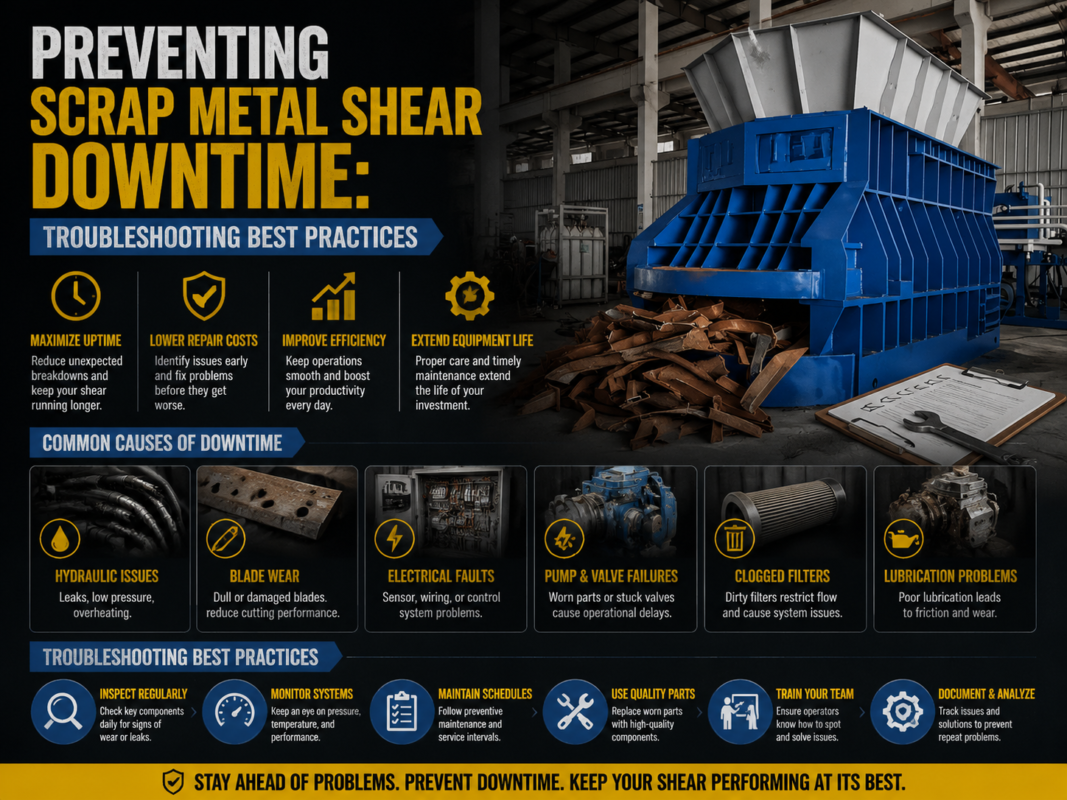
In a high-throughput environment, maintenance cannot be an afterthought. The sheer force involved in cutting metal causes significant wear and tear. A strict maintenance schedule is required to prevent catastrophic failures that could halt production for days.
- Blade Rotation and Sharpening: Shear blades have multiple cutting edges. Regularly rotating the blades ensures even wear. Once all edges are dull, they must be professionally ground or replaced.
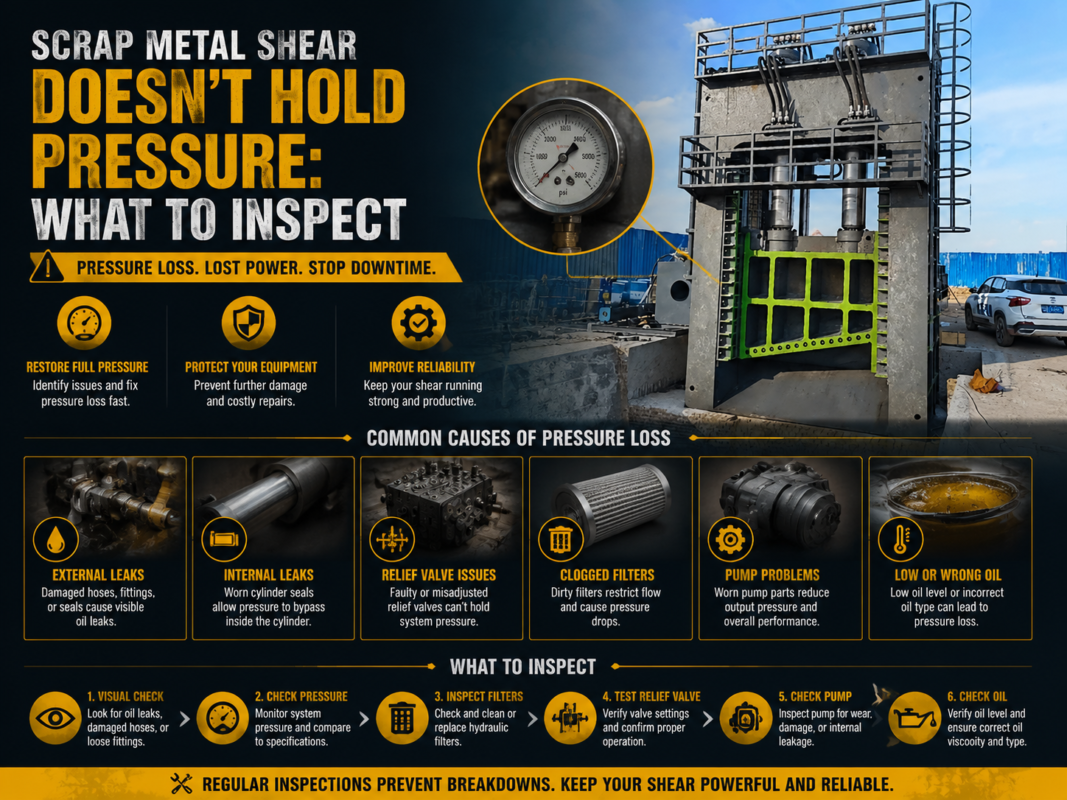
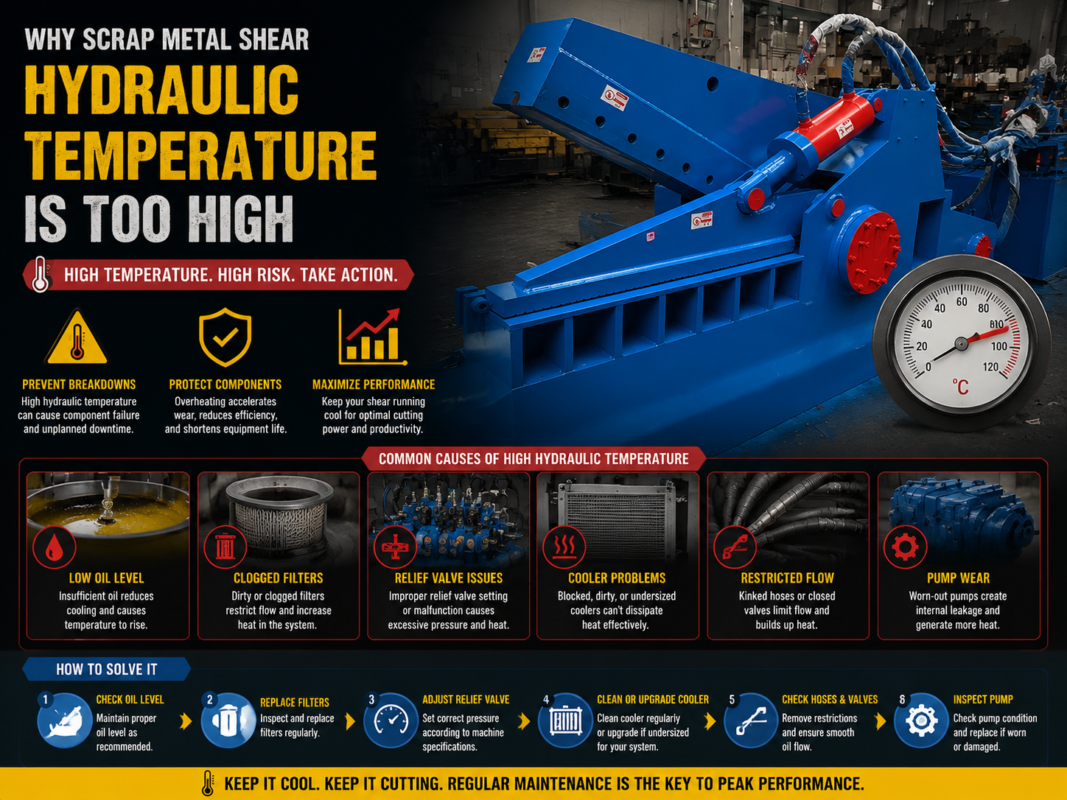
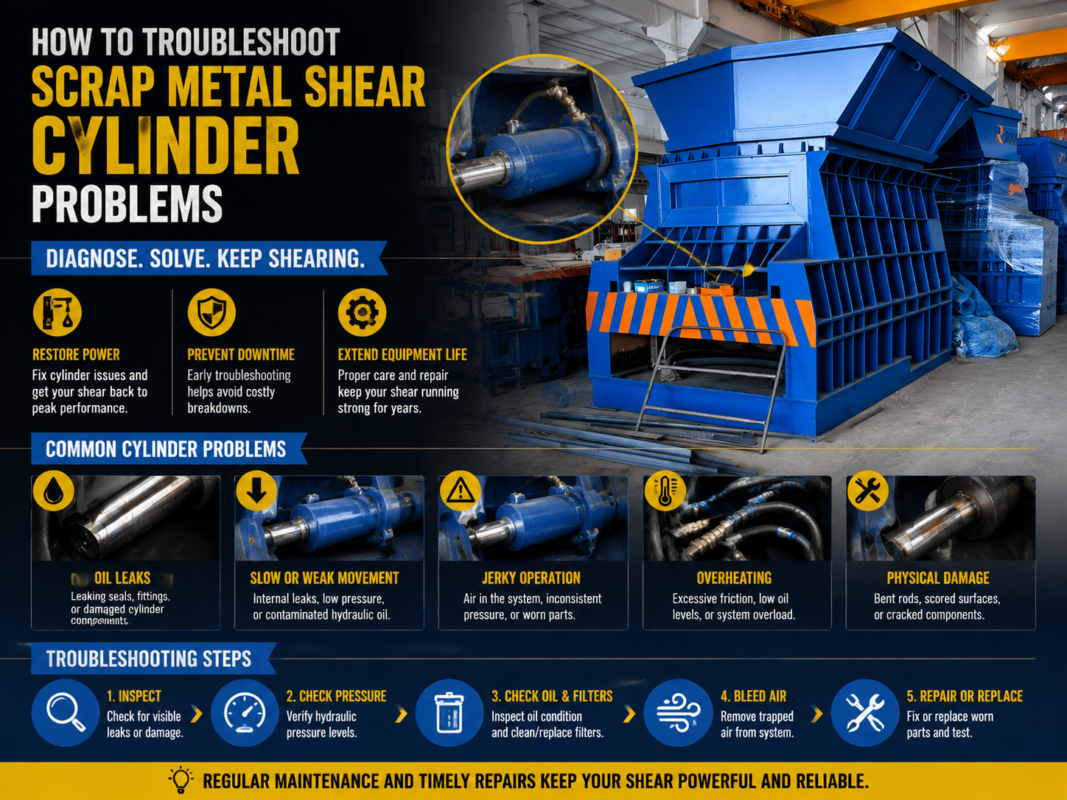
- Hydraulic Fluid Management: The oil must be kept clean and at the correct temperature. High-throughput shearing generates heat, which can break down hydraulic fluid. Regular filtration and oil analysis are essential.
- Lubrication: The sliding guides of the shear head and the pivot points of the compression wings require constant lubrication. Automated greasing systems are highly recommended for high-volume machines.
- Safety Barriers: High-throughput plants are busy places. The shear area should be cordoned off with physical barriers and light curtains to prevent personnel from entering the danger zone during operation.
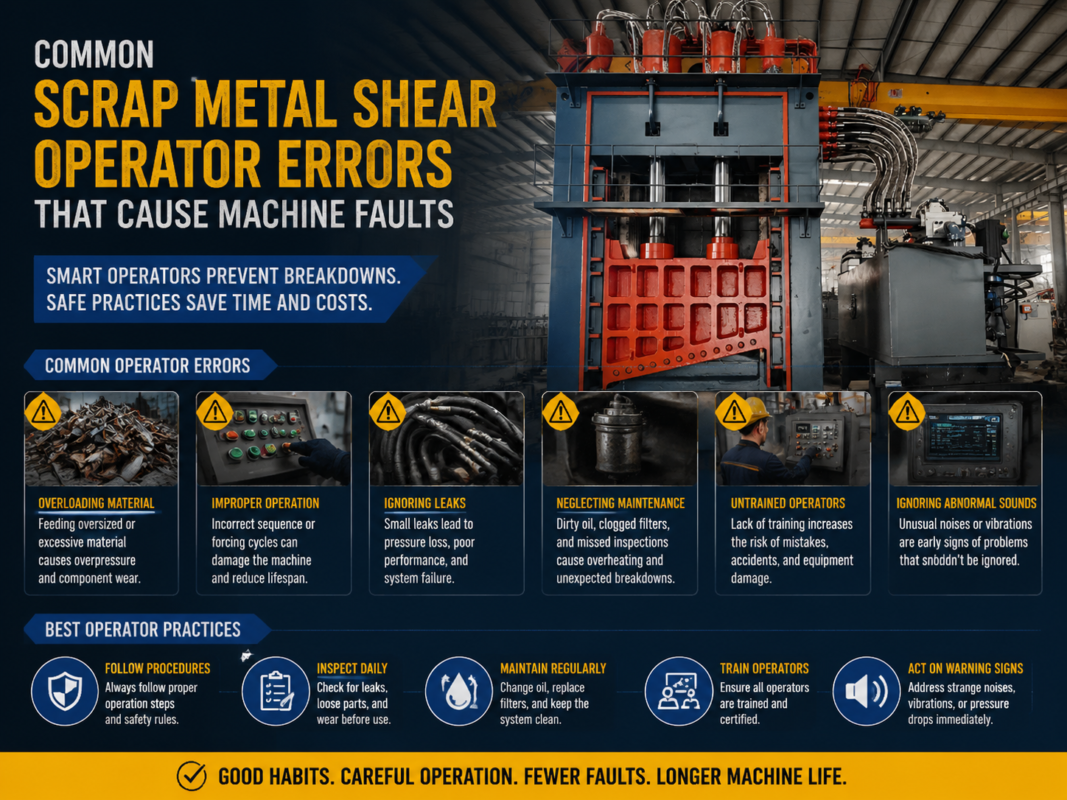
Safety is also about operator training. Operators must be trained to recognize the sound of the machine; a change in the hydraulic hum or a metallic clunk can signal a problem before it becomes a breakdown. Proper training on how to use a scrap metal shear in high-throughput recycling plants includes both the “how-to” of operation and the “what-to-watch-for” of preventative maintenance.
Frequently Asked Questions (FAQ)
1. What is the best type of shear for a high-throughput plant?
For most high-volume applications, a hydraulic gantry shear is the best choice. It offers the highest cutting force, automated feeding capabilities, and the ability to process large volumes of diverse scrap continuously.
2. How often should I change the blades on my scrap shear?
Blade life depends on the material being cut. In a high-throughput plant processing heavy steel, you might need to rotate the blades every 200-400 hours of operation. Regular inspection is key to determining the exact timing.
3. Can a scrap metal shear handle stainless steel?
Yes, but stainless steel is much harder than carbon steel. You must ensure your shear is rated for the thickness of the stainless scrap you are processing, and be prepared for faster blade wear.
4. How do I optimize the cycle time of my shear?
Cycle time can be optimized by using the pre-compression features to their full extent, ensuring the hopper is always loaded, and using a PLC to automate the stroke length based on the material size.
5. Is it better to buy a new or used shear for a high-throughput facility?
For high-throughput, new machinery is generally recommended. The reliability, warranty, and modern hydraulic efficiencies of a new HARSLE shear far outweigh the initial cost savings of a used machine that may have hidden fatigue or outdated components.
Conclusion and Call to Action
Mastering how to use a scrap metal shear in high-throughput recycling plants is a journey of continuous improvement. By selecting the right machine configuration, optimizing your yard’s workflow, and adhering to a rigorous maintenance schedule, you can turn your recycling facility into a high-efficiency powerhouse. The transition from manual or low-volume processing to a high-throughput model is the most effective way to grow your business and contribute to a more sustainable future.
At HARSLE, we specialize in providing the heavy-duty machinery required to meet these challenges. Our range of gantry and alligator shears is designed for the rigors of 24/7 industrial operation. If you are looking to upgrade your facility or need expert advice on selecting the right equipment for your specific scrap stream, our team is here to help. Contact HARSLE today to discover how our scrap metal shears can revolutionize your recycling throughput and profitability.