Scrap Metal Shear Applications for Maximizing Scrap Value Recovery: A Comprehensive Guide

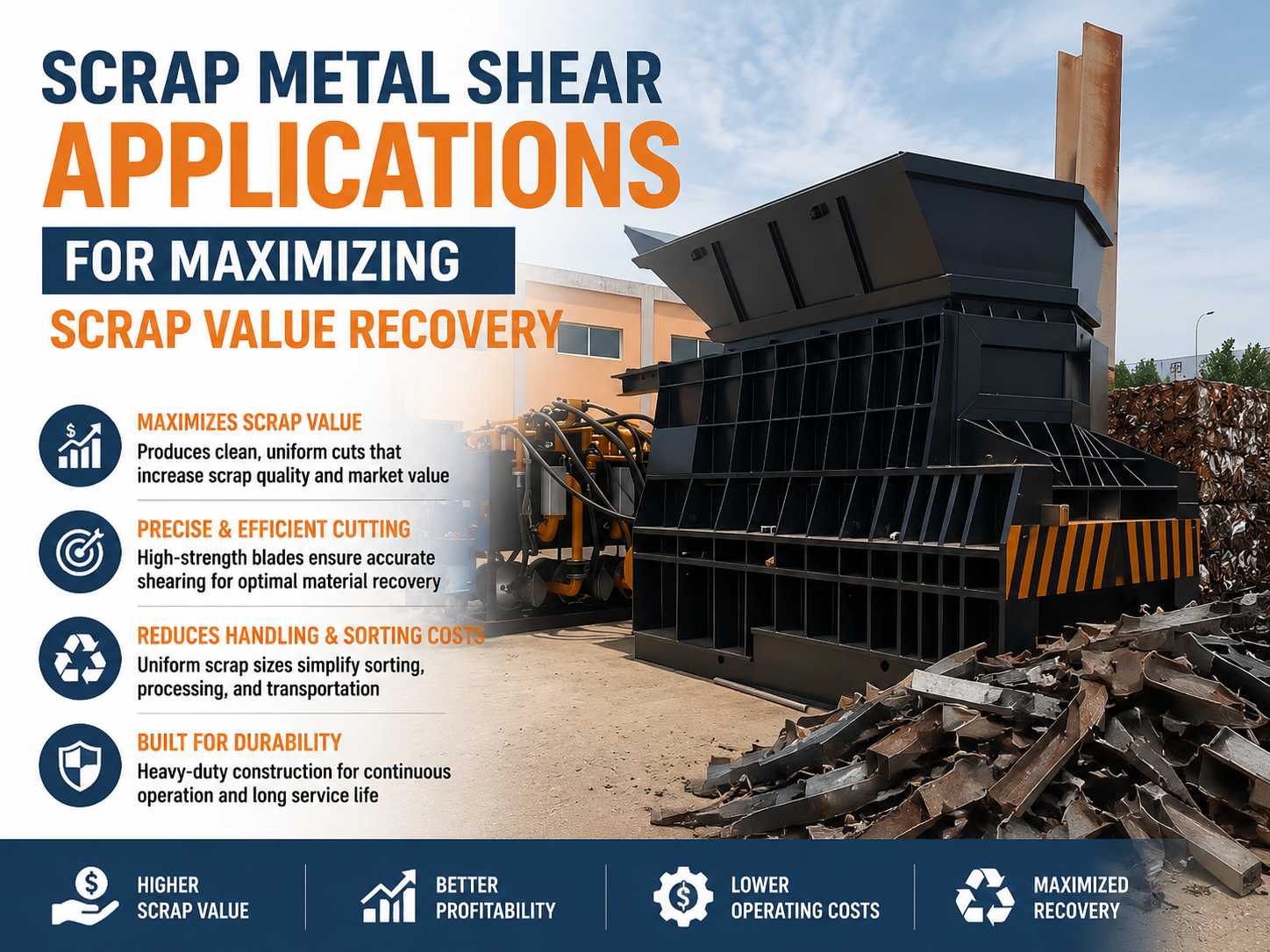
Introduction to Scrap Metal Shear Applications for Maximizing Scrap Value Recovery
In the modern industrial landscape, the circular economy is no longer just a buzzword; it is a fundamental pillar of sustainable manufacturing and resource management. At the heart of this movement lies the scrap metal recycling industry, where the efficiency of processing determines the ultimate profitability of the operation. Scrap metal shear applications for maximizing scrap value recovery represent the pinnacle of this efficiency. By transforming bulky, irregular, and low-value metal waste into dense, uniform, and high-value furnace-ready material, industrial shears play a critical role in the global supply chain.
HARSLE, a leader in metal fabrication machinery, understands that the right equipment can mean the difference between a marginal profit and a thriving recycling business. Whether dealing with structural steel from demolition sites, end-of-life vehicles, or industrial offcuts, the application of advanced shearing technology ensures that every ton of metal is processed to meet the stringent requirements of steel mills and foundries. This guide explores the diverse applications, technical requirements, and strategic benefits of utilizing high-performance scrap metal shears.
Diverse Application Scenarios for Scrap Metal Shears
The versatility of scrap metal shears allows them to be deployed across various sectors, each with unique challenges and material profiles. Understanding these scenarios is the first step in implementing scrap metal shear applications for maximizing scrap value recovery.
1. Demolition and Deconstruction Sites
Demolition projects generate massive quantities of structural steel, including I-beams, H-beams, channels, and heavy-duty piping. These materials are often too large and cumbersome to transport economically. Mobile or stationary gantry shears are employed to cut these oversized structures into manageable lengths. By processing the material on-site or at a nearby consolidation hub, operators significantly reduce logistics costs and increase the bulk density of the load, which is a primary factor in maximizing scrap value recovery.
2. Automotive Dismantling and Recycling
End-of-life vehicles (ELVs) are a rich source of both ferrous and non-ferrous metals. After fluids and hazardous components are removed, the remaining chassis and engine components must be processed. Alligator shears are frequently used for smaller, intricate cuts, such as removing catalytic converters or cleaning aluminum engine blocks from steel attachments. For larger-scale operations, container shears can process entire car bodies into high-density scrap, ensuring that the material meets the purity standards required for secondary smelting.
3. Industrial Manufacturing Waste
Factories producing appliances, machinery, and infrastructure components often generate significant volumes of metal offcuts, skeletons, and punchings. While this material is typically clean, its irregular shape makes it difficult to handle. Scrap metal shear applications in these environments focus on volume reduction. By shearing skeletons into uniform sizes, manufacturers can store more scrap in less space and negotiate better rates with recyclers who value the consistency of the material.
4. Shipbreaking and Marine Salvage
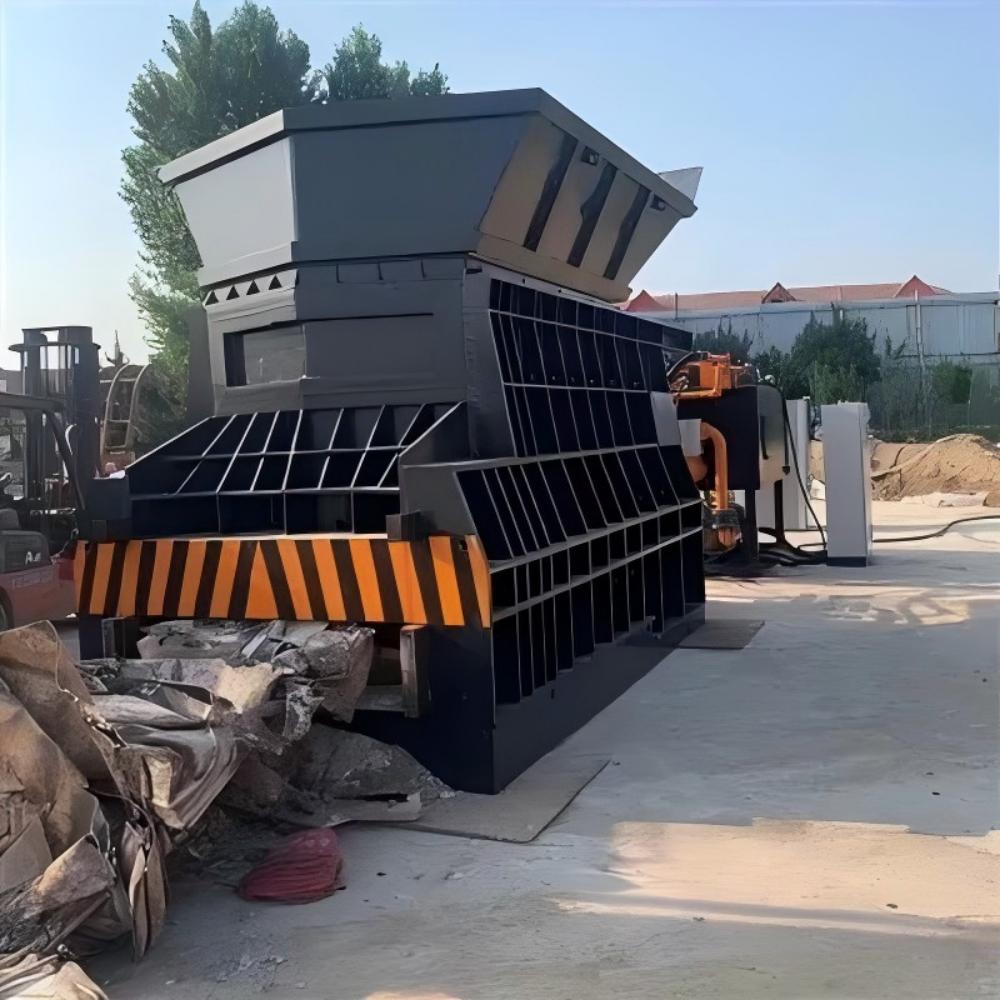
The shipbreaking industry deals with some of the thickest and toughest steel plates in existence. Traditional torch cutting is slow, labor-intensive, and environmentally hazardous due to fumes. Heavy-duty hydraulic gantry shears provide a faster, cleaner, and safer alternative. These machines can bite through multi-inch thick hull plating, converting a massive vessel into furnace-ready scrap in a fraction of the time required by manual methods.
Material and Process Requirements for High-Value Recovery
To achieve the goal of maximizing scrap value recovery, one must understand the metallurgical and physical requirements of the end-users—the steel mills. Not all scrap is created equal, and the shearing process must be tailored to the material at hand.
Ferrous vs. Non-Ferrous Processing
Ferrous metals (iron and steel) are the primary focus of high-volume shearing. The goal is often to produce HMS 1 (Heavy Melting Scrap) or HMS 2. HMS 1 consists of wrought iron and steel scrap 1/4 inch and over in thickness, with individual pieces not exceeding 60×24 inches. Scrap metal shear applications for maximizing scrap value recovery ensure that the material is cut precisely to these dimensions. Non-ferrous metals, such as aluminum and copper, require more delicate handling to prevent cross-contamination, which can drastically lower the market price.
Tensile Strength and Thickness Considerations
The shear force required is a function of the material’s cross-sectional area and its ultimate tensile strength. For example, shearing high-carbon tool steel requires significantly more hydraulic pressure than shearing mild structural steel. HARSLE machines are engineered with variable pressure settings to handle a wide range of materials without unnecessary wear on the hydraulic system or the blades.
Contamination Removal
Value recovery is not just about size; it is about purity. During the shearing process, operators must identify and remove non-metallic attachments, such as rubber, plastics, or wood. Advanced shearing workflows often include a pre-sorting or post-shearing magnetic separation phase to ensure the final product is as clean as possible.
Recommended Machine Configurations
Choosing the right machine is critical for scrap metal shear applications maximizing scrap value recovery. HARSLE offers several configurations tailored to different operational scales.
| Shear Type | Primary Application | Key Advantage | Typical Capacity |
|---|---|---|---|
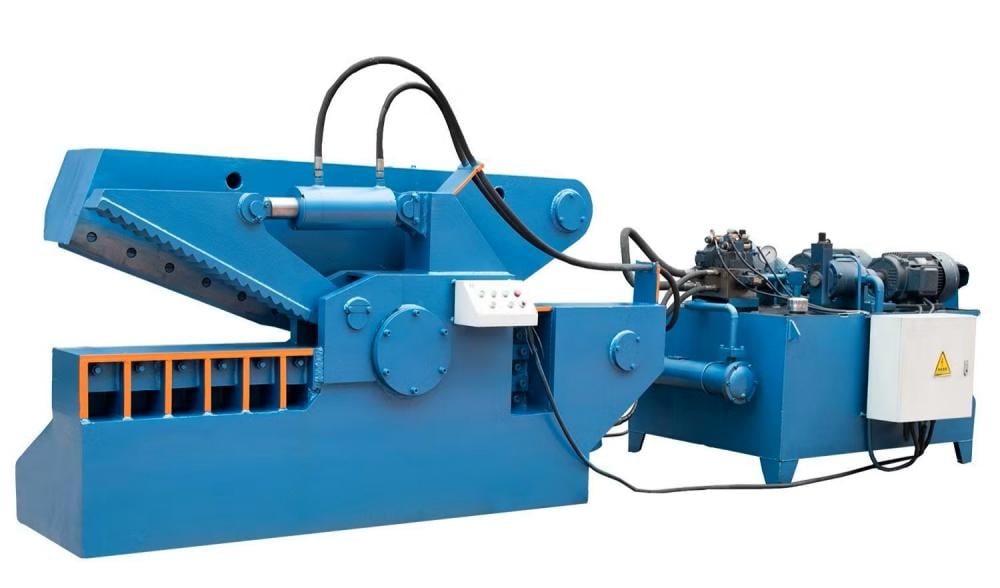
| Alligator Shear | Small parts, cleaning scrap, non-ferrous | Low cost, easy to operate | 10-50 tons/day |
| Container Shear | Continuous feeding, mixed scrap, ELVs | High automation, mobile options | 50-200 tons/day |
| Gantry Shear | Heavy structural steel, high volume | Extreme cutting force, durability | 200+ tons/day |
| Vertical Shear | Rebar, rods, uniform profiles | High speed, precise lengths | Variable |
Hydraulic System Excellence
The heart of any HARSLE shear is its hydraulic system. For maximizing value, the system must offer high speed (to increase throughput) and high pressure (to handle thick materials). Our machines utilize Rexroth or similar high-end valves and pumps to ensure consistent performance under 24/7 operating conditions. Energy-efficient motors also reduce the operational cost per ton, further enhancing the recovery value.
Blade Metallurgy and Maintenance
The blades are the primary wear component. HARSLE uses high-strength alloy tool steels (such as Cr12MoV or H13) that undergo specialized heat treatment to reach a hardness of 55-60 HRC. This ensures a long service life even when cutting abrasive materials. Furthermore, our blade designs often feature four usable edges, allowing operators to rotate the blades before needing a full regrind or replacement.
Optimized Workflow for Scrap Processing
A well-defined workflow is essential for scrap metal shear applications for maximizing scrap value recovery. Efficiency at each stage prevents bottlenecks and ensures the highest quality output.
- Collection and Initial Sorting: Scrap is gathered and sorted by material type (e.g., stainless steel, aluminum, carbon steel). This prevents the downgrading of high-value alloys.
- Pre-Processing: Large assemblies are broken down using hydraulic grapples or manual labor to fit the shear’s throat dimensions.
- Feeding: For container shears, material is loaded into a charging box. For alligator shears, it is fed manually or via conveyor.
- Shearing: The machine executes the cut. HARSLE’s PLC systems can be programmed for specific lengths to meet mill specifications automatically.
- Post-Shear Sorting: The sheared material is often passed under a magnet to remove any remaining ferrous contaminants from non-ferrous streams.
- Packaging and Transport: The dense, sheared scrap is loaded into containers or trucks. Because the material is now uniform, transport efficiency is maximized, reducing the carbon footprint and logistics costs.
Productivity Benefits and Economic Impact
The implementation of professional scrap metal shear applications for maximizing scrap value recovery yields significant economic benefits. The most immediate impact is the increase in “Bulk Density.” Steel mills prefer dense scrap because it melts more efficiently and requires fewer furnace recharges. Consequently, dense, sheared scrap commands a premium price—often $20 to $50 more per ton than unprocessed light scrap.
Furthermore, labor costs are drastically reduced. A single gantry shear operator can process more material in an hour than a team of five manual torch cutters. This shift from manual to mechanical processing also enhances safety, reducing insurance premiums and the risk of workplace injuries. In the long run, the ROI (Return on Investment) of a HARSLE shear is realized through higher throughput, better market prices for the output, and lower operational overhead.
Case Example: Mid-Western Recycling Success
A mid-sized recycling facility in the Midwest was struggling with a growing mountain of mixed structural scrap. They were using manual oxygen-fuel cutting, which was slow and produced inconsistent sizes that the local mill often rejected or downgraded. After consulting with HARSLE, they installed a 600-ton Gantry Shear.
The Results: Within the first three months, their processing capacity tripled. The consistency of the sheared material allowed them to secure a direct contract with a major steel mill, bypassing middleman processors. The facility reported that the increase in scrap value per ton, combined with the reduction in labor and gas costs, allowed the machine to pay for itself in less than 14 months. This case exemplifies the power of scrap metal shear applications maximizing scrap value recovery when the right technology is applied to the right problem.
Frequently Asked Questions (FAQ)
What is the average lifespan of shear blades?
The lifespan depends heavily on the material being cut. For standard mild steel, HARSLE blades can typically process 1,000 to 2,000 tons per edge. Since our blades have four edges, a single set can process up to 8,000 tons before requiring a professional regrind, provided maintenance and gap adjustments are performed regularly.
Can one shear handle both aluminum and steel?
Yes, but it is not always recommended to switch back and forth without cleaning. Cross-contamination can lower the value of the aluminum. If you must use one machine, we recommend processing all steel first, cleaning the area, and then processing the aluminum. For high-volume non-ferrous work, a dedicated alligator shear is usually the most cost-effective solution.
How do I determine the right shear force for my needs?
The required force is calculated based on the maximum thickness and the tensile strength of the material you intend to cut most frequently. As a rule of thumb, always choose a machine with about 20% more capacity than your thickest expected material to ensure longevity and prevent hydraulic strain.
What maintenance is required for a hydraulic scrap shear?
Daily maintenance includes checking hydraulic oil levels, inspecting hoses for leaks, and lubricating moving parts. Weekly, you should check the blade gap and tighten blade bolts. Monthly, the hydraulic oil filters should be inspected and replaced if necessary to prevent contamination of the sensitive valve system.
Conclusion: Partnering with HARSLE for Success
Maximizing scrap value recovery is a strategic necessity in today’s competitive recycling market. By utilizing HARSLE’s advanced scrap metal shear applications, businesses can transform their operations from simple waste handling to high-value material processing. Our machines are designed for durability, precision, and efficiency, ensuring that you get the most out of every piece of scrap that enters your yard.
Ready to elevate your recycling capabilities? Contact HARSLE today to speak with our technical experts about the best shear configuration for your specific needs. Let us help you turn your scrap into a high-margin asset.