The Comprehensive Guide to Scrap Metal Shear Uses in Portable On-Site Scrap Processing

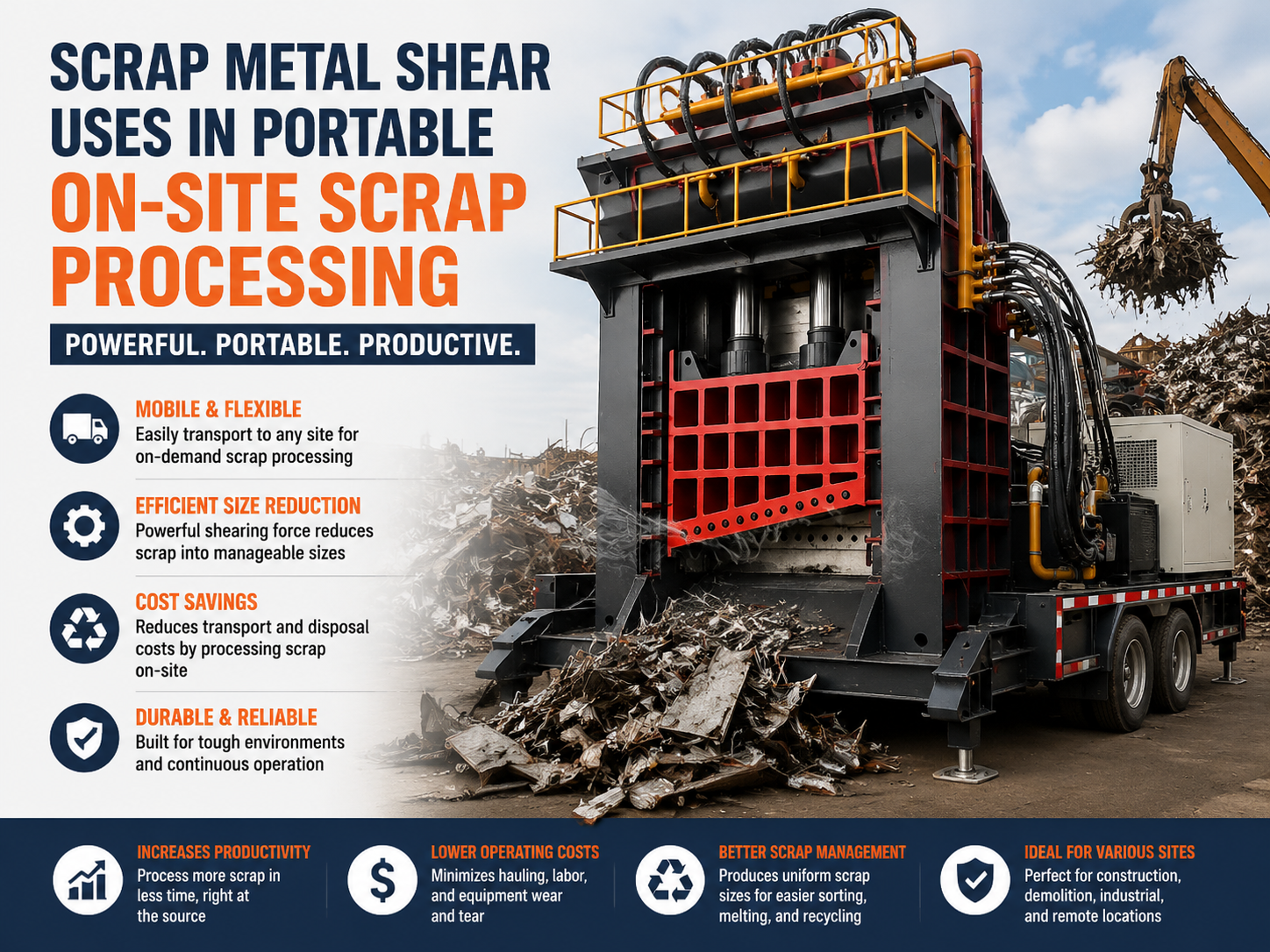
Introduction to Scrap Metal Shear Uses in Portable On-Site Scrap Processing
In the modern industrial landscape, the efficiency of recycling operations is often determined by the proximity of processing equipment to the source of the waste material. This is where the concept of portable on-site scrap processing comes into play. By utilizing high-performance scrap metal shears directly at the site of demolition, manufacturing, or decommissioning, companies can drastically reduce logistics costs and improve the purity of their recycled streams. The versatility of these machines allows them to handle everything from structural steel beams to automotive frames, making them indispensable in the circular economy.
HARSLE has long been at the forefront of developing robust hydraulic solutions that cater to these demanding environments. Understanding the specific scrap metal shear uses in portable on-site scrap processing is essential for project managers and recycling facility owners who aim to maximize their return on investment. This guide explores the technical nuances, application scenarios, and operational benefits of deploying mobile shearing technology in the field.
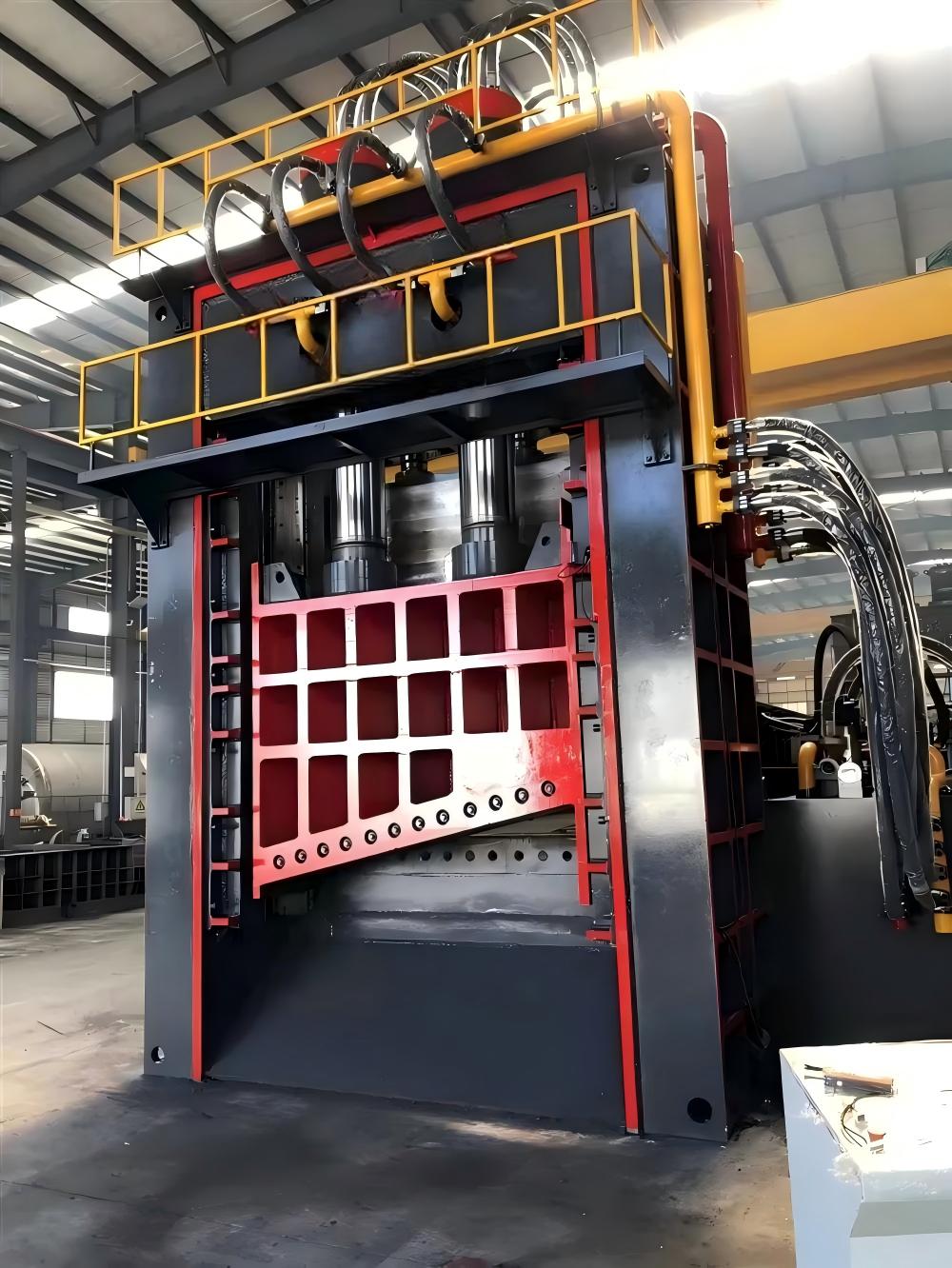
Application Scenarios for Portable Scrap Shearing
Demolition and Deconstruction Sites
One of the primary scrap metal shear uses in portable on-site scrap processing is within the demolition sector. When large structures like factories, bridges, or high-rise buildings are dismantled, they generate massive amounts of structural steel, rebar, and piping. Transporting these oversized, irregular pieces to a central processing facility is prohibitively expensive and logistically challenging. Portable shears allow operators to cut these materials into manageable, furnace-ready sizes (typically 2-3 feet in length) right where they fall. This immediate processing transforms bulky waste into high-value commodities instantly.
Shipbreaking and Marine Salvage
The maritime industry produces some of the most challenging scrap materials, including thick hull plates and heavy internal machinery. Portable shears, often mounted on excavators or integrated into mobile container units, are used on docks or even on barges to dismantle decommissioned vessels. The ability to move the shear to the ship, rather than moving the ship’s components to a fixed shear, saves thousands of man-hours and reduces the risk of environmental contamination during transport.
Remote Industrial and Mining Operations
Mining sites and remote industrial plants often accumulate large quantities of scrap metal from retired equipment, rail lines, and structural supports. Because these sites are frequently located far from urban recycling centers, the cost of hauling unprocessed scrap can exceed the value of the metal itself. By deploying a portable container shear or a mobile alligator shear, these operations can process the scrap on-site, significantly increasing the density of the loads and making the logistics economically viable.
Disaster Recovery and Urban Renewal
Following natural disasters or during large-scale urban renewal projects, the rapid removal of debris is critical. Portable scrap shears are used to quickly clear twisted metal structures, fallen power lines, and damaged vehicles. Their mobility allows them to navigate tight urban spaces or rugged terrain, providing a flexible solution for emergency cleanup crews who need to sort and process metal waste on the fly.
Material and Process Requirements
Diversity of Ferrous and Non-Ferrous Metals
To effectively utilize scrap metal shear uses in portable on-site scrap processing, one must understand the materials being handled. Portable shears are designed to process a wide range of metals, including:
- HMS 1 & 2 (Heavy Melting Steel): Structural steel, plates, and heavy machinery parts.
- Rebar and Wire: High-tensile steel used in reinforced concrete.
- Non-Ferrous Scrap: Aluminum extrusions, copper busbars, and stainless steel tanks.
- Automotive Scrap: Car frames, axles, and engine components.
Shearing Force and Blade Metallurgy
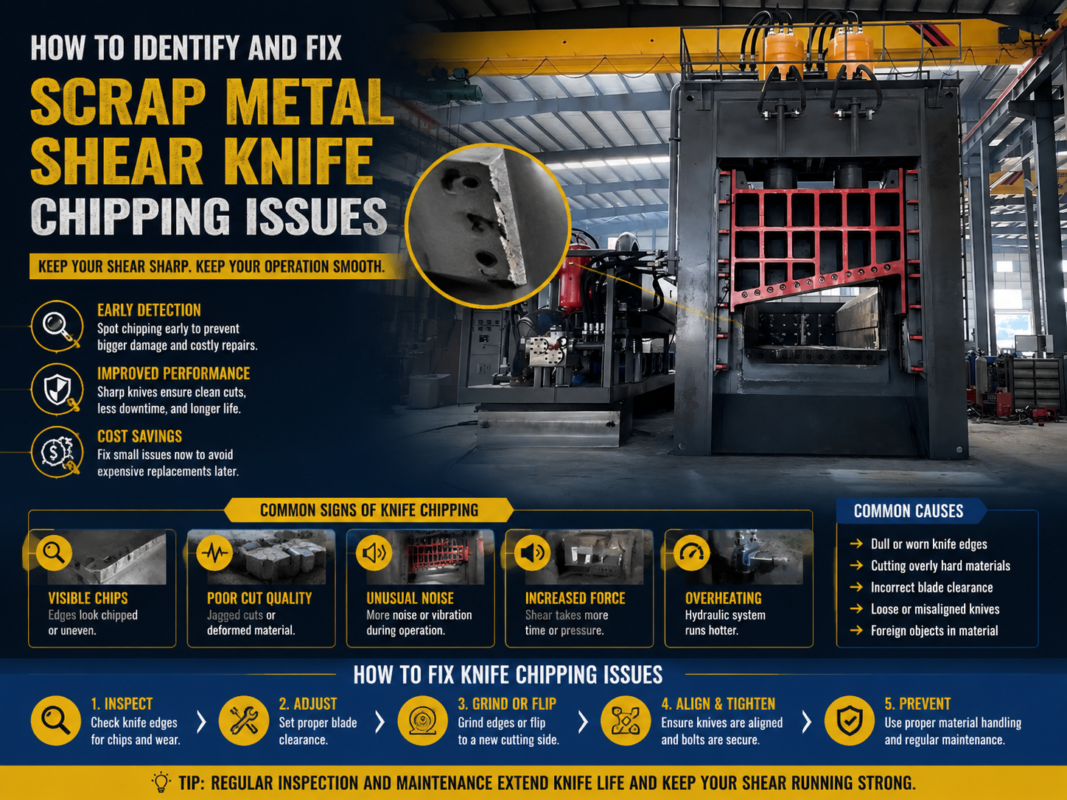
The process requirements for on-site shearing are rigorous. The machine must exert enough hydraulic pressure to overcome the tensile strength of the metal. For instance, shearing a 1-inch thick steel plate requires significantly more force than cutting aluminum siding. Furthermore, the blades must be made of high-grade tool steel (such as H13 or D2) to withstand the abrasive nature of scrap metal without frequent chipping or dulling. In portable applications, where maintenance facilities might be limited, blade durability is a top priority.
Size and Density Specifications
The ultimate goal of on-site processing is to meet the specifications of foundries and steel mills. This usually means reducing the scrap to “log” sizes or small pieces that can fit into an induction furnace. Portable shears must be adjustable to produce different cut lengths based on the buyer’s requirements. Additionally, the process often involves a degree of baling or densification, which some advanced portable container shears can perform in a single cycle.
Recommended Machine Configuration for Portability
When selecting equipment for on-site processing, the configuration must balance power with mobility. HARSLE offers several configurations tailored for these needs:
Containerized Shears (Q91 Series Style)
The container shear is the gold standard for portable on-site processing. These units are built within a standard shipping container frame, allowing them to be easily transported via flatbed truck. They feature a large hopper for gravity feeding and a horizontal shearing mechanism. This configuration is ideal for high-volume sites where the machine will stay for several weeks or months.
Mobile Alligator Shears (Q43 Series Style)
For smaller sites or projects requiring frequent movement, mobile alligator shears are preferred. These can be mounted on trailers or equipped with wheels and a tow bar. While they have a smaller throat capacity than container shears, they are incredibly versatile for cutting long pipes, profiles, and smaller structural pieces. They are often powered by integrated diesel engines to eliminate the need for on-site electrical infrastructure.
Excavator-Mounted Hydraulic Shears
In demolition, the shear is often an attachment for a hydraulic excavator. This provides the ultimate in mobility, allowing the operator to reach high into structures or pick up scrap from uneven ground. The hydraulic system of the excavator powers the shear, making it a highly efficient dual-purpose machine.
| Feature | Container Shear | Mobile Alligator Shear | Excavator Attachment |
|---|---|---|---|
| Mobility Level | Moderate (Truck Required) | High (Towable) | Extreme (Self-Propelled) |
| Processing Volume | High (10-30 tons/hr) | Low to Medium | Medium |
| Power Source | Diesel/Electric Hybrid | Diesel Engine | Excavator Hydraulics |
| Best Use Case | Large Demolition Yards | Small Scrap Yards/Remote Sites | Active Demolition/Sorting |
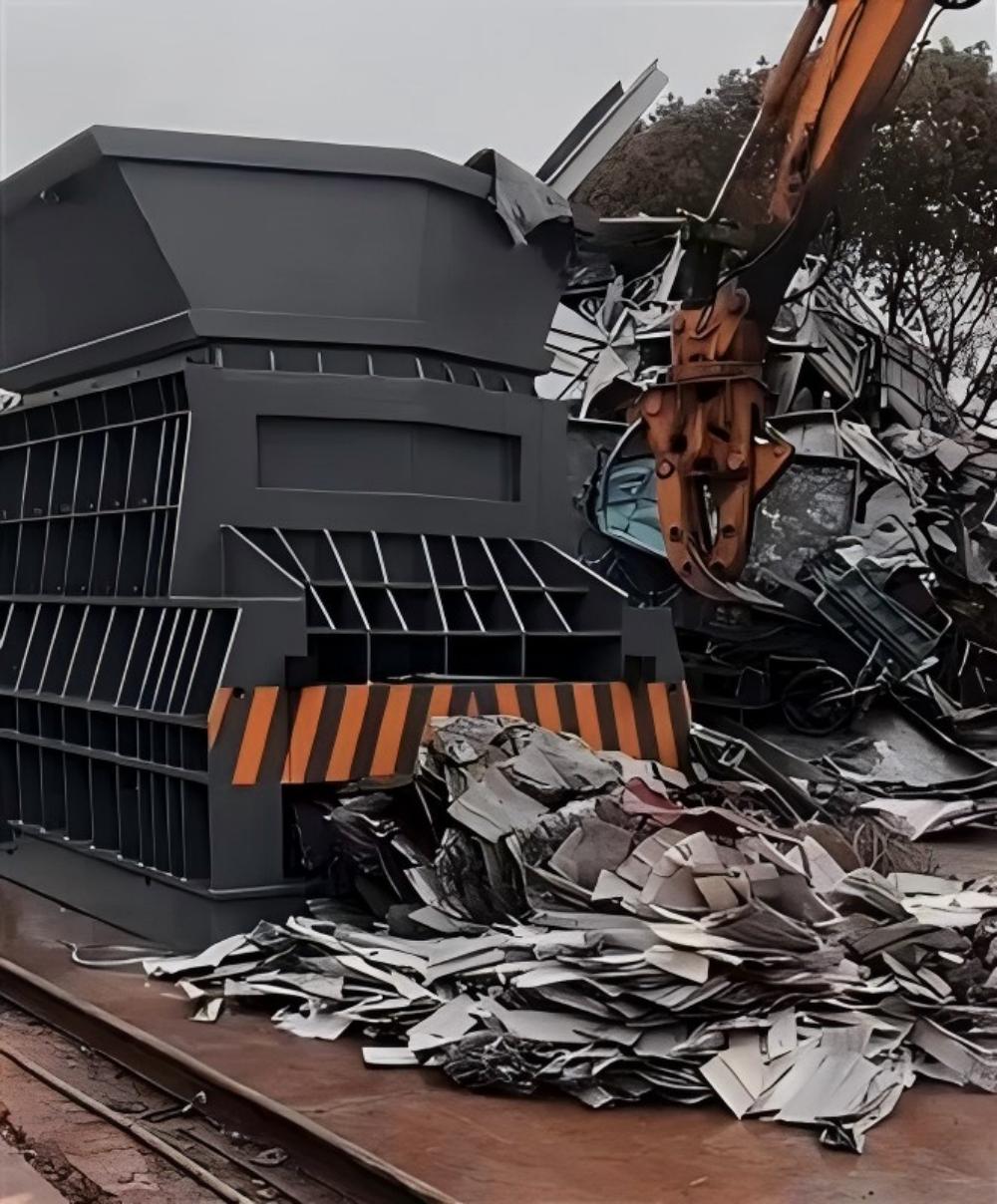
Operational Workflow in the Field
Step 1: Site Preparation and Machine Setup
The first step in maximizing scrap metal shear uses in portable on-site scrap processing is ensuring a stable, level surface for the machine. For container shears, this might involve laying down steel plates or a gravel pad. Once the machine is positioned, the hydraulic systems are checked, and the diesel engine or generator is started. Safety zones are established to protect ground workers from flying debris during the shearing process.
Step 2: Material Sorting and Pre-Treatment
Before feeding the shear, scrap must be sorted. Mixing high-value non-ferrous metals with heavy melting steel reduces the overall value of the output. Operators use grapples or magnets to segregate materials. Pre-treatment may involve removing hazardous components, such as fuel tanks or sealed pressure vessels, which could cause explosions during shearing.
Step 3: Feeding and Shearing
Material is loaded into the hopper or the throat of the shear. In a container shear, the side-compression walls engage first to crush the scrap into a dense column. The hydraulic ram then pushes the material forward toward the blades. The shear cycles automatically, cutting the metal into the pre-set lengths. For alligator shears, the operator manually feeds the material, which requires more labor but allows for precision cutting of specific profiles.
Step 4: Loading and Transport
The processed scrap is discharged via a conveyor or directly onto the ground. From there, it is loaded into high-sided trailers. Because the scrap is now uniform and dense, trailers can be loaded to their maximum weight capacity, significantly reducing the number of trips required to transport the material to the mill.
Productivity and Economic Benefits
Reduction in Logistics Costs
The most immediate benefit of on-site processing is the reduction in transportation overhead. Unprocessed scrap is “light and bulky,” meaning a truck might reach its volume limit long before it reaches its weight limit. By shearing the metal on-site, the density is increased by up to 300%, allowing for fewer truckloads and lower fuel consumption.
Increased Scrap Value
Mills and foundries pay a premium for “clean” and “sized” scrap. By processing on-site, the contractor can bypass the middleman scrap yard and sell directly to the end-user. This increases the profit margin per ton of metal recovered. Furthermore, on-site sorting ensures that high-value alloys are not lost in a generic scrap pile.
Environmental and Safety Advantages
On-site processing reduces the carbon footprint of a project by minimizing truck traffic. Additionally, it makes the job site safer. Large, jagged pieces of metal are a significant tripping and cutting hazard. By quickly processing these into small, uniform pieces, the site remains organized and the risk of accidents is lowered. Portable shears also eliminate the need for oxy-fuel torch cutting in many cases, which reduces the risk of fires and toxic fume inhalation.
Case Example: Bridge Decommissioning Project
Consider a project involving the decommissioning of a 500-foot steel truss bridge in a remote mountainous region. The traditional method would involve cutting the bridge into large sections using torches, loading them onto specialized oversized trailers, and hauling them 200 miles to the nearest scrap yard.
By implementing HARSLE’s portable container shear technology, the contractor was able to:
- Set up a processing station at the bridge abutment.
- Use an excavator with a shear attachment to bring down the trusses.
- Feed the steel directly into the container shear.
- Produce 2-foot furnace-ready scrap on-site.
- Load standard dump trailers to their 25-ton limit.
The result was a 40% reduction in transport costs and a 15% increase in the sale price of the steel, effectively paying for the machine’s rental and operation within the first month of the project.
Frequently Asked Questions (FAQ)
What is the maximum thickness a portable shear can cut?
This depends on the model. Heavy-duty container shears can typically cut through solid steel rounds up to 100mm-120mm or plates up to 50mm thick. Always check the specific tonnage rating of the machine.
How often do the blades need to be changed?
Blade life varies based on the material being processed. On average, blades can last between 200 and 500 hours before needing to be rotated or sharpened. Most HARSLE shears feature four-sided blades that can be rotated to provide four fresh cutting edges before replacement is necessary.
Can these machines run in extreme weather?
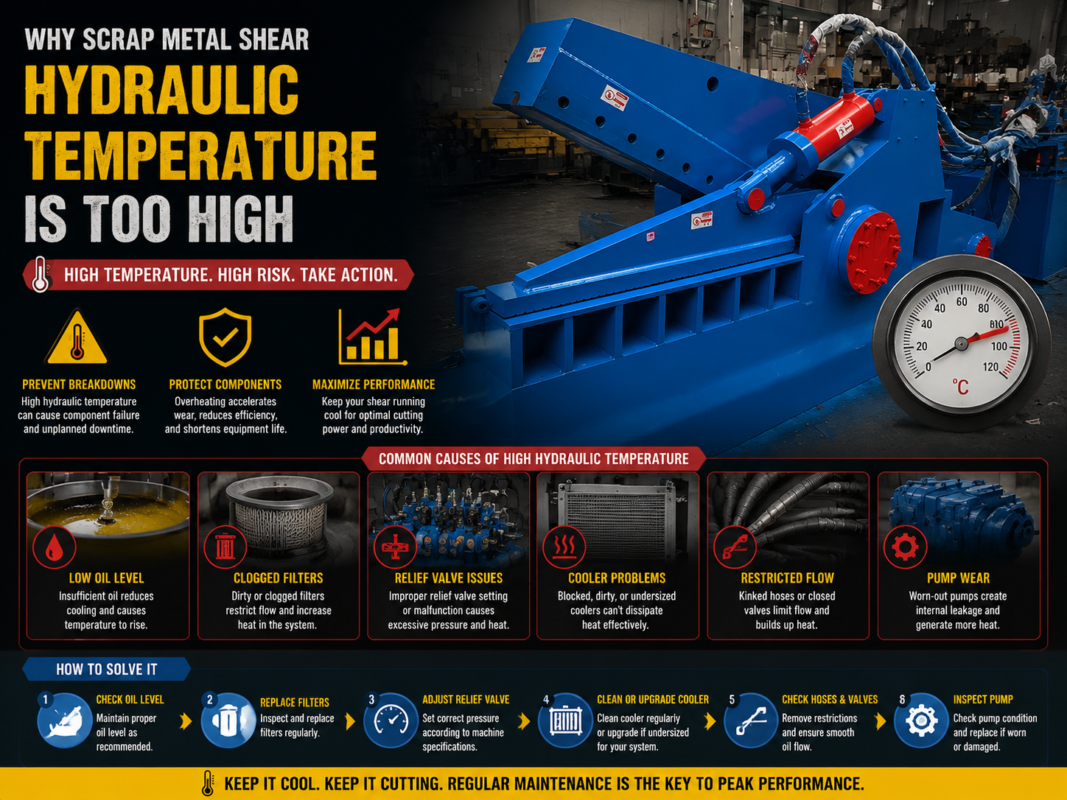
Yes, portable shears are designed for outdoor use. However, in extremely cold climates, hydraulic oil heaters are recommended to maintain proper viscosity. In very hot environments, high-capacity oil coolers are essential to prevent system overheating.
Is a special license required to operate a portable scrap shear?
While a specific “shear license” may not exist, operators should be trained in hydraulic safety and heavy equipment operation. On-site processing often falls under OSHA or local industrial safety regulations, requiring proper PPE and safety protocols.
What power source is best for remote sites?
For sites without grid access, a diesel-powered hydraulic power unit (HPU) is the best choice. Many HARSLE portable units come integrated with Cummins or similar reliable diesel engines to ensure total independence from the power grid.
Conclusion and CTA
The strategic application of scrap metal shear uses in portable on-site scrap processing is a game-changer for the recycling and demolition industries. By bringing the processing power to the material, businesses can unlock new levels of efficiency, profitability, and environmental responsibility. Whether you are managing a large-scale demolition or a remote salvage operation, the right shearing technology is the key to success.
HARSLE provides a comprehensive range of hydraulic scrap shears designed for durability, mobility, and high performance. Our engineering team can help you configure the perfect machine for your specific on-site needs. Contact HARSLE today to request a quote or consult with our experts on your next scrap processing project!