Scrap Metal Shear Solutions for Efficient Scrap Classification and Size Reduction

Introduction to Modern Scrap Metal Shearing
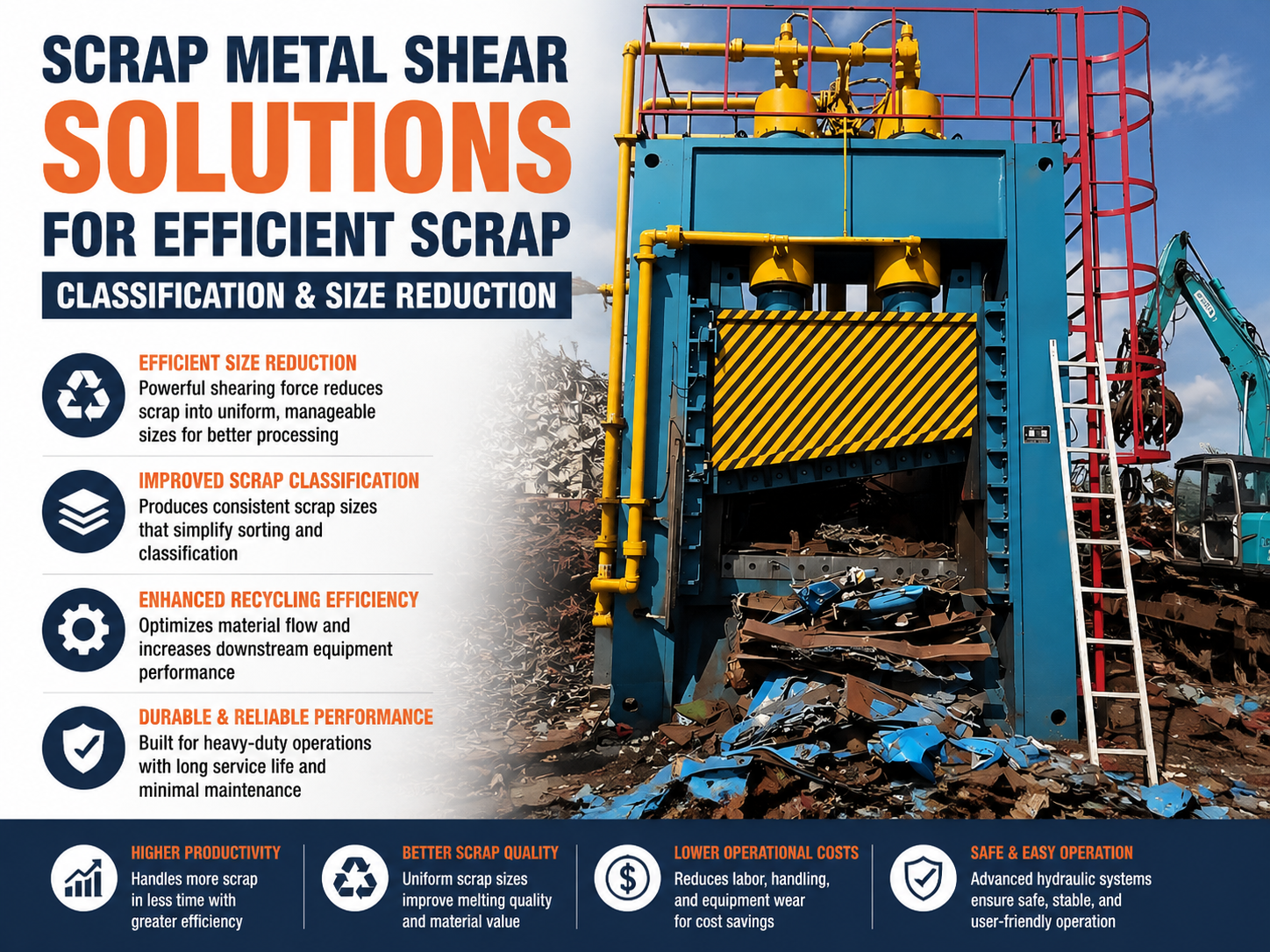
In the rapidly evolving landscape of global recycling and metal fabrication, the demand for high-efficiency processing has never been greater. As the world shifts toward a circular economy, the ability to transform bulky, heterogeneous scrap into high-density, furnace-ready material is a critical competitive advantage. HARSLE, a leader in metal fabrication machinery, provides comprehensive Scrap Metal Shear Solutions for Efficient Scrap Classification and Size Reduction. These solutions are designed to meet the rigorous demands of modern recycling yards, steel mills, and demolition contractors who require precision, power, and reliability.
The primary goal of scrap shearing is twofold: size reduction and classification. Size reduction ensures that large structural components, such as I-beams, pipes, and automotive frames, are cut into manageable lengths that fit into melting furnaces or transport containers. Classification involves sorting these materials by grade and density, which significantly impacts the market value of the processed scrap. By utilizing advanced hydraulic shearing technology, operators can achieve a level of consistency that manual processing or older mechanical methods simply cannot match.
Efficiency in this sector is measured by throughput, energy consumption, and the quality of the final output. HARSLE’s range of scrap shears, including gantry shears, alligator shears, and container shears, are engineered to optimize these metrics. This article explores the various application scenarios, material requirements, and technical configurations that define a world-class scrap shearing operation, providing a roadmap for businesses looking to upgrade their processing capabilities.
Application Scenarios for Scrap Metal Shear Solutions
The application of scrap metal shears spans across multiple industrial sectors, each with unique challenges. In large-scale recycling yards, the primary objective is the rapid processing of mixed metal waste. These facilities receive everything from household appliances to industrial machinery. Here, Scrap Metal Shear Solutions for Efficient Scrap Classification and Size Reduction are used to break down diverse materials into standardized sizes, facilitating easier sorting and higher resale value. The ability to process high volumes of material daily is essential for maintaining profitability in a market where margins are often tight.
In the demolition industry, mobile and stationary shears play a vital role in site clearing. When a steel-structured building or bridge is dismantled, the resulting scrap is often too large for transport. On-site shearing allows contractors to reduce the size of structural steel immediately, lowering logistics costs and allowing for direct shipment to steel mills. This immediate size reduction also improves safety on-site by eliminating the need for hazardous torch-cutting in many instances, reducing the risk of fire and toxic fume inhalation.
Steel mills and foundries represent another critical application scenario. These facilities require “clean” scrap that meets specific dimensional requirements for their electric arc furnaces (EAF). If the scrap is too large, it can damage the furnace electrodes or cause bridging, where the scrap forms a solid crust that prevents even melting. By implementing dedicated shearing solutions, mills can ensure a steady supply of high-density scrap that optimizes furnace charging and reduces energy consumption during the melting process.
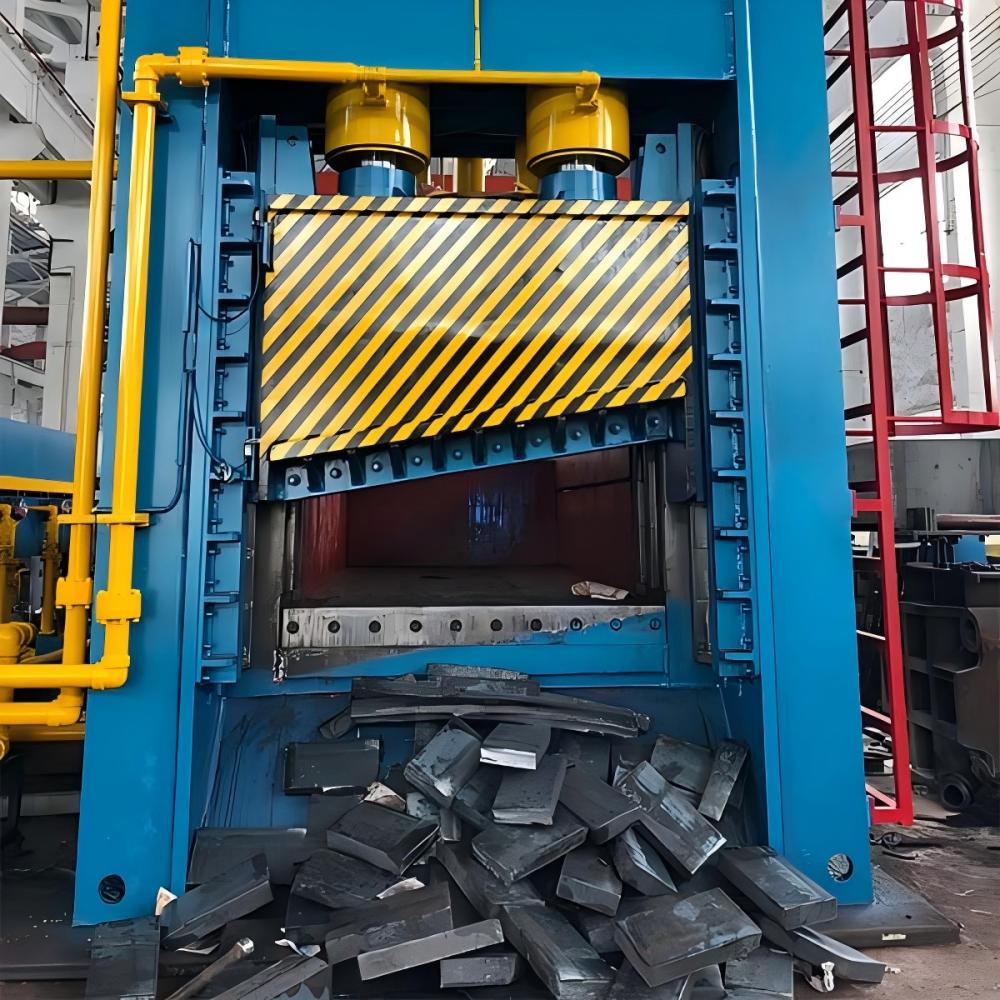
Automotive recycling centers also rely heavily on specialized shearing equipment. After a vehicle has been stripped of its fluids, engine, and non-metallic components, the remaining chassis must be processed. While balers are often used for thin sheet metal, heavy-duty shears are required for the thicker structural components of trucks and heavy machinery. HARSLE’s shearing solutions allow these facilities to classify automotive scrap into high-grade steel categories, maximizing the return on every vehicle processed.
Material and Process Requirements
Understanding the material being processed is the first step in selecting the right Scrap Metal Shear Solutions for Efficient Scrap Classification and Size Reduction. Scrap metal is generally categorized into light, medium, and heavy grades. Light scrap includes items like aluminum siding, tin cans, and thin sheet metal. Medium scrap often consists of automotive parts and smaller structural sections. Heavy scrap, the most demanding category, includes HMS 1 and 2 (Heavy Melting Scrap), thick-walled pipes, ship plates, and large I-beams. Each of these materials requires a specific shearing force and blade configuration to ensure a clean cut without damaging the machine.
The process requirements also dictate the choice of machinery. For instance, if the goal is strictly size reduction for transport, a high-speed alligator shear might suffice for smaller items. However, if the goal is high-density classification for a steel mill, a heavy-duty gantry shear with a compression box is necessary. The compression box pre-compacts the scrap before the shear blade descends, ensuring that the resulting pieces are not only short but also dense. This density is crucial for maximizing the weight-to-volume ratio in shipping containers and furnace baskets.
Furthermore, the hardness and tensile strength of the alloys being sheared must be considered. Stainless steel, for example, is much harder on shear blades than mild carbon steel. Processing specialized alloys requires blades made from high-strength tool steel, often with multiple cutting edges that can be rotated to extend their service life. HARSLE ensures that its shear blades are manufactured from premium materials capable of withstanding the immense pressures involved in shearing 20mm to 100mm thick steel plates consistently over thousands of cycles.
Recommended Machine Configuration
When configuring a scrap metal shear, several technical components must be harmonized to achieve peak performance. The heart of the machine is the hydraulic system. For Scrap Metal Shear Solutions for Efficient Scrap Classification and Size Reduction, HARSLE recommends high-pressure hydraulic circuits equipped with variable displacement pumps. These pumps allow the machine to deliver maximum force when cutting through thick sections while increasing speed during the return stroke or when cutting lighter materials, thereby reducing cycle times and energy waste.
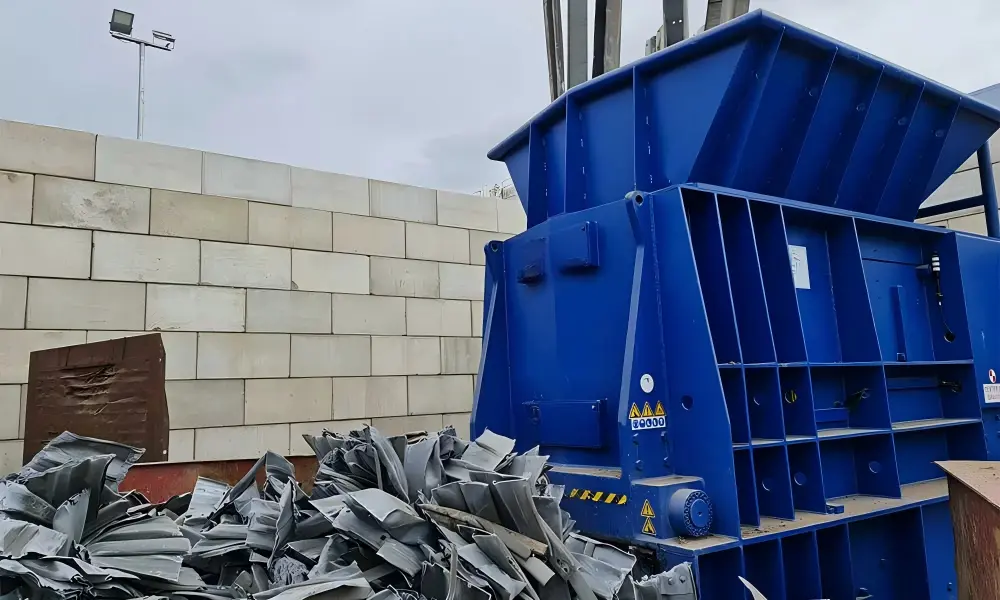
The structure of the shear itself is another critical factor. Gantry shears (Q91 series) are the workhorses of the industry. They feature a vertical cutting action and are typically integrated with a large feed hopper and a side-compression ram. This configuration is ideal for continuous feeding of bulky scrap. For operations that require more flexibility or have limited space, container shears (Q15 series) offer a unique advantage. These machines are designed to fit within the footprint of a standard shipping container, making them semi-mobile and easy to deploy at different sites without extensive foundation work.
Key Technical Specifications to Consider:
- Shearing Force: Ranging from 400 tons to over 2000 tons depending on the maximum material thickness.
- Blade Length: Typically between 600mm and 2000mm, determining the maximum width of the scrap that can be fed into the throat.
- Cycle Time: The speed at which the shear can complete one full cut and return to the starting position, usually measured in cuts per minute.
- Control System: Modern shears should feature PLC (Programmable Logic Controller) systems with touch-screen interfaces for easy adjustment of stroke length and pressure settings.
- Cooling System: High-volume operations generate significant heat in the hydraulic oil; an integrated air or water cooling system is essential for 24/7 operation.
Workflow for Efficient Scrap Processing
An efficient workflow is what separates a profitable recycling operation from a chaotic one. The process begins with Collection and Pre-Sorting. Scrap is delivered to the facility and sorted by material type (ferrous vs. non-ferrous) and size. Large, oversized pieces are set aside for the primary shear. Using a grapple crane, the operator loads the scrap into the shear’s charging box. This is a critical step; overfilling or improper loading can lead to jams or uneven wear on the machine.
Once the charging box is loaded, the Compression Phase begins. In a gantry shear, the lid closes, and a side ram squeezes the scrap into a dense log. This pre-compression is vital for Efficient Scrap Classification and Size Reduction because it ensures the shear blade encounters a solid mass of metal rather than hollow spaces. The Shearing Phase follows, where the hydraulic cylinder forces the blade through the compressed metal at a predetermined length. The length of the cut can often be adjusted via the PLC to meet specific customer requirements (e.g., 600mm lengths for a specific foundry).
The final stage is Classification and Transport. The sheared pieces fall onto a discharge conveyor, which often passes under a magnetic separator to remove any remaining non-ferrous contaminants or debris. The clean, sized scrap is then moved to designated stockpiles based on its grade. This automated workflow minimizes manual labor, reduces the risk of injury, and ensures that the output is consistent in both size and quality, making it ready for immediate sale or use in a furnace.
Productivity and Economic Benefits
Investing in high-quality Scrap Metal Shear Solutions for Efficient Scrap Classification and Size Reduction yields significant productivity benefits. The most immediate impact is the reduction in labor costs. A single gantry shear operated by one person with a crane can replace a dozen workers using manual torches. This not only saves on wages but also eliminates the high cost of industrial gases and the environmental liabilities associated with open-air torch cutting.
Furthermore, the increase in scrap density leads to direct savings in logistics. Loose, bulky scrap is expensive to transport because trucks and containers reach their volume limit long before they reach their weight limit. Sheared and compressed scrap allows for “heavy loading,” where every transport vehicle is filled to its maximum weight capacity. This can reduce shipping costs by as much as 30-50%, significantly improving the bottom line for scrap exporters and processors.
From a metallurgical perspective, sheared scrap is superior to baled scrap for many melting applications. While balers are excellent for thin materials, they can trap dirt, plastics, and other contaminants inside the bale. Shearing, however, tends to knock loose these impurities, resulting in a cleaner melt. Additionally, the uniform size of sheared scrap allows for more efficient heat distribution in the furnace, leading to shorter melt times and lower electricity or gas consumption per ton of steel produced. This makes HARSLE’s shearing solutions an essential tool for any facility aiming for “Green Steel” certification.
Case Example: Optimizing a Regional Recycling Hub
Consider a regional recycling hub that previously relied on manual sorting and small alligator shears. The facility struggled with a massive backlog of structural steel from local demolition projects. By implementing a HARSLE Q91 Series Gantry Shear with an 800-ton cutting force, the facility transformed its operations. The new system allowed them to process heavy I-beams and thick-walled pipe that were previously impossible to handle efficiently.
Within the first six months, the facility reported a 150% increase in monthly throughput. The ability to produce standardized 600mm HMS 1 scrap allowed them to secure a direct supply contract with a major domestic steel mill, bypassing middleman processors and increasing their profit margin per ton by 20%. Additionally, the integrated PLC system allowed the manager to track the number of cuts and total operating hours, leading to a more disciplined preventative maintenance schedule and zero unplanned downtime during the peak season. This case illustrates how the right Scrap Metal Shear Solutions for Efficient Scrap Classification and Size Reduction can fundamentally change the economic trajectory of a recycling business.
Frequently Asked Questions (FAQ)
1. What is the difference between a gantry shear and an alligator shear?
A gantry shear is a large, stationary machine designed for high-volume, heavy-duty scrap. It uses a vertical downward stroke and often includes a compression box. An alligator shear has a jaw-like action and is better suited for smaller, longer pieces of scrap or for cleaning non-ferrous materials. Gantry shears are the preferred choice for industrial-scale size reduction and classification.
2. How often do the shear blades need to be replaced?
Blade life depends entirely on the material being processed. When shearing mild steel, blades can last for hundreds of hours before needing to be rotated or sharpened. Most HARSLE blades have four cutting edges; once one edge is dull, the blade can be flipped to a new edge. Regular maintenance and ensuring the blade gap is correctly set are key to extending blade life.
3. Can these shears handle non-ferrous metals like aluminum and copper?
Yes, HARSLE scrap shears are highly effective for non-ferrous metals. In fact, shearing is an excellent way to classify high-value non-ferrous scrap, such as aluminum extrusions or copper busbars, into premium grades. The precision of the hydraulic system ensures clean cuts even on softer metals.
4. What kind of maintenance is required for a hydraulic scrap shear?
Routine maintenance includes checking hydraulic oil levels and cleanliness, lubricating moving parts and slides, inspecting hoses for leaks, and monitoring the sharpness of the blades. It is also important to periodically check the PLC settings and ensure the cooling system is functioning correctly to prevent oil overheating.
5. Is it better to buy a stationary or a mobile shear?
This depends on your business model. If you have a centralized yard where all scrap is brought, a stationary gantry shear offers the highest throughput and stability. If you are a demolition contractor who moves from site to site, a mobile or container-style shear (like the Q15 series) provides the flexibility to process material on-site and save on transport costs.
Conclusion and Call to Action
In the competitive world of metal recycling, the efficiency of your processing equipment determines your market position. HARSLE’s Scrap Metal Shear Solutions for Efficient Scrap Classification and Size Reduction provide the power, precision, and durability needed to turn waste into wealth. By optimizing your workflow with advanced hydraulic shearing technology, you can increase throughput, reduce operational costs, and produce a higher-quality product that meets the stringent demands of modern steel production.
Are you ready to elevate your scrap processing capabilities? Contact HARSLE today to consult with our engineering experts. We can help you select the ideal machine configuration tailored to your specific material types and volume requirements. Visit our website to view our full range of gantry shears, alligator shears, and container shears, and take the first step toward a more productive and profitable recycling operation.