Heavy Scrap Metal Shear Applications in Steel Mill Scrap Management: A Comprehensive Guide

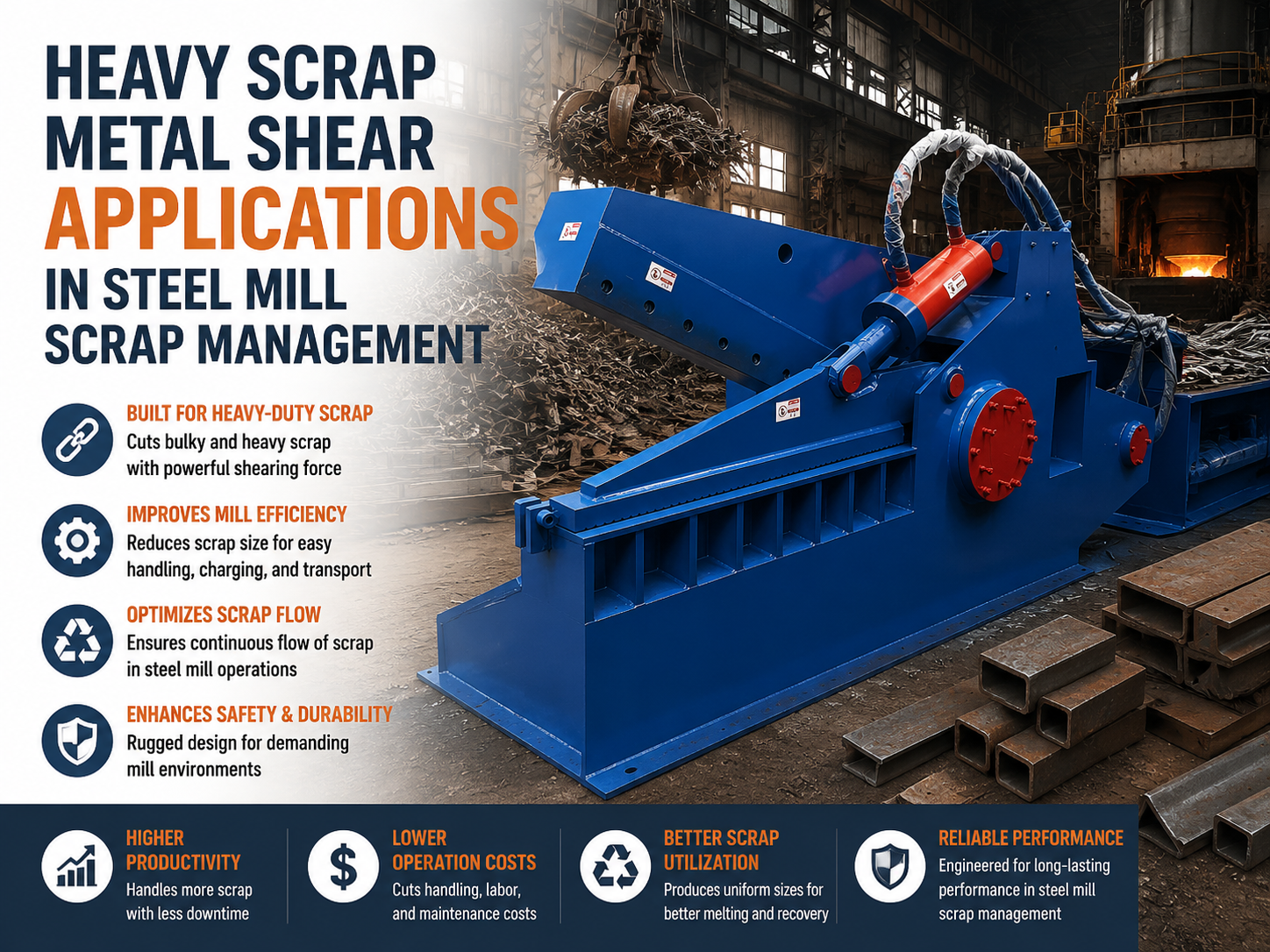
Introduction to Heavy Scrap Metal Shear Applications In Steel Mill Scrap Management
In the modern industrial landscape, the efficiency of a steel mill is often measured not just by its output, but by its ability to manage raw materials effectively. Scrap metal represents a significant portion of the feedstock for both Electric Arc Furnaces (EAF) and Basic Oxygen Furnaces (BOF). However, raw scrap comes in various shapes, sizes, and densities, ranging from decommissioned structural beams to automotive frames and industrial machinery. This is where Heavy Scrap Metal Shear Applications In Steel Mill Scrap Management become indispensable. These machines are the workhorses of the recycling yard, transforming oversized, unmanageable metal waste into standardized, furnace-ready charge material.
HARSLE, a leader in metal fabrication machinery, understands that the integration of high-capacity shears is a strategic investment. By reducing the volume of scrap and increasing its bulk density, steel mills can significantly lower logistics costs and improve the thermal efficiency of their melting processes. This article explores the technical nuances, application scenarios, and productivity benefits of utilizing heavy-duty shears in the demanding environment of a steel mill.
Application Scenarios for Heavy Scrap Metal Shears
The primary application of heavy scrap metal shears in a steel mill environment is the processing of Heavy Melting Scrap (HMS). Steel mills require scrap to be cut into specific dimensions to fit into charging buckets and to ensure that the furnace roof can close properly. Without precise shearing, oversized pieces can cause ‘bridging’ in the furnace, where scrap wedges against the walls, preventing the rest of the charge from melting efficiently and potentially damaging the electrodes in an EAF.
Another critical scenario involves the decommissioning of internal mill equipment. Steel mills generate their own ‘home scrap’ from trimmed edges, rejected billets, and end-of-life machinery. Heavy-duty gantry shears are used to process these thick, high-alloy components that would be impossible to handle with standard recycling equipment. Furthermore, in the broader scrap yard context, these shears are used to process demolition scrap, such as I-beams, pipes, and heavy plates, preparing them for secondary smelting.
Logistics and storage also drive the need for shearing. Unprocessed scrap is incredibly bulky and inefficient to transport. By shearing metal into smaller, denser pieces, mills can maximize the weight capacity of rail cars and trucks, reducing the carbon footprint and cost associated with material handling. In the scrap yard, sheared material stacks more neatly, allowing for better inventory management and safer working conditions.
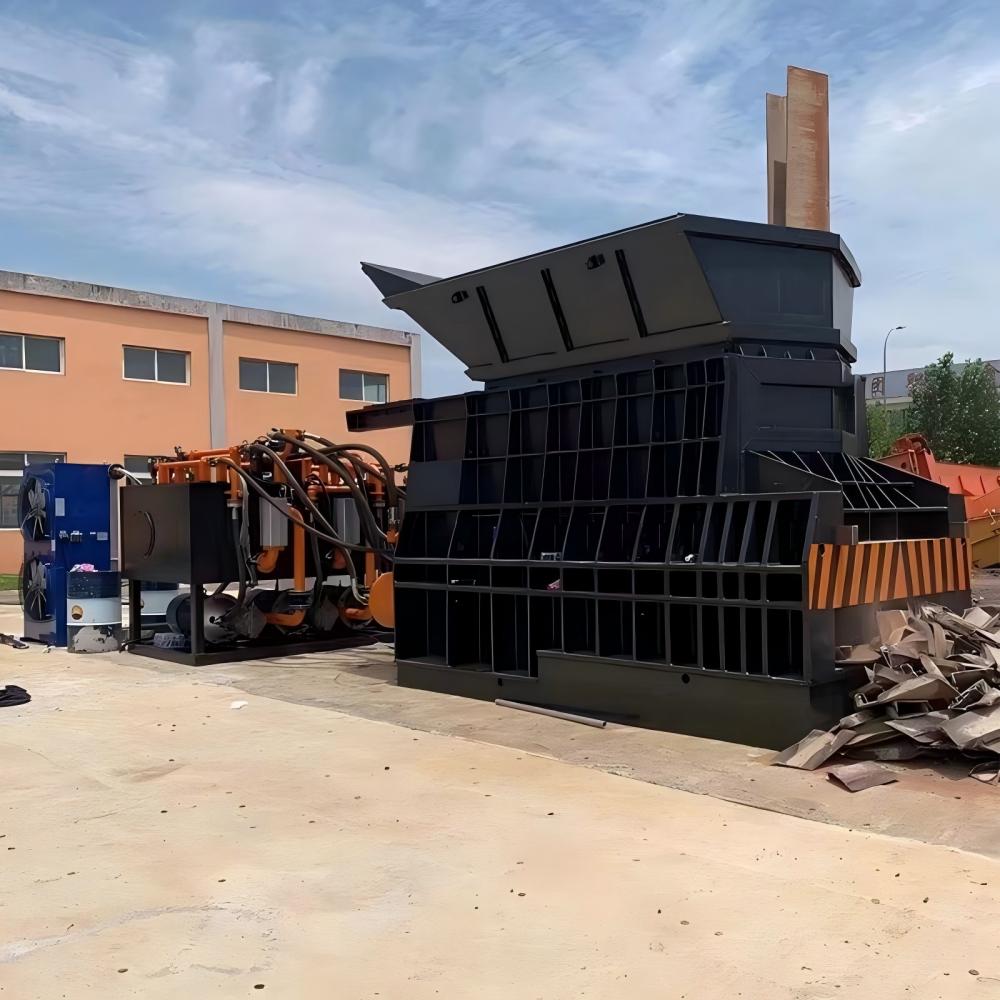
Material and Process Requirements
When discussing Heavy Scrap Metal Shear Applications In Steel Mill Scrap Management, one must consider the diverse range of materials processed. The shear must be capable of handling HMS 1 and HMS 2, which include black steel scrap, wrought iron, and steel pieces with a thickness of at least 1/4 inch. The process requirements are stringent; the shear must deliver enough force to overcome the tensile strength of high-carbon steels and various alloys without sustaining damage to the blades or hydraulic system.
The process begins with material classification. Scrap is sorted by grade and thickness. For instance, structural steel requires a different approach than thin-walled piping. The shear must be adjustable to accommodate these variations. Key process requirements include:
- Cutting Force: Depending on the mill’s capacity, shears typically range from 400 to over 2000 tons of cutting force.
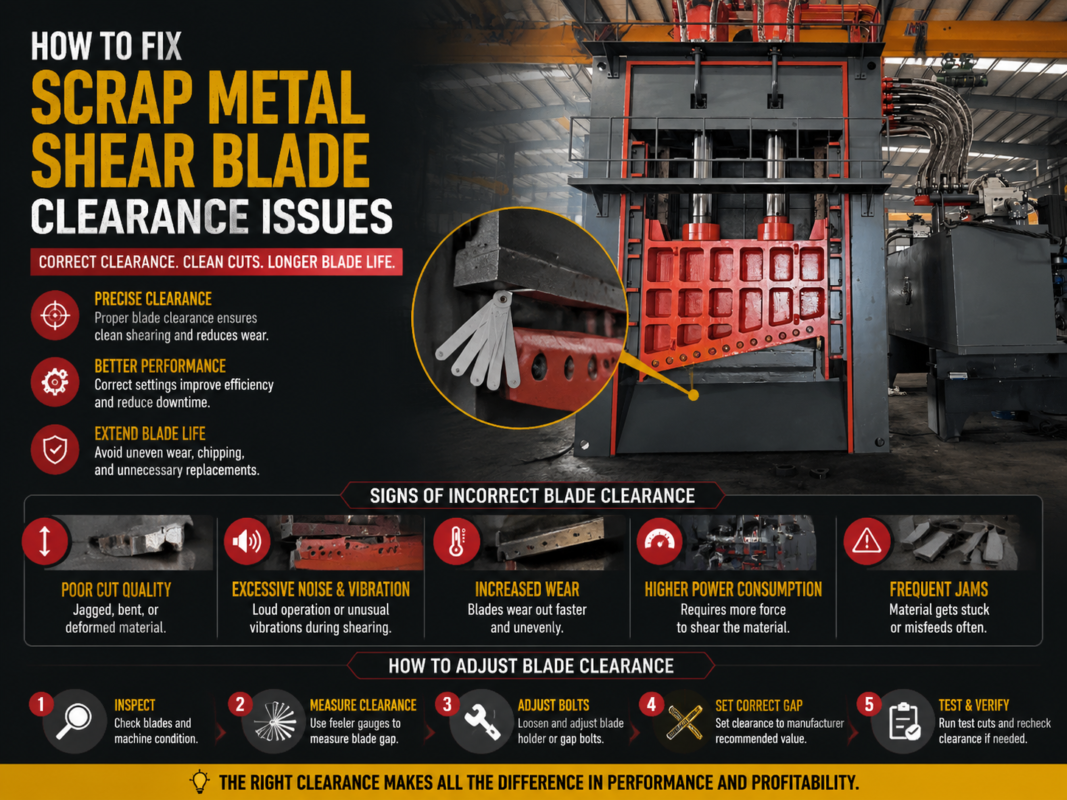
- Blade Gap Adjustment: Precise control over the blade gap is essential to ensure clean cuts and prevent material from jamming, especially when switching between different thicknesses.
- Cycle Time: In a high-volume steel mill, the shear must operate with a fast cycle time to keep up with the furnace’s demand for feedstock.
- Durability: The environment is harsh, with dust, heat, and constant vibration. The machinery must be built with high-grade wear plates and robust hydraulic seals.
Recommended Machine Configuration
For effective scrap management, HARSLE recommends specific configurations based on the volume and type of scrap. The two most common types are Gantry Shears and Alligator Shears.
1. Gantry Hydraulic Shears
Gantry shears are the gold standard for high-volume steel mill operations. They feature a large hopper or ‘feed box’ where scrap is loaded by a crane. A hydraulic pusher then moves the scrap toward the shear head. These machines are often automated, allowing for continuous operation. They are ideal for processing heavy structural steel and large volumes of mixed scrap.
2. Hydraulic Alligator Shears
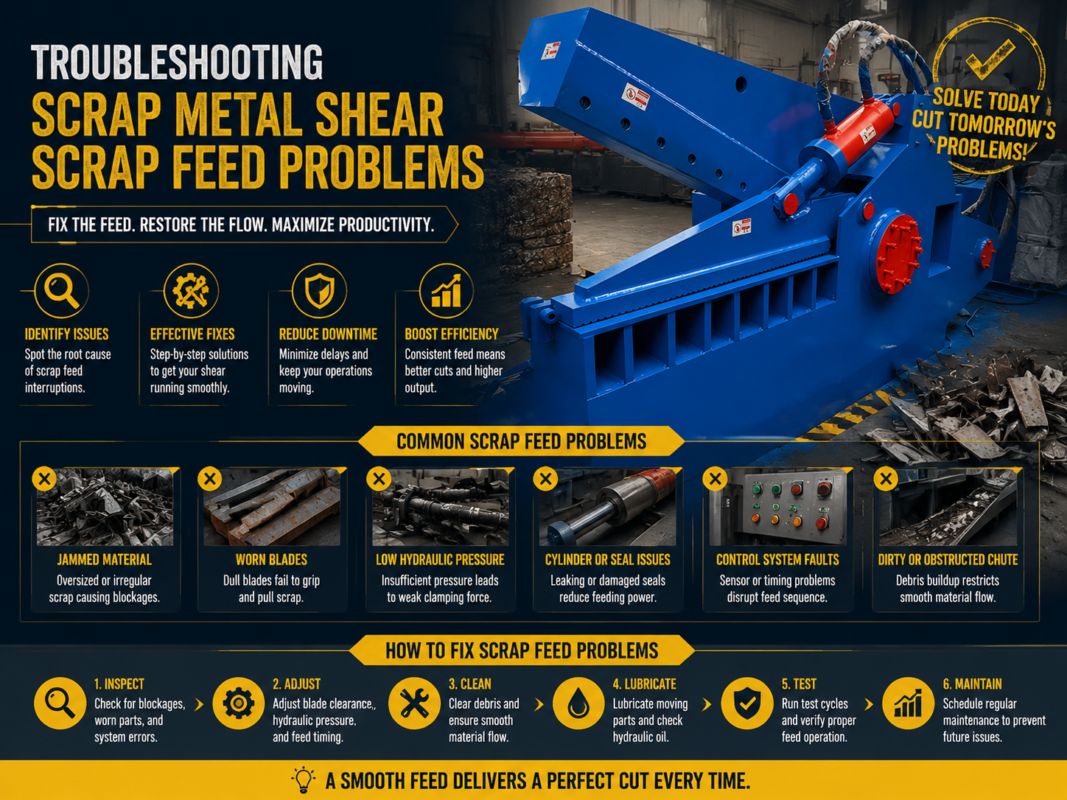
For smaller mills or for processing specific types of scrap like long bars, pipes, or non-ferrous metals, the alligator shear is a versatile choice. While it has a lower throughput than a gantry shear, its simplicity and ease of maintenance make it a valuable secondary tool in a scrap management strategy.
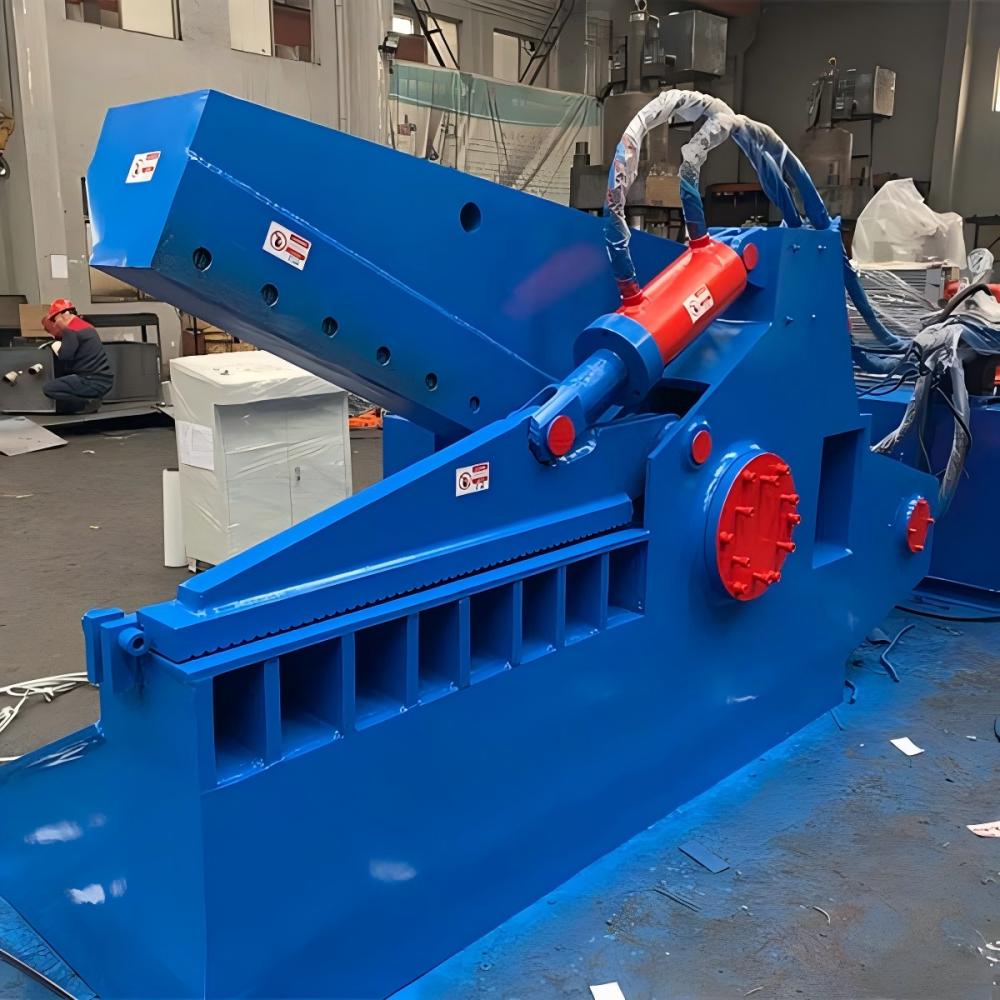
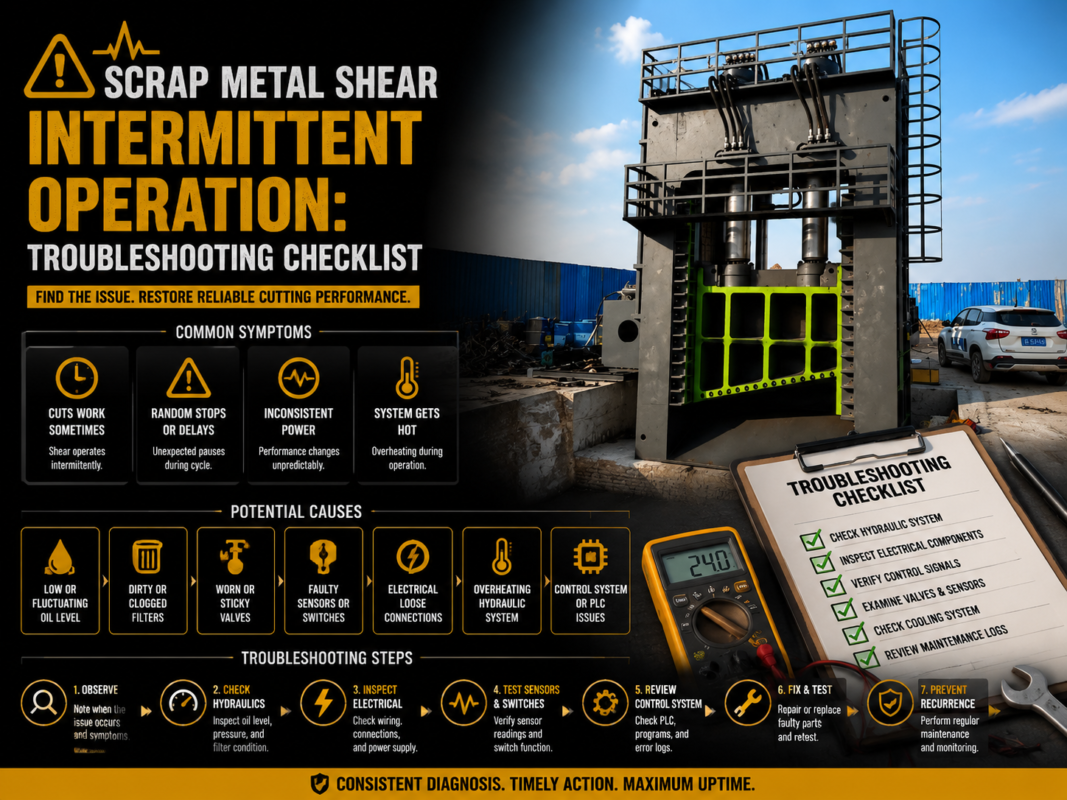
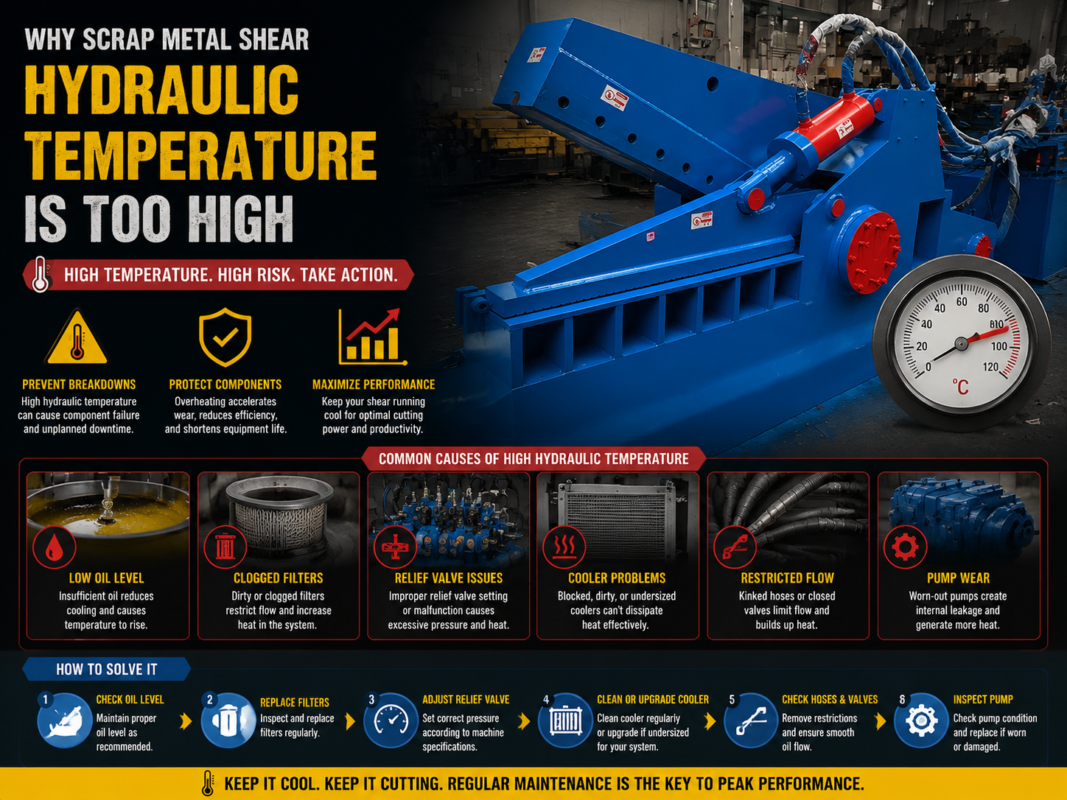
The configuration should also include advanced PLC (Programmable Logic Controller) systems. These systems allow operators to monitor hydraulic pressure, oil temperature, and cycle counts in real-time, ensuring the machine operates within its safety parameters while maximizing output.
Workflow in Steel Mill Scrap Management
The integration of a heavy shear into the mill’s workflow follows a systematic approach to ensure safety and efficiency:
- Collection and Sorting: Scrap is collected from various sources and sorted by material type. Magnets and grapples are used to move the material into the staging area.
- Loading: A crane operator loads the scrap into the shear’s charging box. It is crucial to avoid overloading or placing materials that exceed the machine’s rated capacity.
- Compression: In gantry shears, a side-press or lid-press compresses the scrap into a dense log. This step is vital for ensuring the shear blades can make a clean, efficient cut.
- Shearing: The hydraulic ram drives the upper blade down, shearing the metal to the pre-set length. The sheared pieces fall onto a conveyor or into a collection pit.
- Transportation: The processed scrap is moved to the furnace charging area. Because it is now uniform in size, it can be packed tightly into charging buckets, maximizing the weight per charge.
Productivity and Economic Benefits
The implementation of Heavy Scrap Metal Shear Applications In Steel Mill Scrap Management yields significant economic returns. Firstly, there is the benefit of increased furnace efficiency. Smaller, denser scrap melts faster and more uniformly. This reduces the “power-on time” required for each heat, leading to substantial energy savings and increased daily steel production.
Secondly, the reduction in transportation costs cannot be overstated. Unprocessed scrap is mostly air. By shearing and densifying the material, a mill can reduce the number of internal truck trips or rail car movements by up to 50%. This also reduces the wear and tear on mobile equipment and lowers fuel consumption.
Thirdly, processed scrap commands a higher market value. If a mill produces more scrap than it consumes, the sheared HMS 1/2 grades are much easier to sell to the global market at premium prices compared to unprocessed, bulky scrap. Additionally, the automation of the shearing process reduces the need for manual torch cutting, which is labor-intensive, dangerous, and produces harmful fumes.
Technical Specifications Comparison
| Feature | Gantry Shear (Heavy Duty) | Alligator Shear (Medium Duty) | Container Shear (Mobile) |
|---|---|---|---|
| Cutting Force | 800 – 2000 Tons | 100 – 500 Tons | 500 – 800 Tons |
| Primary Use | High-volume HMS processing | Long profiles, pipes, sorting | On-site demolition, flexible yards |
| Automation Level | Fully Automatic (PLC) | Semi-Automatic / Manual | Automatic |
| Feed Mechanism | Hydraulic Push Box | Manual / Gravity Feed | Gravity / Push Feed |
| Blade Length | 1200mm – 2500mm | 600mm – 1200mm | 800mm – 1500mm |
Case Example: Optimizing a 500,000-Ton Annual Capacity Mill
Consider a mid-sized steel mill producing 500,000 tons of steel annually using an Electric Arc Furnace. Before installing a HARSLE Gantry Shear, the mill relied on third-party scrap processors and manual torch cutting for their internal home scrap. This resulted in inconsistent scrap sizes and frequent furnace bridging issues, which added an average of 15 minutes to every melt cycle.
After integrating a 1250-ton HARSLE Gantry Shear, the mill was able to process all internal scrap and purchase lower-cost, oversized demolition scrap from the market. The results were immediate: the average melt cycle time decreased by 12%, and the density of the charging buckets increased by 20%. The mill reported that the investment in the shear paid for itself within 14 months through energy savings and reduced procurement costs alone. Furthermore, the safety record improved as the hazardous manual torch-cutting operations were phased out.
Maintenance and Safety Considerations
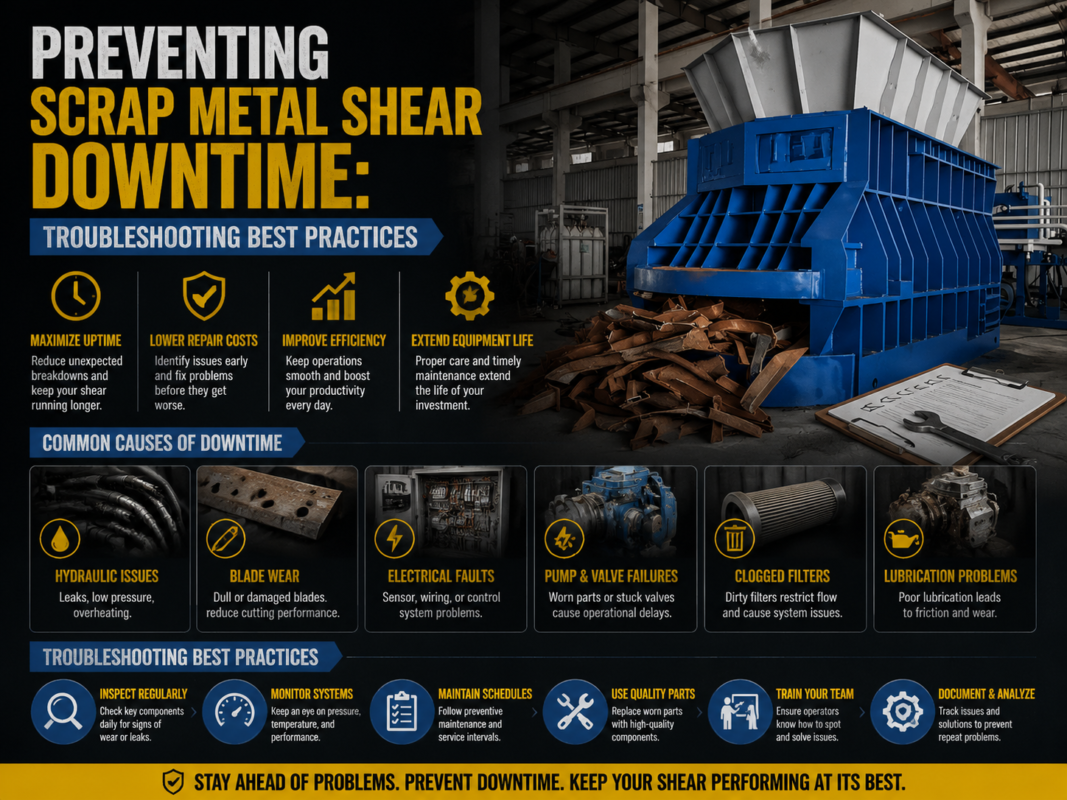
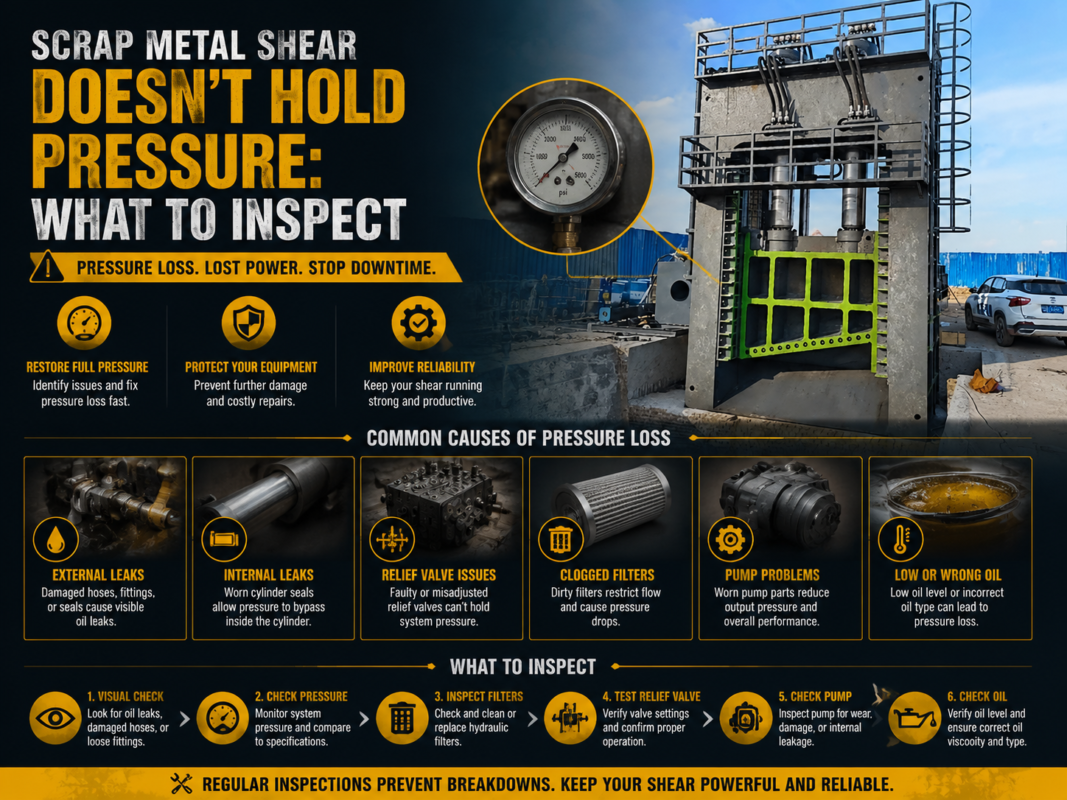
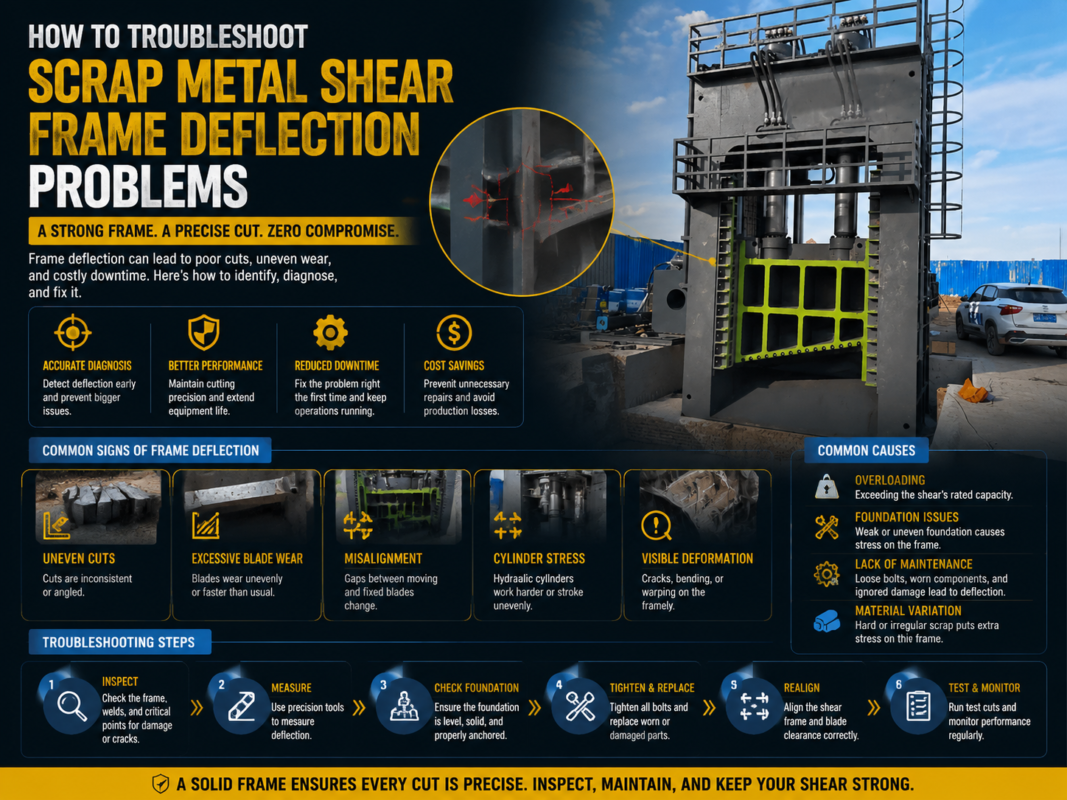
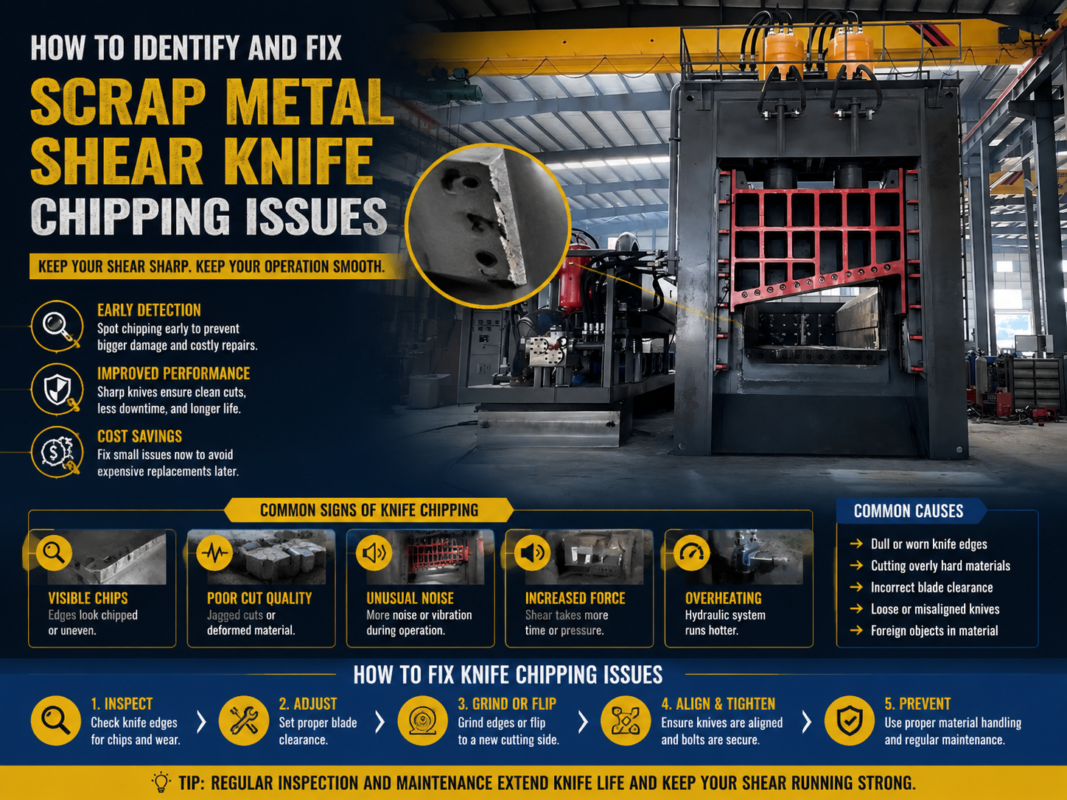
To maintain the longevity of heavy scrap shears, a rigorous maintenance schedule is required. Hydraulic oil must be filtered and changed regularly to prevent contamination of the high-pressure valves. The shear blades, typically made from high-strength tool steel, must be rotated or reground periodically. Most HARSLE shears feature four-sided blades, allowing for four rotations before a full regrind is necessary, which significantly reduces downtime.
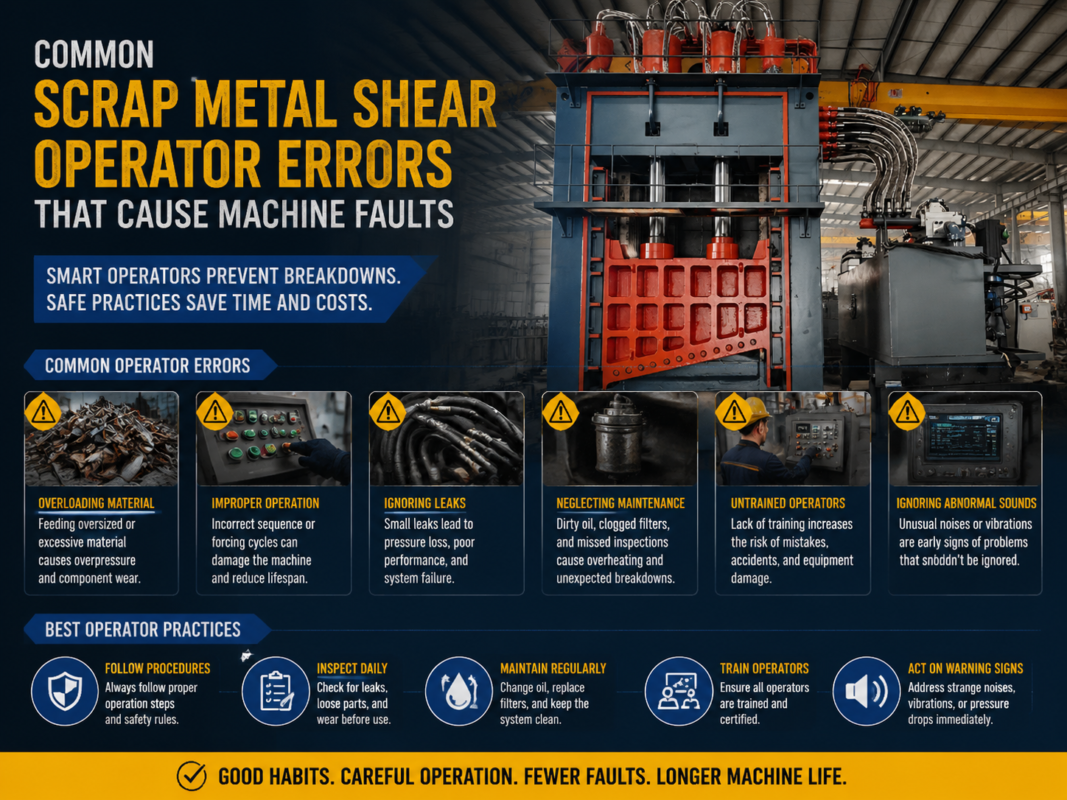
Safety is paramount in scrap management. Modern shears are equipped with emergency stop buttons, safety cages, and infrared sensors to prevent operation if a person is in the danger zone. Operators must be trained to recognize materials that are “un-shearable,” such as hardened shafts or sealed pressure vessels, which could cause catastrophic failure of the machine.
Frequently Asked Questions (FAQ)
What is the difference between HMS 1 and HMS 2 scrap?
HMS 1 (Heavy Melting Scrap) generally consists of clean steel scrap with a thickness of 1/4 inch and larger, with pieces no larger than 60×24 inches. HMS 2 contains thinner steel (1/8 inch minimum) and may include galvanized or coated steels. Heavy shears are essential for processing both to meet these size specifications.
How often do the shear blades need to be replaced?
Blade life depends on the material being cut. For standard carbon steel, blades can often last for several hundred hours of operation per edge. Since HARSLE blades are four-sided, the total life of a blade set is quite high. Regular monitoring of the blade gap is the best way to extend blade life.
Can these shears handle non-ferrous metals like aluminum or copper?
Yes, heavy scrap shears are excellent for processing large volumes of non-ferrous scrap. However, the blade gap may need to be adjusted to ensure a clean cut on softer, thinner materials to prevent folding or jamming.
Is a gantry shear better than a baler for a steel mill?
It depends on the furnace. EAFs generally prefer sheared scrap because it allows for better heat distribution and faster melting. Balers are excellent for thin-gauge scrap (like car bodies) to create dense cubes, but for heavy structural scrap, a shear is the only viable option.
Conclusion: Choosing HARSLE for Your Scrap Management Needs
The strategic application of heavy scrap metal shears is a cornerstone of modern, profitable steel mill operations. By transforming diverse scrap into a uniform, high-density feedstock, mills can achieve unprecedented levels of efficiency and cost-control. HARSLE provides the robust, high-performance machinery needed to thrive in this demanding industry. Whether you require a massive gantry shear for primary processing or a versatile alligator shear for specialized tasks, HARSLE’s engineering excellence ensures your scrap management workflow is optimized for the future.
Ready to enhance your steel mill’s productivity? Contact HARSLE today to discuss our custom hydraulic shear solutions and find the perfect fit for your scrap management requirements.