Comprehensive Guide to Scrap Metal Shear Applications for Shipbreaking and Marine Scrapping

Introduction to Scrap Metal Shear Applications for Shipbreaking and Marine Scrapping
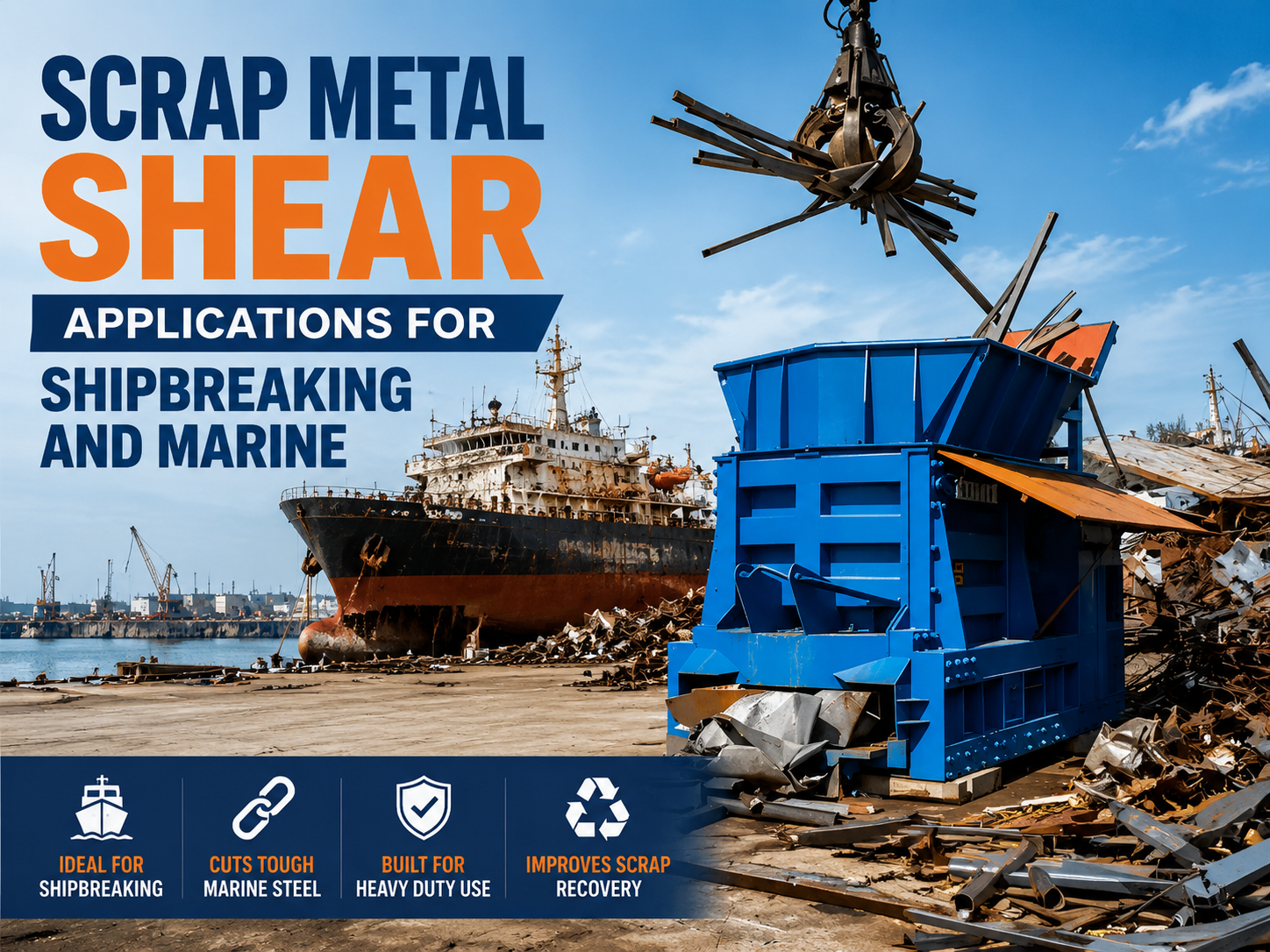
The shipbreaking industry is one of the most demanding sectors in the global recycling landscape. As massive vessels reach the end of their operational lives, the process of dismantling these giants requires specialized machinery capable of handling immense volumes of high-grade steel and various alloys. Scrap metal shears play a pivotal role in this process, transforming oversized marine structures into manageable, furnace-ready scrap. HARSLE, a leader in metal fabrication machinery, provides high-performance hydraulic shears designed specifically to meet the rigorous demands of marine scrapping operations.
Marine scrapping is not merely about destruction; it is a sophisticated recycling operation that recovers millions of tons of steel annually. The efficiency of a shipbreaking yard is often measured by its ability to process material quickly while maintaining safety and environmental standards. Scrap metal shears, particularly heavy-duty gantry and alligator models, are the workhorses of these facilities. They provide the necessary force to cut through thick hull plates, structural beams, and engine components that would otherwise require labor-intensive and hazardous manual torch cutting.
Application Scenario: The Demanding Environment of Shipbreaking
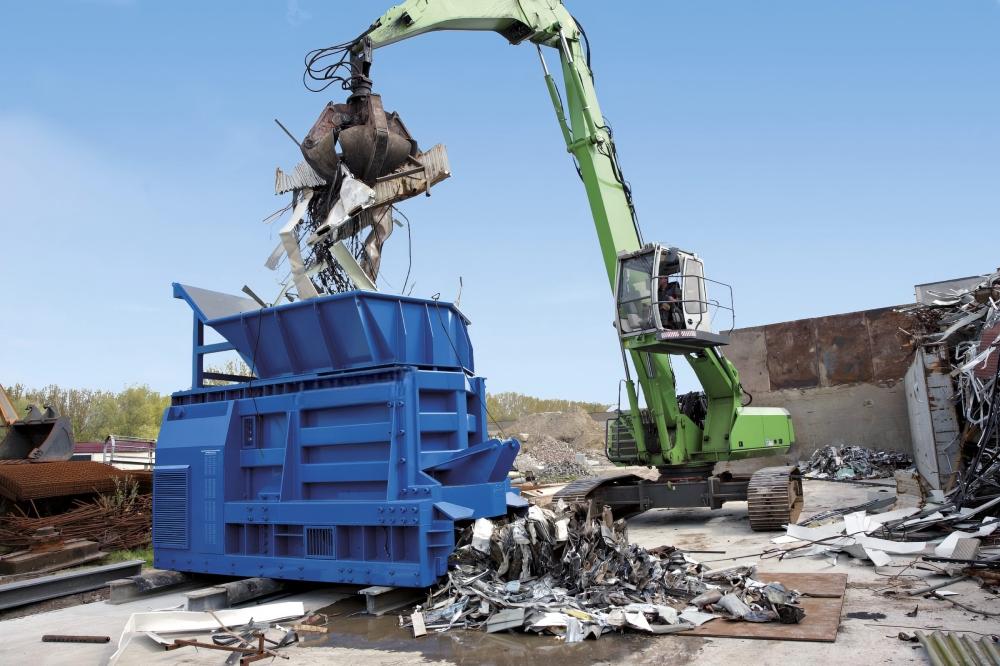
Shipbreaking yards, often located in coastal regions or specialized dry docks, operate under harsh conditions. The primary application scenario for scrap metal shears in this industry involves the secondary and tertiary processing of ship components. Once a vessel is beached or docked, primary cutting is often done with oxy-fuel torches to break the ship into large blocks. These blocks, weighing several tons, are then transported to the shearing station where the scrap metal shear takes over.
In addition to commercial cargo ships and tankers, marine scrapping also encompasses the decommissioning of offshore oil rigs and naval vessels. These structures are built to withstand extreme maritime environments, meaning the steel used is exceptionally tough and often reinforced. Scrap metal shears must be able to handle not only standard carbon steel but also stainless steel, copper-nickel alloys, and thick-walled piping systems found in engine rooms and ballast systems.
The application also extends to the processing of “foundry scrap.” Shipyards need to produce scrap that meets specific size requirements for steel mills. Without high-capacity shears, the yard would struggle to meet the throughput required to remain profitable. The ability to automate the cutting process with a hydraulic shear significantly reduces the time a vessel occupies a berth, allowing for a higher turnover of ships and increased revenue for the recycling facility.
Material and Process Requirements
The materials encountered in marine scrapping are diverse and challenging. Marine-grade steel, such as AH36 or DH36, is designed for high tensile strength and impact resistance. Furthermore, years of exposure to saltwater can lead to heavy corrosion, which creates uneven surfaces and layered oxidation that can be difficult for standard cutting tools. Scrap metal shears used in this context must possess high cutting forces, often exceeding 600 to 2000 tons, depending on the machine’s scale.
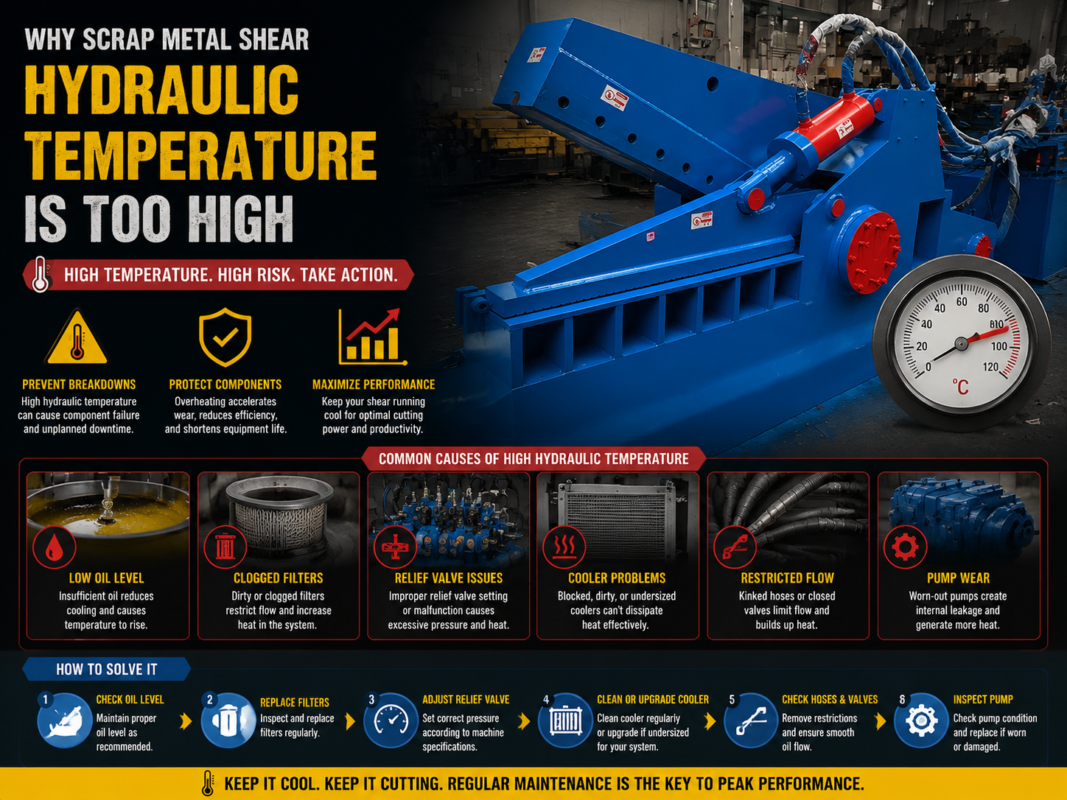
Process requirements in shipbreaking focus on three main pillars: safety, speed, and precision. Manual torch cutting, while flexible, poses significant fire hazards and exposes workers to toxic fumes from marine paints and coatings. Using a scrap metal shear minimizes these risks by providing a cold-cutting solution. The process requires a machine that can operate continuously in high-ambient temperatures and dusty environments, necessitating robust hydraulic cooling systems and heavy-duty filtration.
Furthermore, the shear must be capable of handling “mixed scrap.” A single cut might involve a steel plate with attached piping, brackets, and reinforcement ribs. The blade design and the machine’s hold-down mechanism must be sophisticated enough to prevent material slippage and ensure a clean shear. This reduces the need for re-cutting and ensures that the final product is uniform, which is a critical requirement for modern electric arc furnaces (EAF) used in steel production.
Recommended Machine Configuration
For shipbreaking and marine scrapping, HARSLE recommends specific configurations of hydraulic shears to maximize efficiency. The choice of machine depends largely on the volume of scrap and the thickness of the materials being processed.
1. Hydraulic Gantry Shears (Q91 Series)
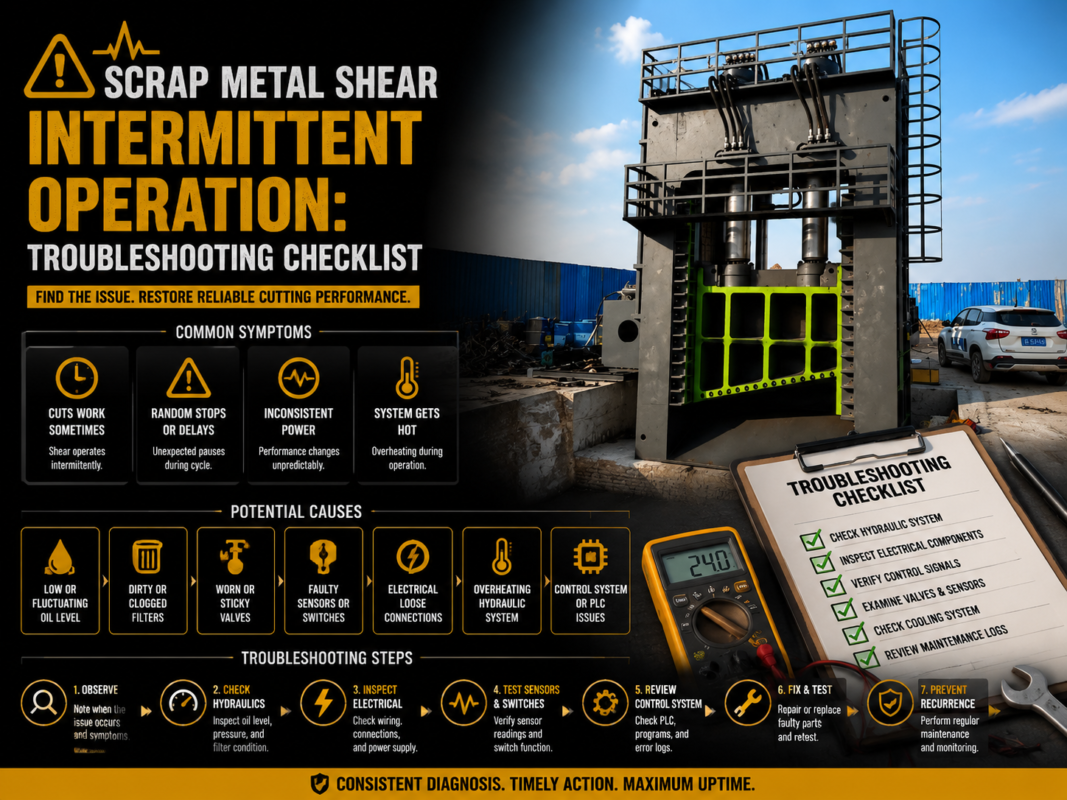
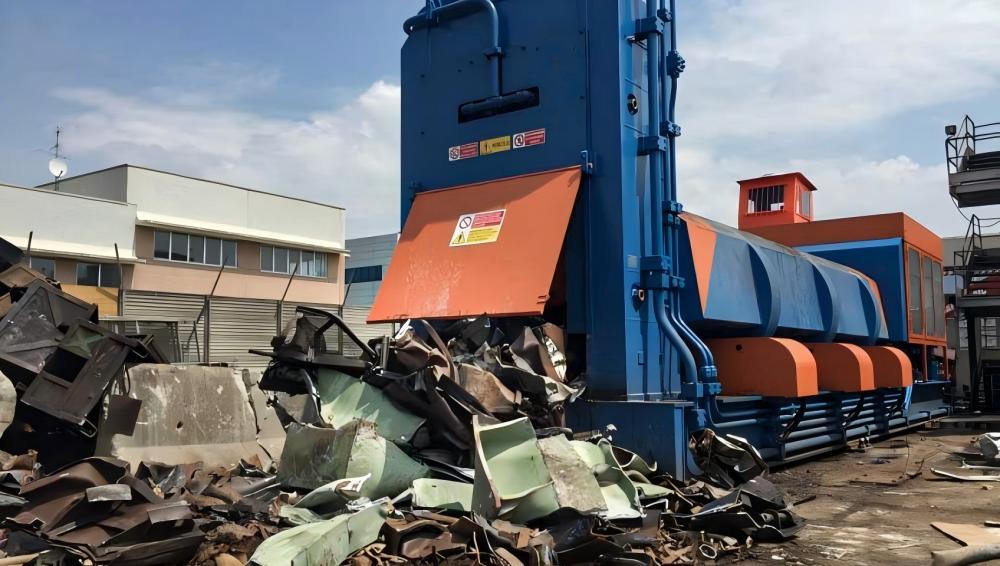
The Gantry Shear is the gold standard for high-volume shipbreaking. These machines are designed for continuous operation and can handle massive pieces of scrap. Key configurations include:
- Cutting Force: 800 to 2000 tons to handle thick hull plating and structural sections.
- Automatic Feeding: A large hopper and conveyor system allow for bulk loading of scrap blocks.
- PLC Control: Advanced Siemens or Omron PLC systems for automated cutting cycles and remote monitoring.
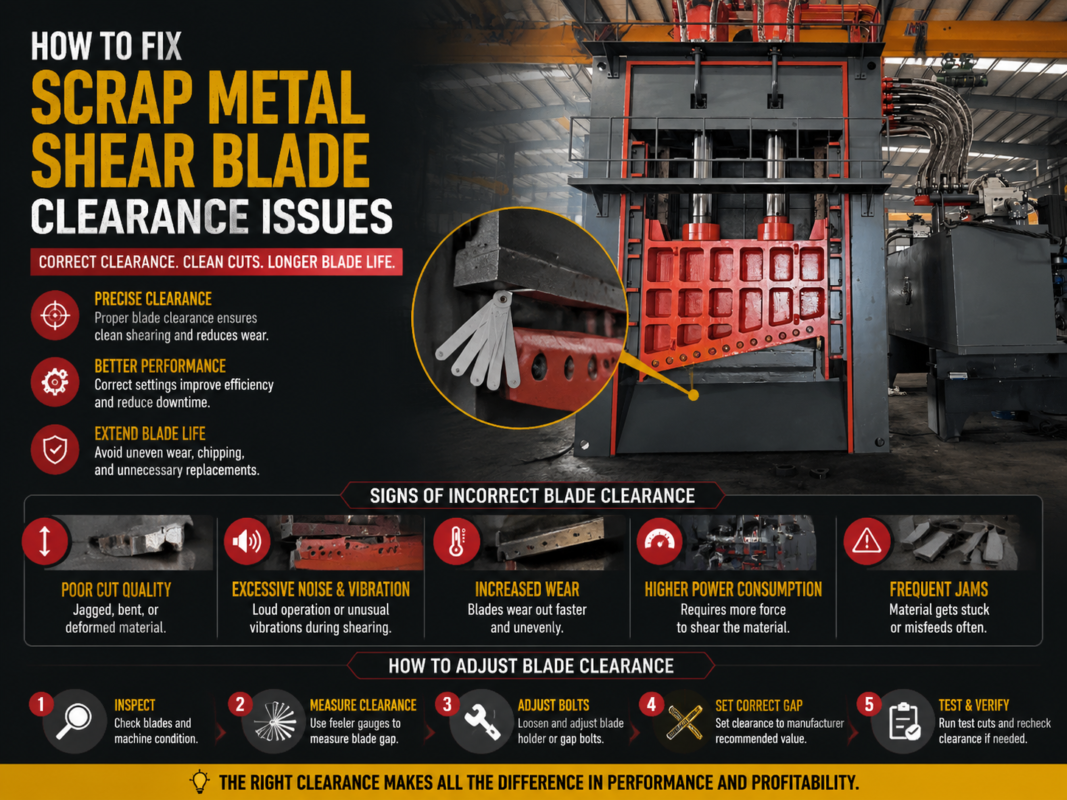
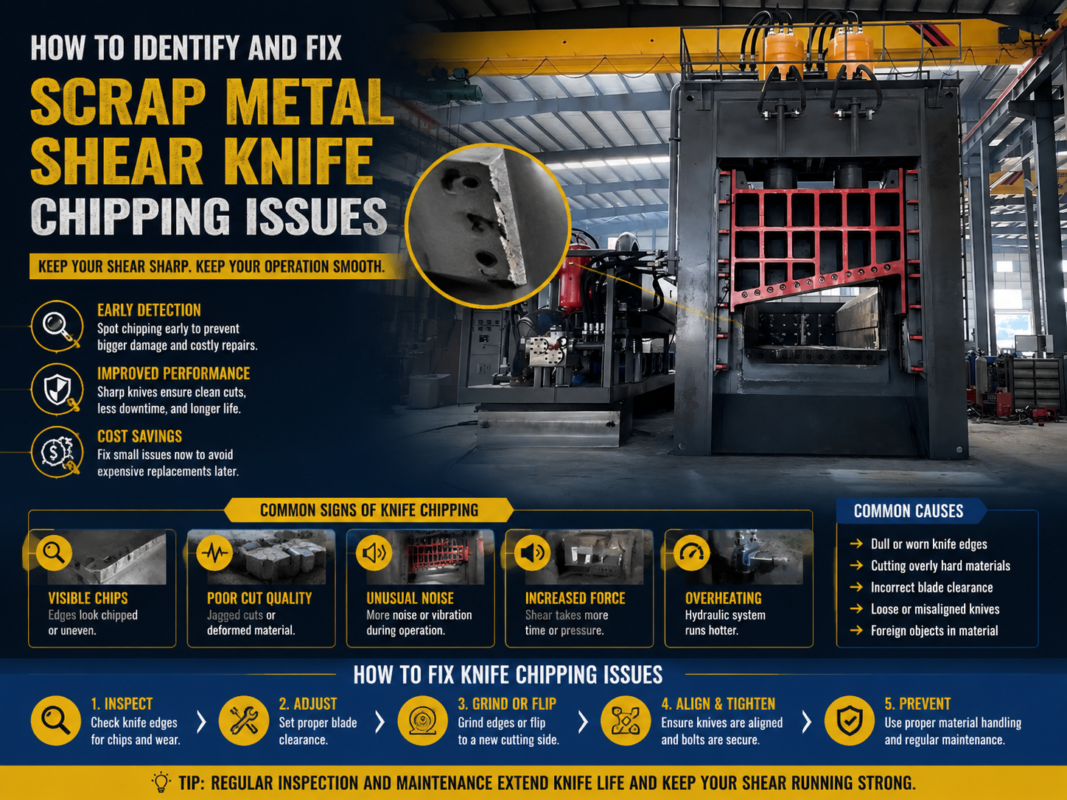
- Heavy-Duty Blades: High-alloy tool steel blades that can be rotated to provide four cutting edges, extending service life.
2. Heavy-Duty Alligator Shears (Q43 Series)
For smaller yards or for processing long pipes and smaller structural profiles, alligator shears are an excellent secondary tool. They are more mobile and can be placed closer to the primary dismantling area. Recommended specs include a blade length of 1200mm or more and a cutting force of at least 250 tons.
3. Container Shears
Container shears are a modern alternative that combines the power of a gantry shear with the mobility of a containerized unit. These are ideal for temporary shipbreaking sites or yards that require the flexibility to move the shearing station as the ship is dismantled.
Workflow: From Ship to Steel Mill
The workflow of integrating a scrap metal shear into a marine scrapping operation is a multi-stage process designed for maximum material recovery. It begins with the Primary Dismantling, where the ship is divided into large sections. These sections are then moved to a Sorting Zone where non-metallic materials (insulation, wood, plastics) are removed.
The next stage is Secondary Sizing. Large steel blocks are fed into the scrap metal shear’s hopper. The machine’s hydraulic pusher moves the material toward the blades. The operator, often situated in a protected cabin with a clear view of the feeding bed, initiates the cutting cycle. The shear’s hold-down ram secures the material before the main cutting blade descends, slicing through the steel with immense pressure.
Once sheared, the material falls onto a discharge conveyor. This Final Processing stage often includes magnetic separation to ensure that only ferrous metals are sent to the steel mill. The resulting scrap is compact, uniform, and high-density, which is highly valued by foundries because it improves melting efficiency and reduces energy consumption during the steel-making process.
Productivity Benefits of Using HARSLE Shears
Implementing a HARSLE scrap metal shear in a shipbreaking yard offers immediate productivity gains. Firstly, the Reduction in Labor Costs is significant. A single gantry shear can replace dozens of manual torch cutters, allowing the workforce to be redeployed to more skilled tasks such as engine dismantling or hazardous material handling.
Secondly, the Increase in Throughput is unmatched. While a torch cutter might take hours to process a large plate, a hydraulic shear can complete the task in seconds. This speed is essential for maintaining the flow of material in a busy yard. Furthermore, the Improved Safety Profile cannot be overstated. By reducing the reliance on open flames and pressurized gas cylinders, the risk of shipyard fires and explosions is drastically lowered.
From a financial perspective, the Higher Scrap Value generated by a shear is a major benefit. Steel mills pay a premium for “clean” scrap that is cut to specific dimensions. Sheared scrap has a higher bulk density than torch-cut scrap, meaning more weight can be loaded into transport trucks or rail cars, reducing logistics costs. Over time, the ROI (Return on Investment) of a HARSLE shear is realized through these combined efficiencies and the long-term durability of the equipment.
Case Example: 50,000-Ton Tanker Decommissioning
Consider a medium-sized shipbreaking yard tasked with dismantling a 50,000-ton oil tanker. Traditionally, this process would take over six months using manual methods. By integrating a HARSLE Q91-1250 Gantry Shear into their workflow, the yard was able to transform their operations.
The yard used the shear to process the internal bulkheads and deck plating. The 1250-ton cutting force allowed them to process plates up to 100mm thick without pre-heating or specialized gas cutting. By running the shear for two shifts a day, they increased their daily scrap output from 80 tons to over 250 tons. This allowed them to complete the tanker decommissioning two months ahead of schedule, freeing up the dock for the next vessel and significantly increasing their annual profit margin.
Frequently Asked Questions (FAQ)
What is the typical lifespan of shear blades in marine scrapping?
In the harsh environment of marine scrapping, blade life depends on the material being cut. On average, HARSLE’s high-alloy blades can process 1,000 to 3,000 tons of scrap per edge. Since the blades are four-sided, they can be rotated to provide a total lifespan of 4,000 to 12,000 tons before requiring professional regrinding or replacement.
Can these shears handle stainless steel and non-ferrous marine alloys?
Yes. HARSLE scrap metal shears are designed to handle a variety of metals. However, because stainless steel is harder and work-hardens during cutting, we recommend using a machine with a higher tonnage rating than what would be required for standard carbon steel of the same thickness.
How does the machine handle the salt and sand found in ship scrap?
Our machines feature reinforced hydraulic seals and advanced filtration systems to prevent contaminants from entering the hydraulic circuit. We also recommend regular cleaning of the feeding bed and lubricating the slide guides to prevent abrasive wear from sand and salt crust.
Is specialized training required to operate a gantry shear?
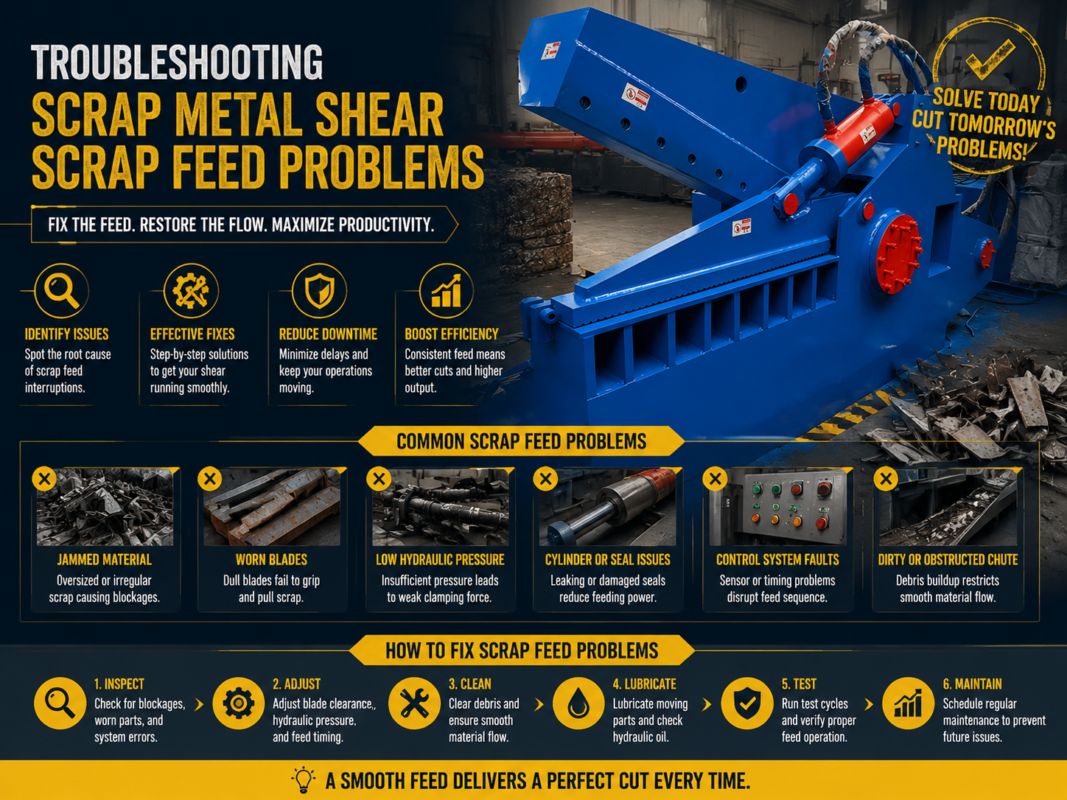
While the basic operation is straightforward via the PLC interface, HARSLE provides comprehensive training for operators. This covers safety protocols, material loading techniques to prevent jams, and daily maintenance checks to ensure the machine operates at peak efficiency.
Conclusion: Partnering with HARSLE for Marine Recycling Success
The shipbreaking and marine scrapping industry is evolving toward more sustainable and efficient practices. As global regulations tighten around “green shipbreaking,” the need for advanced machinery like scrap metal shears becomes even more critical. HARSLE is committed to providing the marine recycling industry with robust, high-capacity shearing solutions that drive productivity while ensuring worker safety.
Whether you are upgrading an existing yard or establishing a new decommissioning facility, choosing the right scrap metal shear is a foundational decision. With HARSLE’s expertise in hydraulic systems and heavy-duty fabrication, you can be confident in a machine that will withstand the rigors of the shipyard for years to come. Contact our technical team today to discuss your specific requirements and find the perfect shearing solution for your marine scrapping needs.