Comprehensive Guide to Industrial Scrap Metal Shear Applications for Ferrous and Non-Ferrous Metals

Introduction to Industrial Scrap Metal Shearing
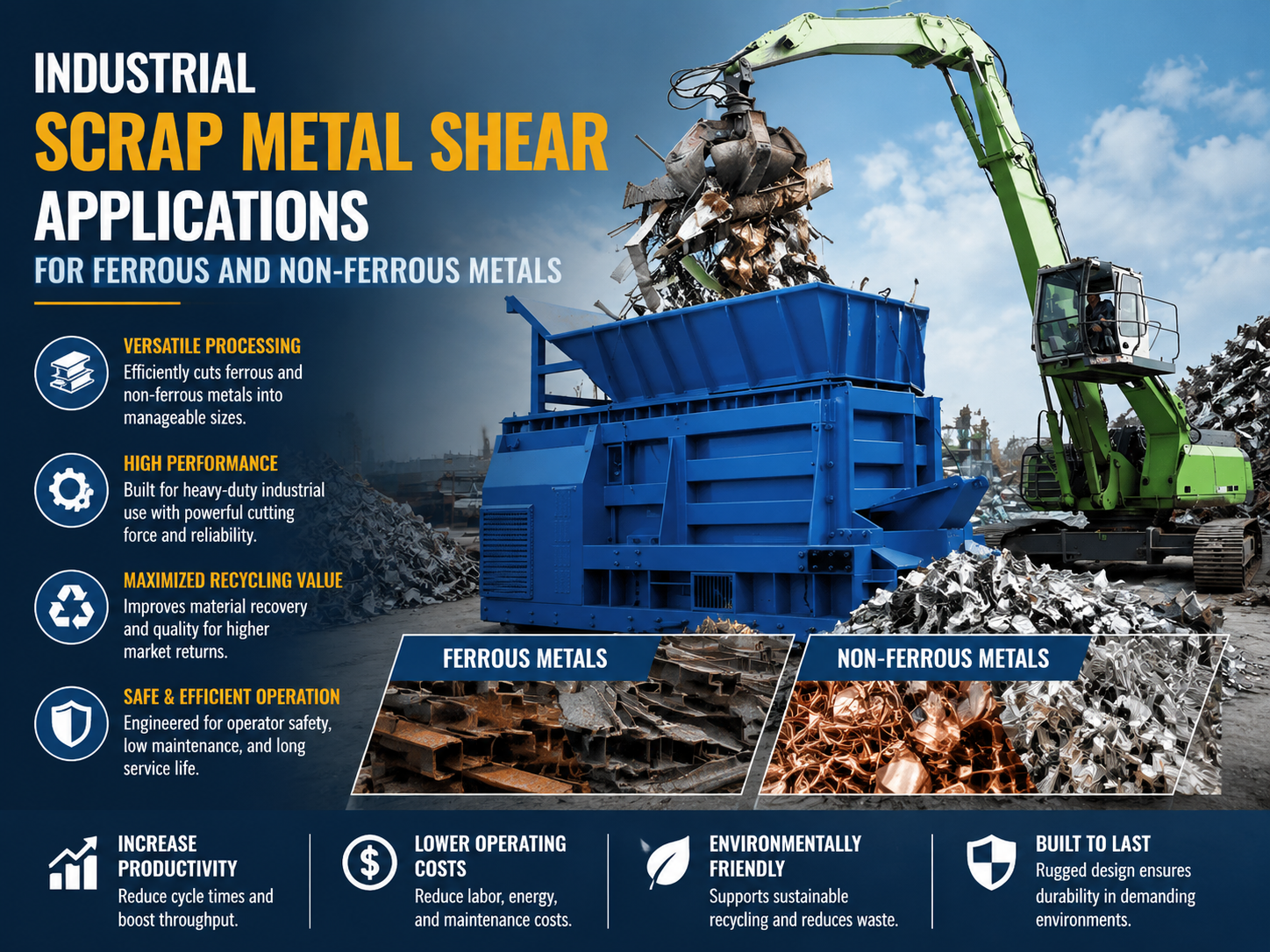
In the modern industrial landscape, the recycling and processing of metal waste have become pivotal for both economic sustainability and environmental stewardship. Industrial scrap metal shears stand at the forefront of this revolution, providing the necessary force and precision to transform bulky, irregular metal waste into manageable, furnace-ready pieces. Whether dealing with the massive structural steel of a decommissioned bridge or the intricate aluminum extrusions from a manufacturing plant, the application of high-performance shearing technology is indispensable.
HARSLE, a leader in metal fabrication machinery, recognizes that the efficiency of a recycling operation depends heavily on the synergy between the machine’s capabilities and the specific requirements of the materials being processed. Industrial scrap metal shear applications for ferrous and non-ferrous metals encompass a wide range of sectors, including automotive dismantling, shipbreaking, demolition, and industrial manufacturing waste management. By understanding the nuances of these applications, businesses can optimize their workflows, reduce operational costs, and maximize the value of their scrap assets.
Application Scenarios for Industrial Scrap Metal Shears
1. Large-Scale Demolition and Infrastructure Dismantling
One of the most demanding environments for industrial scrap metal shears is the demolition sector. When skyscrapers, bridges, or industrial complexes are dismantled, the resulting scrap often consists of heavy I-beams, rebar, and thick steel plating. These materials are categorized as Heavy Melting Steel (HMS), which requires immense shearing force. Gantry-style shears are typically employed here due to their ability to handle high volumes and provide the continuous pressure needed to slice through reinforced structural components. The goal is to reduce these oversized pieces into standard lengths that can be easily transported and fed into electric arc furnaces (EAF).
2. Automotive and Transportation Recycling
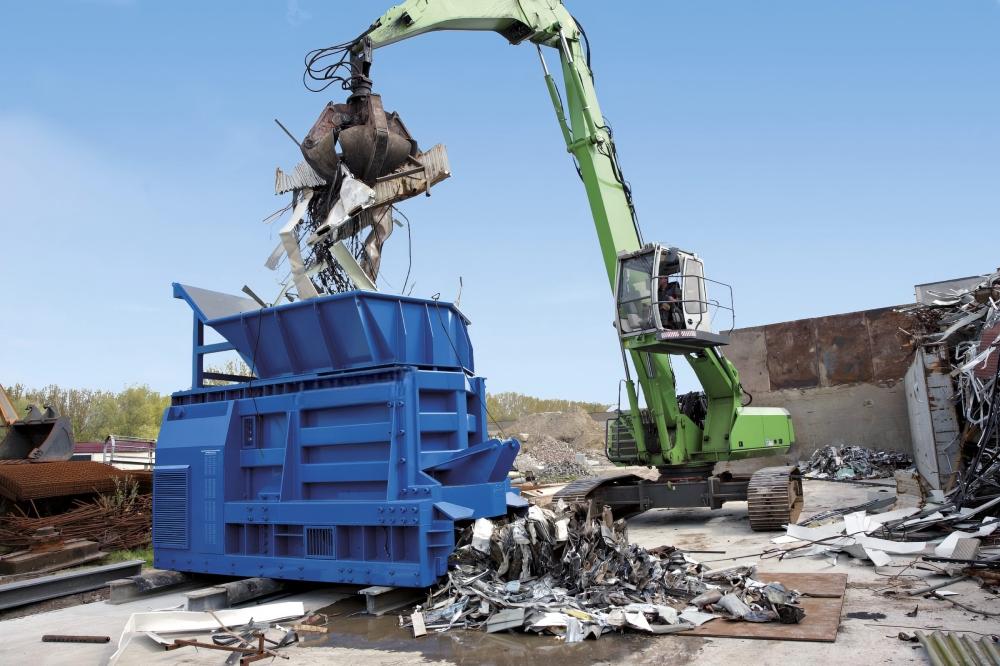
The automotive industry generates a significant amount of both ferrous and non-ferrous scrap. End-of-life vehicles (ELVs) contain steel frames (ferrous) and aluminum engines or body panels (non-ferrous). Industrial shears are used to process the chassis and structural frames after the high-value components have been stripped. In this scenario, the shear must be versatile enough to handle the varying thicknesses of automotive steel while maintaining a high cycle speed to keep up with the throughput of a busy wrecking yard. Container shears are often preferred in these settings for their mobility and ease of integration into existing layouts.
3. Shipbreaking and Marine Salvage
Shipbreaking is perhaps the ultimate test for any industrial scrap metal shear. The sheer scale of marine vessels involves massive plates of high-tensile steel and large-diameter piping. Shears used in shipbreaking must be exceptionally robust, often operating in harsh coastal environments. The application involves cutting down the hull sections into manageable sizes. Because marine scrap is often contaminated with sea salt and marine growth, the shear blades must be made of high-grade alloy steel to resist both mechanical wear and corrosive elements.
4. Industrial Manufacturing and Off-cut Processing
Manufacturing plants, particularly those in the aerospace, appliance, and construction sectors, produce a steady stream of metal off-cuts. This scrap is often cleaner and more uniform than demolition scrap but requires efficient processing to maintain a tidy workspace and recover material value. For non-ferrous metals like aluminum and copper, which are highly valuable, precision shearing is required to ensure the scrap remains uncontaminated and sorted. Alligator shears are frequently used in these smaller-scale industrial applications for their ease of use and ability to perform quick, repetitive cuts on profiles and pipes.
Material and Process Requirements
Ferrous Metals: Strength and Volume
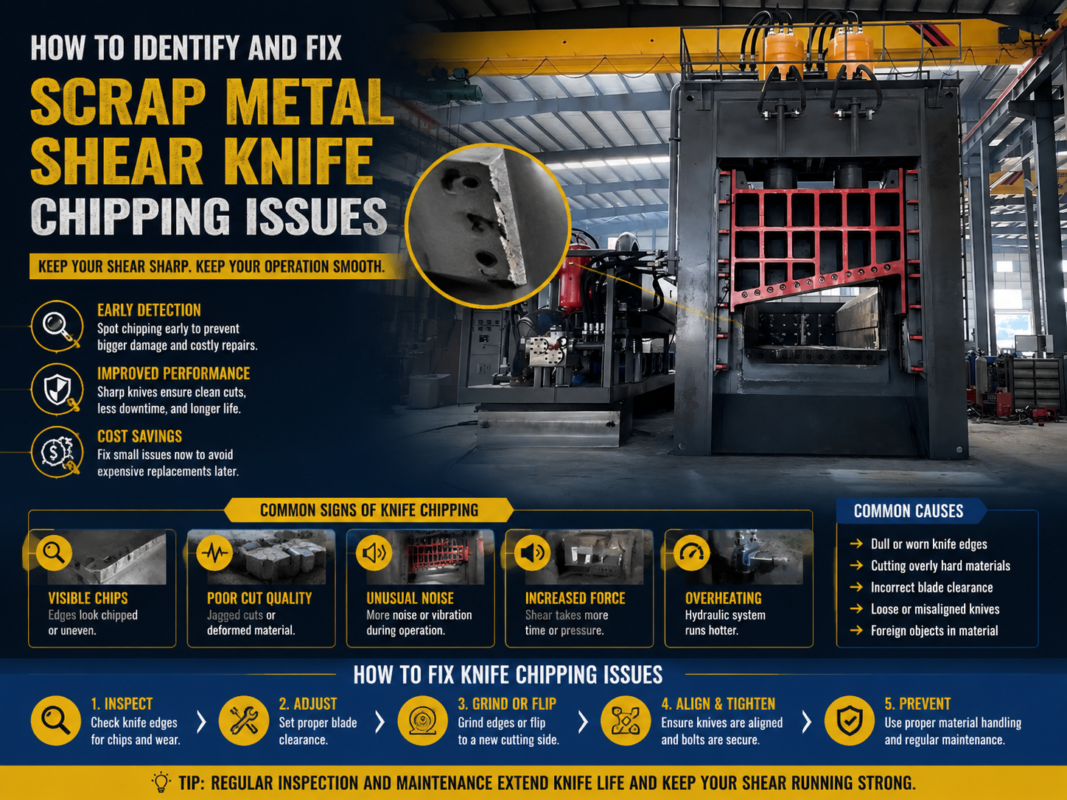
Ferrous metals, primarily consisting of iron and steel, are characterized by their magnetic properties and high tensile strength. In the context of industrial scrap metal shear applications for ferrous and non-ferrous metals, ferrous materials represent the bulk of the volume. The primary requirement for processing ferrous scrap is sheer force. Materials like HMS 1 and HMS 2 (Heavy Melting Steel) require shears with high hydraulic pressure ratings. The process must also account for the hardness of the material; for instance, manganese steel or hardened tool steel scrap can cause significant wear on standard blades, necessitating the use of specialized, heat-treated blade inserts.
Non-Ferrous Metals: Purity and Precision
Non-ferrous metals, including aluminum, copper, brass, and lead, are valued for their specific properties like conductivity and corrosion resistance. While they generally require less force to shear than ferrous metals, the process requirements focus on purity and sorting. Cross-contamination between different non-ferrous alloys can significantly devalue the scrap. Therefore, shears used for non-ferrous applications often feature cleaner cutting actions to prevent the embedding of foreign particles. Additionally, because non-ferrous metals are often found in the form of cables or thin extrusions, the shear must have a tight blade gap to ensure a clean cut rather than a fold.
Technical Specifications for Processing
When selecting a shear for these materials, several technical factors must be considered:
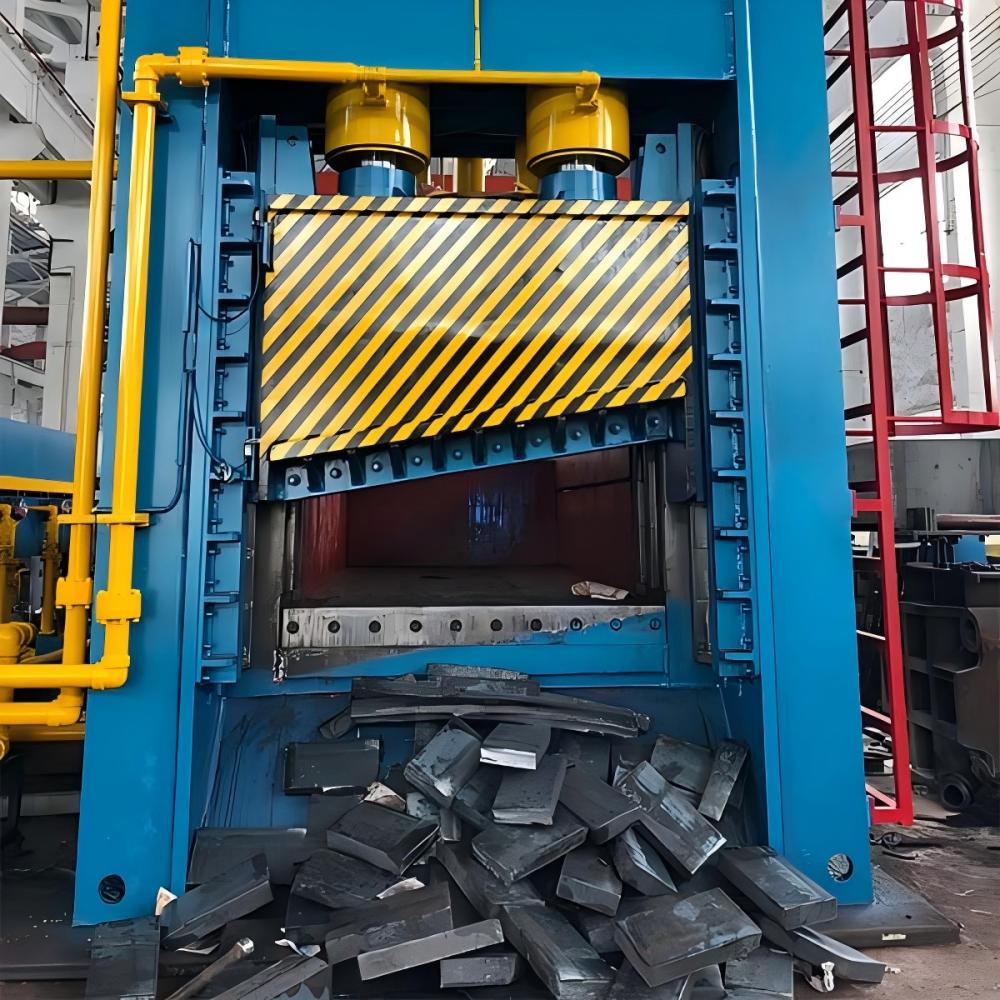
- Shearing Force: Measured in tons, this determines the maximum thickness and grade of metal the machine can cut. For heavy ferrous scrap, forces exceeding 600-1000 tons are common.
- Blade Length: Longer blades allow for processing wider sheets or multiple pieces simultaneously, increasing throughput.
- Cycle Time: The speed at which the shear completes one full cut and returns to the starting position. High-volume operations require fast cycle times, often achieved through advanced hydraulic regenerative circuits.
- Hold-down Force: A critical component that secures the material before the cut, preventing it from kicking up or sliding, which ensures safety and blade longevity.
Recommended Machine Configuration
Choosing the right configuration is essential for maximizing the ROI of industrial scrap metal shear applications for ferrous and non-ferrous metals. HARSLE offers several configurations tailored to different operational needs.
1. Gantry Hydraulic Shears
Gantry shears are the heavyweights of the industry. They feature a vertical cutting frame and are designed for continuous, high-volume processing of heavy ferrous scrap. They are typically equipped with a large feed hopper and a compression box that pre-compacts the scrap before it reaches the blade. This configuration is ideal for scrap yards that process hundreds of tons of steel daily. Key features include automatic lubrication systems and PLC-based control for unmanned or semi-automated operation.
2. Container Shears (Horizontal Shears)
Container shears are a more modern, compact solution. The entire unit is built within a frame that resembles a standard shipping container, making it relatively easy to transport. Unlike gantry shears, container shears often use a horizontal or inclined cutting motion. They are excellent for processing long scrap like pipes, beams, and automotive frames. Their main advantage is the smaller footprint and lower foundation requirements compared to massive gantry systems.
3. Alligator Shears
For smaller facilities or specific non-ferrous processing lines, the alligator shear is the go-to machine. Named for its jaw-like movement, it is perfect for manual feeding of pipes, profiles, and smaller scrap pieces. It is highly effective for cleaning scrap—for example, cutting off the steel ends of an aluminum radiator. HARSLE’s alligator shears are designed with safety guards and foot-pedal controls to ensure operator safety while maintaining high productivity.
Workflow of a Scrap Shearing Operation
An efficient workflow is the backbone of a profitable recycling center. The process typically follows these stages:
- Collection and Sorting: Scrap is collected from various sources and sorted into ferrous and non-ferrous piles. This is often done using cranes equipped with magnets (for ferrous) or grapples (for non-ferrous).
- Pre-Processing: Large or awkward pieces may be pre-cut using torches or smaller mobile shears to fit into the main shear’s charging box.
- Feeding: The material is loaded into the shear’s hopper. In automated systems, a vibrating conveyor or a hydraulic pusher moves the scrap toward the cutting head.
- Compression: For gantry shears, the side and top rammers compress the loose scrap into a dense log. This ensures that the blade encounters a solid mass, which improves cutting efficiency and reduces blade shock.
- Shearing: The hydraulic cylinder forces the blade through the metal. The length of the cut pieces is usually adjustable via the PLC settings, allowing the operator to meet specific foundry requirements.
- Discharge and Transport: The sheared pieces fall onto a discharge conveyor, which moves them to a stockpile or directly into a transport container.
Productivity Benefits of Advanced Shearing Technology
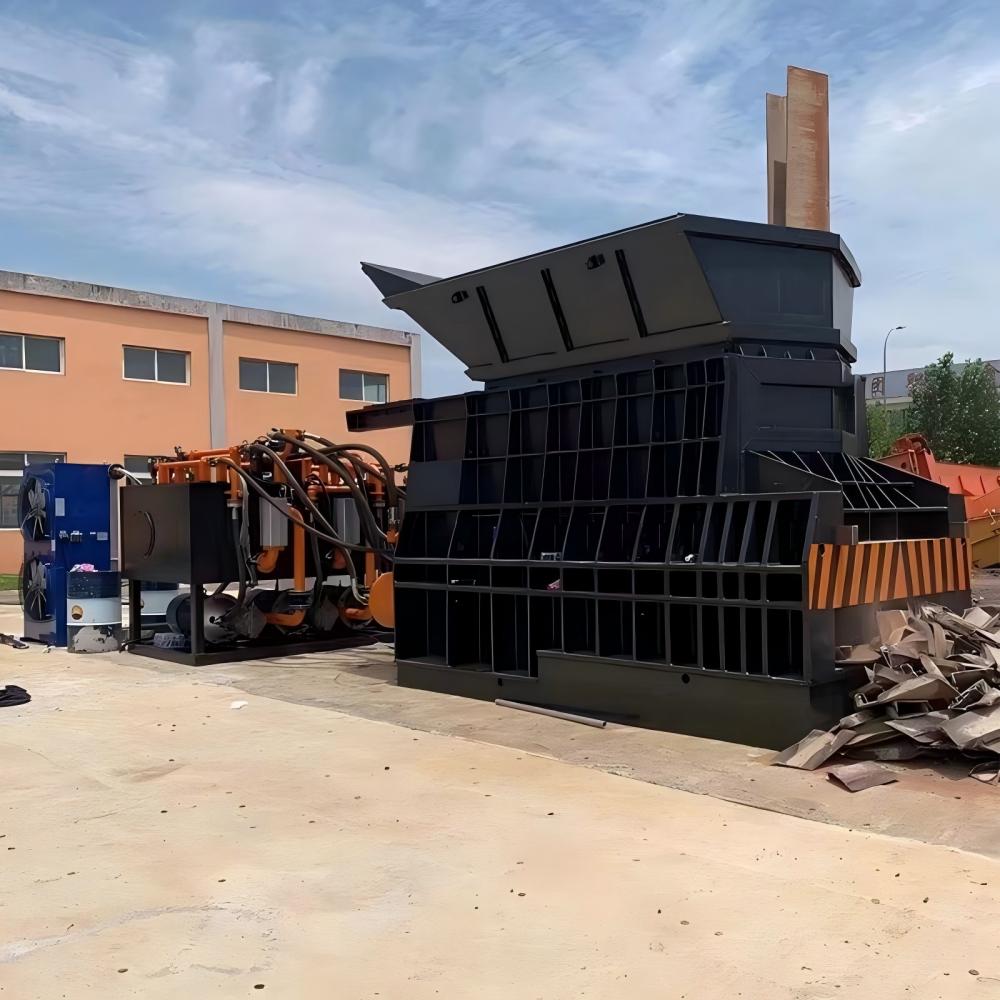
Investing in high-quality industrial scrap metal shears yields significant productivity benefits:
- Volume Reduction: Shearing reduces the volume of bulky scrap by up to 80%, significantly lowering transportation costs. More weight can be packed into each truck or railcar.
- Increased Material Value: Foundries and smelters pay a premium for “clean” scrap that is cut to specific dimensions. Sheared scrap is easier to melt and results in less slag.
- Labor Efficiency: Automated shearing systems reduce the need for manual torch cutting, which is slow, labor-intensive, and presents significant safety and environmental hazards (fumes).
- Energy Savings: Modern hydraulic systems in HARSLE shears use variable displacement pumps and energy-efficient motors, reducing the electricity cost per ton of processed metal.
- Operational Versatility: A single well-configured shear can handle a variety of materials, allowing a recycling business to pivot between different scrap markets as prices fluctuate.
Case Example: Upgrading a Regional Recycling Center
A regional recycling center in Eastern Europe was struggling with a backlog of HMS 1/2 scrap and bulky automotive frames. They were primarily using manual torch cutting and an aging, low-capacity alligator shear. The process was slow, and the high cost of oxygen and acetylene for torches was eating into their margins.
After consulting with HARSLE, they installed a 600-ton Gantry Hydraulic Shear. The results were immediate. The center was able to process the same volume of scrap in four hours that previously took two days. The consistency of the cut lengths allowed them to secure a contract with a major local steel mill that required specific 500mm lengths for their furnace. Within the first year, the reduction in labor costs and the increase in material value resulted in a full return on investment (ROI) for the machine. Furthermore, the safety profile of the yard improved significantly as the hazardous torch-cutting operations were nearly eliminated.
Frequently Asked Questions (FAQ)
What is the difference between ferrous and non-ferrous scrap shearing?
The primary difference lies in the force required and the value of the material. Ferrous scrap (steel/iron) requires high-tonnage shears to break down heavy structural components. Non-ferrous scrap (aluminum/copper) is softer but more valuable, so the focus is on precise cutting and preventing contamination to maintain high purity levels for resale.
How often should the shear blades be replaced?
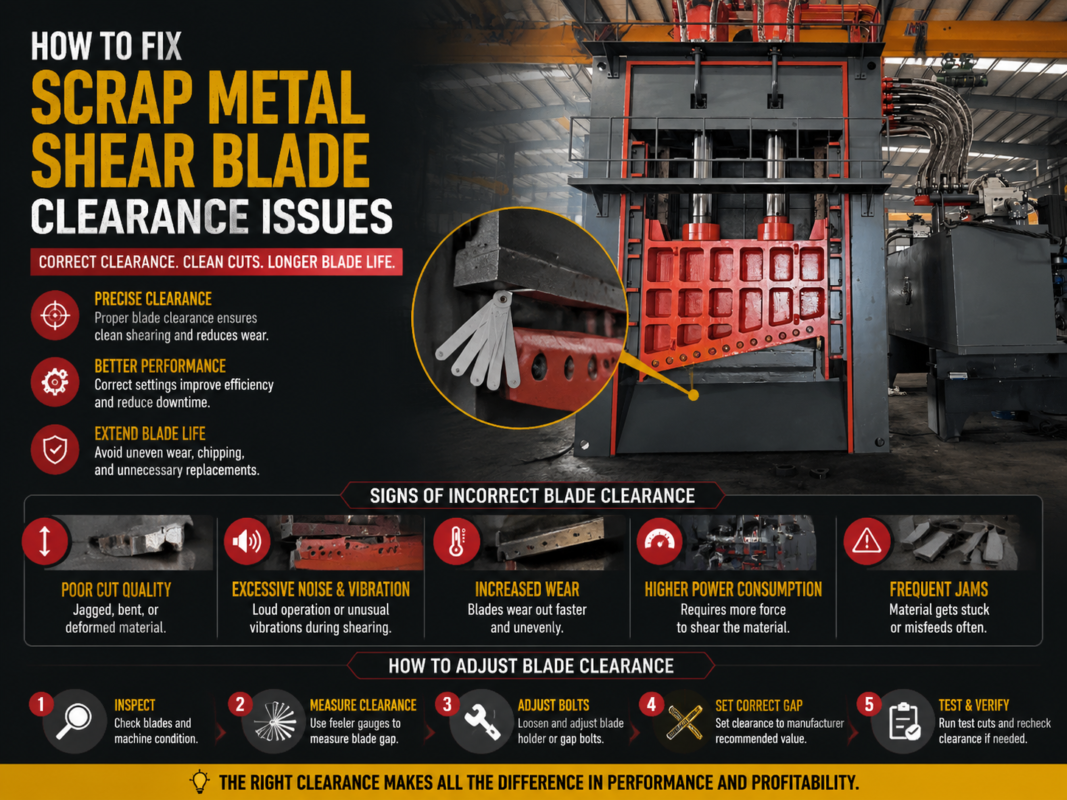
Blade life depends on the material being cut and the frequency of use. Typically, blades can be rotated (most have 4 cutting edges) before needing a full regrind or replacement. In a high-volume ferrous yard, blades might be rotated every 2-4 weeks. Using high-quality alloy blades and maintaining the correct blade gap can significantly extend this interval.
Can one machine handle both types of metal?
Yes, most industrial shears can handle both. However, if you are processing high volumes of both, it is often more efficient to have a dedicated line for non-ferrous metals to prevent steel fragments from contaminating the more valuable aluminum or copper scrap.
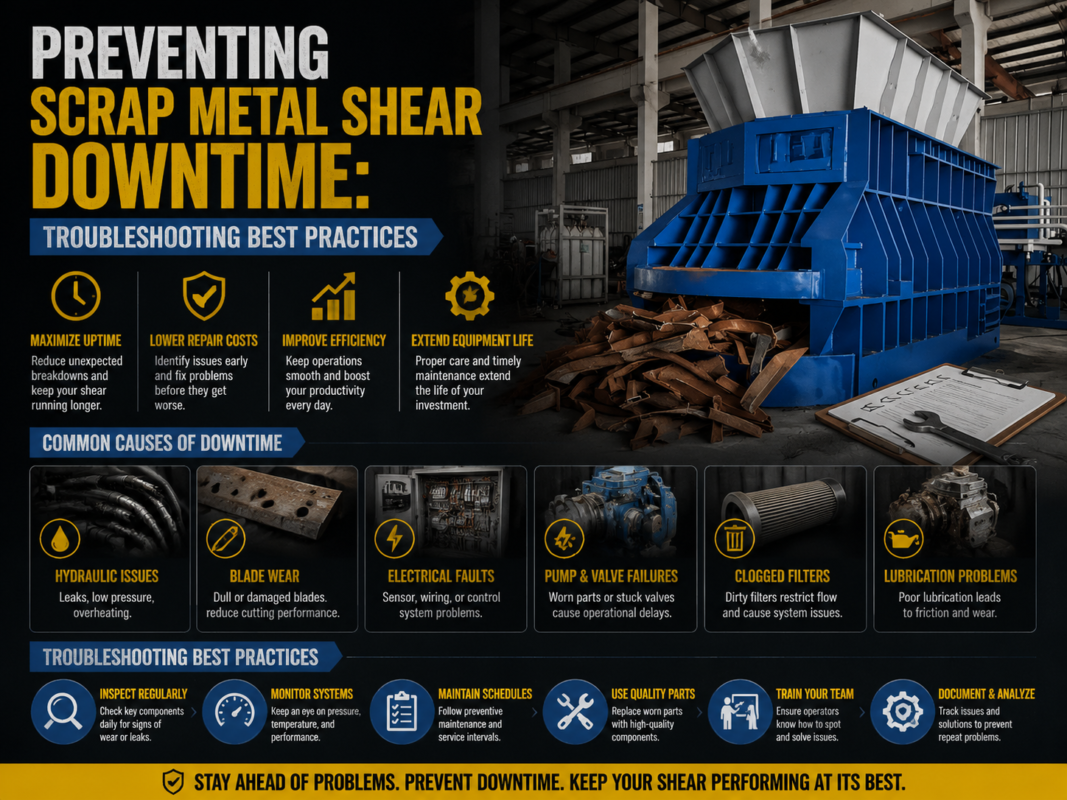
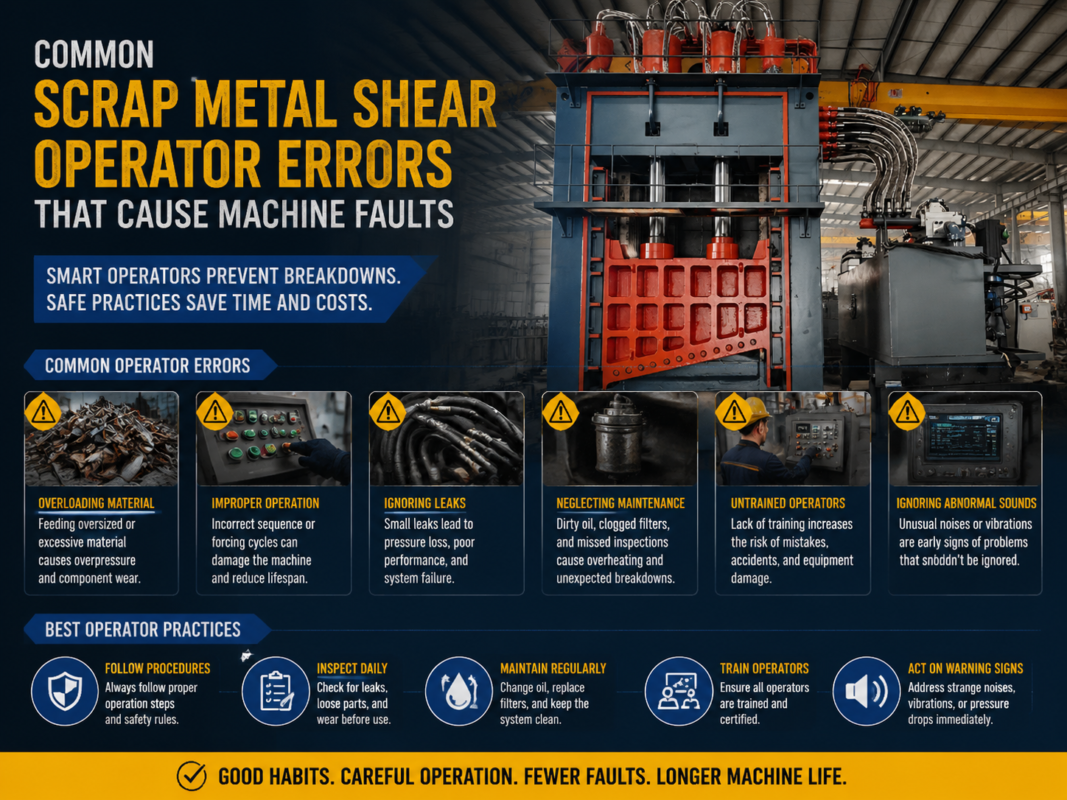
What maintenance is required for a hydraulic scrap shear?
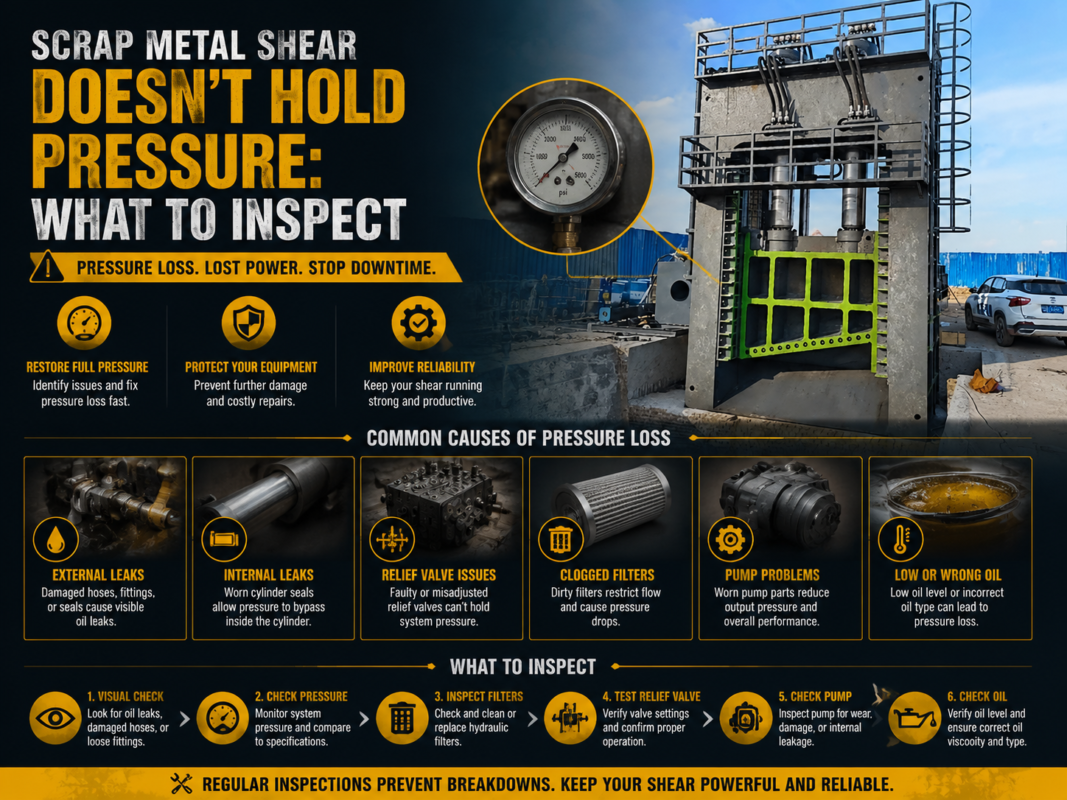
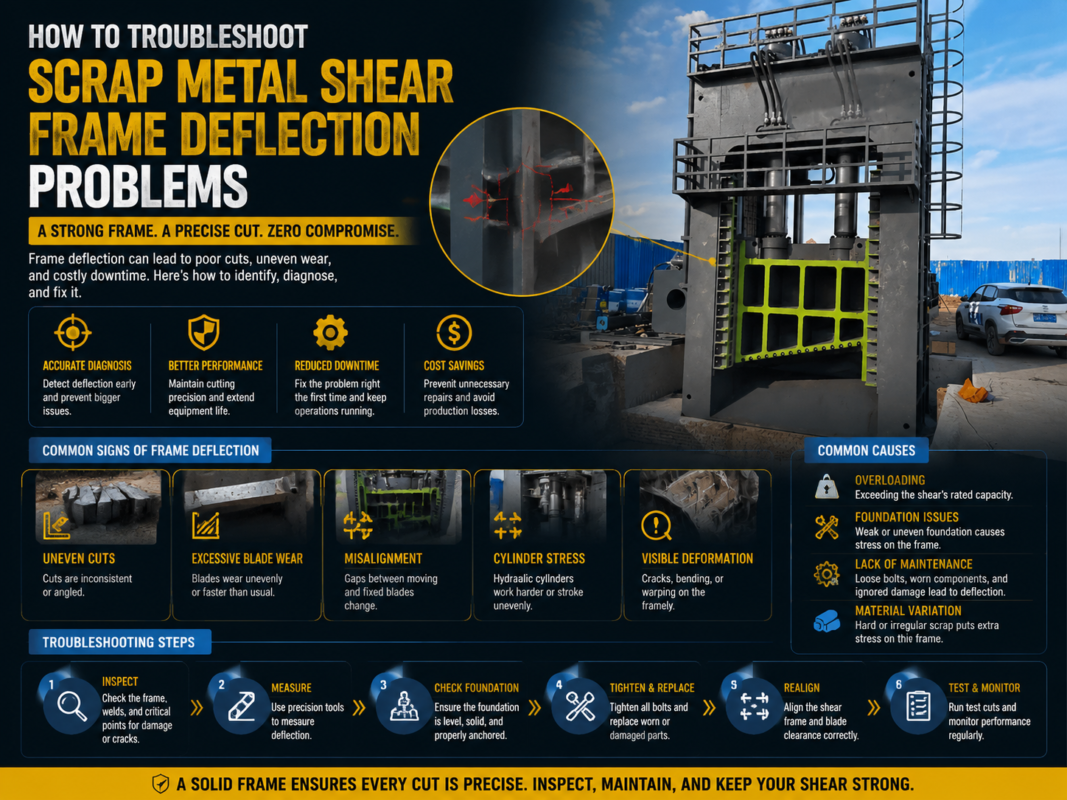
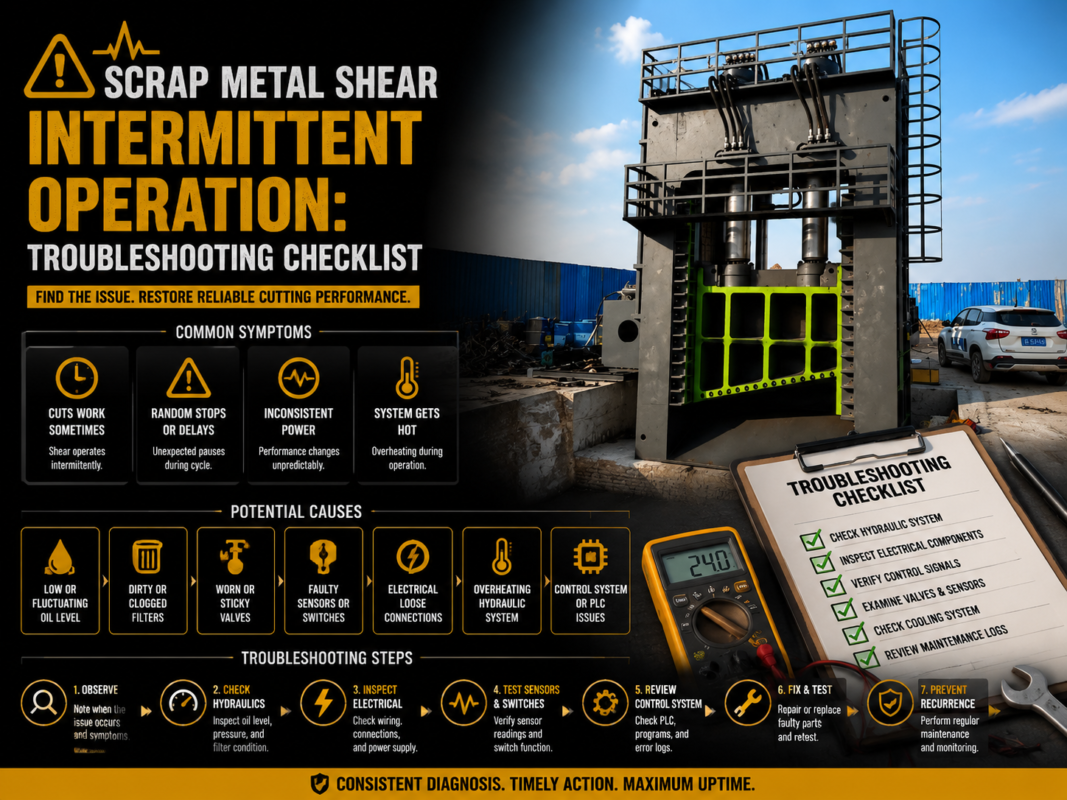
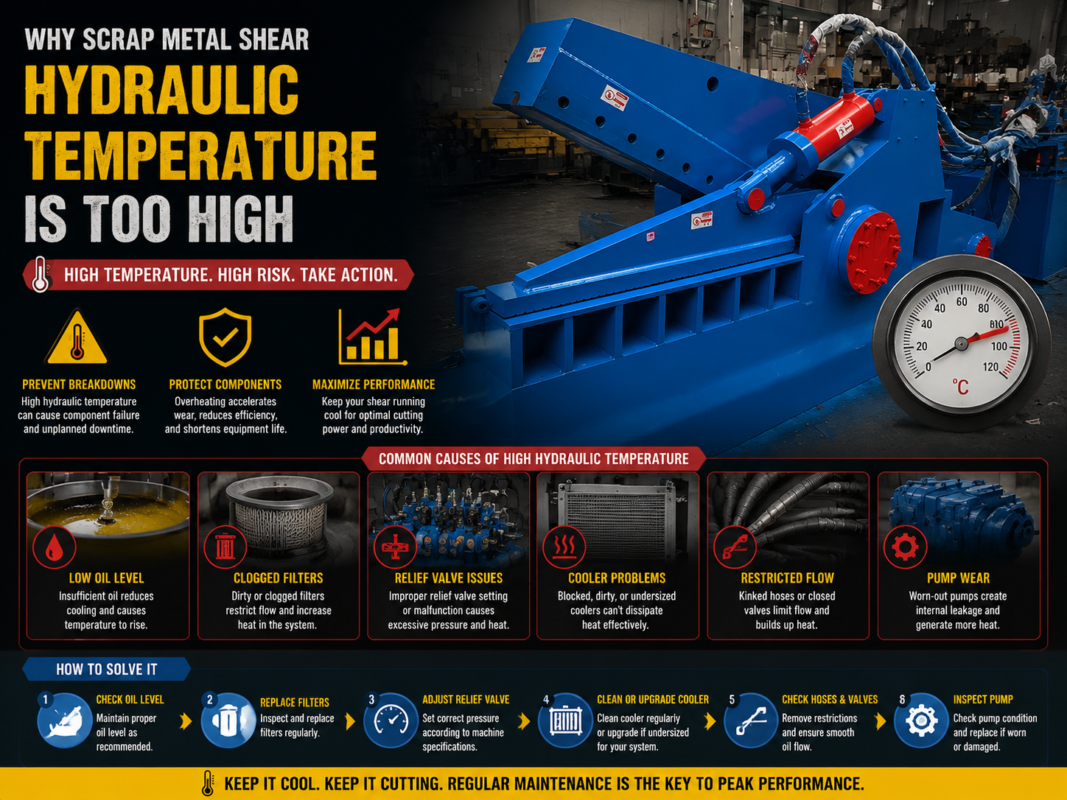
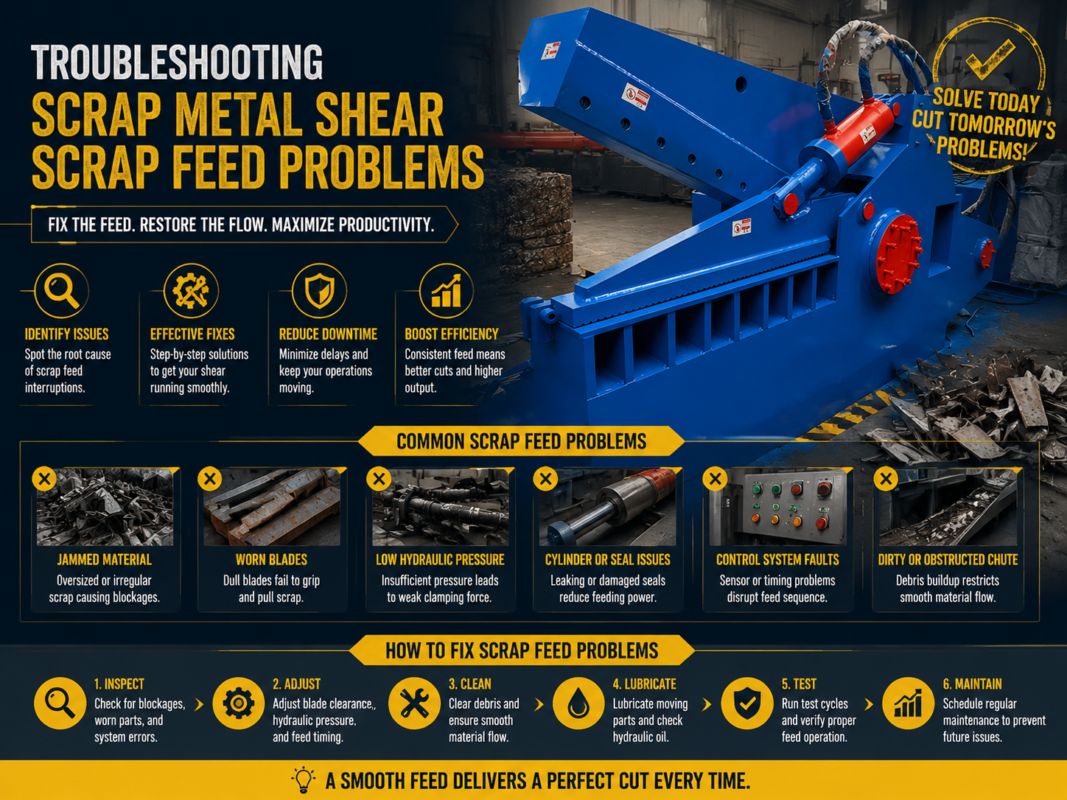
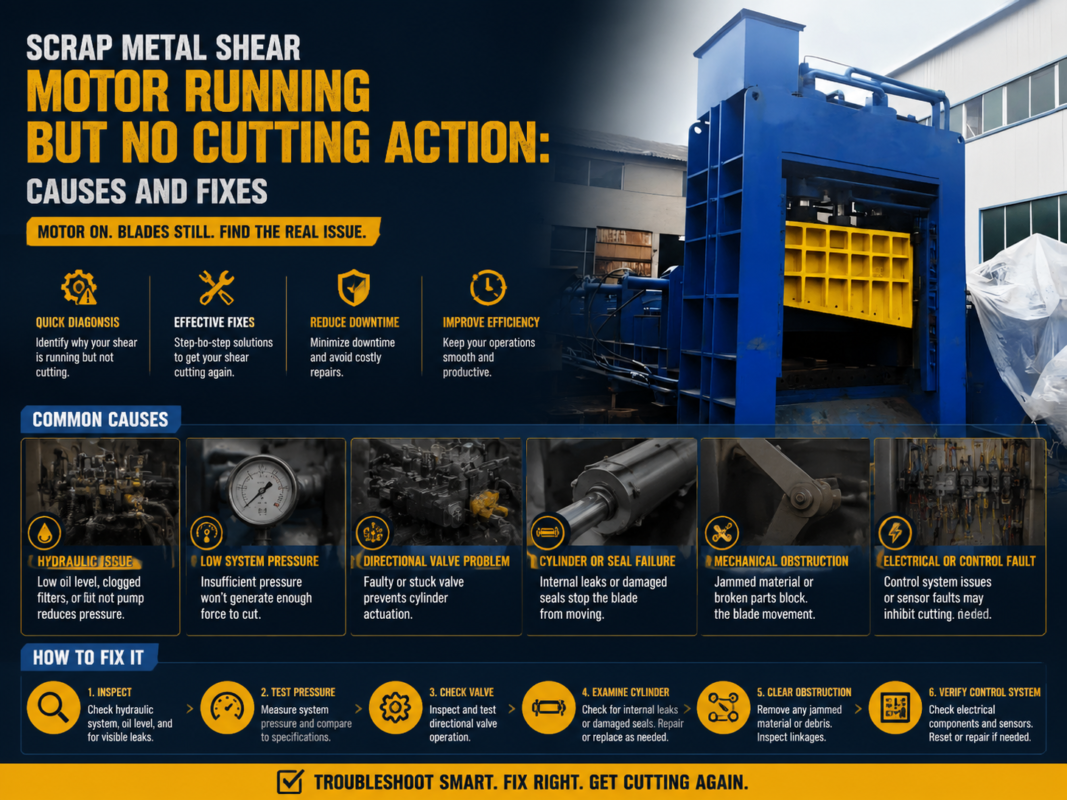
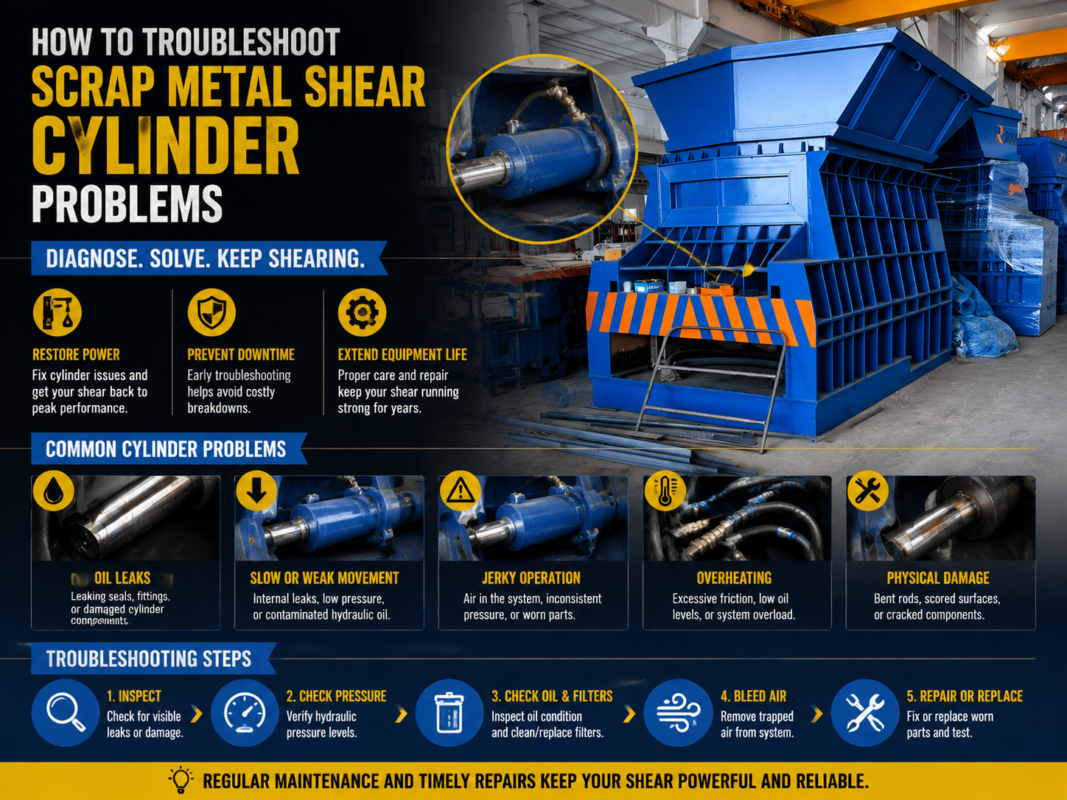
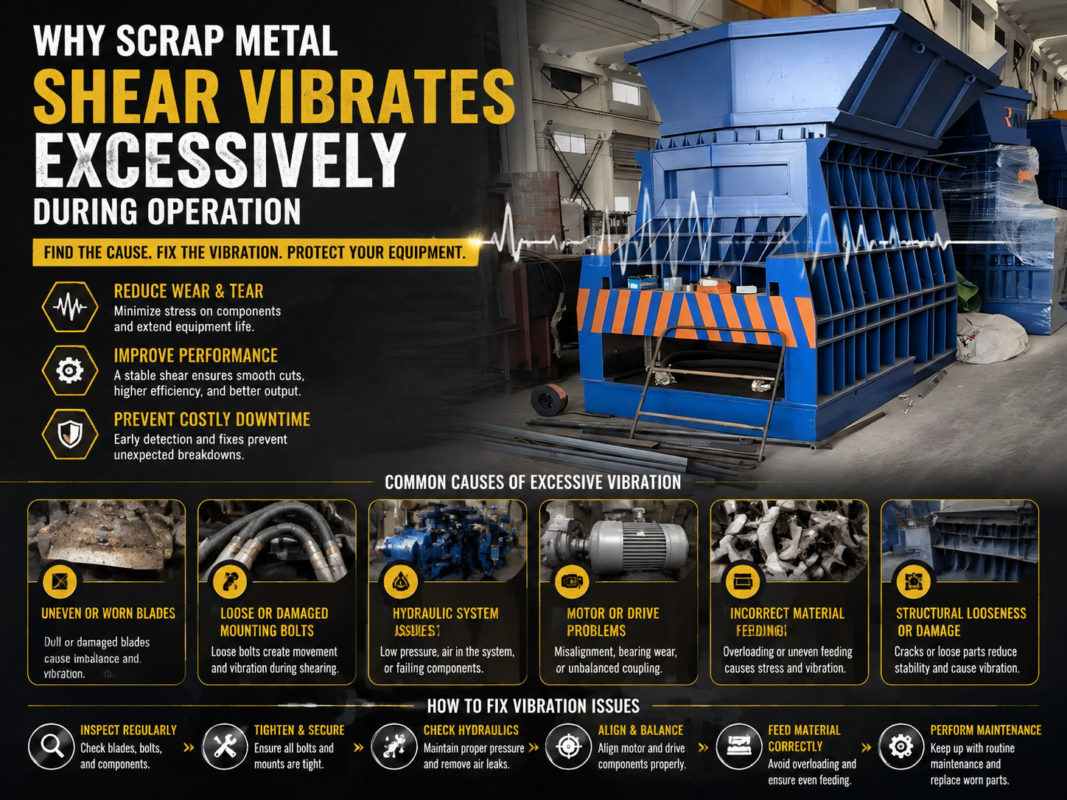
Regular maintenance includes monitoring hydraulic oil levels and cleanliness, lubricating moving parts (especially the slide guides), checking for leaks in hoses and cylinders, and ensuring the cooling system is functioning correctly. PLC systems should also be checked for software updates and sensor calibration.
Is a gantry shear better than a container shear?
It depends on your needs. A gantry shear is better for permanent installations with very high volume and the heaviest scrap. A container shear is better if you need mobility, have limited space, or process medium-duty scrap like automotive frames and long pipes.
Conclusion: Choosing HARSLE for Your Shearing Needs
The world of industrial scrap metal shear applications for ferrous and non-ferrous metals is complex and demanding. Success in this industry requires more than just raw power; it requires precision, reliability, and an understanding of the material science behind recycling. HARSLE’s range of hydraulic shears is engineered to meet these challenges head-on, providing robust solutions that drive profitability and efficiency.
Whether you are looking to upgrade an existing scrap yard or establish a new processing facility, HARSLE provides the technical expertise and high-quality machinery needed to transform waste into wealth. Our commitment to innovation ensures that our machines are equipped with the latest hydraulic and electronic control technologies, making them the preferred choice for recycling professionals worldwide.
Ready to optimize your scrap processing? Contact HARSLE today to discuss your specific material requirements and find the perfect shear configuration for your operation. Let us help you turn your metal waste into a streamlined, profitable resource.