Scrap Metal Shear Uses in Demolition and Dismantling Projects: A Comprehensive Guide

Introduction to Scrap Metal Shear Uses in Demolition and Dismantling Projects
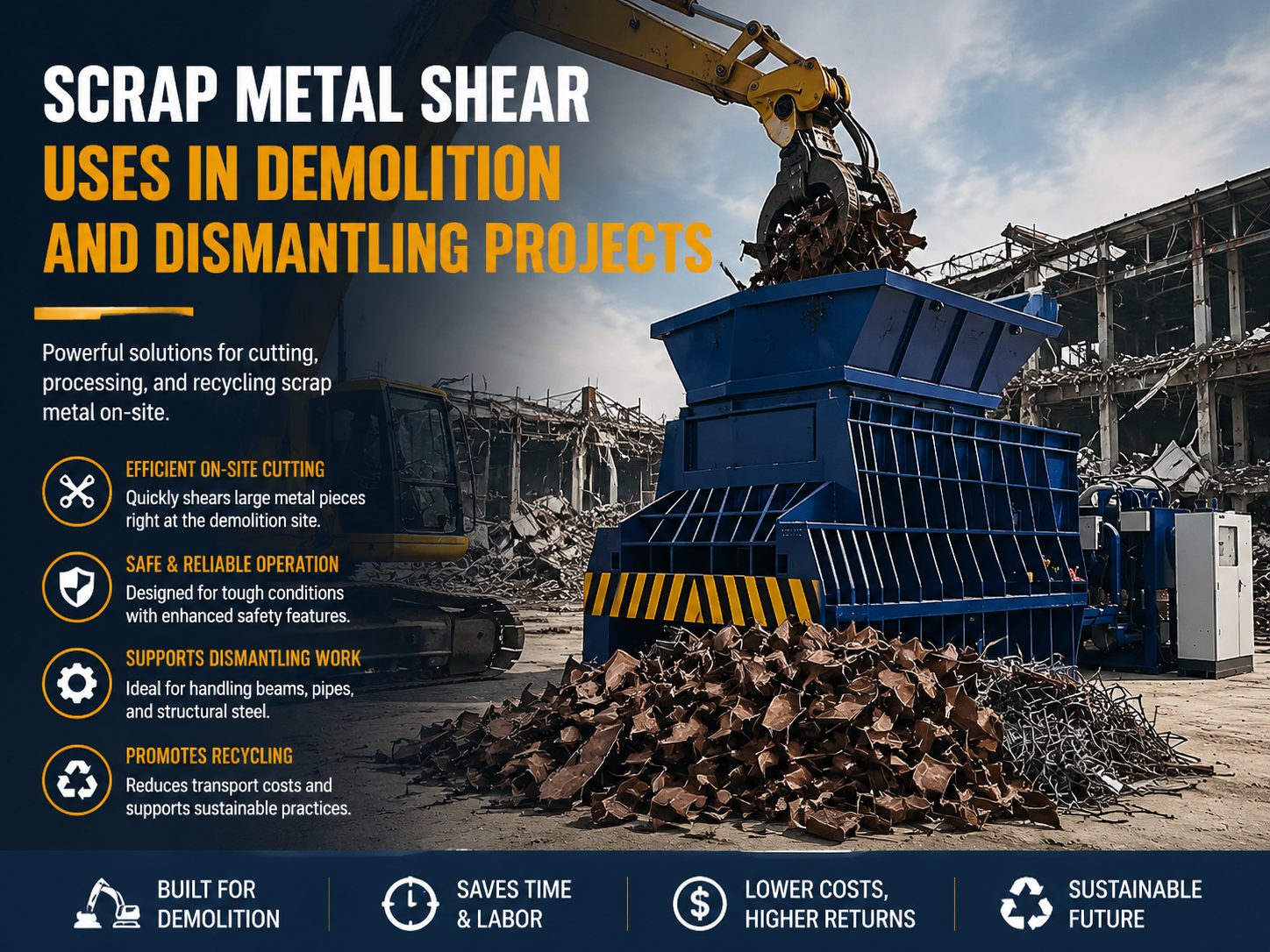
In the modern industrial landscape, the efficiency of demolition and dismantling projects is heavily reliant on the quality and capability of the machinery employed. Among the most critical tools in this sector is the scrap metal shear. As urban renewal projects accelerate and aging industrial infrastructure requires decommissioning, the demand for high-performance shearing equipment has skyrocketed. Scrap metal shear uses in demolition dismantling projects are diverse, ranging from the precision cutting of structural steel to the high-volume processing of mixed metal waste. HARSLE, a leader in metal fabrication machinery, provides the robust solutions necessary to navigate these complex environments.
The primary objective of using a scrap metal shear in demolition is to transform oversized, unwieldy metal structures into manageable, transportable, and recyclable pieces. Without these machines, the cost of logistics and the time required for manual labor would make large-scale demolition projects economically unfeasible. This article explores the various applications, technical requirements, and productivity benefits of integrating advanced scrap metal shears into your dismantling workflow.
Application Scenarios for Scrap Metal Shears
Industrial Plant Decommissioning
Industrial plants, such as refineries, chemical factories, and power stations, are composed of massive steel frameworks, heavy-duty piping, and large storage tanks. When these facilities reach the end of their lifecycle, they must be dismantled safely and efficiently. Scrap metal shear uses in demolition dismantling projects within industrial settings involve cutting through thick-walled steel pipes and heavy I-beams. The ability of a hydraulic shear to exert thousands of tons of pressure allows it to slice through structural components that would be impossible to handle with traditional torches or saws.
Furthermore, industrial decommissioning often involves hazardous environments where minimizing human exposure is paramount. Remote-operated or automated gantry shears allow operators to process materials from a safe distance, reducing the risk of accidents related to falling debris or toxic fumes. HARSLE’s heavy-duty shears are specifically designed to handle the high-tensile alloys often found in these specialized industrial environments.
Bridge and Infrastructure Dismantling
Bridges, overpasses, and railway structures represent some of the most challenging demolition tasks. These structures are designed to withstand immense loads, meaning their steel components are exceptionally thick and reinforced. Scrap metal shear uses in demolition dismantling projects for infrastructure focus on the rapid reduction of large girders and trusses. By shearing these components on-site, contractors can significantly reduce the number of truckloads required to clear the site, thereby lowering transportation costs and minimizing the project’s carbon footprint.
Shipbreaking and Marine Salvage
The shipbreaking industry is one of the largest consumers of scrap metal shearing technology. Dismantling a decommissioned vessel involves processing thousands of tons of steel plate and internal machinery. Scrap metal shear uses in demolition dismantling projects in the maritime sector require machines that can operate continuously in harsh, often corrosive environments. Gantry shears and container-type shears are frequently used on-site at shipbreaking yards to cut hull plates into standardized sizes for melting in electric arc furnaces.
Automotive and Rolling Stock Recycling
Beyond massive structures, scrap metal shears are vital for processing end-of-life vehicles (ELVs) and railway rolling stock. While car crushers handle the initial compaction, heavy-duty shears are needed to cut frames, axles, and engine blocks. In the case of locomotives and rail cars, the thickness of the steel requires the immense cutting force provided by hydraulic alligator or gantry shears. This process ensures that the metal is clean and sized correctly for secondary steel production.
Material and Process Requirements
Understanding Metal Grades and Thickness
The effectiveness of a scrap metal shear is determined by its ability to handle specific material grades. In demolition, contractors encounter a variety of metals, including carbon steel, stainless steel, aluminum, and copper. Each material has different shear strengths. For instance, stainless steel is significantly harder to cut than mild carbon steel, requiring higher hydraulic pressure and more durable blade materials. Scrap metal shear uses in demolition dismantling projects must account for the maximum thickness of the material; a shear rated for 20mm mild steel may struggle with 15mm high-tensile alloy.
Hydraulic Pressure and Cutting Force
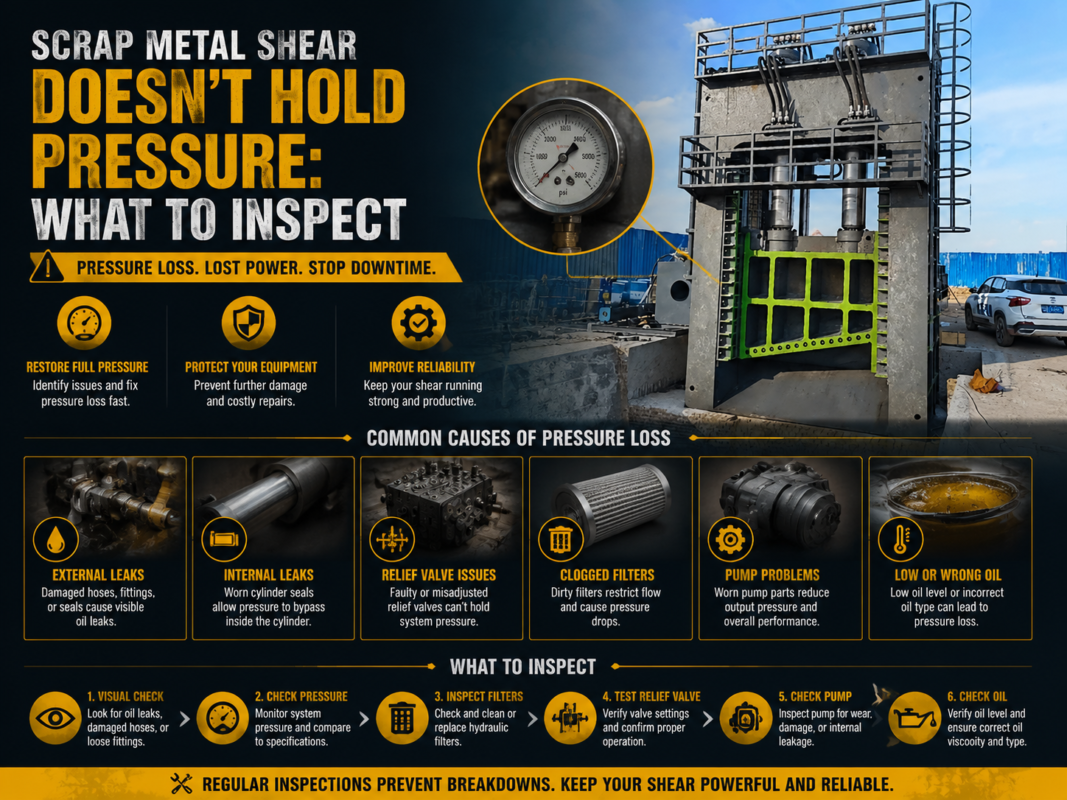
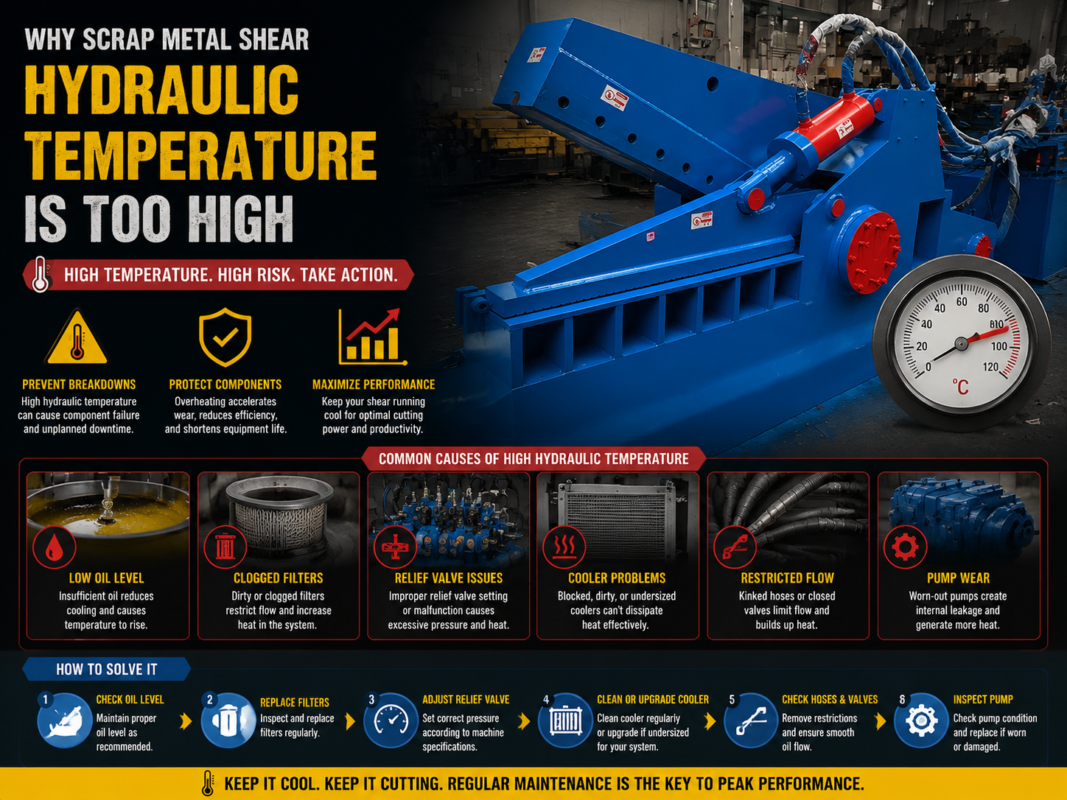
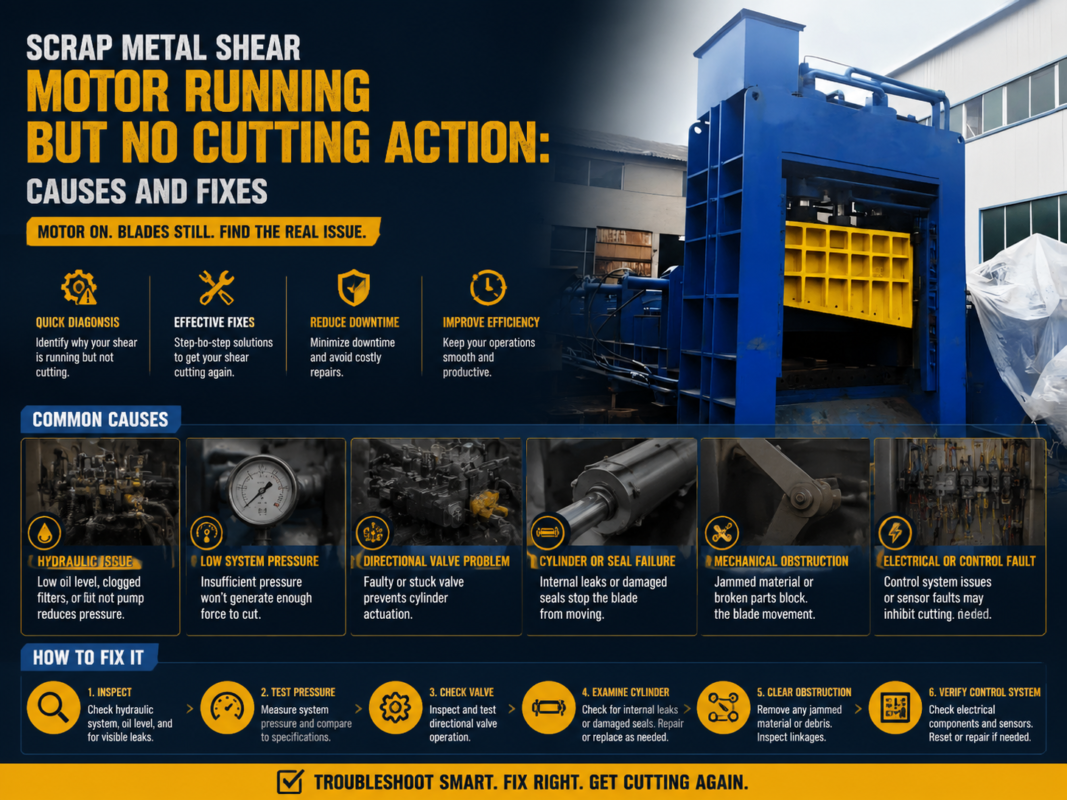
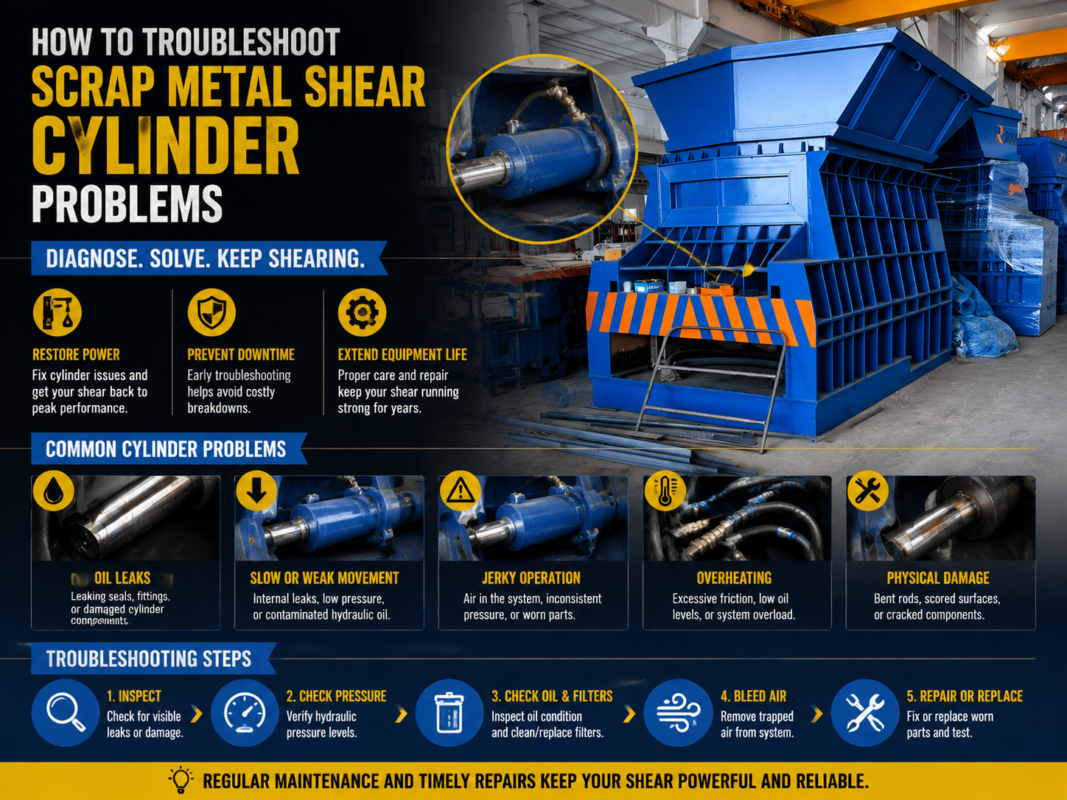
The heart of any scrap metal shear is its hydraulic system. To achieve clean cuts through heavy structural sections, the machine must deliver consistent and massive force. HARSLE machines are engineered with advanced hydraulic circuits that optimize the flow of oil to the cylinders, ensuring that the maximum cutting force is available at the moment of impact. This is crucial when dealing with “springy” materials or reinforced sections that might otherwise jam a lesser machine.
Blade Maintenance and Material Hardness
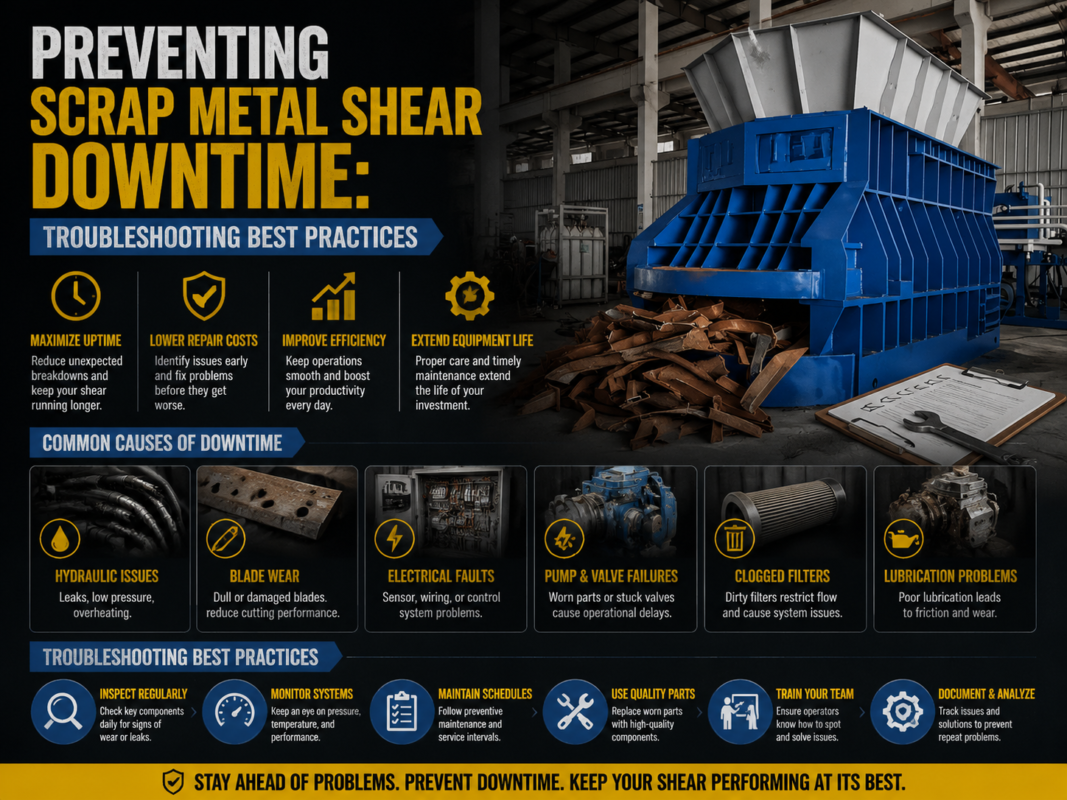
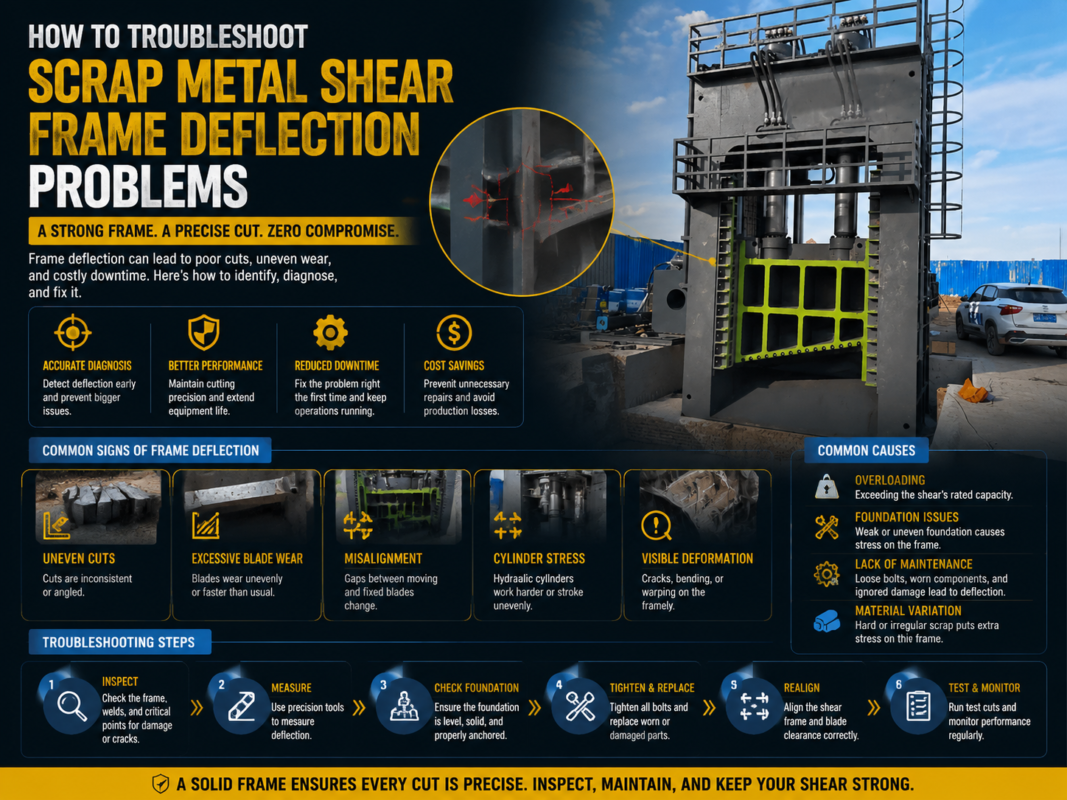
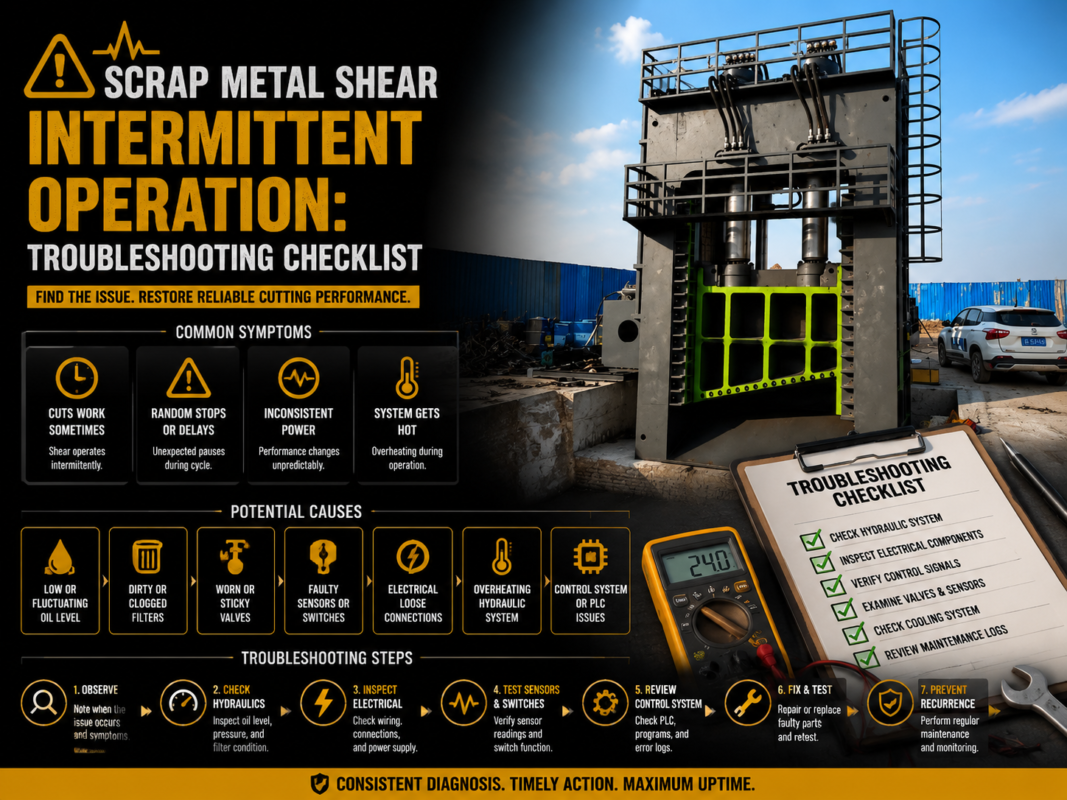
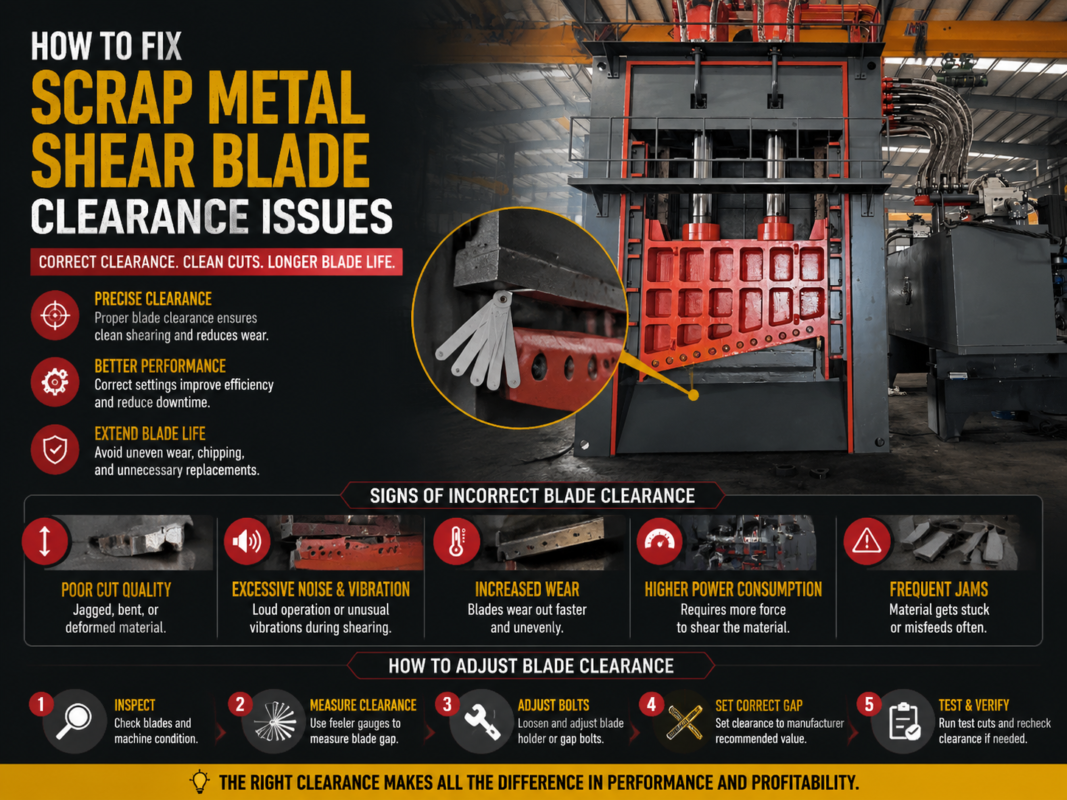
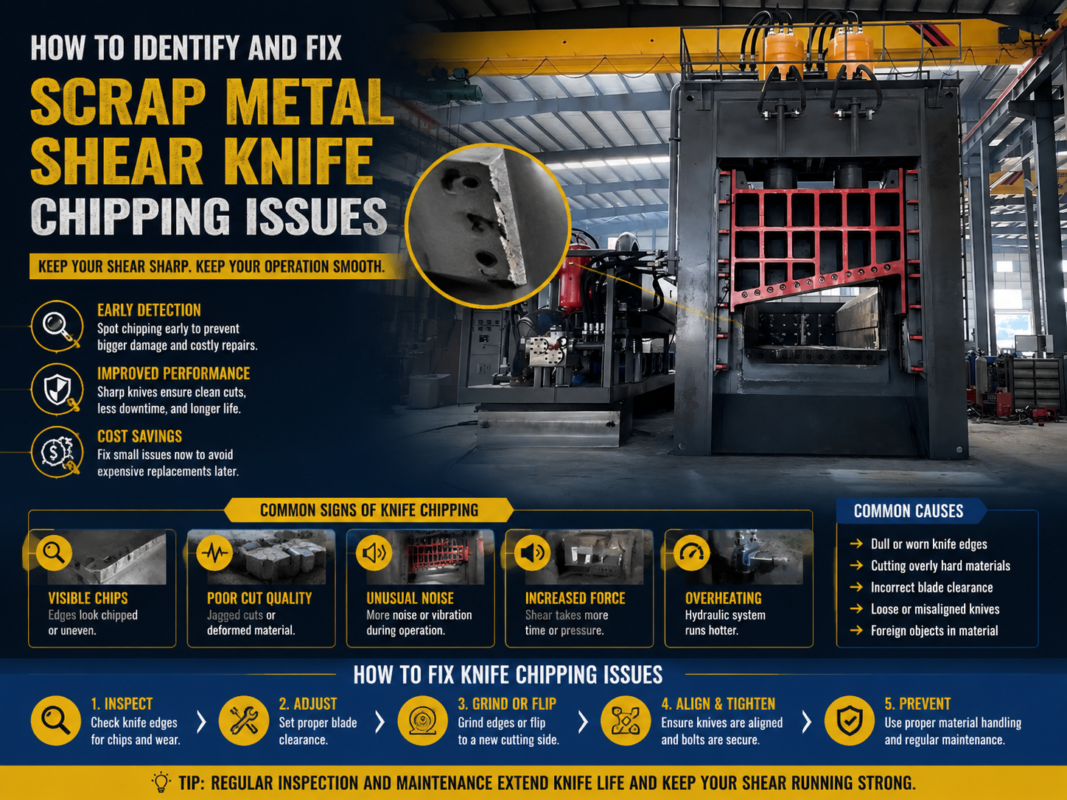
The blades of a scrap metal shear are subject to extreme wear. In demolition projects, the material being processed is often contaminated with concrete, dirt, or paint, which can accelerate blade dulling. Therefore, the process requirements include the use of high-alloy tool steel for the blades, often with multiple cutting edges that can be rotated to extend their lifespan. Regular maintenance schedules are essential to ensure that the shear continues to operate at peak efficiency without damaging the hydraulic cylinders or the frame of the machine.
Recommended Machine Configuration
Gantry Scrap Shears (Q91 Series)
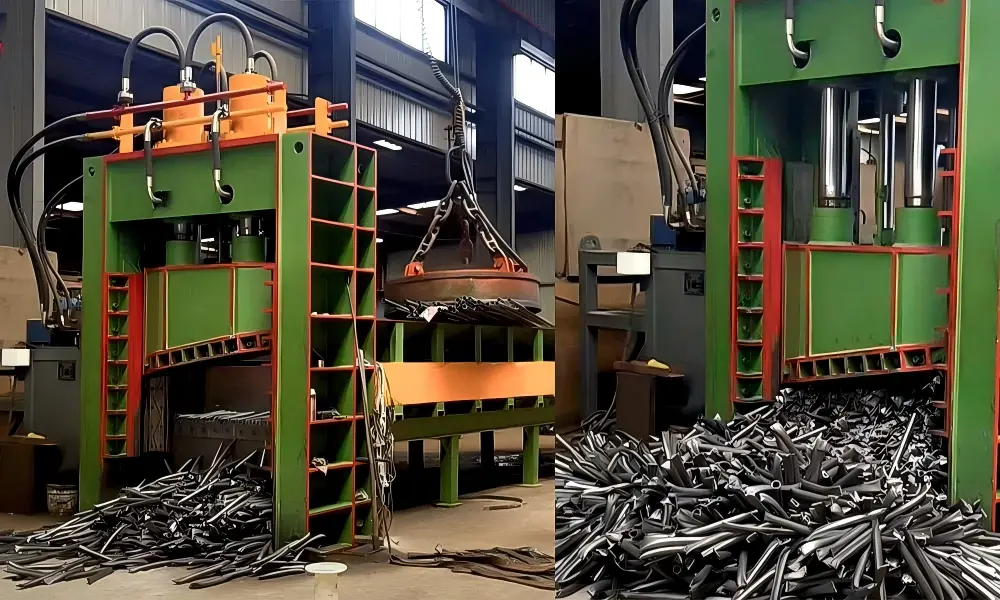
For large-scale demolition sites where high volumes of heavy scrap are generated, the Gantry Shear is the gold standard. These machines feature a large hopper and a compression box that pre-compacts the scrap before it is pushed toward the shearing blade. The Q91 series from HARSLE offers cutting forces ranging from 400 to 2000 tons, making them suitable for the thickest I-beams and plates found in industrial dismantling.
- Key Feature: Automatic continuous feeding and shearing.
- Best For: High-volume industrial scrap yards and large demolition sites.
- Advantage: Minimizes manual labor and maximizes throughput.
Container-Type Shears (Q15 Series)
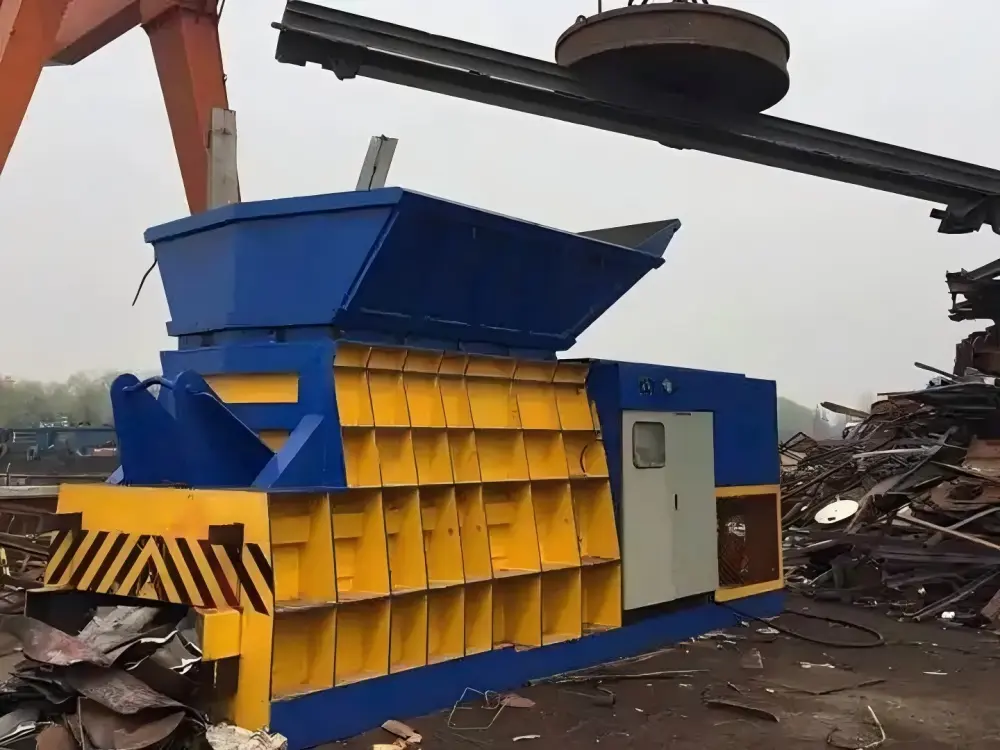
When mobility is a priority, container-type shears are the ideal configuration. These units are designed to fit within a standard shipping container frame, allowing them to be easily transported by truck to different demolition sites. Scrap metal shear uses in demolition dismantling projects often require moving the equipment as the project progresses, and the Q15 series provides this flexibility without sacrificing cutting power.
Alligator Shears (Q43 Series)
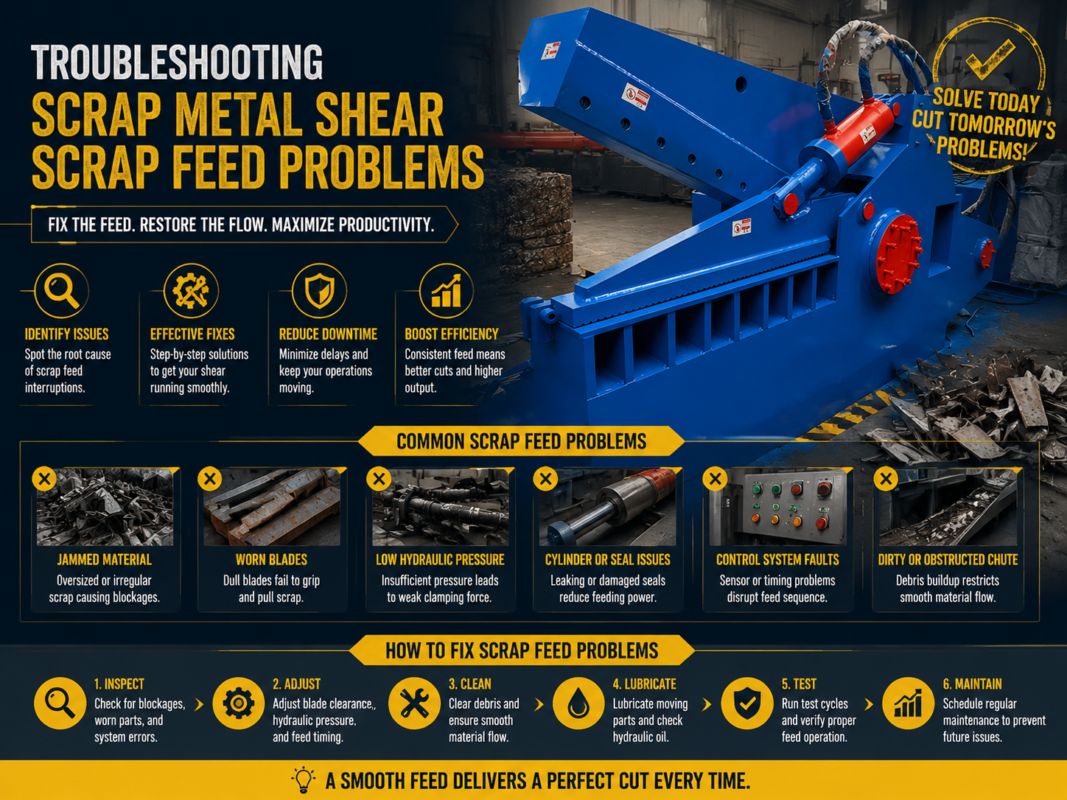
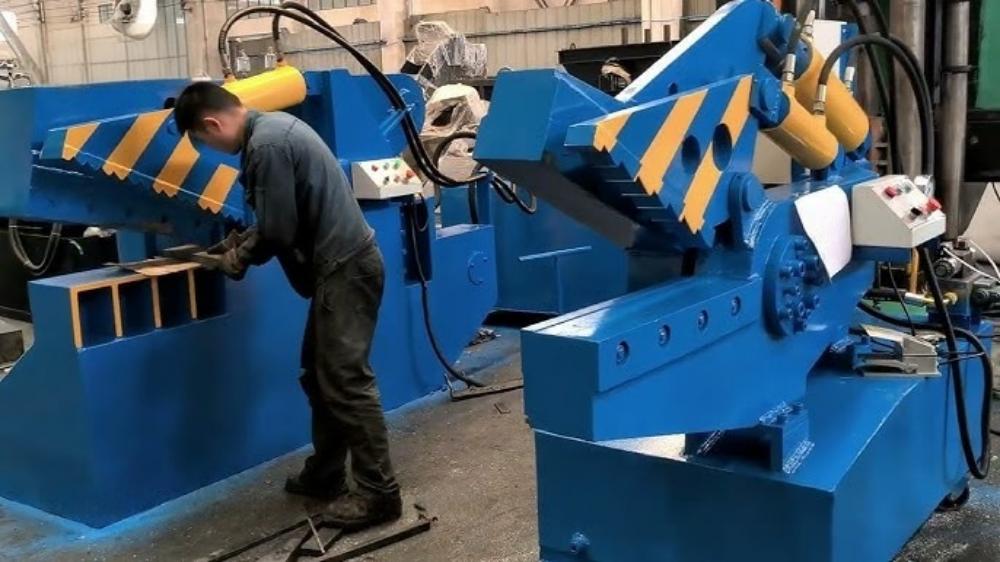
For smaller-scale dismantling or for processing non-ferrous metals like copper piping and aluminum extrusions, the alligator shear is a versatile and cost-effective choice. These machines are simpler in design but highly effective for “cleaning” scrap—removing unwanted attachments from valuable metal components.
- Key Feature: Foot-pedal operation for precision cutting.
- Best For: Sorting and processing smaller metal components on-site.
- Advantage: Low maintenance and easy to operate.
Workflow in Demolition and Dismantling
Step 1: Site Assessment and Material Sorting
The workflow begins with a thorough assessment of the demolition site. Engineers identify the types of metal present and estimate the total tonnage. Materials are then sorted into categories: heavy structural steel, light mixed scrap, and non-ferrous metals. This sorting is crucial because different scrap metal shear uses in demolition dismantling projects require different machine settings or even different types of shears.
Step 2: Primary Dismantling
Large structures are brought down using explosives, cranes, or high-reach excavators equipped with mobile shear attachments. This primary dismantling breaks the structure into large chunks that can then be moved to a centralized processing area on the site where a stationary or semi-mobile HARSLE shear is located.
Step 3: Shearing and Volume Reduction
The large chunks of metal are fed into the shear. For a gantry shear, this involves a crane or grapple loader placing the material into the charging box. The machine then compresses the material and shears it into uniform lengths (e.g., 600mm or 800mm). This uniform sizing is critical for the next stage of the recycling chain, as steel mills have specific requirements for the size of the scrap they can accept.
Step 4: Logistics and Transport
Once sheared, the metal is significantly more dense. This allows for more efficient loading of trailers and rail cars. By maximizing the weight of each load, contractors reduce the number of trips required, leading to substantial savings in fuel and labor costs. The sheared material is then transported to a foundry or a secondary scrap processor.
Productivity Benefits of Using HARSLE Shears
Increased Throughput and Speed
The most immediate benefit of using a high-quality scrap metal shear is the speed of processing. Manual cutting with torches is slow, dangerous, and produces inconsistent results. A HARSLE gantry shear can process dozens of tons of metal per hour, ensuring that the demolition site is cleared quickly and the project stays on schedule.
Enhanced Safety and Risk Mitigation
Demolition is inherently dangerous. By utilizing automated shearing machinery, the need for workers to be in close proximity to heavy, unstable metal structures is reduced. Hydraulic shears eliminate the fire hazards associated with oxy-fuel cutting and reduce the physical strain on workers. Safety interlocks and emergency stop systems on HARSLE machines further protect the operators.
Optimized Scrap Value
Not all scrap is created equal. Steel mills pay a premium for “prepared” scrap—metal that is clean, sorted, and cut to specific dimensions. By using a scrap metal shear to prepare the material on-site, demolition contractors can command higher prices for their waste material, turning a disposal cost into a significant revenue stream.
Environmental Sustainability
The circular economy relies on the efficient recycling of metals. Scrap metal shear uses in demolition dismantling projects contribute to sustainability by ensuring that nearly 100% of the structural metal in a building can be recovered and reused. Furthermore, the efficiency of hydraulic shearing reduces the overall energy consumption of the demolition process compared to less advanced methods.
Case Example: Factory Dismantling Project
A recent project involved the dismantling of a 50-year-old automotive assembly plant. The site contained over 15,000 tons of structural steel, including heavy crane rails and reinforced floor plates. The contractor initially struggled with slow progress using mobile shears mounted on excavators.
After consulting with HARSLE, the contractor installed a Q91 series Gantry Shear on-site. The results were transformative. The Gantry Shear was able to process the heavy crane rails—which were 100mm thick—in a single pass. The automated feeding system allowed the site to operate 16 hours a day with minimal downtime. The project was completed three weeks ahead of schedule, and the contractor reported a 25% increase in the resale value of the scrap metal due to the consistent sizing provided by the HARSLE machine.
Frequently Asked Questions (FAQ)
What is the best type of shear for a mobile demolition business?
For businesses that move from site to site, the Container-Type Shear (Q15 Series) is highly recommended. It offers a balance of high cutting force and ease of transport, as it does not require a permanent foundation and can be moved using standard logistics equipment.
How often should the blades be changed in a scrap metal shear?
Blade life depends on the material being cut. In typical demolition environments, blades should be inspected daily. Most HARSLE blades are four-sided; once one edge is dull, the blade can be rotated. Depending on volume, a full set of blades might last several months before needing professional regrinding or replacement.
Can these shears handle reinforced concrete?
While scrap metal shears are designed for metal, they can often handle the rebar within concrete. However, it is best practice to use a concrete pulverizer first to remove the bulk of the concrete, as the abrasive nature of concrete can significantly accelerate blade wear on a metal shear.
What safety features should I look for?
Look for machines with emergency stop buttons, hydraulic overload protection, safety cages for the operator, and automated sensors that prevent the machine from cycling if the charging box is not properly closed. HARSLE integrates all these features into our Q91 and Q15 series.
Conclusion: Choosing HARSLE for Your Demolition Needs
The diverse scrap metal shear uses in demolition dismantling projects highlight the necessity of having reliable, powerful, and efficient machinery. Whether you are dismantling a massive industrial complex or processing scrap in a local yard, the right shear can make the difference between a profitable project and a logistical nightmare. HARSLE’s range of gantry, container, and alligator shears are engineered to meet the most demanding challenges of the demolition industry.
By investing in HARSLE technology, you are not just buying a machine; you are investing in a partnership that prioritizes productivity, safety, and long-term value. Our team of experts is ready to help you configure the perfect shearing solution for your specific project requirements.
Ready to upgrade your demolition capabilities? Contact HARSLE today for a technical consultation and a customized quote on our industry-leading scrap metal shears.