Horizontal Baler Specs Explained: A Smart Buying Guide for First-Time Buyers

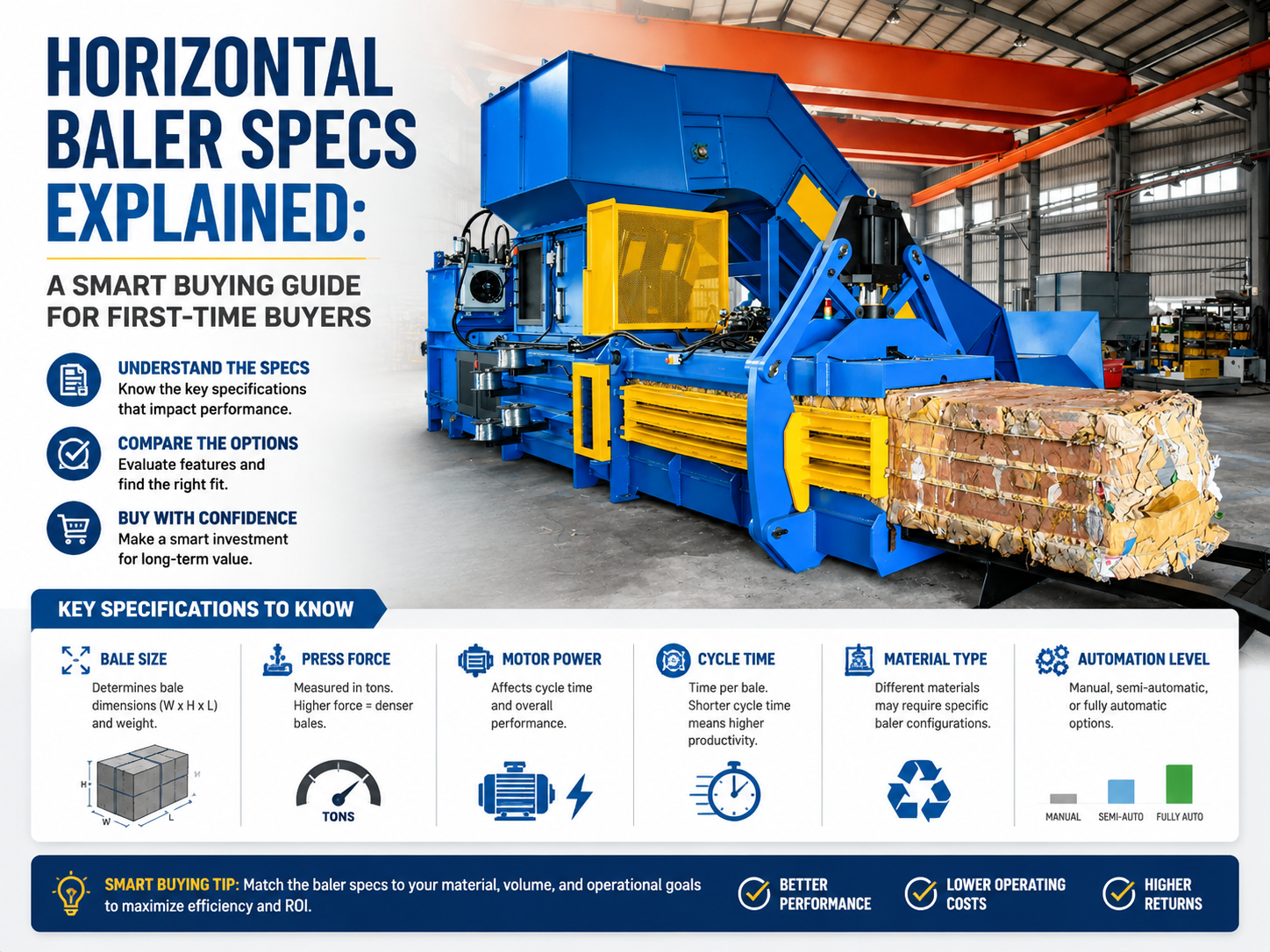
Introduction to Horizontal Baler Specifications
For businesses dealing with high volumes of waste—whether it is cardboard, plastic, paper, or non-ferrous metals—investing in a horizontal baler is a transformative step toward operational efficiency. Unlike vertical balers, which are often manual and limited in throughput, horizontal balers are the workhorses of the recycling industry. However, for a first-time buyer, the technical specifications can be overwhelming. Understanding terms like ‘press force,’ ‘cycle time,’ and ‘bale density’ is crucial to ensuring you don’t overspend on a machine that exceeds your needs or, conversely, underinvest in one that creates a bottleneck in your production line.
This guide, titled Horizontal Baler Specs Explained: A Smart Buying Guide for First-Time Buyers, is designed to demystify the technical jargon and provide a clear roadmap for your procurement process. We will explore the financial landscape, the mechanical configurations that drive performance, and the long-term ROI considerations that every facility manager must weigh. By the end of this article, you will have the knowledge necessary to navigate the complex market of industrial baling machinery with confidence.
Price Range Overview: What to Expect
The price of a horizontal baler can vary significantly based on its capacity, automation level, and build quality. Generally, the market is divided into three main tiers. Entry-level horizontal balers, often semi-automatic with manual tying systems, typically range from $15,000 to $35,000. These machines are ideal for facilities processing 1 to 3 tons of material per hour. They offer a significant upgrade over vertical units but still require a dedicated operator for the tying process.
Mid-range horizontal balers, which often feature automatic tying systems and higher press forces (60 to 100 tons), usually fall between $40,000 and $85,000. These are the most common choice for medium-sized recycling centers and manufacturing plants. They can handle a wider variety of materials, including tougher plastics and thicker cardboard, with throughputs reaching 5 to 10 tons per hour. The investment here is often justified by the reduction in labor costs and the increase in bale weight, which lowers shipping expenses.
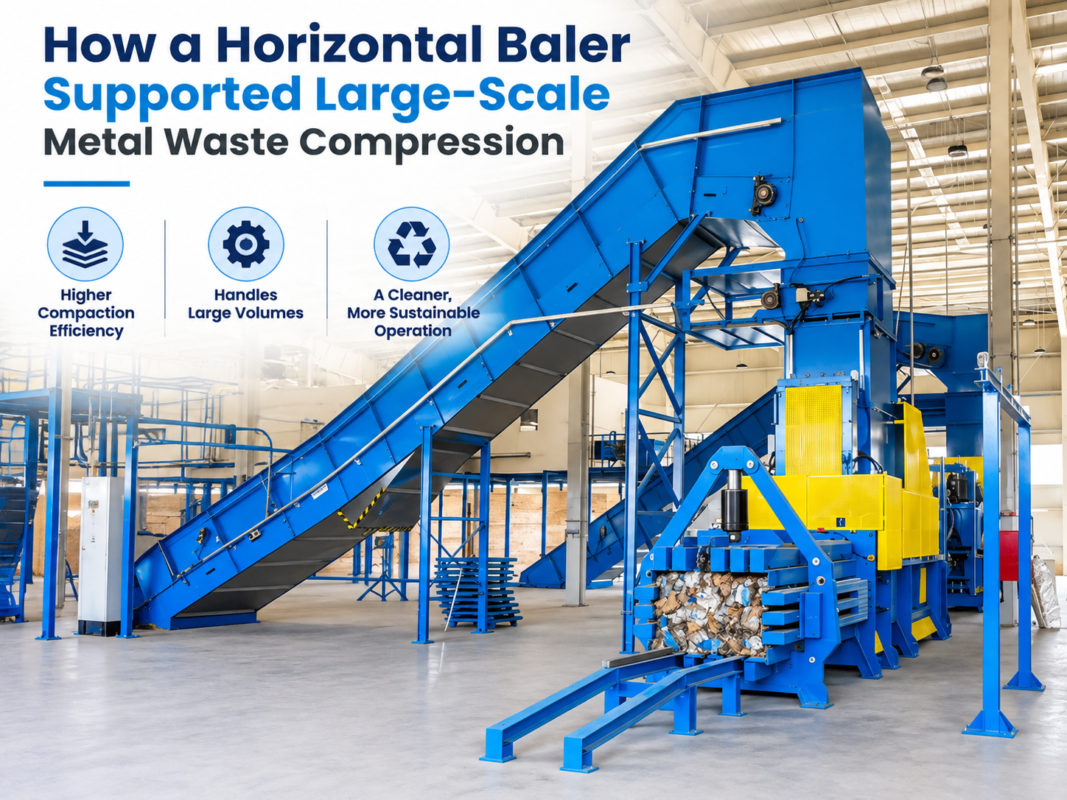
High-end industrial balers, designed for 24/7 operation and massive throughput, can cost anywhere from $100,000 to over $250,000. These machines feature advanced PLC controls, high-speed hydraulics, and heavy-duty structural frames. They are capable of producing bales that meet the strictest export standards for density and size. While the initial capital expenditure is high, the cost per ton processed is significantly lower than smaller units due to extreme automation and energy efficiency.
Main Cost Drivers in Horizontal Baler Specs
When analyzing Horizontal Baler Specs Explained: A Smart Buying First-Time Buyers, several key factors emerge as the primary drivers of the final price tag. The most prominent is the Press Force (measured in tons). The press force determines how tightly the material is compacted. Higher press force allows for denser bales, which is critical for maximizing the weight of a shipping container. A 100-ton press will naturally cost more than a 60-ton press due to the larger hydraulic cylinders and reinforced steel frame required to withstand the pressure.
The Motor Power and Hydraulic System are the next major factors. A machine equipped with a 50HP motor will process material much faster than one with a 20HP motor. High-quality hydraulic components, such as pumps from reputable brands like Rexroth or Vickers, add to the cost but ensure longevity and smoother operation. The complexity of the hydraulic circuit, including regenerative valves for faster cycle times, also plays a role in the pricing structure.
Material of construction and frame durability cannot be overlooked. Industrial balers are subject to immense stress. Machines built with high-tensile steel and thicker plates in the compaction chamber will have a higher price point but a much longer service life. Additionally, the type of wear liners used (such as Hardox steel) impacts both the initial cost and the future maintenance schedule. Investing in a robust frame prevents the machine from warping over years of heavy use.
Configuration Impact: Customizing for Your Needs
The configuration of a horizontal baler determines its compatibility with your existing workflow. One of the most critical choices is between Manual-Tie and Auto-Tie systems. Manual-tie balers are more affordable but require an operator to feed wires through the bale. Auto-tie systems use a mechanical needle and twister assembly to secure the bale automatically. For high-volume operations, the labor savings of an auto-tie system usually pay for the added cost within the first 12 to 18 months.
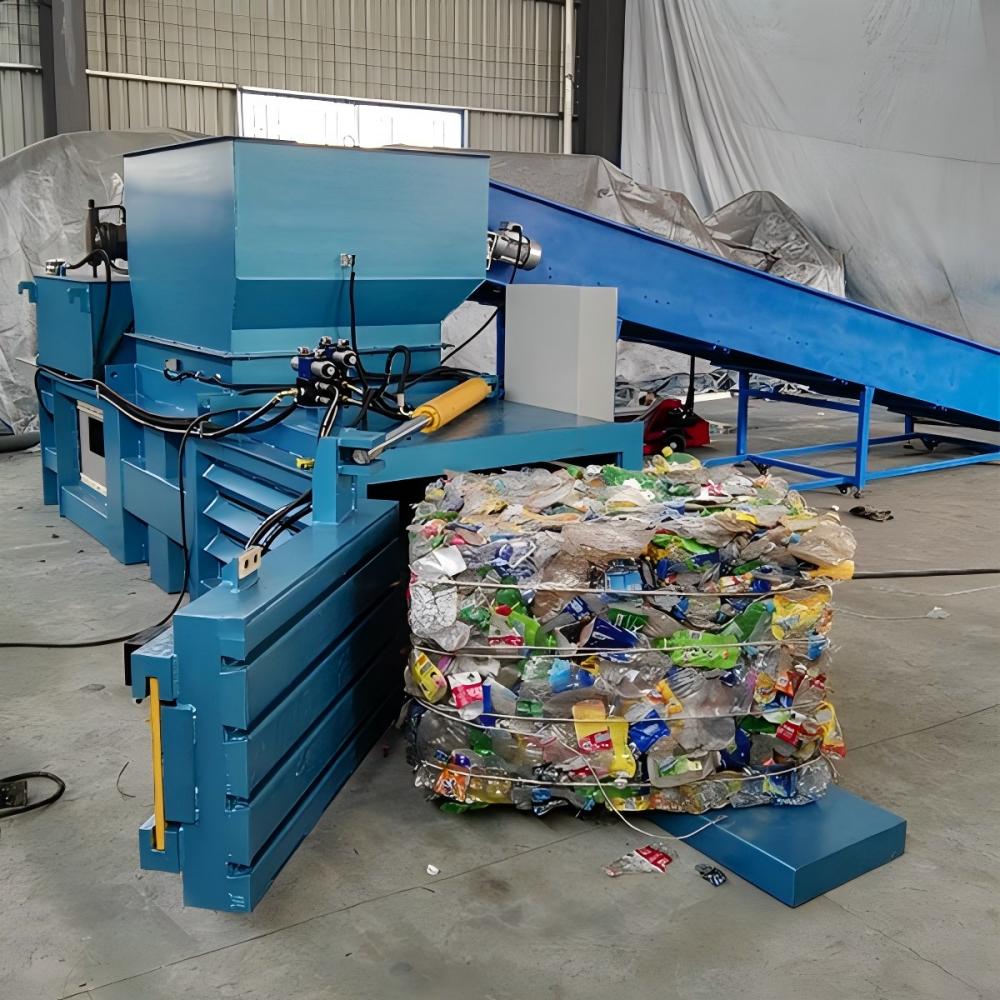
Another configuration factor is the Feeding System. Horizontal balers can be fed via conveyor belts, air-blown systems (cyclones), or even by hand. The hopper design must match the feeding method. For example, if you are using a large forklift to dump material, you need a wide-mouth hopper with sensors to prevent overfilling. Advanced configurations might also include a ‘shear blade’ system, which cuts off excess material at the top of the chamber to ensure a clean, rectangular bale every time.
Control systems also vary. Modern balers utilize Programmable Logic Controllers (PLC) with touch-screen interfaces. These systems allow operators to select different ‘recipes’ for different materials (e.g., one setting for OCC and another for PET bottles). This level of control ensures optimal bale density across various waste streams. Integration with remote monitoring software is another high-end configuration that allows management to track production metrics and receive maintenance alerts in real-time.
Hidden Costs of Owning a Horizontal Baler
The purchase price is only the beginning of the financial commitment. First-time buyers often overlook Installation and Commissioning costs. A horizontal baler is a massive piece of equipment that requires specialized rigging, a reinforced concrete floor, and high-voltage electrical connections. Depending on your facility’s current state, electrical upgrades alone can cost several thousand dollars. Furthermore, shipping a 20-ton machine across the country or importing it from overseas involves significant freight and insurance fees.
Consumables and Wear Parts represent an ongoing expense. Baling wire is a constant cost that fluctuates with steel prices. Additionally, the shear blades and chamber liners are wear items that will eventually need replacement. If you are processing abrasive materials like certain plastics or metals, these parts will wear out faster. It is essential to factor in the cost of hydraulic oil changes (which can require hundreds of gallons) and filter replacements as part of your annual operating budget.
Finally, consider Operator Training and Safety Compliance. While horizontal balers are generally safer than older manual equipment, they still pose risks if not operated correctly. Investing in professional training for your staff is a hidden cost that pays dividends in safety and machine longevity. Furthermore, ensuring the machine meets local safety standards (such as OSHA or CE) might require additional guarding or interlock systems if they were not included in the base model.
ROI Calculation: When Does the Investment Pay Off?
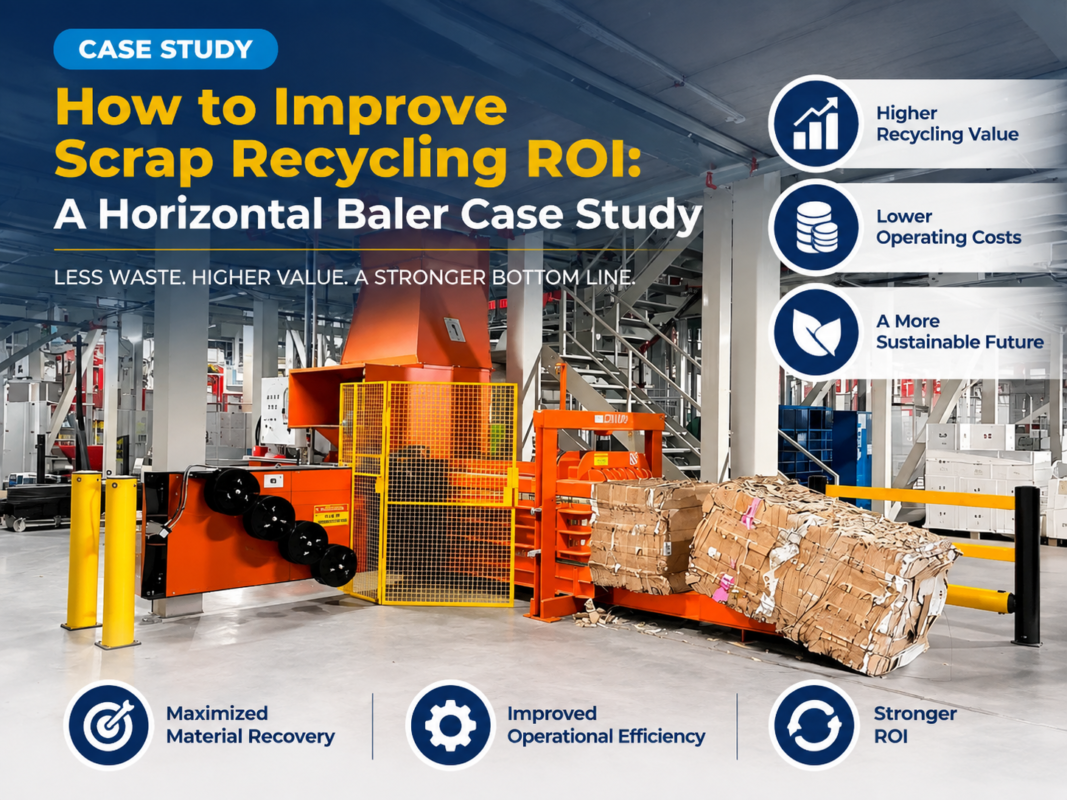
Calculating the Return on Investment (ROI) for a horizontal baler involves looking at three main areas: labor savings, transportation savings, and material revenue. Labor is often the biggest factor. If a horizontal baler allows you to reassign two employees who were previously manual-baling or handling loose waste, the annual salary savings can easily exceed $60,000. In a high-volume environment, the automation of a horizontal unit can reduce man-hours by 70% or more.
Transportation savings are achieved through Bale Density. Shipping loose cardboard is incredibly expensive because you reach the volume limit of a truck long before the weight limit. A horizontal baler can produce bales weighing 1,000 to 1,500 lbs, allowing you to maximize the weight in every trailer. If you can increase your average trailer weight from 10 tons to 22 tons, you effectively cut your shipping costs in half. For companies shipping multiple loads per week, this adds up to tens of thousands of dollars per year.
Lastly, the quality of the bale affects the price you receive from recyclers. ‘Mill-size’ bales produced by high-spec horizontal balers are highly sought after by paper mills and plastic processors. These buyers often pay a premium for dense, clean, and well-tied bales because they are easier to process. By upgrading your equipment, you move from being a ‘waste generator’ to a ‘commodity supplier,’ which significantly changes the economics of your waste management program.
Buying Advice for First-Time Buyers
When you are ready to make a purchase, the first step is to conduct a Waste Audit. You need to know exactly how much material you generate per day and what the peak hours look like. Buying a machine based on your average daily volume might lead to backlogs during peak production times. Always size your baler to handle your busiest day, not your average day. It is also wise to choose a machine with a slightly higher capacity than you currently need to allow for future business growth.
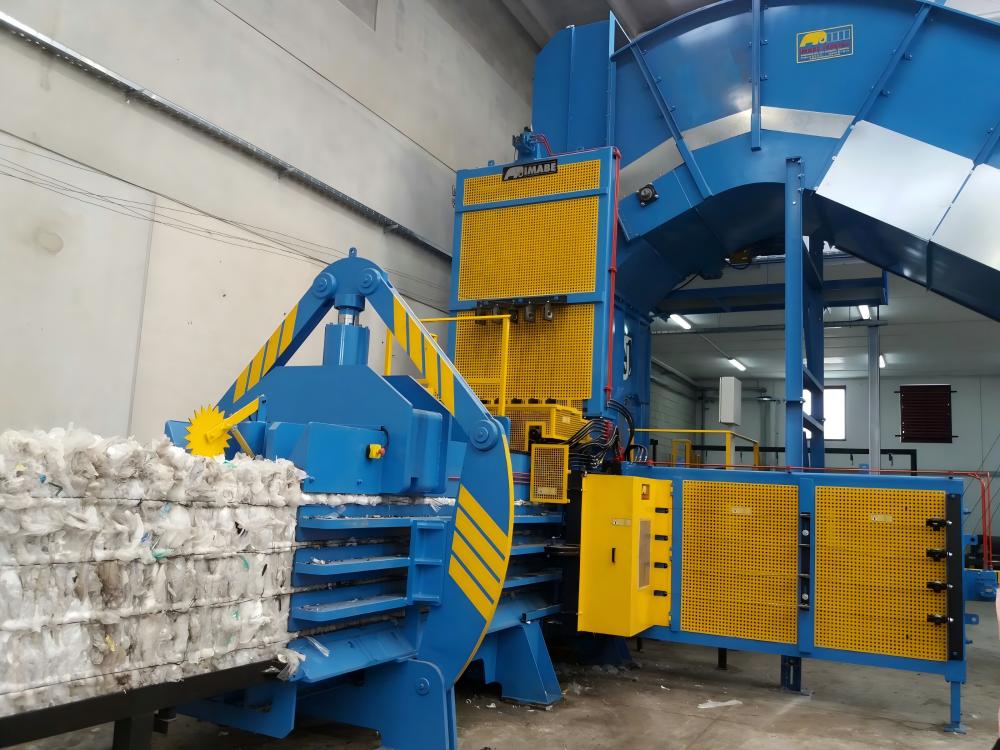
Evaluate the Manufacturer’s Support Network. A horizontal baler is a long-term investment that should last 15 to 20 years. You need to ensure that the manufacturer provides readily available spare parts and has technicians who can service your area. Ask for a list of wear parts and their lead times. If a critical sensor or hydraulic seal fails, you cannot afford to have your machine down for three weeks while a part ships from halfway around the world. Brands like HARSLE prioritize global support and standardized components to minimize downtime.
Finally, request a Material Test. Most reputable manufacturers will allow you to send a sample of your specific waste material to their facility to see how it bales. This is the best way to verify the cycle time and bale density for your unique application. Seeing the machine in action—even via video—processing your specific material provides peace of mind that the Horizontal Baler Specs Explained: A Smart Buying First-Time Buyers guide has been applied correctly to your specific business context.
Horizontal Baler Selection Checklist
- Volume Requirements: Does the hourly throughput match your peak waste generation?
- Space Constraints: Do you have enough floor space for the baler plus the bale discharge area?
- Power Supply: Is your facility’s electrical panel capable of handling the motor’s startup current?
- Material Type: Is the shear blade and press force sufficient for your toughest material?
- Automation Level: Does the ROI justify an auto-tie system over a manual-tie system?
- Safety Features: Does the machine include E-stops, safety interlocks, and proper guarding?
Frequently Asked Questions (FAQ)
What is the difference between a closed-end and an open-end horizontal baler?
A closed-end baler has a hydraulic door that stays shut during the compaction process, allowing for very high pressure and dense bales. It is typically used for materials that are hard to compress. An open-end baler (or continuous baler) extrudes the material through a long tensioning chamber. Open-end balers are generally faster and better suited for high-volume cardboard and paper recycling where speed is more important than maximum density.
How often does a horizontal baler require maintenance?
Routine maintenance should be performed weekly, including checking hydraulic oil levels, inspecting wires/twisters, and cleaning out debris from the sensors. A more thorough monthly inspection should involve greasing all pivot points and checking the sharpness of the shear blades. Annual professional servicing is recommended to calibrate the hydraulic pressures and inspect the structural integrity of the frame and cylinders.
Can one horizontal baler handle multiple types of materials?
Yes, most modern horizontal balers are versatile. However, you must change the settings (via the PLC) when switching between materials like cardboard and plastic film. Some materials, like aluminum cans or scrap metal, may require specialized liners or higher press forces. If you plan to switch materials frequently, look for a machine with a ‘multi-material’ program feature to simplify the transition for operators.
What is ‘Cycle Time’ and why does it matter?
Cycle time is the amount of time it takes for the press ram to move from its home position, compress the material, and return to the home position. A faster cycle time means the machine can process more material per hour. However, a very fast cycle time requires a larger motor and more robust hydraulics, which increases the cost. You should balance cycle time with your actual feeding speed; there is no point in having a 20-second cycle time if your conveyor only feeds enough material for a 40-second cycle.
Is an auto-tie system worth the extra cost?
For most industrial applications, yes. An auto-tie system eliminates the need for an operator to manually thread wires, which can save 5-10 minutes per bale. If you are producing 20 bales a day, that is over 2 hours of labor saved daily. Additionally, auto-tie systems produce more consistent ties, reducing the risk of bales breaking during transport. Only very low-volume operations (less than 5 bales per day) should consider manual-tie horizontal units.
How do I determine the right bale size?
Bale size is usually determined by the requirements of the end-buyer (the mill or recycler) and the dimensions of your shipping containers. The most common ‘mill-size’ bale is approximately 60″ x 30″ x 45″. This size is standardized to fit perfectly in side-by-side rows in a standard shipping container or curtain-side truck. Always check with your waste broker to ensure the machine you buy produces a bale size they are willing to accept.