How to Evaluate a Horizontal Baler Before Purchase: A Guide for Industrial Buyers

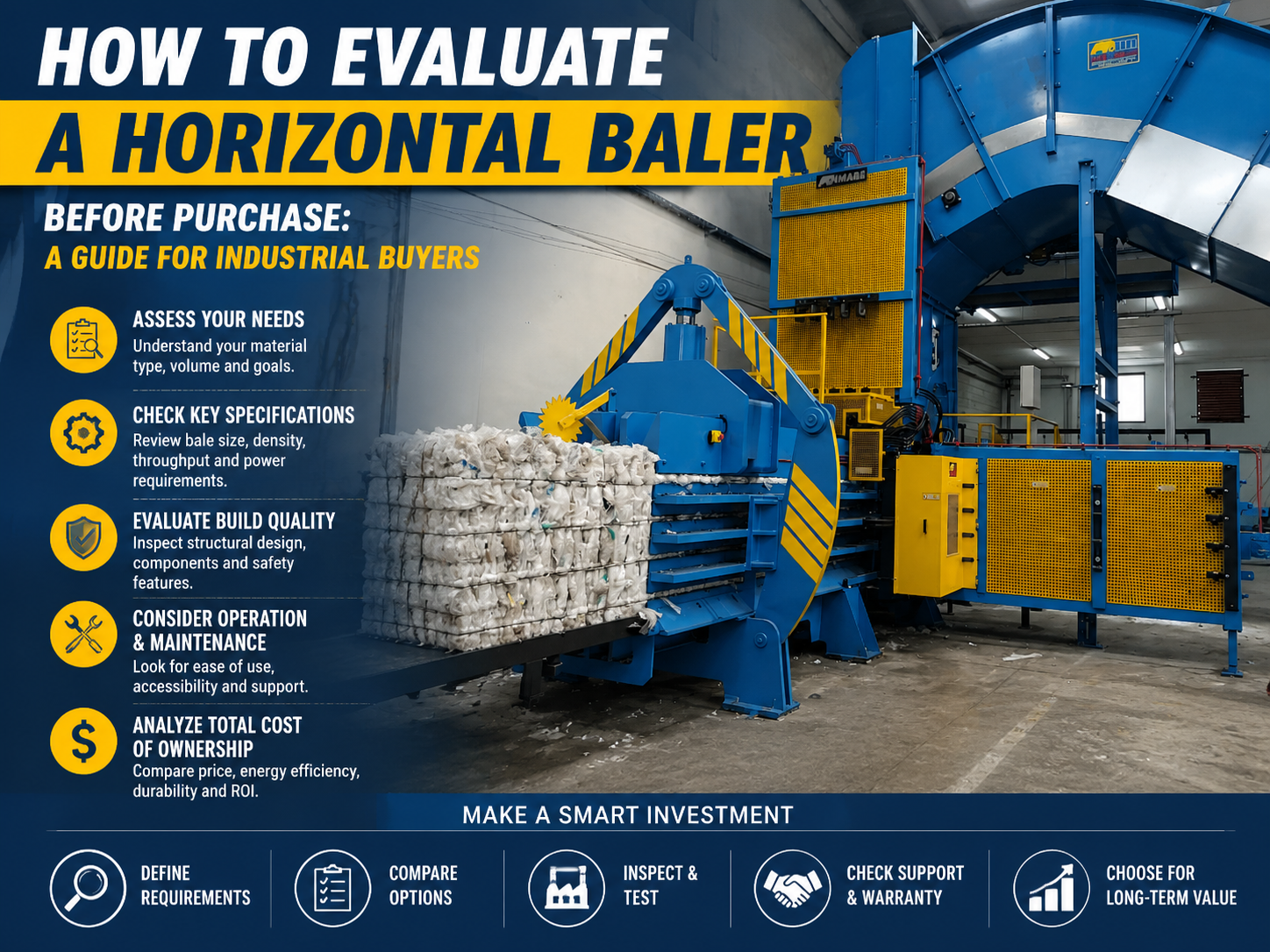
Introduction to Industrial Horizontal Balers
In the modern industrial landscape, waste management is no longer just a secondary concern; it is a critical component of operational efficiency and sustainability. For facilities dealing with high volumes of cardboard, plastic, paper, or non-ferrous metals, a horizontal baler is an indispensable asset. However, the process to Evaluate A Horizontal Baler Before Purchase: A Industrial Buyers must be thorough to ensure the investment yields the expected returns. Unlike vertical balers, horizontal models are designed for high-throughput environments, offering automated features that significantly reduce labor costs and increase bale density.
Choosing the right machine requires a deep understanding of your facility’s specific needs, the types of materials being processed, and the long-term goals of your recycling program. A poorly chosen baler can lead to bottlenecks, frequent breakdowns, and safety hazards. Conversely, a well-evaluated machine, such as those manufactured by HARSLE, can streamline your logistics and turn waste into a revenue stream. This guide provides a comprehensive framework for industrial buyers to navigate the complexities of the horizontal baler market.
Price Range Overview: What to Expect
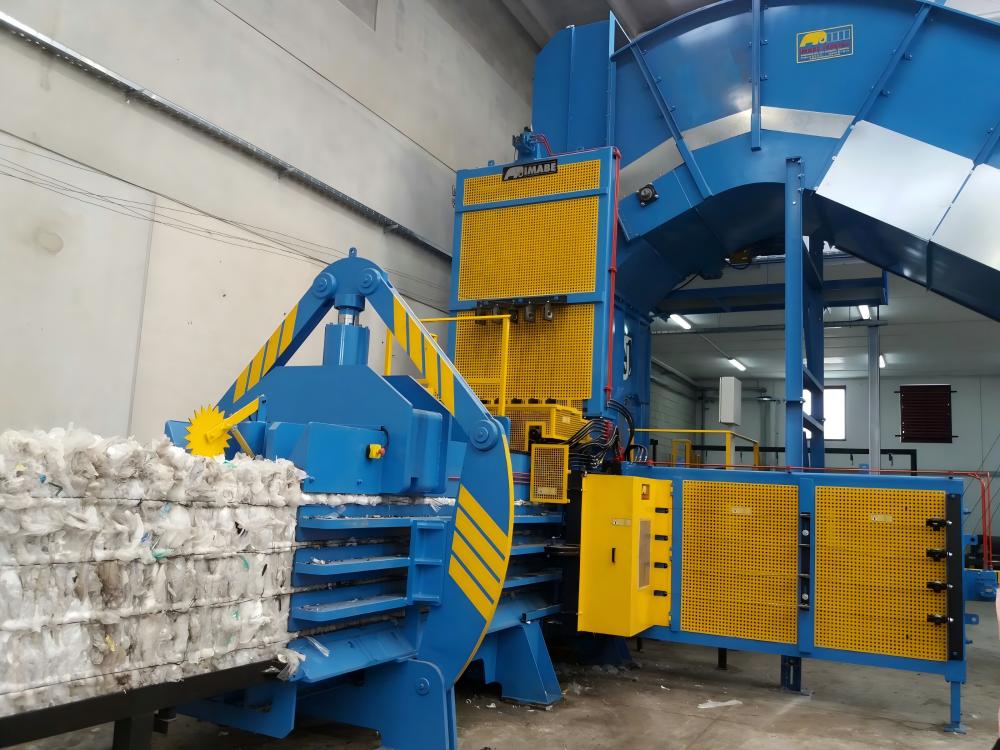
When you begin to Evaluate A Horizontal Baler Before Purchase: A Industrial Buyers, the first thing you will notice is the wide variance in pricing. Industrial horizontal balers generally fall into three categories based on their capacity, automation level, and structural integrity. Understanding these price points helps in setting a realistic budget and identifying which tier of machinery aligns with your production volume.
Entry-level horizontal balers, often referred to as closed-door or manual-tie balers, typically range from $25,000 to $50,000. These machines are ideal for businesses processing 50 to 100 tons of material per month. While they require more manual intervention for tying and discharging bales, they offer a significant step up from vertical balers in terms of throughput and bale weight. They are robust, reliable, and have a smaller footprint compared to their fully automated counterparts.
Mid-range balers, which often include semi-automatic features or basic auto-tie systems, fall between $60,000 and $120,000. These machines are the workhorses of the recycling industry, capable of handling 100 to 300 tons per month. They feature larger feed openings, more powerful hydraulic systems, and faster cycle times. At this level, buyers start to see advanced PLC (Programmable Logic Controller) systems that allow for better control over bale density and material settings.
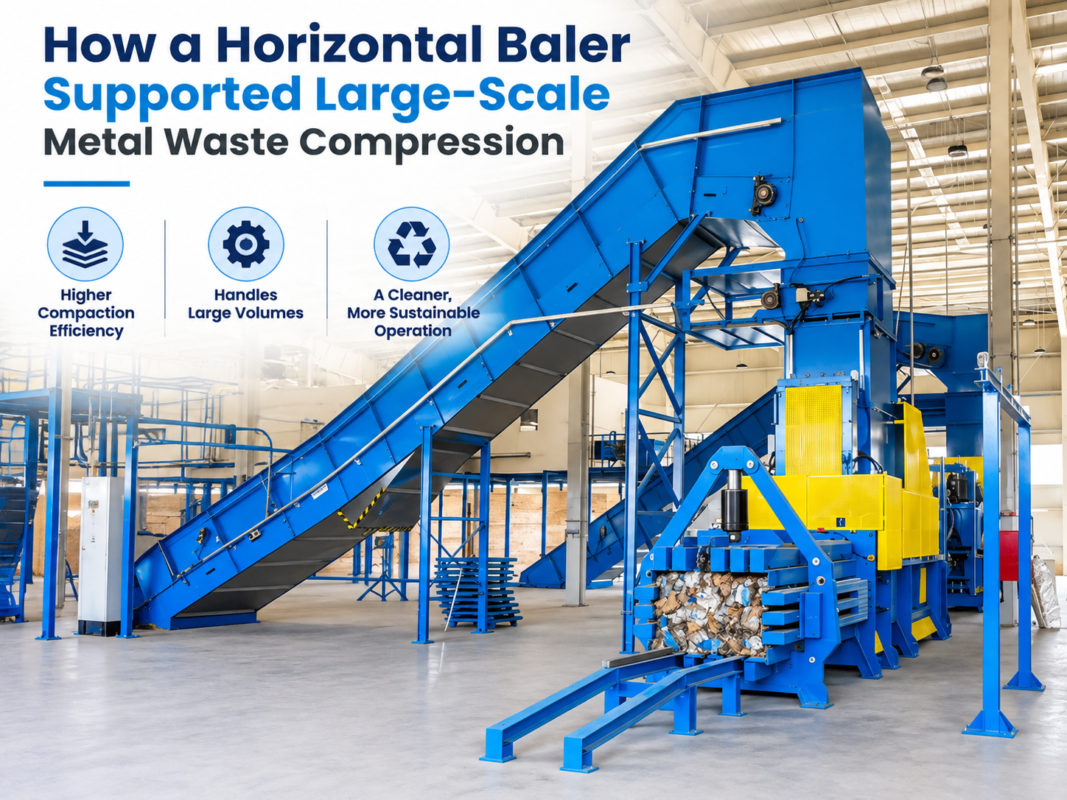
High-end, fully automatic horizontal balers can exceed $200,000. These systems are designed for 24/7 operations in large distribution centers or professional recycling facilities processing over 500 tons monthly. They feature sophisticated auto-tie mechanisms, high-pressure hydraulics (often exceeding 100 tons of force), and integrated conveyor systems. While the initial investment is high, the labor savings and maximum bale density provide the lowest cost-per-ton processed over the machine’s lifespan.
Main Cost Drivers in Horizontal Baler Manufacturing
To effectively Evaluate A Horizontal Baler Before Purchase: A Industrial Buyers, one must look beneath the surface at the components that drive the price. The primary cost driver is the hydraulic system. The size of the main cylinder, the horsepower of the motor, and the quality of the hydraulic pumps determine the machine’s pressing force and cycle time. A larger cylinder requires more steel and higher-quality seals, which increases the manufacturing cost but ensures the machine can produce heavy, dense bales that maximize shipping container space.
Structural steel quality is another significant factor. Industrial balers are subjected to immense internal pressures. High-quality manufacturers like HARSLE use reinforced steel frames and abrasion-resistant liners (such as Hardox) in the baling chamber. These materials prevent the frame from warping over time and protect the machine from the abrasive nature of materials like scrap metal or dusty cardboard. Cheaper machines often skimp on steel thickness, leading to a shorter operational life and higher maintenance costs.
The complexity of the control system also impacts the price. Modern balers utilize PLCs with touch-screen interfaces that allow operators to switch between material profiles (e.g., switching from PET bottles to OCC cardboard) with a single button. These systems monitor oil temperature, bale length, and system errors in real-time. While advanced electronics add to the initial cost, they are vital for preventing operator error and optimizing the baling process for different material densities.
Configuration Impact: Customizing for Your Workflow
The configuration of a horizontal baler is not a one-size-fits-all solution. Buyers must decide between an open-end (auto-tie) or a closed-end (manual-tie) design. Open-end balers allow for continuous feeding; as the ram pushes material forward, the finished bale is pushed out the other side. This is essential for high-volume operations. Closed-end balers, however, use a hydraulic door to create a wall for the material to press against, which often results in higher bale density for difficult-to-compress materials like plastic film.
Hopper size and feeding methods are also critical configuration points. If you are using a forklift to dump large bins, you need a wide-mouth hopper. If you are integrating the baler into an existing conveyor or air-sort system, the hopper must be designed to match the discharge height and width of those systems. Improperly sized hoppers lead to material bridging, where waste gets stuck and stops the flow, requiring manual intervention and creating safety risks.
Furthermore, the choice of a shear blade vs. a non-shear design is vital. Shear balers have a heavy-duty blade at the top of the ram that cuts off excess material as the ram moves forward. This ensures the bale is clean and the machine doesn’t jam. Non-shear balers are typically used for materials that don’t require cutting or where the feed is strictly controlled. For most industrial buyers, a shear-equipped baler is the safer, more versatile choice, despite the added cost of blade maintenance.

Hidden Costs: Beyond the Sticker Price
When you Evaluate A Horizontal Baler Before Purchase: A Industrial Buyers, you must account for the “total cost of ownership.” One of the most overlooked hidden costs is freight and installation. These machines are massive and often require specialized heavy-haul trucking and rigging crews with cranes to move them into place. Depending on your location, this can add $5,000 to $15,000 to the project cost.
Electrical requirements are another common surprise. Industrial horizontal balers often require 460V three-phase power. If your facility only has 230V or lacks the necessary amperage, you may need to invest in a transformer or a significant electrical service upgrade. Additionally, the cost of consumables—specifically baling wire—must be factored in. Auto-tie balers use large coils of wire that can be a significant monthly expense depending on your bale volume.
Maintenance and spare parts availability should also be scrutinized. A baler that is down for two weeks waiting for a proprietary part from overseas is a liability. Buyers should prioritize manufacturers like HARSLE that use non-proprietary, off-the-shelf components for items like hydraulic valves, sensors, and electrical relays. This ensures that a local technician can perform repairs quickly, minimizing downtime and the need for expensive emergency service calls from the factory.
ROI Calculation: Turning Waste into Profit
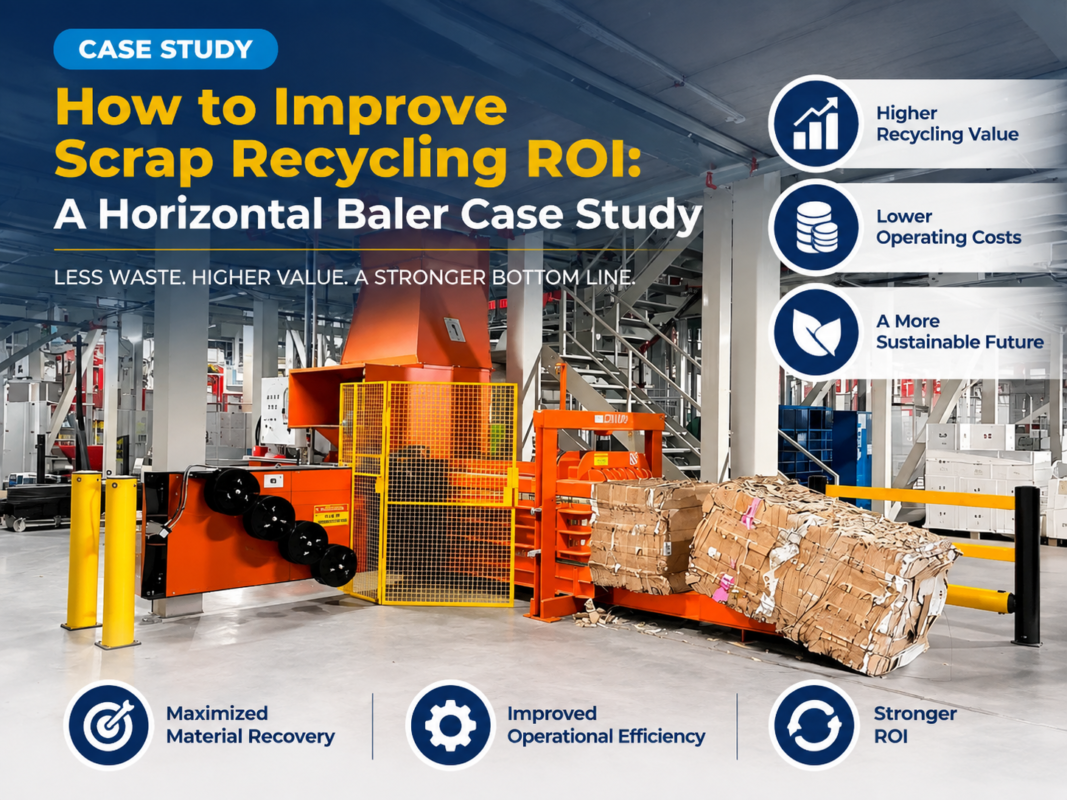
The decision to Evaluate A Horizontal Baler Before Purchase: A Industrial Buyers is ultimately a financial one. To calculate the Return on Investment (ROI), you must compare your current waste disposal costs against the projected costs and revenues of the baling system. Current costs include trash hauling fees, labor spent breaking down boxes, and the cost of floor space taken up by loose waste.
Revenue is generated through the sale of baled commodities. Recyclers pay significantly more for dense, mill-sized bales (typically 60″ x 30″ x 42″) because they are easier to transport. For example, a truckload of loose cardboard might only weigh 3 tons, whereas a truckload of baled cardboard can weigh 20 tons. This reduction in transportation costs is often where the biggest savings are found. In many cases, a facility processing 100 tons of cardboard per month can see an ROI in less than 18 to 24 months.
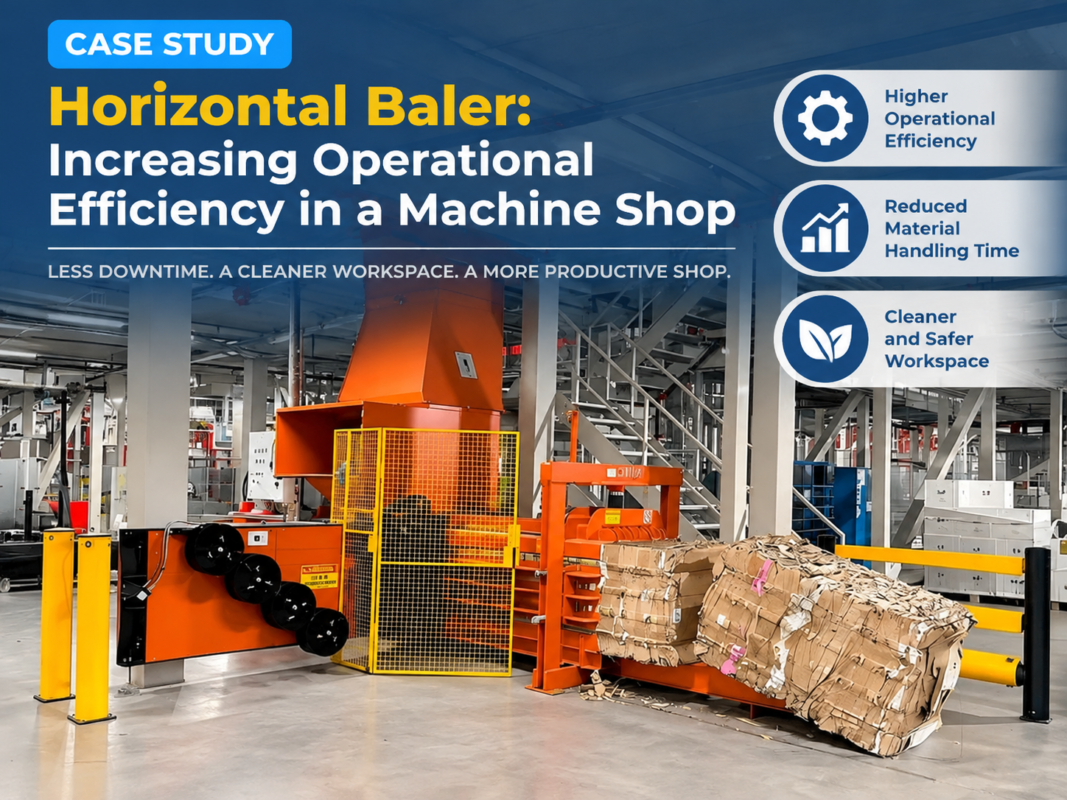
Labor savings are equally important. A horizontal baler with a conveyor system allows one operator to do the work of three people using vertical balers or manual methods. By automating the feeding and tying process, you free up staff for higher-value tasks within the plant. When calculating ROI, always include the “opportunity cost” of the space saved; a baler compacts waste into a small footprint, potentially opening up hundreds of square feet for production machinery.
Buying Advice: A Step-by-Step Evaluation Checklist
To ensure you make the right choice, follow this structured approach to Evaluate A Horizontal Baler Before Purchase: A Industrial Buyers:
- Define Your Material Mix: Are you baling 100% OCC (cardboard), or a mix of plastics, aluminum, and paper? Different materials require different ram pressures and shear configurations.
- Measure Your Throughput: Calculate your peak waste generation hours. Your baler must be able to handle the maximum flow, not just the daily average.
- Check Site Constraints: Verify ceiling heights, floor load capacities, and door clearances. Ensure there is enough room for the bale to eject and for a forklift to maneuver.
- Request a Material Test: Reputable manufacturers like HARSLE often allow you to send samples of your material to their facility to ensure the baler produces the desired bale weight and density.
- Review Safety Features: Ensure the machine meets ANSI Z245.51 or CE standards. Look for interlocked gates, emergency stop buttons at multiple points, and safety placards.
- Evaluate the Manufacturer: Look for a company with a proven track record in metal fabrication and industrial machinery. Ask about their warranty terms and the availability of technical support.
Frequently Asked Questions (FAQ)
1. What is the difference between a manual-tie and an auto-tie horizontal baler?
A manual-tie baler requires an operator to thread the wire through the bale and tie it off by hand, which usually takes 5-10 minutes per bale. An auto-tie baler uses a mechanical needle and twister system to tie the wires automatically in less than a minute, allowing for continuous operation without stopping the ram.
2. How much floor space does a horizontal baler require?
While the machine itself might be 20 to 30 feet long, you must also account for the feeding system (conveyor), the bale discharge area, and the space needed for wire coils and maintenance access. A typical footprint for a mid-sized horizontal baler setup is approximately 40 feet by 15 feet.
3. Can one horizontal baler handle multiple types of materials?
Yes, most modern horizontal balers have programmable settings for different materials. However, you must be careful about contamination. For example, if you switch from cardboard to clear plastic, you must ensure the chamber is completely empty to maintain the purity and value of the plastic bale.
4. What is the average lifespan of a HARSLE horizontal baler?
With proper maintenance, an industrial-grade horizontal baler can last 15 to 20 years or more. Key maintenance tasks include regular oil changes, sharpening the shear blades, and inspecting the hydraulic hoses for wear. The structural frame is designed to last the life of the machine.
5. Is a horizontal baler safer than a vertical baler?
Both are safe when operated correctly, but horizontal balers often have more advanced safety sensors because they are more automated. Because they are fed via conveyor or hopper, operators are generally further away from the moving parts during the compaction cycle compared to a vertical baler.
6. How do I determine the right ram pressure for my needs?
Ram pressure is usually measured in total tons of force or PSI on the face of the ram. For cardboard, 50-70 tons is usually sufficient. For tougher materials like high-density plastics or light metals, you may need 80-100+ tons of force to achieve a dense, shippable bale.