Scrap Metal Baler Buying Guide: A Step-by-Step Approach to Smart Equipment Investment


Introduction to Scrap Metal Baler Investment
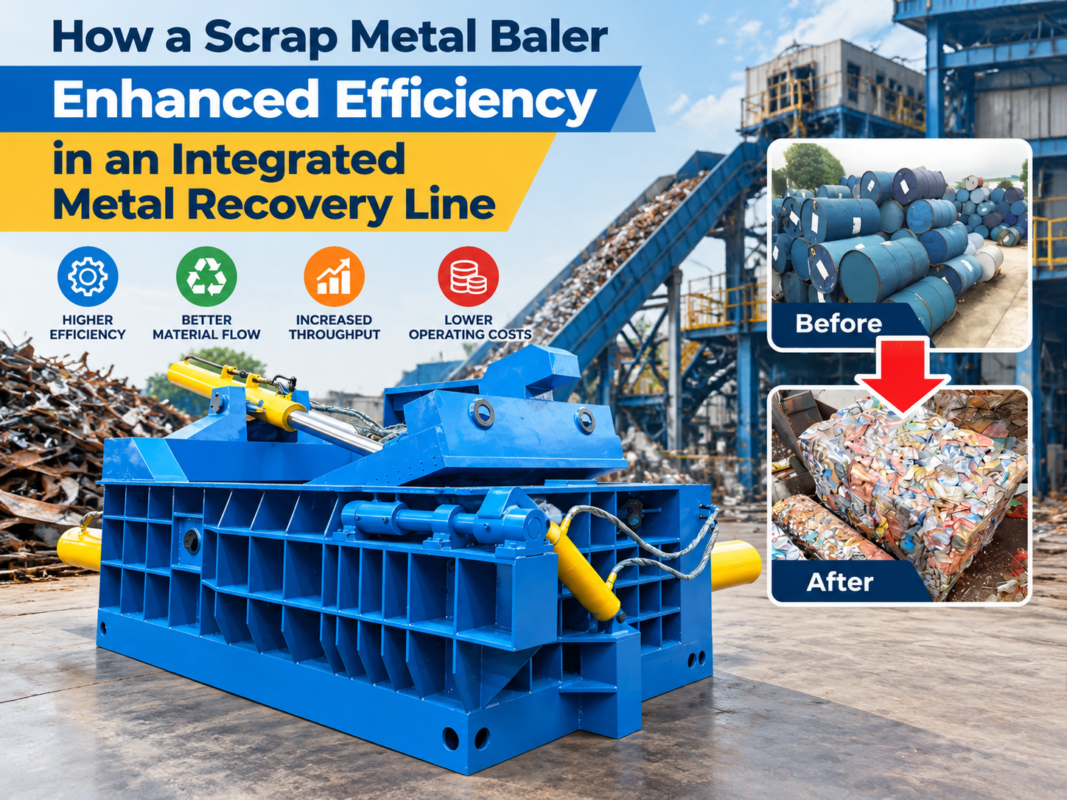
In the modern industrial landscape, the management of waste materials has transitioned from a logistical burden to a significant profit center. For metal fabrication shops, recycling centers, and demolition firms, the scrap metal baler is the cornerstone of this transformation. Investing in a scrap metal baler is not merely about purchasing a machine; it is about optimizing a supply chain, reducing carbon footprints, and maximizing the commodity value of metal waste. This guide provides a comprehensive Scrap Metal Baler Buying Guide: A Step-by-Step Approach to Smart Equipment Investment, ensuring that your capital expenditure translates into long-term operational efficiency.
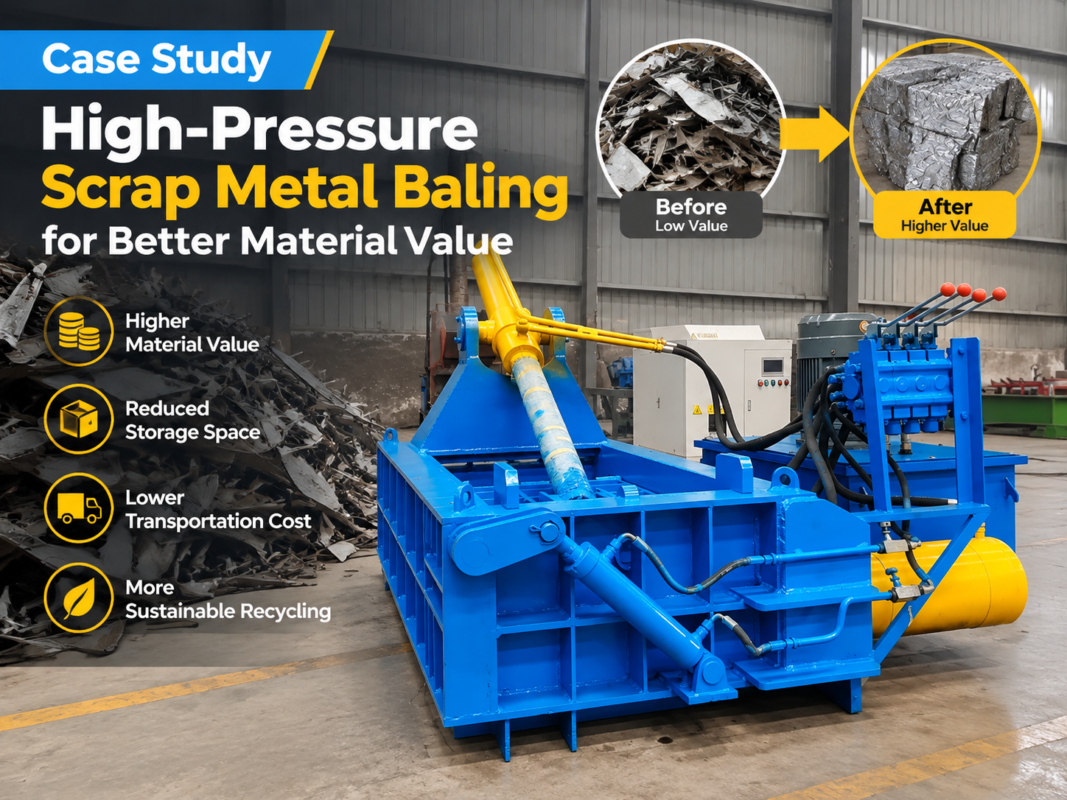
HARSLE, a leader in metal fabrication machinery, understands that the diversity of scrap—ranging from light aluminum cans to heavy structural steel—requires a nuanced approach to equipment selection. A baler works by using hydraulic force to compress loose metal into dense, manageable blocks or ‘bales.’ These bales are easier to transport, store, and sell to smelters, who often pay a premium for densified material. However, with a wide array of tonnages, configurations, and automation levels available, the path to the right purchase can be complex. This article breaks down every critical factor to consider before signing a purchase order.
Price Range Overview: Setting Realistic Budget Expectations
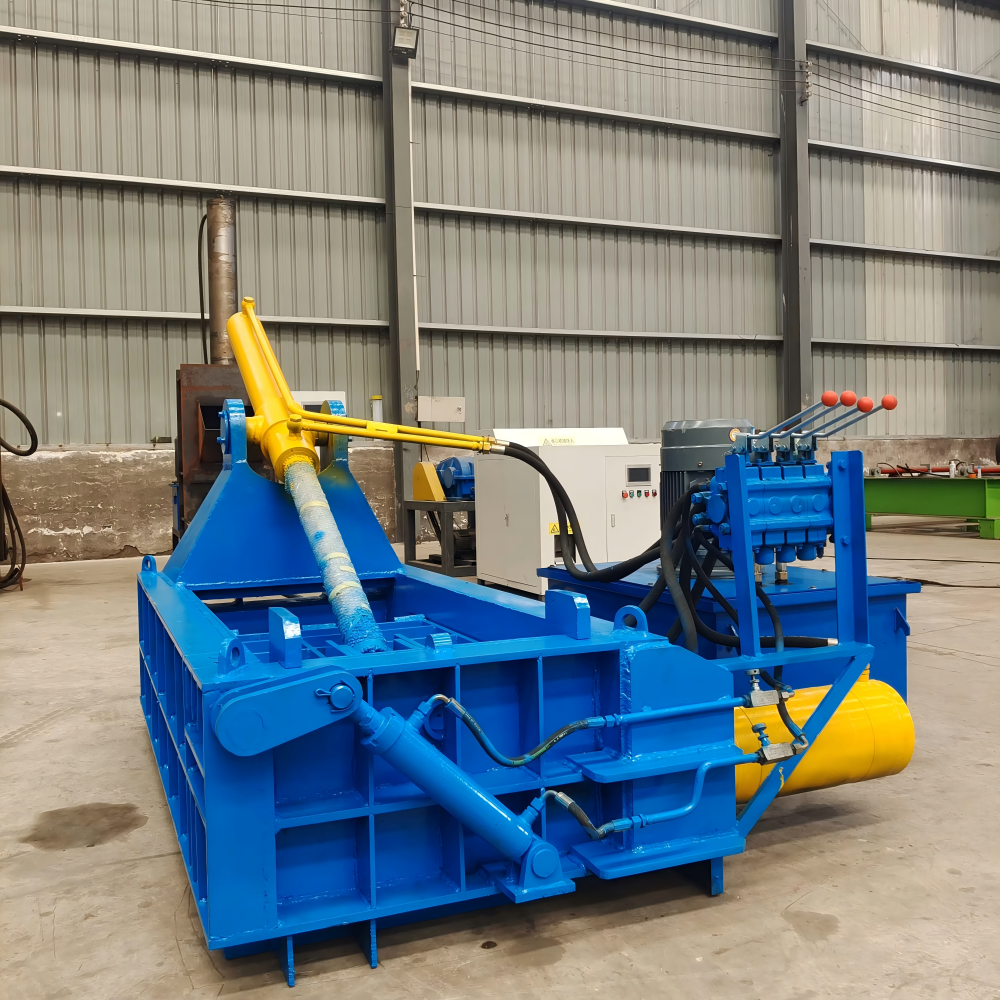
The price of a scrap metal baler varies significantly based on its capacity, force, and level of automation. Understanding the market tiers is the first step in the Scrap Metal Baler Buying : A Step-By-Step Approach Smart Equipment Investment. Generally, the market is divided into three primary categories: entry-level, mid-range, and industrial-grade systems.
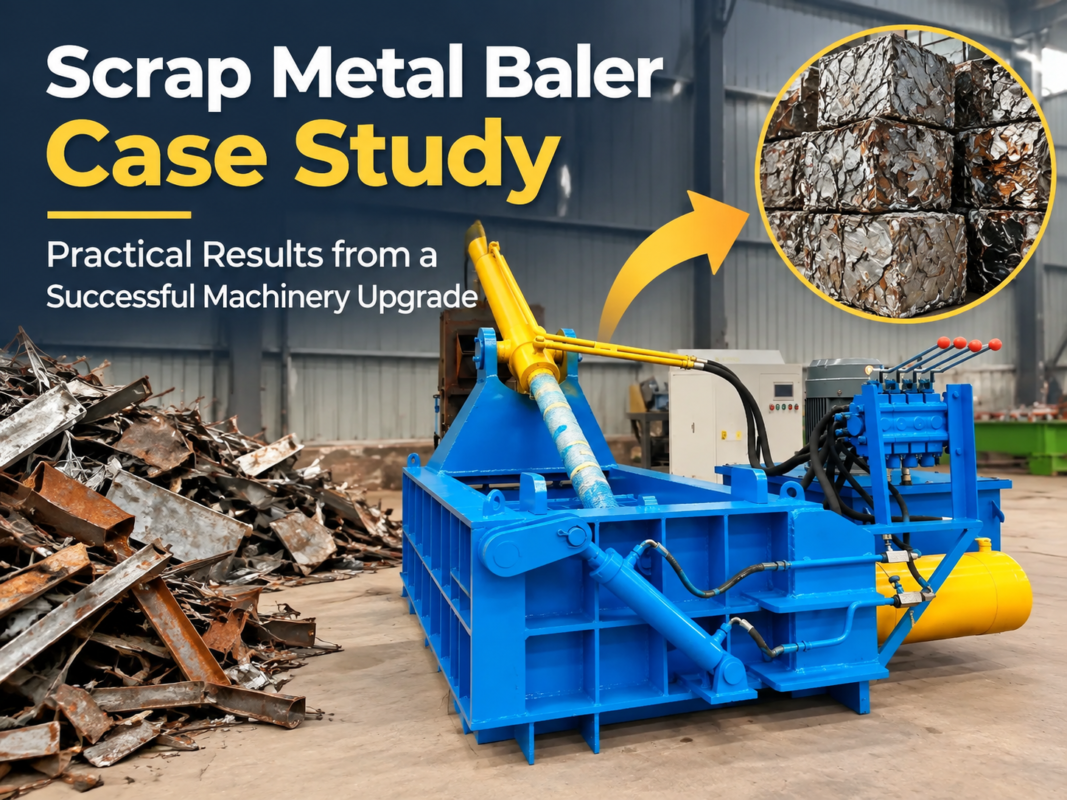
Entry-level balers, often manual or semi-automatic with compression forces between 63 and 125 tons, typically range from $15,000 to $35,000. These machines are ideal for smaller fabrication shops or local recycling yards that process light-gauge materials like aluminum extrusions, copper wire, and thin stainless steel sheets. While they require more manual labor for loading and bale removal, they offer a low barrier to entry for businesses looking to start densifying their scrap.
Mid-range balers, featuring 160 to 400 tons of pressure, usually fall between $40,000 and $90,000. These units often include semi-automatic controls, faster cycle times, and larger charging boxes. They are the workhorses of the industry, capable of handling heavier materials such as steel turnings, automotive body parts, and thicker non-ferrous metals. At this level, the investment begins to focus on throughput—how many tons can be processed per hour.
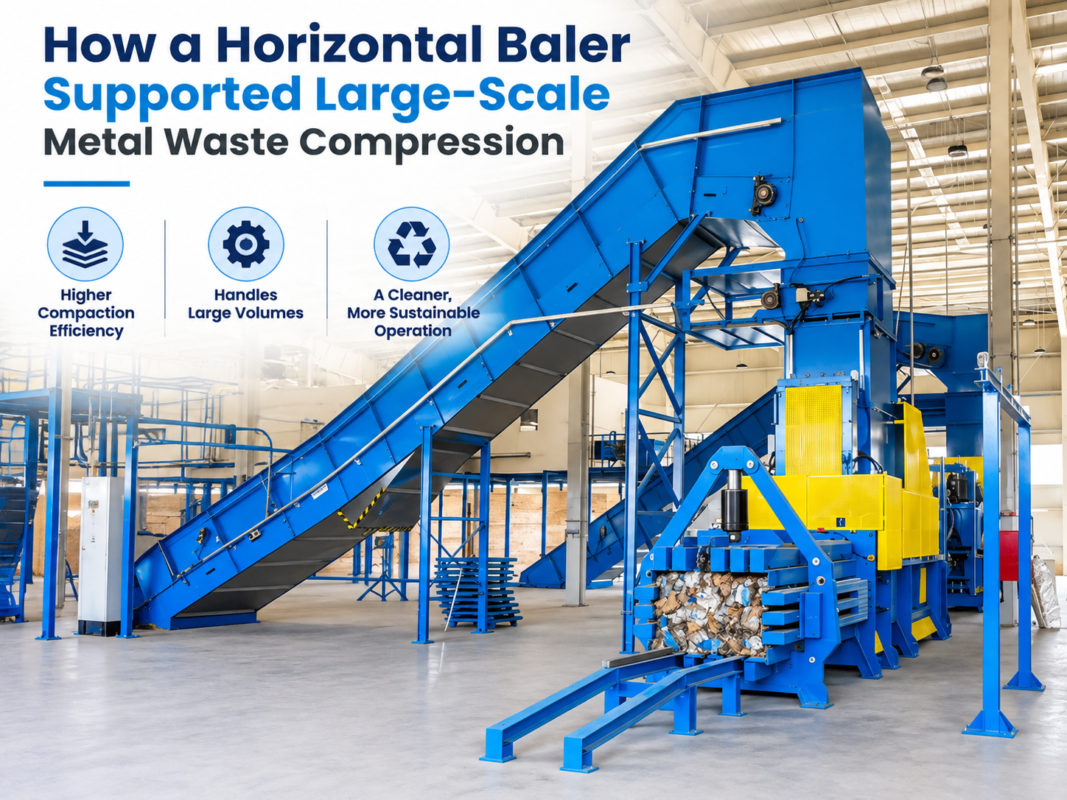
High-end, fully automated industrial balers can exceed $150,000, reaching up to $500,000 for massive triple-compression systems. These machines are designed for 24/7 operation in large-scale recycling facilities. They feature advanced PLC systems, integrated conveyors, and massive hydraulic power (600+ tons). When evaluating these prices, it is crucial to remember that the ‘sticker price’ is only one part of the equation; the efficiency gains at this level often justify the higher initial cost through significantly lower labor requirements.
Main Cost Drivers in Scrap Metal Baler Manufacturing
Several technical factors dictate the manufacturing cost and, consequently, the selling price of a scrap metal baler. The most prominent driver is the hydraulic system. The quality of the hydraulic pumps, valves, and cylinders determines the machine’s reliability and speed. High-end brands like HARSLE utilize precision-engineered hydraulic components that can withstand the immense pressures required to crush structural steel without overheating or leaking.
The second major cost driver is the quality of the steel and the wear liners used in the compression chamber. Because scrap metal is abrasive, the interior of the baler is subject to extreme wear. Premium balers use replaceable liners made from Hardox or similar high-abrasion-resistant steel. While these materials increase the initial cost, they prevent the main structure of the machine from being damaged, extending the equipment’s lifespan by decades.
Automation and control systems also play a significant role. A basic manual valve system is inexpensive but slow and prone to operator error. In contrast, a modern PLC (Programmable Logic Controller) with a touch-screen interface allows for precise control over bale density and cycle times. These systems often include remote diagnostics, which can save thousands of dollars in service calls by allowing technicians to troubleshoot issues over the internet.
Finally, the complexity of the compression mechanism adds to the cost. A ‘side-push’ baler is simpler and cheaper than a ‘forward-push’ or ‘triple-compression’ baler. Triple-compression machines use three different cylinders to squeeze the metal from three directions, resulting in the highest possible bale density. This complexity requires more steel, more hydraulic piping, and more sophisticated logic, all of which drive up the price.
Configuration Impact: Choosing the Right Model for Your Material
Selecting the right configuration is the most critical technical step in the Scrap Metal Baler Buying : A Step-By-Step Approach Smart Equipment Investment. The configuration must match the specific type of scrap you generate. For example, if you are processing long pipes or large sheets, you need a baler with a large ‘charging box’ (the area where the metal is loaded) to avoid the need for pre-cutting, which is labor-intensive.
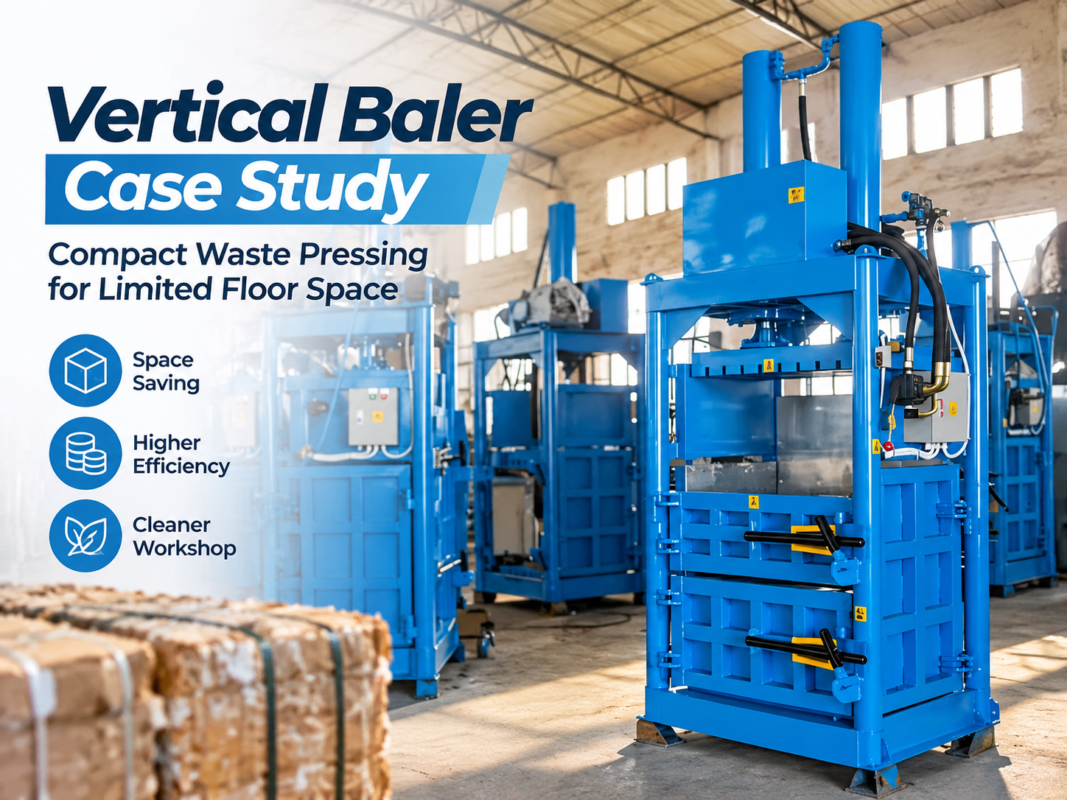
There are two primary orientations: Vertical and Horizontal. Vertical balers are generally used for lighter materials and have a smaller footprint, making them suitable for facilities with limited space. However, horizontal balers are the standard for scrap metal because they allow for continuous feeding and can exert much higher forces. Within horizontal balers, you must choose between manual tie and automatic tie (though most metal balers do not use ties, instead relying on the interlocking nature of the crushed metal).
The ‘ejection’ method is another configuration choice. Some balers ‘turn out’ the bale using a swinging door, while others push the bale forward through a narrow chute. ‘Side-push’ models are common for non-ferrous metals, whereas ‘forward-push’ models are often preferred for heavy ferrous scrap. The choice depends on how you plan to move the finished bales—whether by forklift, conveyor, or manual pallet jack.
Hidden Costs of Ownership: Beyond the Purchase Price
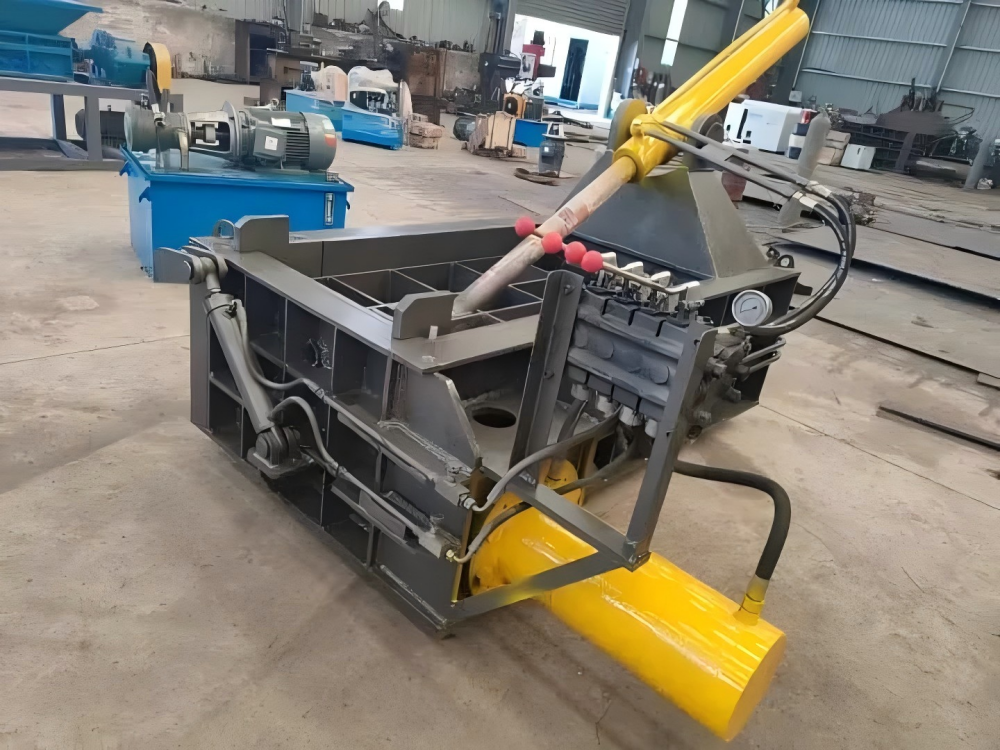
A smart equipment investment requires looking beyond the invoice. Hidden costs can significantly impact your budget if not accounted for during the planning phase. One of the most overlooked costs is site preparation. A heavy-duty baler requires a reinforced concrete foundation to handle the vibration and weight. If your current floor isn’t up to spec, you may need to spend several thousand dollars on masonry work before the machine even arrives.
Electrical requirements are another factor. Industrial balers often require 3-phase power and high amperage. If your facility’s electrical panel is at capacity, an upgrade from the utility company might be necessary. Additionally, the cost of hydraulic oil is substantial. A large baler might require 500 to 1,000 liters of high-grade hydraulic fluid, which must be factored into the initial setup cost and the ongoing maintenance budget.
Maintenance and wear parts represent a recurring hidden cost. Blades (used to shear overhanging metal during the lid-closing process) and wear liners are consumables. Depending on your volume, these may need to be sharpened or replaced every 6 to 12 months. Freight and installation are also significant; moving a 20-ton machine across the country requires specialized heavy-haul trucking and a crane for offloading, which can add $5,000 to $15,000 to the total project cost.
ROI Calculation: How a Baler Pays for Itself
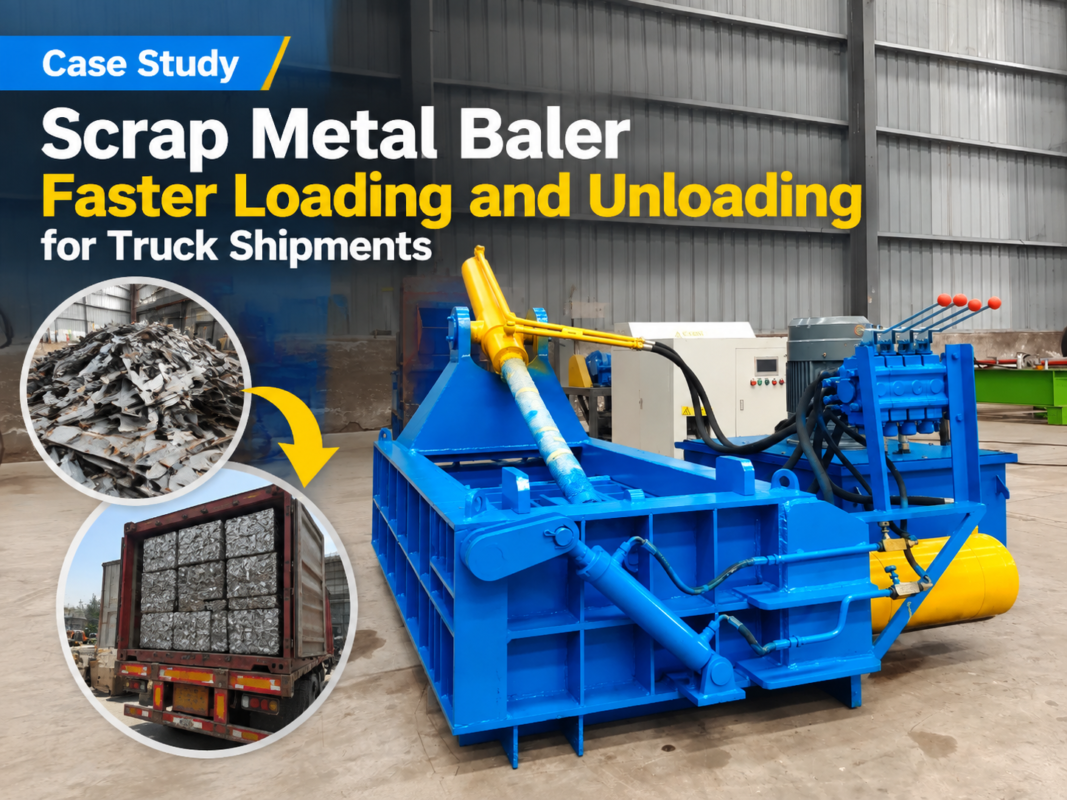
The Return on Investment (ROI) for a scrap metal baler is typically calculated based on three factors: transportation savings, labor reduction, and increased scrap value. Let’s look at a hypothetical example. If a company produces 50 tons of loose aluminum scrap per month, transporting that loose material might require five truckloads because of the low density. Once baled, that same 50 tons might fit into a single truckload. If each truckload costs $500, the company saves $2,000 per month in freight alone.
Furthermore, scrap dealers and smelters offer different prices for ‘loose’ vs. ‘baled’ material. Baled scrap is preferred because it is ready for the furnace and takes up less space in the yard. A premium of $20 to $50 per ton is common for baled material. On 50 tons, that’s an additional $1,000 to $2,500 in monthly revenue. When you add these figures to the labor hours saved by not having to manually manage piles of loose scrap, a $60,000 baler can often pay for itself in less than 18 to 24 months.
To perform an accurate ROI calculation, you should track your current scrap volume, your current disposal/transportation costs, and get a quote from your local scrap buyer for baled vs. loose material. HARSLE provides consultation services to help customers estimate these savings based on their specific material types and volumes, ensuring the investment is backed by hard data.
Buying Advice: A Step-by-Step Checklist
To ensure a successful purchase, follow this step-by-step approach to your equipment investment:
- Analyze Your Material: Document the types of metal you process. Is it mostly aluminum, steel, or copper? What is the maximum thickness? This determines the tonnage you need.
- Measure Your Volume: How many tons do you generate per day? This determines the required cycle time and charging box size.
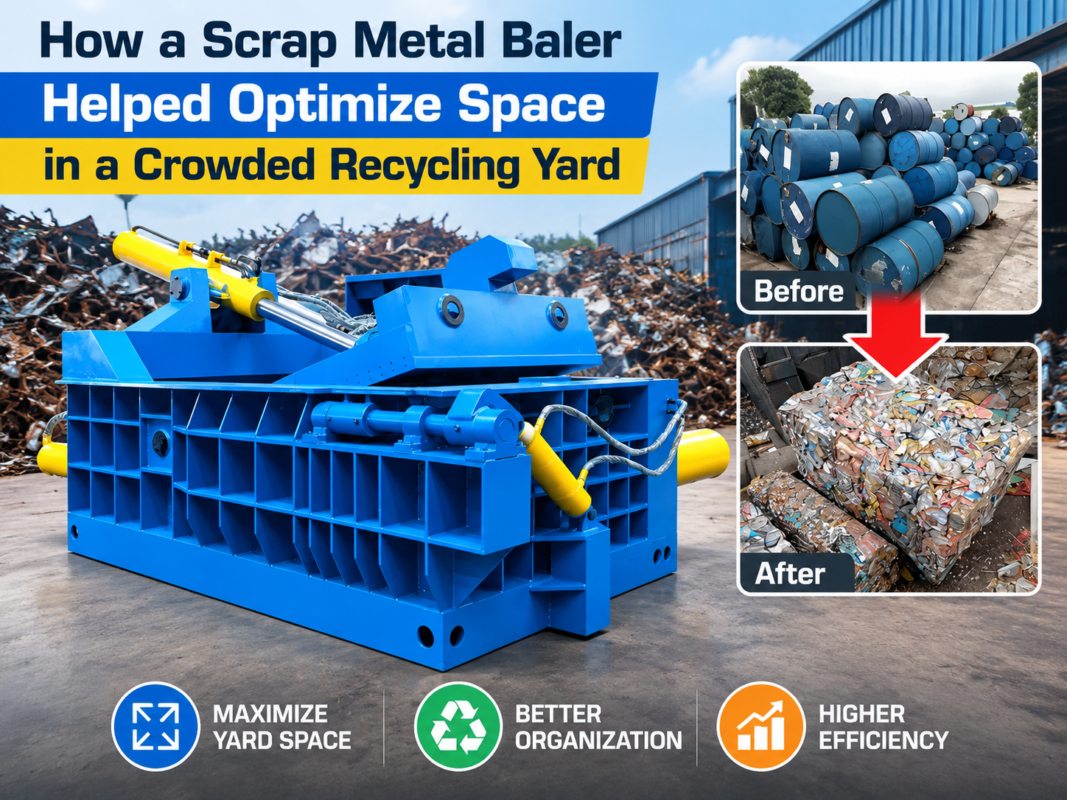
- Assess Your Space: Measure your floor space and ceiling height. Ensure there is enough room for the machine, the loading equipment (like a skid steer or crane), and the finished bale storage.
- Check Power Supply: Verify your facility’s voltage and amperage. Consult an electrician to see if upgrades are needed for a 15kW to 45kW motor.
- Evaluate Vendor Support: Choose a manufacturer like HARSLE that offers comprehensive technical support, readily available spare parts, and clear installation guidelines.
- Request a Demo or Video: Always see the machine in action. If a physical visit isn’t possible, request a video of the machine baling material similar to yours.
- Review the Warranty: Understand what is covered. Is it just the frame, or are the hydraulic seals and electrical components included?
By following this checklist, you mitigate the risks associated with large machinery purchases. The goal is to find a balance between a machine that is powerful enough for your toughest scrap but efficient enough to keep operating costs low.
Frequently Asked Questions (FAQ)
1. What is the difference between a single-compression and a triple-compression baler?
A single-compression baler uses one main ram to push metal against a fixed wall. It is simpler and cheaper but produces less dense bales. A triple-compression baler uses three rams (side, longitudinal, and vertical) to squeeze the metal from all sides. This results in extremely dense bales that are ideal for direct smelting and long-distance export.
2. How often does the hydraulic oil need to be changed?
For most industrial scrap balers, the hydraulic oil should be checked monthly and typically changed every 2,000 to 4,000 operating hours. However, using high-quality filtration systems can extend this interval. It is also vital to keep the oil cool; overheating is the primary cause of oil degradation and seal failure.
3. Can one baler handle both aluminum and steel?
Yes, most hydraulic balers can handle various metals. However, you must ensure the baler’s force is rated for the thickest steel you plan to process. Also, to maintain the purity of your scrap and get the best price, you should thoroughly clean the charging box when switching between different types of metal (e.g., switching from steel to aluminum).
4. Do I need a full-time operator for the machine?
This depends on the level of automation. Manual balers require an operator to manage the valves for every cycle. Semi-automatic machines require an operator to load the material and start the cycle, but the machine completes the compression automatically. Fully automatic systems, integrated with conveyors and sensors, can operate with minimal supervision, usually only requiring someone to move the finished bales.
5. What are the most common wear parts I should keep in stock?
You should always have a set of replacement blades for the lid/chamber shear, a set of hydraulic seals for the main cylinders, and extra filters for the hydraulic system. Having these on hand can reduce downtime from days to hours if a component fails or wears out during a busy shift.
6. How does bale density affect my profit?
Bale density directly impacts transportation costs. Most trucking companies charge by the load, not the weight (up to the legal limit). If your bales are twice as dense, you can fit twice as much weight on a single truck, effectively cutting your shipping costs in half. Additionally, some mills require a minimum density for the material to be accepted for their furnaces.
Conclusion
Investing in a scrap metal baler is a significant milestone for any metal-related business. By following this Scrap Metal Baler Buying Guide: A Step-by-Step Approach to Smart Equipment Investment, you can navigate the complexities of technical specifications, hidden costs, and ROI calculations with confidence. Whether you choose a compact unit for a small shop or a high-tonnage system for an industrial yard, the key is to match the machine to your specific material flow. HARSLE remains committed to providing high-quality, durable, and efficient baling solutions that help businesses turn their waste into wealth. With the right equipment, your scrap processing will become a streamlined, profitable, and environmentally responsible operation.