Choosing a Scrap Metal Baler: Essential Specifications Every Buyer Should Know

Introduction to Scrap Metal Baler Selection
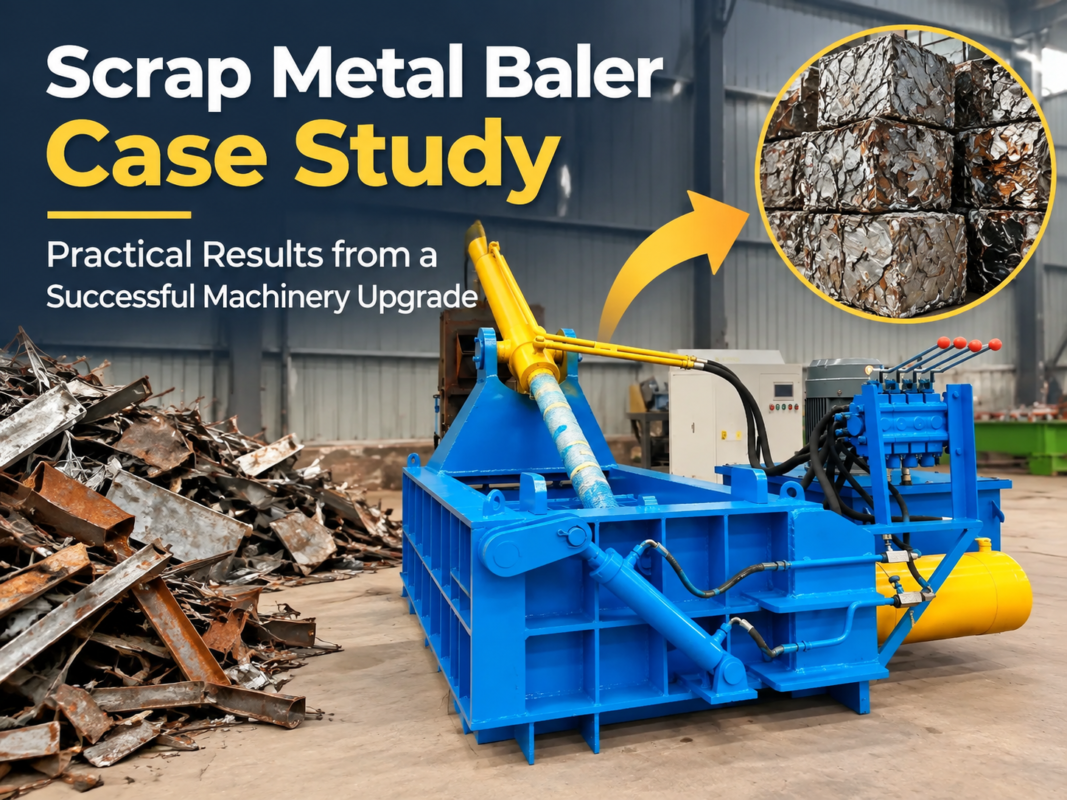
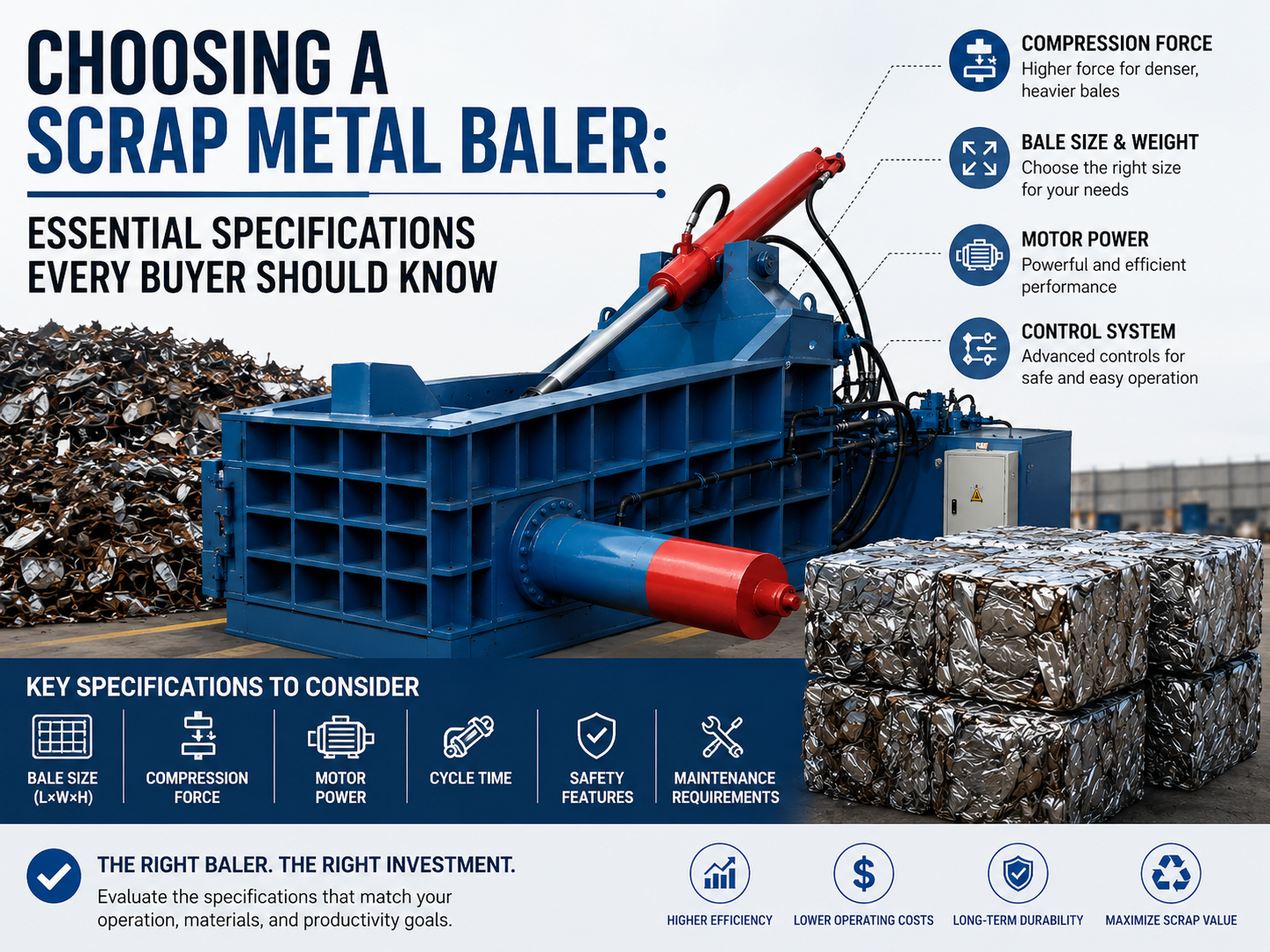
In the modern industrial landscape, efficient waste management is not just an environmental obligation but a critical component of operational profitability. For metal fabrication shops, recycling centers, and manufacturing plants, the scrap metal baler stands as a cornerstone of logistics and revenue recovery. Choosing a scrap metal baler: essential specifications every buyer should know is a process that requires a deep understanding of hydraulic force, material throughput, and structural durability. HARSLE, a leader in metal fabrication machinery, emphasizes that the right baler does more than just crush metal; it optimizes transport costs, increases the market value of scrap, and ensures a safer workspace.
The decision to invest in a baler involves balancing immediate capital expenditure against long-term operational efficiency. Whether you are processing aluminum extrusions, copper wiring, or heavy steel plate offcuts, the specifications of the machine must align with the physical properties of the material. This guide provides an exhaustive breakdown of the technical and financial factors that dictate the performance of a scrap metal baler, ensuring that buyers make an informed decision that serves their business for decades.
Price Range Overview: Understanding the Investment
The market for scrap metal balers is diverse, ranging from small vertical units to massive, fully automated horizontal systems. Understanding the price tiers is the first step in narrowing down your options. Generally, the cost of a scrap metal baler is determined by its pressing force, chamber size, and level of automation. Entry-level machines, often vertical or small horizontal manual units, typically range from $15,000 to $40,000. These are ideal for low-volume operations or businesses focusing on light materials like aluminum cans and thin-gauge sheet metal.
Mid-range balers, which offer higher hydraulic pressure and semi-automatic operation, usually fall between $45,000 and $120,000. These machines are the workhorses of the industry, capable of handling diverse scrap types with consistent bale density. For high-capacity recycling facilities, industrial-grade, fully automated balers can exceed $200,000. These units feature advanced PLC controls, integrated conveyor systems, and high-speed hydraulic circuits designed for 24/7 operation. While the initial investment is significant, the reduction in labor costs and the increase in throughput often justify the price for large-scale operators.
Main Cost Drivers in Scrap Metal Balers
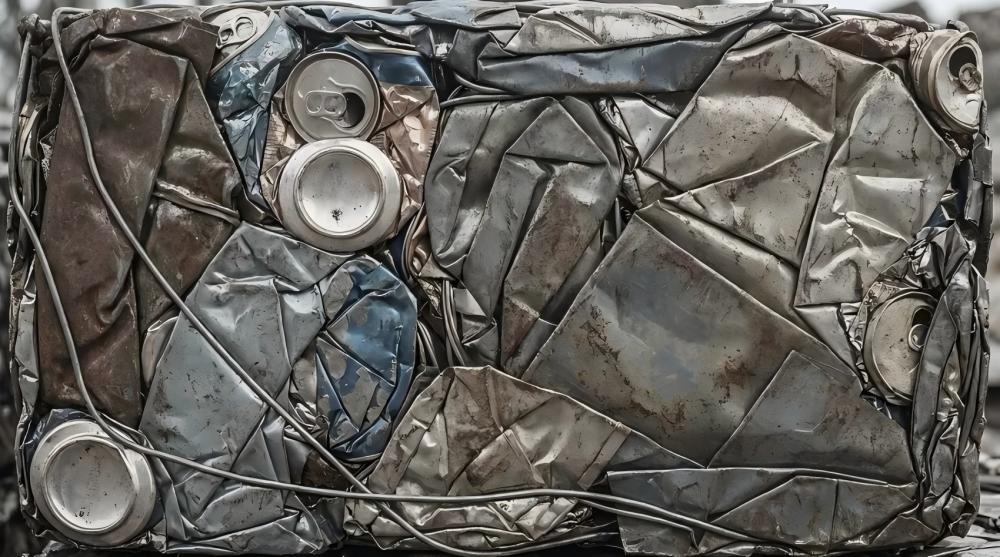
When evaluating the price of a baler, it is essential to look beyond the sticker price and understand what drives the cost. The primary driver is the Hydraulic System. High-quality pumps (such as those from Rexroth or Vickers) and precision-engineered valves ensure consistent pressure and longevity. A machine with a 200-ton pressing force requires significantly more robust hydraulic components than a 60-ton unit, directly impacting the manufacturing cost.
The Quality of Steel and Wear Liners is another critical factor. Scrap metal is inherently abrasive. Premium balers utilize high-tensile steel for the frame and replaceable wear-resistant plates (like Hardox) inside the compression chamber. These materials prevent the machine from warping under pressure and extend the service life of the chamber. Furthermore, the Automation Level—including sensors, PLC units (Siemens or Schneider), and remote monitoring capabilities—adds to the cost but significantly enhances safety and operational speed.
Configuration Impact: Vertical vs. Horizontal and Beyond
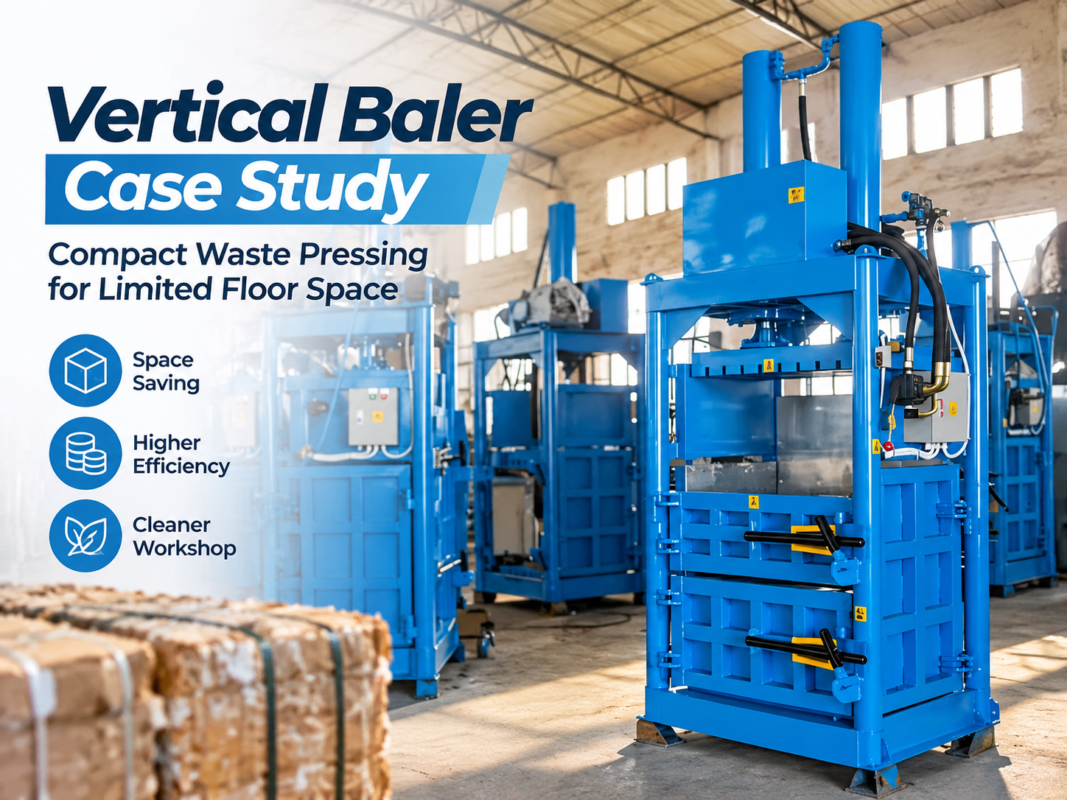
The configuration of a baler dictates how it fits into your facility and how it processes material. Vertical Balers are compact and cost-effective, making them suitable for facilities with limited floor space. However, they require manual loading and tying, which limits their throughput. They are best suited for light-duty applications where the volume of scrap does not justify a larger footprint.
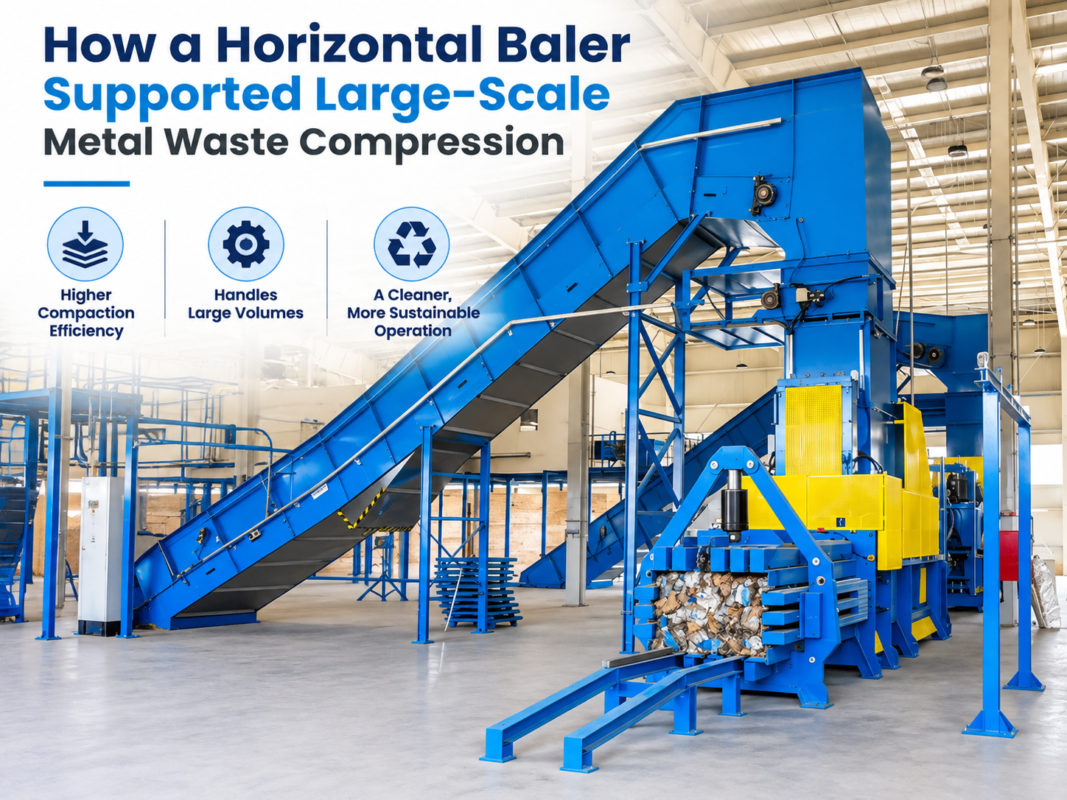
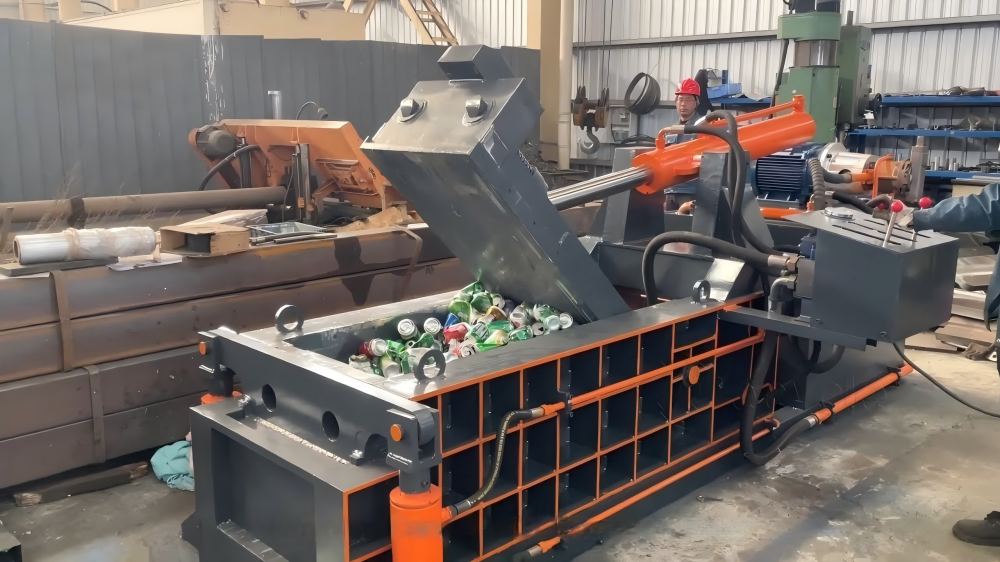
Horizontal Balers, on the other hand, are designed for high-volume processing. They can be integrated into automated feed lines using conveyors or grapples. Within the horizontal category, buyers must choose between closed-end and open-end designs. Closed-end balers produce denser bales, which is crucial for maximizing shipping weights, while open-end balers allow for continuous extrusion and higher speed. The choice between these configurations depends entirely on your daily scrap volume and the specific requirements of the smelter or mill purchasing your processed material.
Technical Specifications Comparison Table
| Specification | Light Duty (Vertical) | Medium Duty (Horizontal) | Heavy Duty (Industrial) |
|---|---|---|---|
| Nominal Force (KN) | 600 – 1000 | 1250 – 2500 | 4000 – 10000+ |
| Bale Size (mm) | 800x600x600 | 1200x800x800 | 2000x1000x1000 |
| Cycle Time (s) | 45 – 60 | 25 – 40 | 15 – 25 |
| Motor Power (kW) | 7.5 – 15 | 22 – 45 | 75 – 150+ |
| Operation Mode | Manual | Semi-Automatic | Fully Automatic |
Hidden Costs: What to Look for Beyond the Purchase
The total cost of ownership (TCO) for a scrap metal baler includes several factors that are often overlooked during the initial procurement phase. Installation and Site Preparation are significant. Heavy balers require reinforced concrete foundations to handle the vibration and weight. Additionally, electrical upgrades may be necessary to support high-voltage industrial motors. Buyers should budget for professional installation and commissioning to ensure the machine is calibrated correctly from day one.
Maintenance and Wear Parts represent ongoing expenses. Blades used for shearing oversized scrap, hydraulic seals, and wear plates will eventually need replacement. A baler that uses standard, off-the-shelf components will be much cheaper to maintain than one requiring proprietary parts from a single overseas supplier. Furthermore, Energy Consumption is a major operational cost. Modern balers with variable frequency drives (VFDs) can reduce energy usage by adjusting motor speed to the load, potentially saving thousands of dollars in annual utility bills.
ROI Calculation: Turning Scrap into Profit
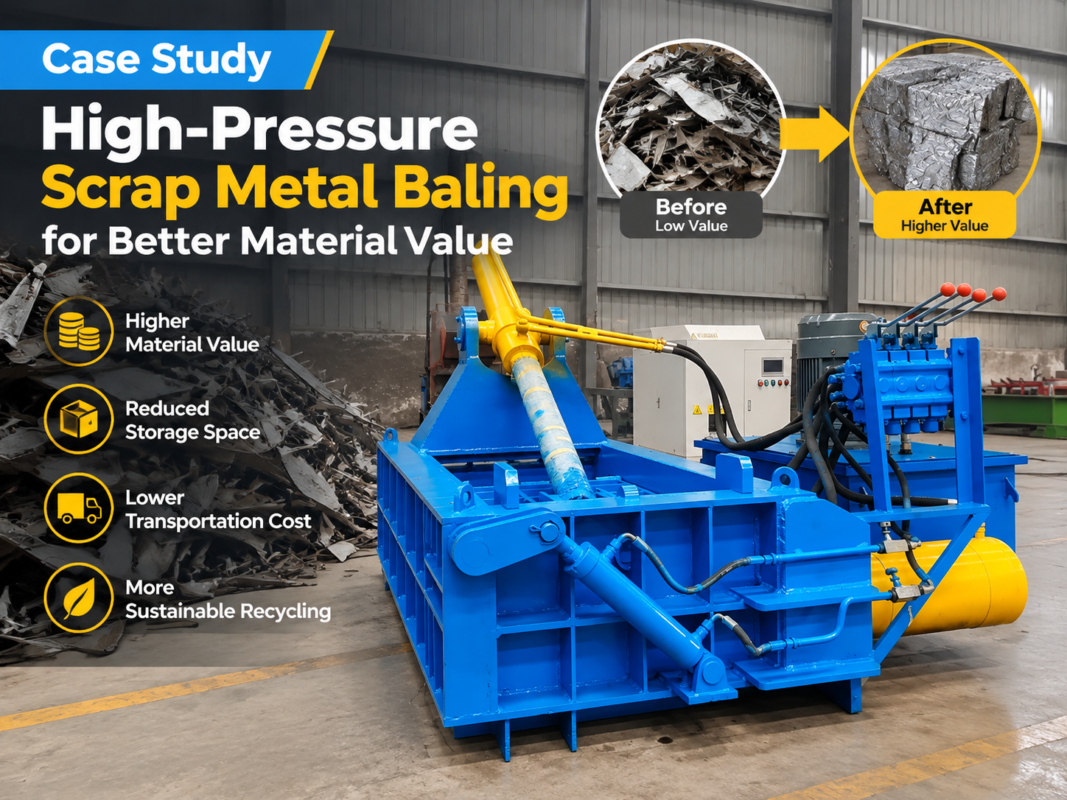
Calculating the Return on Investment (ROI) is vital for justifying the purchase of a scrap metal baler. The primary financial benefit comes from Increased Scrap Value. Smelters and refineries pay a premium for “mill-ready” bales because they are easier to handle and melt more efficiently than loose scrap. For example, loose aluminum might fetch a lower price than densified, uniform bales of the same grade.
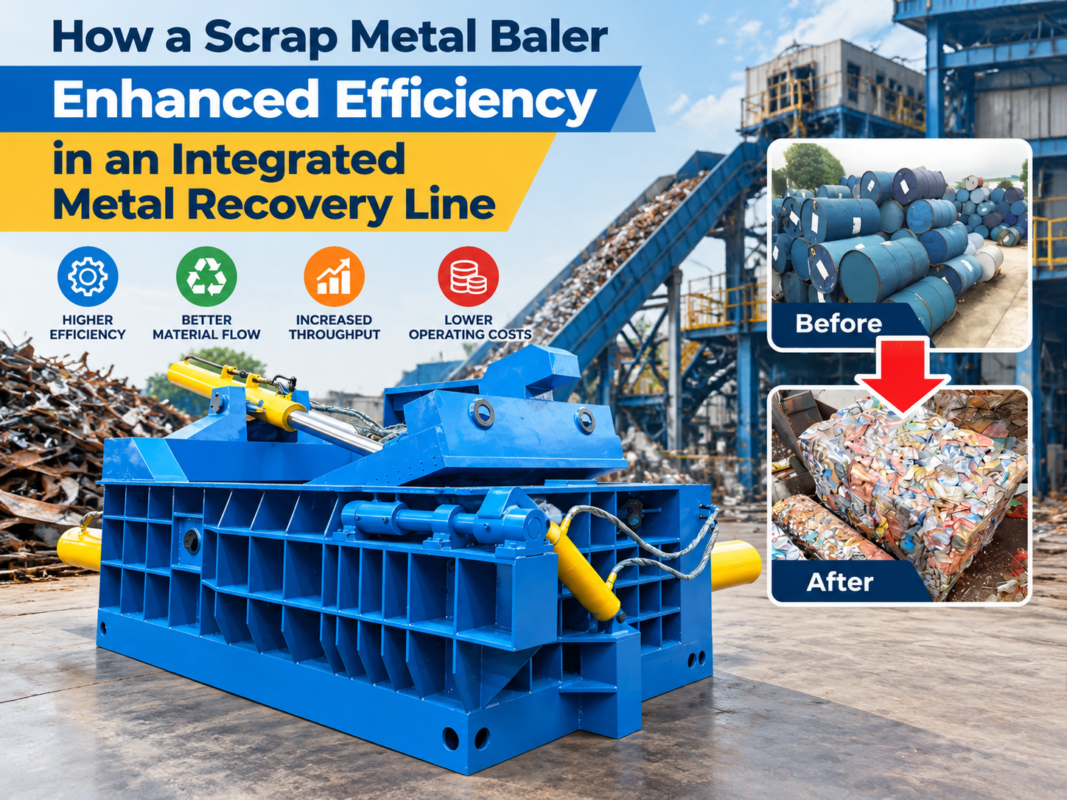
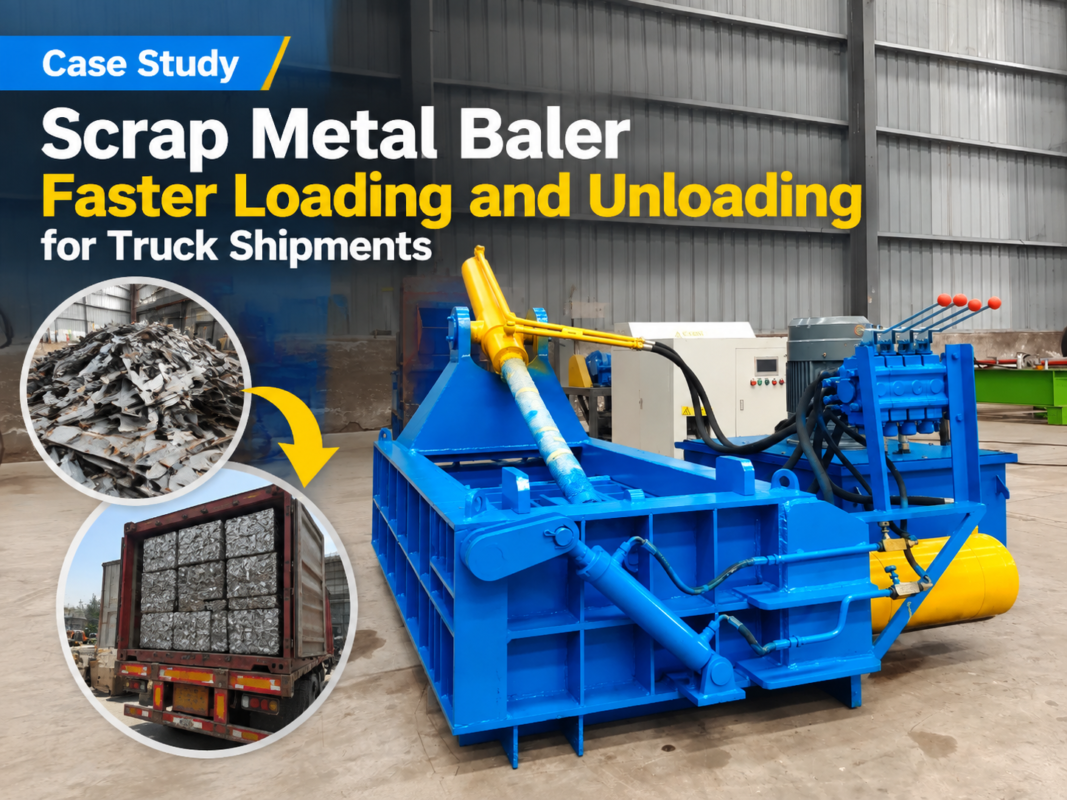
The second major factor is Logistics Savings. Loose scrap is bulky and inefficient to transport. A baler can increase the density of your waste by up to 10 times, meaning you can fit significantly more weight into a single truckload. This reduces the number of trips required, saving on fuel, labor, and freight costs. To calculate ROI, use the following formula: (Monthly Increase in Scrap Revenue + Monthly Savings in Transport – Monthly Operating Costs) / Total Investment Cost. Most high-volume operations find that a HARSLE baler pays for itself within 12 to 24 months.
Buying Advice: A Checklist for Prospective Buyers
Before signing a purchase order, every buyer should conduct a thorough assessment of their needs. Start by Analyzing Your Material Stream. What is the thickest material you will process? What is the daily volume? This determines the required pressing force and chamber size. If you process a mix of materials, look for a baler with adjustable pressure settings to avoid damaging the machine or producing low-density bales.
Next, Evaluate the Manufacturer’s Support. A baler is a long-term investment. Ensure the manufacturer provides comprehensive manuals, remote technical support, and a reliable spare parts supply chain. Ask for references or case studies from similar industries. Finally, Consider Future Growth. It is often wiser to purchase a machine with slightly more capacity than you currently need to accommodate future increases in production volume. A machine running at 70% capacity will last much longer than one constantly pushed to its 100% limit.
Frequently Asked Questions (FAQ)
1. What is the difference between a baler and a briquetter?
A baler compresses scrap into large, rectangular blocks (bales) held together by tension or wire. A briquetter uses much higher pressure to turn small metal chips, turnings, or swarf into small, dense cylinders (briquettes). Briquetters are typically used for machining waste, while balers are used for sheet, plate, and structural scrap.
2. How often should the hydraulic oil be changed?
For most industrial balers, hydraulic oil should be tested every 2,000 hours of operation and typically changed every 4,000 to 5,000 hours, depending on the environment and oil quality. Keeping the oil clean and cool is the single most important factor in extending the life of the hydraulic pumps and valves.
3. Can one baler handle both ferrous and non-ferrous metals?
Yes, most scrap metal balers can handle both. However, you must ensure the machine is cleaned between batches to prevent cross-contamination, which can significantly lower the value of non-ferrous scrap like aluminum or copper. Some high-end balers feature “self-cleaning” cycles to assist with this.
4. What safety features are essential for a scrap baler?
Essential safety features include emergency stop buttons at multiple locations, safety interlocks on all access doors, pressure relief valves to prevent hydraulic over-pressurization, and infrared safety curtains for automatic machines to prevent operation if a person enters the loading zone.
5. Does the bale size matter for resale?
Absolutely. Different mills and smelters have specific requirements for bale dimensions and weights to fit their furnaces and handling equipment. Always check with your scrap buyer to ensure the baler you choose produces a size that meets their specifications for maximum payout.
Conclusion
Choosing a scrap metal baler: essential specifications every buyer should know is a journey that begins with technical data and ends with a strategic business asset. By focusing on hydraulic power, structural integrity, and long-term ROI, businesses can transform their waste management from a cost center into a profit-generating department. HARSLE remains committed to providing high-quality, durable baling solutions that meet the rigorous demands of the modern recycling industry. Investing in the right specifications today ensures operational excellence and environmental sustainability for years to come.