Vertical Baler vs. Horizontal Baler: Which Machine Is Better for Your Operation?

Technical Overview: Understanding the Mechanics of Compaction
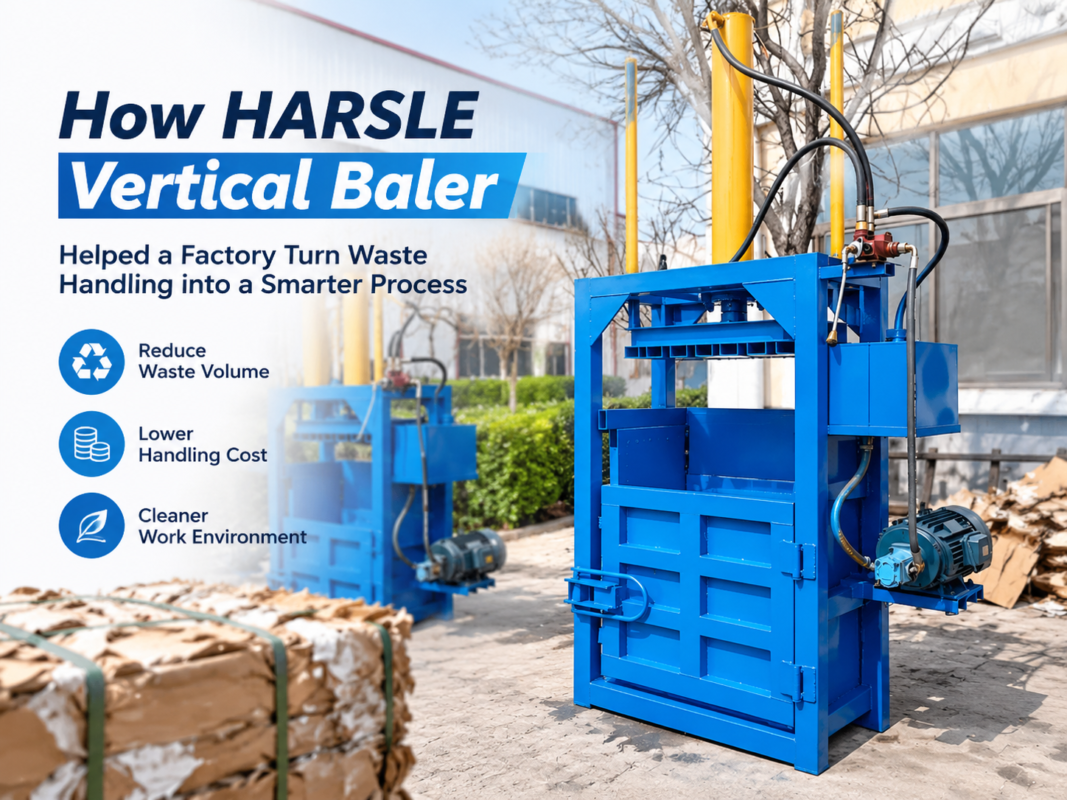
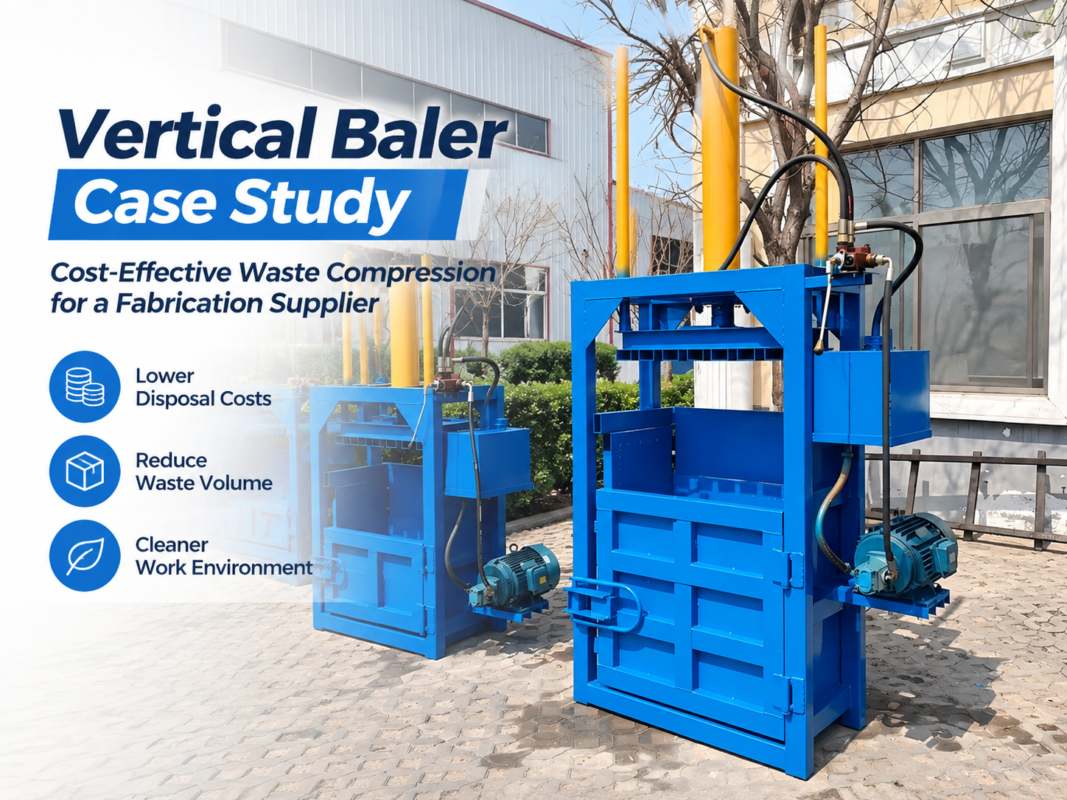
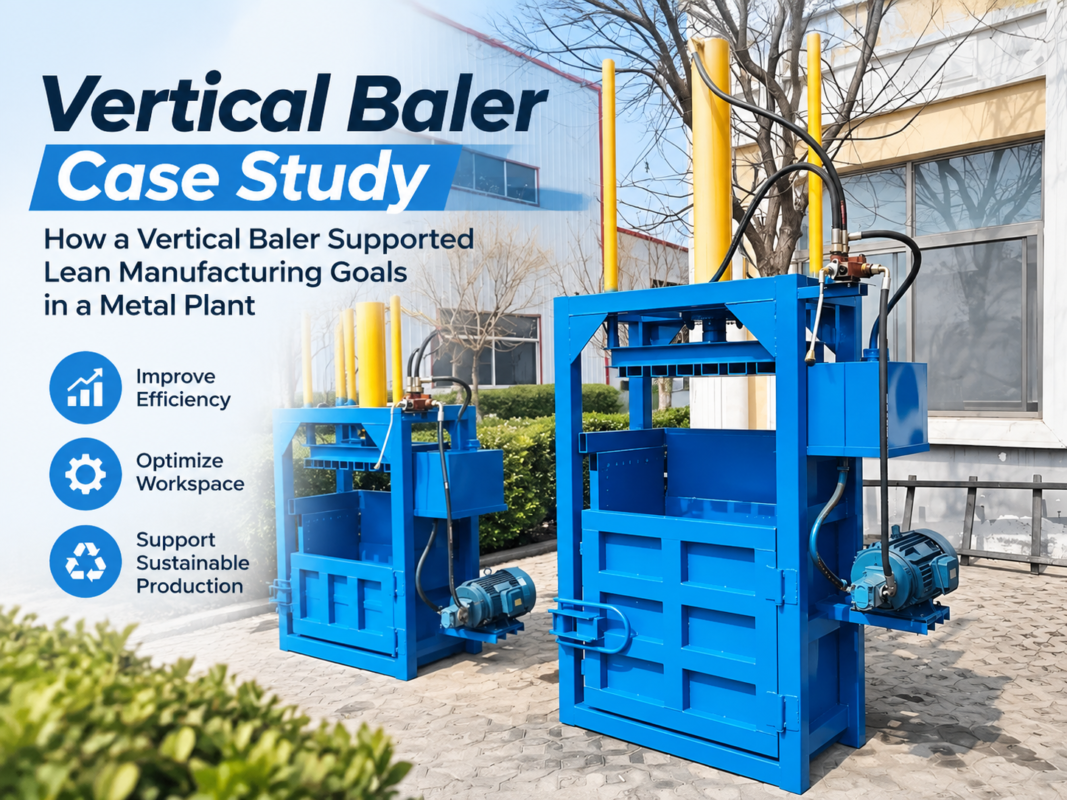
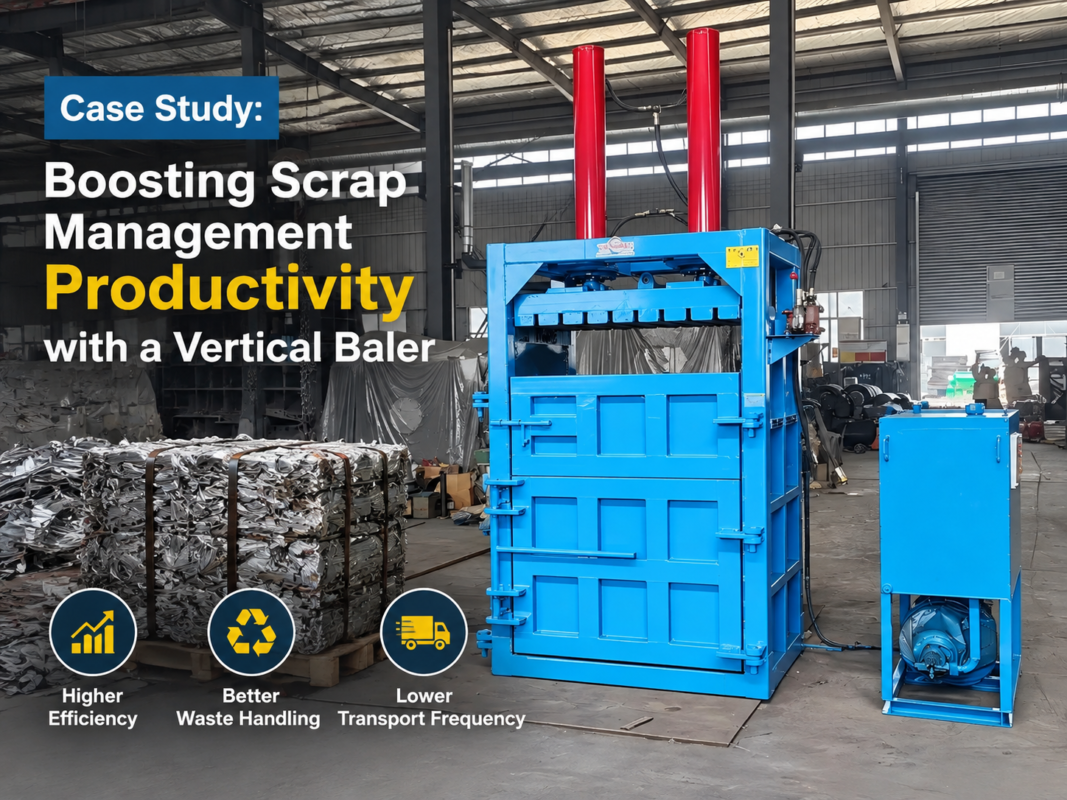
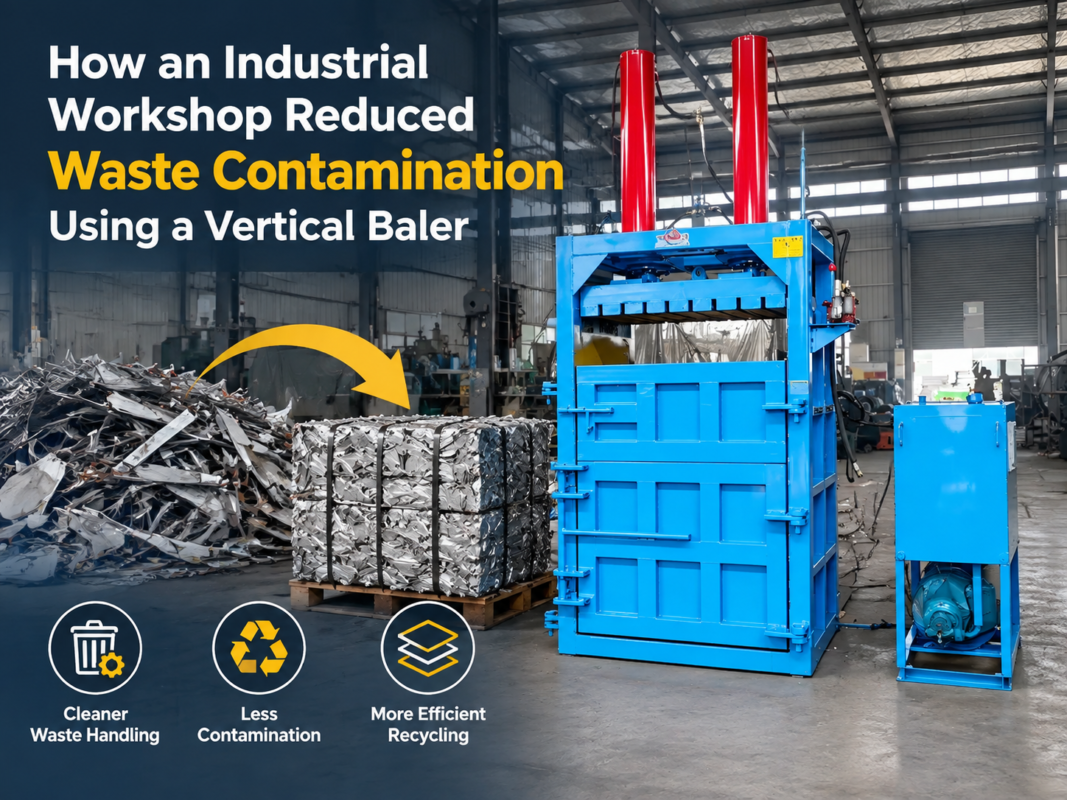
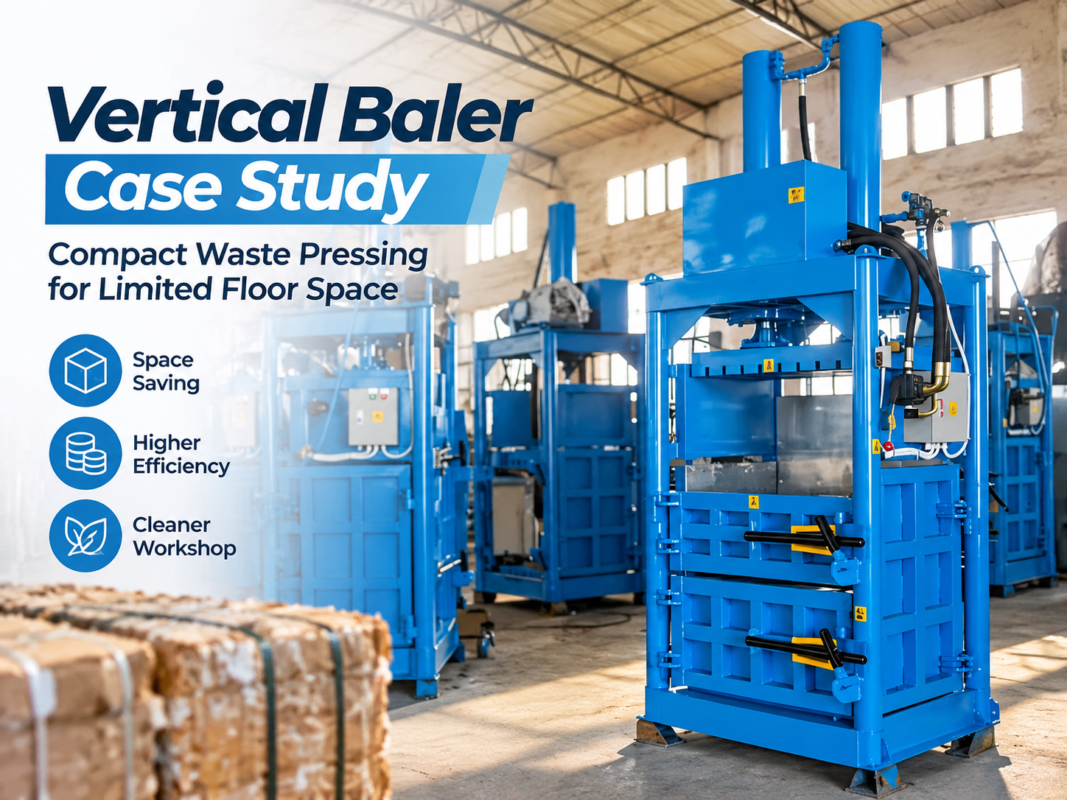
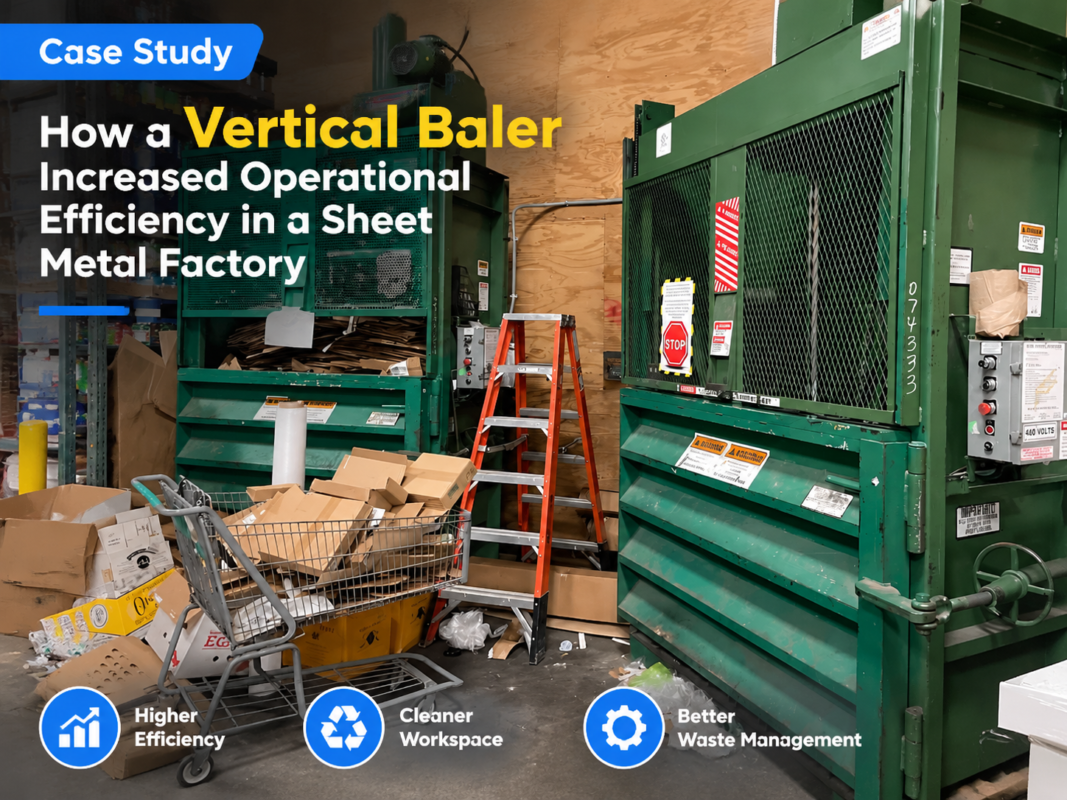
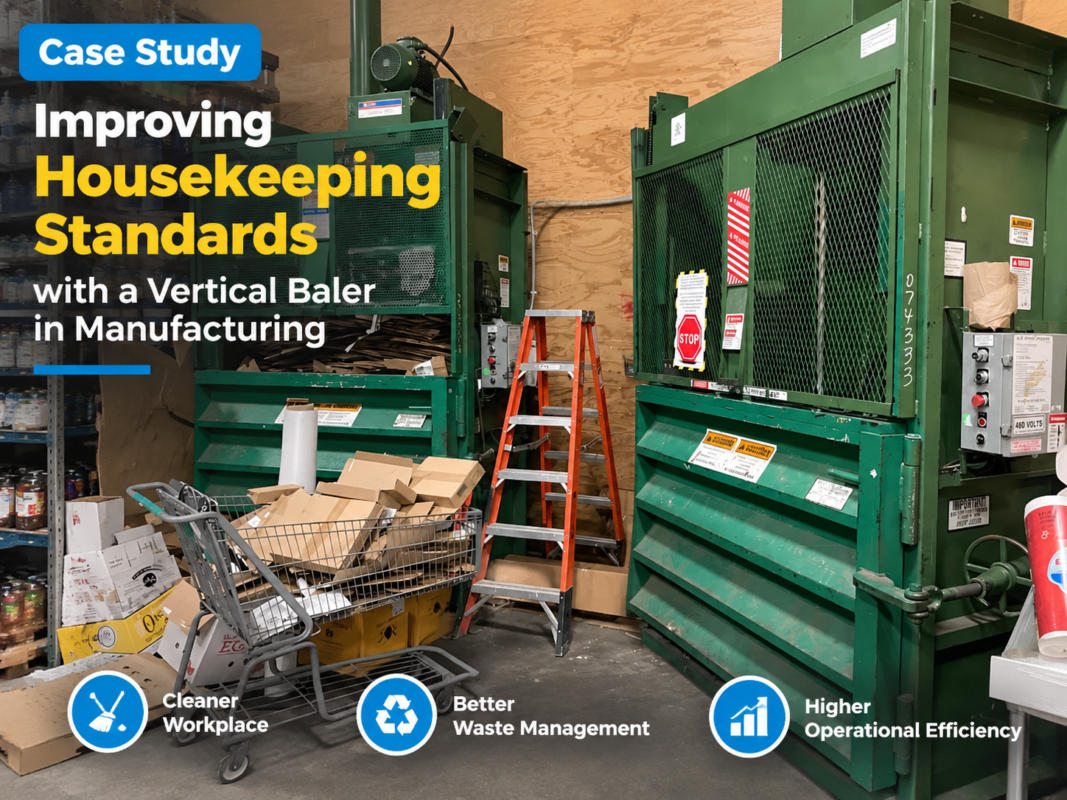
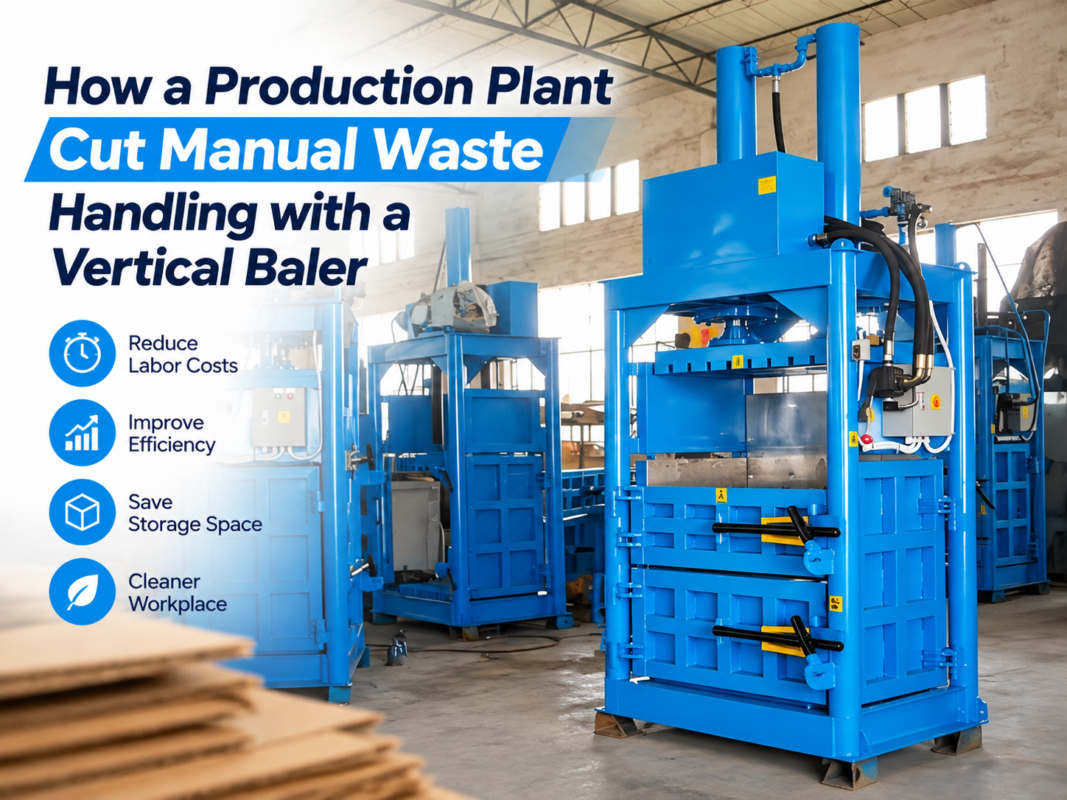
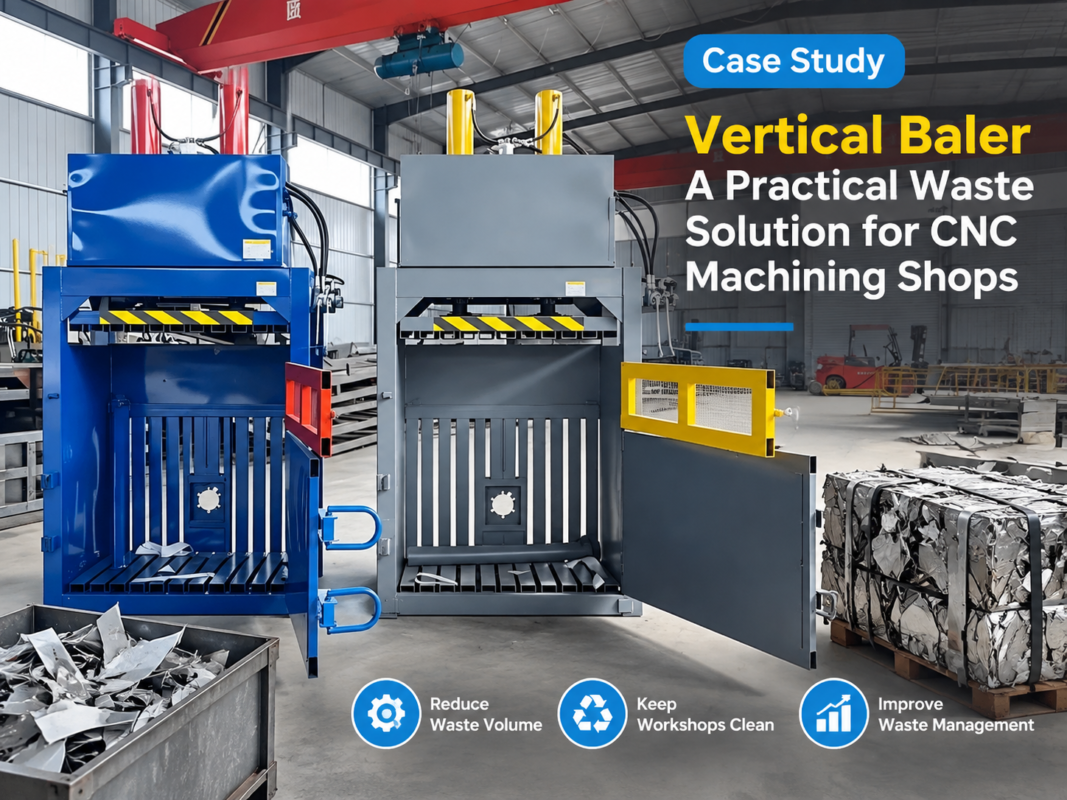
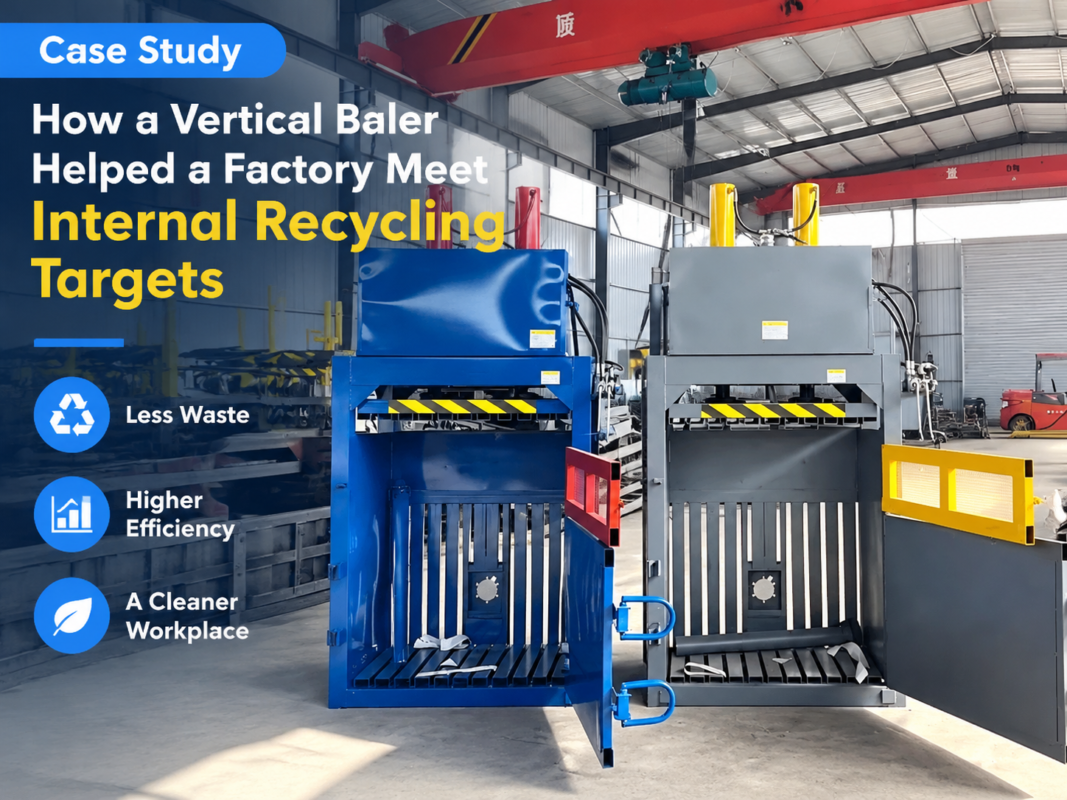
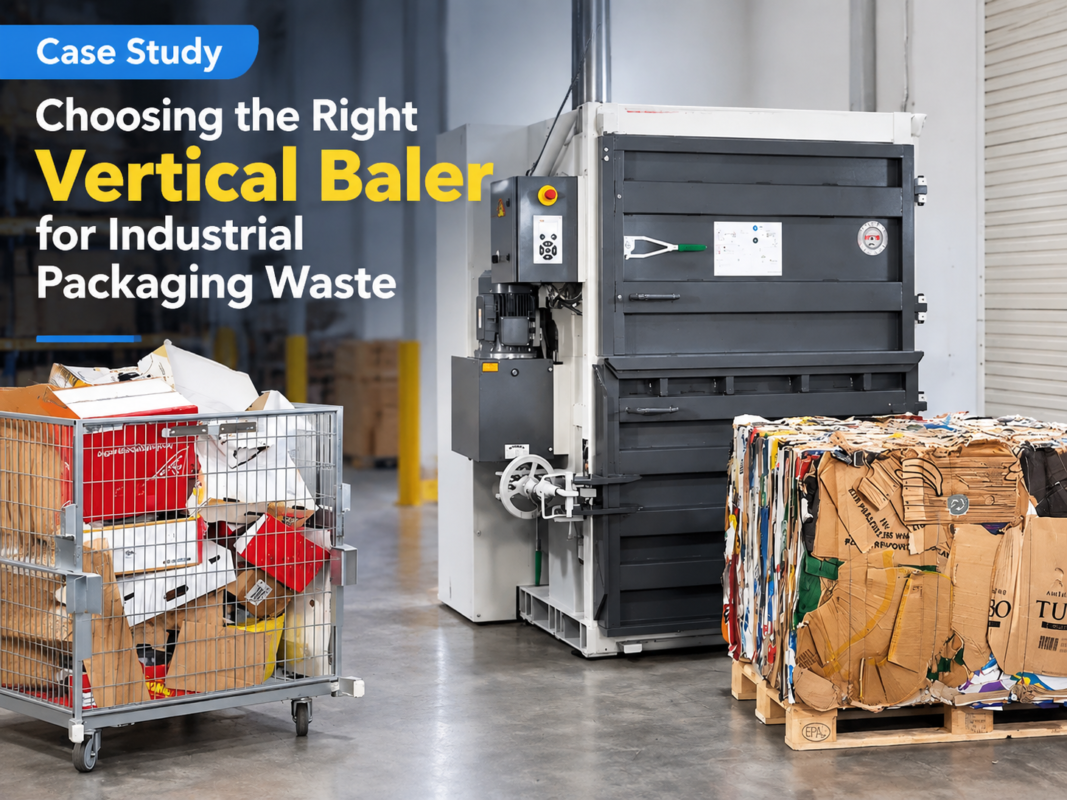
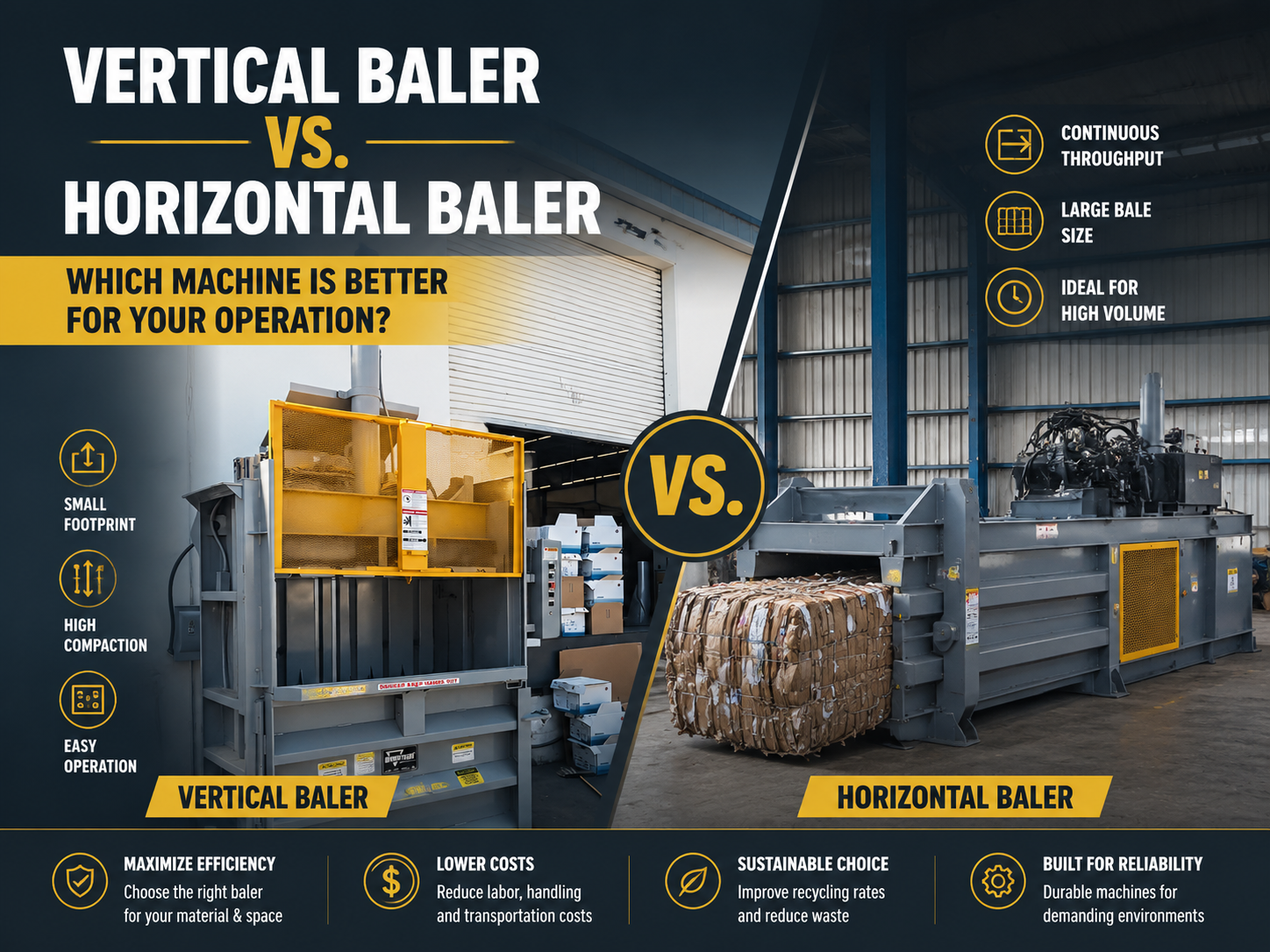
In the realm of industrial waste management and recycling, the choice between a vertical and a horizontal baler is a fundamental decision that dictates operational efficiency, labor costs, and floor space utilization. At HARSLE, we recognize that selecting the right machinery requires a deep dive into the mechanical architecture of these systems. A vertical baler operates on a top-down compression principle. The hydraulic cylinder is mounted vertically, and the platen moves downward to compress material against the floor of the machine. This design is inherently compact, making it ideal for facilities where square footage is at a premium. Vertical balers are typically manually loaded, meaning an operator must open a gate, toss in the material, and initiate the cycle.
Conversely, a horizontal baler utilizes a side-to-side compression mechanism. The hydraulic ram moves horizontally, pushing material against a fixed wall or a tensioning system. These machines are designed for high-volume, continuous operations. Unlike their vertical counterparts, horizontal balers are often integrated with conveyor belts, air-sort systems, or shredders, allowing for automated loading. The structural engineering of a horizontal baler is built to withstand significantly higher throughput, often processing tons of material per hour without the need for constant manual intervention. Understanding these core mechanical differences is the first step in determining which machine is better for your operation.
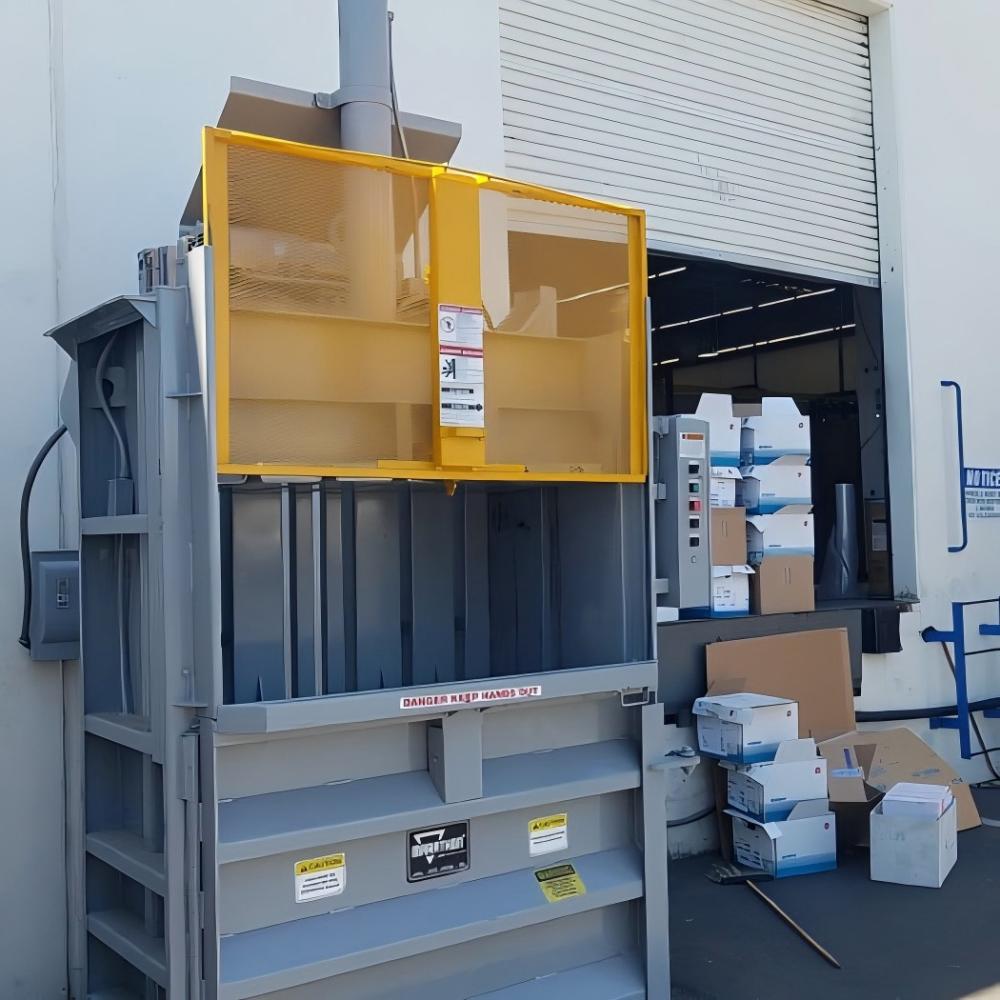
The choice between these two also involves looking at the bale-tying process. Vertical balers almost exclusively require manual tying, where the operator threads wire or plastic strapping through the bale before it is ejected. Horizontal balers offer more flexibility, with many models featuring automatic tying systems. This automation reduces the labor burden significantly but comes with a higher initial capital expenditure. For operations processing diverse materials like cardboard, PET plastics, and light metal scraps, the mechanical versatility of the horizontal system often outweighs the simplicity of the vertical design.
Core Parameters: Defining Performance Metrics
When evaluating Vertical Baler Vs. Horizontal Baler: Which Machine Is Better Operation?, one must look at the core technical parameters that define performance. The first and most critical parameter is the Pressing Force (Tonnage). Vertical balers typically range from 10 to 100 tons of force, which is sufficient for standard recyclables. Horizontal balers, however, can reach upwards of 200 tons, allowing them to achieve much higher bale densities. Higher density is crucial for optimizing logistics, as it allows more weight to be packed into a single shipping container or truck, reducing transportation costs.
Cycle time is another vital metric. A vertical baler might have a cycle time of 30 to 50 seconds, but because it requires manual loading and unloading, the actual throughput is limited by human speed. Horizontal balers boast faster cycle times and, more importantly, continuous feeding capabilities. This means the machine can be compressing one charge of material while the next is already being loaded into the hopper. For an operation processing more than 50 tons of material per month, the cycle time efficiency of a horizontal baler becomes a decisive factor in ROI.
Bale size and weight are also key parameters. Vertical balers produce standard bale sizes (e.g., 60-inch bales) that are easily handled by standard forklifts. Horizontal balers can produce “mill-size” bales or even larger, custom-length bales depending on the machine’s configuration. The ability to produce consistent, high-density bales is a hallmark of HARSLE’s engineering, ensuring that our clients meet the strict requirements of recycling mills and export standards.
Calculation Method: Determining Your Throughput Requirements
To accurately answer which machine is better for your operation, you must perform a throughput calculation. The goal is to match the machine’s capacity with your peak waste generation rates. The basic formula for calculating required baler capacity is: Required Capacity (lbs/hr) = Total Daily Volume (lbs) / Operational Hours per Day. However, this does not account for the “bulk density” of the material before compaction. For example, loose cardboard has a much lower density than loose plastic film.
To refine this, use the following steps: First, determine the volume of loose material generated per hour (in cubic feet). Second, identify the target bale density (e.g., 25-30 lbs per cubic foot for cardboard). Third, calculate the number of bales required per hour to keep up with the flow. If your calculation shows you need to produce more than 2 bales per hour, a vertical baler may become a bottleneck due to the manual loading and tying time. If your volume exceeds 10 tons per week, the labor costs associated with a vertical baler often justify the upgrade to a horizontal system.
Furthermore, consider the “Feed Opening” size. If you are baling large appliance boxes or bulky industrial scraps, the feed opening of a vertical baler might require you to pre-break or shred the material manually. A horizontal baler with a large hopper can often accept these items whole, saving significant labor time. Always calculate the “Total Cost of Ownership” (TCO), which includes the purchase price, labor costs, maintenance, and the potential revenue from sold bales.
Parameter Comparison Table
| Feature/Parameter | Vertical Baler | Horizontal Baler |
|---|---|---|
| Compression Direction | Vertical (Top-Down) | Horizontal (Side-to-Side) |
| Loading Method | Manual (Front-Load) | Automatic (Conveyor/Hopper) |
| Footprint | Small (Vertical Space) | Large (Horizontal Space) |
| Throughput Capacity | Low to Medium (< 2 tons/hr) | High (up to 15+ tons/hr) |
| Bale Tying | Manual Only | Manual or Automatic |
| Labor Requirement | High (Constant Operator) | Low (Automated Feed) |
| Initial Investment | Lower ($5k – $20k) | Higher ($30k – $150k+) |
| Material Versatility | Standard Recyclables | Wide Range (incl. heavy scrap) |
Common Engineering Mistakes in Baler Selection
One of the most frequent mistakes in baler selection is underestimating the importance of material density. Many operators choose a vertical baler based on its lower price point, only to find that the resulting bales are too light to meet shipping minimums. This leads to “dead weight” in transport, where you pay for a full truckload but only move half the potential tonnage. Engineering a solution requires looking at the specific gravity of the waste and ensuring the hydraulic pressure of the baler can achieve the necessary compaction ratio.
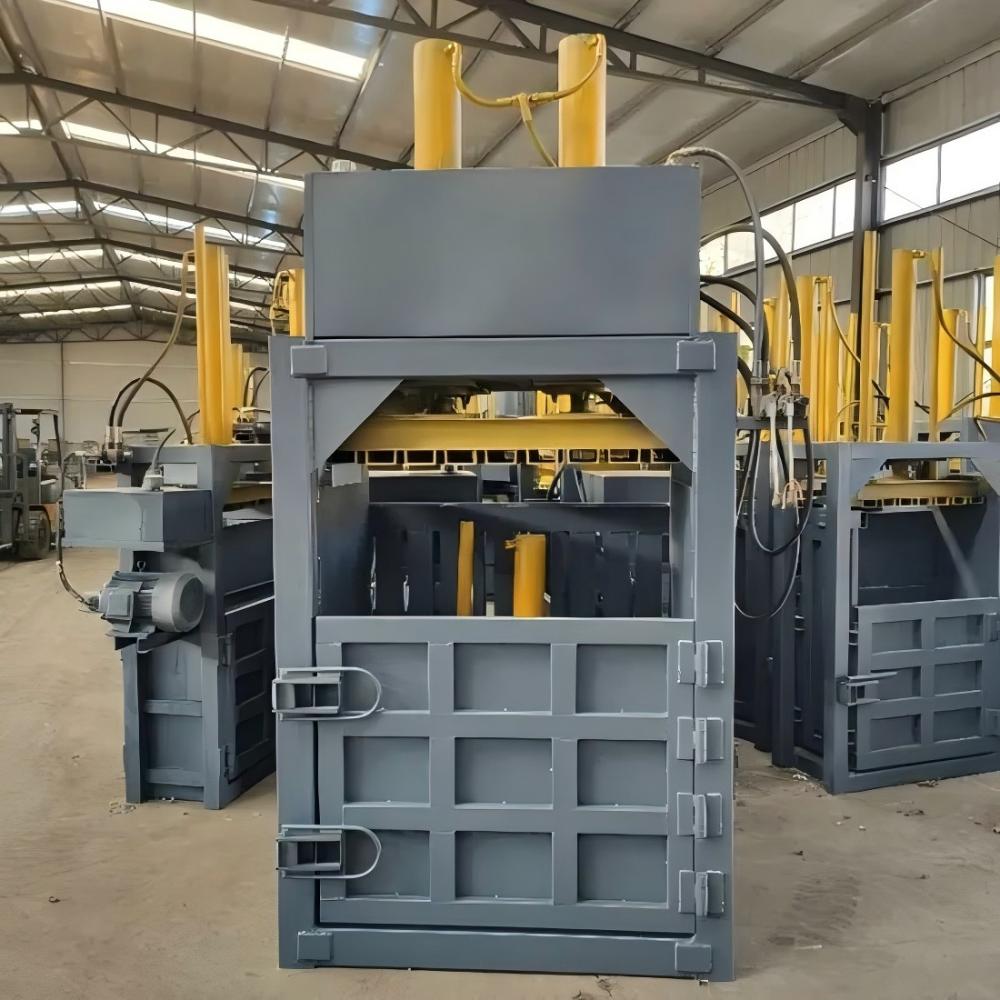
Another common error is ignoring the ceiling height and floor load capacity. Vertical balers require significant overhead clearance for the hydraulic cylinders when they are in the fully extended (up) position. Conversely, horizontal balers require a long, clear path for conveyors and bale discharge. We have seen facilities purchase a high-capacity horizontal baler only to realize they don’t have the turning radius for a forklift to remove the ejected bales. Always map out the workflow and spatial constraints before finalizing a purchase.
Maintenance neglect is the third major pitfall. Because balers are often seen as “secondary” equipment compared to primary production machinery, they are frequently overlooked in preventative maintenance schedules. Issues like hydraulic oil contamination, worn shear blades (in horizontal balers), and frayed limit switch wiring can lead to catastrophic failures. In a vertical baler, uneven loading can cause the platen to tilt, putting immense stress on the cylinder rod and seals. Ensuring your team is trained on balanced loading is critical for machine longevity.
Selection Checklist: Finding the Perfect Fit
- Volume Assessment: Does your facility generate more than 50 tons of waste per month? If yes, prioritize a horizontal baler.
- Space Constraints: Do you have limited floor space but high ceilings? A vertical baler is likely the better fit.
- Labor Availability: Do you have dedicated staff to load and tie bales, or do you need an automated solution to reduce headcount?
- Material Type: Are you processing uniform cardboard, or a mix of plastics, textiles, and non-ferrous metals? Horizontal balers handle diverse streams more effectively.
- Bale Weight Requirements: Check with your recycling pick-up service. What is their minimum weight per bale for top-tier pricing?
- Power Supply: Ensure your facility has the necessary 3-phase power to support the larger motors found in horizontal units.
- Safety Compliance: Does the machine meet OSHA and ANSI Z245.5 standards for baling equipment?
- Future Scalability: Is your waste volume expected to grow by more than 20% in the next three years?
Frequently Asked Questions (FAQ)
1. Can a vertical baler handle metal scraps?
Yes, vertical balers can handle light non-ferrous metals like aluminum cans or thin copper wiring. However, for heavy steel scrap or large volumes of metal, a specialized horizontal scrap baler or a heavy-duty vertical press with reinforced structural components is required to prevent frame warping.
2. How long does a typical industrial baler last?
With proper maintenance, a high-quality HARSLE baler can last 15 to 20 years. The lifespan depends heavily on the frequency of use, the abrasiveness of the materials being baled, and the regularity of hydraulic oil changes and structural inspections.
3. Is automatic tying worth the extra cost?
Automatic tying is generally worth the investment if you are producing more than 3-4 bales per hour. The labor savings alone usually provide a return on the additional cost within 18 to 24 months, while also increasing the safety of the operation by keeping personnel away from the tying mechanism.
4. What is the difference between a closed-end and an open-end horizontal baler?
A closed-end horizontal baler compresses material against a solid door, which is opened once the bale is complete. This is great for high density. An open-end baler uses a long extrusion channel with hydraulic tensioners to create a continuous log of material that is cut and tied at specific intervals, allowing for much higher throughput.
5. How do I maintain the hydraulic system of my baler?
Key maintenance tasks include checking oil levels weekly, replacing hydraulic filters every 6-12 months, and monitoring for leaks at hose connections. It is also vital to keep the oil cool; if the baler is running continuously in a hot environment, an external oil cooler may be necessary to prevent seal degradation.
6. Can I bale different materials in the same machine?
Yes, but you must clear the chamber between different material types to avoid contamination, which can lower the resale value of the bales. Horizontal balers with advanced PLC controls often have “recipes” or presets for different materials (e.g., one setting for plastic, another for cardboard) to optimize pressure and bale length.