A Complete Vertical Baler Setup Guide for Safe and Efficient Material Compression

Technical Overview of Vertical Baler Systems
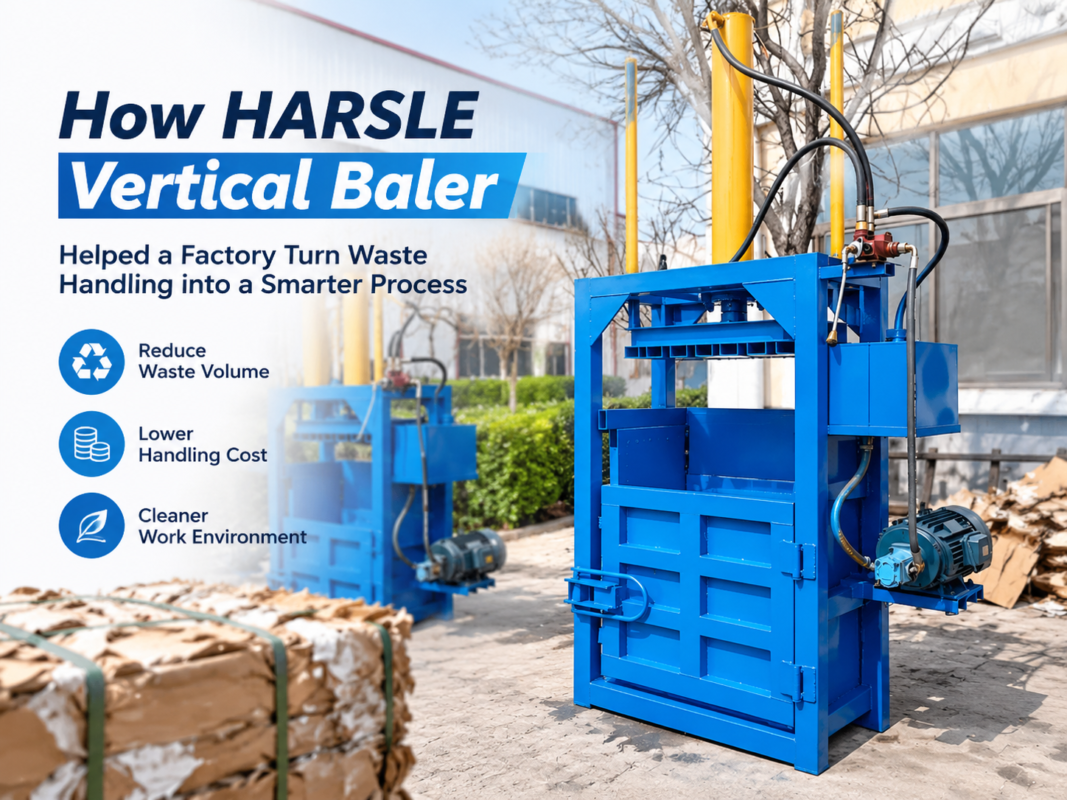
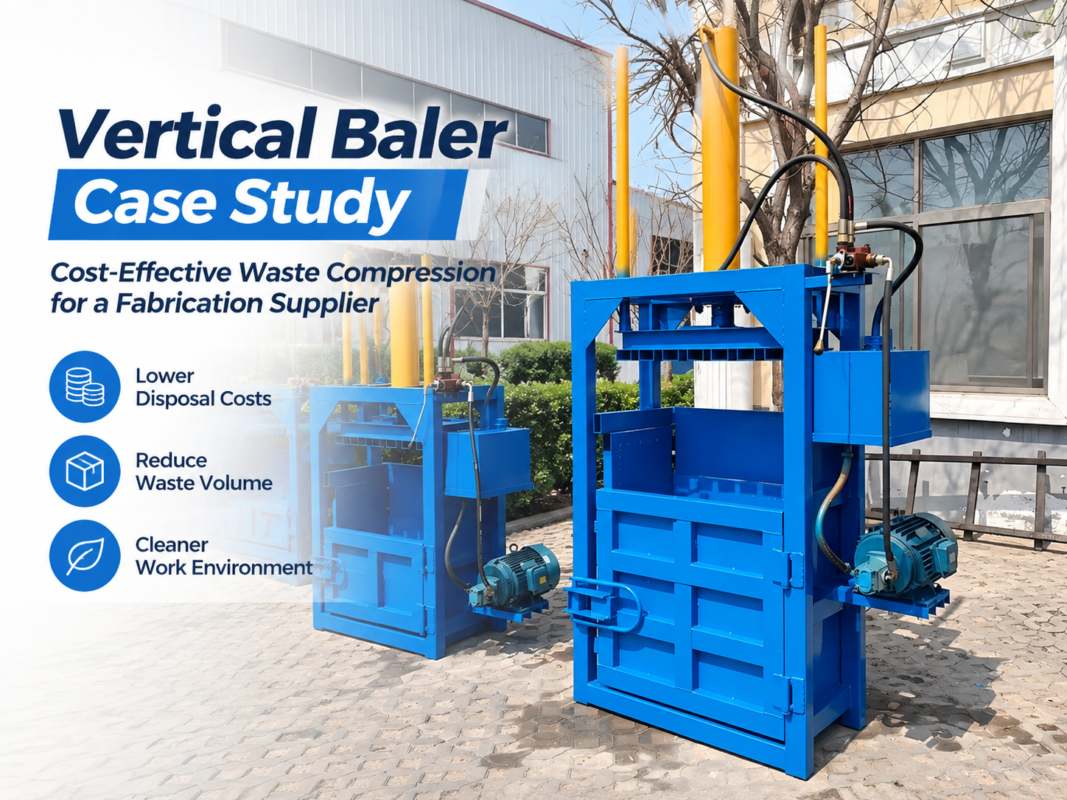
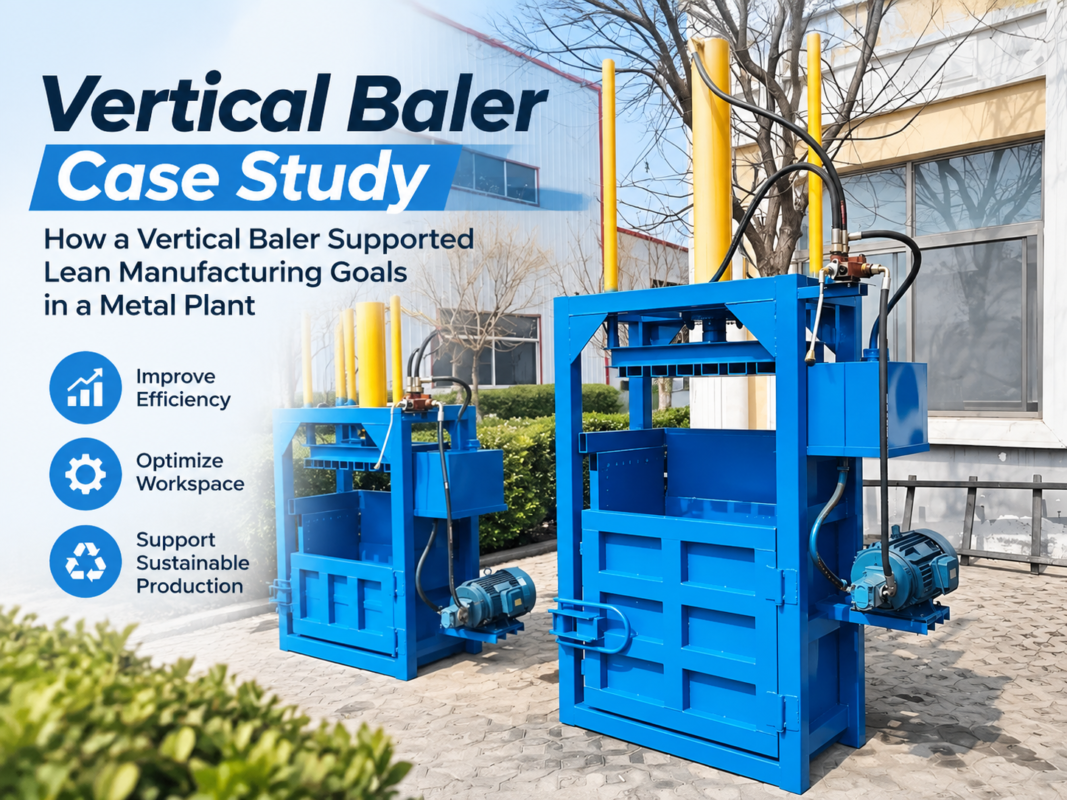
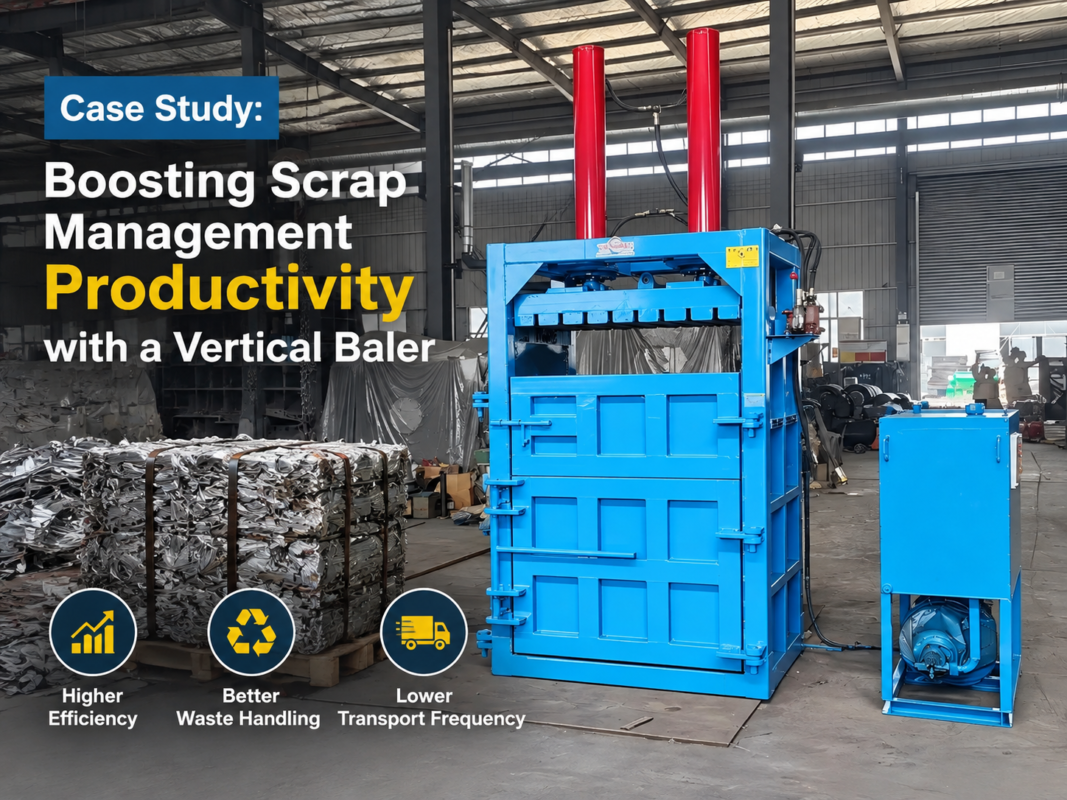
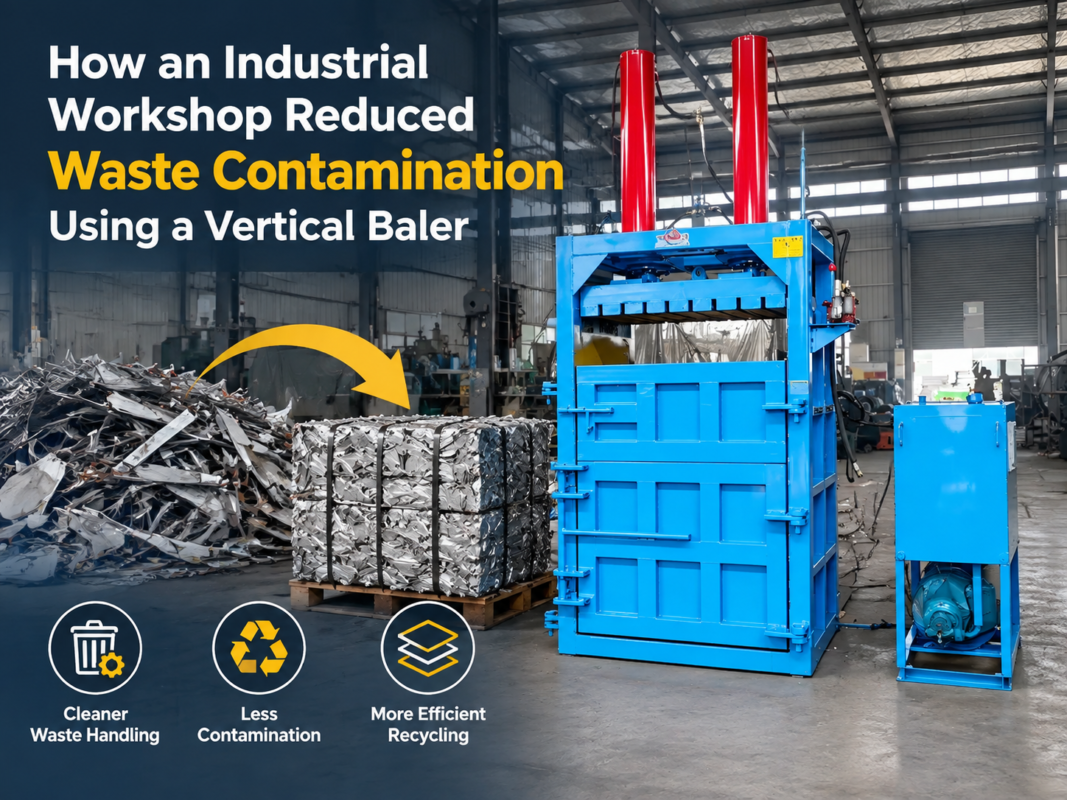
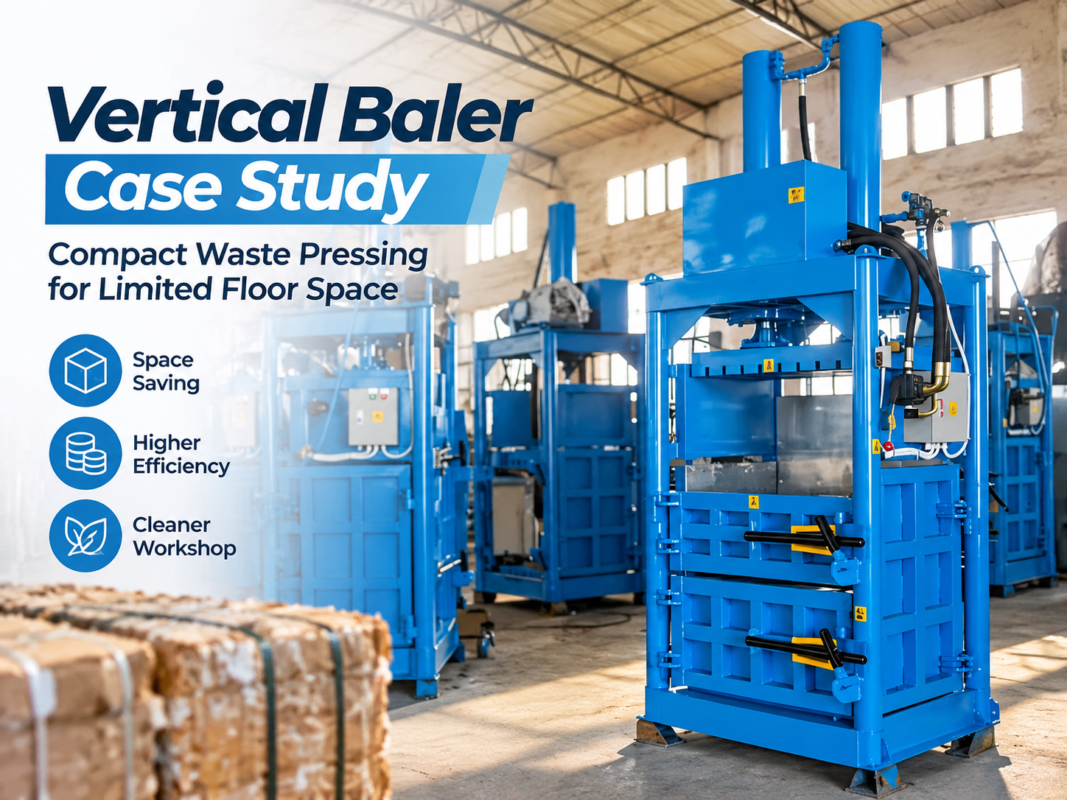
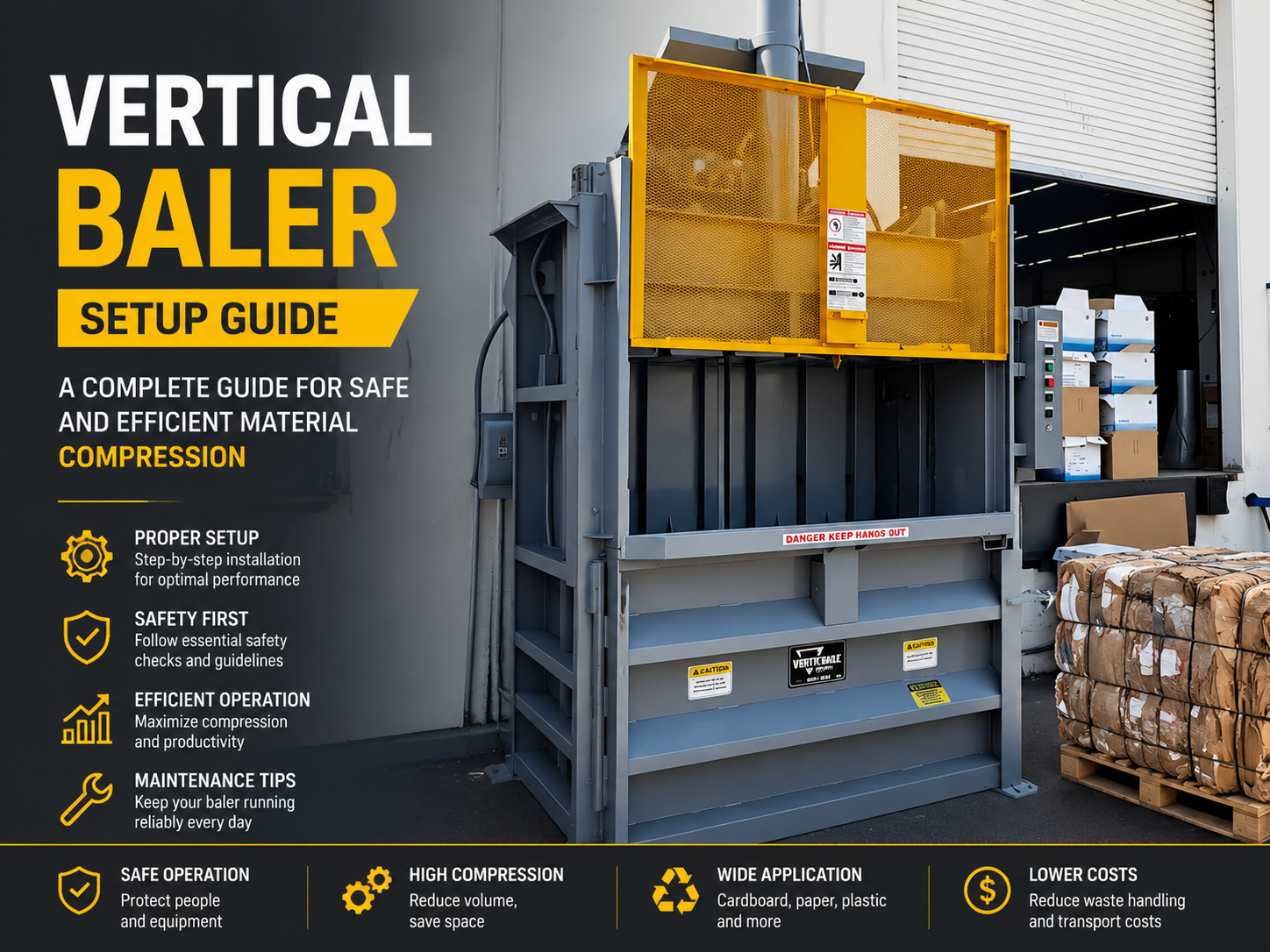
A vertical baler is a critical piece of industrial machinery designed to compress waste materials—such as cardboard, plastics, textiles, and light scrap metal—into dense, manageable blocks known as bales. Unlike horizontal balers, which process material in a continuous flow, vertical balers operate with a downward-moving hydraulic platen. This design is favored for its compact footprint, making it ideal for facilities where floor space is at a premium but material volume requires significant reduction for logistics and recycling purposes.
The core of a HARSLE vertical baler lies in its hydraulic system. A high-pressure pump forces hydraulic oil into a cylinder, which drives the platen downward. The structural integrity of the machine is maintained by a heavy-duty steel frame, often reinforced to withstand the immense outward pressure exerted by compressed materials. Safety is paramount in these systems; modern vertical balers are equipped with interlocked gates, emergency stop buttons, and sensors that prevent operation if the door is not fully secured. Understanding the mechanical synergy between the hydraulic force and the structural frame is the first step in achieving a safe and efficient setup.
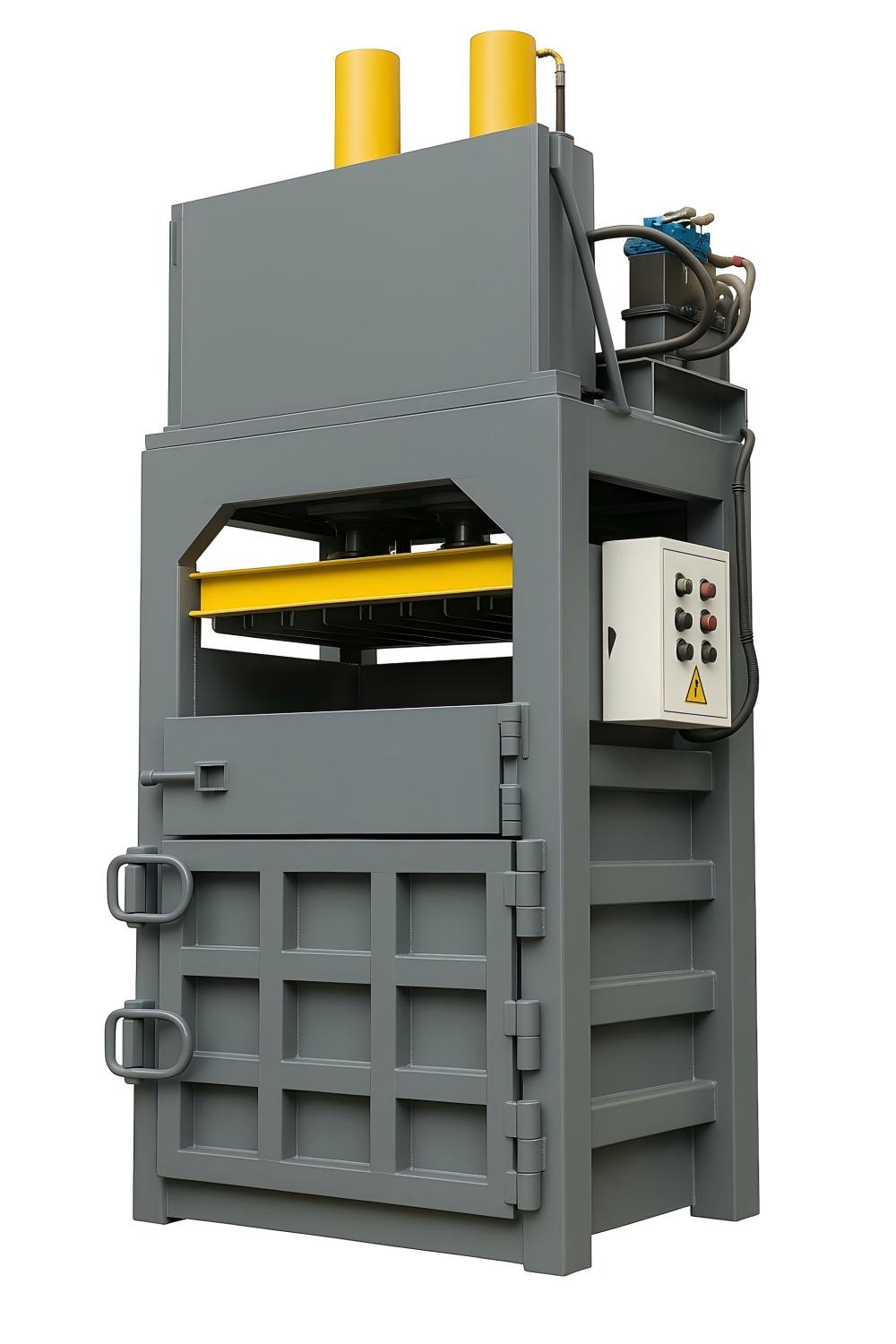
Efficiency in a vertical baler setup is not just about the force applied; it is about the cycle time and the density of the final product. A well-tuned system ensures that the platen moves quickly enough to maintain high throughput while applying sufficient pressure to reach the desired bale weight. For operators, the technical setup involves configuring the limit switches that define the stroke length, ensuring the hydraulic fluid is at the correct viscosity, and verifying that the electrical supply can handle the motor’s peak load during the final stages of compression.
Furthermore, the material being processed dictates the technical configuration. For instance, compressing PET bottles requires a different approach than compressing corrugated cardboard. PET bottles have a high ‘memory’ and tend to expand back to their original shape, requiring longer dwell times at the bottom of the stroke. Conversely, cardboard is more easily deformed but requires higher initial force to break the structural integrity of the boxes. A complete vertical baler setup must account for these material-specific nuances to ensure the machine operates within its engineered limits.
Core Parameters for Optimal Performance
When configuring a vertical baler, several core parameters must be balanced to achieve a Complete Vertical Baler Setup Safe Efficient Material Compression. The most prominent parameter is the Nominal Pressure, usually measured in tons. This represents the maximum force the hydraulic cylinder can exert. For light retail waste, a 10-30 ton baler may suffice, but for industrial scrap or high-volume recycling centers, 50-100 tons or more is often required to ensure the bales are dense enough for cost-effective shipping.
The second critical parameter is the Bale Size. Standard bale sizes are often designed to fit perfectly into shipping containers or onto flatbed trucks. A common size is 1100 x 700 x 900 mm, but this can vary based on the machine model. The bale size directly influences the chamber volume and the amount of material that can be loaded per cycle. If the bale is too small, labor costs for tying and moving bales increase; if it is too large, it may exceed the weight limits of handling equipment like forklifts.
Cycle Time is another vital metric. This is the time it takes for the platen to travel from its top position to the bottom of the chamber and back up. A faster cycle time (e.g., 30-45 seconds) allows for higher throughput, which is essential in fast-paced environments. However, cycle time is often a trade-off with motor power. A faster cycle requires a larger hydraulic pump and a more powerful motor, which increases energy consumption. Finding the ‘sweet spot’ between speed and power is a hallmark of an efficient setup.
Finally, Motor Power and Electrical Requirements must be considered. Most industrial vertical balers operate on three-phase power. The motor must be capable of providing consistent torque to the hydraulic pump, especially as the material becomes more compressed and the resistance increases. Overloading a motor by attempting to compress materials beyond the machine’s rated capacity can lead to premature failure and safety hazards. Proper electrical grounding and circuit protection are non-negotiable components of the installation process.
Calculation Method for Baling Efficiency
To ensure your setup is truly efficient, you must be able to calculate the expected output and density of your bales. The most fundamental calculation is Bale Density, which is expressed as mass per unit volume (kg/m³). To calculate this, use the formula: Density = Bale Weight / (Bale Length × Bale Width × Bale Height). High density is preferred because it reduces the number of trips required for transport, thereby lowering the carbon footprint and logistics costs.
Another important calculation is the Pressure per Square Inch (PSI) exerted on the material. While the machine may be rated for 50 tons of force, the actual pressure felt by the material depends on the surface area of the platen. The formula is: PSI = Total Force (lbs) / Platen Surface Area (sq. in). If you are processing high-rebound materials like plastic film, you need a higher PSI to ensure the material stays compressed during the tying process. If the PSI is too low, the bale will expand significantly once released from the chamber, potentially breaking the bale ties.
Throughput capacity can be calculated by looking at the cycle time and the volume of the chamber. If a machine has a 45-second cycle and a chamber that holds 0.5 cubic meters of loose material, and it takes 10 cycles to create one bale, you can estimate the hourly production rate. Hourly Bales = 3600 / (Cycle Time × Cycles per Bale + Loading Time). This calculation helps facility managers determine if one machine is sufficient or if multiple units are required to handle the daily waste stream.
Lastly, consider the Compression Ratio. This is the ratio of the volume of loose material to the volume of the compressed bale. For example, if you start with 10 cubic meters of loose cardboard and end with a 1 cubic meter bale, your compression ratio is 10:1. Understanding this ratio allows you to plan your storage space requirements for incoming waste versus outgoing bales. A higher compression ratio generally indicates a more efficient use of the machine’s hydraulic capabilities.
Technical Parameter Table
The following table outlines the specifications for common HARSLE vertical baler models, providing a baseline for your setup requirements.
| Model Series | Nominal Pressure (Tons) | Bale Size (L*W*H mm) | Motor Power (kW) | Cycle Time (s) | Machine Weight (kg) |
|---|---|---|---|---|---|
| Y82-30 | 30 | 800 x 600 x 600 | 7.5 | 35 | 1,500 |
| Y82-60 | 60 | 1000 x 800 x 900 | 11 | 45 | 2,800 |
| Y82-100 | 100 | 1100 x 900 x 1000 | 15 | 50 | 4,200 |
| Y82-150 | 150 | 1200 x 1000 x 1100 | 22 | 60 | 6,500 |
Common Engineering Mistakes in Baler Setup
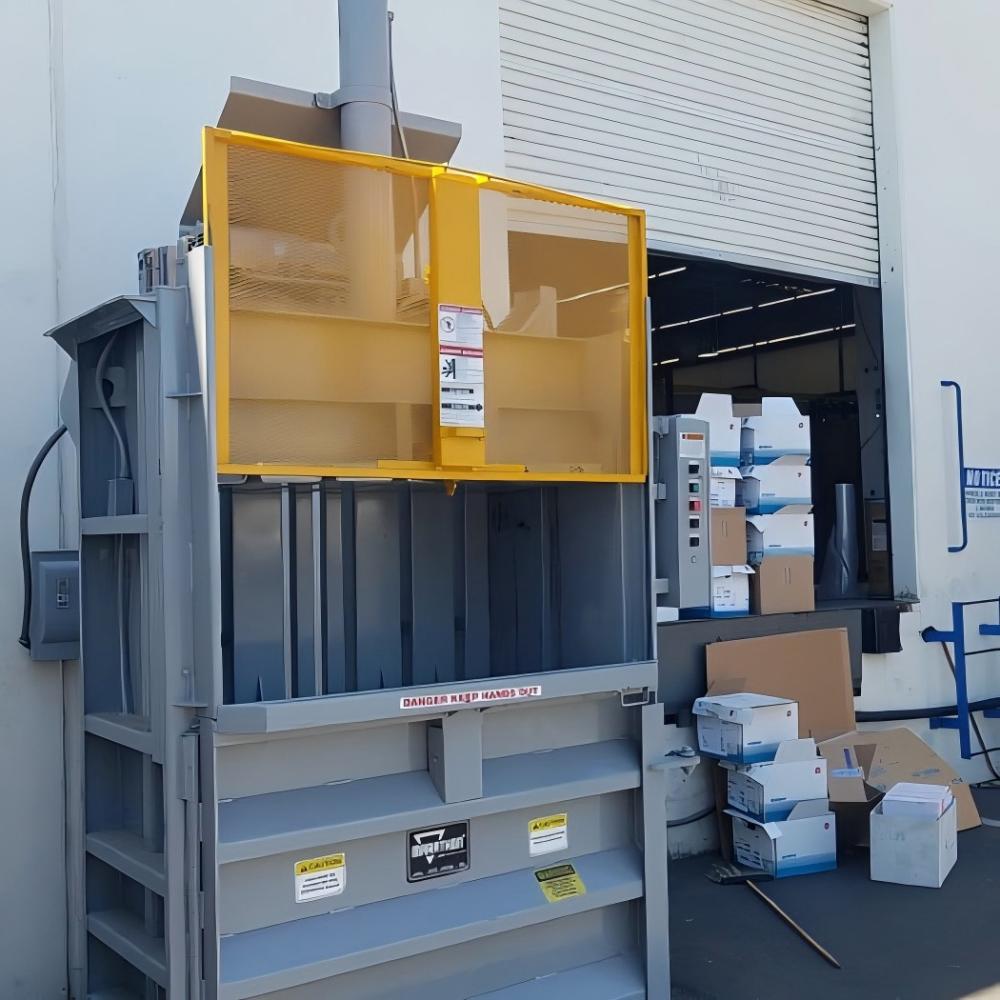
One of the most frequent mistakes in a Complete Vertical Baler Setup Safe Efficient Material Compression is neglecting the foundation. A vertical baler exerts massive downward and outward forces. If the machine is placed on an uneven or thin concrete floor, the frame can twist over time. This misalignment leads to the platen rubbing against the chamber walls, causing excessive wear, hydraulic seal failure, and potentially catastrophic structural cracks. Always ensure the machine is leveled and anchored to a reinforced concrete pad.
Another common error is the incorrect selection of hydraulic oil. In colder climates, oil that is too thick will cause the pump to cavitate, leading to sluggish performance and internal damage. In hot environments, oil that is too thin will lose its lubricating properties and cause the system to overheat. Operators often forget to check the oil temperature and quality, leading to a decrease in compression force. Using a high-quality anti-wear hydraulic oil (such as ISO VG 46 or 68, depending on the climate) is essential for maintaining the 50-ton or 100-ton pressure ratings.
Bypassing safety interlocks is a dangerous engineering mistake often done to ‘save time’ during loading. Modern balers use dual-channel safety sensors to ensure the door is closed before the platen moves. Tampering with these sensors not only voids the warranty but also puts operators at extreme risk of injury. Furthermore, failing to implement a proper Lockout/Tagout (LOTO) procedure during maintenance is a leading cause of industrial accidents. A safe setup must include a dedicated power disconnect within reach of the machine.
Finally, many users fail to account for ‘material spring-back.’ When the platen retracts, certain materials expand. If the bale ties (wire or strap) are not applied tightly or if the wrong gauge of wire is used, the bale can ‘explode’ or fall apart. This requires the operator to re-process the material, wasting time and energy. Engineering the setup involves selecting the correct tying material—typically galvanized bale wire for heavy scrap or polyester strapping for light plastics—to match the expansion force of the compressed material.
Selection Checklist for Industrial Vertical Balers
- Material Compatibility: Does the baler have the correct shear blades or retainers for your specific material (e.g., plastic vs. metal)?
- Volume Requirements: Calculate your daily waste volume. Will the cycle time of the chosen model keep up with the peak flow?
- Space Constraints: Measure the ceiling height. Vertical balers require significant overhead clearance for the hydraulic cylinder at full extension.
- Power Supply: Verify that your facility has the correct voltage and amperage. Most large balers require 380V-480V three-phase power.
- Bale Weight Targets: Ensure the machine can produce bales that meet the weight requirements of your recycling partner or logistics provider.
- Safety Features: Does the machine meet CE or ANSI standards? Look for emergency stops, safety cages, and interlocked doors.
- Ease of Tying: Check if the machine offers a front-tie or through-the-door tying system, which can significantly impact labor efficiency.
- Maintenance Access: Ensure there is enough room around the machine to access the hydraulic reservoir, motor, and electrical panel for servicing.
Frequently Asked Questions (FAQ)
How often should I change the hydraulic oil in my vertical baler?
For most industrial setups, hydraulic oil should be changed every 2,000 operating hours or once a year, whichever comes first. However, you should check the oil level and clarity weekly. If the oil appears milky (indicating water contamination) or smells burnt, it should be replaced immediately to protect the pump and valves.
Can I baler different materials together?
It is generally not recommended to mix materials like cardboard and plastic in the same bale. Recyclers pay based on the purity of the material. Mixed bales are often rejected or downgraded in value. Furthermore, different materials compress differently, which can lead to unstable bales that are difficult to stack and transport safely.
What is the best way to prevent the baler from jamming?
Jams usually occur due to overloading or uneven loading. Ensure that material is distributed evenly across the chamber floor. Avoid placing large, solid objects (like wooden pallets or heavy metal beams) in a baler designed for cardboard. If a jam occurs, use the manual override to retract the platen and remove the obstruction safely following LOTO procedures.
Why is my bale not reaching the desired weight?
This is often due to insufficient ‘dwell time’ or not enough material being loaded. Ensure the operator is filling the chamber to the recommended level before each stroke. For materials with high memory, holding the platen at the bottom of the stroke for a few seconds can help achieve better compaction. Also, check that the system pressure is set correctly on the hydraulic relief valve.
Is a vertical baler better than a horizontal baler?
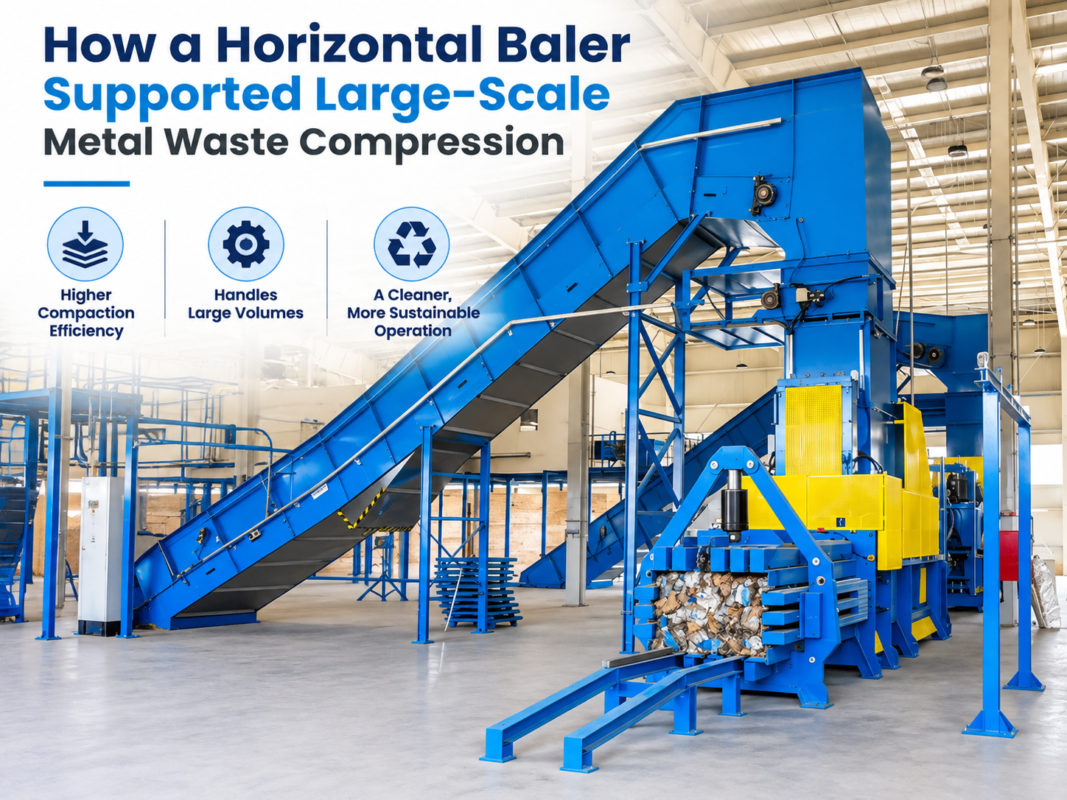
It depends on your volume. A vertical baler is better for businesses producing less than 20 tons of waste per month because it is cheaper and takes up less space. If you produce hundreds of tons per month, a horizontal baler with an automated conveyor feed is more efficient despite the higher initial cost and larger footprint.