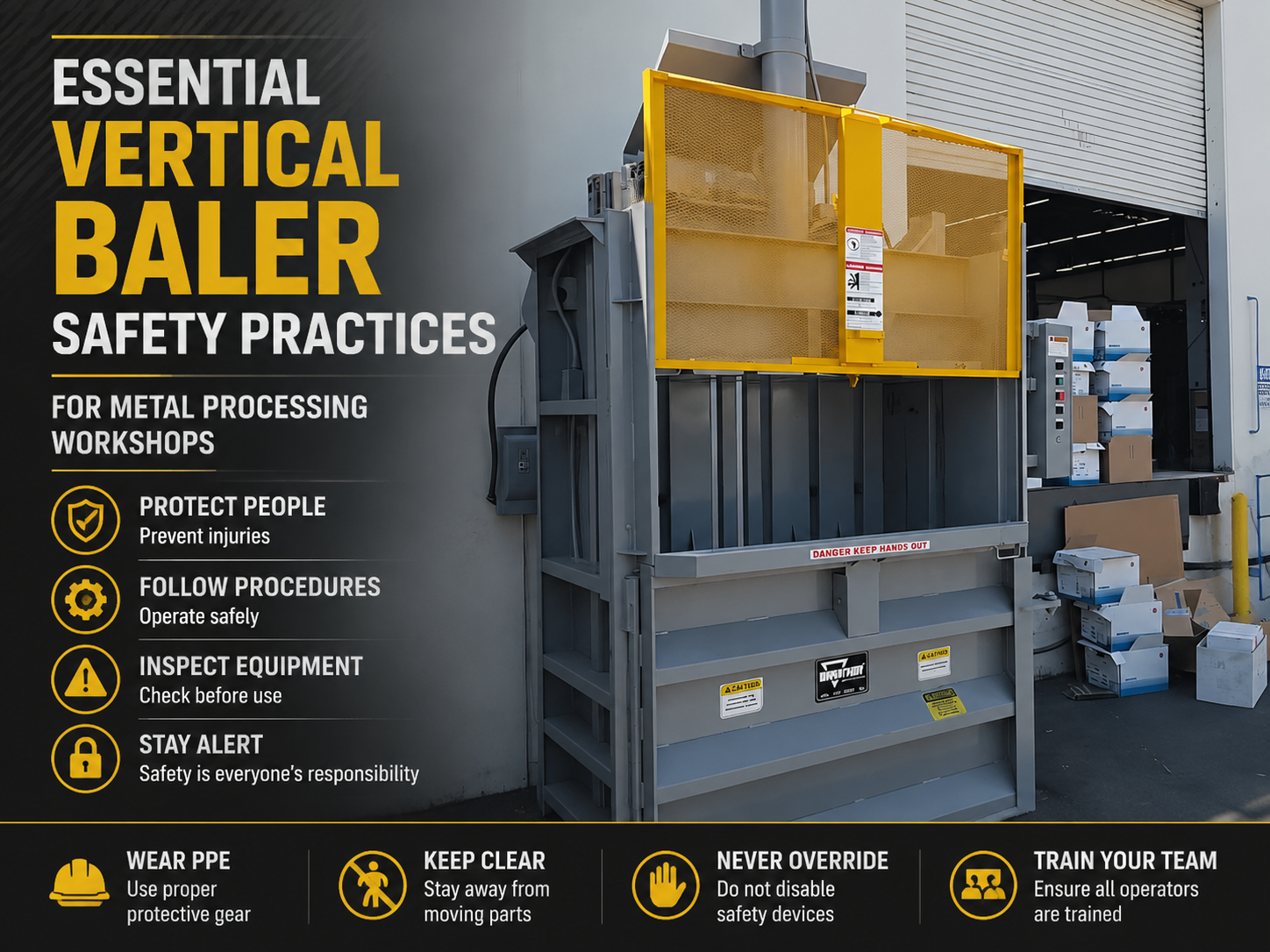
Essential Vertical Baler Safety Practices for Metal Processing Workshops

Technical Overview of Vertical Balers in Metal Processing
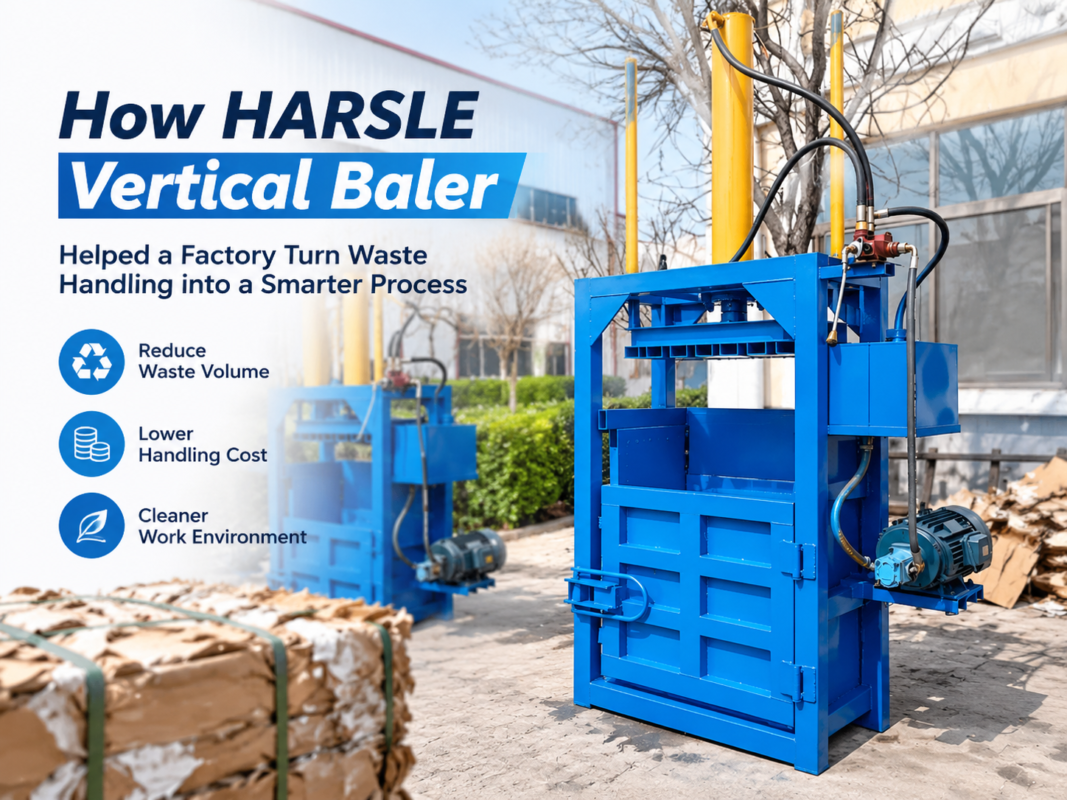
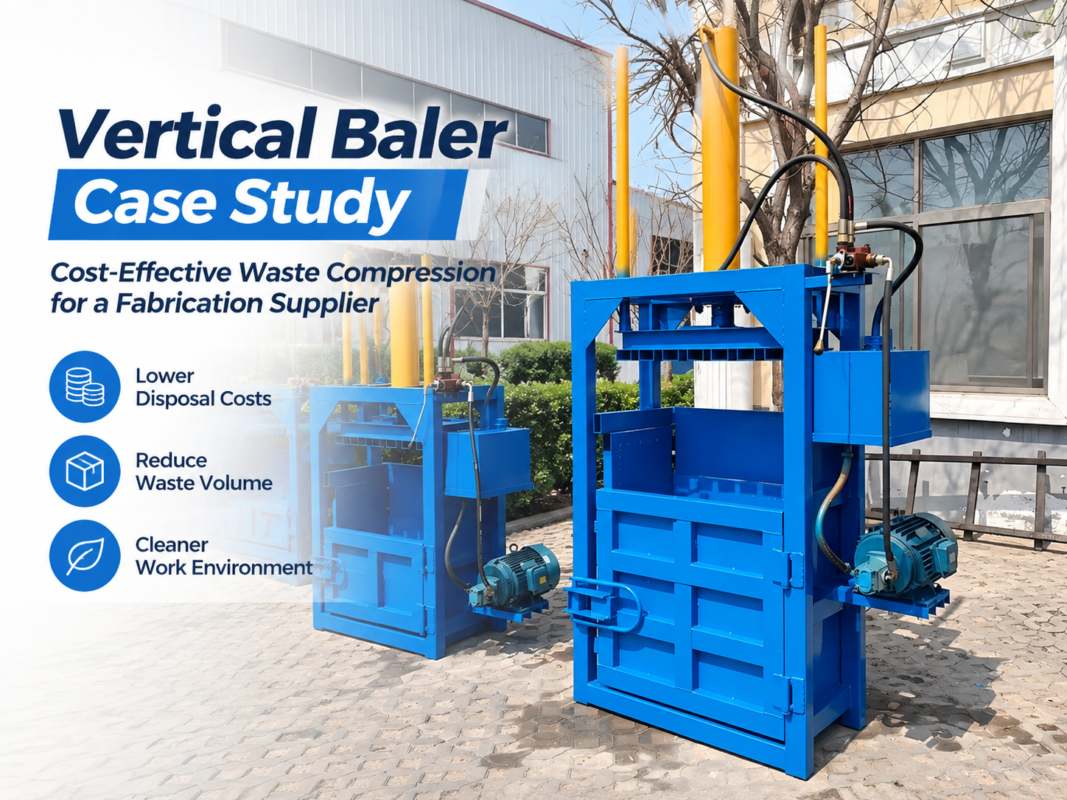
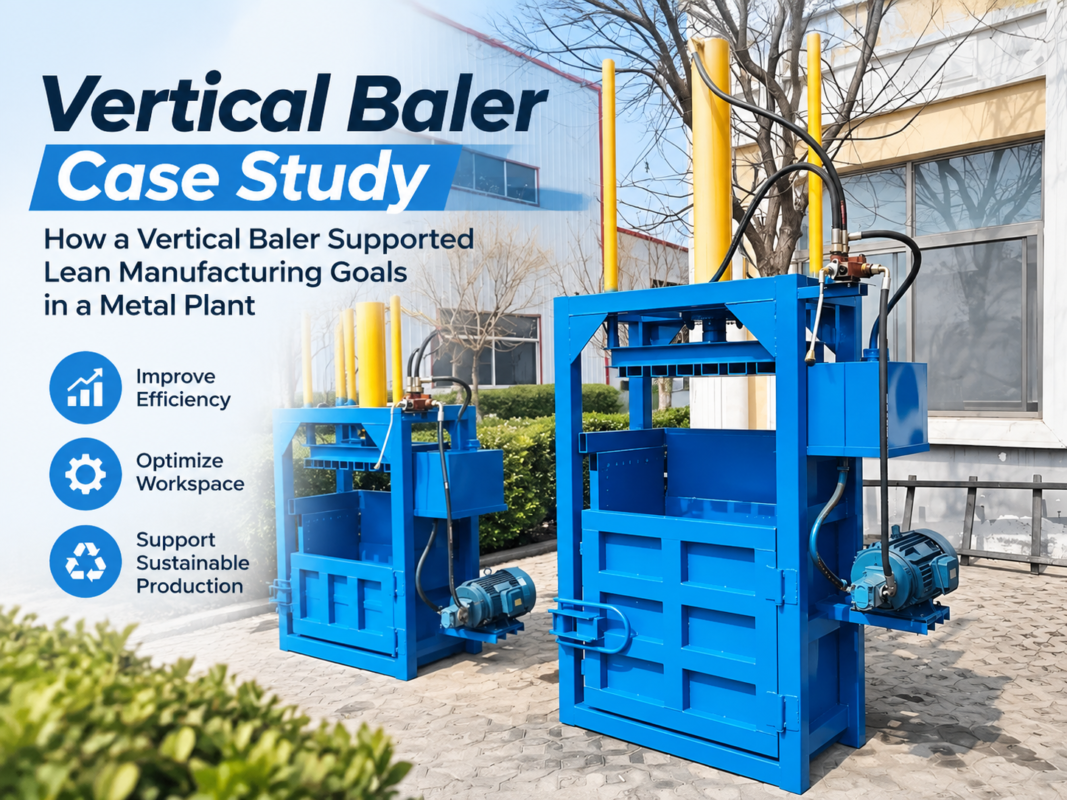
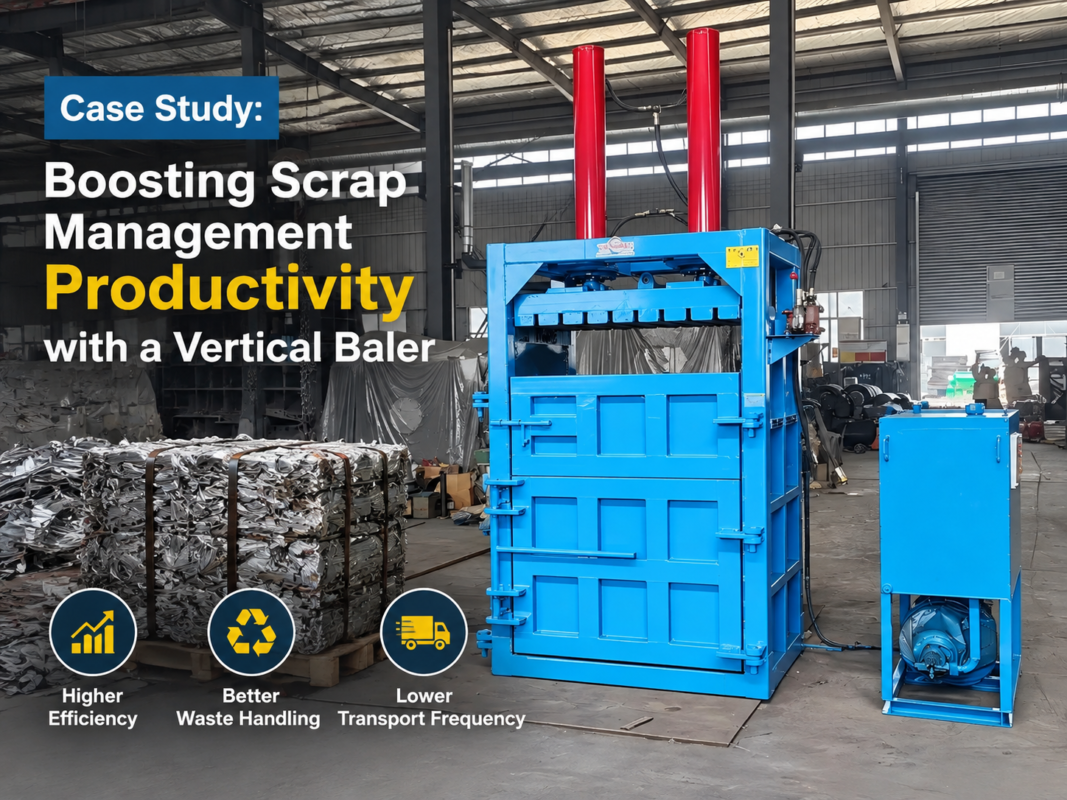
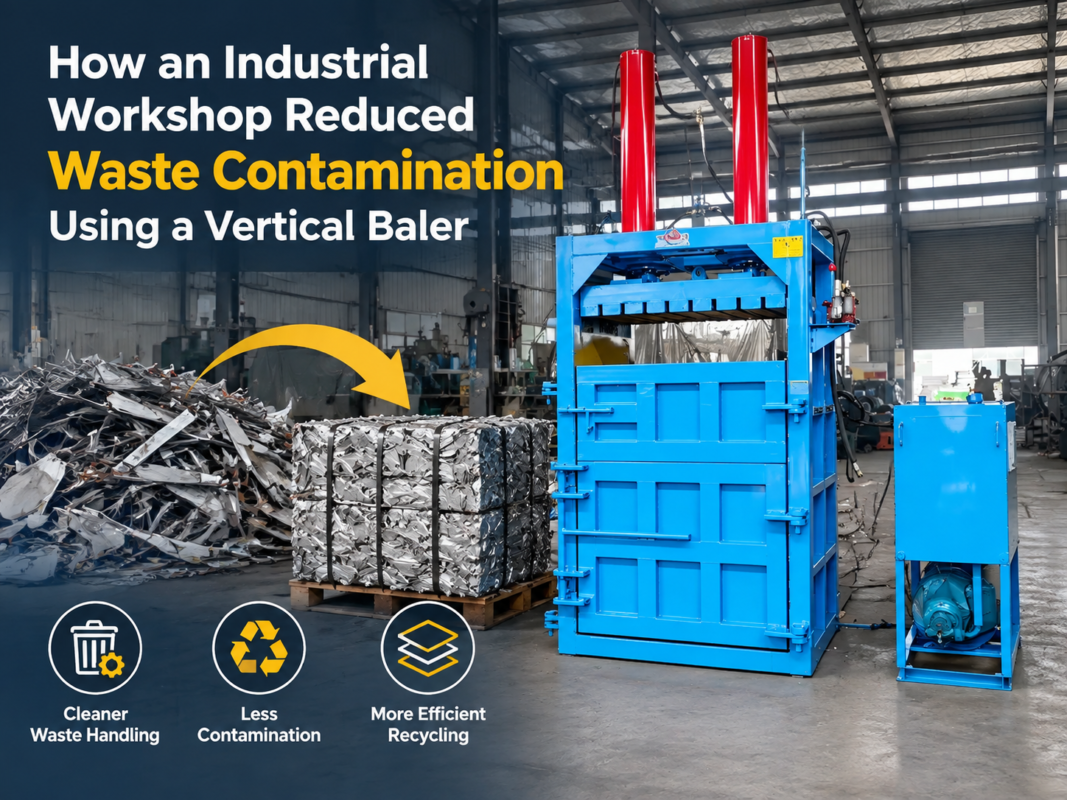
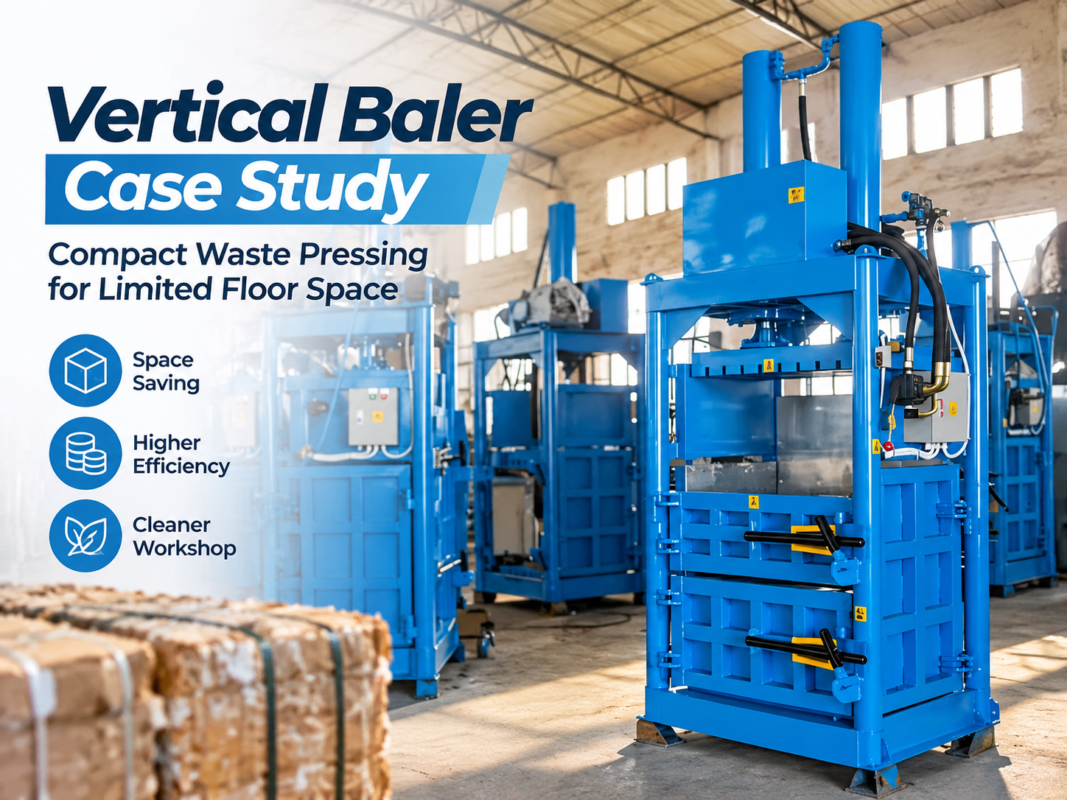
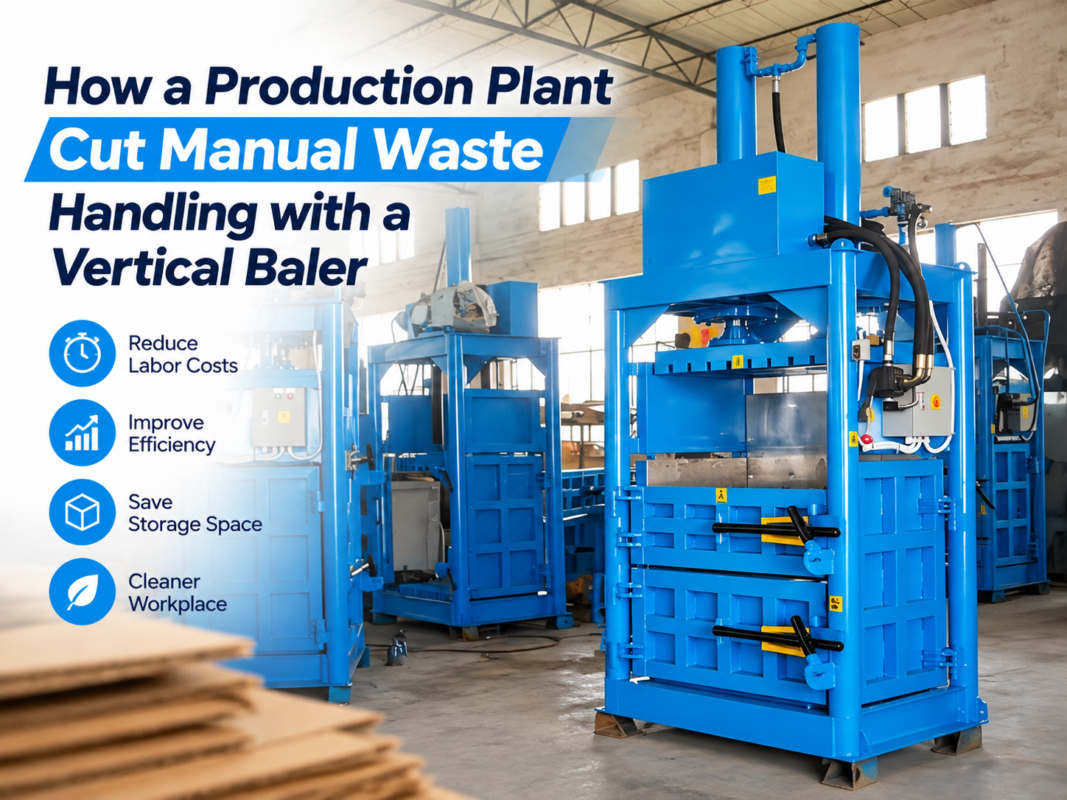
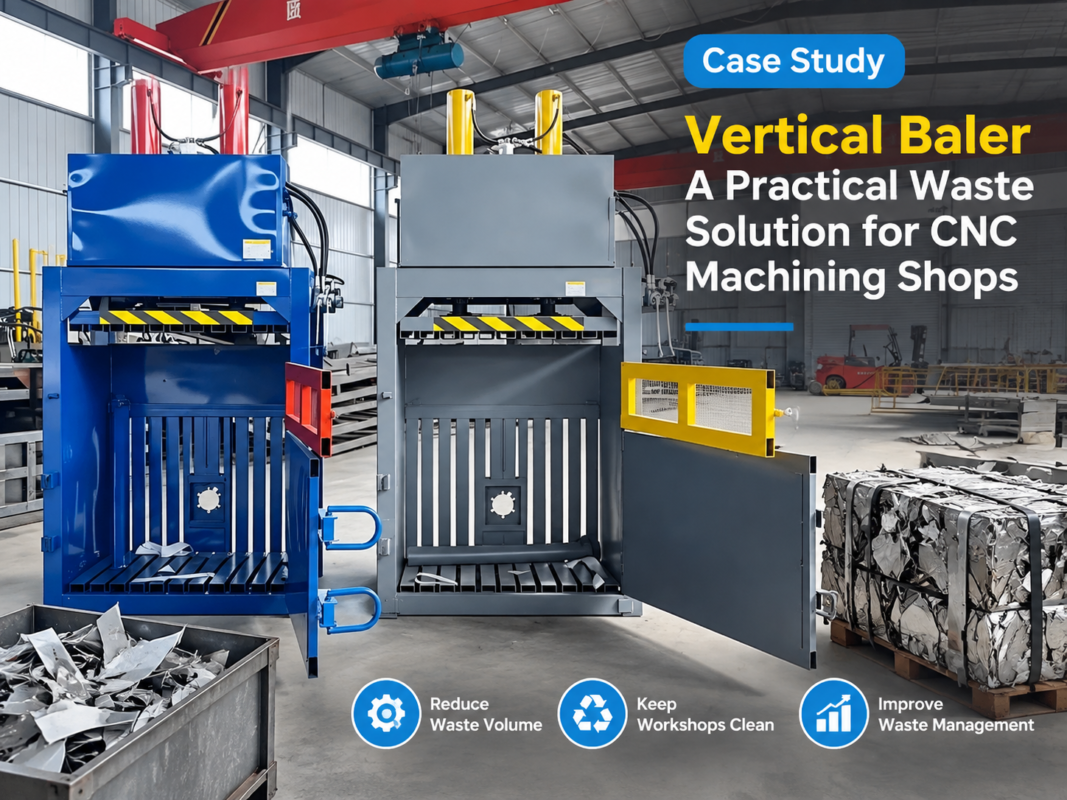
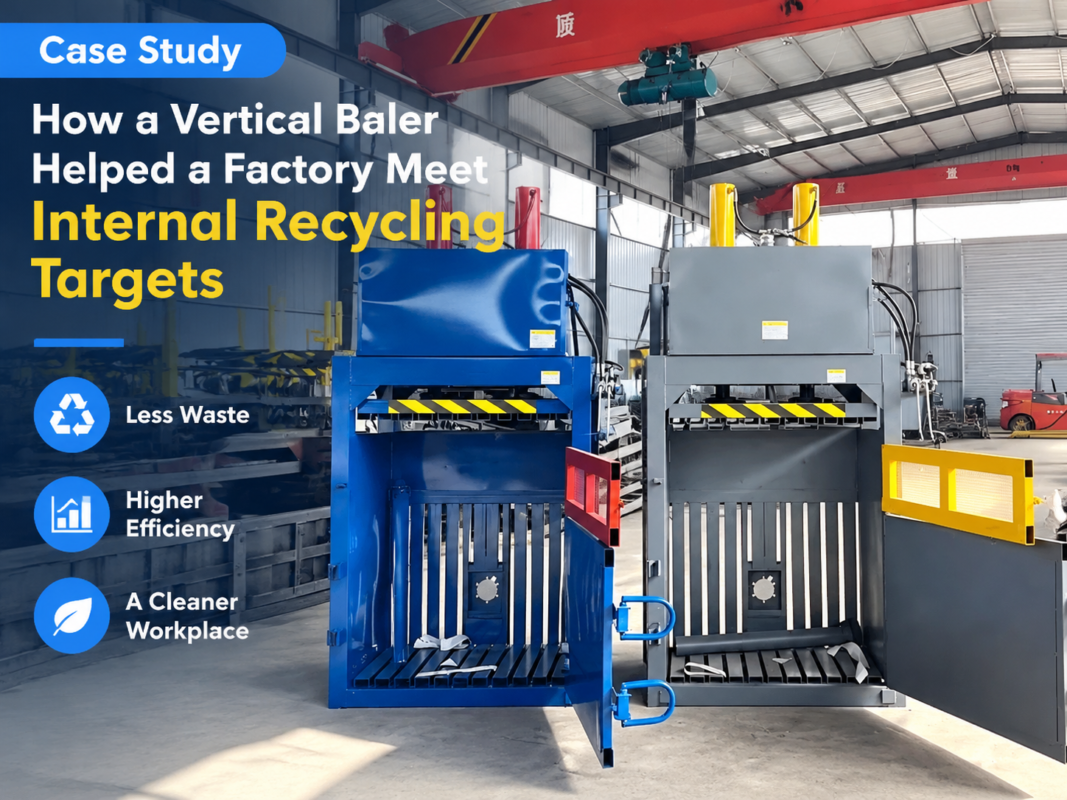
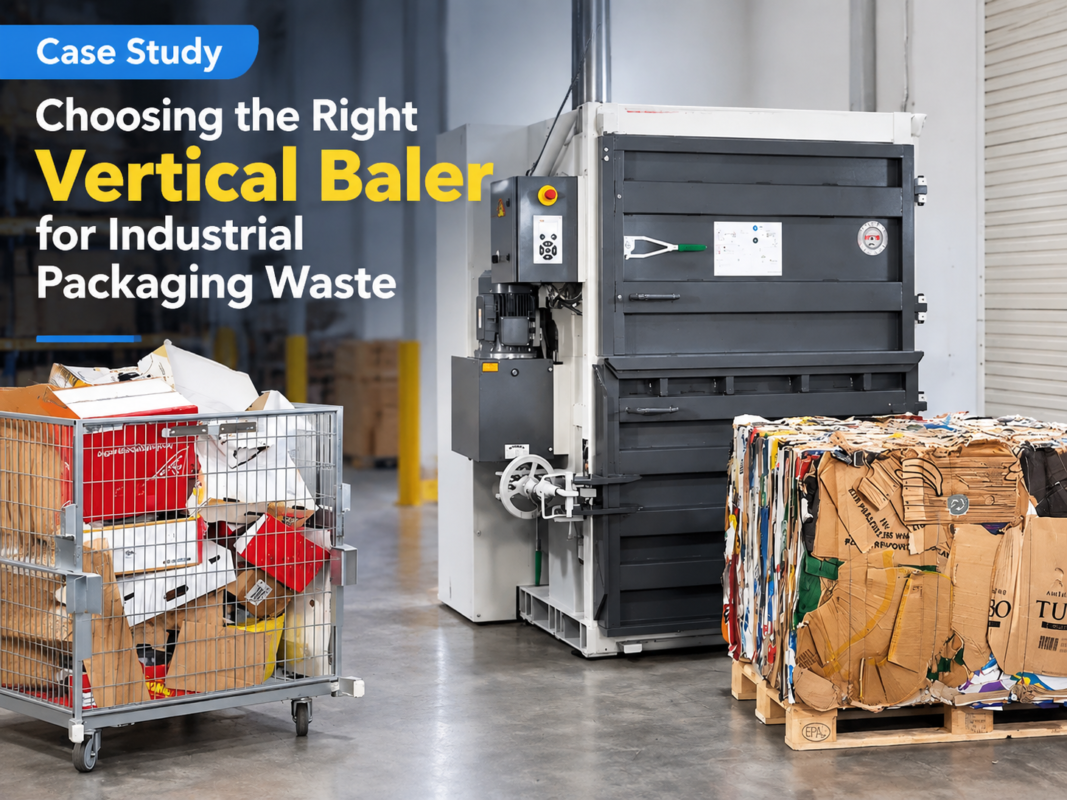
Vertical balers are indispensable assets in modern metal processing workshops, designed to compress voluminous scrap metal into manageable, high-density bales. Unlike horizontal balers, which occupy significant floor space, vertical balers utilize a top-down hydraulic compression mechanism, making them ideal for facilities with limited square footage. At the heart of a HARSLE vertical baler is a robust hydraulic system consisting of a motor, pump, and heavy-duty cylinders that exert several tons of pressure to deform and consolidate materials like aluminum cans, copper wiring, and thin-gauge steel sheets.
The engineering of these machines focuses on structural rigidity. The frame must withstand the immense outward force exerted by the compressed metal, which has a tendency to ‘spring back.’ High-quality vertical balers utilize reinforced steel chambers and heavy-duty door latches to ensure the machine remains intact during the peak of the compression cycle. Understanding the technical nuances of these machines is the first step toward implementing essential vertical baler safety practices for metal processing workshops. Without a firm grasp of how the hydraulic fluid translates electrical energy into mechanical force, operators may underestimate the potential energy stored within a compressed bale.
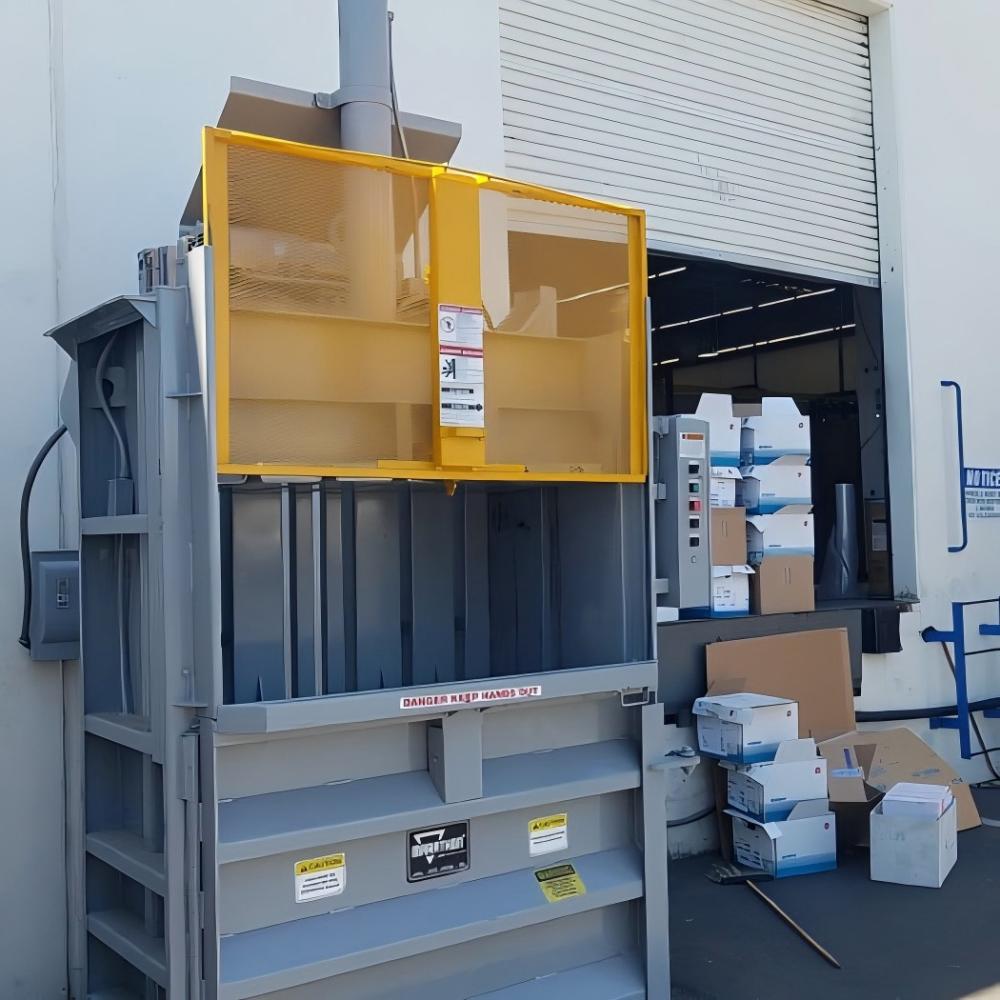
Modern vertical balers also incorporate sophisticated control systems. These include PLC (Programmable Logic Controller) units that monitor the position of the ram, the status of the safety gates, and the pressure levels within the hydraulic lines. If any safety parameter is breached—such as a door being opened during a cycle—the system is designed to trigger an immediate emergency stop. This integration of mechanical strength and electronic oversight is what defines the current generation of metal fabrication equipment.
Core Parameters of Vertical Balers
When discussing essential vertical baler safety practices for metal processing workshops, one must first understand the core parameters that dictate the machine’s operation. These parameters are not just performance metrics; they are safety boundaries. Exceeding these limits can lead to catastrophic mechanical failure or operator injury.
- Nominal Pressure: This is the maximum force the hydraulic ram can exert, usually measured in tons (e.g., 30T, 50T, 100T). Using a machine with insufficient pressure for high-rebound materials can lead to incomplete cycles and jammed rams.
- Chamber Dimensions: The physical space where the metal is loaded. Overloading the chamber beyond its height or width capacity prevents the safety gate from closing properly and can cause uneven pressure distribution.
- Cycle Time: The duration it takes for the ram to descend and return. A sudden change in cycle time often indicates a hydraulic leak or a failing pump, both of which are significant safety hazards.
- Motor Power: Measured in kilowatts (kW) or horsepower (HP), this determines the efficiency of the hydraulic pump. An undersized motor may overheat during continuous operation in a busy metal workshop.
- Bale Size and Weight: The final dimensions of the compressed metal. Operators must ensure that the workshop’s material handling equipment (like forklifts or pallet jacks) is rated to move the resulting bale weight safely.
Calculation Method for Baling Efficiency and Safety
To maintain essential vertical baler safety practices for metal processing workshops, engineers must perform specific calculations to ensure the machine is operating within its design envelope. One of the most critical calculations is the Bale Density. High density is required for efficient transport, but excessive density can strain the machine’s frame.
The formula for Bale Density is: Density (ρ) = Mass (m) / Volume (V). In a metal processing context, if the density exceeds the manufacturer’s recommendations for a specific material, it indicates that the hydraulic relief valves may be set too high, or the material being baled is too dense for the machine’s structural rating.
Another vital calculation is the Hydraulic Pressure Requirement. The force (F) exerted by the ram is a product of the pressure (P) and the area (A) of the cylinder piston: F = P × A. If an operator notices that the machine is struggling to compress a standard load, they should check the pressure gauge against the cylinder’s surface area to ensure the pump is delivering the correct tonnage. Discrepancies here often point to air in the hydraulic lines or seal degradation, both of which require immediate maintenance to prevent accidental ram drops.
Vertical Baler Parameter Table
The following table outlines the technical specifications for standard HARSLE vertical balers used in metal processing environments. These figures serve as a baseline for safety and operational planning.
| Model Series | Nominal Pressure (Tons) | Chamber Size (L*W*H mm) | Bale Size (L*W*H mm) | Motor Power (kW) | Safety Rating |
|---|---|---|---|---|---|
| HVB-30 | 30 | 800 x 600 x 1000 | 800 x 600 x 600 | 5.5 | CE / ISO 9001 |
| HVB-50 | 50 | 1000 x 800 x 1200 | 1000 x 800 x 800 | 7.5 | CE / ISO 9001 |
| HVB-100 | 100 | 1200 x 1000 x 1500 | 1200 x 1000 x 1000 | 15.0 | CE / ISO 9001 |
| HVB-150 | 150 | 1500 x 1200 x 1800 | 1500 x 1200 x 1200 | 22.0 | CE / ISO 9001 |
Essential Vertical Baler Safety Practices for Metal Processing Workshops
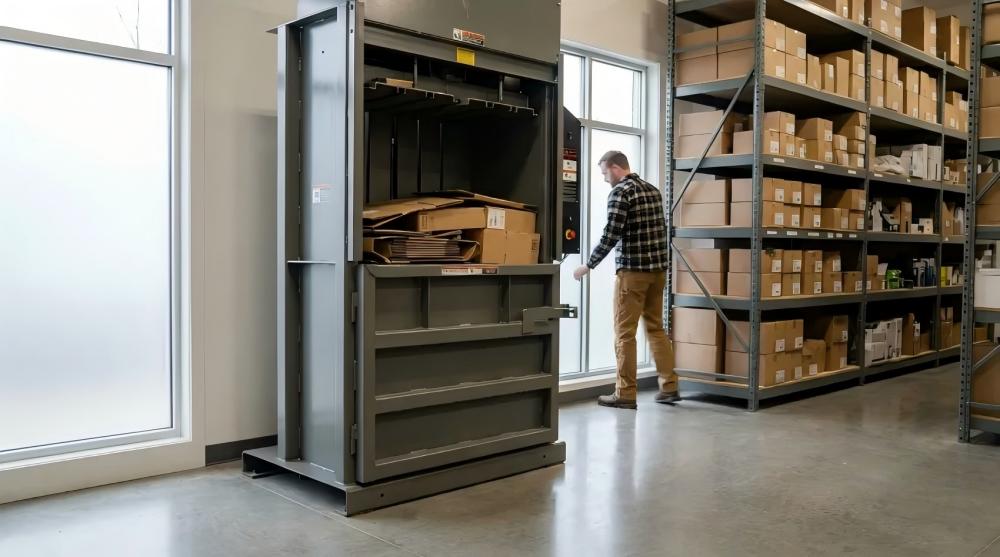
Safety in a metal processing workshop is not a one-time setup but a continuous culture. Because metal scrap is often sharp, heavy, and unpredictable, the risks associated with baling are higher than with cardboard or plastic. Below are the detailed safety practices that every workshop must implement.
1. Comprehensive Operator Training
No individual should operate a vertical baler without documented training. This training must cover the specific model’s controls, the location of emergency stops, and the correct way to load metal scrap. Operators must be taught to recognize the sounds of a healthy machine versus one under duress. For instance, a high-pitched whining often indicates hydraulic cavitation, which can lead to sudden mechanical failure.
2. Lockout/Tagout (LOTO) Protocols
Maintenance is where many accidents occur. Essential vertical baler safety practices for metal processing workshops must include a strict Lockout/Tagout program. Before any technician enters the chamber or performs work on the hydraulic system, the power source must be physically locked in the ‘off’ position, and the residual hydraulic pressure must be bled off. A ram that is held up only by hydraulic pressure is a suspended load that can fall if a hose fails.
3. Proper Loading and Material Sorting
Metal scrap varies wildly in compressibility. Operators must avoid loading ‘unbalables’ such as heavy engine blocks, thick structural I-beams, or sealed pressurized containers (like fire extinguishers or propane tanks). Compressing a sealed container can lead to an explosion. Furthermore, metal should be distributed evenly within the chamber. Uneven loading causes ‘ram steer,’ where the ram tilts and scores the cylinder walls, leading to expensive repairs and potential safety hazards.
4. Personal Protective Equipment (PPE)
In a metal workshop, PPE is the last line of defense. When operating a vertical baler, workers must wear cut-resistant gloves to handle sharp scrap, safety glasses to protect against flying metal shards during compression, and steel-toed boots. Hearing protection is also necessary, as the shearing and crushing of metal can exceed safe decibel levels.
5. Daily Inspection Checklists
Before the start of every shift, a designated operator should perform a visual inspection. This includes checking for hydraulic leaks, ensuring the safety gate interlocks are functioning (the machine should not start if the gate is open), and verifying that the bale wire or strapping is in good condition. Any frayed wires or leaking oil should result in an immediate ‘out of service’ tag.
Common Engineering and Operational Mistakes
Even with the best equipment, human error or poor engineering choices can compromise safety. Recognizing these common mistakes is a core part of essential vertical baler safety practices for metal processing workshops.
- Bypassing Safety Interlocks: Perhaps the most dangerous mistake is ‘jumping’ or bypassing the door sensors to speed up production. This allows the machine to operate with the door open, exposing the operator to moving parts and flying debris.
- Neglecting Hydraulic Oil Quality: Hydraulic oil is the lifeblood of the baler. Using the wrong grade of oil or failing to change it when contaminated with metal fines can cause valves to stick. A stuck valve can cause the ram to move unexpectedly.
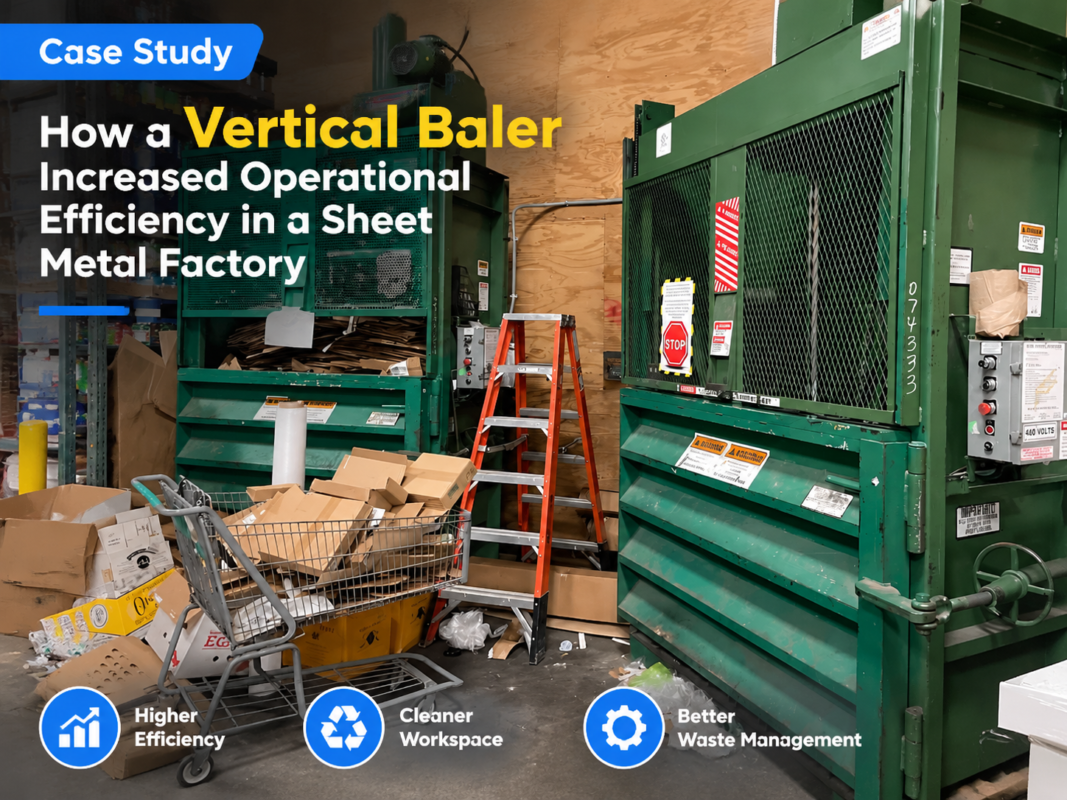
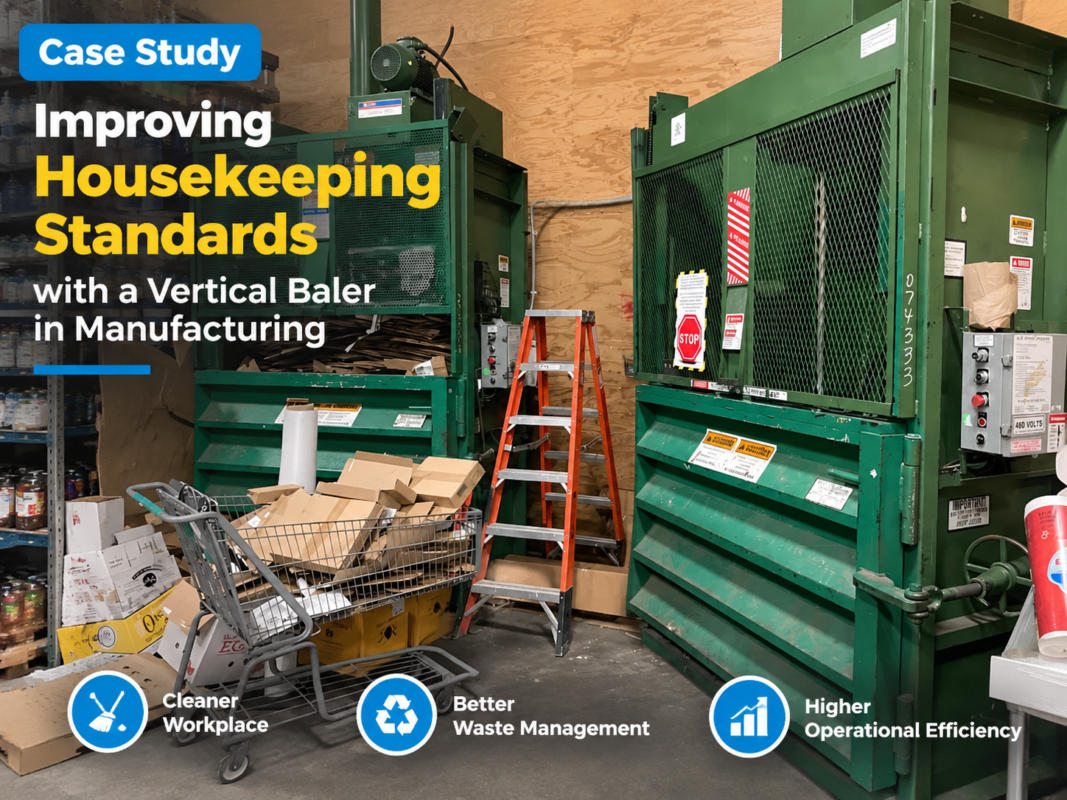
- Inadequate Clearance Around the Machine: Vertical balers require space for loading, unloading, and maintenance. Crowding the machine with other scrap or equipment prevents operators from escaping quickly in an emergency and makes it difficult to perform safety inspections.
- Using Incorrect Baling Wire: Metal bales exert significant outward pressure. Using wire that is too thin or not rated for the bale’s weight can result in the wire snapping violently when the bale is ejected, potentially striking the operator.
Selection Checklist for Buying a Vertical Baler
Choosing the right machine is the foundation of safety. Use this checklist when evaluating a HARSLE vertical baler or any other industrial model for your workshop.
- Safety Certifications: Does the machine meet CE, UL, or OSHA standards? Look for official certification plates on the frame.
- Interlock System: Does the machine feature dual-redundant safety interlocks on all access doors?
- Emergency Stop Accessibility: Are there E-stop buttons located within easy reach of the loading area and the control panel?
- Ejection System: Does the machine have an automatic or semi-automatic bale ejection system to prevent operators from having to manually pull heavy metal bales out of the chamber?
- Structural Warranty: A manufacturer confident in their safety engineering will offer a robust warranty on the frame and hydraulic cylinders.
- Pressure Relief Valves: Ensure the hydraulic system includes a factory-set relief valve to prevent over-pressurization.
Frequently Asked Questions (FAQ)
What is the most common cause of vertical baler accidents?
The most common cause is the failure to follow Lockout/Tagout procedures during maintenance or clearing a jam. Operators often attempt to reach into the chamber while the machine is still powered, leading to crush injuries. Implementing essential vertical baler safety practices for metal processing workshops significantly reduces this risk.
Can I bale all types of metal in a vertical baler?
No. Vertical balers are designed for ‘soft’ scrap like aluminum, copper, and thin sheet metal. Hardened steel, thick pipes, and solid castings can damage the ram and the chamber. Always consult the manufacturer’s material guide before attempting to bale unfamiliar scrap.
How often should the hydraulic fluid be changed?
For most industrial metal processing workshops, the hydraulic fluid should be checked monthly and changed every 2,000 operating hours or once a year, whichever comes first. Contaminated oil is a primary cause of safety-related mechanical failures.
Why does my baler make a loud banging noise during compression?
A loud bang often indicates that the metal scrap is shifting or ‘settling’ under pressure, which is normal to an extent. However, if the noise is accompanied by a shudder in the machine frame, it may indicate that the ram is misaligned or that you are attempting to bale material that is too hard for the machine’s rating.
Is a vertical baler better than a horizontal one for safety?
Both have specific safety protocols. Vertical balers are generally safer for smaller workshops because they have a smaller footprint and the moving parts are more contained. However, they require more manual loading, which increases the risk of cuts from scrap metal if proper PPE is not worn.
How do I ensure the bale is tied safely?
Always use the gauge of wire recommended by the manufacturer. Ensure the ram is fully depressed (in the ‘tie-off’ position) before attempting to thread the wires. Never stand directly in front of the door when releasing the bale, as the tension can cause the door to swing open with significant force.