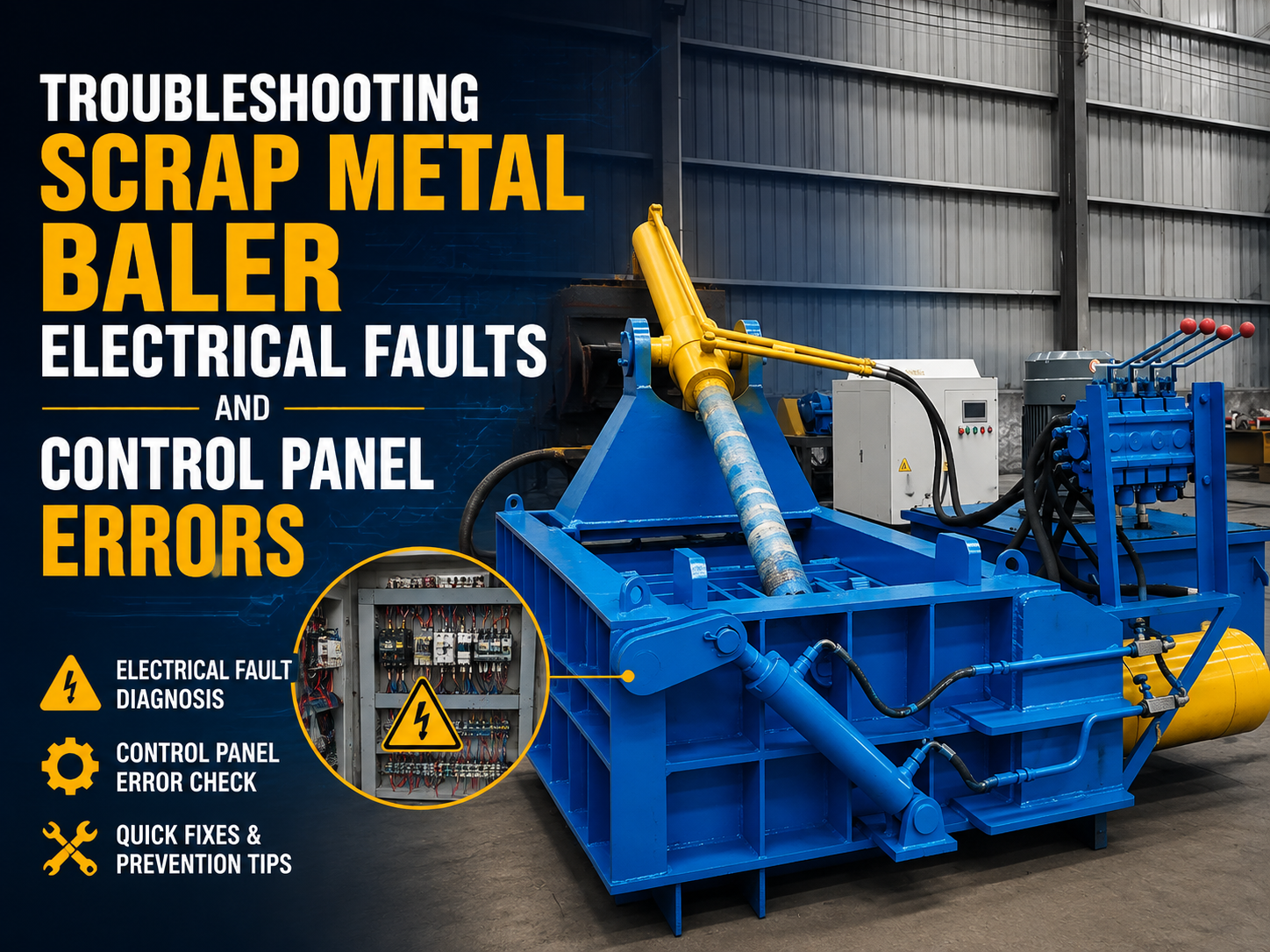
Troubleshooting Scrap Metal Baler Electrical Faults and Control Panel Errors: A HARSLE Technical Guide

Introduction to Scrap Metal Baler Electrical Systems
In the high-pressure environment of a metal recycling facility, the scrap metal baler serves as the backbone of operational efficiency. When this machinery encounters electrical issues, the entire production line grinds to a halt, leading to significant downtime and revenue loss. Troubleshooting scrap metal baler electrical faults and control panel errors is a critical skill for maintenance teams and plant managers alike. HARSLE understands that modern balers are sophisticated pieces of engineering, integrating complex PLC systems, hydraulic sensors, and high-voltage power distribution.
Understanding the electrical architecture of your baler is the first step toward effective maintenance. Most industrial balers utilize a combination of relay logic or Programmable Logic Controllers (PLCs) to manage the compression cycles, door locking mechanisms, and safety interlocks. When these systems fail, the control panel usually provides diagnostic codes that act as a roadmap for the technician. However, interpreting these codes requires a systematic approach to ensure that the root cause is addressed rather than just the symptom.
This guide is designed to assist HARSLE machine operators and maintenance personnel in navigating the complexities of electrical diagnostics. By following a structured approach to troubleshooting, you can minimize downtime, extend the lifespan of your components, and ensure the safety of your workforce. Whether you are dealing with a simple blown fuse or a complex communication error between the HMI and the PLC, this guide provides the technical foundation necessary for rapid resolution.

Key Considerations for Electrical Maintenance
Before diving into specific fault codes, it is imperative to establish a culture of safety and preparation. Electrical work on scrap metal balers involves high-voltage circuits that can be lethal if handled incorrectly. Always ensure that the machine is locked out and tagged out (LOTO) before opening any electrical cabinets or attempting to probe internal components. Furthermore, ensure that all personnel involved in troubleshooting are trained in industrial electrical safety standards.
Environmental factors play a significant role in the frequency of electrical faults. Metal recycling facilities are inherently dusty, humid, and subject to vibrations. Over time, these conditions can lead to loose terminal connections, moisture ingress in junction boxes, and the accumulation of conductive dust on circuit boards. Regular cleaning of the control cabinet using non-conductive, compressed air and ensuring that all seals are intact can prevent a large percentage of electrical failures before they occur.
Documentation is your best ally during a troubleshooting session. Keep a detailed log of all electrical faults, including the date, the error code displayed, the environmental conditions at the time of failure, and the steps taken to resolve the issue. This historical data is invaluable for identifying recurring patterns, such as a specific sensor failing due to vibration or a contactor reaching the end of its mechanical life. HARSLE recommends maintaining a digital or physical binder containing the machine’s electrical schematics, which should be updated whenever modifications are made.
Finally, consider the quality of your replacement parts. Using generic or incompatible electrical components can lead to secondary failures that are often more difficult to diagnose than the original issue. Always source OEM-approved components for critical systems like PLC modules, proximity switches, and motor starters. While the initial cost may be higher, the reliability and compatibility provided by genuine parts are essential for maintaining the integrity of your scrap metal baler.
Technical Details: Diagnosing Control Panel Errors
When the control panel displays an error, the first step is to identify the specific fault code. Most HARSLE balers utilize a standardized error reporting system. Common errors often relate to safety interlocks, such as the door not being fully closed or the emergency stop button being engaged. If the control panel indicates a safety fault, check all limit switches and physical interlocks to ensure they are properly engaged and that the wiring leading to them has not been damaged by falling scrap metal.
Communication errors between the HMI (Human Machine Interface) and the PLC are another frequent source of frustration. These errors often manifest as a frozen screen or a “Communication Timeout” message. In such cases, inspect the communication cables for signs of physical damage or electromagnetic interference. Ensure that the cables are properly shielded and routed away from high-voltage power lines. If the cables appear intact, the issue may lie within the PLC communication module itself, which may require a firmware update or a hardware reset.
Sensor-related faults are perhaps the most common issue in scrap metal balers. Proximity sensors, which detect the position of the ram or the bale door, are constantly exposed to harsh conditions. If a sensor fails, the control panel will typically report a “Timeout” error, as the PLC is waiting for a signal that never arrives. Use a multimeter to test the voltage at the sensor terminals. If the sensor is receiving power but failing to trigger when an object is present, it is likely that the sensor is faulty or misaligned due to mechanical vibration.
Power supply issues can also cause erratic behavior in the control panel. If the PLC or HMI is experiencing frequent reboots or displaying garbled text, check the DC power supply unit. Fluctuations in the input voltage or a failing power supply can lead to unstable operation. Use an oscilloscope or a high-quality digital multimeter to monitor the DC output voltage under load. If the voltage drops significantly when the baler’s motors engage, the power supply unit may be failing and in need of replacement.

Selection Advice for Reliable Baler Systems
When selecting a scrap metal baler, the electrical system design should be a primary consideration. Look for machines that utilize modular electrical architectures, which allow for easier troubleshooting and component replacement. A well-designed control panel should be clearly labeled, with all wires numbered and color-coded to match the provided electrical schematics. This level of detail significantly reduces the time required for maintenance teams to identify and resolve faults.
Consider the ingress protection (IP) rating of the electrical enclosures. In a scrap metal environment, dust and moisture are constant threats. Enclosures rated at IP65 or higher provide excellent protection against these elements, ensuring that the internal components remain clean and dry. Additionally, look for balers that incorporate vibration-dampening mounts for sensitive electronic components, as this will extend the life of your PLC and other control hardware.
Another factor to consider is the availability of remote diagnostic capabilities. Modern HARSLE balers often feature IoT-enabled control systems that allow technicians to monitor machine health remotely. This feature can be a game-changer, as it allows for the early detection of electrical anomalies before they escalate into full-blown system failures. When purchasing, inquire about the software support and the ease of integrating the baler into your existing facility management systems.
Finally, evaluate the manufacturer’s support network. A high-quality baler is only as good as the support behind it. Ensure that the manufacturer offers comprehensive training for your maintenance staff and has a readily available stock of spare parts. Having a direct line to technical support can save hours of troubleshooting time, especially when dealing with complex software-related errors that may be beyond the scope of standard maintenance procedures.
Advanced Troubleshooting Strategies
For persistent electrical faults that defy standard diagnostic steps, it is time to employ more advanced techniques. Start by performing a thorough visual inspection of the entire electrical system, looking for signs of overheating, such as discolored wire insulation or a burnt odor near contactors and relays. Use an infrared thermal camera to identify “hot spots” in the electrical cabinet while the machine is under load. These hot spots often indicate loose connections or components that are drawing excessive current.
If the issue is intermittent, consider the possibility of electromagnetic interference (EMI). Scrap metal balers use large electric motors that can generate significant electrical noise. If control signals are being corrupted, ensure that all signal cables are shielded and that the shields are properly grounded at one end only. Additionally, check that the baler’s main frame is properly grounded to the facility’s earth system, as a poor ground connection can lead to a variety of unpredictable electrical behaviors.
Software-based troubleshooting involves analyzing the PLC program. If you have access to the programming software, you can monitor the state of inputs and outputs in real-time. This allows you to see exactly which condition is preventing the machine from completing a cycle. For example, if the ram is not moving, you can check the PLC logic to see if the “Ram Forward” command is being sent and, if so, which safety interlock is preventing the output from energizing. This level of visibility is the ultimate tool for resolving complex control panel errors.
Lastly, do not overlook the importance of firmware and software updates. Manufacturers occasionally release updates to address known bugs or to improve the efficiency of the control logic. If your baler is experiencing recurring, non-hardware-related errors, contact the manufacturer to see if a software patch is available. Keeping your machine’s software up to date ensures that you are benefiting from the latest improvements in reliability and performance.
FAQ: Common Questions About Baler Electrical Systems
Q: Why does my scrap metal baler keep tripping the main circuit breaker?
A: This is usually caused by an excessive current draw, which could be due to a failing motor, a short circuit in the wiring, or the machine being overloaded beyond its rated capacity. Check the motor’s amperage draw and inspect the wiring for any signs of insulation damage.
Q: What should I do if the HMI screen is blank?
A: First, check the power supply to the HMI. If it has power, check the contrast settings or the backlight. If the screen remains blank, the HMI unit itself may have failed and will need to be replaced or repaired by the manufacturer.
Q: How often should I inspect the electrical cabinet?
A: HARSLE recommends a monthly inspection of the electrical cabinet. This includes checking for loose connections, cleaning out dust, and ensuring that all seals are intact to prevent moisture ingress.
Q: Can I replace a faulty PLC module with a generic one?
A: No. PLC modules are highly specific to the machine’s logic and communication protocols. Using a generic module will likely result in a complete system failure and could void your warranty.
Q: What is the most common cause of sensor failure?
A: The most common cause is physical damage from falling scrap metal or misalignment due to machine vibration. Regularly check that all sensors are securely mounted and that their cables are protected by conduit.
Conclusion
Troubleshooting scrap metal baler electrical faults and control panel errors is a multifaceted task that requires a combination of technical knowledge, systematic methodology, and a commitment to safety. By understanding the electrical architecture of your HARSLE equipment, maintaining a clean and organized control environment, and utilizing the diagnostic tools provided by the machine, you can effectively manage and resolve most electrical issues. Remember that proactive maintenance is always more cost-effective than reactive repair. By staying vigilant and following the guidelines outlined in this article, you can ensure that your scrap metal baler remains a reliable and productive asset for years to come. When in doubt, always consult your machine’s manual or reach out to HARSLE’s technical support team for expert guidance.