How to Solve Scrap Metal Baler Jammed Chamber Problems Quickly: A Comprehensive HARSLE Guide

Introduction
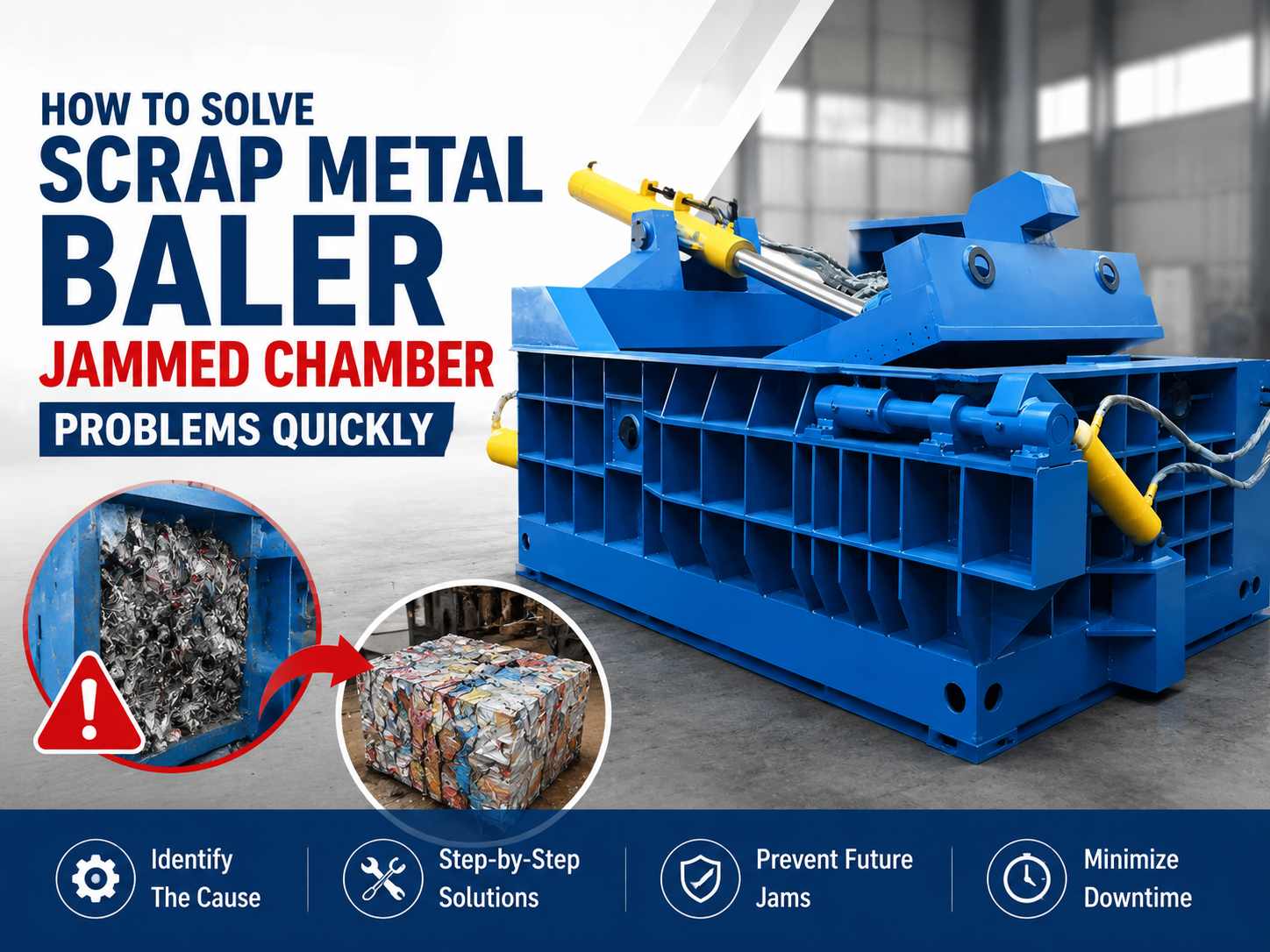
In the high-pressure environment of a scrap metal processing facility, downtime is the enemy of profitability. When your equipment grinds to a halt, production schedules slip, and operational costs skyrocket. One of the most common and frustrating issues operators face is a jammed compression chamber. Learning how to solve scrap metal baler jammed chamber problems quickly is not just a maintenance skill; it is a critical operational necessity for any facility relying on high-performance metal fabrication equipment.
At HARSLE, we understand that a scrap metal baler is the heart of your recycling operation. Whether you are processing aluminum cans, copper wiring, or heavy steel offcuts, the integrity of the compression chamber is paramount. A jam can occur due to improper material feeding, hydraulic pressure imbalances, or foreign objects entering the system. This guide provides a deep dive into identifying, clearing, and preventing these jams to keep your facility running at peak efficiency.
By following these professional troubleshooting steps, you can minimize the risk of mechanical damage and ensure the safety of your personnel. We will explore the technical nuances of hydraulic systems, the importance of material sorting, and the maintenance protocols that prevent future occurrences. Let’s dive into the essential strategies to restore your workflow.
Key Considerations for Identifying a Jam
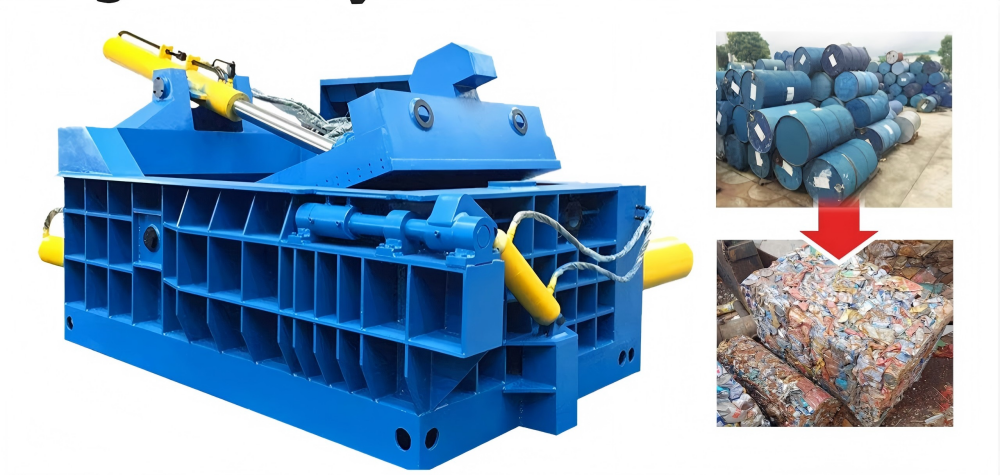
Before attempting to solve scrap metal baler jammed chamber problems quickly, you must first correctly identify the nature of the jam. Not all blockages are created equal. Some jams are caused by simple material bridging, while others may indicate a failure in the hydraulic ram or the shear blades. Recognizing the symptoms early can save hours of unnecessary labor and prevent catastrophic damage to the machine’s structural components.
The first indicator of a jam is usually an audible change in the hydraulic pump’s pitch. If the motor is straining or the pressure gauge is hitting the red zone without the ram moving, you are likely dealing with a physical obstruction. Operators should immediately hit the emergency stop button to prevent the hydraulic system from overheating or blowing a seal under excessive pressure. Never attempt to force the machine through a jam, as this can bend the ram or damage the chamber walls.
Visual inspection is the next step. Look for material protruding from the feed hopper or signs of metal binding against the shear blades. Often, long, stringy pieces of scrap—such as wire or thin sheet metal—can wrap around the ram or get caught in the gaps between the ram and the chamber wall. Identifying these “bridge” points is essential for a safe and efficient extraction process.
Finally, consider the environmental factors. Cold weather can thicken hydraulic oil, leading to sluggish performance that mimics a jam. If the machine has been sitting idle in low temperatures, ensure the oil has reached its operating temperature before concluding that a mechanical jam is present. Always document the state of the machine when the jam occurred, as this data is invaluable for long-term maintenance planning.
Technical Details: Clearing the Obstruction
Once you have confirmed a jam, the process to solve scrap metal baler jammed chamber problems quickly requires a systematic approach. Safety is the absolute priority. Ensure that the machine is locked out and tagged out (LOTO) before any personnel enter the chamber area or attempt to clear debris manually. Never rely on the hydraulic system to hold the ram in place while you work inside the machine.
To clear a jam, start by reversing the ram if the control system allows for a partial retraction. Often, moving the ram back just a few inches can release the tension on the jammed material, allowing it to fall or be removed easily. If the ram is completely stuck, you may need to use manual tools such as pry bars or heavy-duty bolt cutters to break the material binding the ram. Avoid using torches inside the chamber unless absolutely necessary, as this can damage the hydraulic seals and paint coatings.
If the jam is caused by a foreign object, such as a heavy steel plate or a piece of concrete that was accidentally fed into the machine, you may need to use a crane or a forklift to assist in removing the obstruction. Always use proper rigging techniques to ensure the object does not shift unexpectedly. For smaller jams, a high-pressure air lance or a long-handled rake can be used to dislodge material from the corners of the chamber.
After the obstruction is removed, conduct a thorough inspection of the chamber walls and the ram face. Look for gouges, dents, or misalignments. If the shear blades have been damaged, they must be sharpened or replaced before the machine is returned to service. Operating a baler with damaged blades will only lead to more frequent jams and increased wear on the hydraulic cylinders. Once the area is clear, cycle the machine empty several times to ensure the ram moves smoothly through its full stroke.
Selection Advice: Preventing Future Jams
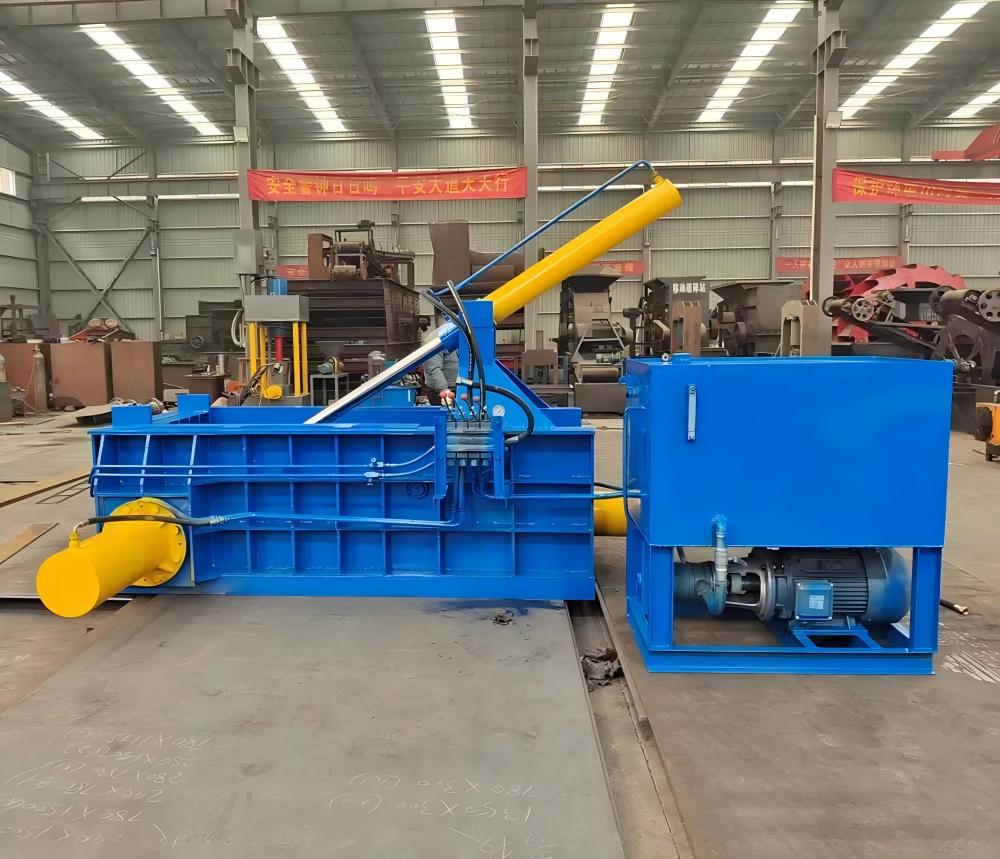
The best way to solve scrap metal baler jammed chamber problems quickly is to prevent them from happening in the first place. This starts with selecting the right equipment for your specific material stream. If your facility processes high volumes of mixed scrap, a standard baler may not be sufficient. You might require a machine with a pre-compression lid or a specialized shear-baler designed to handle oversized items.
When choosing a baler, consider the size of the feed opening. A common cause of jams is material that is too large for the chamber, causing it to bridge across the top. Investing in a machine with a larger hopper or an integrated conveyor system with a sorting station can significantly reduce the frequency of jams. Furthermore, ensure that the hydraulic system is sized correctly for the density of the material you are processing.
Maintenance schedules are equally important. A well-lubricated machine is less likely to experience friction-related jams. Regularly check the hydraulic fluid levels and the condition of the filters. Contaminated oil can lead to sluggish valve response, which can cause the ram to stop mid-cycle. Additionally, keep the shear blades sharp. Dull blades increase the force required to cut through metal, putting unnecessary strain on the entire system.
Finally, train your operators thoroughly. A skilled operator knows how to “read” the machine. They can tell by the sound and the speed of the cycle when a jam is imminent. Encourage a culture where operators report potential issues immediately rather than trying to “push through” a difficult load. Proper training on material sorting—keeping non-metallic debris and oversized items out of the feed—is the most effective preventative measure available.
FAQ: Common Questions About Baler Jams
- Q: Can I use a hammer to force the ram back?
A: No. Hitting the ram or the chamber walls with a hammer can cause structural deformation and damage the hydraulic cylinder rods. Always use the machine’s controls or approved mechanical leverage. - Q: How often should I inspect the shear blades?
A: Depending on the volume of material, you should inspect the blades weekly. If you notice the machine struggling to cut through standard scrap, it is time for maintenance. - Q: Why does my baler jam only when processing thin sheet metal?
A: Thin sheet metal can fold in unpredictable ways. Ensure the material is distributed evenly in the hopper and avoid overfilling the chamber in a single cycle. - Q: Is it safe to enter the chamber to clear a jam?
A: Only if the machine is fully locked out and tagged out. Never enter the chamber while the machine is powered or if there is any residual hydraulic pressure. - Q: What is the most common cause of a jammed chamber?
A: The most common cause is feeding material that is too large or too dense for the specific baler model, followed by dull shear blades.
Conclusion
Learning how to solve scrap metal baler jammed chamber problems quickly is an essential competency for any metal fabrication facility. By understanding the mechanics of your HARSLE baler, maintaining a rigorous inspection schedule, and training your team to recognize the early warning signs of a blockage, you can ensure that your operation remains productive and profitable. Remember, a jam is not just a nuisance; it is a signal that your process or your equipment needs attention.
At HARSLE, we are committed to providing not only the highest quality metal fabrication equipment but also the knowledge to keep that equipment running for years to come. If you find yourself facing persistent issues, do not hesitate to reach out to our technical support team. We are here to help you optimize your scrap processing workflow and minimize downtime. Invest in proper maintenance today to avoid the costly repairs of tomorrow.
By prioritizing safety, regular maintenance, and smart material handling, you can turn your scrap metal baler into a reliable workhorse that drives your business forward. Keep your chamber clear, your blades sharp, and your production moving. For more information on our range of industrial balers and maintenance solutions, visit the HARSLE website and explore our full catalog of metal fabrication equipment.