Comprehensive Recycling Baler Wear Parts Maintenance and Replacement Guide

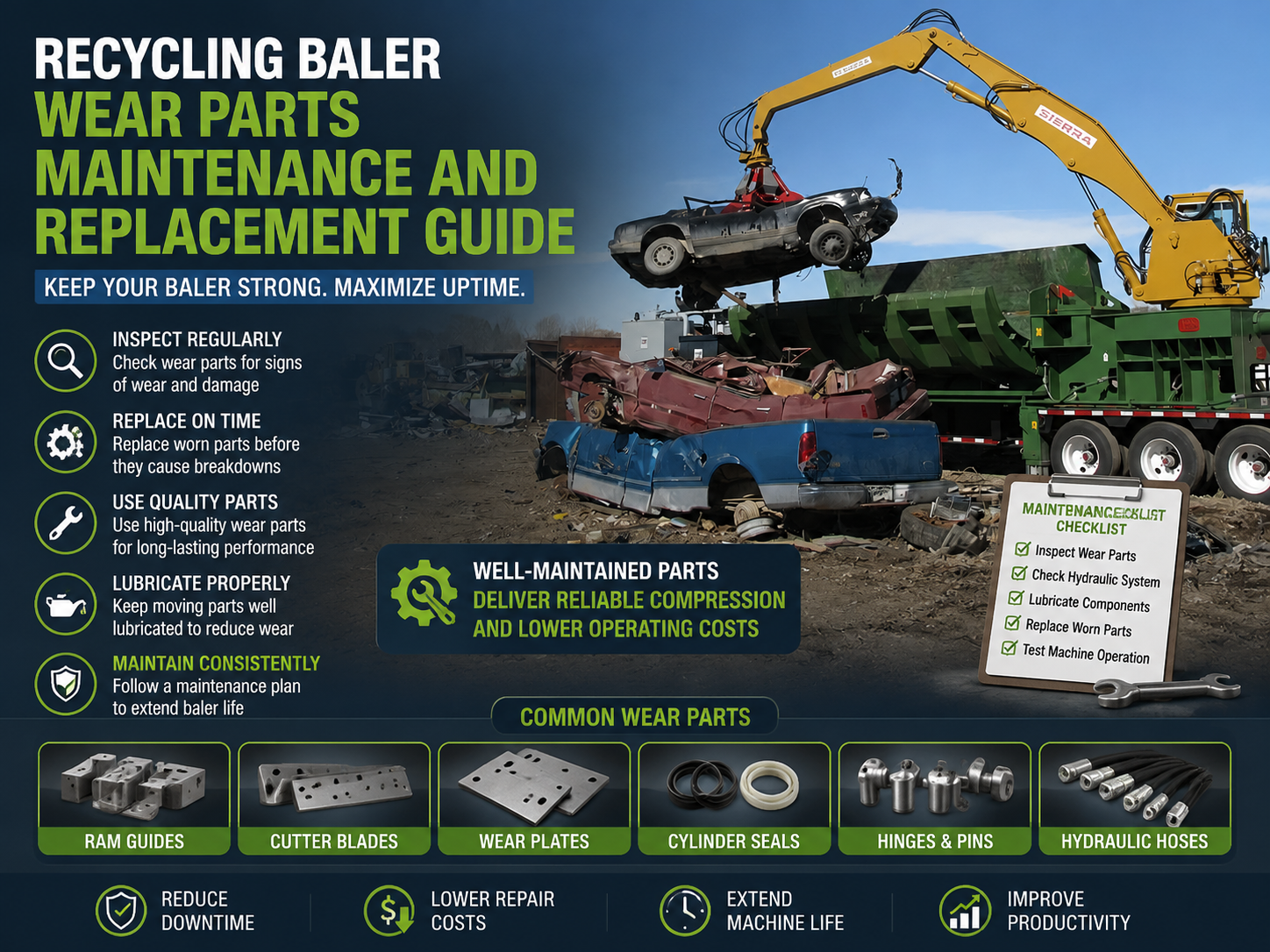
The Critical Role of Maintenance in Recycling Baler Longevity
In the high-intensity world of scrap metal processing and waste management, the recycling baler stands as the workhorse of the facility. Whether you are processing aluminum cans, copper wiring, or heavy steel scrap, the mechanical stress exerted on these machines is immense. Effective Recycling Baler Wear Parts Maintenance and Replacement is not merely a suggestion; it is a fundamental requirement for operational profitability. Without a rigorous maintenance strategy, even the most robust HARSLE baler can succumb to the abrasive nature of the materials it processes, leading to unplanned downtime and astronomical repair costs.
The primary objective of a maintenance program is to ensure that the machine operates at peak efficiency while maintaining the highest safety standards. In a recycling environment, dust, metal shards, and hydraulic contaminants are constant threats. These elements accelerate the wear of critical components such as liner plates, cutting blades, and hydraulic seals. By implementing a proactive approach, operators can identify minor issues before they escalate into catastrophic failures. This guide provides a deep dive into the technical aspects of maintaining these complex machines, ensuring your investment continues to deliver high-density bales for years to come.
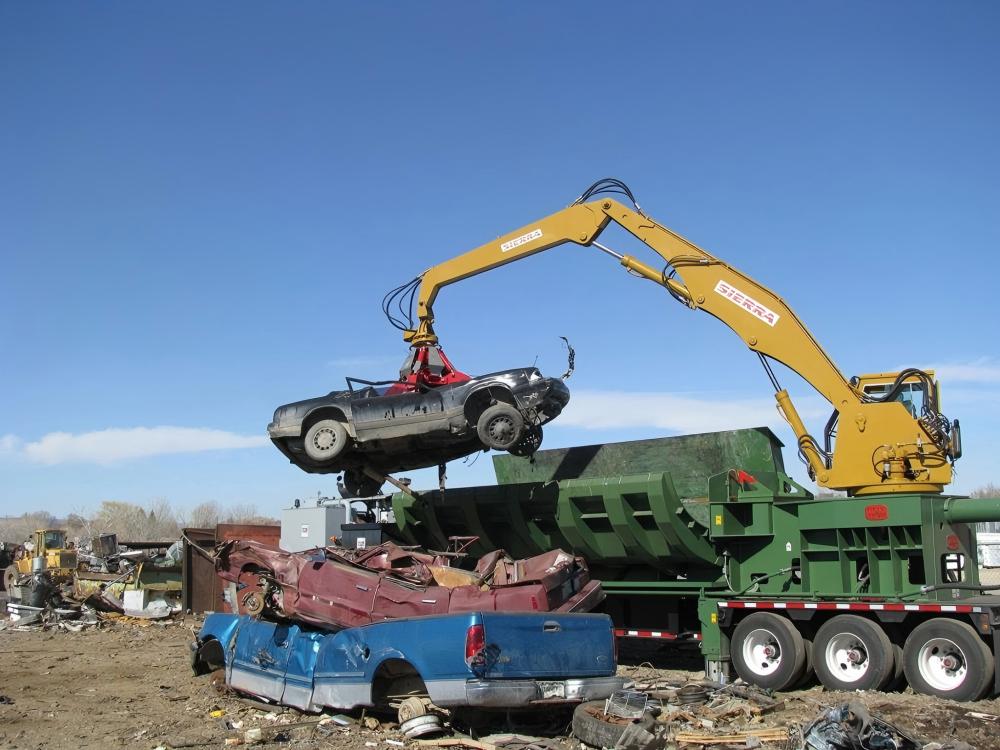
Furthermore, the economic impact of maintenance cannot be overstated. A well-maintained baler consumes less energy, produces more consistent bale weights, and retains a higher resale value. In contrast, a neglected machine often suffers from internal leakage in the hydraulic system, which forces the pump to work harder, increasing electricity consumption and heat generation. This heat, in turn, further degrades the hydraulic oil and seals, creating a destructive cycle that can only be broken by disciplined maintenance and timely part replacement.
Daily Inspection Protocols: The First Line of Defense
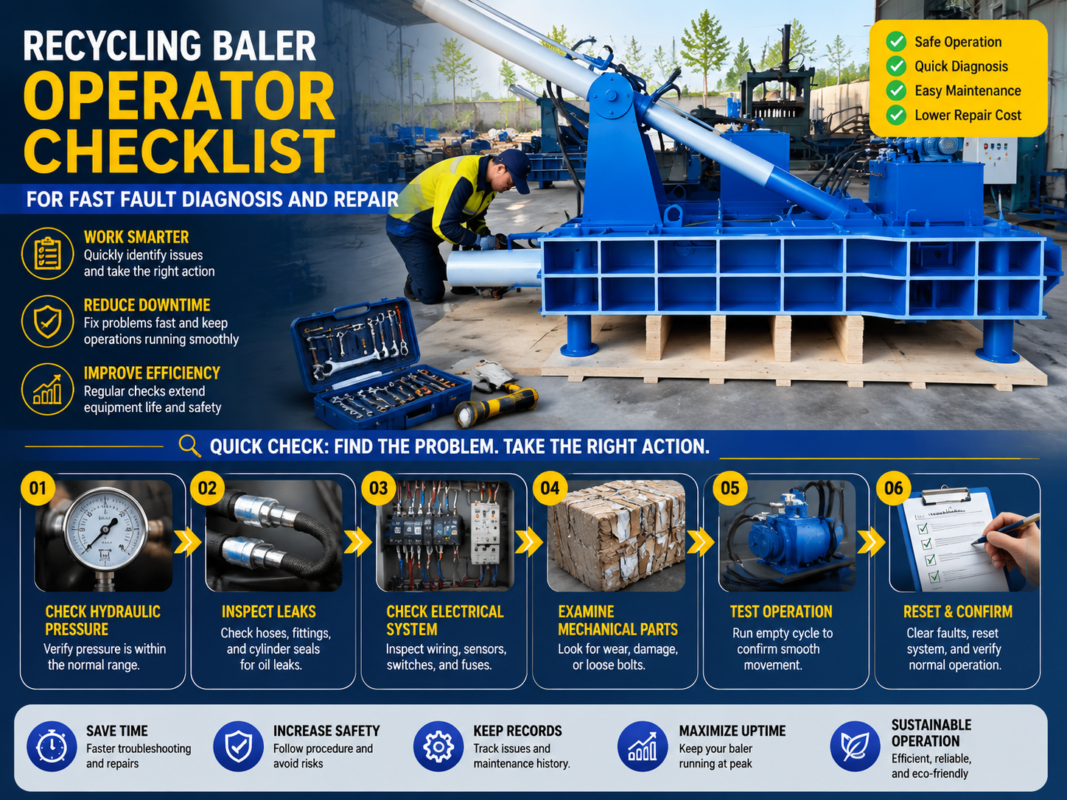
The daily inspection is the most effective tool in an operator’s arsenal. It requires no specialized tools—only a keen eye and a systematic approach. Before the shift begins, the operator should perform a comprehensive walk-around of the machine. This starts with a visual check for any signs of hydraulic fluid leaks. Even a small puddle can indicate a loose fitting or a failing hose that could burst under the high pressures (often exceeding 250 bar) required for metal baling. Checking the floor around the cylinders and the main pump station is essential.
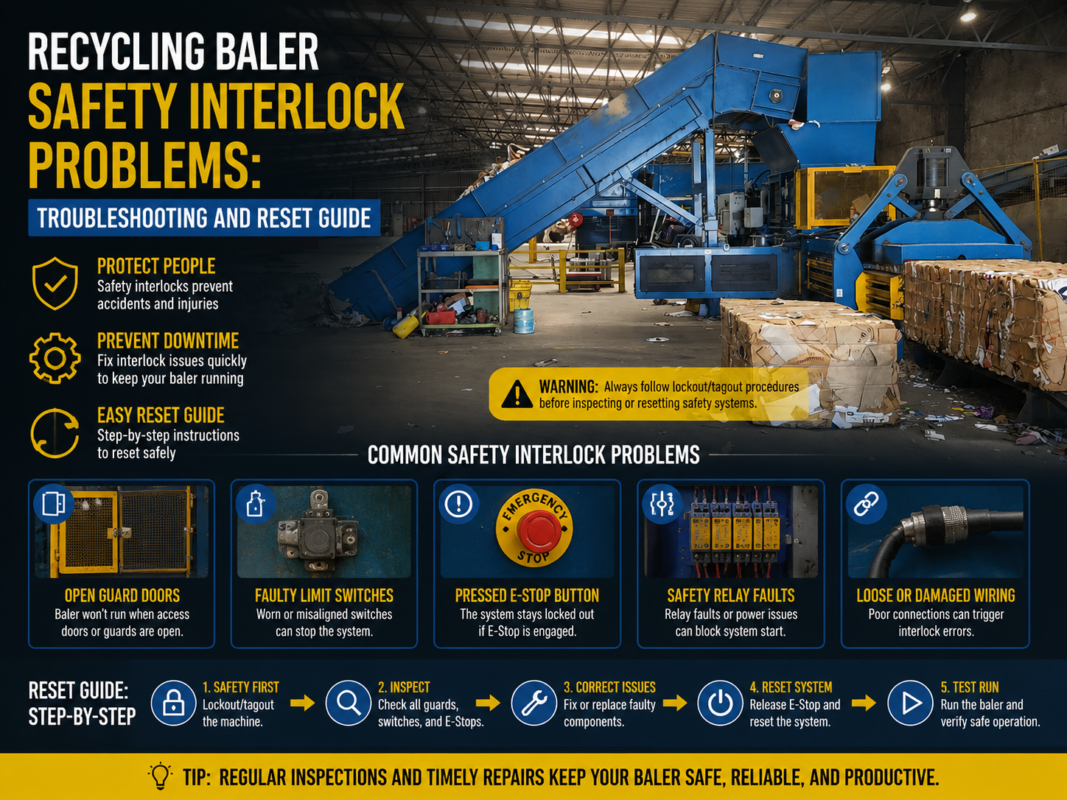
Next, the focus should shift to the baling chamber. It is critical to clear any debris that may have accumulated behind the ram or around the limit switches. Metal fragments can wedge themselves into tight tolerances, causing the ram to misalign or damaging the liner plates. Operators should also inspect the condition of the shear blades. If the blades are dull or have excessive clearance, the baler will struggle to cut through oversized scrap, leading to “jamming” and increased structural stress on the frame. A quick visual check of the safety gates and emergency stop buttons ensures that the machine is safe for operation.
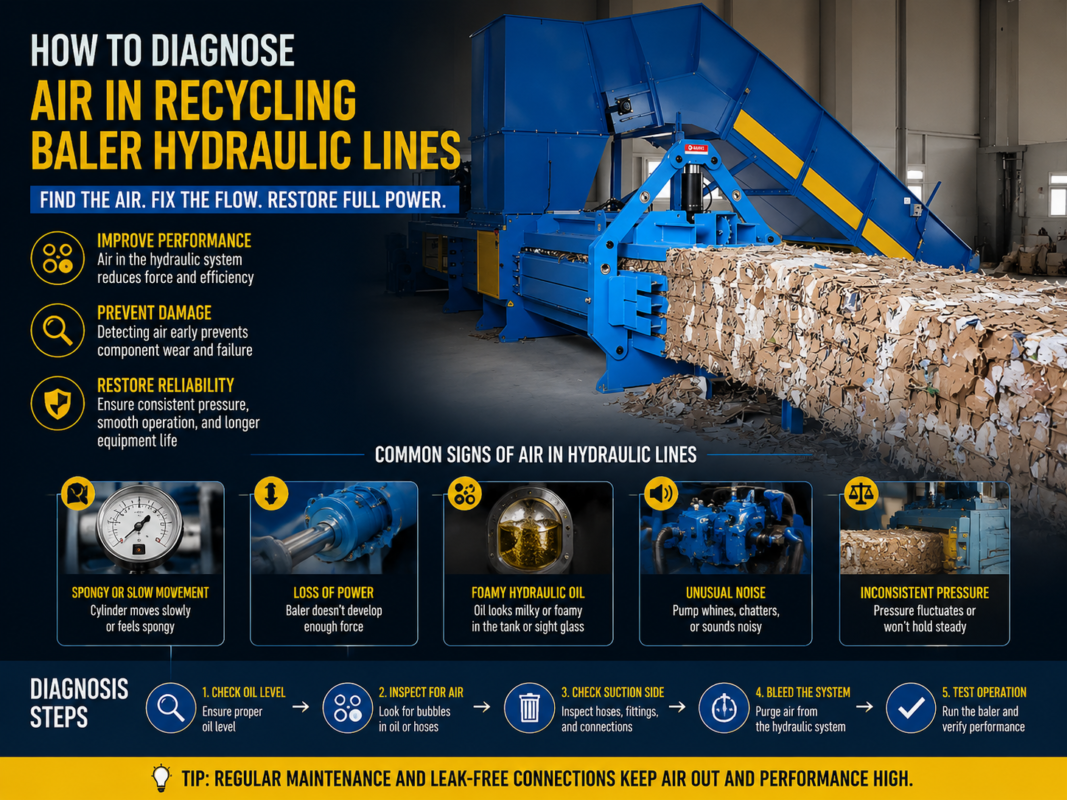
Finally, the daily routine must include monitoring the hydraulic oil level and temperature. Most modern HARSLE balers are equipped with integrated sensors, but manual verification via the sight glass is a reliable backup. If the oil appears milky or dark, it indicates water contamination or oxidation, respectively. Starting the day with these checks ensures that the Recycling Baler Wear Parts Maintenance and Replacement schedule stays on track and that the machine is prepared for the rigors of the day’s production targets.
Hydraulic System Maintenance: The Lifeblood of the Baler
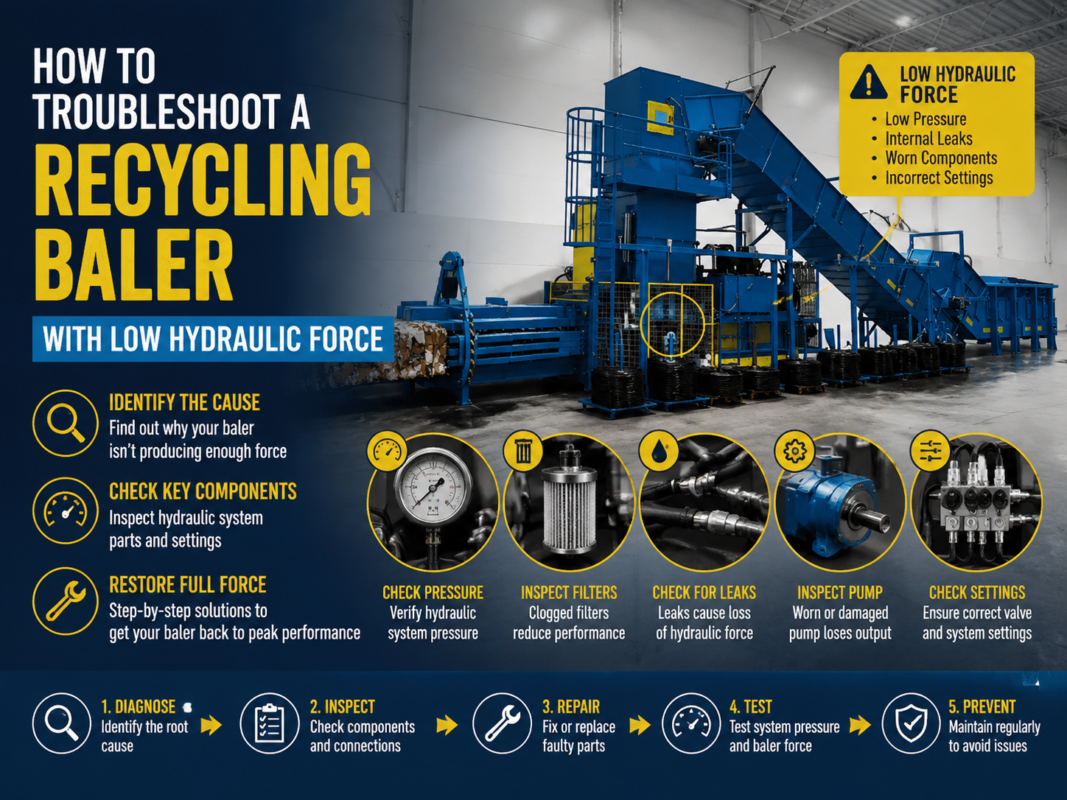
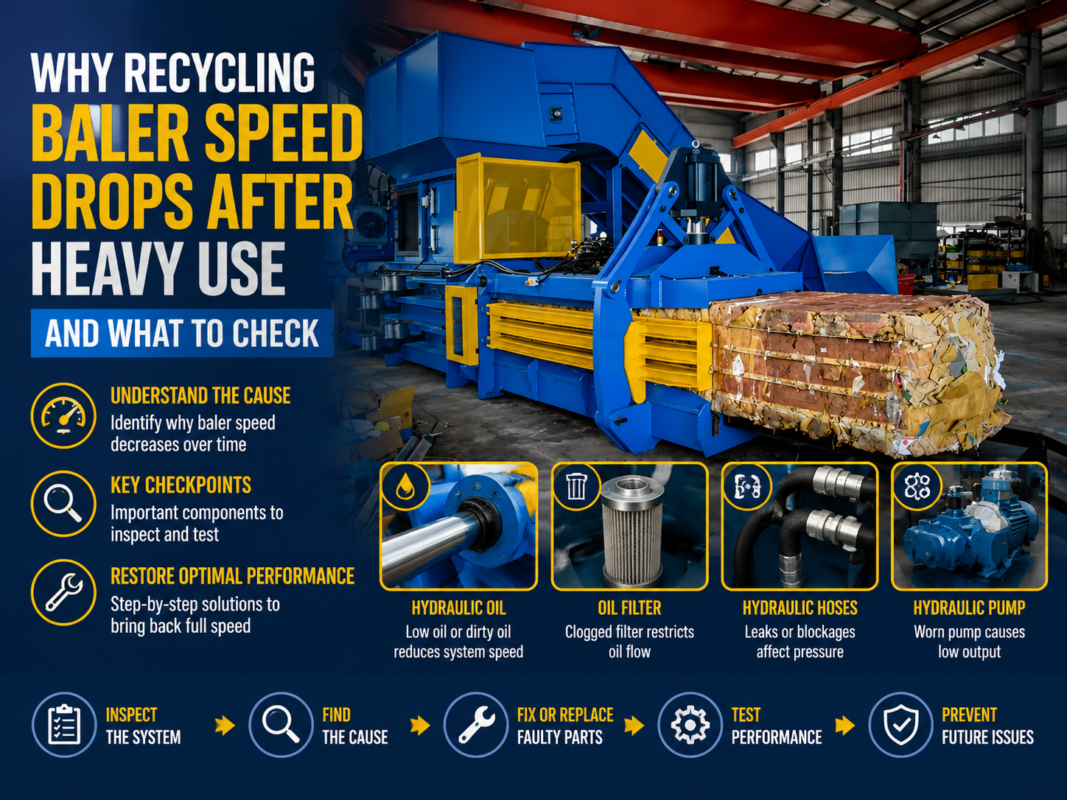
The hydraulic system is the heart of any recycling baler. It converts electrical energy into the massive force required to compress metal. Maintaining this system involves more than just checking oil levels; it requires a deep understanding of fluid dynamics and filtration. The hydraulic oil serves three purposes: power transmission, lubrication of internal components, and cooling. Over time, the oil’s viscosity breaks down due to heat and shear forces. Therefore, regular oil analysis is recommended to determine the exact state of the fluid’s chemical properties.
Filtration is the most critical aspect of hydraulic health. Most failures in hydraulic pumps and valves are caused by microscopic contaminants that act like sandpaper on precision-machined surfaces. High-pressure filters and return-line filters must be replaced according to the manufacturer’s intervals, or sooner if the bypass indicator is triggered. It is also vital to inspect the suction strainer inside the reservoir. A clogged strainer can cause pump cavitation—a phenomenon where air bubbles form and collapse violently, pitting the internal surfaces of the pump and leading to total failure.
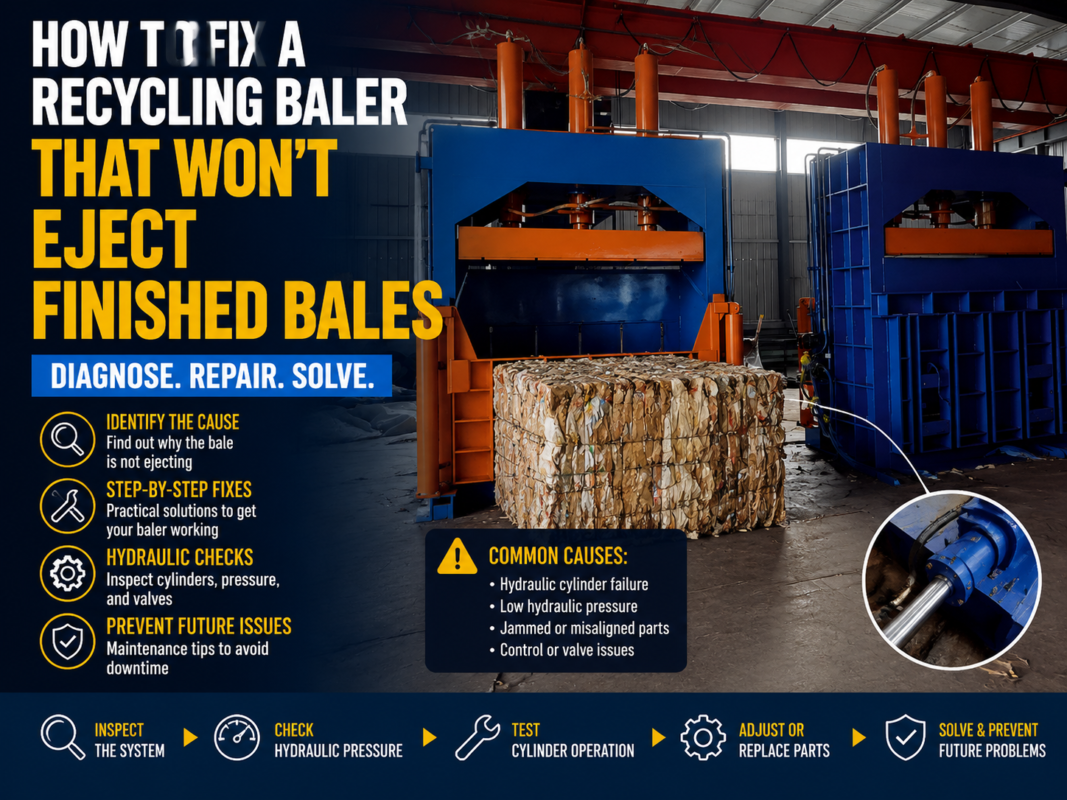
Hoses and seals are the primary wear parts within the hydraulic circuit. Due to the constant pulsing of pressure, hoses eventually fatigue. Any hose showing signs of bulging, cracking, or abrasion should be replaced immediately. Similarly, cylinder seals (the rod and piston seals) are subject to wear from the reciprocating motion of the ram. If you notice “drifting” (where the ram moves slowly when the controls are in neutral) or external leakage around the rod, the seals have likely reached the end of their service life. Replacing these seals promptly prevents damage to the cylinder bore, which is a far more expensive repair.
Electrical and Control System Integrity
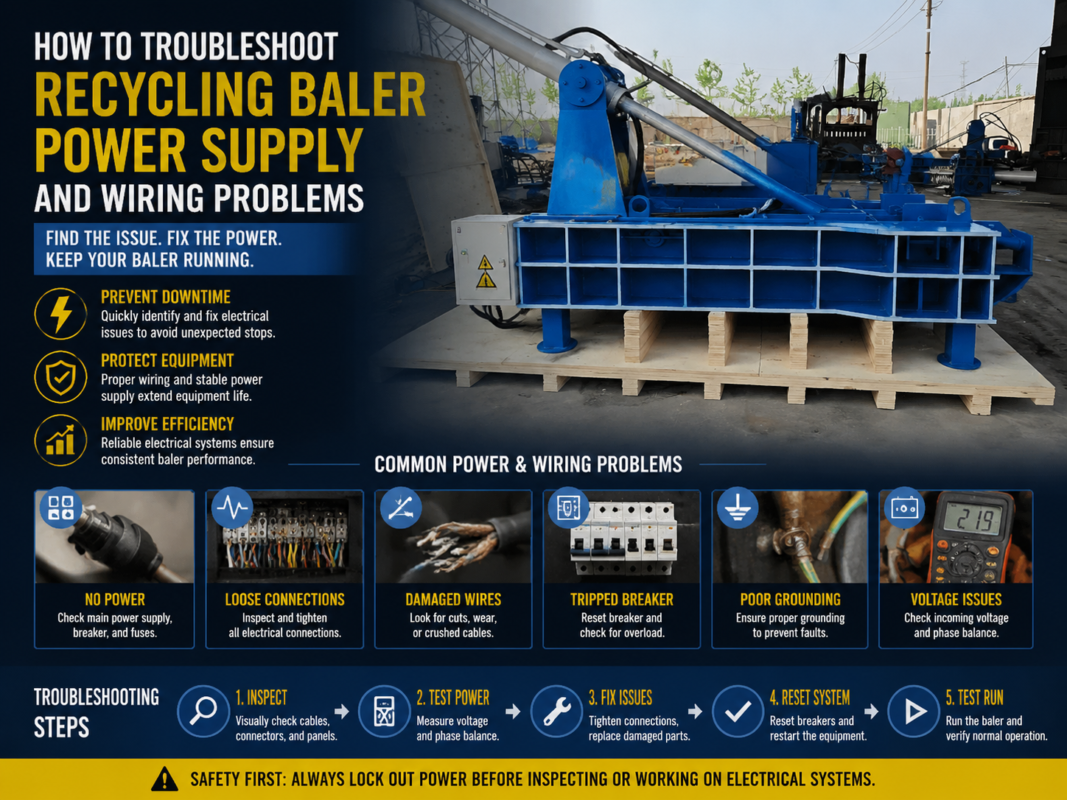
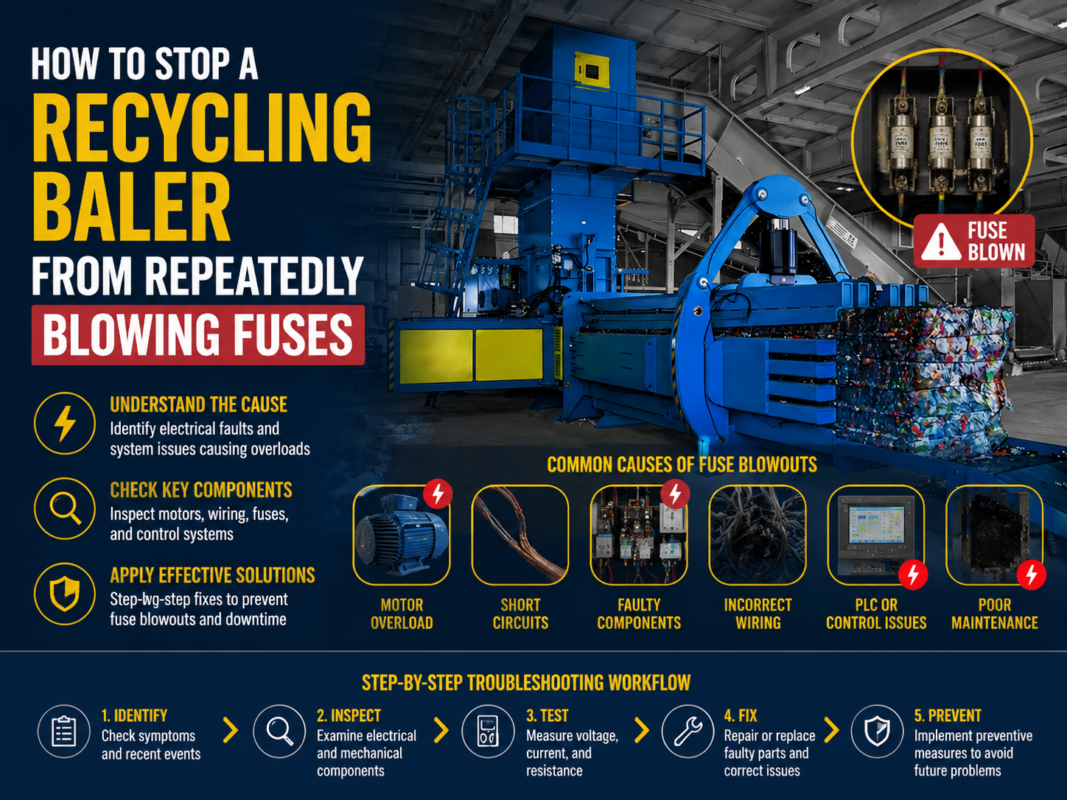
While the mechanical and hydraulic systems do the heavy lifting, the electrical system provides the intelligence. In a recycling facility, vibration is a constant factor that can loosen electrical connections over time. Loose wires in the control panel can lead to intermittent faults, overheating of terminals, and even electrical fires. Monthly inspections should include tightening terminal blocks and checking for any signs of scorched insulation. The PLC (Programmable Logic Controller) and its associated I/O modules should be kept clean and free of metallic dust, which can cause short circuits.
Sensors and limit switches are the “eyes” of the baler. They determine the position of the ram, the door, and the bale ejector. In the harsh environment of scrap processing, these sensors can be knocked out of alignment or covered in grease and dirt. Regular cleaning and calibration of these components are necessary to ensure the machine operates within its designed parameters. For instance, if a limit switch fails to signal that the door is fully closed, the machine may refuse to start, or worse, attempt to cycle with an unsecured door, posing a significant safety risk.
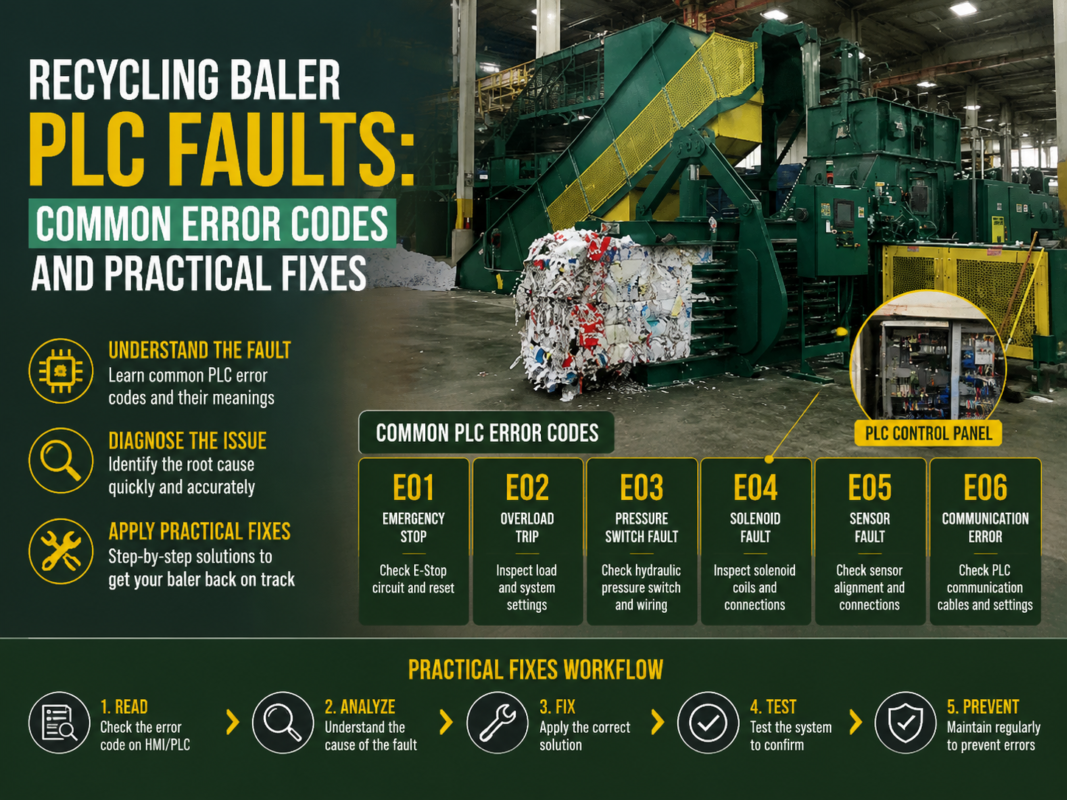
Modern recycling balers often feature HMI (Human Machine Interface) screens that provide real-time diagnostics. Operators should be trained to interpret these codes correctly. Many “mechanical” issues are actually detected first by the electrical system as pressure spikes or cycle-time delays. Keeping the software updated and ensuring that the cooling fans for the electrical cabinet are functional will prevent the sensitive electronics from overheating during the summer months or during high-duty cycle operations.
Mechanical Wear Parts: Liners, Blades, and Guides
The mechanical components of a baler are in direct contact with the scrap material, making them the most frequently replaced items in the Recycling Baler Wear Parts Maintenance and Replacement cycle. The liner plates, typically made from abrasion-resistant steel like Hardox, protect the main structure of the baling chamber. As scrap is compressed, it slides against these plates, gradually thinning them. Once the liners wear down past a certain point, the structural frame of the baler becomes vulnerable. Regular measurement of liner thickness is essential; once they reach 50% of their original thickness, replacement should be planned.
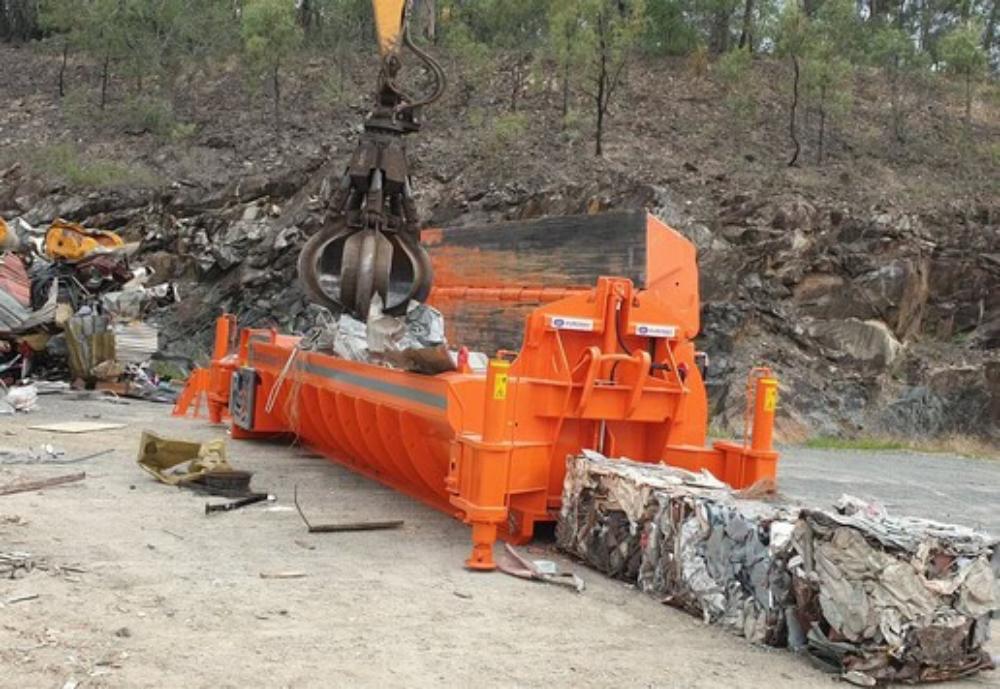
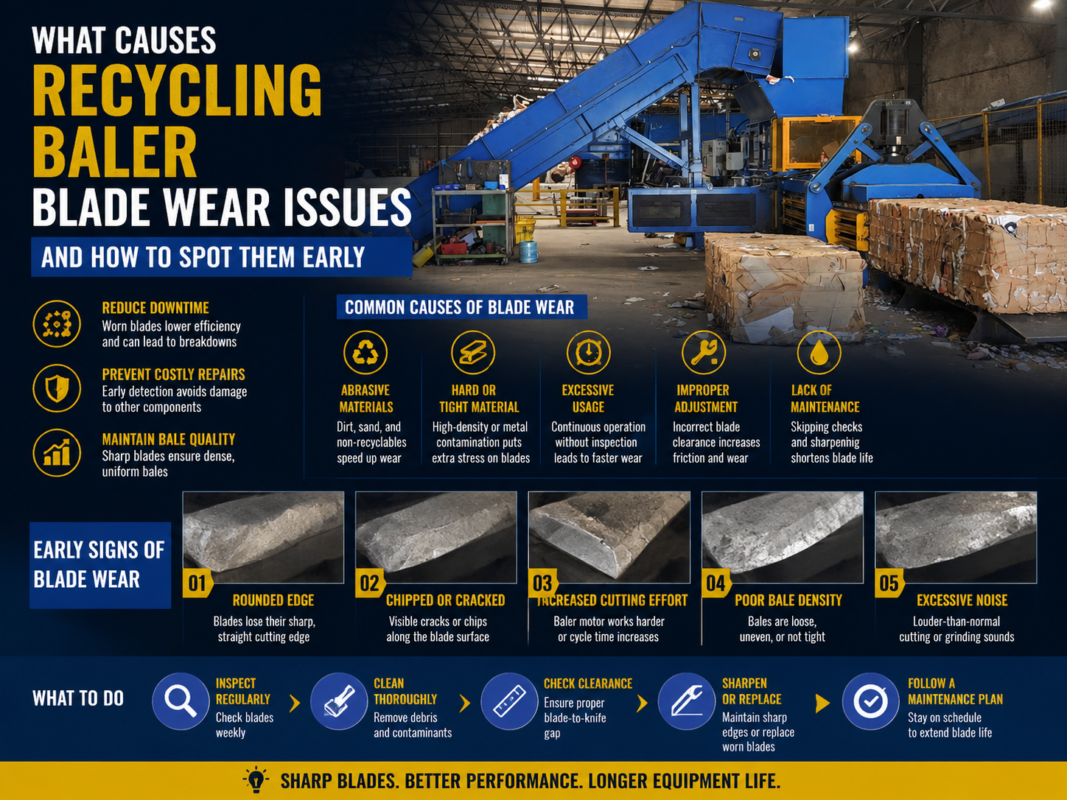
Shear blades are another critical wear component. Their job is to cut through overhanging scrap to ensure the ram can complete its stroke. Dull blades don’t just result in poor cuts; they increase the load on the hydraulic system and the main pivot pins. Most blades are reversible, offering two or four cutting edges. Operators should rotate the blades when the edges become rounded. When all edges are worn, the blades must be replaced or professionally reground. Maintaining the correct gap (clearance) between the moving and stationary blades is equally important to prevent “folding” of the metal rather than shearing.
The ram guide system ensures that the pressing platen moves straight and true. These guides are often made of synthetic wear-resistant materials or bronze alloys. If the guides wear out, the ram can tilt, causing uneven pressure on the cylinder seals and potentially scoring the chamber walls. Checking the “play” or clearance in the ram guides should be a quarterly task. Replacing guide shoes is a relatively simple procedure that prevents the much more complex task of repairing a misaligned ram or a damaged cylinder rod.
The Lubrication Plan: Reducing Friction and Heat
Lubrication is the simplest yet most often neglected aspect of baler maintenance. A proper lubrication plan reduces friction between moving parts, flushes out contaminants, and prevents rust. Most recycling balers have several grease points, including the main pivot pins, the door hinges, and the ram guides. Using the correct type of grease is vital; for heavy-duty recycling equipment, an Extreme Pressure (EP2) lithium-based grease is usually recommended due to its ability to stay in place under high loads.
Many high-end HARSLE balers are equipped with automatic lubrication systems. These systems are excellent for ensuring consistent grease delivery, but they are not “set and forget.” The grease reservoir must be kept full, and the delivery lines must be checked for blockages or breaks. If a line breaks, a critical bearing may receive no lubrication, leading to rapid failure. For machines with manual lubrication points, a strict schedule must be followed—typically every 8 to 40 hours of operation, depending on the component’s load and environment.
Beyond grease, the lubrication of the hydraulic pump’s drive shaft and the motor bearings should not be overlooked. Over-greasing can be just as damaging as under-greasing, as it can blow out seals or cause heat buildup in high-speed bearings. Following the manufacturer’s specifications for the volume of lubricant is key. A well-lubricated machine runs quieter, cooler, and requires significantly less force to move, directly impacting the efficiency of the Recycling Baler Wear Parts Maintenance and Replacement strategy.
Troubleshooting Signals: Identifying Problems Early
A seasoned operator can often “hear” a problem before they see it. Unusual noises are the first signal that something is wrong. A high-pitched squeal from the hydraulic system often indicates aeration or cavitation in the pump. A banging or clunking sound during the ram’s stroke suggests that a liner plate is loose or that a piece of scrap has become wedged in the guide track. Ignoring these sounds is a recipe for disaster. When an unusual noise is detected, the machine should be stopped and inspected immediately.
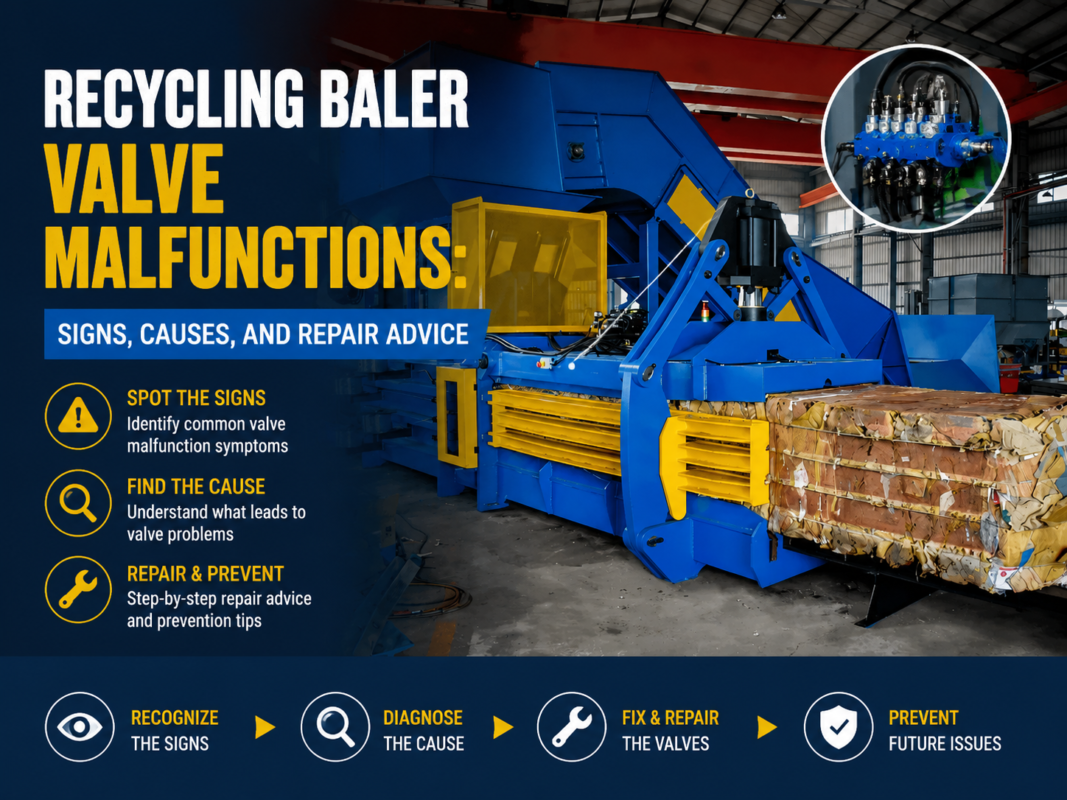
Heat is another major indicator of trouble. While hydraulic systems naturally get warm, they should not exceed 60-65°C (140-150°F). If the oil temperature is consistently high, it could mean the cooling system is failing, the oil is too thin, or there is an internal leak in a valve or cylinder. Using an infrared thermometer to check the temperature of various components can help pinpoint the source of the heat. For example, a hot spot on a hydraulic cylinder often indicates that the internal piston seal is leaking, allowing high-pressure oil to bypass the piston and generate heat through friction.
Slow cycle times are a subtle but clear sign of declining performance. If the baler takes longer to complete a stroke than it did when it was new, it indicates a loss of hydraulic efficiency. This could be due to a worn pump, a leaking valve, or increased mechanical friction from worn guides. By timing the cycles once a month and recording the data, maintenance managers can track the gradual decline and schedule repairs during planned downtime rather than waiting for a total breakdown. This data-driven approach is the hallmark of a professional maintenance program.
Comprehensive Maintenance Schedule Table
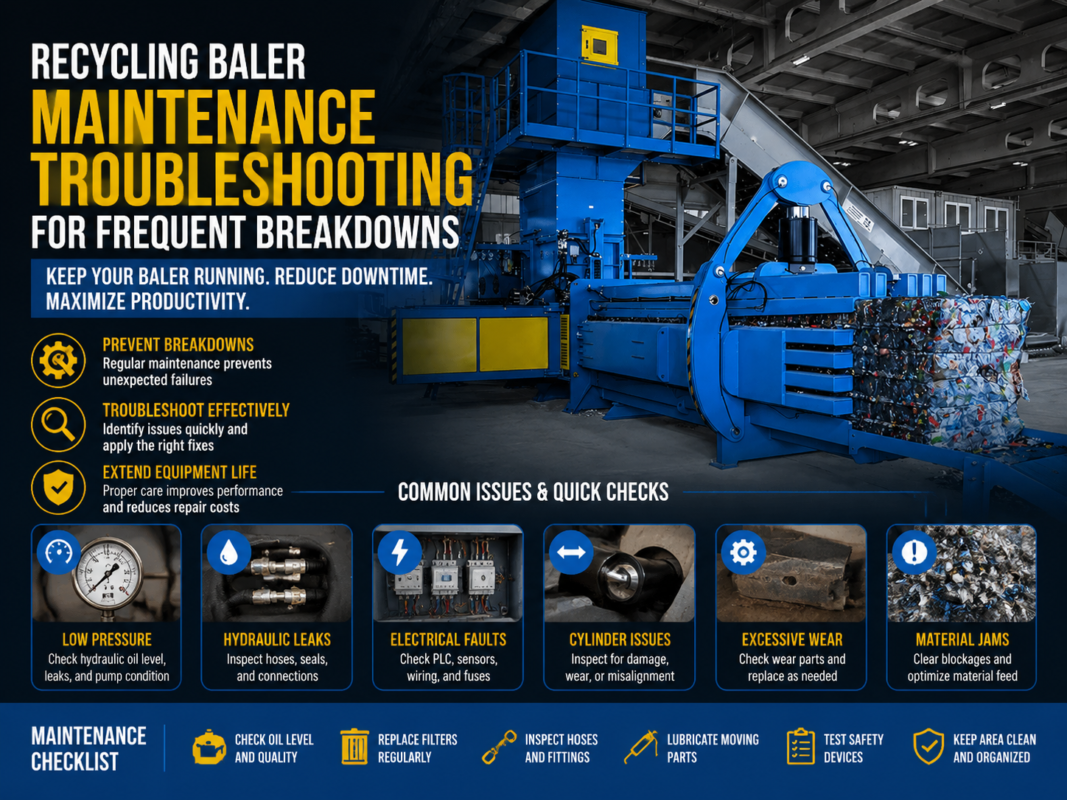
To simplify the Recycling Baler Wear Parts Maintenance and Replacement process, the following table outlines the standard intervals for various tasks. Note that these intervals should be adjusted based on the intensity of your specific operation.
| Frequency | Component | Action Required |
|---|---|---|
| Daily | Hydraulic System | Check oil level, temperature, and inspect for leaks. |
| Daily | Baling Chamber | Clear debris, check shear blade clearance. |
| Daily | Safety Systems | Test E-stops, interlocks, and light curtains. |
| Weekly | Lubrication | Grease all manual points (pins, hinges, guides). |
| Weekly | Hydraulic Hoses | Inspect for abrasion, cracks, or bulging. |
| Monthly | Electrical Panel | Clean dust, tighten terminals, check cooling fans. |
| Monthly | Filters | Check bypass indicators; replace if necessary. |
| Quarterly | Liner Plates | Measure thickness and check mounting bolts. |
| Quarterly | Ram Guides | Check for excessive play and adjust or replace shoes. |
| Bi-Annually | Hydraulic Oil | Perform oil analysis; check for oxidation/contamination. |
| Annually | Structure | Inspect frame welds for stress cracks or fatigue. |
| Annually | Pump/Motor | Check alignment and coupling condition. |
FAQ: Common Questions on Baler Maintenance
How often should I sharpen or replace the shear blades?
The frequency depends entirely on the material being processed. For soft materials like aluminum, blades may last several months. For heavy steel scrap, they may need attention every few weeks. A good rule of thumb is to inspect them daily and rotate/sharpen them as soon as you notice a decrease in cutting quality or an increase in “jamming” incidents.
What is the most common cause of hydraulic pump failure?
Contamination is the leading cause. Microscopic particles in the oil wear down the internal tolerances of the pump, leading to a loss of pressure and eventual seizure. Maintaining clean oil and changing filters regularly is the best way to prevent this. Cavitation due to low oil levels or clogged suction strainers is the second most common cause.
Can I use any hydraulic oil in my HARSLE baler?
No. You must use oil that meets the manufacturer’s specifications, typically an ISO VG 46 or 68 anti-wear (AW) hydraulic oil. Using the wrong viscosity can lead to poor performance in cold weather or inadequate lubrication in hot weather. Always consult your manual before adding or changing oil.
Why is my baler making a loud vibrating noise during the press cycle?
Vibration is often caused by air in the hydraulic system, a misaligned pump-motor coupling, or loose mechanical components like liner plates. Check the oil level first to ensure the pump isn’t sucking in air. If the oil is fine, inspect the mechanical fasteners throughout the machine.
When should I replace the liner plates?
Liner plates should be replaced when they have worn down to about 50% of their original thickness or if they show signs of deep gouging or cracking. Operating with excessively worn liners can lead to permanent deformation of the baler’s main structure, which is extremely difficult and expensive to repair.
Conclusion: Investing in the Future of Your Equipment
Maintaining a recycling baler is a continuous commitment that pays dividends in reliability, safety, and performance. By following a structured Recycling Baler Wear Parts Maintenance and Replacement guide, you transition from a reactive “fix-it-when-it-breaks” mindset to a proactive “prevent-it-from-breaking” strategy. This not only saves money on parts and labor but also ensures that your facility can meet its production quotas without the looming threat of a major breakdown.
At HARSLE, we design our recycling machinery with maintenance in mind, providing easy access to wear parts and integrating advanced diagnostic tools. However, the longevity of the machine ultimately rests in the hands of the operators and maintenance technicians. Through regular inspections, disciplined lubrication, and timely part replacement, your recycling baler will remain a cornerstone of your operations for decades. Remember, in the world of heavy machinery, an ounce of prevention is truly worth a ton of cure.