
Why Your Industrial Shredder Is Vibrating Excessively and How to Correct It

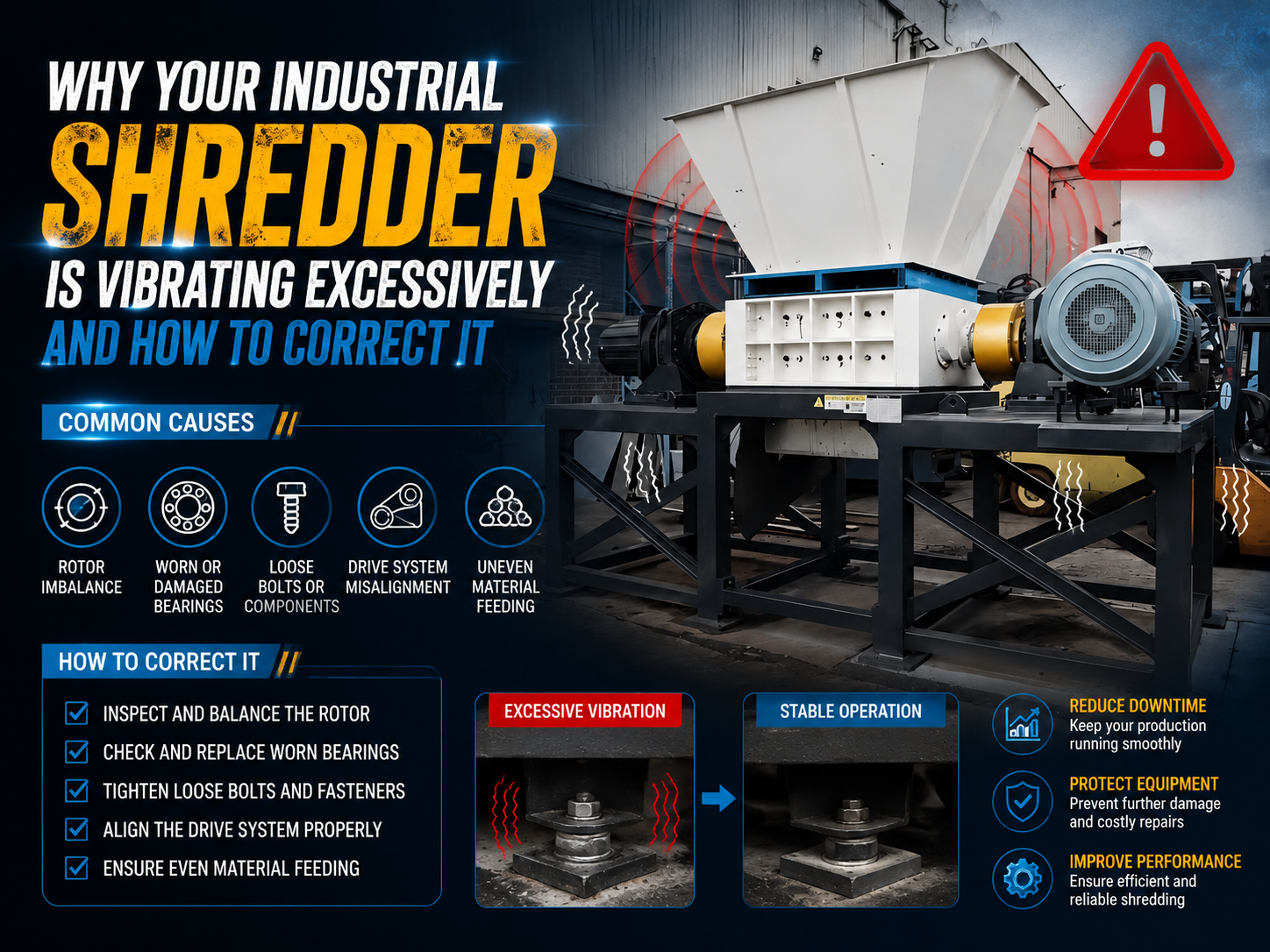
Introduction to Industrial Shredder Stability
In the world of heavy-duty recycling and waste management, the industrial shredder stands as a cornerstone of efficiency. Whether you are processing scrap metal, plastics, or electronic waste, these machines are designed to handle immense stress. However, one of the most common and potentially destructive issues operators face is when an industrial shredder is vibrating excessively. This phenomenon is rarely just a minor annoyance; it is often a critical warning sign that the mechanical integrity of the machine is at risk. Understanding how to correct it is essential for maintaining uptime and protecting your investment.
Excessive vibration in industrial machinery acts like a slow-acting poison. It loosens fasteners, fatigues structural welds, destroys bearings, and can eventually lead to catastrophic shaft failure. For a high-torque machine like a four-shaft or double-shaft shredder, the forces involved are massive. When these forces are not properly balanced or contained, the resulting kinetic energy dissipates through the frame and foundation, leading to the shaking and noise that signal trouble. This guide will delve deep into the root causes of these vibrations and provide actionable technical solutions to ensure your equipment runs smoothly.
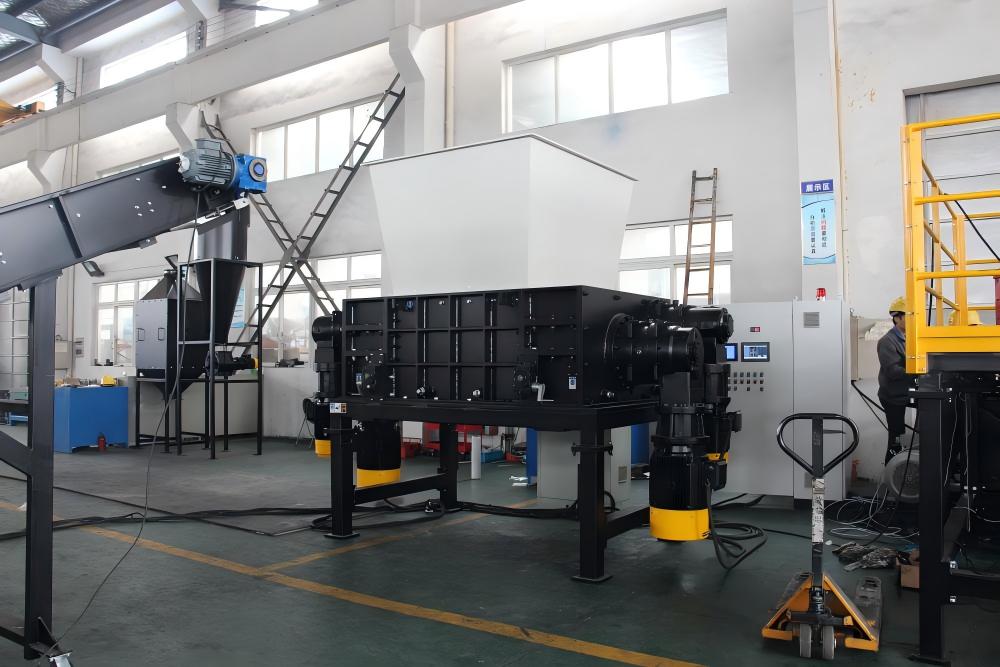
At HARSLE, we emphasize that a well-maintained shredder is a profitable shredder. Vibration issues often stem from a combination of operational wear and tear and neglected maintenance schedules. By identifying the specific frequency and source of the vibration, maintenance teams can move from reactive repairs to proactive optimization. In the following sections, we will explore the key considerations, technical mechanics, and selection criteria that define the modern approach to industrial shredder stability.
Key Considerations: Why Vibration Occurs
The first step in addressing a vibrating shredder is identifying the primary catalyst. Vibration is essentially an oscillation caused by an imbalance of forces. In an industrial shredder, this usually originates from the rotating assembly—the rotor, blades, and spacers. If the mass of the rotor is not perfectly distributed around its center of rotation, centrifugal force will pull the shaft outward in a rhythmic pulse, creating what we perceive as vibration.
One of the most frequent causes is uneven blade wear. Industrial shredders operate in harsh environments where they encounter abrasive materials. Over time, blades on one side of the rotor may wear down faster than others, or a single blade might chip after hitting a non-shreddable object (like a thick piece of hardened steel). This minor weight discrepancy, when rotating at high speeds or under high torque, creates a significant imbalance. Regular inspection of the cutting chamber is the only way to catch these discrepancies before they escalate into structural issues.
Another critical consideration is the accumulation of material. In many recycling applications, sticky or wet materials can adhere to the rotor or the interior of the shredder housing. If this material buildup is asymmetrical, it adds “dead weight” to specific points on the rotor. This is particularly common in plastic recycling or organic waste processing. A shredder that was perfectly balanced at the factory can become a vibrating mess simply because it hasn’t been cleaned properly at the end of a shift.
Structural integrity and foundation stability also play a massive role. An industrial shredder generates immense torque. If the mounting bolts that secure the machine to the floor or its sub-frame have loosened, the machine will begin to “walk” or rock. This movement amplifies the internal vibrations of the motor and gearbox, creating a resonance loop. Operators must ensure that the foundation is not only level but also capable of dampening the specific frequencies generated by the machine’s operation.
Technical Details: The Mechanics of Vibration
To truly understand why an industrial shredder is vibrating excessively and how to correct it, we must look at the technical components. The drivetrain of a shredder consists of a motor, a coupling or belt drive, a gearbox, and the rotor shafts. Any misalignment between these components will manifest as vibration. For instance, if the motor shaft and the gearbox input shaft are not perfectly collinear, the coupling will have to compensate for the offset during every rotation, leading to a high-frequency vibration that can destroy seals and bearings.
Bearings are the silent heroes of shredder stability. They are designed to support the rotating shafts with minimal friction. However, once a bearing begins to fail—due to lack of lubrication, contamination, or simple fatigue—the shaft will no longer rotate on a true axis. This “play” or clearance in the bearing housing allows the shaft to wobble. Technical diagnostics, such as vibration analysis using accelerometers, can identify the specific signature of a failing bearing, allowing for replacement before the shaft itself is scored or bent.
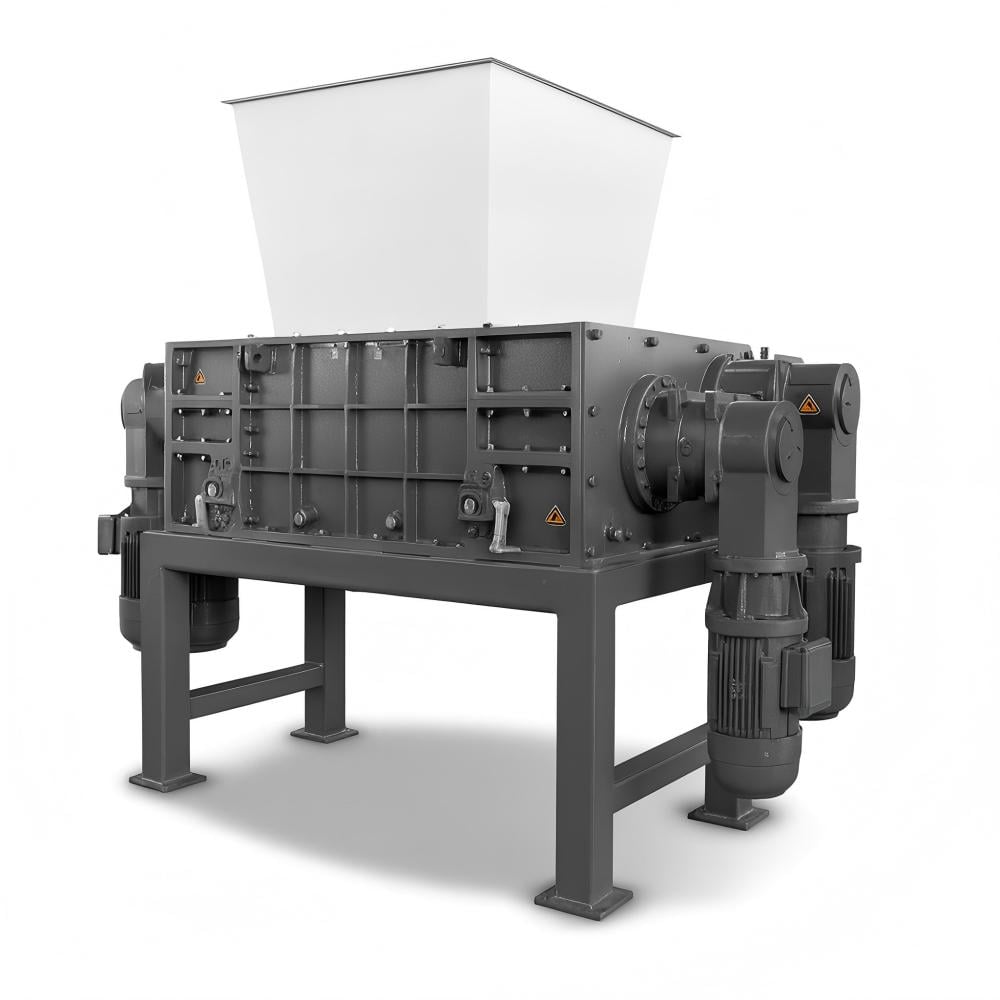
Resonance is another technical factor that is often overlooked. Every structure has a natural frequency. If the operating speed of the shredder (or a harmonic of that speed) matches the natural frequency of the frame or the supporting platform, the vibrations will be amplified exponentially. This is known as mechanical resonance. Correcting this often requires either changing the operating speed via a Variable Frequency Drive (VFD) or stiffening the machine’s frame to shift its natural frequency away from the operating range.
Common Causes of Vibration and Their Solutions
| Symptom | Potential Root Cause | Recommended Correction |
|---|---|---|
| High-frequency buzzing | Motor or gearbox misalignment | Perform laser alignment of the drivetrain. |
| Rhythmic thumping | Damaged or missing rotor blade | Inspect and replace the cutting set in balanced pairs. |
| Low-frequency swaying | Loose foundation bolts or weak floor | Tighten all anchor bolts and grout the base if necessary. |
| Grinding noise with vibration | Bearing failure | Replace bearings and check lubrication systems. |
| Intermittent shaking | Material wrapping around the shaft | Clear the cutting chamber and check scraper functionality. |
Selection Advice: Choosing a Stable Shredder
When purchasing new equipment, preventing future vibration issues starts with the selection process. Not all shredders are built equal. A high-quality machine, such as those manufactured by HARSLE, incorporates design features specifically intended to minimize vibration and maximize structural rigidity. When evaluating a machine, the first thing to look at is the frame construction. A heavy, welded steel plate frame is far superior to a bolted or thin-gauge frame, as the mass of the steel helps absorb and dampen kinetic energy.
The quality of the rotor is equally paramount. Look for rotors that have been dynamically balanced at the factory. A dynamically balanced rotor has been tested at its operating RPM to ensure that mass is distributed evenly. Furthermore, consider the shaft diameter and material. Larger diameter shafts made from high-alloy steel are less likely to flex under load. Shaft flex is a major contributor to vibration in lower-end machines, especially when processing dense materials like metal or thick rubber.
Another selection tip is to look for advanced damping features. Some modern shredders use shock-absorbing motor mounts or flexible couplings that isolate the gearbox from the shocks of the cutting chamber. Additionally, check the bearing housing design. Outboard bearings—where the bearings are located outside the cutting chamber—are preferable because they are protected from dust and heat, which are the primary killers of bearing health. Choosing a machine with an integrated lubrication system also ensures that critical components stay cool and friction-free, reducing the risk of vibration-inducing wear.
Finally, consider the control system. A shredder equipped with an intelligent PLC (Programmable Logic Controller) can detect over-torque conditions and automatically reverse the shafts. This prevents the machine from “shuddering” when it encounters an unshreddable object. By reversing and re-feeding, the machine maintains a steady rhythm, avoiding the violent vibrations associated with stalling or jamming. HARSLE machines often feature these smart sensing technologies to protect the mechanical drivetrain from unnecessary stress.
Step-by-Step Guide to Correcting Excessive Vibration
If your industrial shredder is vibrating excessively, follow this systematic approach to correct it. Do not continue operation until the source is identified, as prolonged vibration can lead to expensive secondary damage.
- Immediate Shutdown and Lockout: Safety is the priority. Power down the machine and follow all Lockout/Tagout (LOTO) procedures before beginning any inspection.
- Clean the Cutting Chamber: Remove all residual material from the blades, spacers, and shafts. Use a pressure washer or compressed air if necessary to ensure no hidden debris is causing an imbalance.
- Inspect the Cutting Tools: Check every blade for chips, cracks, or excessive wear. If you find damaged blades, replace them. Crucially, if you replace a blade on one side, replace the corresponding blade on the opposite side to maintain rotational balance.
- Check Fasteners and Anchors: Use a torque wrench to verify that all motor mount bolts, gearbox bolts, and foundation anchors are tightened to the manufacturer’s specifications. Even a slightly loose bolt can allow for micro-movements that escalate into major vibrations.
- Evaluate the Drivetrain Alignment: Use a dial indicator or a laser alignment tool to check the coupling between the motor and gearbox. If the alignment is off by even a fraction of a millimeter, it must be shimmed and corrected.
- Inspect Bearings and Lubrication: Check for signs of heat discoloration or metal shavings near the bearing housings. Ensure the auto-lubrication system is functioning and that the correct grade of grease is being used.
- Test Run and Monitor: Once corrections are made, run the machine empty. Use a handheld vibration meter to take readings at various points on the frame. If the vibration persists, the issue may be internal to the gearbox or a bent shaft, requiring professional service.
Frequently Asked Questions (FAQ)
1. How much vibration is considered “normal” for an industrial shredder?
While all shredders produce some level of vibration due to the nature of tearing material, it should never be enough to cause the machine to move on its floor or create a deafening, metallic rattling. Normal vibration is a steady, low-level hum. If you see visible shaking of the frame or hear intermittent “clunking,” the vibration is excessive.
2. Can a dull blade cause the shredder to vibrate?
Yes, absolutely. Dull blades do not cut cleanly; they grab and tear at the material, which puts uneven loads on the shaft. This “stuttering” effect as the blade struggles to penetrate the material creates significant vibration and stress on the motor.
3. Why does my shredder vibrate more when it’s cold?
This is often due to the viscosity of the lubricants in the gearbox and bearings. Cold grease or oil does not flow as well, leading to higher friction until the machine reaches operating temperature. However, if the vibration is severe, it may indicate that the lubricant is not suitable for your climate or that there is moisture contamination in the oil.
4. Is it possible to balance a shredder rotor on-site?
Minor balancing can sometimes be done by replacing blades or cleaning the rotor. However, if the shaft itself is imbalanced or bent, it usually requires specialized dynamic balancing equipment. In many cases, it is more cost-effective to send the rotor to a specialized machine shop or replace it entirely.
5. How often should I check the alignment of my shredder?
For high-production environments, a quick visual inspection should be done weekly, with a formal alignment check performed every six months or whenever the motor or gearbox is serviced. Regular checks prevent the “domino effect” where one misaligned component destroys several others.
Conclusion: Maintaining Peak Performance
Addressing the issue of an industrial shredder vibrating excessively is a fundamental part of professional plant management. By understanding the mechanics of balance, the importance of alignment, and the necessity of sharp cutting tools, you can significantly extend the lifespan of your equipment. Vibration is the language of the machine; it tells you when something is wrong. Ignoring it leads to downtime, while listening to it and knowing how to correct it leads to a more efficient, safer, and more profitable operation.
At HARSLE, we are committed to providing not only the highest quality metal fabrication and recycling equipment but also the technical knowledge required to keep that equipment running at peak performance. Whether you are in the market for a new four-shaft shredder or looking to optimize your current setup, remember that stability is the foundation of productivity. Regular maintenance, proper selection, and a proactive approach to troubleshooting will ensure that your industrial shredder remains a reliable asset for years to come. Don’t let excessive vibration shake your bottom line—take action today to stabilize your process.


