Industrial Shredder Overheating Problems: Troubleshooting Steps for Faster Operation

Introduction to Industrial Shredder Thermal Management
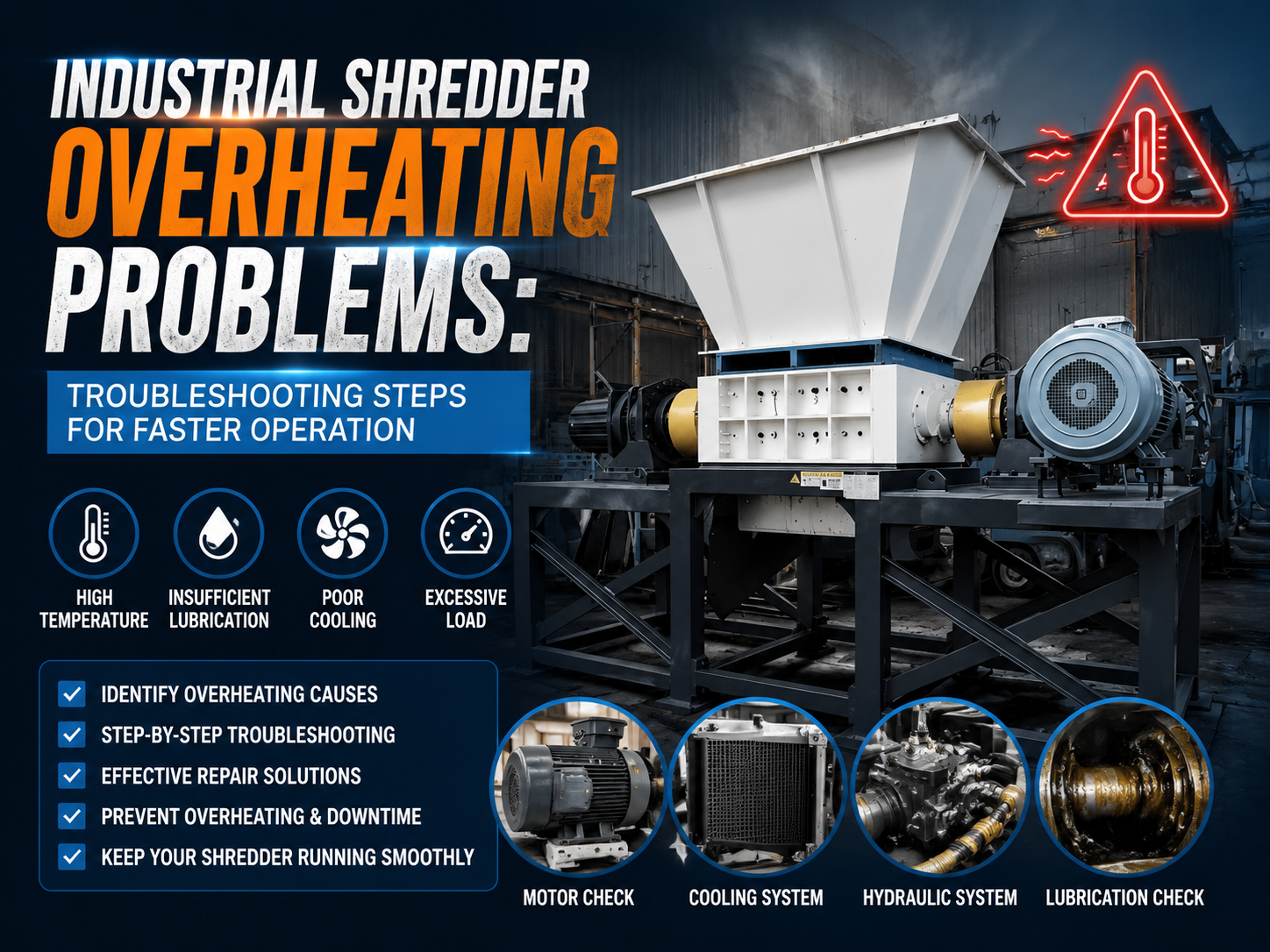
In the high-demand world of metal fabrication and waste recycling, the industrial shredder stands as a cornerstone of efficiency. These robust machines are designed to tear through everything from aluminum scrap to heavy-duty plastics. However, the sheer mechanical force required for these operations generates significant thermal energy. When this heat is not managed correctly, operators face Industrial Shredder Overheating Problems: Troubleshooting Steps Faster Operation becomes the primary focus to prevent costly downtime and equipment failure.
Overheating is more than just a minor inconvenience; it is a symptom of underlying mechanical or operational inefficiencies. If left unaddressed, excessive heat can lead to the degradation of hydraulic fluids, the warping of cutting blades, and even catastrophic motor failure. For companies utilizing HARSLE equipment, understanding the thermal limits of your machinery is essential for maintaining a competitive edge. This article provides an in-depth look at why shredders overheat and offers a systematic approach to troubleshooting these issues to ensure your facility runs at peak performance.
The goal of any high-volume processing facility is throughput. When a machine enters a thermal shutdown state, the entire production line grinds to a halt. By mastering the troubleshooting steps outlined here, maintenance teams can transition from reactive repairs to proactive optimization. We will explore the technical nuances of heat dissipation, the impact of material selection on thermal load, and the specific engineering features that make HARSLE shredders resilient against high-temperature environments.
Key Considerations: Why Industrial Shredders Overheat
Understanding the root causes of heat accumulation is the first step in effective troubleshooting. Industrial shredders operate on the principle of high torque and relatively low speed, but the friction generated at the cutting interface is immense. Several factors contribute to the rise in operating temperatures, and identifying which one is at play requires a keen eye for detail.
One of the most common culprits is material overload. Every shredder has a rated capacity, often defined by the density and hardness of the input material. When operators attempt to push the machine beyond these limits to increase short-term output, the motor must draw more current, leading to electrical heating. Simultaneously, the physical resistance of the material increases friction against the blades and the chamber walls, creating a dual-source heating problem. This is why monitoring the amperage draw is a critical part of diagnosing Industrial Shredder Overheating Problems: Troubleshooting Steps Faster Operation.
Environmental factors also play a significant role. In many recycling facilities, shredders are located in non-climate-controlled environments. During summer months or in tropical climates, the ambient temperature reduces the effectiveness of the machine’s natural cooling systems. If the shredder is placed in a confined space with poor airflow, the heat radiated by the motor and gearbox has nowhere to go, creating a localized greenhouse effect that rapidly elevates the machine’s internal temperature.
Furthermore, the condition of the cutting components cannot be overlooked. Dull blades do not cut; they tear and grind. This inefficient action requires significantly more energy and generates far more friction than sharp, well-maintained blades. As the blades wear down, the ‘clearance’ between the cutting edges and the counter-knives may change, leading to material jamming or ‘rubbing,’ both of which are primary drivers of thermal spikes. Regular inspection of blade sharpness is a non-negotiable aspect of thermal management.
Technical Details of Shredder Cooling and Drive Systems
To effectively troubleshoot overheating, one must understand the technical architecture of the shredder’s drive and cooling systems. Most industrial shredders utilize either an electric motor with a gearbox or a hydraulic drive system. Each has unique thermal characteristics and failure points. Electric drives rely heavily on internal fans and external heat sinks, while hydraulic systems use oil as a heat transfer medium, which is then cooled via a radiator or heat exchanger.
In an electric drive system, the gearbox is a critical point of interest. The gears are submerged in oil that serves both as a lubricant and a coolant. If the oil level is too low, friction increases; if it is too high, the gears must ‘churn’ through the excess fluid, which actually generates more heat through fluid friction. The viscosity of the oil must also be matched to the operating temperature. Using oil that is too thin at high temperatures will fail to provide an adequate protective film, leading to metal-on-metal contact and rapid heat buildup.
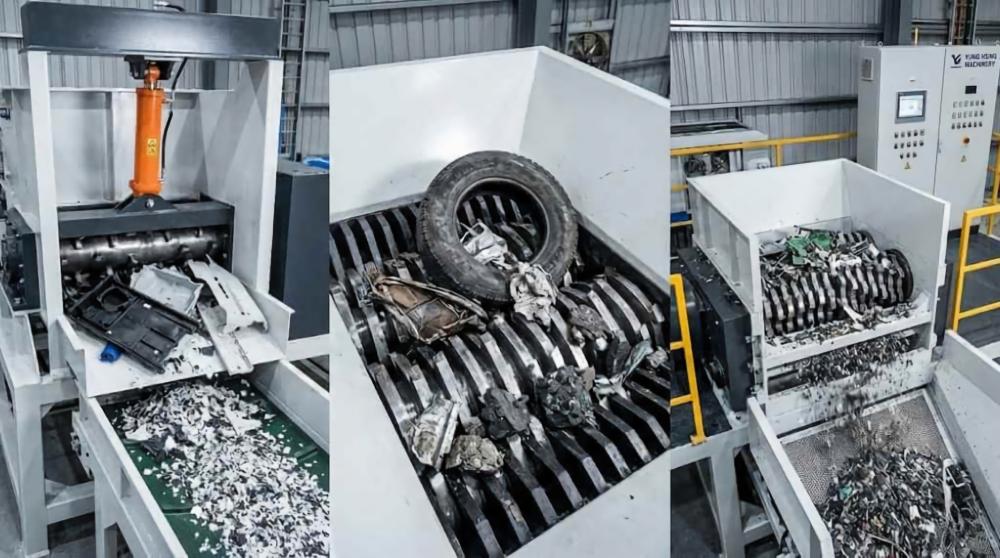
Hydraulic shredders face a different set of challenges. The hydraulic fluid is the lifeblood of the machine. As the pump forces fluid through valves and motors, the pressure drops naturally generate heat. A well-designed HARSLE hydraulic shredder includes a high-capacity cooling circuit. However, if the cooling fins on the radiator become clogged with dust or debris—a common occurrence in recycling plants—the system’s ability to shed heat is compromised. Monitoring the hydraulic oil temperature is the most direct way to gauge the health of these systems.
Another technical aspect is the ‘duty cycle’ of the motor. Industrial motors are rated for specific run times. If a machine rated for a 70% duty cycle is run at 100% for extended periods, the internal windings will eventually exceed their insulation temperature rating. This doesn’t just cause a temporary shutdown; it permanently degrades the motor’s lifespan. Modern shredders often incorporate PTC (Positive Temperature Coefficient) thermistors in the motor windings to provide real-time data to the control PLC, allowing for automated load shedding before damage occurs.
Troubleshooting Steps for Faster Operation
When a shredder begins to overheat, a systematic approach to troubleshooting is required to minimize downtime. Follow these steps to identify and resolve the issue efficiently:
Step 1: Immediate Load Assessment
The first response to an overheating alarm should be to check the current material feed. Is the material denser than usual? Are the pieces too large for the hopper? Reducing the feed rate or pre-sorting the material can often bring temperatures back within the safe zone without stopping the machine entirely. Check the control panel for amperage spikes that correlate with specific material types.
Step 2: Inspect the Cooling Infrastructure
For electric shredders, ensure that the motor’s cooling fan is operational and that the air intake vents are not blocked by plastic film or dust. For hydraulic models, inspect the oil cooler. Use compressed air to blow out any debris from the radiator fins. Check that the cooling fans are spinning at the correct RPM and that there are no kinks in the hydraulic hoses that could be causing restrictive flow and localized heating.
Step 3: Lubrication and Fluid Check
Verify the levels and condition of all lubricants. Gearbox oil should be clear and free of a burnt smell. If the oil appears milky, it may be contaminated with water; if it is dark and gritty, it contains metal particles from wear. In hydraulic systems, check the fluid level in the reservoir. Low fluid levels mean the oil has less time to ‘rest’ and cool down in the tank before being pumped back through the system.
Step 4: Blade and Shaft Alignment
Shut down and lock out the machine to inspect the cutting chamber. Look for ‘material wrapping’—where flexible materials like wire or plastic film wrap around the shafts. This creates immense friction and prevents heat from escaping the shaft assembly. Additionally, check the gap between the blades. If the blades have shifted or worn unevenly, the increased friction will manifest as heat long before the blades actually fail.
Step 5: Electrical System Audit
Sometimes the ‘overheating’ is actually an electrical fault. Loose connections in the terminal box can create high-resistance points that generate heat and trip thermal sensors. Ensure all power cables are properly seated and that the voltage supplied to the machine is stable. Under-voltage causes motors to draw more current to maintain torque, which is a primary cause of motor overheating.
Selection Advice: Choosing a Shredder That Stays Cool
When purchasing a new industrial shredder, preventing Industrial Shredder Overheating Problems: Troubleshooting Steps Faster Operation starts with the selection process. Not all shredders are built to handle the same thermal loads. Here are the key features to look for in a HARSLE shredder or any high-quality industrial unit:
- Over-Sized Cooling Systems: Look for machines that offer ‘tropicalized’ cooling packages or oversized hydraulic reservoirs. These provide a larger thermal buffer for hot environments.
- Advanced PLC Monitoring: A good shredder should have integrated sensors for motor temperature, gearbox oil temperature, and hydraulic pressure. The PLC should be programmed to provide ‘warning’ levels before reaching ‘shutdown’ levels, allowing operators to adjust the feed rate proactively.
- High-Torque, Low-Speed Engineering: Shredders that achieve their cutting force through superior gear reduction rather than high motor RPM tend to run cooler. This design minimizes the kinetic energy lost to heat.
- Ease of Maintenance: A machine that is easy to clean is a machine that stays cool. Look for designs that allow quick access to the radiator and the cutting chamber for debris removal.
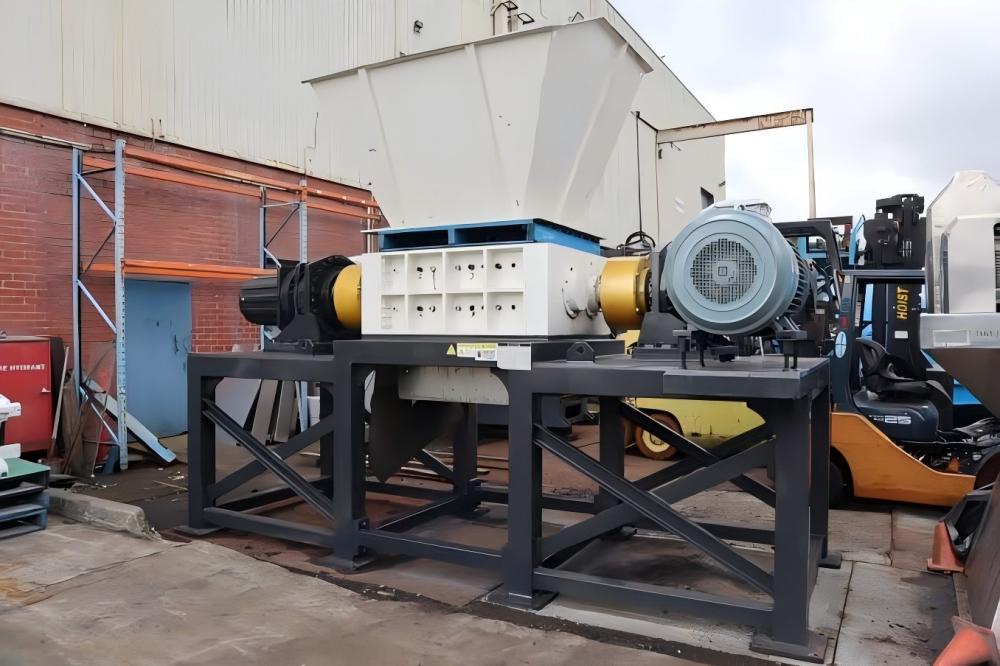
Additionally, consider the drive type. If your application involves frequent jams and reversals (which generate significant heat in electric motors), a hydraulic drive might be more suitable as it can handle ‘stalls’ more gracefully by venting pressure through a relief valve. Conversely, for consistent, high-speed processing of uniform materials, a high-efficiency electric drive with a VFD (Variable Frequency Drive) can offer better thermal control by precisely matching power output to the load.
Maintenance Checklist for Thermal Efficiency
To ensure your shredder operates at maximum speed without overheating, implement the following maintenance schedule:
| Frequency | Task | Benefit |
|---|---|---|
| Daily | Clean air intakes and radiator fins | Ensures maximum airflow for heat exchange. |
| Daily | Monitor operating temperature logs | Identifies trends before they become failures. |
| Weekly | Check blade sharpness and clearances | Reduces friction and motor load. |
| Monthly | Sample hydraulic/gearbox oil | Detects internal wear and fluid degradation. |
| Quarterly | Tighten electrical connections | Prevents resistance-based heating in the control cabinet. |
| Bi-Annually | Deep clean the cutting chamber shafts | Removes wrapped material that traps heat. |
Frequently Asked Questions (FAQ)
1. What is the maximum safe operating temperature for an industrial shredder?
For most hydraulic systems, the oil temperature should stay below 60°C (140°F). Electric motors are usually rated for a surface temperature of up to 80°C (176°F), but the internal windings can be much hotter. Always refer to your HARSLE manual for specific model thresholds.
2. Can I use a water-cooling system for my shredder?
Yes, many high-capacity shredders use water-to-oil heat exchangers. These are much more efficient than air-cooled systems but require a consistent supply of clean cooling water and regular maintenance to prevent scaling inside the heat exchanger.
3. Why does my shredder overheat only when processing plastic?
Plastics have a low melting point. The friction of the blades can cause the plastic to soften and become ‘gummy,’ which increases the drag on the blades significantly. This ‘viscous drag’ requires more torque and generates more heat than brittle materials like glass or thin metal.
4. Does a VFD help with overheating?
Absolutely. A Variable Frequency Drive (VFD) allows the motor to start softly and adjust its speed to the load. This prevents the massive current inrushes that happen during hard starts, which is a major source of heat in the motor windings.
5. How often should I replace the cooling fans?
Cooling fans should be replaced if they show signs of bearing wear (noise) or if the blades are chipped. In dusty environments, fans may need replacement every 2-3 years to ensure they maintain the required CFM (Cubic Feet per Minute) of airflow.
Conclusion: Optimizing Performance through Thermal Mastery
Managing Industrial Shredder Overheating Problems: Troubleshooting Steps Faster Operation is an essential skill for any modern fabrication or recycling facility. By understanding the relationship between material load, mechanical friction, and cooling efficiency, operators can significantly extend the life of their machinery while maintaining high throughput. HARSLE shredders are engineered to withstand rigorous use, but like any high-performance machine, they require diligent care and an understanding of their thermal limits.
The key takeaway for any maintenance manager is that heat is a messenger. It tells you when blades are dull, when oil is old, or when the machine is being pushed beyond its design parameters. By following the troubleshooting steps and selection advice provided in this guide, you can transform your shredding operation from a bottleneck into a streamlined, high-efficiency process. Remember, a cool-running shredder is a fast-running shredder. Invest the time in proper maintenance and system monitoring today to avoid the costly shutdowns of tomorrow.