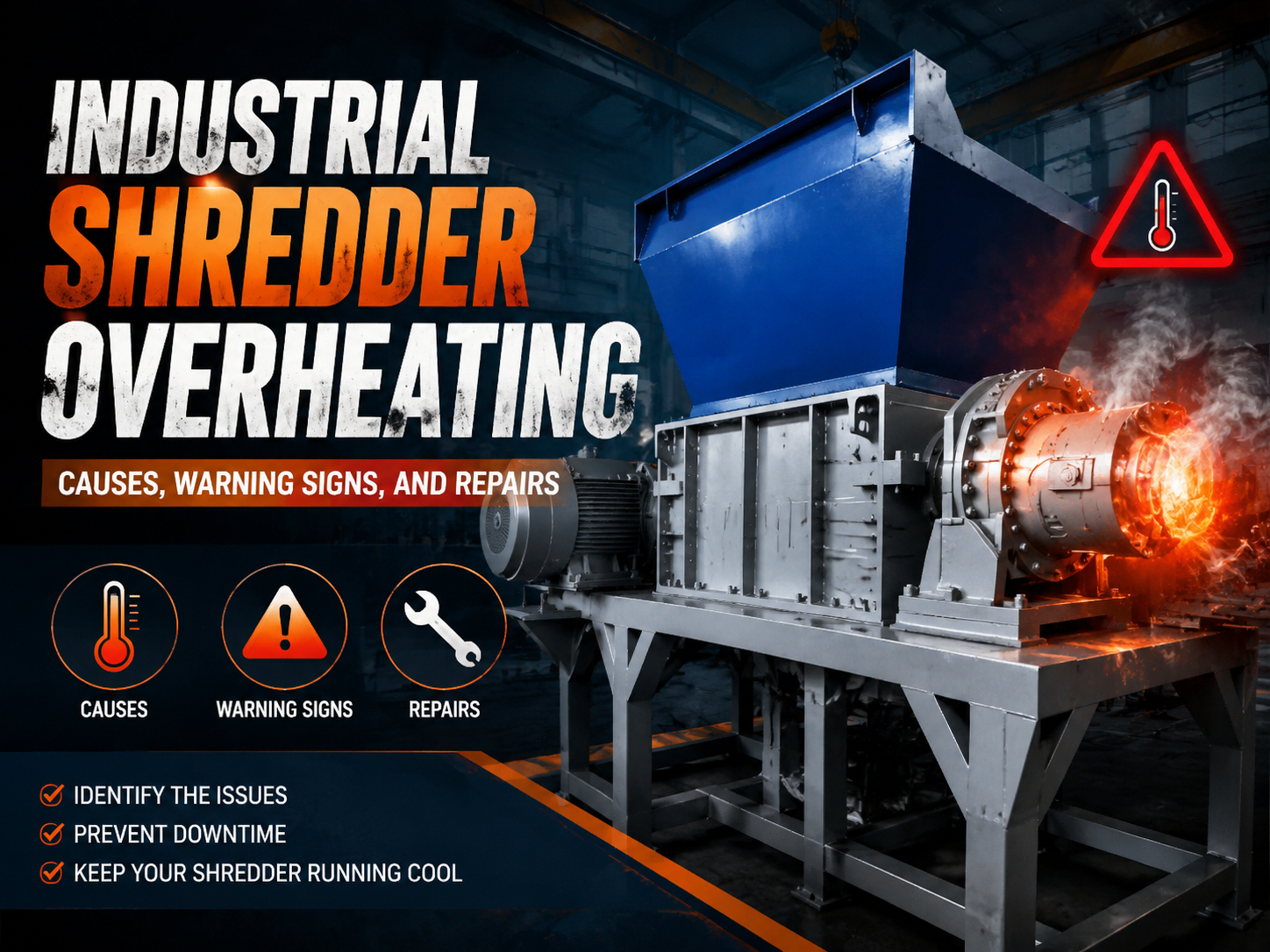
Industrial Shredder Overheating: Causes, Warning Signs, and Repairs

Introduction to Industrial Shredder Thermal Management
In the high-stakes world of metal fabrication and waste management, the industrial shredder stands as a workhorse of efficiency. These machines are designed to handle immense stress, reducing bulky materials like scrap metal, plastics, and wood into manageable sizes. However, the sheer mechanical force required for these operations generates significant heat. When this heat exceeds the machine’s design limits, overheating occurs, leading to potential downtime, expensive repairs, and safety hazards. Understanding Industrial Shredder Overheating: Causes, Warning Signs, and Repairs is essential for any facility manager or operator looking to maximize equipment lifespan and productivity.
HARSLE, a leader in metal fabrication machinery, recognizes that thermal management is not just a maintenance task but a core component of operational excellence. An overheated shredder is more than just a temporary inconvenience; it is a symptom of underlying mechanical or electrical distress. If left unaddressed, excessive heat can warp shafts, destroy bearings, and cause catastrophic motor failure. This guide provides a deep dive into why these machines overheat, how to spot the signs before a breakdown occurs, and the technical steps required to restore optimal performance.
The complexity of modern industrial shredders, particularly double-shaft and four-shaft models, means that heat can originate from multiple sources. From the friction of the cutting blades to the resistance in the hydraulic system, every moving part contributes to the thermal profile of the machine. By implementing a proactive approach to temperature monitoring and maintenance, operators can ensure their HARSLE equipment remains cool under pressure, even during the most demanding shifts.
Key Considerations for Shredder Temperature Control
When analyzing Industrial Shredder Overheating: Causes, Warning Signs, and Repairs, one must first consider the environment and the material being processed. Industrial shredders are often located in facilities that may not have climate control, meaning ambient temperatures can significantly impact the machine’s ability to dissipate heat. During summer months or in tropical climates, the baseline temperature of the machine is already elevated, leaving less margin for the heat generated by the shredding process itself.
Another critical consideration is the material density and throughput. Every shredder has a rated capacity. Pushing the machine beyond these limits—either by feeding material too quickly or by attempting to shred materials harder than the machine’s specifications—forces the motor and drive system to work harder. This increased workload translates directly into heat. For instance, shredding thick steel plates with a machine designed for light aluminum scrap will inevitably lead to thermal overload. It is vital to match the material’s physical properties with the shredder’s torque and horsepower ratings.
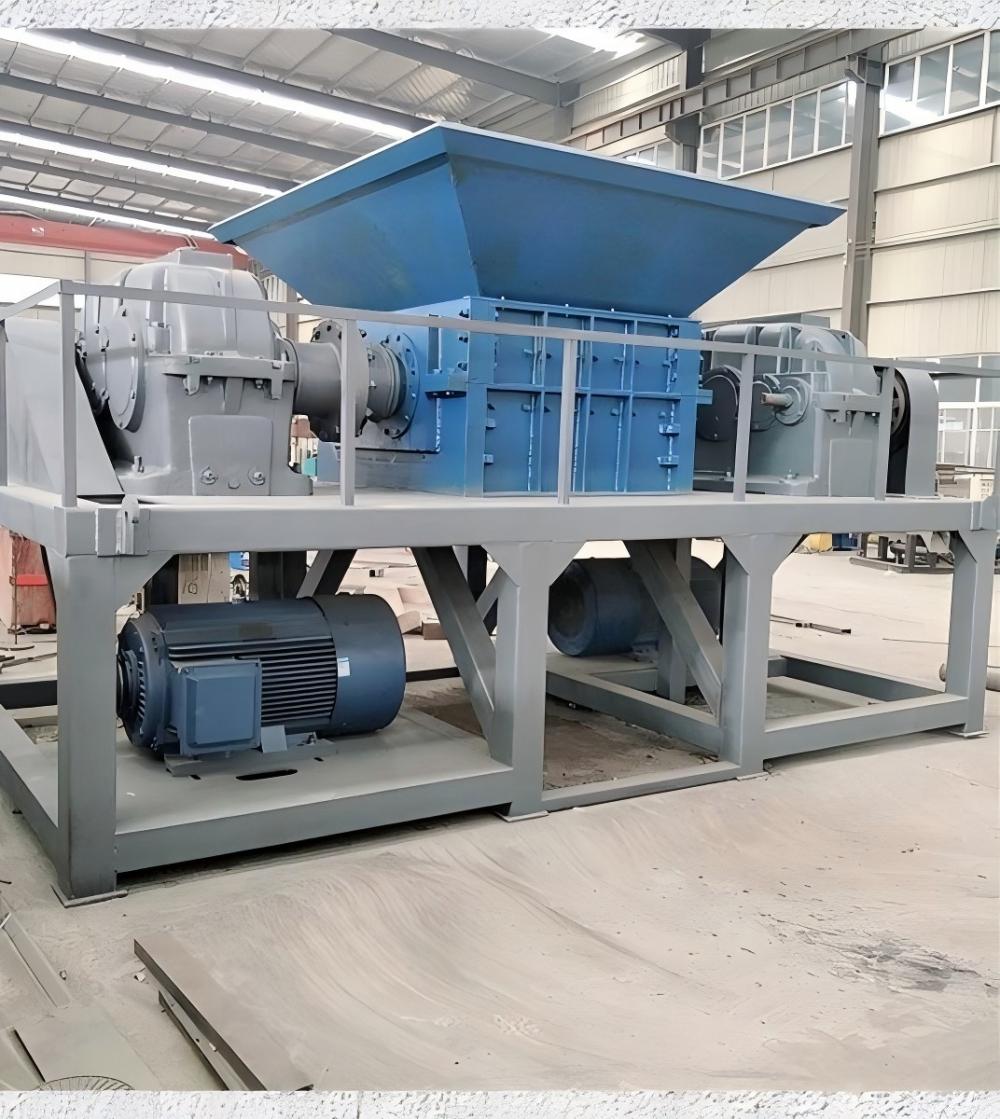
Lubrication is perhaps the most influential factor in controlling friction-induced heat. In an industrial shredder, bearings and gearboxes are under constant load. Without a consistent, high-quality lubricant film, metal-on-metal contact occurs, generating localized hotspots. These hotspots can quickly spread, affecting the entire drive train. Operators must ensure that they are using the correct grade of oil or grease as specified by the manufacturer and that the lubrication delivery systems (such as automatic greasers) are functioning correctly.
Finally, the condition of the cutting tools cannot be overlooked. Dull or chipped blades do not cut efficiently; instead, they tear and crush the material through brute force. This inefficiency increases the friction between the blades and the material, as well as between the blades themselves. Maintaining sharp cutting edges is one of the simplest yet most effective ways to keep operating temperatures within the safe zone. A well-maintained blade set reduces the load on the motor, thereby reducing the heat generated during the shredding cycle.
Technical Details: The Mechanics of Overheating
To effectively address Industrial Shredder Overheating: Causes, Warning Signs, and Repairs, we must look at the technical components involved. The primary source of heat in most shredders is the electric motor or the hydraulic power unit (HPU). In electric drive shredders, overheating often stems from “current draw.” When the shredder encounters resistance, the motor draws more Amperes to maintain torque. This increased current generates heat within the motor windings. If the cooling fan is clogged with dust or the motor’s heat sinks are covered in debris, this heat cannot escape, leading to an insulation breakdown.
In hydraulic shredders, the fluid itself acts as the primary heat transfer medium. As the hydraulic pump pushes fluid through valves and motors, internal friction and pressure drops generate heat. If the hydraulic oil cooler (heat exchanger) is inefficient—perhaps due to a failed fan or a blocked core—the oil temperature will rise. High-temperature hydraulic oil loses its viscosity, which reduces its lubricating properties and can lead to internal leakage within the pump, creating a vicious cycle of more heat and less efficiency.
The gearbox is another critical area. Industrial shredders use high-torque, low-speed gearboxes to multiply the force of the motor. These gearboxes contain complex planetary or spur gear arrangements. If the oil level is low, or if the oil has degraded due to age, the gears will generate excessive heat. Furthermore, misaligned shafts can cause uneven loading on bearings, leading to rapid temperature spikes in specific sections of the gearbox housing. Monitoring these areas with infrared thermography can reveal issues before they become visible to the naked eye.
Thermal expansion is a physical reality that engineers must account for. When a shredder overheats, the metal components expand. In a double-shaft shredder, the tolerances between the blades and the spacers are precisely calibrated. Excessive heat can cause these components to expand at different rates, leading to increased friction or even mechanical interference. This not only generates more heat but can also cause the shafts to seize, resulting in catastrophic mechanical failure. Understanding these technical nuances is key to diagnosing the root cause of thermal issues.
Warning Signs: Identifying Trouble Early
Recognizing the early warning signs of Industrial Shredder Overheating: Causes, Warning Signs, and Repairs can save a company thousands of dollars in lost production. The most obvious sign is a direct alert from the machine’s control system. Modern HARSLE shredders are equipped with PLC (Programmable Logic Controller) systems and thermal sensors located in the motor windings, gearbox, and hydraulic reservoir. If the temperature exceeds a pre-set threshold, the system may trigger a warning light or an automatic shutdown. Operators should never bypass these safety features.
Beyond digital alerts, sensory cues are invaluable. A burning smell is a definitive red flag. This could indicate scorched hydraulic fluid, melting wire insulation, or overheating paint on the motor housing. Similarly, visual cues like smoke or vapor rising from the cutting chamber or the power unit demand immediate investigation. Smoke often indicates that material is being friction-heated to its combustion point or that a bearing has completely failed and is burning its lubricant.
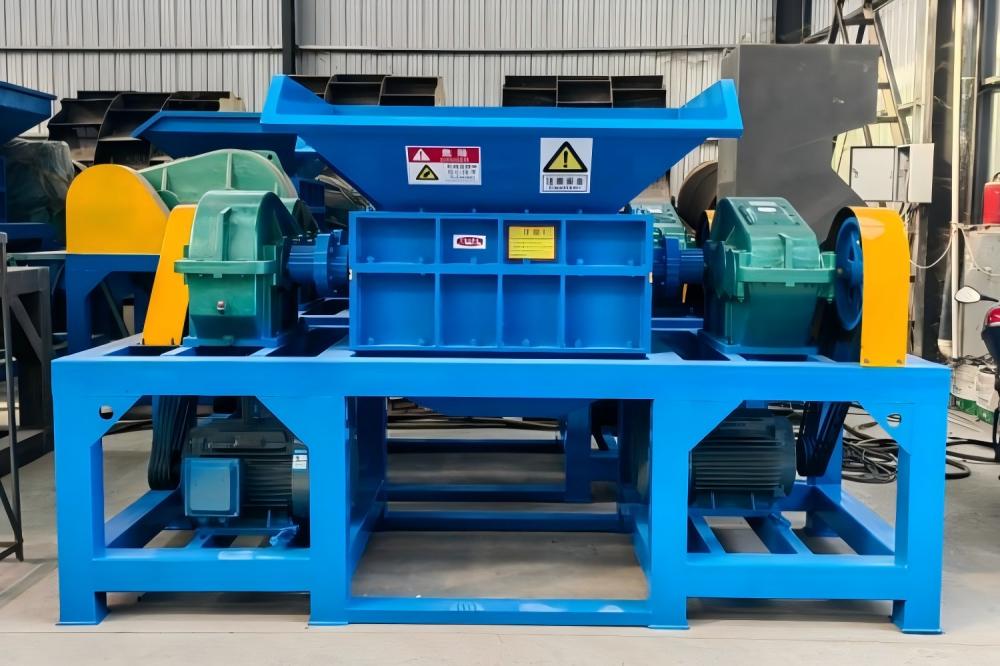
Auditory changes also signal thermal distress. As components overheat and expand, the sound of the machine may change. A high-pitched whine from the hydraulic pump often suggests cavitation or overheated, thin oil. A deep grinding noise from the gearbox might indicate that the lubricant has failed and metal-on-metal contact is occurring. Furthermore, a noticeable drop in performance—such as the shredder stalling more frequently or taking longer to process a standard load—often precedes a total thermal shutdown.
Lastly, physical inspection of the processed material can provide clues. If the shredded output feels unusually hot to the touch or shows signs of melting (in the case of plastics), the cutting chamber is likely running too hot. Regular “walk-around” inspections using a handheld laser thermometer allow maintenance teams to establish a baseline for “normal” operating temperatures across various points of the machine, making it easier to spot anomalies during a shift.
Repairs and Maintenance Strategies
When it comes to Industrial Shredder Overheating: Causes, Warning Signs, and Repairs, the repair strategy must be both reactive and preventive. If a machine has already overheated, the first step is a controlled shutdown. Never spray water on a hot motor or gearbox, as the rapid cooling can cause the metal to crack. Allow the machine to cool naturally while checking for obvious obstructions in the cooling fans or heat exchangers. Once cooled, a thorough inspection of the electrical connections is necessary, as heat can loosen terminals and damage wire jackets.
For hydraulic systems, if overheating has occurred, the oil should be tested or replaced. Overheated oil undergoes thermal degradation, forming varnish and sludge that can clog sensitive valves. Cleaning the hydraulic cooling core is a standard repair step. Using compressed air or a specialized cleaning solution to remove dust and grease from the cooling fins can restore the heat exchanger’s efficiency. If the cooling fan motor has failed, it must be replaced immediately to prevent a recurrence.
Mechanical repairs often involve the cutting assembly. If dull blades are the cause, they must be sharpened or replaced. In many industrial shredders, blades can be hard-faced or reground several times before needing a full replacement. Additionally, checking the shaft alignment and bearing play is crucial. If a bearing has been damaged by heat, it will likely have a blueish tint on the races; such bearings must be replaced to prevent shaft damage. Ensuring that the automatic lubrication system is primed and delivering the correct volume of grease to each point is a vital concluding step in the repair process.
Preventive maintenance is the ultimate “repair” for overheating. Establishing a daily checklist that includes cleaning motor vents, checking oil levels, and inspecting blade sharpness can prevent 90% of overheating issues. Implementing a vibration analysis program can also help detect bearing wear long before it generates enough heat to trigger a sensor. By treating the shredder as a precision instrument rather than just a heavy-duty grinder, facilities can ensure long-term reliability and safety.
Selection Advice: Choosing the Right Shredder to Avoid Heat Issues
Avoiding Industrial Shredder Overheating: Causes, Warning Signs, and Repairs starts at the time of purchase. Selecting a machine that is underpowered for your application is a recipe for constant thermal trouble. When consulting with HARSLE experts, provide detailed information about the toughest material you intend to shred. It is always better to have a machine with a 20% buffer in torque and horsepower than one that runs at 100% capacity constantly. A machine running at its limit will always generate more heat than one operating in its “sweet spot.”
Consider the drive system type. For applications involving heavy, unpredictable shocks (like shredding large metal castings), a hydraulic drive may be superior because it can handle stalls and pressure spikes more gracefully than an electric drive, which might overheat its motor windings during a jam. Conversely, for consistent, high-speed shredding of lighter materials, a high-efficiency electric motor with a variable frequency drive (VFD) can offer better thermal control by adjusting the motor speed to match the load.
Look for robust cooling features. High-quality industrial shredders should come equipped with oversized radiators for hydraulic systems and high-CFM (cubic feet per minute) fans for electric motors. In extreme environments, consider optional water-cooling systems for the gearboxes or air-conditioned electrical cabinets for the PLC and VFD components. These features might increase the initial investment but will pay for themselves by preventing heat-related downtime and extending the life of sensitive electronics.
Finally, evaluate the ease of maintenance. A shredder that is difficult to clean or has hard-to-reach lubrication points is more likely to be neglected. Choose a design that allows for easy access to the cutting chamber for blade inspections and has clear sight glasses for oil levels. HARSLE designs emphasize accessibility, ensuring that the tasks required to keep the machine cool are as simple as possible for the operator. Proper selection is the first line of defense against the challenges of industrial overheating.
Frequently Asked Questions (FAQ)
What is the most common cause of shredder overheating?
The most common cause is a combination of overloading the machine and poor maintenance of the cutting blades. When blades are dull, the machine requires significantly more force to process material, which increases the load on the motor and drive system, leading to rapid heat buildup.
How hot is too hot for an industrial shredder?
While specific limits vary by manufacturer, most hydraulic systems should stay below 60-70°C (140-158°F). Electric motor shells can often handle higher temperatures, but internal winding temperatures should generally not exceed 100-120°C depending on their insulation class. Always refer to your HARSLE manual for specific thresholds.
Can I continue running the shredder if it smells slightly burnt?
No. A burnt smell is a sign of material or component degradation. Continuing to operate the machine can lead to a fire or permanent damage to the motor and electrical systems. Stop the machine immediately and perform a full inspection.
Does the type of material affect the operating temperature?
Absolutely. Materials with high friction coefficients or those that are highly elastic (like certain rubbers and plastics) generate more heat during the shearing process than brittle materials. Additionally, materials that can wrap around the shafts (like long wires or films) create immense friction and heat.
How often should I clean the cooling system?
In dusty environments, cooling fans and heat exchangers should be checked daily and cleaned weekly. In cleaner environments, a monthly deep clean of the cooling fins and motor vents is usually sufficient to maintain proper airflow.
Conclusion: Maintaining Peak Performance
Managing Industrial Shredder Overheating: Causes, Warning Signs, and Repairs is a fundamental aspect of operating heavy-duty metal fabrication equipment. By understanding the technical relationship between load, friction, and heat, operators can take proactive steps to protect their investment. Whether it is through regular blade sharpening, diligent lubrication, or the selection of a machine with adequate power reserves, thermal management is the key to a long-lasting and productive shredding operation.
HARSLE remains committed to providing high-quality shredders engineered to withstand the rigors of industrial use. However, even the best-engineered machine requires a partnership with a dedicated maintenance team. By staying vigilant for warning signs like unusual noises, smells, or PLC alerts, you can intervene before a minor heat issue turns into a major repair. Remember, a cool-running shredder is an efficient, safe, and profitable shredder. Keep your equipment maintained, your blades sharp, and your cooling systems clear to ensure your facility continues to operate at peak performance for years to come.