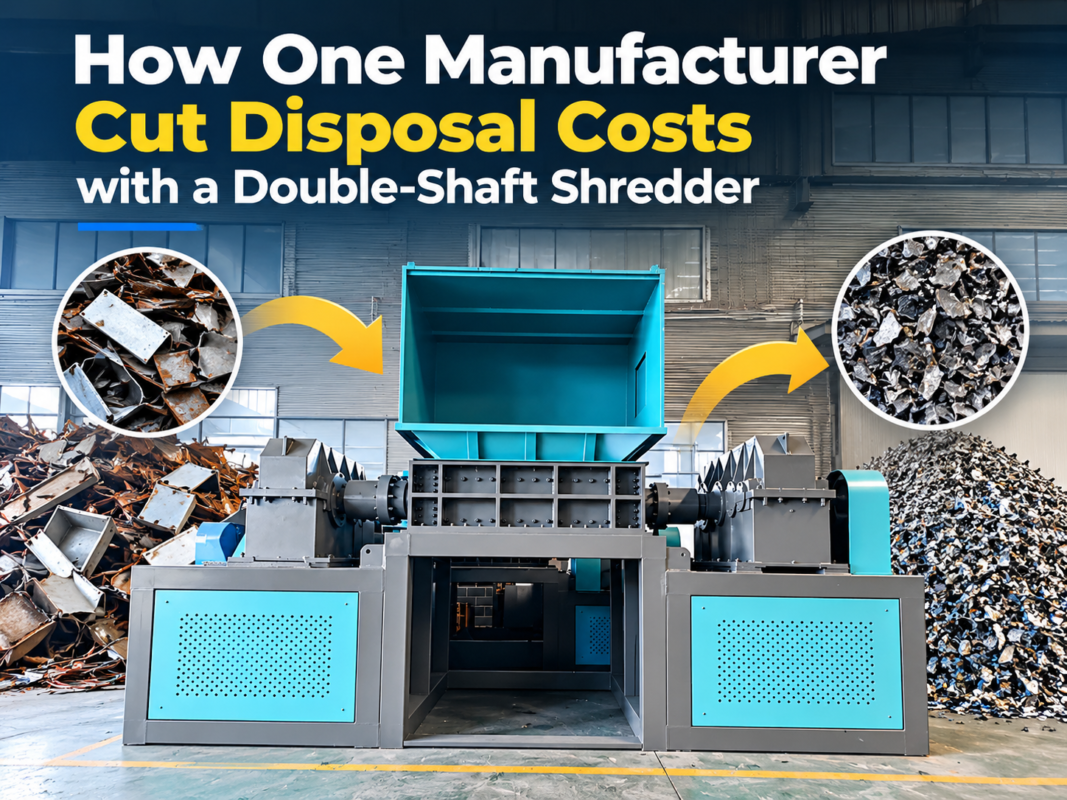
How to Fix Uneven Shredding in an Industrial Shredder: A Comprehensive Technical Guide

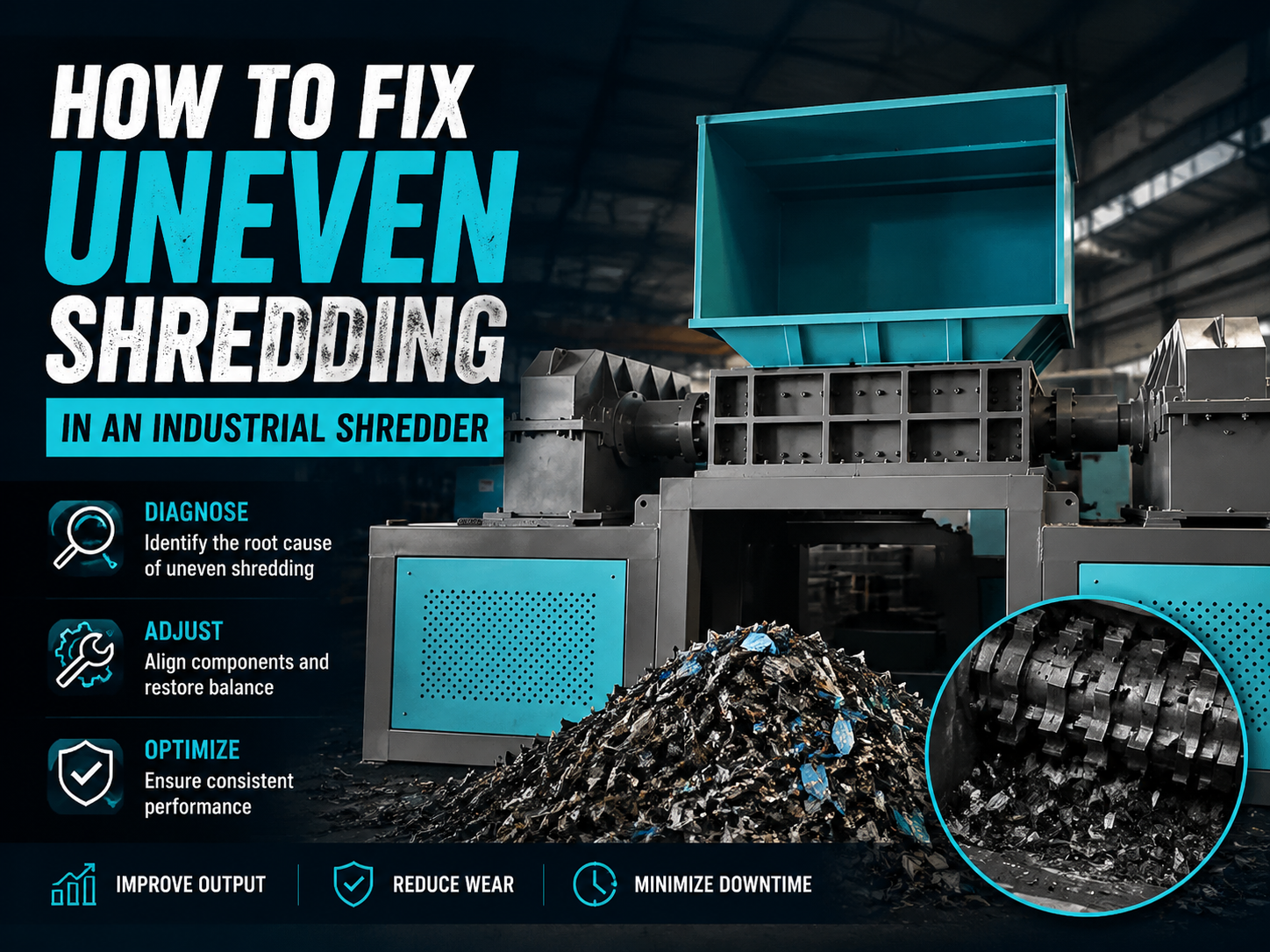
Introduction to Industrial Shredding Consistency
In the world of industrial recycling and material processing, consistency is the hallmark of quality. Whether you are processing scrap metal, plastics, or electronic waste, the uniformity of the output directly impacts the efficiency of downstream processes such as sorting, smelting, or pelletizing. However, operators often encounter a frustrating challenge: uneven shredding. When an industrial shredder begins to produce inconsistent particle sizes, it is rarely a sign of a single failure but rather a symptom of underlying mechanical or operational issues. Learning how to fix uneven shredding in an industrial shredder is essential for maintaining high throughput and protecting your investment.
HARSLE has long been at the forefront of providing robust metal fabrication and recycling solutions. We understand that downtime is costly. Uneven shredding not only compromises the quality of the end product but also increases the wear and tear on the machine’s internal components. If left unaddressed, a minor inconsistency in output can escalate into a catastrophic failure of the drive shafts or the motor. This guide is designed to provide a deep dive into the technical causes of uneven shredding and offer actionable solutions to restore your machinery to peak performance.
Achieving a uniform shred requires a perfect harmony between the feeding mechanism, the cutting geometry, and the discharge system. When this harmony is disrupted, the machine may ‘bypass’ certain materials or fail to shear them completely, leading to long strips or oversized chunks. By following a systematic approach to troubleshooting, maintenance teams can identify whether the issue lies in the blade clearance, the screen integrity, or the material feed rate. Let us explore the key considerations that every operator must keep in mind when diagnosing these issues.
Key Considerations for Shredding Uniformity
Before diving into the mechanical adjustments, it is crucial to consider the external factors that influence shredding quality. The first consideration is material homogeneity. Industrial shredders are often designed for specific material densities. If the input stream is a mix of high-ductility metals and brittle plastics, the shredder may struggle to maintain a consistent cut. The blades might shear the brittle material easily while ‘tearing’ or ‘stretching’ the ductile metal, resulting in uneven sizes. Ensuring a consistent feed of similar materials can often resolve minor inconsistencies without mechanical intervention.
The second consideration is the feed rate. Overloading the hopper is one of the most common causes of uneven shredding. When the shredding chamber is packed too tightly, the material cannot move freely toward the cutting teeth. This leads to ‘bridging,’ where the material sits above the shafts, or ‘slugging,’ where a massive clump is forced through at once. In both cases, the blades cannot perform a clean shear, and the resulting output is a mix of fine dust and large, unprocessed pieces. Implementing a metered feeding system or adjusting the conveyor speed can significantly improve output uniformity.
Thirdly, environmental factors such as temperature and moisture play a significant role. In cold environments, certain plastics become brittle and shatter, while in high heat, they may soften and gum up the blades. Similarly, moisture in paper or wood waste can cause the material to clump together, preventing the screen from effectively filtering the correctly sized particles. Monitoring the condition of the raw material before it enters the shredder is a vital step in the troubleshooting process.
Finally, the age and service history of the machine must be taken into account. Industrial shredders are subject to extreme forces. Over time, the structural frame can experience microscopic shifts, and bearings can wear down, leading to shaft deflection. If the shafts are not perfectly parallel, the gap between the blades will vary across the length of the chamber, making it impossible to achieve a uniform shred. Regular structural audits are necessary for machines that have been in operation for several years.
Technical Details: Diagnosing and Fixing the Root Causes
1. Blade Clearance and Gap Adjustment
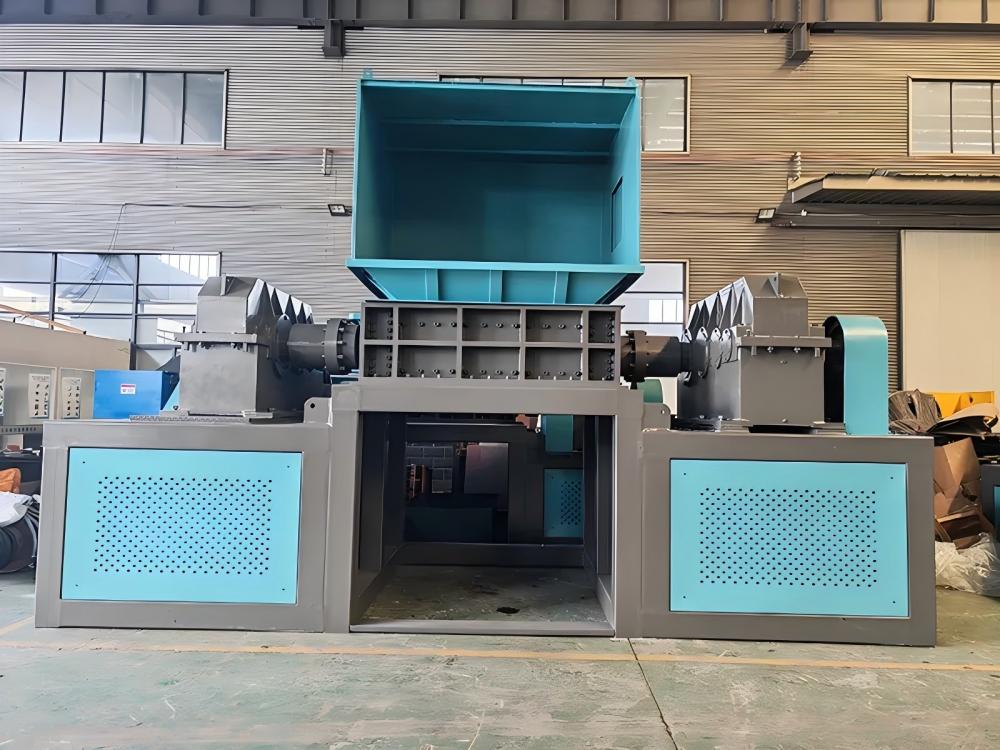
The most critical technical factor in fixing uneven shredding in an industrial shredder is the blade clearance, also known as the ‘gap.’ In a double-shaft shredder, the blades on opposing shafts must pass each other with a specific tolerance. If the gap is too wide, the material will simply be folded or ‘pinched’ rather than sheared. This is particularly common when shredding thin materials like sheet metal or plastic films. To fix this, operators must measure the clearance using feeler gauges at multiple points along the shaft.
If the clearance is inconsistent, it may be necessary to shim the blades or adjust the axial positioning of the shafts. HARSLE machines are designed with precision-ground spacers that maintain this gap, but these spacers can wear down or become compressed over time. Replacing worn spacers and ensuring that the locking nuts are torqued to manufacturer specifications is a primary step in restoring the shearing action. A ‘paper test’—where a piece of heavy cardstock is fed through the stationary blades—can often reveal where the gap is too wide.
2. Blade Wear and Geometry Restoration
Blades do not just get dull; they lose their geometry. The ‘hook’ or ‘tooth’ of the shredder blade is designed to grab and pull material into the cutting zone. As the leading edge rounds off, the blade loses its ability to grip, causing the material to bounce around in the chamber. This results in ‘over-shredding’ of some pieces and ‘under-shredding’ of others. Depending on the blade material (such as D2 or SKD-11 tool steel), you may be able to sharpen the blades in-situ or require a full removal for professional grinding.
However, sharpening has its limits. Once a blade has lost a certain percentage of its original profile, the distance between the blade tip and the opposing shaft increases, leading to uneven output. In such cases, the only solution is a full blade replacement. It is highly recommended to replace blades in full sets rather than individually to ensure that all cutting edges have the same diameter and reach. This maintains a balanced load on the motor and ensures a uniform cut across the entire width of the machine.
3. Screen Integrity and Clogging
In many industrial shredders, a screen or sieve is located beneath the shafts to control the final particle size. Material that is too large is carried back up by the blades for another pass. If the screen is damaged—for example, if a hole has been punched through it by a piece of tramp metal—large pieces will escape, leading to uneven output. Conversely, if the screen holes are clogged with melted plastic or compacted dust, the material cannot exit, leading to excessive fines and heat buildup.
Fixing this requires a thorough cleaning of the screen and a close inspection for structural damage. If the screen is bowed or warped, it may sit too far from the blades, allowing material to bypass the cutting zone. Ensuring the screen is properly seated and that the ‘sweeper’ blades (if equipped) are functioning correctly will ensure that only the desired size of material leaves the machine. For applications requiring very high precision, consider upgrading to a reinforced screen with a staggered hole pattern.
4. Hydraulic and Drive System Calibration
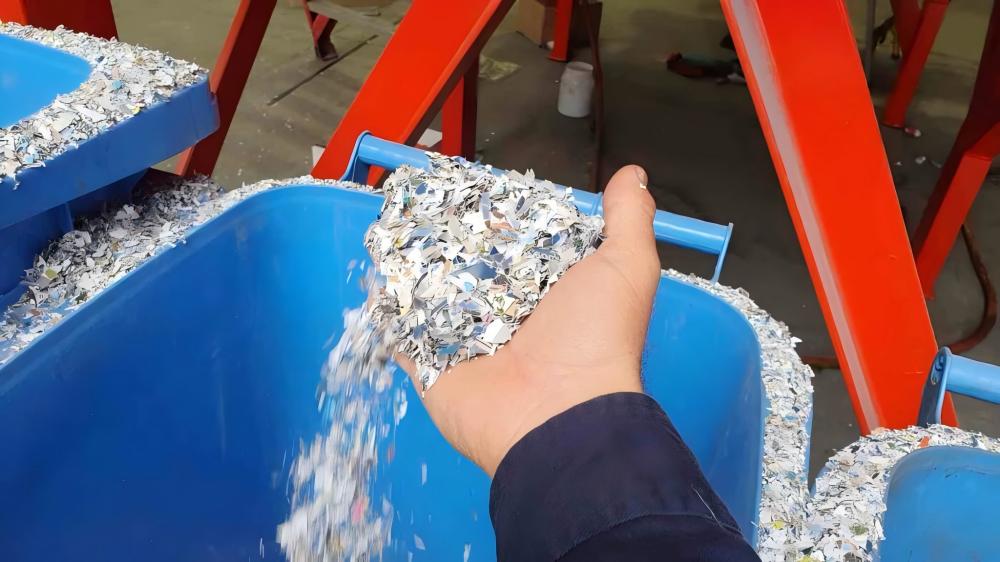
Modern industrial shredders often utilize hydraulic drive systems or frequency-controlled electric motors. If the shredder detects a jam, it will automatically reverse the shafts to clear the blockage. If the ‘reverse’ threshold is set too low, the machine will constantly cycle back and forth, never completing a full cut on tougher materials. This results in a ‘ragged’ output. Calibrating the pressure sensors or current limits in the PLC (Programmable Logic Controller) is essential to ensure the machine applies the necessary torque to shear through the material without unnecessary reversals.
Furthermore, if you are using a double-shaft system, the two shafts must be synchronized. If one shaft is lagging due to a slipping belt or a failing hydraulic motor, the timing of the blade intersections will be off. This lack of synchronization is a frequent cause of ‘longs’—strips of material that pass through the shredder untouched because the blades did not meet at the correct moment. Checking the drive couplings and ensuring the hydraulic fluid is at the correct viscosity and temperature can resolve these synchronization issues.
Selection Advice: Choosing the Right Shredder for Consistency
When purchasing a new shredder or upgrading an existing line, selecting the right machine configuration is the best way to prevent uneven shredding from the start. The first choice is between a single-shaft and a double-shaft shredder. Single-shaft shredders, equipped with a hydraulic pusher ram and a fine-mesh screen, are generally superior for achieving a very precise and uniform particle size. They are ideal for plastics and wood where a specific ‘granule’ is required. Double-shaft shredders, while offering higher throughput, are better suited for primary volume reduction where a slight variance in size is acceptable.
Another critical factor is the blade material and heat treatment. For abrasive materials like glass-filled plastics or contaminated scrap metal, blades with a high Tungsten Carbide content or specialized hard-facing are necessary. Standard steel blades will dull rapidly, leading to the uneven shredding issues discussed earlier. Investing in high-quality metallurgy at the time of purchase reduces the frequency of maintenance and ensures a more stable output over the life of the machine.
Consider the following checklist when selecting an industrial shredder:
- Torque Requirements: Does the machine have enough torque to shear the thickest part of your material without reversing?
- Blade Profile: Is the hook design optimized for your specific material (e.g., aggressive hooks for tires, square blades for documents)?
- Ease of Maintenance: Can the blades be changed or adjusted without dismantling the entire drive train?
- Screen Accessibility: How easy is it to clear a clogged screen or swap it for a different size?
- PLC Intelligence: Does the control system offer customizable programs for different material types?
| Symptom | Potential Cause | Recommended Action |
|---|---|---|
| Large strips in output | Excessive blade gap | Adjust shaft clearance or replace spacers. |
| Excessive fines/dust | Clogged screen or over-shredding | Clean screen and check feed rate. |
| Machine frequently reverses | Torque limit too low or dull blades | Sharpen blades and recalibrate PLC settings. |
| Material ‘bouncing’ in hopper | Worn blade hooks | Replace or weld-repair blade tips. |
| Inconsistent size across width | Shaft misalignment | Check bearings and structural alignment. |
Frequently Asked Questions (FAQ)
How often should I check the blade clearance?
For high-volume operations, a weekly inspection of the blade clearance is recommended. If you are processing particularly abrasive or hard materials, a daily visual check for signs of ’rounding’ on the blade edges is necessary. Catching a widening gap early can prevent damage to the shafts and bearings.
Can I fix uneven shredding by just sharpening the blades?
Sharpening is a temporary fix. If the uneven shredding is caused by a structural issue like shaft deflection or a worn-out screen, sharpening the blades will only provide a marginal improvement. A holistic approach that includes checking the screen, the spacers, and the drive system is required for a permanent solution.
Why does my shredder produce different results in the morning vs. the afternoon?
This is often due to thermal expansion. As the machine runs, the friction generates heat, causing the metal shafts and blades to expand slightly. If the initial tolerances were set too tight or too loose, the ‘operating’ gap might change as the machine reaches its steady-state temperature. Ensure your clearances are set based on the manufacturer’s ‘warm’ specifications if you run continuous shifts.
Does the moisture content of the material affect shredding size?
Yes, significantly. Wet material tends to be more ‘rubbery’ and resistant to shearing. It can also cause the shredded particles to stick together, making them appear larger than they are, or preventing them from falling through the screen. If possible, dry the material or use a shredder with a specialized ‘wet’ cutting geometry.
Conclusion: Maintaining Peak Shredding Performance
Fixing uneven shredding in an industrial shredder is a process that requires both technical knowledge and a commitment to regular maintenance. By understanding the relationship between blade geometry, gap clearance, and material feed, operators can significantly improve the quality of their output and the longevity of their machinery. Consistency is not just about the final product; it is about the health of the entire recycling ecosystem. A shredder that produces uniform particles reduces the load on secondary granulators, improves the efficiency of magnetic separators, and ensures a higher market value for the processed material.
At HARSLE, we pride ourselves on engineering machinery that stands up to the rigors of industrial use. However, even the best machines require a watchful eye and a proactive maintenance schedule. We encourage all operators to keep a detailed log of blade wear, gap measurements, and screen conditions. This data is invaluable when troubleshooting and helps in predicting when parts will need replacement before a failure occurs. By following the steps outlined in this guide, you can ensure that your industrial shredder remains a reliable and efficient asset in your production line. Remember, a precise cut today prevents a costly breakdown tomorrow.