Why Is My Industrial Shredder Running Slow? Troubleshooting Guide

Introduction to Industrial Shredder Performance Issues
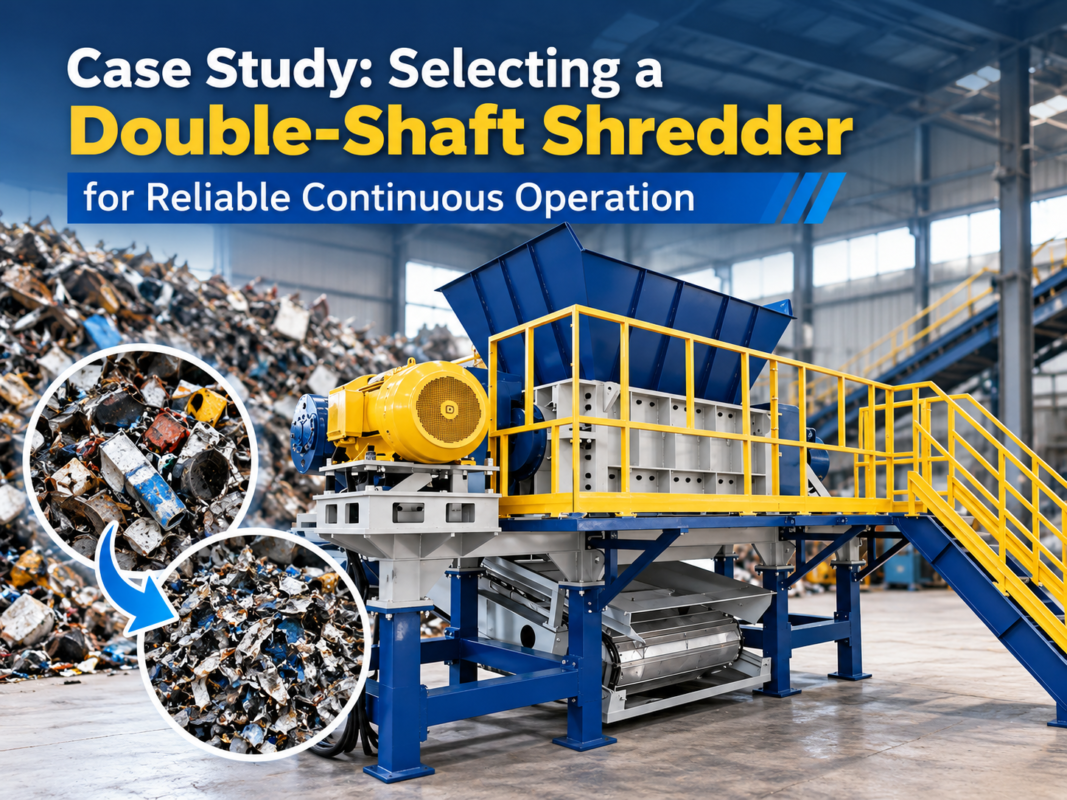
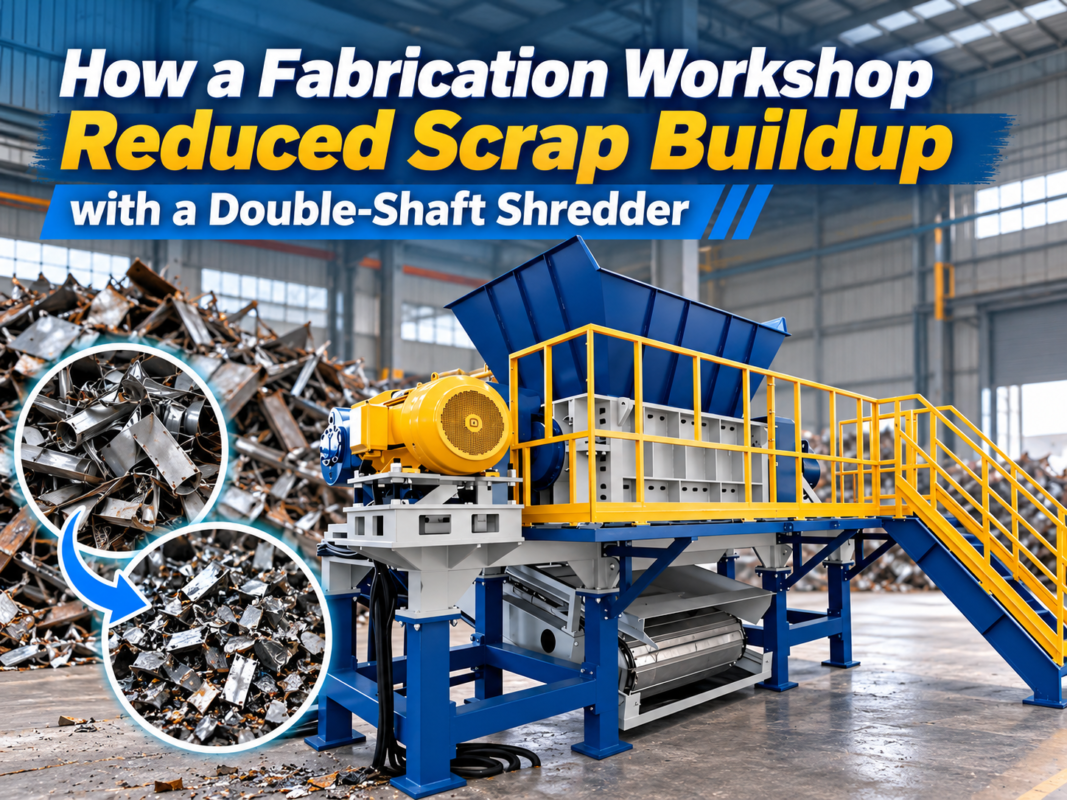
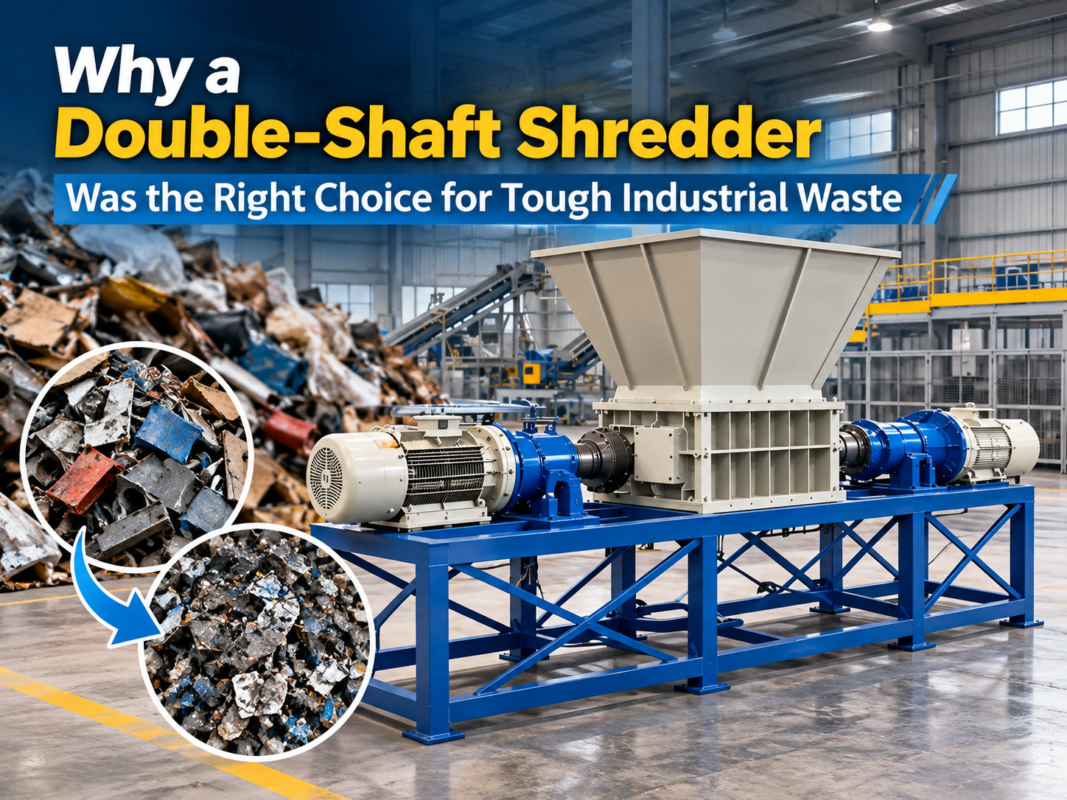
In the world of waste management, recycling, and metal fabrication, the industrial shredder is the workhorse that keeps operations moving. However, few things are as frustrating for a production manager as realizing that a once-efficient machine is now lagging. If you are asking, “Is my industrial shredder running slow?”, you are likely dealing with a decrease in throughput that impacts your bottom line. A slow shredder doesn’t just delay production; it increases energy costs per ton of material processed and puts unnecessary strain on mechanical components.
At HARSLE, we understand that industrial shredders are complex systems where mechanical, hydraulic, and electrical components must work in perfect harmony. A slowdown is rarely the result of a single catastrophic failure; rather, it is often a combination of gradual wear, improper settings, or changes in the material stream. This comprehensive troubleshooting guide is designed to help you identify the root causes of performance drops and provide actionable solutions to restore your equipment to its original specifications.
Before diving into the technical repairs, it is essential to establish a baseline. What was the original tons-per-hour (TPH) rating of your machine? Is the slowdown consistent across all material types, or does it only happen with specific scrap? By documenting these observations, you can narrow down whether the issue is a general mechanical decline or a specific reaction to the input material. In the following sections, we will explore the key considerations and technical details necessary to get your shredder back up to speed.
Key Considerations: Why Performance Drops Occur
When troubleshooting a slow industrial shredder, the first step is to look at the “big picture” factors that influence speed. One of the most common reasons for a perceived slowdown is a change in the material feed. If your facility has recently switched from processing thin-gauge aluminum to heavy structural steel without adjusting the machine settings, the shredder will naturally run slower as the torque requirements increase. The PLC (Programmable Logic Controller) is designed to protect the motor by slowing down the shaft speed when resistance is high.
Another critical consideration is the environment in which the machine operates. Industrial shredders generate significant heat. If the cooling system for the hydraulic fluid or the electrical cabinet is compromised, the machine may enter a “limp mode” or experience thermal thinning of hydraulic oil, leading to reduced efficiency. Dust and debris accumulation can also clog air intakes, causing motors to run hotter and less efficiently. Regular cleaning is not just about aesthetics; it is a vital part of maintaining operational speed.
Furthermore, the age of the machine and its maintenance history play a pivotal role. Over time, components like drive belts can stretch, hydraulic pumps can lose volumetric efficiency, and electrical contacts can oxidize. If your maintenance log shows gaps in lubrication or filter changes, these are the first places to look. A shredder is a high-vibration environment, and even minor loosening of sensors or mounting bolts can lead to erratic signals that cause the control system to throttle the speed unnecessarily.
Finally, consider the human element. Are the operators overloading the hopper? Overfeeding is a primary cause of frequent “auto-reverse” cycles. When a shredder hits a jam, it stops, reverses, and tries again. If this happens every few minutes, the net throughput will drop significantly, making the machine appear to be running slow when it is actually just spending too much time in its protection cycle. Proper operator training on feed rates is essential for maintaining consistent speed.
Technical Details: Troubleshooting the Root Causes
1. Mechanical Wear: Blades and Spacers
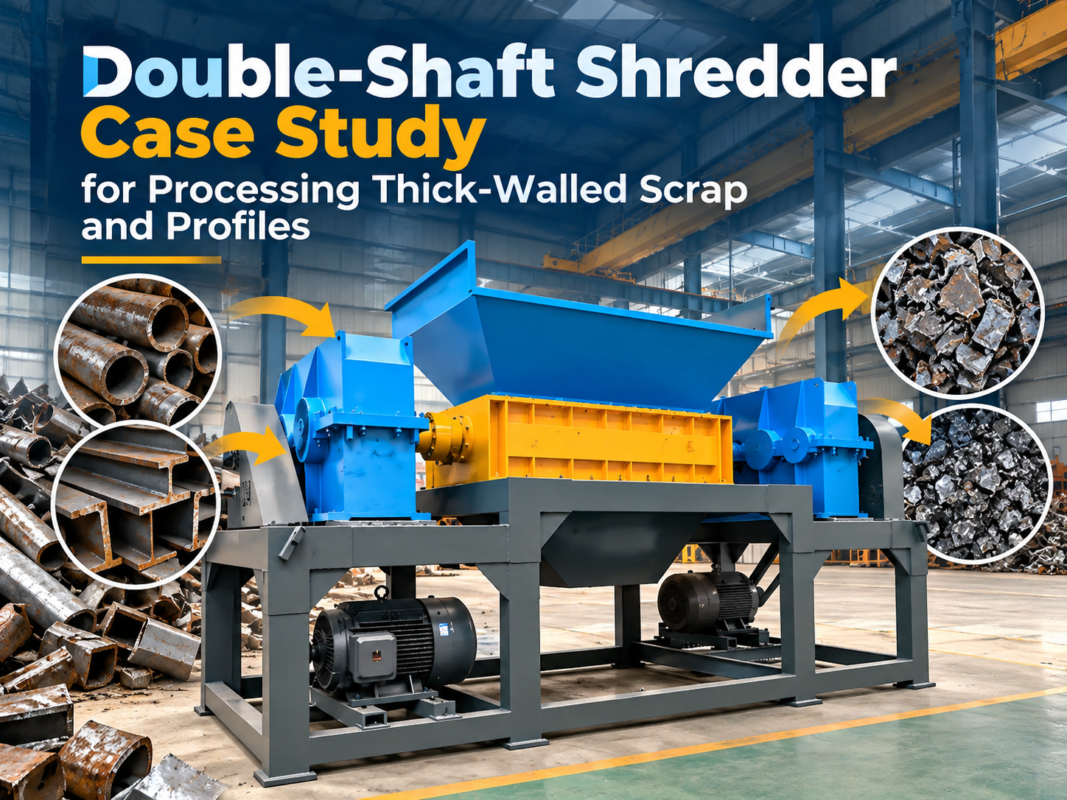
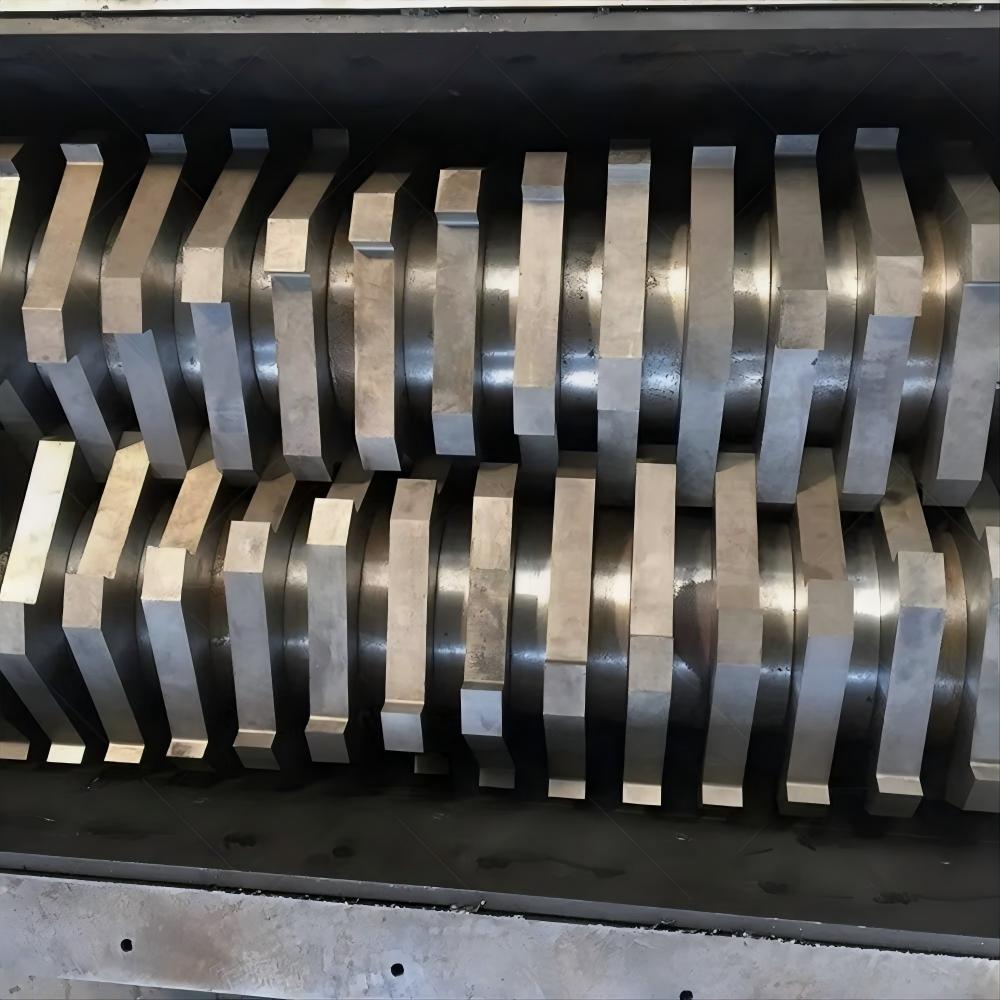
The most direct cause of a slow shredder is dull or damaged blades. In a dual-shaft or quad-shaft shredder, the cutting action relies on the “grab” and “shear” of the blade hooks. When these hooks become rounded, they lose their ability to bite into the material. Instead of cutting, the blades rub against the material, creating friction and heat rather than throughput. This increased friction requires more torque, which triggers the motor to slow down.
Check the gap between the blades and the spacers (or the counter-blades). If this tolerance has increased due to wear, the material will simply wedge between the blades rather than being sheared. This “wedging” effect creates immense drag on the shafts. You should regularly measure these gaps with a feeler gauge and compare them to the manufacturer’s specifications. If the blades are rounded, they may need to be hard-faced (welded) and ground back to their original profile, or replaced entirely.
2. Hydraulic System Inefficiency
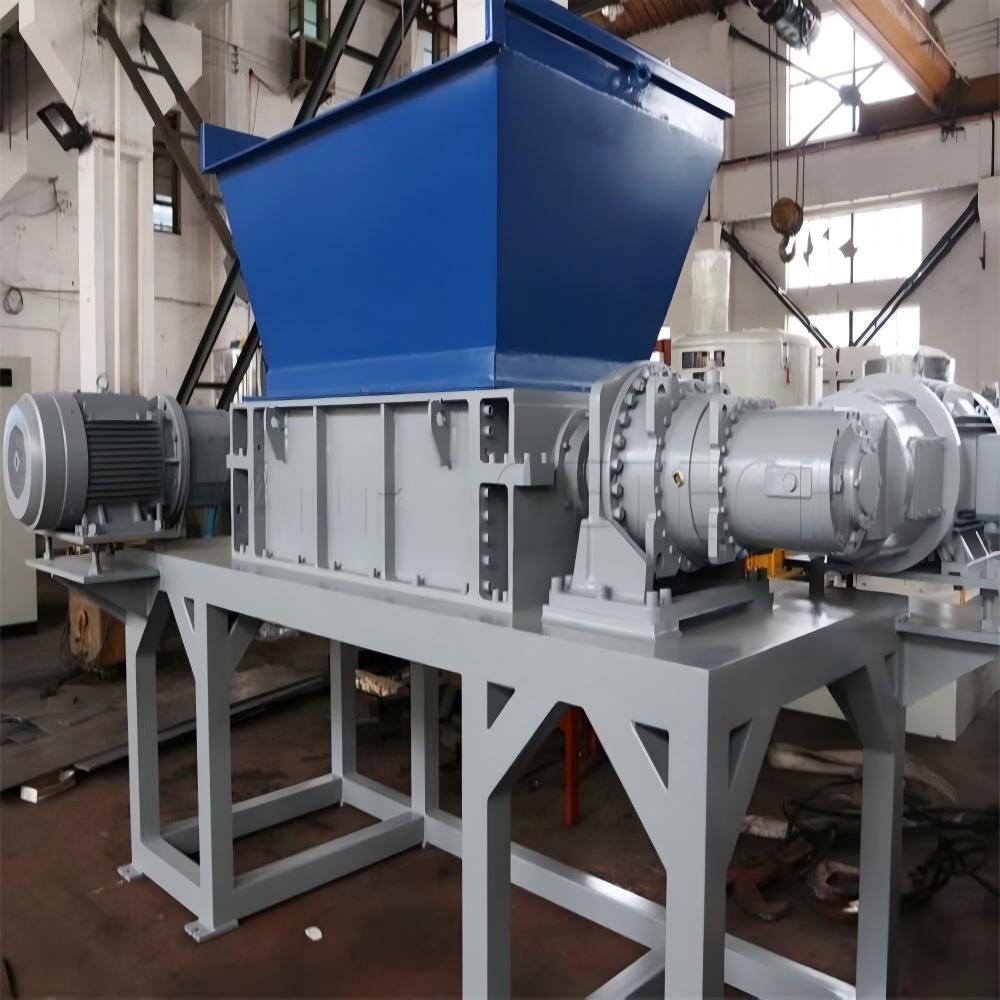
For hydraulically driven shredders, the speed is directly proportional to the flow rate of the hydraulic oil. If the machine is running slow, the hydraulic pump may not be delivering the required Gallons Per Minute (GPM). This could be due to internal wear in the pump (slippage) or a faulty relief valve that is bypassing oil back to the tank prematurely. If the oil is too hot, its viscosity drops, leading to increased internal leakage and slower actuator response.
| Symptom | Potential Cause | Recommended Action |
|---|---|---|
| Slow shaft rotation under load | Low hydraulic pressure or pump wear | Check pressure settings and pump flow rate. |
| Frequent auto-reversing | Dull blades or overfeeding | Sharpen blades and regulate feed rate. |
| Excessive heat in motor/hydraulics | Clogged coolers or old oil | Clean heat exchangers and replace fluid/filters. |
| Erratic speed fluctuations | Faulty VFD or PLC sensor | Inspect electrical connections and sensor alignment. |
3. Electrical and Control System Issues
In modern shredders equipped with Variable Frequency Drives (VFDs), the electrical system controls the motor speed based on the load. If a VFD is misconfigured or if a current-limiting parameter is set too low, the motor will not reach its full RPM. Additionally, check the health of the electric motor itself. A motor with failing insulation or worn bearings will draw more current and produce less mechanical power, leading to a noticeable slowdown.
The PLC logic is another area to investigate. Most industrial shredders have an “auto-reverse” function to clear jams. If the sensors (such as pressure transducers or current sensors) are giving false high readings, the PLC might be constantly putting the machine into a low-speed, high-torque mode or triggering unnecessary reversals. Calibrating these sensors can often resolve mysterious speed issues without requiring any mechanical hardware changes.
Selection Advice: Choosing the Right Shredder for Longevity
If you find that your industrial shredder is constantly running slow despite proper maintenance, it may be that the machine was not correctly specified for your current application. When selecting a new shredder, or upgrading an existing one, torque should be your primary consideration rather than just horsepower. High-torque, low-speed shredders are better suited for heavy metals and bulky waste, as they can maintain a consistent pace without constantly hitting their limit and reversing.
Consider the blade alloy and geometry. For abrasive materials like glass-filled plastics or contaminated scrap metal, you need blades made from high-chrome or high-vanadium tool steels. These materials hold their edge longer, ensuring that the machine doesn’t slow down due to dullness within a few weeks of operation. HARSLE offers a variety of blade configurations tailored to specific material densities, which significantly reduces the risk of performance degradation over time.
Another factor in selection is the drive system. While hydraulic drives offer excellent shock absorption and variable speed, electric VFD drives are often more energy-efficient and easier to troubleshoot for speed-related issues. If your facility has a stable power supply, an electric drive might provide more consistent throughput. However, if you are processing highly unpredictable scrap where frequent jams are expected, a hydraulic drive’s ability to provide maximum torque at zero RPM is invaluable.
Finally, look for machines with “smart” control systems. Modern shredders from HARSLE feature advanced telematics that monitor shaft speed, motor load, and temperature in real-time. These systems can alert you to a slowdown before it becomes a major production bottleneck, allowing for predictive maintenance. Choosing a machine with easy access to the cutting chamber also ensures that blade changes and cleanouts—tasks that are often neglected—can be performed quickly, keeping the machine running at peak performance.
Frequently Asked Questions (FAQ)
How often should I sharpen my industrial shredder blades?
The frequency of sharpening depends entirely on the material being processed. For soft plastics, blades may last months, while for abrasive scrap metal, they might need attention every few weeks. A good rule of thumb is to inspect the blade edges every 40-80 hours of operation. If you notice a 10-15% drop in throughput, it is usually time to sharpen or rotate the blades.
Can the wrong hydraulic oil make my shredder run slow?
Yes, absolutely. If the oil viscosity is too high, it creates internal friction and makes the pump work harder to move the fluid, slowing down the system. If the viscosity is too low (often due to overheating), the pump loses efficiency because the oil “slips” past the internal components instead of being pushed through the lines. Always use the oil grade recommended by the manufacturer.
Why does my shredder reverse so often?
Frequent reversing is usually a sign that the material is too tough for the current blade condition or that the hopper is being overfed. It can also be caused by a faulty pressure sensor or an incorrectly set “amp limit” in the PLC. If the machine reverses even when the hopper is relatively empty, you likely have a sensor or control logic issue.
Does the temperature of the workspace affect shredder speed?
Yes. In very cold environments, hydraulic oil becomes thick and sluggish, leading to slow start-ups and reduced speed until the oil warms up. In very hot environments, the cooling system may struggle, causing the machine to throttle its power to prevent overheating. Maintaining a stable operating temperature is key to consistent speed.
Is it possible to upgrade my shredder to run faster?
In some cases, yes. You may be able to upgrade the motor and VFD or install a higher-flow hydraulic pump. However, this must be done carefully, as the mechanical structure of the shredder (shafts, bearings, and frame) must be able to handle the increased speed and stress. Consult with HARSLE engineers before attempting any performance upgrades.
Conclusion: Restoring Efficiency to Your Operations
An industrial shredder running slow is more than just a minor inconvenience; it is a symptom of underlying issues that, if left unaddressed, can lead to costly repairs and significant downtime. By systematically checking for mechanical wear, hydraulic inefficiencies, and electrical misconfigurations, you can identify the root cause of the slowdown. Remember that the goal is not just to make the shafts spin faster, but to ensure that the machine is processing material efficiently and safely.
Regular maintenance remains the most effective way to prevent performance drops. A disciplined approach to lubrication, blade inspection, and system cleaning will extend the life of your equipment and keep your production lines moving at their rated capacity. At HARSLE, we are committed to providing not only high-quality machinery but also the technical support and expertise needed to keep your operations running smoothly. If you have gone through this troubleshooting guide and your shredder is still not performing as expected, our team of experts is ready to assist with more in-depth diagnostics and genuine replacement parts.
Investing time in understanding your shredder’s performance today will pay dividends in long-term reliability and profitability. Keep your blades sharp, your oil clean, and your sensors calibrated, and your industrial shredder will continue to be the reliable backbone of your recycling or fabrication facility for years to come.