
Industrial Shredder Blade Alignment Problems and How to Correct Them

Introduction to Industrial Shredder Blade Alignment
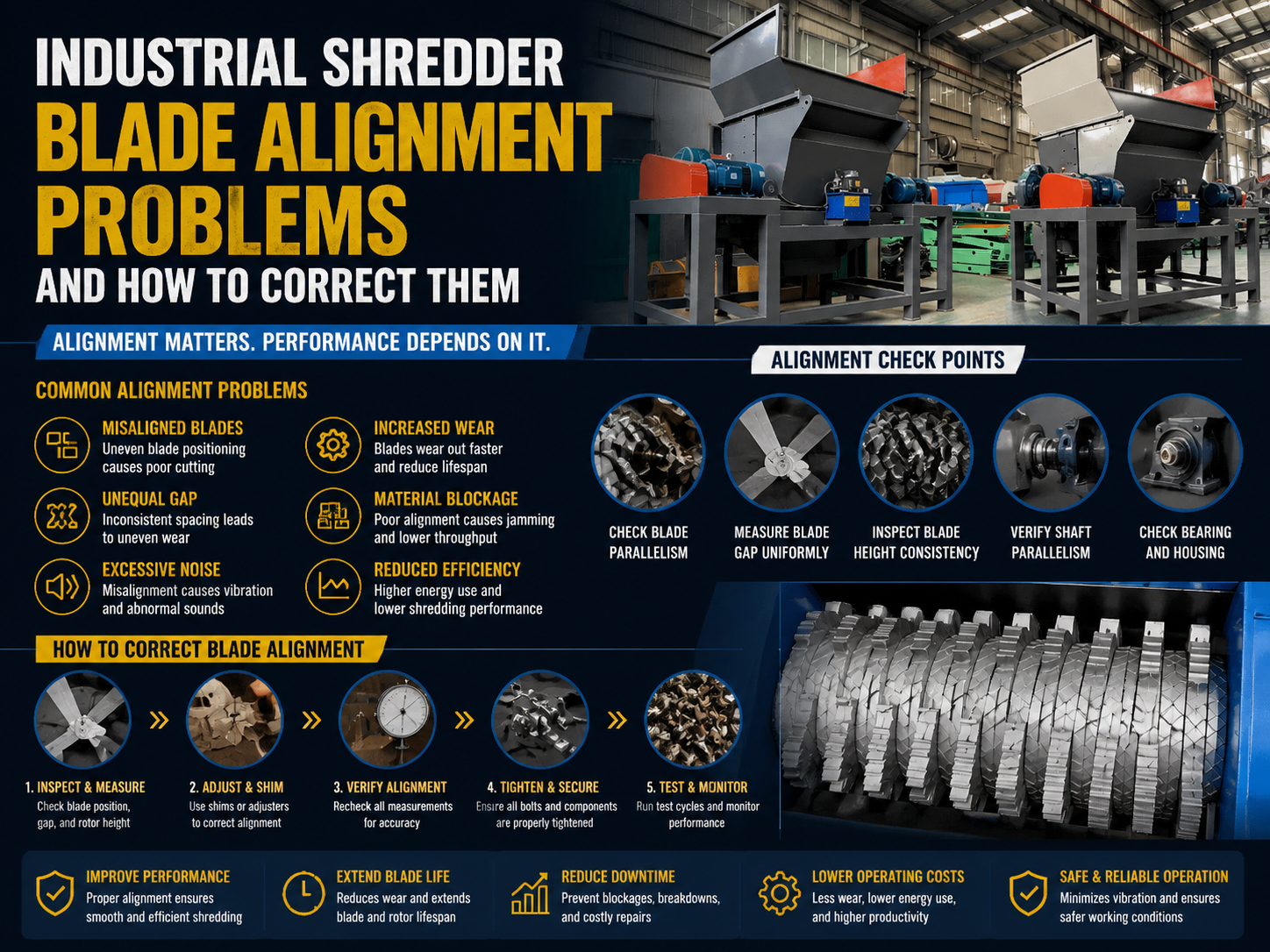
In the world of heavy-duty recycling and material processing, the industrial shredder stands as a cornerstone of efficiency. Whether you are processing plastics, metals, wood, or electronic waste, the performance of your machine hinges almost entirely on the precision of its cutting components. However, even the most robust machines from manufacturers like HARSLE can encounter operational hurdles. One of the most critical issues faced by operators is Industrial Shredder Blade Alignment Problems Correct Them. Proper alignment is not merely a matter of routine maintenance; it is the difference between a high-output operation and a costly, dangerous mechanical failure.
Blade alignment refers to the precise positioning of the rotating knives relative to the stationary counter-knives or the opposing shaft’s blades. When these components are perfectly synchronized, the shredder operates with minimal friction, low noise, and maximum throughput. Conversely, misalignment leads to a cascade of problems, including premature wear, increased energy consumption, and potential damage to the drive system. Understanding the root causes of these alignment issues and knowing the technical steps to rectify them is essential for any facility manager or maintenance technician.
This guide provides an in-depth look at the complexities of blade alignment. We will explore the mechanical nuances that lead to deviations, the diagnostic tools required for precision measurement, and a step-by-step methodology to restore your shredder to peak performance. By mastering the techniques to address industrial shredder blade alignment problems and how to correct them, you can significantly extend the lifespan of your equipment and ensure a safer working environment.
Key Considerations for Shredder Blade Alignment
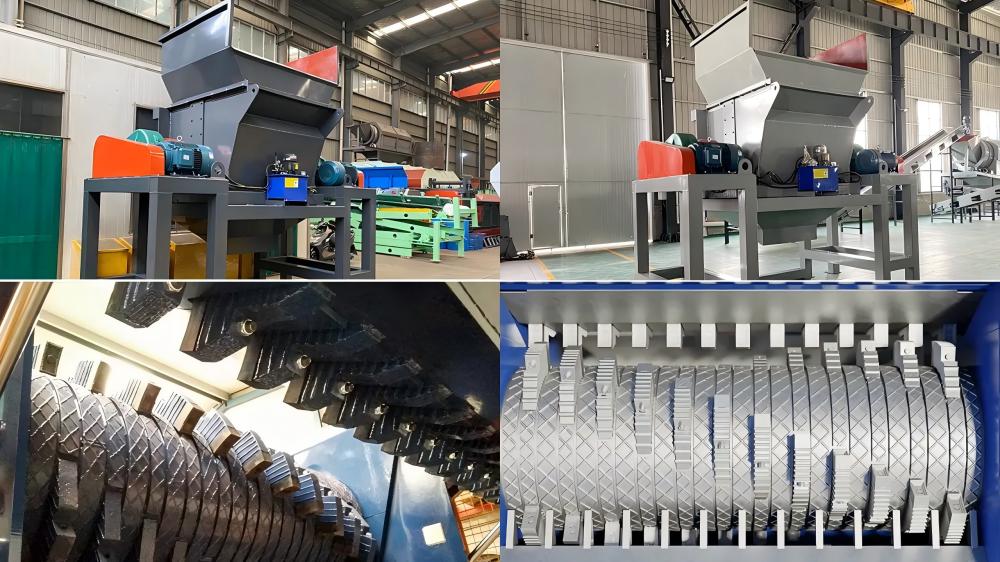
Before diving into the technical corrections, it is vital to understand the factors that influence blade alignment. Industrial shredders operate under extreme stress, and several variables can shift the delicate balance of the cutting chamber. The first consideration is the material being processed. High-impact materials, such as thick metals or reinforced plastics, exert significant lateral forces on the blades. Over time, these forces can cause the blade bolts to stretch or the shaft itself to experience microscopic deflections, leading to misalignment.
Another key consideration is thermal expansion. During prolonged operation, the friction generated in the cutting chamber produces substantial heat. Metal components expand when heated, and if the shredder’s cooling system is inadequate or if the blades were installed with zero tolerance for expansion, the resulting pressure can force blades out of their intended path. This is particularly common in high-speed shredders where the temperature gradient between the shaft and the housing can vary significantly.
Furthermore, the type of shredder—whether single-shaft, double-shaft, or four-shaft—dictates the complexity of the alignment process. Single-shaft shredders typically rely on a hydraulic pusher to feed material against a rotor, requiring precise clearance between the rotor knives and the bed knife. Double-shaft shredders, on the other hand, require the blades on opposing shafts to intermesh perfectly without touching. Each configuration presents unique challenges in identifying Industrial Shredder Blade Alignment Problems Correct Them, necessitating a tailored approach to maintenance.
Technical Details: Identifying Alignment Problems
Identifying misalignment before it causes a total breakdown requires a keen eye and an understanding of the machine’s “symptoms.” One of the most common indicators is uneven blade wear. If you notice that the blades on one side of the rotor are significantly more dull or chipped than those on the other, it is a clear sign that the rotor is not sitting level or that the shaft is skewed. This uneven wear pattern reduces the efficiency of the cut, forcing the motor to work harder and increasing electricity costs.
Vibration and noise are also primary diagnostic indicators. While all industrial shredders produce noise, a sudden change in the frequency or intensity of the sound—such as a rhythmic “clacking” or a high-pitched grinding—usually points to blade-on-blade contact or excessive clearance. Using a vibration analyzer can help technicians pinpoint whether the issue stems from the bearings, the gearbox, or the blade alignment itself. In many cases, what appears to be a bearing failure is actually the result of the shaft being pushed out of alignment by improperly seated blades.
The Role of the Shear Gap
The “shear gap” is the technical term for the distance between the rotating blade and the stationary knife. For most industrial applications, this gap must be maintained within a range of 0.1mm to 0.5mm, depending on the material. If the gap is too wide, the material will be “folded” or “chewed” rather than cut, leading to jams. If the gap is too narrow, the risk of metal-on-metal contact increases, which can shatter carbide-tipped blades and cause catastrophic damage to the rotor. Measuring this gap across the entire length of the shaft is the first step in diagnosing Industrial Shredder Blade Alignment Problems Correct Them.
How to Correct Industrial Shredder Blade Alignment Problems
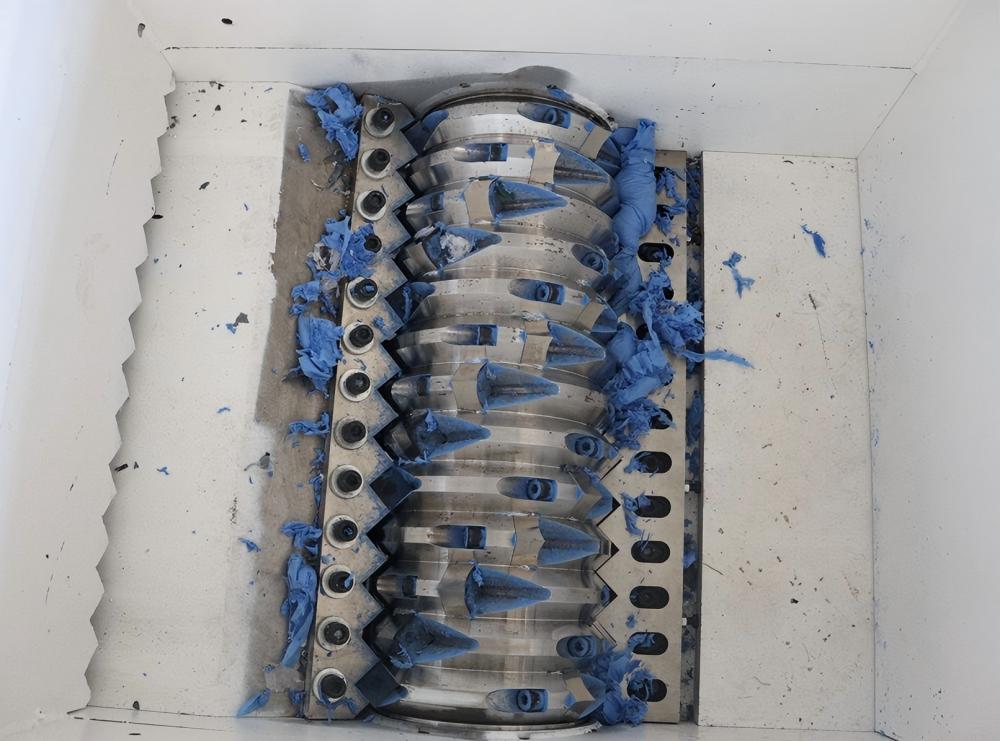
Correcting alignment issues is a systematic process that requires precision tools and a strict adherence to safety protocols. Before beginning any work, ensure the machine is locked out and tagged out (LOTO) to prevent accidental startup. The following steps outline the professional approach to restoring blade alignment.
Step 1: Thorough Cleaning and Inspection
You cannot align what you cannot see. Begin by removing all residual material from the cutting chamber. Use compressed air or industrial vacuums to clear out dust and debris from the blade seats and bolt holes. Inspect the rotor and the bed knife holders for any signs of deformation or burrs. Even a small piece of hardened plastic trapped behind a blade can cause a misalignment of several millimeters once the bolts are torqued down.
Step 2: Checking Shaft Straightness and Bearing Play
Before adjusting individual blades, you must ensure the foundation—the shaft—is true. Use a dial indicator mounted on the machine frame to check for shaft runout. Rotate the shaft manually and observe the needle. If the runout exceeds the manufacturer’s specifications (typically 0.05mm to 0.1mm), the problem may lie in worn bearings or a bent shaft rather than the blades themselves. If the bearings have excessive play, they must be replaced before any blade alignment can be successful.
Step 3: Blade Reseating and Torque Sequencing
If the shaft is straight, the next step is to reseat the blades. Loosen the mounting bolts and ensure the blade sits perfectly flush against the rotor’s machined surface. When tightening, always follow a specific torque sequence, usually starting from the center and moving outwards, or using a star pattern for circular blade discs. Using a calibrated torque wrench is non-negotiable. Uneven torque is a leading cause of Industrial Shredder Blade Alignment Problems Correct Them, as it causes the blade to tilt slightly under load.
Step 4: Adjusting the Bed Knives
In single-shaft shredders, the bed knives (stationary blades) are often adjustable. Use feeler gauges to measure the gap between each rotor blade and the bed knife. Adjust the bed knife positioning screws until the gap is uniform across the entire width of the rotor. It is common to perform this adjustment at four points: the two ends and two points in the middle. Once the desired gap is achieved, lock the bed knife in place and re-check the measurements after the locking bolts are tightened.
Selection Advice: Choosing the Right Equipment to Minimize Problems
Preventing alignment issues starts with the selection of the right machinery and components. When purchasing an industrial shredder, look for features that simplify alignment and enhance stability. For instance, HARSLE shredders often feature precision-machined blade seats and high-tensile shafts designed to resist deflection. Choosing a machine with an easy-access cutting chamber allows for more frequent inspections, which catches alignment issues before they escalate.
Blade material selection is equally important. While harder blades stay sharp longer, they are also more brittle. If your alignment is slightly off, a very hard blade is more likely to crack than a tougher, more ductile alloy. For applications involving contaminated waste (like plastics with occasional metal bits), a “tougher” blade grade might be preferable to prevent catastrophic failure during a minor alignment shift. Additionally, consider shredders that utilize “reversible” blades; these allow you to flip the blade to a fresh edge, often providing a chance to re-align the component during the flip process.
Maintenance Checklist for Long-Term Alignment
- Daily: Listen for unusual noises and check for excessive vibration.
- Weekly: Visually inspect blades for uneven wear or chipping.
- Monthly: Check the torque on all blade mounting bolts.
- Quarterly: Measure the shear gap with feeler gauges and record the data to track wear trends.
- Annually: Perform a full shaft runout test and inspect bearing housings for wear.
Frequently Asked Questions (FAQ)
1. How often should I check the blade alignment on my industrial shredder?
For high-volume operations, a quick visual inspection should be done daily. A technical measurement of the shear gap using feeler gauges should be performed every 200 to 500 operating hours, or whenever the blades are changed or rotated.
2. Can I align the blades while the machine is hot?
It is generally recommended to perform final alignment checks when the machine is at its typical operating temperature if you are dealing with very tight tolerances. However, for safety and ease of handling, initial adjustments are usually done cold. Always refer to the manufacturer’s specific guidelines regarding thermal expansion offsets.
3. What happens if I ignore a minor misalignment?
Minor misalignment quickly becomes major. It leads to increased heat, which can damage the temper of the blades, and puts unnecessary axial load on the bearings, leading to premature bearing failure and potential damage to the gearbox or motor.
4. Do I need specialized tools to correct alignment?
Yes. At a minimum, you need a calibrated torque wrench, a set of high-precision feeler gauges, and a dial indicator with a magnetic base. For advanced troubleshooting, a vibration analyzer or a laser alignment tool can be extremely beneficial.
5. Why do my blades keep coming loose even after tightening?
This is often due to “settling.” After installing new blades, the microscopic peaks and valleys on the metal surfaces flatten out under the initial load. It is standard practice to re-torque all blade bolts after the first 8-16 hours of operation following a blade change.
Conclusion
Mastering the intricacies of Industrial Shredder Blade Alignment Problems Correct Them is a vital skill for ensuring the longevity and profitability of your recycling operations. As we have explored, alignment is a multifaceted issue involving mechanical precision, thermal dynamics, and rigorous maintenance schedules. By identifying the early warning signs of misalignment—such as uneven wear, vibration, and noise—and following a structured correction process, you can prevent the costly downtime associated with catastrophic machine failure.
Investing in high-quality equipment from reputable manufacturers like HARSLE provides a solid foundation, but the responsibility for precision lies in consistent, professional maintenance. Remember that a well-aligned shredder not only lasts longer but also operates more efficiently, consuming less power and producing a more consistent end-product. Treat your shredder’s blade alignment with the technical respect it deserves, and your machinery will provide reliable service for years to come. For more technical guides and high-performance metal fabrication equipment, continue exploring our industrial machinery resources.


