How to Troubleshoot Hydraulic Oil Leaks in Industrial Shredders: A Comprehensive Guide

Introduction to Hydraulic Integrity in Industrial Shredding
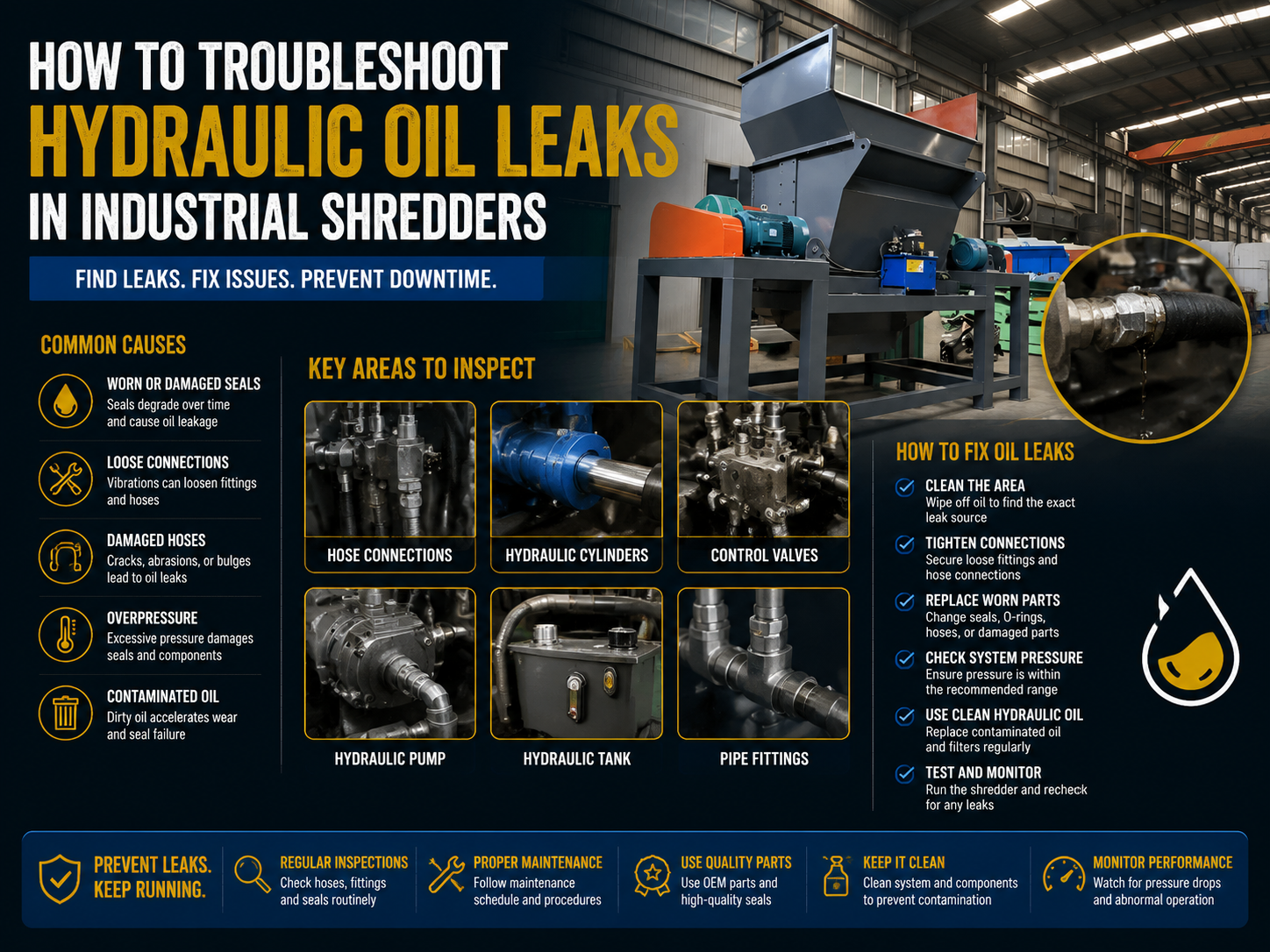
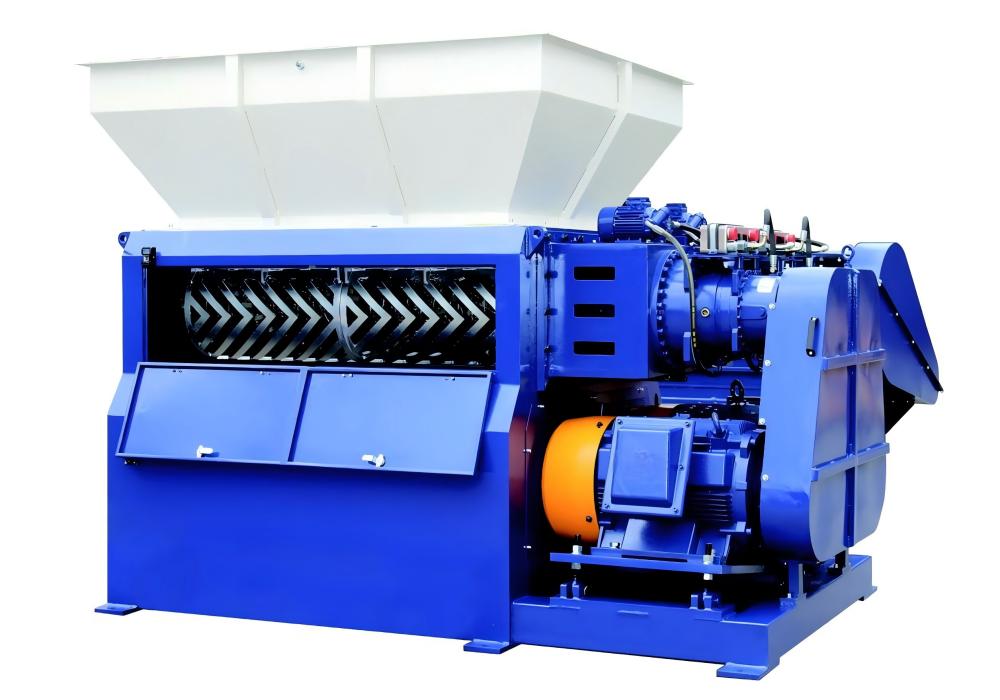
Industrial shredders are the workhorses of the recycling and waste management industries, relying heavily on robust hydraulic systems to generate the immense torque required to process everything from scrap metal to plastics. However, the high-pressure environment inherent in these machines makes them susceptible to hydraulic oil leaks. Learning how to troubleshoot hydraulic oil leaks in industrial shredders is not just a matter of cleanliness; it is a critical skill for ensuring operational efficiency, environmental compliance, and workplace safety. A single pinhole leak can lead to significant fluid loss, overheating, and eventual catastrophic component failure.
At HARSLE, we understand that downtime is the enemy of productivity. Hydraulic systems in shredders operate under extreme conditions, often involving fluctuating loads and harsh environments filled with dust and debris. When a leak occurs, it compromises the pressure needed for the cutting shafts to penetrate tough materials. This guide provides a deep dive into the systematic approach required to identify, diagnose, and rectify hydraulic issues, ensuring your industrial shredder remains in peak condition for years to come.
The complexity of modern hydraulic circuits means that a leak isn’t always where the puddle is. Fluid can travel along hoses, frames, and manifolds, masking the true source of the problem. Therefore, a structured troubleshooting methodology is essential. By combining visual inspections with technical diagnostic tools, operators can move from reactive repairs to proactive system management, significantly reducing the total cost of ownership for their metal fabrication and recycling equipment.
Key Considerations Before Troubleshooting
Before you begin to troubleshoot hydraulic oil leaks in industrial shredders, safety must be the absolute priority. Hydraulic systems store immense energy, even when the machine is turned off. High-pressure fluid injection injuries are life-altering and can occur even through heavy work gloves. Always implement a strict Lockout/Tagout (LOTO) procedure and ensure that all hydraulic accumulators are discharged and cylinders are mechanically blocked before loosening any fittings or opening the system.
Environmental impact is another major consideration. Hydraulic oil is a pollutant, and even a small leak can contaminate large areas of a facility or seep into the ground. When troubleshooting, always have spill containment kits, absorbent mats, and disposal containers ready. In many jurisdictions, failing to contain a hydraulic leak can result in heavy fines. Furthermore, the cost of the oil itself is significant; high-quality anti-wear hydraulic fluids are an expensive consumable that should not be wasted through negligence.
Understanding the difference between external and internal leaks is vital. External leaks are visible—puddles, drips, or misting. Internal leaks occur when fluid bypasses seals inside a component, such as a piston seal in a cylinder or a wear plate in a pump. While internal leaks don’t result in oil on the floor, they cause heat buildup and a loss of system pressure, which are often the first signs that a physical external leak is imminent. Recognizing these early warning signs can prevent a minor seal replacement from turning into a full system overhaul.
Technical Details: Identifying and Diagnosing Leak Sources
1. Inspecting Hoses and Flexible Lines
Hoses are the most common failure points in an industrial shredder’s hydraulic system. Due to the constant vibration and movement of the shredder’s cutting assembly, hoses are subjected to mechanical fatigue and abrasion. When troubleshooting, look for signs of “weeping” at the crimped ends where the hose meets the fitting. This often indicates that the internal wire braid has failed or the rubber has lost its elasticity due to age or excessive heat.
Check for outer cover damage. If the steel reinforcement is visible, the hose is compromised and must be replaced immediately. In shredding applications, flying debris can often nick or cut hoses. Using protective sleeves or rerouting hoses away from the “splash zone” of processed material can prevent these leaks. Remember that hoses have a shelf life; even if they look fine externally, the inner tube can become brittle over time, leading to internal cracking and eventual bursting under high-pressure spikes.
2. Evaluating Fittings and Connections
Fittings often leak due to improper installation or vibration-induced loosening. In industrial shredders, the two most common types are JIC (Joint Industry Council) flared fittings and ORFS (O-Ring Face Seal) fittings. A common mistake is over-tightening JIC fittings, which can crack the flare and create a permanent leak path. Conversely, ORFS fittings rely on a small elastomeric O-ring; if this ring is pinched, dried out, or missing, the connection will never be leak-tight regardless of how much torque is applied.
When you troubleshoot hydraulic oil leaks in industrial shredders at the fitting level, clean the area thoroughly with a degreaser first. Observe the connection while the system is under low pressure. If the leak persists after a slight tightening (within torque specs), the fitting likely has thread damage or a compromised sealing surface. In such cases, replacing the entire fitting is more cost-effective than attempting to “patch” it with thread sealant, which is generally discouraged in high-pressure hydraulic systems.
3. Cylinder Seal and Rod Failures
Hydraulic cylinders provide the force for the ram or the swing-arm in many shredder designs. Leaks here usually manifest as oil leaking past the rod wiper or pooling around the cylinder head. A leaking rod seal is often caused by a scored or pitted cylinder rod. If the rod is damaged by abrasive dust or metal shards, it acts like a file, tearing the seal every time the cylinder cycles. Troubleshooting involves extending the rod fully and inspecting the surface for any imperfections.
Internal cylinder leakage (bypassing) is harder to spot but equally damaging. If the shredder’s ram moves slowly or fails to hold pressure, the piston seal may be worn. A technical way to test this is the “end-of-stroke” test: extend the cylinder fully, safely disconnect the return line, and apply pressure. If oil continues to flow out of the return port while the piston is at the end of its stroke, the internal seals are bypassed. This requires a cylinder rebuild or replacement.
4. Pump and Motor Shaft Seals
The hydraulic pump is the heart of the shredder. Leaks at the pump shaft seal are particularly dangerous because they can allow air to be sucked into the system (aeration) or allow oil to leak into the electric motor housing. Aeration causes cavitation, which sounds like marbles rattling inside the pump and can destroy the internal components in minutes. If you see oil dripping from the bell housing between the motor and the pump, the shaft seal has failed.
Troubleshooting pump leaks also involves checking the case drain line. Most high-pressure piston pumps have a case drain to return internal leakage (used for lubrication) back to the tank. If the case drain flow is excessive, it indicates that the internal tolerances of the pump have increased due to wear, leading to higher internal pressure that eventually blows out the shaft seal. Monitoring case drain flow is a sophisticated way to predict pump failure before a catastrophic leak occurs.
Selection Advice: Preventing Leaks Through Better Equipment and Maintenance
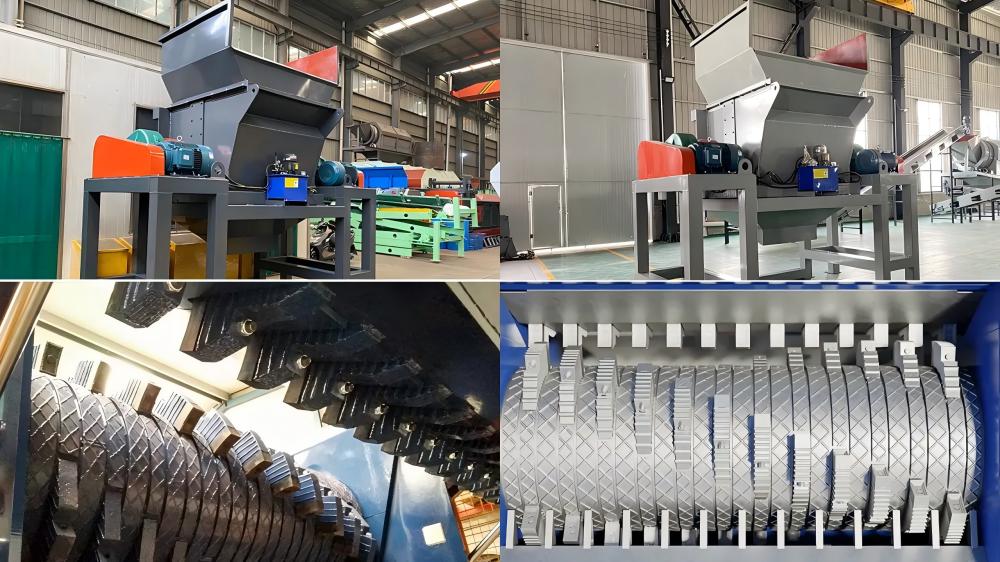
When selecting a new industrial shredder or upgrading your current fleet, the design of the hydraulic system is paramount. Look for machines that utilize manifold blocks rather than excessive plumbing. Manifolds reduce the number of individual fittings and hoses, which are the primary sources of leaks. HARSLE shredders are designed with integrated hydraulic circuits that minimize leak points and simplify the troubleshooting process for the end-user.
Consider the quality of the components. Using premium brands for valves, pumps, and seals ensures that the parts can withstand the thermal cycling common in heavy-duty shredding. Furthermore, ensure the machine is equipped with a high-efficiency cooling system. Heat is the number one killer of hydraulic seals; when oil temperature exceeds 60°C (140°F), the chemical breakdown of seals accelerates exponentially. A shredder with an oversized heat exchanger or an independent cooling loop will experience significantly fewer leaks over its lifespan.
Implement a preventative maintenance (PM) schedule that includes regular oil analysis. Oil analysis can detect the presence of water, metal particles, and chemical degradation before they cause seal failure. Additionally, use a “leak log” to track where and when leaks occur. If a specific hose fails every six months, it points to a design issue, such as improper routing or excessive vibration, rather than a simple component failure. Addressing the root cause is the only way to truly troubleshoot hydraulic oil leaks in industrial shredders for the long term.
| Component | Common Leak Symptom | Primary Cause | Recommended Action |
|---|---|---|---|
| Hydraulic Hose | Dampness on outer cover or bubbling | Abrasion or UV degradation | Replace hose and add protective sleeve |
| JIC Fitting | Slow drip from the nut | Over-tightening or cracked flare | Inspect flare; replace if cracked |
| Cylinder Rod | Oil pooling at the cylinder head | Scored rod or worn wiper seal | Re-chrome rod and replace seal kit |
| Pump Shaft | Oil in the motor bell housing | Excessive case pressure or wear | Check case drain flow; replace seal |
| Control Valve | Leaking around the spool/joystick | Hardened O-rings due to heat | Replace spool seals and check cooling |
Frequently Asked Questions (FAQ)
How do I find a tiny pinhole leak that I can’t see?
For very small leaks, you can use specialized hydraulic dyes that glow under UV light. Add the dye to the reservoir, run the machine for a short period, and then inspect the system with a UV lamp in a darkened area. This is highly effective for finding leaks in complex manifolds or behind structural plates. Never use your hand to search for a leak while the system is pressurized.
Can I use Teflon tape on hydraulic fittings?
No, Teflon tape should never be used on high-pressure hydraulic fittings. Shreds of the tape can break off and enter the system, clogging small orifices in valves and causing catastrophic failure. For NPT threads, use a liquid pipe sealant specifically designed for hydraulics. For JIC and ORFS fittings, no sealant is required as the seal is mechanical.
Why does my shredder leak more oil when it’s cold?
This is often due to “seal shrink.” In cold temperatures, elastomeric seals contract and become less flexible. Once the oil warms up and the seals expand, the leak may stop. However, this is a sign that the seals are reaching the end of their service life and have lost their “memory” or elasticity. They should be replaced before they fail completely during a cold start.
How often should I change hydraulic filters to prevent leaks?
Filters should be changed according to the manufacturer’s guidelines, typically every 500 to 1,000 hours, or whenever the filter bypass indicator triggers. Clean oil is essential for seal longevity. Contaminants in the oil act as abrasives that wear down seal surfaces, directly leading to leaks. High-quality filtration is your best defense against hydraulic system degradation.
Is a small leak really a big deal if I just keep topping off the oil?
Yes, it is a major issue. Beyond the cost of oil and environmental risks, a leak is a breach in a closed system. If oil can get out, contaminants like dust and moisture can get in. Furthermore, a small leak is often a precursor to a major hose burst, which can cause significant injury to operators and result in hours of cleanup and repair time.
Conclusion: Maintaining Peak Performance
Successfully learning how to troubleshoot hydraulic oil leaks in industrial shredders is a vital component of modern facility management. By understanding the mechanics of hydraulic systems—from the stresses placed on flexible hoses to the precision required for pump shaft seals—operators can ensure their machinery remains reliable and safe. A proactive approach, characterized by regular inspections, proper tool usage, and an uncompromising commitment to safety, will always yield better results than reactive, emergency repairs.
HARSLE remains dedicated to providing the industry with high-performance shredding solutions that prioritize durability and ease of maintenance. By choosing equipment designed with high-quality hydraulic components and following the troubleshooting steps outlined in this guide, you can maximize your uptime and protect your investment. Remember, a dry machine is a healthy machine. Keep your hydraulic systems sealed, your oil clean, and your shredder will continue to deliver the power you need for your most demanding metal fabrication and recycling tasks.