Industrial Hammer Shredder Guide: Choosing the Right Rotor, Motor, and Hammer Design

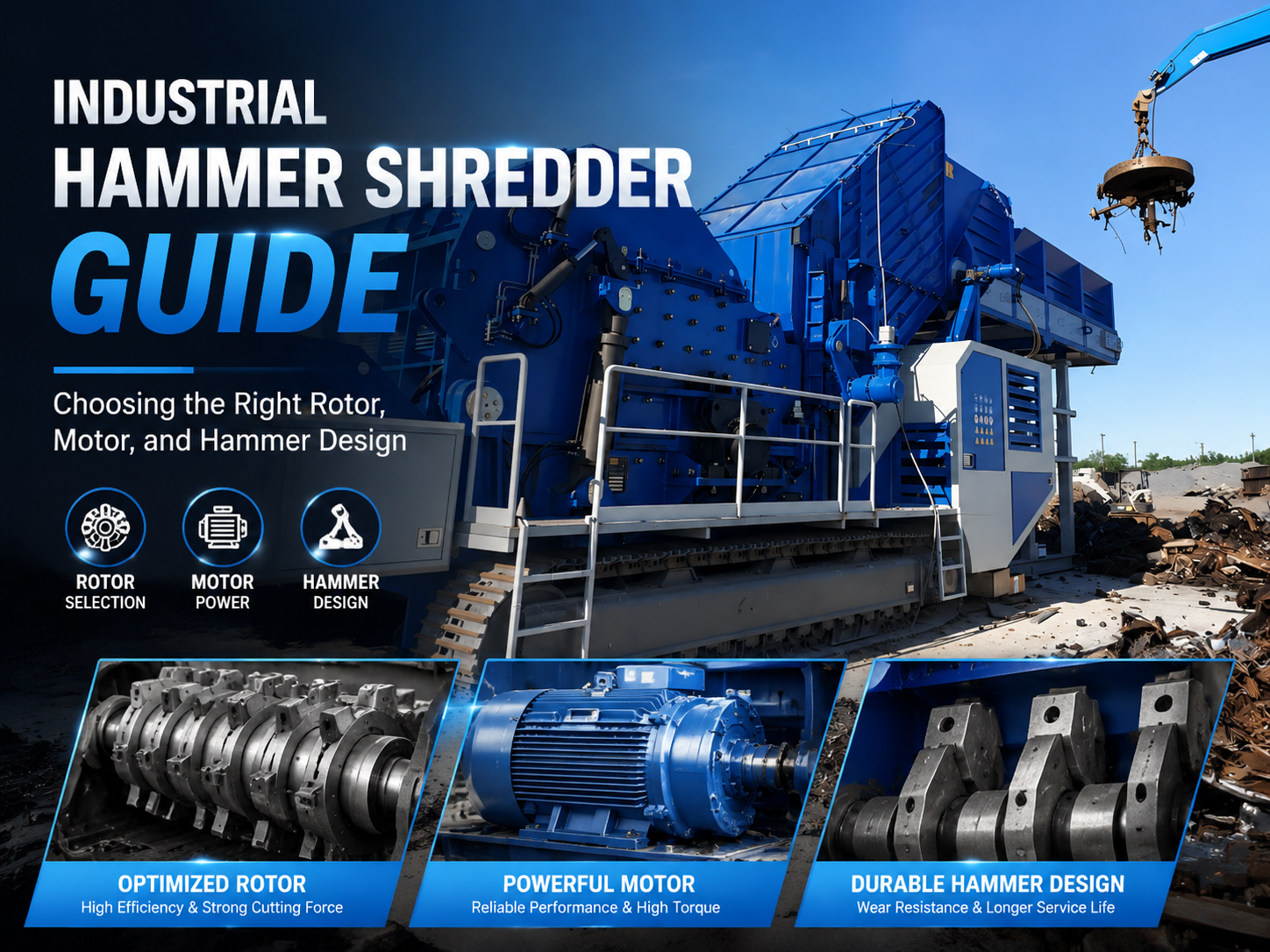
Introduction to Industrial Hammer Shredders
In the world of heavy-duty recycling and material processing, the industrial hammer shredder stands as a cornerstone of efficiency. Whether you are processing scrap metal, electronic waste, or industrial debris, the configuration of your shredder determines your facility’s throughput, product quality, and long-term profitability. Choosing the right combination of rotor, motor, and hammer design is not merely a technical preference; it is a strategic business decision that impacts every aspect of your operation.
HARSLE has long been at the forefront of providing high-performance metal fabrication and processing machinery. This guide aims to demystify the complexities of hammer shredder selection, providing a deep dive into the components that drive performance. By understanding the interplay between kinetic energy, mechanical strength, and electrical efficiency, operators can make informed decisions that minimize downtime and maximize ROI.
Price Range Overview: What to Expect
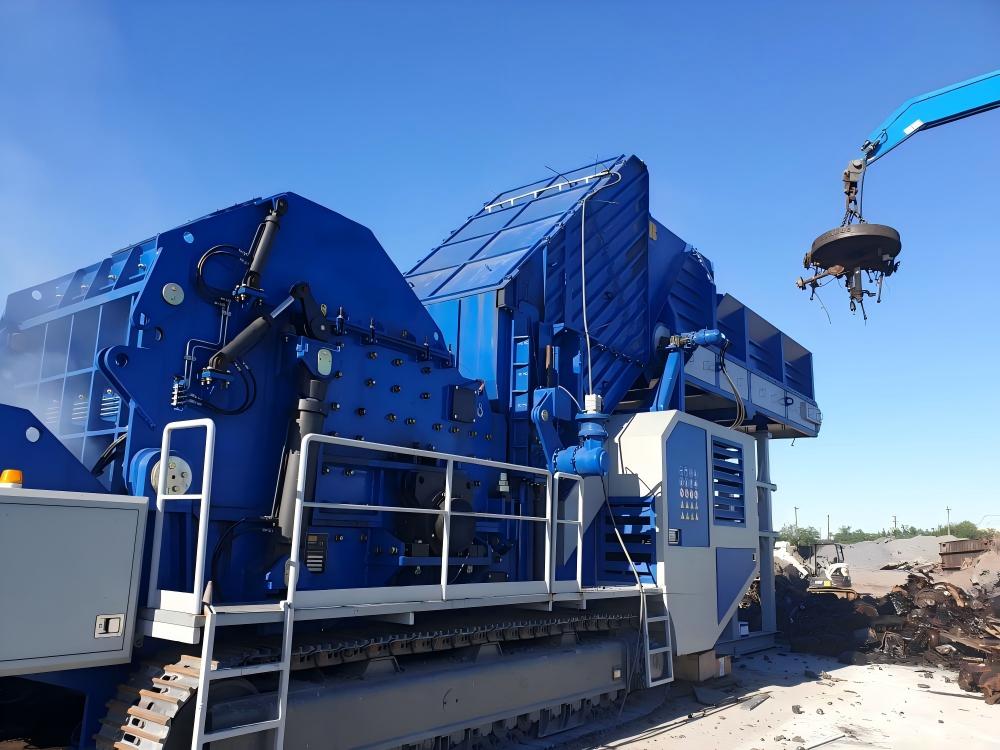
The investment required for an industrial hammer shredder varies significantly based on capacity, material type, and automation levels. Understanding these price brackets helps in budgeting and setting realistic expectations for production capabilities.
Entry-Level and Mobile Units ($20,000 – $60,000)
These units are typically designed for lighter applications such as wood processing, light plastics, or small-scale electronic scrap. They often feature lower horsepower motors (50-100 HP) and smaller rotor diameters. While affordable, they lack the structural reinforcement necessary for heavy ferrous metal shredding.
Mid-Range Industrial Shredders ($70,000 – $250,000)
This is the most common category for dedicated recycling centers. These machines are capable of handling non-ferrous metals, aluminum extrusions, and thin-gauge steel. They feature robust frames, motors ranging from 150 to 400 HP, and more sophisticated hydraulic opening mechanisms for easier maintenance.
Heavy-Duty and Mega-Shredders ($300,000 – $1,500,000+)
Designed for car crushing and heavy HMS (Heavy Melting Scrap) processing, these machines are massive. They utilize motors exceeding 1,000 HP and rotors weighing several tons. The price reflects the massive amount of high-grade steel used in construction and the advanced cooling and filtration systems required to keep the machine operational 24/7.
Main Cost Drivers in Hammer Shredder Manufacturing
When comparing quotes, it is essential to look beyond the sticker price. Several factors drive the cost of a high-quality industrial hammer shredder.
- Steel Quality and Frame Thickness: The housing of a shredder must withstand constant internal bombardment. High-tensile, abrasion-resistant steel (like Hardox) significantly increases the cost but extends the machine’s lifespan by years.
- Bearing and Housing Design: The rotor bearings are the most stressed components. Premium brands like SKF or FAG, housed in water-cooled or vibration-dampened assemblies, add to the initial cost but prevent catastrophic failures.
- Hydraulic Systems: Advanced shredders use hydraulics for opening the top housing, adjusting the grate bars, and even ejecting unshreddable items. The complexity of these systems is a major cost driver.
- Control Systems: Modern PLC (Programmable Logic Controller) systems with remote monitoring, auto-reverse functions to prevent jams, and energy-saving VFDs (Variable Frequency Drives) add a layer of sophistication and cost.
Configuration Impact: The Rotor Design
The rotor is the heart of the shredder. It stores the kinetic energy required to impact and shatter material. There are two primary designs used in the industry today.
Disc-Style Rotors
Disc rotors consist of a series of heavy steel discs keyed onto a central shaft. This design is exceptionally robust and provides high inertia. It is preferred for heavy metal shredding because the discs protect the shaft from direct impact and provide a stable mounting point for the hammer pins. Disc rotors are easier to balance and maintain over long periods of heavy use.
Spider (Arm) Rotors
Spider rotors feature a central shaft with extended arms or “spiders” that hold the hammer pins. This design allows for more open space within the shredding chamber, which can be beneficial for processing bulky, low-density materials like white goods (appliances) or large plastic containers. However, they are generally less suited for heavy ferrous scrap as the arms are more susceptible to stress fractures compared to solid discs.
Rotor Diameter and Width
The physical dimensions of the rotor dictate the “bite” of the machine. A larger diameter rotor travels at a higher tip speed for the same RPM, delivering more crushing force. The width of the rotor determines the volume of material that can be processed in a single pass. Matching these dimensions to your specific material stream is critical for efficiency.
Choosing the Right Motor: Power and Torque
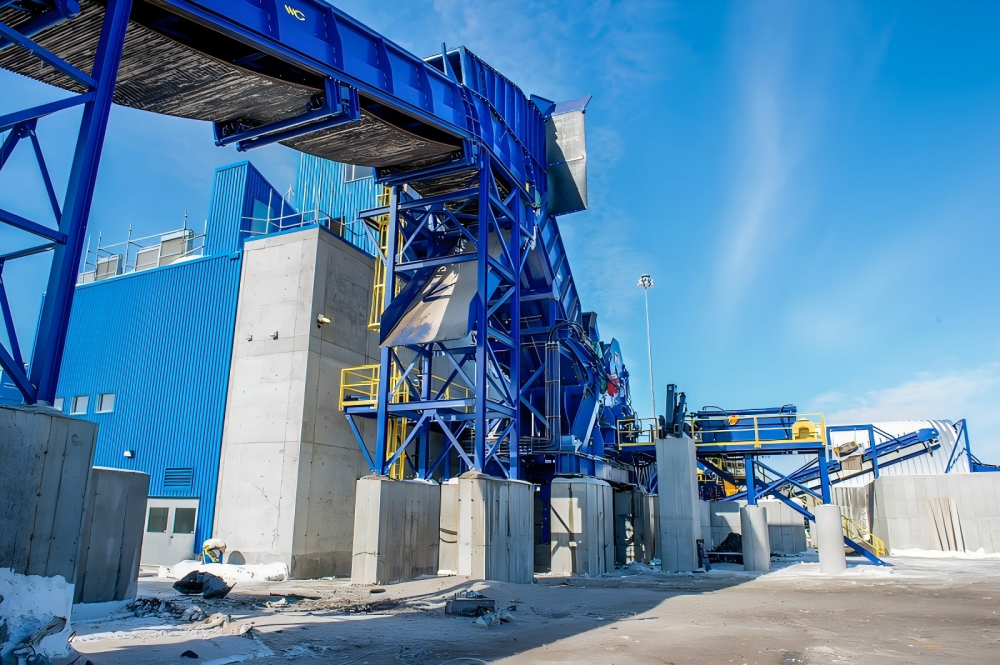
The motor provides the raw energy that the rotor stores. Choosing the wrong motor can lead to frequent stalling, overheating, and excessive energy bills.
Horsepower (HP) vs. Torque
While HP is the standard metric, torque is what actually does the work during a jam or when a heavy object enters the chamber. High-torque, low-speed motors are often preferred for primary shredding, while high-speed motors are used for secondary refining where smaller particle size is the goal.
AC vs. DC Motors
Historically, DC motors were favored for their high starting torque. However, modern AC motors paired with Variable Frequency Drives (VFDs) have become the industry standard. VFDs allow for “soft starts,” which reduce the electrical load on the grid and allow operators to tune the rotor speed to the specific material being processed.
Direct Drive vs. Belt Drive
Direct drive systems offer the highest efficiency but transmit all shocks directly to the motor. Belt drives act as a mechanical fuse; if the rotor jams, the belts will slip, protecting the motor from damage. For most industrial applications, a heavy-duty belt drive or a fluid coupling is recommended to provide a buffer against the violent nature of shredding.
Hammer Design: Metallurgy and Geometry
Hammers are the primary wear part. Their design determines how effectively material is broken down and how often you need to stop for maintenance.
Material Selection
Most industrial hammers are made from Manganese Steel (12-14% Mn). This material has a unique property called “work-hardening.” The more it is struck by hard objects, the harder its surface becomes, while the core remains tough and ductile. For extremely abrasive materials, alloy steels with chrome or molybdenum inserts may be used, though they are more brittle and prone to snapping if they hit a large tramp metal object.
Hammer Shapes
- Bell Hammers: Wide at the base and narrow at the tip, providing a good balance of weight and cutting edge.
- Bow-tie Hammers: Symmetrical design that can be flipped when one side wears down, effectively doubling the life of the part.
- Blunt vs. Sharp: Sharp hammers are better for shearing plastics and wood, while blunt, heavy hammers are better for shattering brittle metals and glass.
Hidden Costs of Ownership
The purchase price is only about 30-40% of the total cost of owning a shredder over ten years. Prospective buyers must account for:
- Wear Parts: Hammers, liners, and grates are consumables. Depending on the material, hammers may need to be replaced or hard-faced every few days or weeks.
- Energy Consumption: A 500 HP motor running 8 hours a day can result in massive utility bills. Inefficient motor setups or poor rotor balancing can increase these costs by 15-20%.
- Downtime: Every hour the shredder is not spinning is lost revenue. Ease of access to the internal chamber for part replacement is a critical “hidden” value.
- Waste Disposal: Shredding creates “fluff” or non-recyclable residue. The cost of transporting and landfilling this residue must be factored into the operational budget.
ROI Calculation: Is the Investment Worth It?
To calculate the Return on Investment (ROI), use the following formula:
ROI = (Annual Revenue from Shredded Material – Annual Operating Costs) / Total Initial Investment
Where:
- Annual Revenue: The difference in value between raw scrap and processed, high-density shredded scrap multiplied by annual tonnage.
- Operating Costs: Labor + Electricity + Wear Parts + Maintenance + Residue Disposal.
Typically, a well-configured industrial hammer shredder in a high-volume facility should see an ROI within 18 to 36 months. If the calculation exceeds 60 months, the machine may be over-specified for the application, or the material stream may not be valuable enough to justify the automation level.
Buying Advice: A Checklist for Success
Before signing a contract, ensure you have addressed these critical points:
- Material Testing: Always send a sample of your material to the manufacturer for a test run. Observe the throughput and the resulting particle size.
- Service and Support: Does the manufacturer have technicians in your region? How quickly can they ship replacement hammers or bearings?
- Safety Features: Ensure the machine has emergency stops, vibration sensors, and a “tramp metal” ejection gate to prevent catastrophic damage from unshreddable items.
- Future Proofing: If you plan to expand, choose a frame that can accommodate a slightly larger motor or a different grate configuration in the future.
Frequently Asked Questions (FAQ)
What is the difference between a hammer mill and a hammer shredder?
While the terms are often used interchangeably, a hammer mill usually refers to machines used for finer grinding (grains, minerals, small E-waste), while a hammer shredder refers to heavy-duty machines used for tearing and crushing large metal or industrial waste objects.
How often should I replace the hammers?
This depends entirely on the material. For aluminum, hammers might last weeks. For heavy steel scrap, they may need hard-facing every 40 hours of operation. Regular inspection is key to preventing the hammers from wearing down to the pin, which can damage the rotor.
Can one shredder handle both wood and metal?
Technically yes, but it is not efficient. Metal shredders require high-inertia rotors and manganese hammers, while wood shredders benefit from higher speeds and sharper, knife-like hammers. Using a metal shredder for wood will result in poor product quality and excessive energy use.
What is the role of the grate bars?
Grate bars are located at the bottom of the shredding chamber. They act as a sieve. Material stays in the chamber and continues to be struck by the hammers until it is small enough to pass through the openings in the grates. Changing the grate size is the primary way to control the final product size.
How do I minimize vibration in my shredder?
Vibration is usually caused by unevenly worn hammers or a build-up of material on the rotor. Ensure that hammers are replaced in balanced sets (opposing pairs) and that the rotor is cleaned and checked for balance regularly. High-quality vibration isolation mounts for the machine base are also highly recommended.
Conclusion
Selecting the right industrial hammer shredder is a balance of science and experience. By focusing on a robust rotor design, a correctly sized motor, and the appropriate hammer metallurgy, you can build a processing line that is both efficient and durable. HARSLE continues to support the industry with high-quality machinery and technical expertise, ensuring that your investment in metal fabrication and recycling equipment yields the highest possible returns. Whether you are upgrading an existing facility or starting a new project, understanding these core components is the first step toward operational excellence.