How to Evaluate Hammer Shredder Quality Before Investing in New Equipment

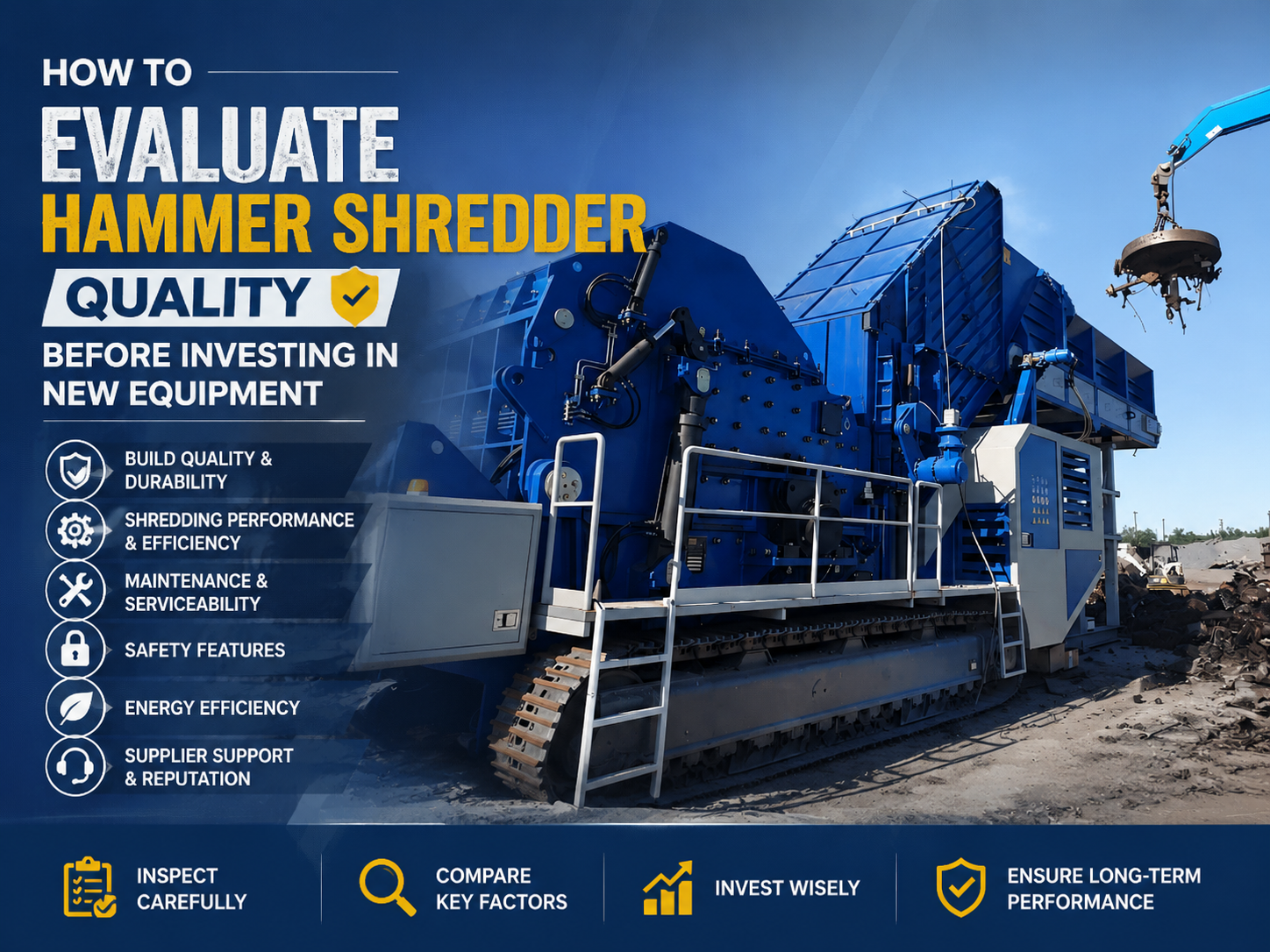
Introduction to Hammer Shredder Evaluation
In the high-stakes world of metal recycling and industrial waste management, the hammer shredder stands as a cornerstone of efficiency. However, the decision to purchase one is not merely a transaction; it is a long-term capital investment that can dictate the profitability of your operations for the next decade. To evaluate hammer shredder quality before investing in new equipment, one must look beyond the glossy brochures and sales pitches. It requires a deep dive into the engineering integrity, material science, and operational logic of the machine.
A hammer shredder operates under extreme conditions, subjecting its internal components to massive centrifugal forces, high-impact collisions, and abrasive wear. A poorly constructed machine will not only fail prematurely but will also incur exorbitant maintenance costs and dangerous downtime. Conversely, a high-quality shredder provides consistent throughput, superior grain size control, and a lower cost-per-ton of processed material. This guide is designed to provide procurement officers, facility managers, and business owners with the technical framework needed to make an informed decision.
When we talk about quality, we are discussing the synergy between the rotor design, the metallurgy of the hammers, the robustness of the housing, and the sophistication of the control systems. In the following sections, we will break down the financial and technical variables that define a world-class hammer shredder, ensuring that your investment yields the highest possible return.
Price Range Overview: What to Expect in the Market
The market for hammer shredders is diverse, ranging from small-scale units designed for electronic waste to massive industrial plants capable of devouring entire car bodies. Understanding the price landscape is the first step to evaluate hammer shredder quality before investing in new equipment. Generally, prices are categorized by motor power, rotor diameter, and processing capacity.
| Shredder Category | Typical Motor Power | Capacity (Tons/Hour) | Estimated Price Range (USD) |
|---|---|---|---|
| Light-Duty / E-Waste | 50kW – 150kW | 1 – 5 TPH | $40,000 – $120,000 |
| Medium-Duty / Scrap Metal | 200kW – 600kW | 5 – 20 TPH | $150,000 – $450,000 |
| Heavy-Duty / Auto Shredder | 800kW – 3000kW+ | 30 – 100+ TPH | $800,000 – $3,000,000+ |
Entry-level machines often focus on affordability, but they may compromise on the thickness of the steel plates or the quality of the bearings. While a lower price tag is tempting, the total cost of ownership (TCO) often rises sharply if the machine is pushed beyond its intended limits. Mid-range shredders, which are the workhorses of the industry, offer a balance of durability and cost. These machines typically feature reinforced housings and more advanced hydraulic opening mechanisms for easier maintenance.
High-end industrial shredders are custom-engineered solutions. At this level, you are paying for specialized alloys, sophisticated vibration monitoring systems, and integrated dust suppression. When evaluating these price ranges, it is vital to ask for a detailed bill of materials. A machine that is 20% cheaper might be using standard carbon steel where manganese steel is required, leading to structural fatigue within just a few years of operation.
Main Cost Drivers: Where Your Money Goes
To effectively evaluate hammer shredder quality before investing in new equipment, you must understand the components that drive the cost. The most significant cost driver is the rotor assembly. The rotor is the heart of the machine, and its construction determines the shredder’s longevity. A high-quality rotor is typically made from forged steel rather than cast steel, providing better resistance to the immense centrifugal forces generated during operation.
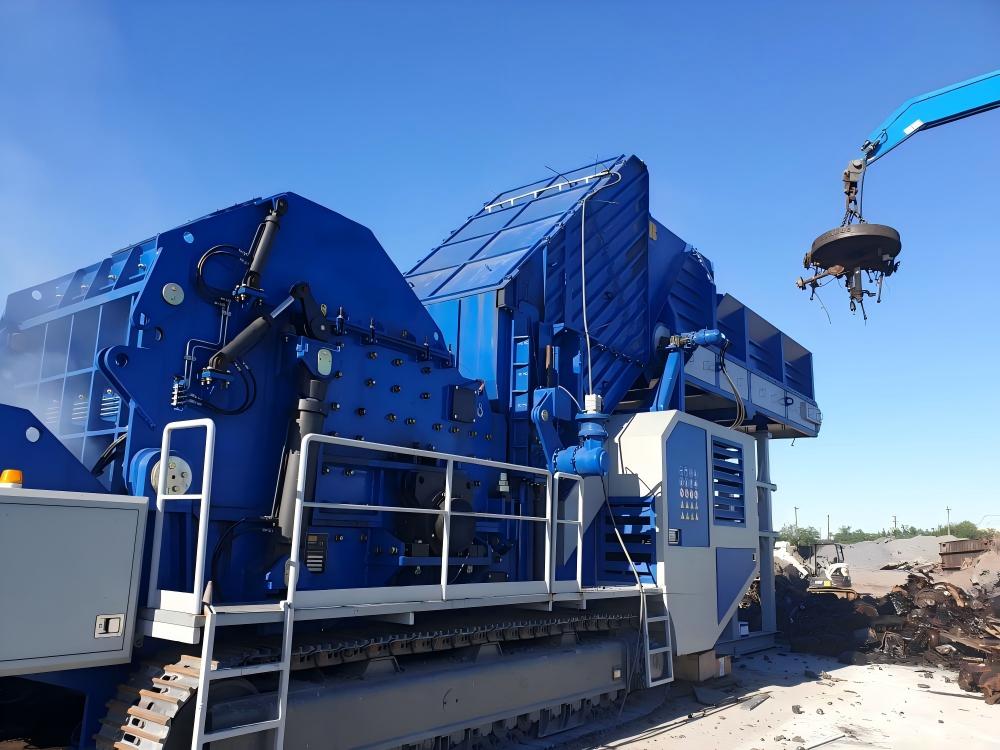
The second major driver is the metallurgy of the wear parts. Hammers, liners, and grates are consumable items, but their initial quality varies wildly. Premium manufacturers use high-manganese steel (often 12-14% or even 18-21% Mn) or alloy steels with specific heat treatments. These materials work-harden under impact, meaning the more they are hit, the harder they become. Investing in superior metallurgy at the start reduces the frequency of replacements, which is a massive operational saving.
Motor and drive systems also represent a significant portion of the budget. High-efficiency motors (IE3 or IE4 ratings) may cost more upfront but significantly reduce electricity bills. Furthermore, the inclusion of a sophisticated Variable Frequency Drive (VFD) or a soft-starter system protects the electrical grid from massive surges and allows for better control over the shredding process. Finally, the hydraulic system—used for opening the housing and adjusting the anvil—must be robust. Cheap hydraulics are prone to leaks and failure, which can be catastrophic in a dusty recycling environment.
Configuration Impact: Tailoring the Machine to Your Scrap
The configuration of a hammer shredder must match the specific type of scrap you intend to process. A machine configured for aluminum cans will fail miserably if fed heavy structural steel. When you evaluate hammer shredder quality before investing in new equipment, look at how the manufacturer allows for configuration adjustments. This includes the hammer pattern, the grate size, and the feed mechanism.
Rotor configuration is critical. Some shredders use a “spider” rotor design, while others use a “disc” rotor. Disc rotors are generally preferred for heavy scrap because they provide more mass and protection for the rotor shaft. The number and weight of the hammers also play a role. Heavier hammers are better for thick-walled scrap, providing the kinetic energy necessary to break the material, whereas lighter, faster hammers are better for secondary shredding or brittle materials.
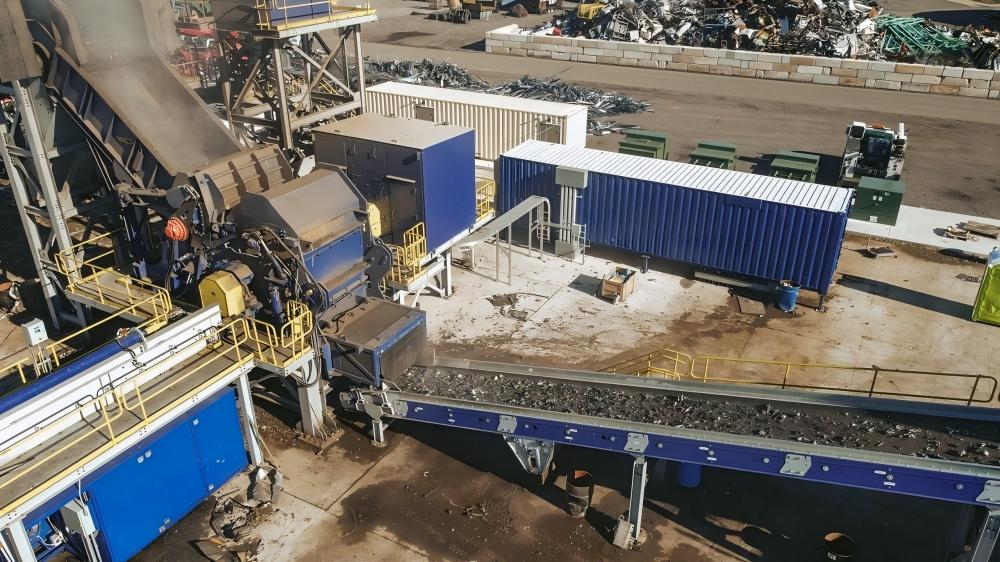
The discharge grate is another configuration point. The size of the holes in the grate determines the final product size. A high-quality shredder will have easily replaceable grates made from abrasion-resistant steel. Furthermore, consider the feed system. Is it a gravity feed, or does it include a hydraulic feed roller? A controlled feed system prevents the machine from choking and ensures a steady load on the motor, which extends the life of the entire drivetrain.
Hidden Costs: Beyond the Initial Purchase Price
One of the biggest mistakes buyers make is focusing solely on the sticker price. To truly evaluate hammer shredder quality before investing in new equipment, you must calculate the hidden costs. The most prominent of these is the cost of wear parts. In a high-volume operation, hammers might need to be rotated or replaced weekly. If the machine’s design makes access difficult, you aren’t just paying for the parts; you’re paying for hours of expensive labor and lost production time.
Energy consumption is another hidden cost. A shredder that is poorly balanced or has an inefficient motor will consume significantly more kilowatt-hours per ton of material. Over five years, the difference in electricity costs between a high-efficiency machine and a budget model can exceed the initial price difference of the machines. Additionally, consider the cost of lubricants and hydraulic fluids. High-quality machines often feature automated lubrication systems that reduce waste and ensure that critical bearings are never starved of oil.
Installation and foundation work are often overlooked. A heavy-duty hammer shredder generates massive vibrations. A quality manufacturer will provide detailed engineering drawings for the foundation and may even include vibration isolation mounts. If the machine is poorly balanced, it will eventually crack its own foundation or damage nearby equipment, leading to astronomical repair bills. Always factor in the cost of spare parts inventory; a manufacturer with a local warehouse can save you weeks of downtime compared to one that ships everything from overseas.
ROI Calculation: Measuring the Value of Your Investment
The Return on Investment (ROI) for a hammer shredder is calculated by looking at the “spread”—the difference between the cost of raw scrap and the selling price of the shredded, densified, and cleaned product. High-quality shredders produce a cleaner product with higher bulk density, which commands a premium price from smelters and steel mills. To evaluate hammer shredder quality before investing in new equipment, you must run a multi-year ROI projection.
Consider the following formula for a simplified ROI analysis: Annual Profit = (Throughput per hour × Operating hours per year × (Value of shredded scrap – Cost of raw scrap)) – (Annual Maintenance + Energy + Labor). A high-quality machine increases the “Throughput per hour” and the “Value of shredded scrap” while decreasing “Annual Maintenance” and “Energy” costs. Even if the initial investment is $100,000 higher, a machine that increases throughput by 10% and reduces downtime by 15% will usually pay for that difference within the first 12 to 18 months.
Furthermore, consider the resale value. Industrial machinery from reputable brands like HARSLE maintains a much higher resale value on the secondary market. If you decide to upgrade your facility in ten years, a well-maintained, high-quality shredder can be sold for a significant portion of its original cost, whereas a generic, low-quality machine may only be worth its weight in scrap metal.
Buying Advice: A Step-by-Step Evaluation Checklist
When you are ready to move forward, use this checklist to evaluate hammer shredder quality before investing in new equipment. This will help you filter out inferior products and focus on machinery that will actually grow your business.
- Verify Material Certifications: Ask for mill certificates for the rotor shaft and the housing plates. Ensure they meet the specified grades (e.g., Hardox 500 for liners).
- Inspect the Welding: Look for deep, consistent welds. In a shredder, the housing is under constant stress; poor welding will lead to structural cracks.
- Evaluate the Bearing Housing: The bearings are the most vulnerable point. High-quality shredders use oversized, double-row spherical roller bearings from reputable brands like SKF or FAG, housed in heavy-duty, water-cooled blocks.
- Test the Control Logic: Ask about the PLC (Programmable Logic Controller) features. Does it have an auto-reverse function to clear jams? Does it monitor motor temperature and vibration levels in real-time?
- Check Manufacturer Track Record: Ask for references from existing customers who have been running the specific model for at least two years. A factory visit is also highly recommended to see the manufacturing process firsthand.
- Assess After-Sales Support: Confirm the availability of wear parts. If the manufacturer cannot guarantee 48-hour shipping on hammers and liners, your operation is at risk.
By following these steps, you move from being a passive buyer to an active evaluator. The goal is to find a partner, not just a supplier. A manufacturer like HARSLE, which understands the nuances of metal fabrication and recycling, can provide the technical guidance necessary to ensure the machine is perfectly suited to your operational environment.
Frequently Asked Questions (FAQ)
1. How long do the hammers typically last in a metal shredder?
Hammer life varies significantly based on the material being shredded. For light scrap like aluminum, hammers may last several weeks. For heavy steel scrap, they might need to be turned or replaced every 40 to 80 hours of operation. High-manganese alloys generally offer the best lifespan for high-impact applications.
2. Can a hammer shredder handle stainless steel?
While a hammer shredder can process stainless steel, it is much harder on the machine than carbon steel. Stainless steel work-hardens rapidly, which increases the wear on the hammers and liners. If you plan to process large volumes of stainless, you may need a machine with higher torque and specialized alloy hammers.
3. What is the difference between a hammer mill and a hammer shredder?
In the recycling industry, the terms are often used interchangeably. However, a “shredder” usually refers to a machine designed for heavy-duty metal destruction, while a “hammer mill” might refer to a machine used for finer grinding of materials like glass, wood, or light electronic waste. Always check the input material specifications.
4. How important is the vibration isolation system?
It is critical. Without proper vibration isolation, the energy from the shredding process is transferred directly into the building’s foundation and the machine’s own frame. This can lead to structural failure, loosened bolts, and premature bearing wear. A high-quality shredder will always include or specify a robust vibration management plan.
5. Is a VFD (Variable Frequency Drive) necessary?
While not strictly necessary for the machine to function, a VFD is highly recommended. It allows you to adjust the rotor speed to match the material, reduces mechanical stress during startup, and can significantly lower peak energy charges from your utility provider.