What Size Hammer Shredder Do You Need for Aluminum, Steel, and Mixed Scrap?

Introduction to Hammer Shredder Sizing for Metal Recycling
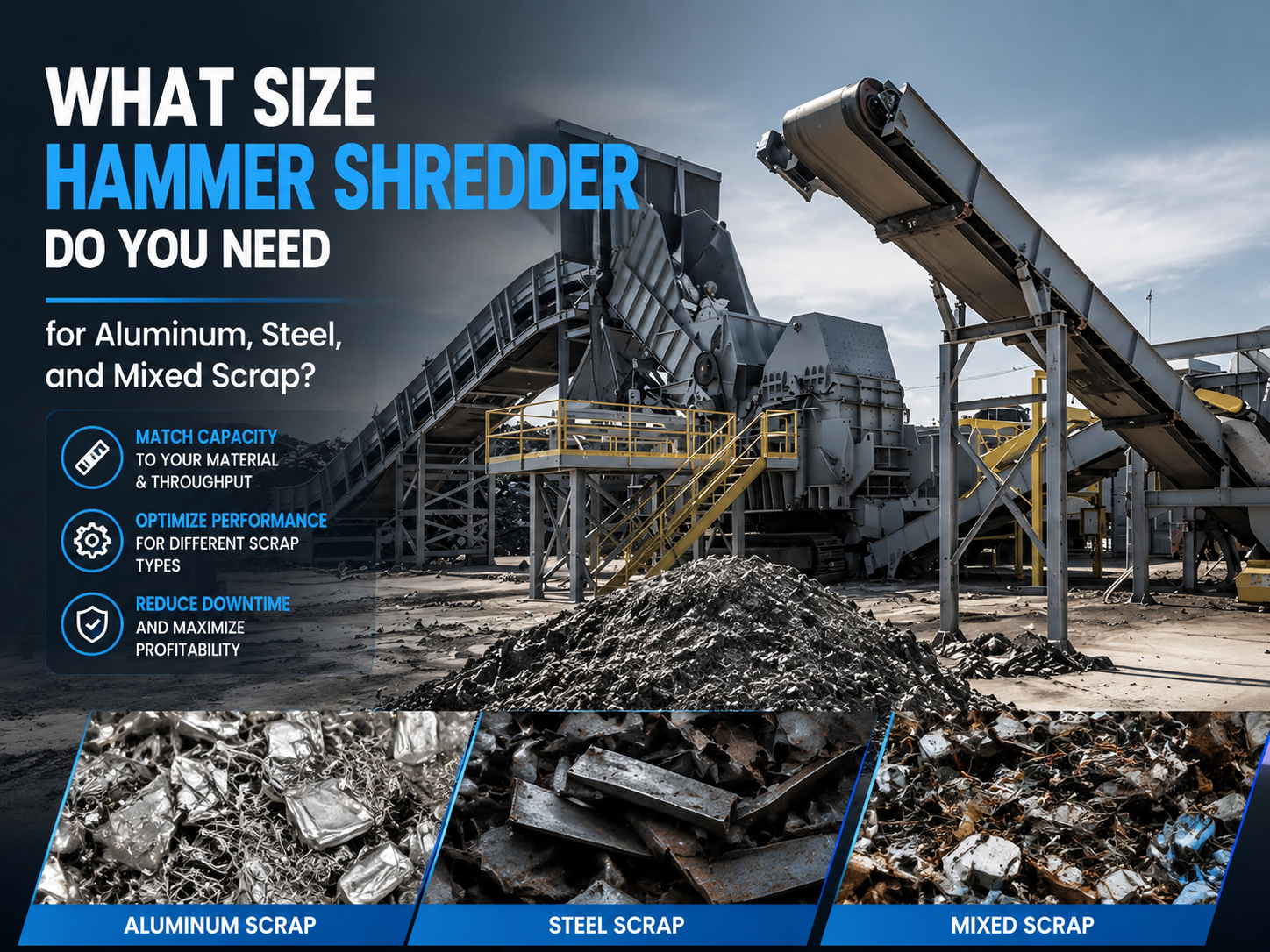
In the world of metal recycling, the efficiency of your operation hinges on one critical piece of equipment: the hammer shredder. Whether you are processing light aluminum cans, heavy structural steel, or a complex stream of mixed scrap, selecting the correct machine size is the difference between a profitable venture and a maintenance nightmare. The question of Size Hammer Shredder Do You Need Aluminum, Steel, Mixed Scrap? is not just about physical dimensions; it encompasses motor horsepower, rotor inertia, grate sizing, and throughput capacity.
A hammer shredder works by using high-speed, heavy-duty hammers pinned to a rotating shaft to impact the material. This impact breaks the scrap into smaller, denser pieces while liberating different materials (such as plastic from aluminum or copper from steel). If the machine is too small, it will frequently jam, suffer from premature wear, and fail to meet production targets. If it is too large, the capital expenditure and energy consumption will erode your margins. This guide provides a deep dive into the technical and financial considerations for sizing your next HARSLE hammer shredder.
Price Range Overview: From Entry-Level to Industrial Giants
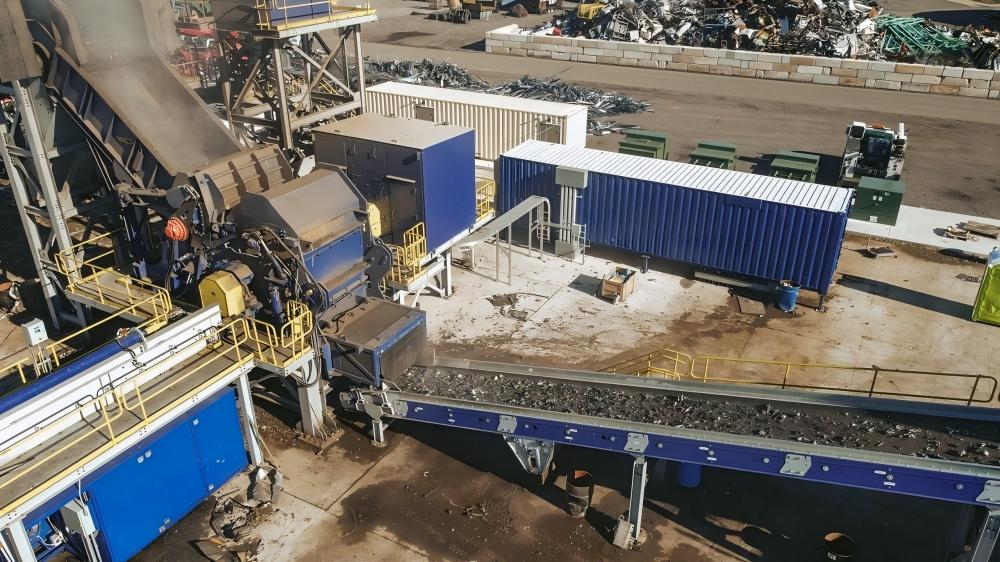
The price of a hammer shredder is directly proportional to its size, power, and the complexity of its integrated systems. Understanding the price tiers helps businesses align their budget with their operational goals. Generally, hammer shredders are categorized into three main tiers based on their processing capacity and motor power.
Small-Scale Shredders (1 to 5 Tons Per Hour)
Small-scale units are typically priced between $50,000 and $150,000. These machines are ideal for specialized recycling centers that focus on light-gauge aluminum, electronic scrap (e-waste), or small automotive components. They usually feature motors ranging from 75 HP to 200 HP. While they lack the brute force to handle heavy structural steel, they are highly efficient for densifying light scrap for better transport rates.
Mid-Range Shredders (5 to 20 Tons Per Hour)
Mid-range shredders represent the most common choice for regional scrap yards. These units typically cost between $200,000 and $600,000. With motor capacities between 300 HP and 800 HP, these machines can handle a variety of mixed scrap, including white goods (appliances), light iron, and heavy aluminum castings. They offer a balance between manageable operating costs and significant throughput.
Large-Scale Industrial Shredders (20+ Tons Per Hour)
For massive operations processing end-of-life vehicles (ELVs) and heavy industrial scrap, large-scale shredders are required. These systems can cost anywhere from $1 million to over $5 million, depending on the downstream separation equipment included. These giants utilize motors exceeding 1,000 HP (sometimes up to 5,000 HP) and are designed for 24/7 operation. They are the backbone of the global metal recycling supply chain.
Main Cost Drivers: What Dictates the Price of a Hammer Shredder?
When evaluating the Size Hammer Shredder Do You Need Aluminum, Steel, Mixed Scrap?, it is essential to look beyond the sticker price. Several technical factors drive the cost and performance of the machine. The most significant driver is the rotor assembly. The rotor is the heart of the shredder; its weight and diameter determine the kinetic energy available to crush the metal. A larger rotor requires a more robust housing, heavier bearings, and a more powerful drive system.
Material thickness is another primary cost driver. Shredding 1mm aluminum sheet requires significantly less torque than shredding 10mm steel plate. If your scrap stream includes heavy steel, the machine must be built with thicker wear plates (often made of manganese steel or specialized alloys) and a reinforced frame to withstand the constant vibration and impact. This structural reinforcement adds significant cost to the manufacturing process.
Furthermore, the drive system—whether electric or hydraulic—plays a role. Electric drives are generally more common for high-speed hammer mills, but they require sophisticated soft-start systems or VFDs (Variable Frequency Drives) to manage the massive current draw during startup. These electrical components can add 10-15% to the total system cost but are vital for protecting the local power grid and the motor itself.
Configuration Impact: Customizing for Aluminum vs. Steel
The configuration of a hammer shredder must be tailored to the specific physical properties of the scrap being processed. Aluminum and steel behave very differently under impact, and a “one size fits all” approach often leads to inefficiency.
Shredding Aluminum Scrap
Aluminum is relatively soft but can be “gummy” if it contains certain alloys or coatings. For aluminum, the shredder is often configured with higher rotor speeds to promote better liberation of contaminants. The hammers used for aluminum are typically lighter than those used for steel, allowing for faster rotation and more frequent impacts. Grate sizes are also critical; smaller grates ensure that the aluminum is shredded into a uniform “nugget” size, which is highly valued by secondary smelters.
Shredding Steel and Mixed Scrap
Steel requires mass and momentum. For steel scrap, the hammers must be heavy (often 50kg to 150kg each) to provide the necessary force to fracture the metal. The rotor speed is generally lower than that of an aluminum shredder to prevent excessive heat buildup and wear. Mixed scrap—which may contain plastics, rubber, and various metals—requires a versatile grate system. Many modern HARSLE shredders feature interchangeable grates, allowing operators to switch configurations based on the day’s material stream.
Hidden Costs: Beyond the Initial Purchase Price
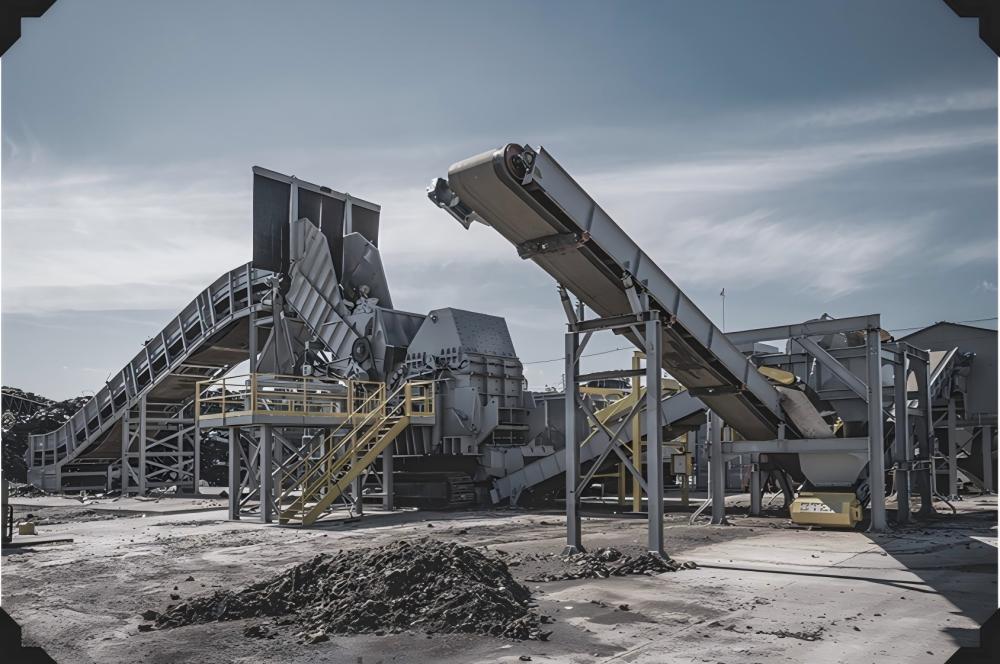
The total cost of ownership (TCO) for a hammer shredder includes several factors that are often overlooked during the initial procurement phase. Maintenance is the most significant hidden cost. Hammer shredders are “self-consuming” machines; the hammers, liners, and grates are designed to wear down as they process metal. Depending on the abrasiveness of your scrap, hammers may need to be replaced or hard-faced every few days or weeks.
Energy consumption is another major factor. A 500 HP motor running 8 hours a day can result in substantial monthly utility bills. Efficient sizing is crucial here; running a large shredder at half capacity is incredibly wasteful, as the energy required to spin the heavy rotor remains constant regardless of the material feed rate. Additionally, dust suppression and air filtration systems are often required by environmental regulations. These systems require their own power and maintenance, adding to the operational overhead.
Finally, consider the cost of downtime. A broken bearing or a cracked rotor can halt production for weeks if spare parts are not readily available. When choosing a size and brand, the availability of local technical support and a robust spare parts inventory (like that provided by HARSLE) is just as important as the machine’s technical specs.
ROI Calculation: Turning Scrap into Profit
To justify the investment in a specific Size Hammer Shredder Do You Need Aluminum, Steel, Mixed Scrap?, you must calculate the Return on Investment (ROI). The primary value proposition of a shredder is “value-added processing.” Raw, bulky scrap has a lower market value than clean, densified, and sorted scrap.
For example, consider mixed aluminum scrap. In its raw form, it may contain 10% contaminants (plastics, iron, etc.). By shredding and using magnetic and eddy current separators, you can produce a 99% pure aluminum product. The price difference between “dirty” scrap and “clean” nuggets can be several hundred dollars per ton. If your shredder processes 5 tons per hour and increases the value by $200/ton, that is $1,000 of additional value per hour. Subtracting operating costs (labor, power, wear parts) of approximately $300/hour leaves a net profit increase of $700/hour. At this rate, a $500,000 investment could be paid back in less than 1,000 operating hours.
| Scrap Type | Recommended Motor Power | Throughput (TPH) | Primary Value Driver |
|---|---|---|---|
| Light Aluminum (Cans/Sheet) | 150 – 250 HP | 2 – 5 | Densification & Purity |
| Mixed Cast Aluminum | 300 – 500 HP | 5 – 10 | Iron Liberation |
| White Goods (Appliances) | 500 – 800 HP | 8 – 15 | Volume Reduction |
| Heavy Steel / ELV | 1000+ HP | 20+ | Material Separation |
Buying Advice: How to Choose the Right Size for Your Facility
Choosing the right size hammer shredder requires a systematic approach. Follow these steps to ensure you select a machine that meets your current and future needs:
- Analyze Your Feedstock: Document the maximum thickness and dimensions of the scrap you intend to process. If you occasionally get heavy pieces, you need a shredder with a large enough feed opening and enough rotor inertia to handle those “surges.”
- Define Your Output Goals: What does your buyer want? If they require 20mm nuggets, you need a different grate configuration than if they accept 50mm pieces. Smaller output sizes require more energy and reduce throughput.
- Consider Future Growth: It is often wise to buy a machine with 20-30% more capacity than you currently need. This allows for business growth without needing to replace the entire system in two years.
- Evaluate the Power Supply: Ensure your facility’s electrical infrastructure can handle the startup current of the shredder. Upgrading a transformer can be a massive unexpected expense.
- Test Before You Buy: Whenever possible, send a sample of your typical scrap to the manufacturer for a test grind. This provides concrete data on throughput and energy consumption.
HARSLE recommends focusing on the “sweet spot” of your production. Don’t size your machine for the 1% of the heaviest scrap you might see; instead, size it for the 99% you process daily, and use a shear or torch to pre-process the oversized items.
Frequently Asked Questions (FAQ)
What is the difference between a hammer mill and a hammer shredder?
In the metal recycling industry, the terms are often used interchangeably. However, a “shredder” usually refers to a larger system designed for heavy fragmentation of steel and cars, while a “hammer mill” often refers to smaller or mid-sized units used for aluminum, e-waste, or turning turnings into chips. Both use the same principle of high-speed impact.
Can one shredder handle both aluminum and steel?
Yes, but with caveats. While a shredder sized for steel can easily handle aluminum, it may not be the most energy-efficient way to do so. Conversely, a shredder designed strictly for light aluminum will likely suffer catastrophic failure if fed heavy steel structural beams. If you process both, size the machine for the toughest material (steel) and adjust the grates and speed for aluminum.
How often do the hammers need to be replaced?
Hammer life depends entirely on the material being processed. For clean aluminum, hammers can last hundreds of hours. For sandy or abrasive mixed scrap, they may need attention every 40-80 hours. Using high-quality manganese steel hammers from HARSLE can significantly extend these intervals.
Does the shredder remove paint and coatings?
The high-speed impact in a hammer shredder generates heat and friction, which effectively knocks off a large percentage of paint, paper, and plastic coatings. This “cleaning” action is one of the reasons shredded scrap fetches a higher price at the smelter.
What safety features should I look for?
Safety is paramount. Look for machines with automated “reject doors” that can eject unshreddable objects (like a solid steel shaft) before they damage the rotor. Additionally, ensure the machine has vibration monitoring sensors and emergency stop systems integrated into the PLC (Programmable Logic Controller).