Why Your Gantry Shear Is Producing Uneven Cuts and Troubleshooting Steps

Introduction: Understanding Precision in Gantry Shearing
In the high-stakes world of industrial metal fabrication, the gantry shear stands as a cornerstone of productivity. Designed for heavy-duty plate cutting and structural steel processing, these machines are engineered for high-force output and consistent accuracy. However, even the most robust HARSLE gantry shear can occasionally encounter performance degradation. When you notice that your gantry shear is producing uneven cuts, it is not merely a minor inconvenience; it is a signal that the mechanical, hydraulic, or structural integrity of the machine is compromised.
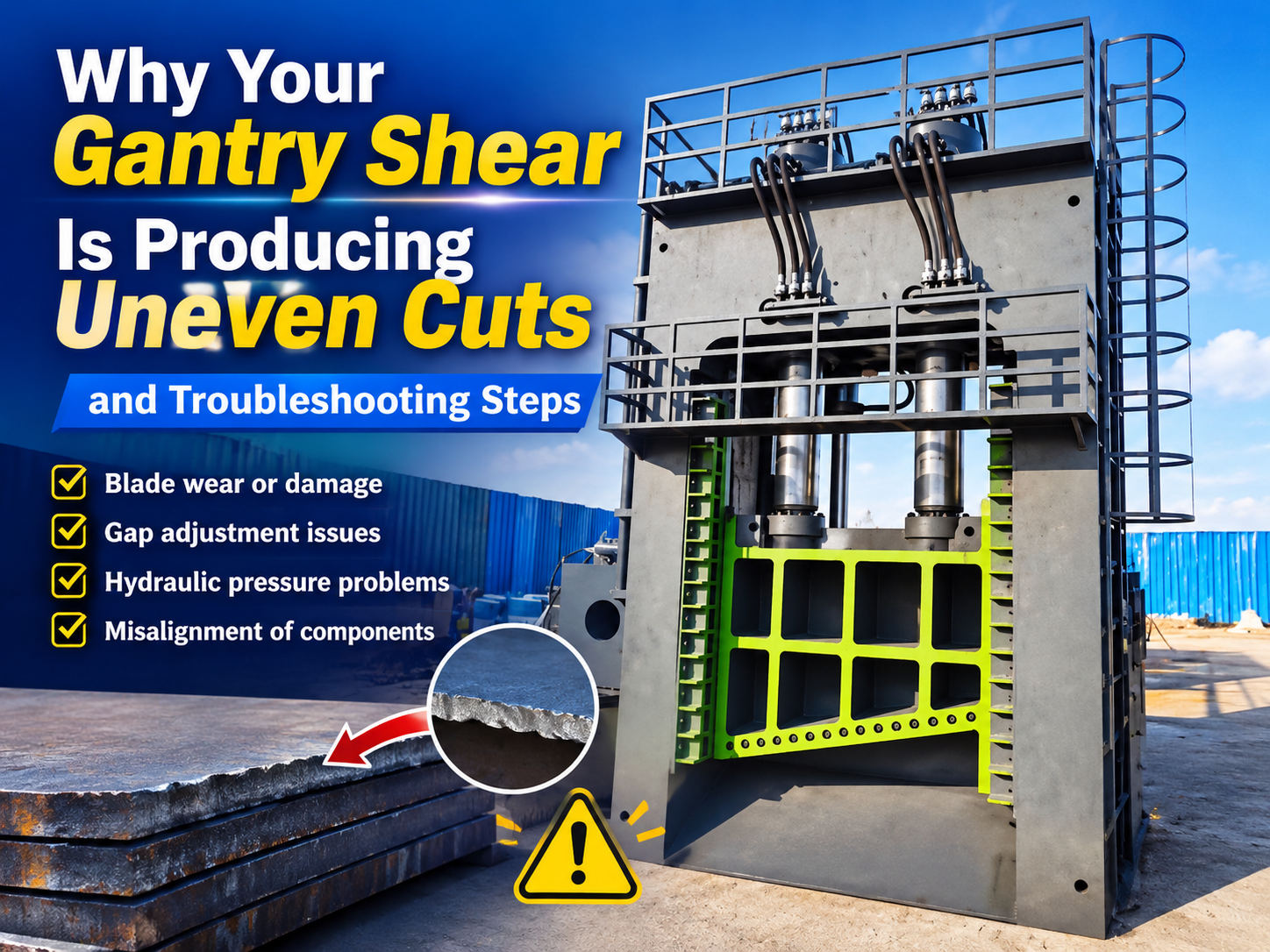
The phenomenon of uneven cutting—often manifesting as burrs, tapered edges, or inconsistent blade gaps—can lead to significant material waste, increased secondary processing costs, and potential safety hazards. Understanding why your gantry shear is producing uneven cuts and troubleshooting steps is essential for any facility manager or machine operator aiming to maintain high throughput and quality standards. This guide provides a comprehensive look at the root causes of shearing inaccuracies and the systematic steps required to rectify them.
Precision in shearing is governed by the delicate balance between blade clearance, structural rigidity, and hydraulic synchronization. When this balance is disrupted, the shear force is no longer distributed uniformly across the material, leading to the dreaded uneven edge. By systematically evaluating the machine’s components, operators can identify whether the issue stems from wear and tear, improper calibration, or external environmental factors.
This article serves as a technical roadmap for troubleshooting your shearing equipment. We will explore the mechanical nuances of gantry systems, the importance of blade maintenance, and the critical role of hydraulic pressure stability. Whether you are operating a new HARSLE unit or maintaining a legacy machine, these insights will help you restore the precision your production line demands.
Key Considerations: Identifying the Root Cause
Before diving into complex mechanical repairs, it is vital to perform a preliminary assessment of the shearing environment. Often, the reason why your gantry shear is producing uneven cuts and troubleshooting steps are overlooked because the focus is placed on the blades rather than the support structure. The first consideration is the material itself. Are you cutting material that exceeds the machine’s rated tensile strength or thickness capacity? Overloading the shear can cause the gantry frame to deflect, leading to an immediate loss of parallelism between the upper and lower blades.
Secondly, consider the foundation and leveling of the machine. A gantry shear is a massive piece of industrial equipment that requires a perfectly level, vibration-dampened concrete foundation. If the floor has settled or if the machine was not anchored correctly, the frame can twist under load. This micro-distortion is often invisible to the naked eye but becomes glaringly obvious when the shear blade fails to meet the lower die with uniform pressure across the entire length of the cut.
Thirdly, evaluate the material clamping system. If the hold-down cylinders are not exerting uniform pressure across the entire width of the plate, the material will shift or “creep” during the shearing stroke. This movement causes the blade to bite into the material at an angle, resulting in a beveled or uneven cut. Ensuring that all hold-down cylinders are functioning at the correct hydraulic pressure is a critical step in the troubleshooting process.
Finally, consider the ambient temperature and hydraulic oil viscosity. Hydraulic systems are sensitive to temperature fluctuations. If the oil is too cold, the response time of the valves may be sluggish, leading to uneven pressure distribution during the stroke. Conversely, if the oil is overheated, the viscosity drops, potentially causing internal leaks in the cylinders that result in inconsistent force. Monitoring your hydraulic system’s health is a foundational step in maintaining cut quality.
Technical Details: Troubleshooting the Mechanical and Hydraulic Systems
When you have confirmed that the foundation and material handling are correct, it is time to look at the mechanical heart of the machine. The most common technical reason why your gantry shear is producing uneven cuts is improper blade clearance. The clearance between the upper and lower blades must be adjusted based on the thickness and type of material being cut. If the gap is too wide, the material will be pulled into the gap, creating a large burr and an uneven edge. If the gap is too tight, the blades will rub against each other, causing rapid wear and potential chipping.
To troubleshoot blade clearance, use a feeler gauge to measure the gap at several points along the length of the blade. If the gap is inconsistent, you must adjust the blade clearance mechanism. Most modern HARSLE shears feature a motorized or manual clearance adjustment system. Ensure that the locking mechanisms are fully engaged after adjustment, as vibration during the shearing process can cause these settings to drift if not properly secured.
Next, inspect the blade condition itself. Dull or chipped blades are a primary culprit for uneven cuts. When a blade loses its edge, it requires more force to penetrate the material, which increases the stress on the entire gantry structure. This extra force can cause the gantry to flex, leading to a non-linear cut. Regularly sharpening or replacing blades is not just a maintenance task; it is a precision requirement. Always ensure that the blades are shimmed correctly after sharpening to maintain the required clearance.
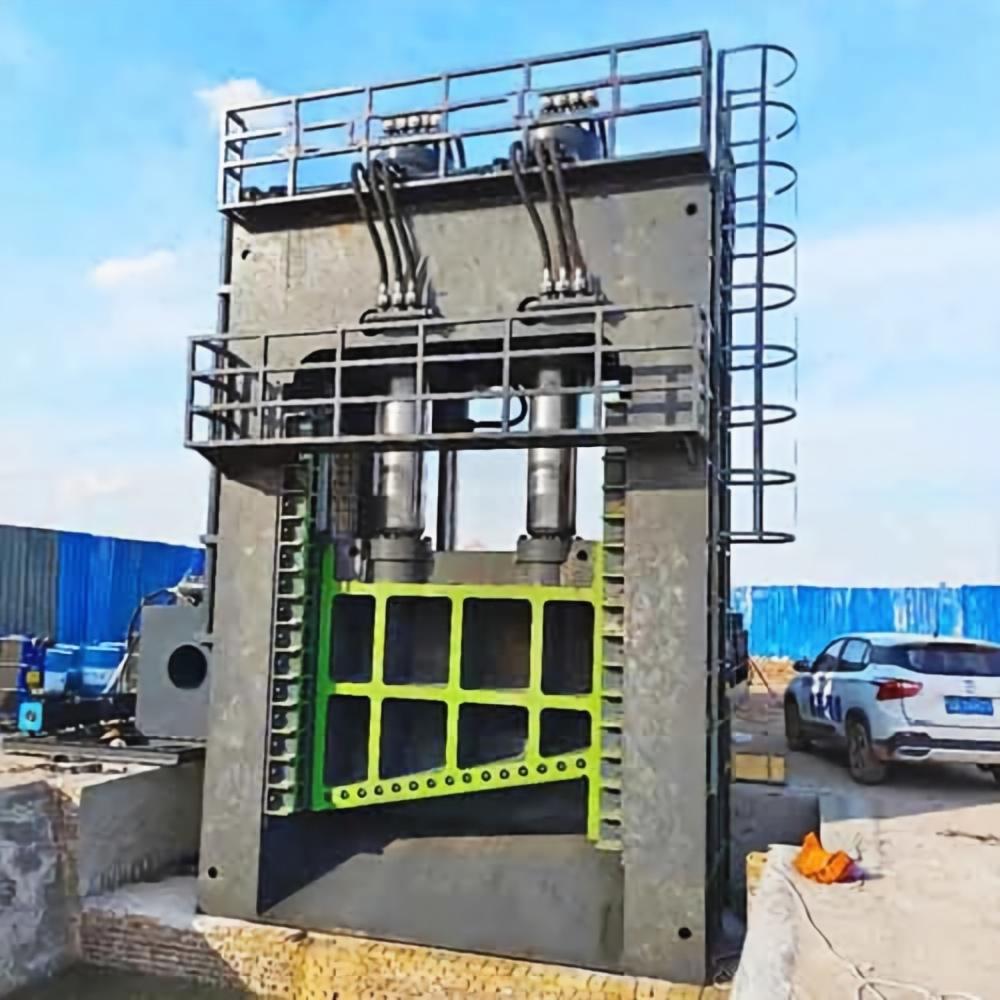
The hydraulic synchronization of the gantry cylinders is another critical technical area. In a gantry shear, the upper blade is typically driven by two or more hydraulic cylinders. If these cylinders are not synchronized—meaning one extends slightly faster or further than the other—the blade will tilt, causing a diagonal or uneven cut. Check the hydraulic manifold and the flow control valves for any signs of blockage or wear. If the cylinders are not moving in perfect unison, you may need to bleed the hydraulic system to remove trapped air or recalibrate the synchronization valves.
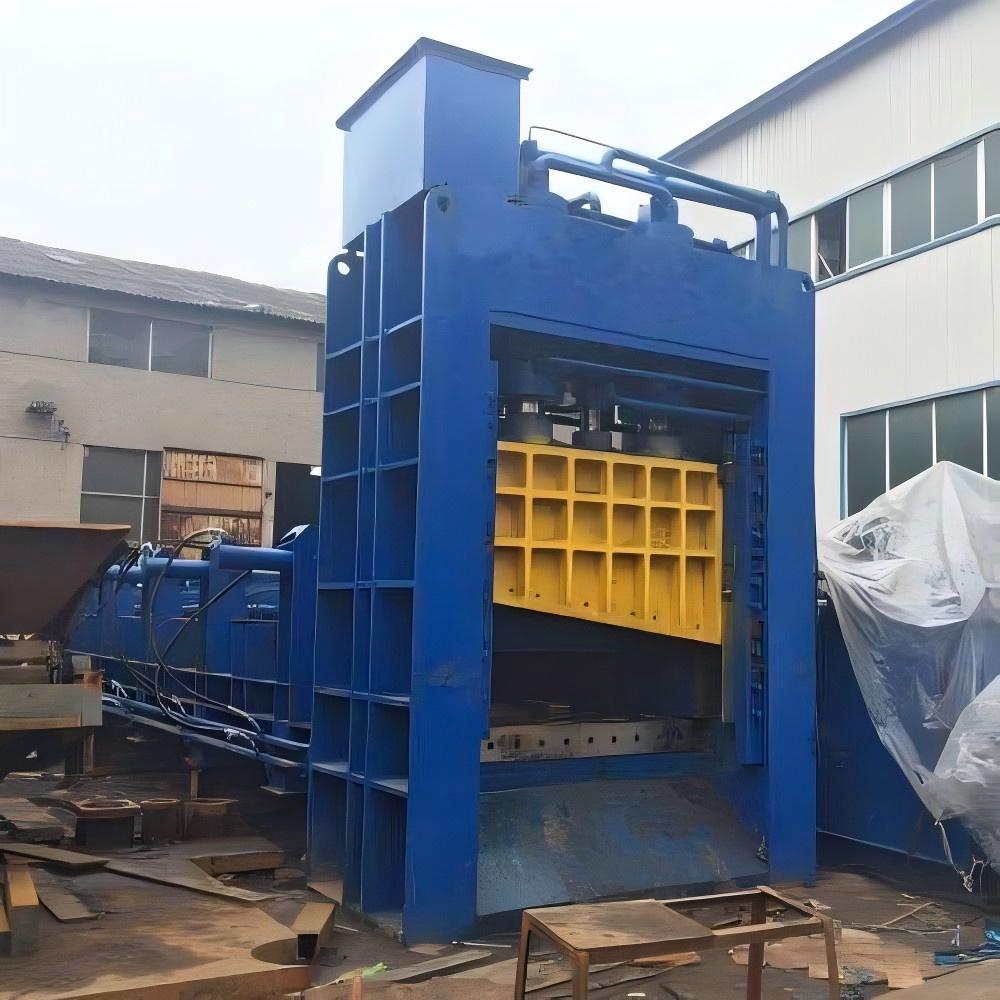
Step-by-Step Troubleshooting Checklist
- Check Blade Clearance: Use a feeler gauge to ensure the gap is uniform across the entire length. Adjust according to material thickness.
- Inspect Blade Sharpness: Look for rounded edges or chips. Replace or sharpen blades if necessary.
- Verify Hold-Down Pressure: Ensure all hold-down cylinders are engaging the material firmly and evenly before the shear stroke begins.
- Check Hydraulic Synchronization: Observe the movement of the upper blade. If it tilts during the stroke, check the flow control valves and bleed the hydraulic lines.
- Examine Structural Integrity: Check for loose bolts or signs of frame deflection. Ensure the machine is level and properly anchored.
- Review Material Specifications: Confirm that the material being cut is within the machine’s rated capacity for thickness and hardness.
Selection Advice: Choosing the Right Shear for Your Needs
Preventing uneven cuts often starts long before the machine is installed. When selecting a gantry shear, it is essential to match the machine’s capabilities to your specific production requirements. A common mistake is purchasing a machine that is “just enough” for your current needs, leaving no room for heavier materials or higher production volumes. When a machine is consistently pushed to its maximum capacity, the structural fatigue occurs much faster, leading to the very precision issues we are discussing.
Consider the rigidity of the frame. HARSLE gantry shears are built with heavy-duty, stress-relieved steel frames designed to minimize deflection. When comparing models, look at the weight of the machine and the thickness of the steel plates used in the construction. A heavier, more rigid frame will always provide better cut quality over the long term because it resists the forces generated during the shearing process more effectively.
Look for advanced features such as automatic blade clearance adjustment and CNC-controlled backgauges. These features reduce the margin for human error. An operator who has to manually adjust the clearance for every material change is more likely to make a mistake than one who can input the material thickness into a CNC controller that automatically sets the optimal gap. Automation is a key factor in maintaining consistent quality in high-volume environments.
Finally, consider the availability of support and spare parts. A gantry shear is a long-term investment. Choosing a reputable manufacturer like HARSLE ensures that you have access to technical support, genuine spare parts, and expert guidance when troubleshooting issues. A machine is only as good as the support behind it, and having a reliable partner can save you weeks of downtime when precision issues arise.
FAQ: Common Questions About Gantry Shear Maintenance
Why does my shear produce a burr on the edge of the cut?
A burr is usually a sign that the blade clearance is too large for the material thickness. When the gap is too wide, the material is bent rather than sheared, leaving a jagged edge. Adjust your blade clearance to the manufacturer’s recommended setting for the specific material thickness.
How often should I sharpen my shear blades?
The frequency of sharpening depends on the material type, thickness, and daily volume. As a rule of thumb, monitor the quality of the cut. If you notice increased burrs or if the machine requires more force to complete the cut, it is time to inspect the blades for dullness.
Can hydraulic oil temperature affect cut quality?
Yes. Hydraulic oil that is too cold or too hot can affect the performance of the valves and the consistency of the cylinder movement. Always allow the machine to warm up before starting heavy production, and ensure your hydraulic cooling system is functioning correctly.
What should I do if the gantry frame is deflecting?
If you notice the frame flexing during a cut, stop operation immediately. Check that you are not exceeding the machine’s capacity. If you are within capacity, check the foundation and anchoring. If the issue persists, contact a technician to inspect the structural integrity of the frame.
Conclusion: Maintaining Excellence in Metal Fabrication
The issue of why your gantry shear is producing uneven cuts and troubleshooting steps is a critical aspect of industrial maintenance. By understanding the interplay between mechanical settings, hydraulic performance, and structural stability, you can ensure that your HARSLE gantry shear continues to deliver the precision and reliability your business depends on. Remember that troubleshooting is a systematic process—start with the simplest variables like blade clearance and material handling before moving to more complex hydraulic or structural inspections.
Regular maintenance is the best defense against performance degradation. By implementing a strict schedule for blade inspection, hydraulic fluid analysis, and structural checks, you can identify potential issues before they manifest as uneven cuts. Investing time in operator training and proper machine setup will pay dividends in the form of reduced waste, higher quality output, and a longer service life for your equipment.
As you continue to refine your fabrication processes, keep this guide as a reference. Whether you are troubleshooting a minor burr or investigating a more significant alignment issue, the steps outlined here will help you restore your gantry shear to its peak operating condition. At HARSLE, we are committed to providing the tools and knowledge you need to succeed in the competitive world of metal fabrication. Stay proactive, stay precise, and keep your production line moving with confidence.