Gantry Shear Troubleshooting: Common Cutting Problems and How to Fix Them

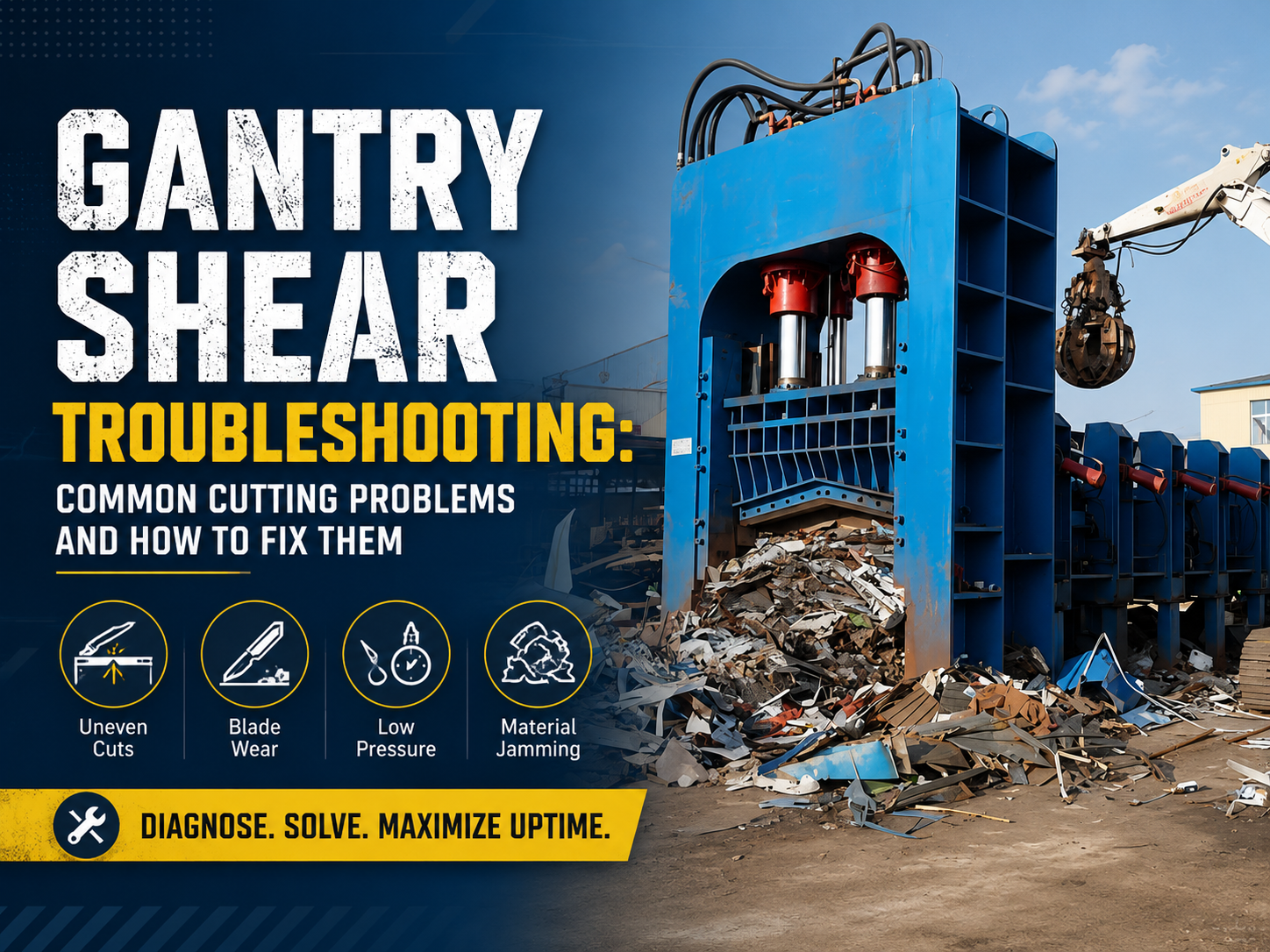
Introduction to Gantry Shear Troubleshooting
In the demanding world of heavy-duty metal recycling and industrial fabrication, the gantry shear stands as a cornerstone of productivity. As a high-capacity machine designed to process scrap metal, steel plates, and rebar, its operational efficiency is paramount. However, even the most robust HARSLE equipment can encounter performance hurdles. Understanding Gantry Shear Troubleshooting: Common Cutting Problems Fix Them is not just about repairs; it is about maintaining a competitive edge in your production line.
When a gantry shear begins to underperform, the impact is felt across the entire facility. From slowed throughput to compromised cut quality, these issues can lead to significant downtime. This comprehensive guide is designed to help operators and maintenance teams identify, diagnose, and resolve the most frequent challenges associated with gantry shear operation. By mastering these technical nuances, you ensure the longevity of your investment and the safety of your workforce.
Effective troubleshooting begins with a proactive mindset. Rather than waiting for a catastrophic failure, operators should be trained to recognize the subtle signs of mechanical stress or hydraulic inefficiency. Whether it is a jagged edge on a sheared plate or an unusual vibration during the cutting cycle, early detection is the key to minimizing repair costs. This article will walk you through the essential steps to keep your machinery running at peak performance.
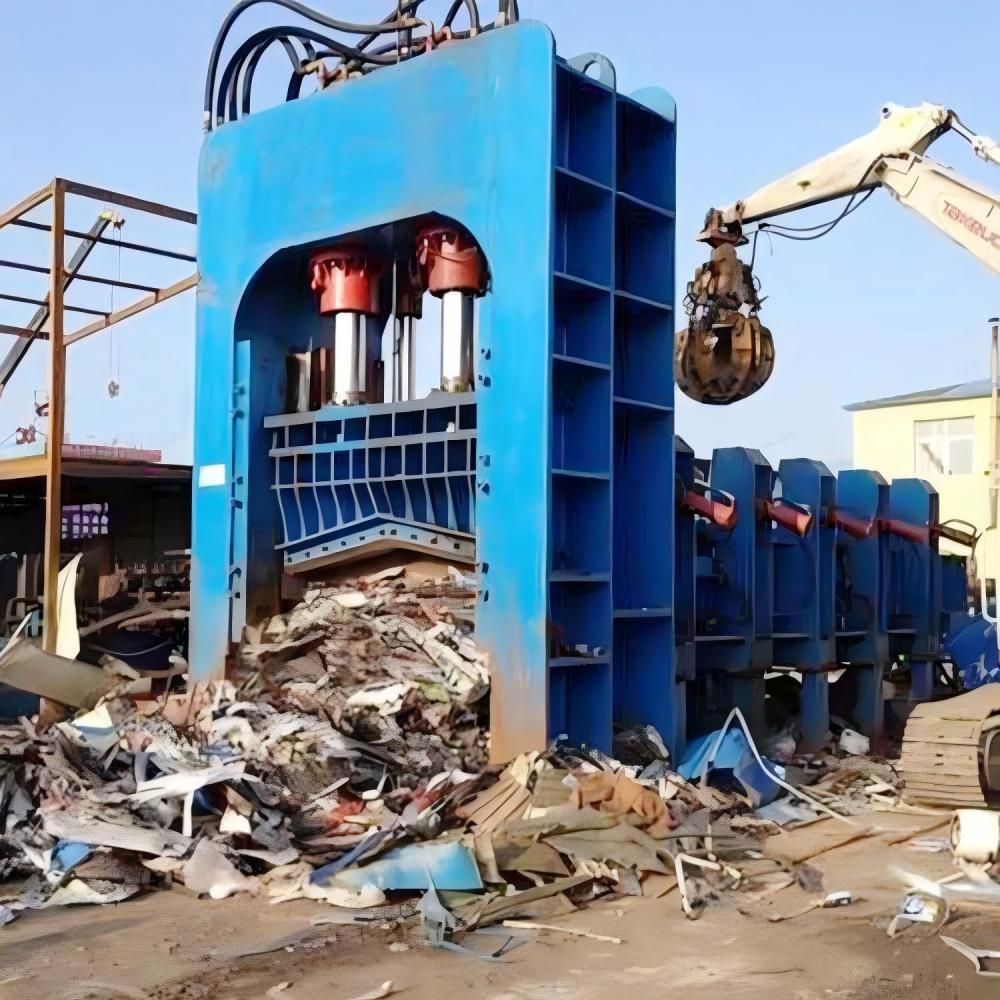
Key Considerations for Operational Excellence
Before diving into specific mechanical fixes, it is essential to establish a baseline for operational excellence. The environment in which a gantry shear operates plays a massive role in its reliability. Dust, debris, and extreme temperature fluctuations can wreak havoc on sensitive hydraulic components and electrical sensors. Maintaining a clean workspace around the machine is the first step in any troubleshooting protocol.
Operator training is another critical pillar of machine health. A well-trained operator understands the load limits of the gantry shear and respects the material specifications. Overloading the shear with material that exceeds its rated capacity is the most common cause of premature blade wear and hydraulic system strain. By adhering to HARSLE’s operational guidelines, you significantly reduce the frequency of troubleshooting interventions required.
Lubrication and routine inspection schedules must be treated as non-negotiable tasks. The gantry shear relies on a complex network of moving parts that require consistent lubrication to prevent friction-induced heat and wear. Implementing a digital maintenance log can help track these activities, ensuring that no component is overlooked. When maintenance is treated as a priority rather than an afterthought, the machine’s overall lifespan increases exponentially.
Finally, consider the importance of power stability. Industrial machinery requires consistent voltage to operate its hydraulic pumps and control systems effectively. Fluctuations in power can lead to intermittent sensor errors or erratic valve behavior. Investing in high-quality power conditioning equipment can prevent many of the “ghost” issues that often plague industrial shears, allowing your team to focus on production rather than constant troubleshooting.
Technical Details: Diagnosing Common Cutting Problems
One of the most frequent issues encountered during gantry shear troubleshooting is the presence of burrs or jagged edges on the cut material. This is almost always a sign of improper blade clearance. If the gap between the upper and lower blades is too wide, the metal is bent rather than sheared, resulting in a poor-quality finish. Adjusting the blade clearance according to the material thickness is a fundamental skill for any operator.
Another common problem is the machine failing to complete a full cutting cycle. This often points to a hydraulic pressure issue. If the system pressure is insufficient, the shear may stall mid-cut. This could be caused by a failing hydraulic pump, a clogged filter, or a leak in the hydraulic lines. Troubleshooting this involves checking the pressure gauge during a cycle and inspecting the hydraulic fluid levels and quality for signs of contamination.
Blade dullness is an inevitable reality of metal fabrication. As blades lose their edge, the force required to make a cut increases, putting unnecessary strain on the hydraulic cylinders and the structural frame of the gantry. Regular sharpening or replacement of the blades is essential. If you notice the machine struggling to cut through materials that it previously handled with ease, it is time to inspect the cutting edges for signs of chipping or rounding.
Electrical control issues can also manifest as cutting problems. If the shear stops unexpectedly or fails to respond to the foot pedal, the issue may lie within the PLC (Programmable Logic Controller) or the limit switches. These switches are responsible for signaling the end of a stroke; if they are misaligned or damaged, the machine may enter a safety lockout mode. Systematically checking these electrical components is a vital part of the troubleshooting process.
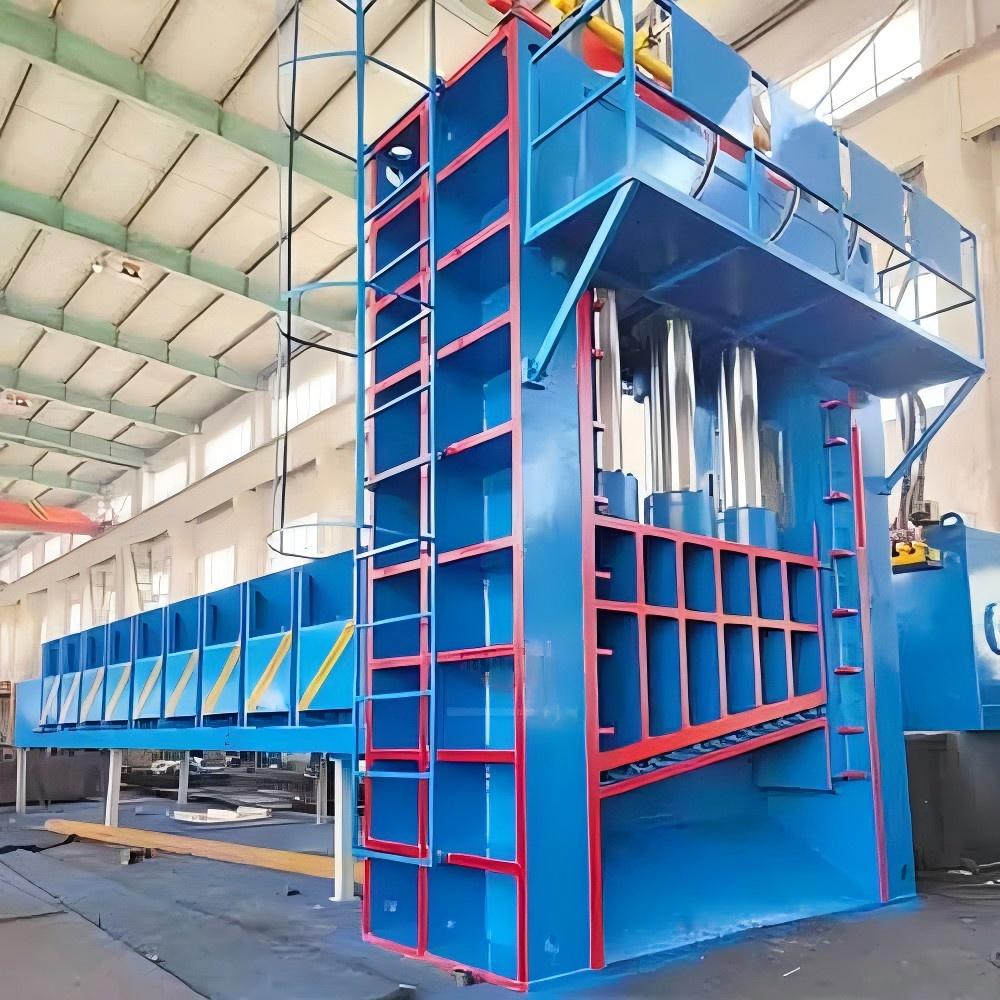
Selection Advice for Long-Term Reliability
When selecting a gantry shear, the initial purchase decision dictates the ease of future troubleshooting. HARSLE emphasizes the importance of choosing a machine that matches your specific material throughput and density requirements. A machine that is constantly pushed to its maximum capacity will inevitably require more frequent maintenance and troubleshooting than one that operates within its comfort zone.
Look for machines that feature modular designs. A gantry shear with easily accessible hydraulic manifolds and electrical panels makes the troubleshooting process significantly faster. When components are buried deep within the frame, even a simple sensor replacement can turn into a multi-hour project. Prioritize equipment that offers clear diagnostic interfaces, such as HARSLE’s modern control panels, which provide real-time error codes to pinpoint issues instantly.
Consider the availability of spare parts and technical support. A machine is only as good as the support behind it. When evaluating a manufacturer, ask about their lead times for critical components like hydraulic seals, blades, and control boards. A reliable partner will provide comprehensive documentation and training, empowering your team to handle common issues internally while offering expert support for more complex technical challenges.
Finally, evaluate the build quality of the frame and the hydraulic system. Heavy-duty steel construction and high-grade hydraulic components are the best defense against the wear and tear of industrial use. While the upfront cost may be higher, the reduction in downtime and the ease of troubleshooting make high-quality equipment a more cost-effective choice over the long term. Always request a demonstration or a site visit to see the machine in action before finalizing your purchase.
Troubleshooting Checklist: Quick Reference Table
| Problem | Potential Cause | Recommended Fix |
|---|---|---|
| Burrs on cut edge | Incorrect blade clearance | Adjust clearance to material thickness |
| Machine stalls mid-cut | Low hydraulic pressure | Check pump, filters, and fluid levels |
| Incomplete cutting cycle | Faulty limit switch | Inspect and realign limit switches |
| Excessive vibration | Loose mounting bolts | Tighten all structural fasteners |
| Overheating hydraulic oil | Clogged cooling system | Clean heat exchanger and check oil |
Frequently Asked Questions (FAQ)
How often should I sharpen the blades on my gantry shear?
Blade sharpening frequency depends on the material type and volume. As a general rule, inspect blades every 500-1000 operating hours. If you notice increased cutting force or poor edge quality, sharpen them immediately to prevent damage to the machine frame.
What should I do if the hydraulic system is leaking?
Immediately stop the machine and lock out the power. Identify the source of the leak—often a loose fitting or a worn seal. Replace the damaged component and ensure the hydraulic fluid is topped off and free of contaminants before resuming operation.
Can I use a gantry shear for non-metal materials?
No, gantry shears are specifically engineered for metal fabrication. Using them for other materials can cause unpredictable stress on the blades and hydraulic system, voiding your warranty and creating significant safety hazards.
Why does my HARSLE shear show an error code?
Error codes are diagnostic tools. Consult your HARSLE operation manual to identify the specific code. Most codes relate to sensor feedback, pressure limits, or safety interlocks. If the code persists after a reset, contact HARSLE technical support.
Conclusion
Mastering Gantry Shear Troubleshooting: Common Cutting Problems Fix Them is a journey of continuous improvement. By understanding the mechanical, hydraulic, and electrical systems that power your HARSLE equipment, you transform your maintenance team from reactive repairers into proactive performance managers. Remember that the longevity of your metal fabrication equipment is directly tied to the care and attention you provide during daily operations.
From ensuring proper blade clearance to maintaining clean hydraulic systems, every small action contributes to the overall efficiency of your production line. When you invest in high-quality machinery and commit to rigorous maintenance schedules, you minimize downtime and maximize the return on your investment. Should you ever encounter a challenge that exceeds your internal capabilities, HARSLE is always here to provide the expert guidance and support necessary to get your operations back on track.
As you continue to utilize your gantry shear, keep this guide as a reference. Share these troubleshooting practices with your team to foster a culture of safety and technical proficiency. With the right knowledge and the right equipment, your facility can achieve unparalleled levels of productivity and precision in the competitive world of metal fabrication.