How to Diagnose Hydraulic Pressure Problems in a Gantry Shear: A Comprehensive Maintenance Guide

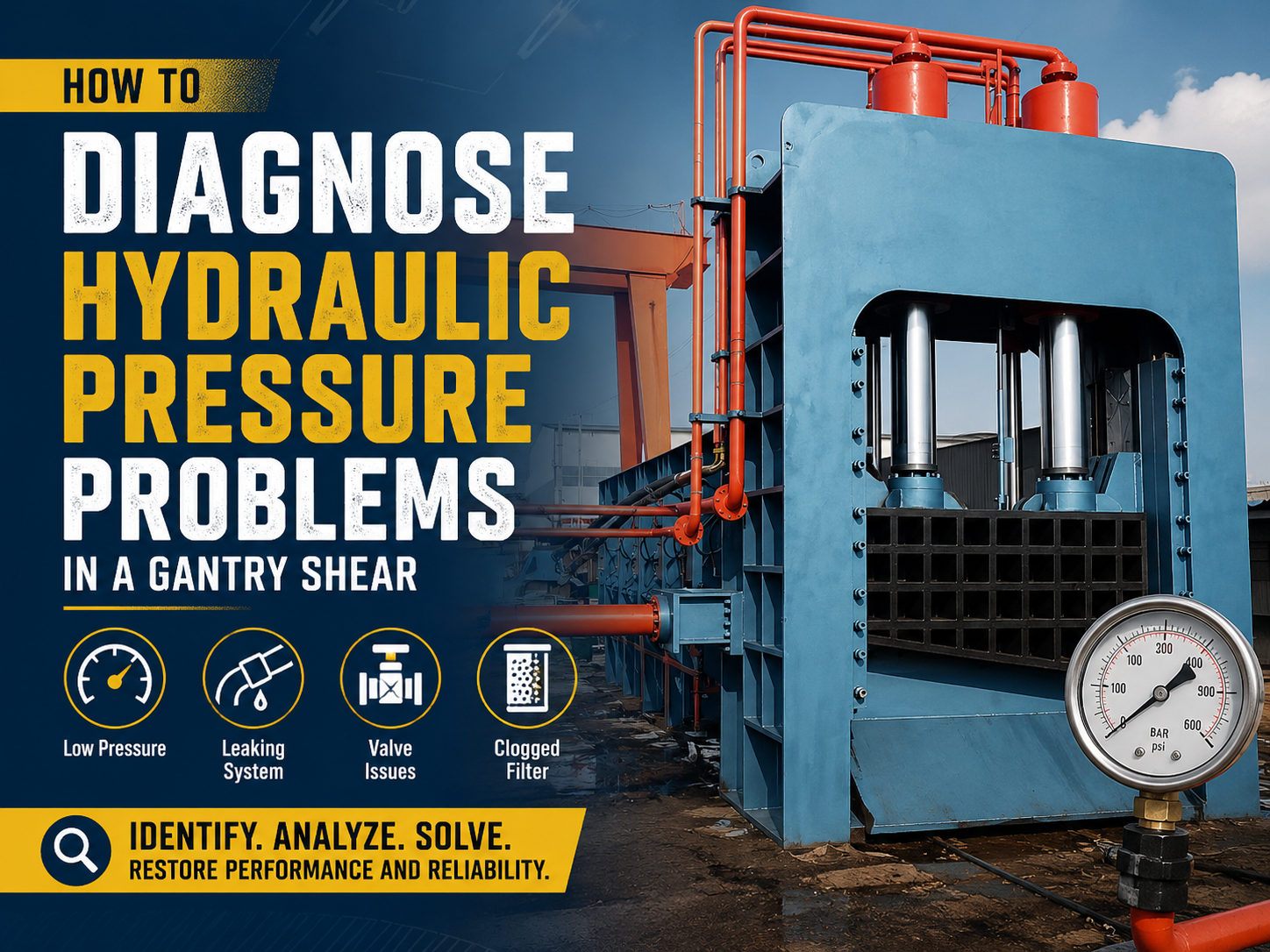
Introduction to Gantry Shear Hydraulic Systems
In the heavy-duty world of metal recycling and industrial fabrication, the gantry shear stands as a cornerstone of productivity. These massive machines rely on complex hydraulic systems to exert the immense force required to cut through thick steel plates, beams, and scrap metal. When the system functions correctly, the operation is seamless and efficient. However, when pressure drops or fluctuates, the entire production line can grind to a halt. Understanding how to diagnose hydraulic pressure problems in a gantry shear is not just a maintenance task; it is a critical skill for ensuring operational longevity and safety.
Hydraulic pressure is the lifeblood of a gantry shear. It powers the shearing blade, the hold-down clamps, and the feeding mechanisms. Because these systems operate under extreme stress, they are susceptible to wear, fluid contamination, and component fatigue. As a leading manufacturer of metal fabrication equipment, HARSLE emphasizes that proactive diagnostics can prevent catastrophic failures. By recognizing the early warning signs of pressure loss, operators can save thousands of dollars in downtime and repair costs.
This guide is designed to walk you through the systematic process of identifying, isolating, and resolving hydraulic pressure issues. Whether you are dealing with a sluggish blade stroke or a complete loss of cutting force, the following sections will provide the technical framework needed to restore your machine to its optimal state. We will explore everything from basic fluid checks to advanced valve diagnostics, ensuring you have the knowledge to maintain your equipment with confidence.
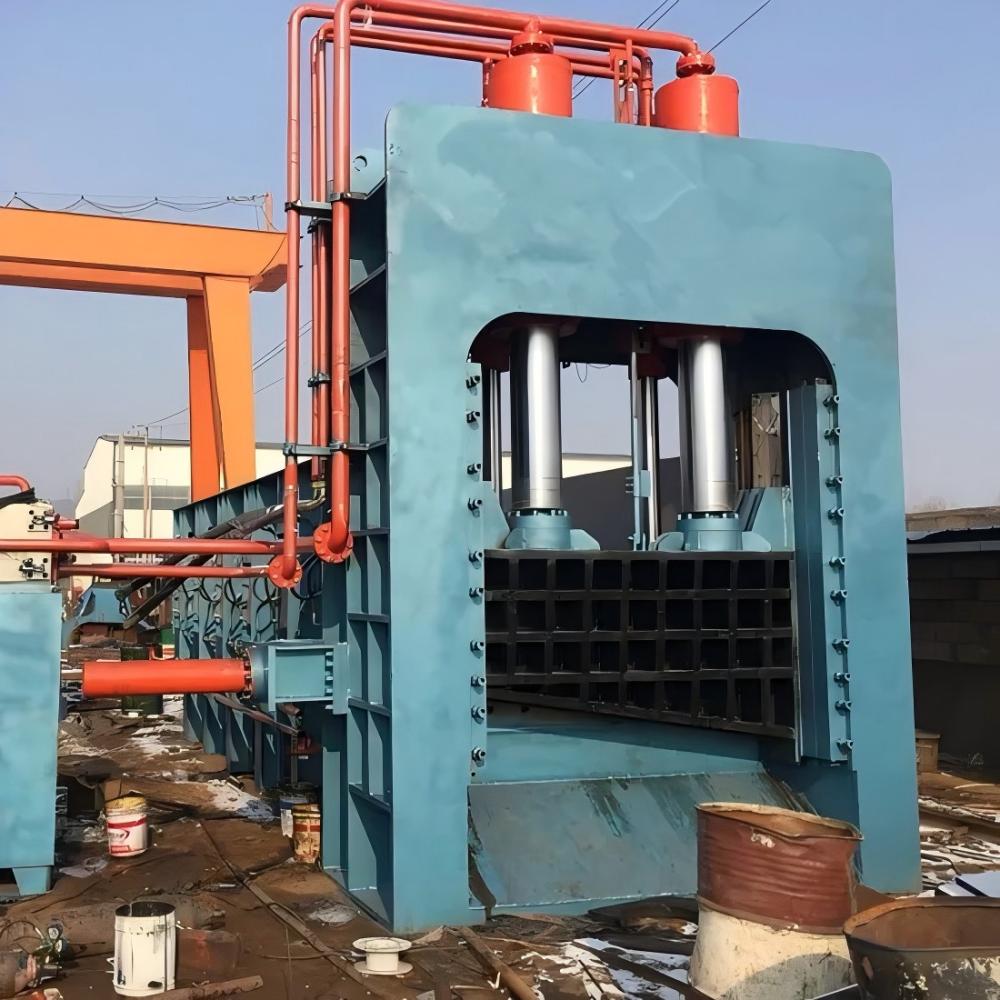
Key Considerations for Hydraulic System Health
Before diving into complex diagnostics, it is essential to establish a baseline for what constitutes a healthy hydraulic system. The most common cause of pressure-related issues is often the simplest: poor maintenance. Hydraulic oil, for instance, acts as both a lubricant and a power-transfer medium. If the oil is degraded, contaminated with water, or filled with metallic particulates, the entire system will suffer. Regular oil analysis should be a standard part of your preventative maintenance schedule.
Another key consideration is the environmental factor. Gantry shears are often located in harsh, outdoor, or dusty environments. Dust and debris can infiltrate hydraulic reservoirs if breathers are clogged or seals are compromised. Once contaminants enter the system, they can score cylinder walls, clog orifices, and cause internal leakage. Keeping the area around the hydraulic power unit clean is a simple yet effective way to prevent pressure fluctuations.
Temperature management is equally vital. Hydraulic systems generate significant heat during operation. If the cooling system—whether it be an air-blast cooler or a water-cooled heat exchanger—is failing, the oil will thin out. Thinner oil reduces the viscosity, which leads to internal leakage across pump and valve clearances, resulting in a noticeable drop in system pressure. Always monitor your oil temperature gauges during peak operation hours.
Finally, consider the human element. Operators are the first line of defense. They should be trained to listen for unusual pump noises, observe the speed of the shear stroke, and report any leaks immediately. A small “weeping” seal today can lead to a major pressure loss tomorrow. By fostering a culture of vigilance, you ensure that minor issues are addressed before they escalate into major hydraulic failures.
Technical Details: How to Diagnose Hydraulic Pressure Problems in a Gantry Shear
When you suspect a pressure issue, the first step is to verify the problem using a calibrated pressure gauge. Do not rely on the machine’s built-in digital display alone, as sensors can fail or provide inaccurate readings. Install a master gauge at the main pump outlet and compare the reading to the system specifications. If the pressure is low at the pump, the issue is likely the pump itself or the relief valve. If the pressure is normal at the pump but low at the cylinder, the problem lies in the distribution lines or the control valves.
The hydraulic pump is the heart of the system. If you hear a whining or grinding noise, it is a strong indicator of cavitation or mechanical wear. Cavitation occurs when air bubbles enter the pump, usually due to a restricted suction line or low oil levels. This creates a vacuum that can destroy pump internals in minutes. Check the suction strainer for clogs and ensure the pump intake is fully submerged and airtight.
Next, examine the relief valves. These valves are designed to dump excess pressure back to the tank to protect the system. If a relief valve is stuck in a partially open position, it will bleed off pressure continuously, preventing the shear from reaching its required force. Inspect the valve seat for debris or damage. Sometimes, a simple cleaning is all that is required to restore proper function. If the valve is worn, it must be replaced immediately to prevent further system damage.
Internal leakage is a silent killer of hydraulic pressure. This occurs when oil bypasses the seals inside a cylinder or a directional control valve. To test for cylinder bypass, retract the shear blade fully, disconnect the rod-end hose, and plug it. Then, attempt to extend the cylinder. If oil flows out of the open port, the internal piston seals are blown and need replacement. This test is a standard procedure when you notice the shear blade drifting or failing to hold its position under load.
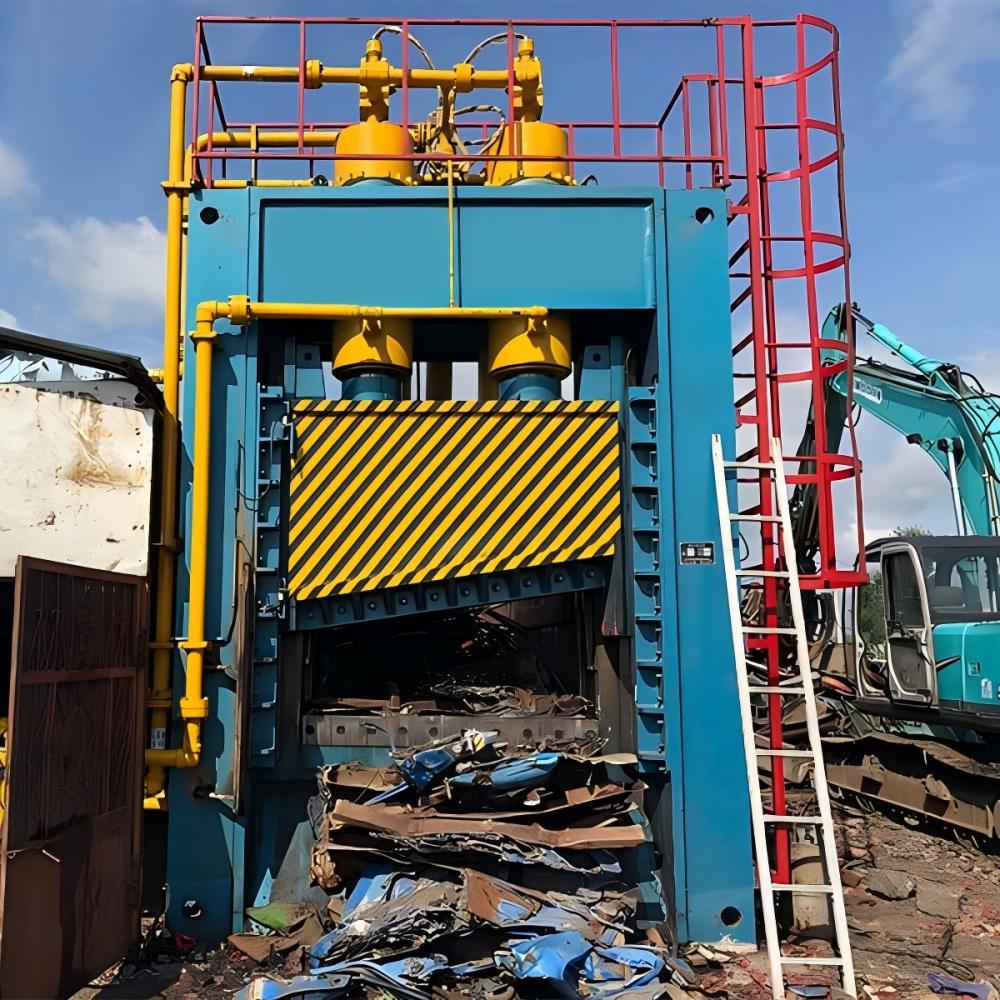
Advanced Troubleshooting and Component Analysis
Beyond the pump and valves, the hydraulic hoses and fittings deserve scrutiny. Over time, hoses can develop internal delamination, where the inner rubber lining breaks off and clogs downstream components. This can cause intermittent pressure drops that are notoriously difficult to track. If you have replaced major components and still experience pressure issues, inspect the hoses for signs of swelling or localized heat, which can indicate an internal blockage.
Directional control valves are another common point of failure. These valves use spools that shift to direct oil flow. If the spool is sticking due to varnish buildup or a broken spring, the valve may not fully open or close. This can result in a “partial flow” condition where the shear moves slowly or lacks the power to complete a cut. Use a multimeter to check the electrical solenoids that actuate these valves. If a solenoid is weak, it may not shift the spool completely, leading to pressure drops across the valve.
Accumulators are often used in gantry shears to provide a surge of power during the cutting stroke. If the nitrogen pre-charge in the accumulator is low, the system will lose its ability to maintain pressure during high-demand cycles. Check the pre-charge pressure using a nitrogen charging kit. If the bladder or diaphragm inside the accumulator is ruptured, the unit will fail to store energy, causing the machine to struggle during the most critical part of the shearing process.
Finally, consider the filtration system. A clogged filter will cause a pressure drop across the filter element. Most modern gantry shears are equipped with differential pressure indicators on the filter housing. If the indicator is in the red, the filter is bypassed or restricted. Always use high-quality, OEM-specified filter elements. Using a generic filter with the wrong micron rating can lead to premature wear of sensitive hydraulic components, creating a cascade of pressure issues throughout the machine.
Selection Advice: Choosing the Right Gantry Shear
When investing in a new gantry shear, the quality of the hydraulic system should be your primary concern. Look for manufacturers like HARSLE that utilize high-grade components from reputable suppliers. A well-engineered hydraulic system is designed with accessibility in mind, making it easier to diagnose and repair pressure problems when they inevitably arise. Avoid machines with overly complex or proprietary hydraulic circuits that require specialized, expensive tools for basic maintenance.
Consider the capacity requirements of your operation. A machine that is constantly pushed to its maximum pressure limit will experience faster wear on seals, pumps, and valves. It is often more cost-effective to purchase a shear with a slightly higher capacity than you currently need. This allows the machine to operate at a lower percentage of its maximum pressure, significantly extending the lifespan of the hydraulic components and reducing the frequency of pressure-related maintenance.
Evaluate the documentation provided with the machine. A high-quality gantry shear should come with detailed hydraulic schematics, a list of spare parts, and a clear maintenance schedule. If the manufacturer does not provide these, you will face significant challenges when trying to diagnose pressure problems in the future. HARSLE provides comprehensive technical manuals to ensure our clients can maintain their equipment effectively throughout its entire service life.
Lastly, look for features that simplify diagnostics. Modern gantry shears often include integrated pressure sensors and diagnostic ports that allow you to plug in a laptop or a handheld diagnostic tool. These features can save hours of troubleshooting time by pinpointing exactly which valve or pump is failing. Investing in a machine with advanced diagnostic capabilities is an investment in the long-term uptime of your fabrication facility.
Frequently Asked Questions (FAQ)
- Q: How often should I check the hydraulic oil in my gantry shear?
A: You should check the oil level daily and perform a full oil analysis at least every 1,000 operating hours to check for contamination and viscosity breakdown. - Q: Why does my shear blade move slowly even when the pump sounds normal?
A: This is often caused by a restricted flow path, such as a clogged filter, a partially blocked valve, or internal leakage in the cylinder seals. - Q: Can I use any hydraulic oil in my gantry shear?
A: No. Always use the oil grade specified in your HARSLE manual. Using the wrong viscosity can lead to pump cavitation or overheating. - Q: What is the most common cause of sudden pressure loss?
A: A failed relief valve or a blown seal in the main cylinder are the most frequent culprits for sudden, total pressure loss. - Q: How do I know if my hydraulic pump is failing?
A: Signs include excessive noise (whining or banging), increased heat, slower cycle times, and metal shavings found in the hydraulic filter.
Conclusion
Diagnosing hydraulic pressure problems in a gantry shear is a systematic process that requires patience, the right tools, and a solid understanding of hydraulic principles. By following the steps outlined in this guide—from verifying pressure with a master gauge to inspecting valves, seals, and filters—you can effectively troubleshoot and resolve the vast majority of hydraulic issues. Remember that the key to avoiding these problems in the first place is a rigorous preventative maintenance schedule and the use of high-quality components.
At HARSLE, we are committed to providing our customers with not only the best metal fabrication equipment but also the knowledge required to keep it running at peak performance. A gantry shear is a significant investment, and by mastering the art of hydraulic diagnostics, you ensure that your investment continues to deliver value for years to come. If you encounter a problem that you cannot resolve, do not hesitate to reach out to our technical support team for expert guidance. Proper care today ensures a productive tomorrow.